
Tricolor Camellia Live Plant – Camellia Japonica – Trade Gallon Pot – Outdoor Shrub
From $131.80
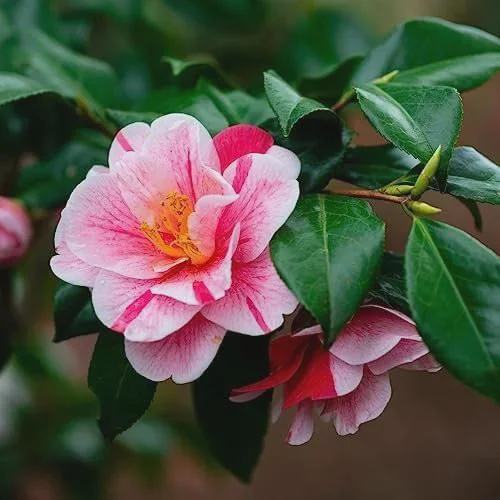
Introduce a vibrant touch to your garden with the Tricolor Camellia live plant. This beautiful Camellia Japonica shrub offers stunning white, red, and pink semi-double to double flowers, blooming from late winter to early spring. Ideal for adding year-round evergreen foliage and crucial winter interest, it arrives in a trade gallon container, ready for planting outdoors in USDA Zones 7a-10a.
-
USDA Hardiness Zone
7a-10a -
Soil Type
Acidic, well-draining soil (amended clay, loam, silt) -
Sunlight Exposure
Morning sun with afternoon shade or filtered sun all day -
Expected Planting Period
Mid to late spring or early fall

You can track your order HERE
Feb 28
Mar 05 - Mar 07
Mar 10 - Mar 14
Shipping and return policies: Our Alive & Thrive Guarantee covers issues with your plants within the first 30 days. Reach out to us. Our team will answer your questions and help you find the plants that are truly suitable for your environment, climate, and personal preferences.

Overview
Introduce a touch of elegance and vibrant color to your garden with the exquisite Tricolor Camellia live plant. This evergreen flowering shrub, scientifically known as Camellia Japonica, is a true spectacle, renowned for its captivating blooms that feature a unique blend of white, red, and soft pink hues on a single plant. Originating from Asia, the Camellia Japonica species is celebrated for its robust nature and ability to provide stunning floral displays during the cooler months, specifically late winter and early spring. Our Tricolor Camellia live plant arrives ready to thrive in your landscape, offering an immediate impact with its glossy, dark green foliage and promise of spectacular, large (4-5 inch) semi-double to double flowers. Perfect for gardeners seeking a distinctive and beautiful addition that offers year-round visual interest and a burst of color when most other plants are dormant.
The Tricolor Camellia live plant is an exceptional choice for creating impactful garden designs, whether used as a focal point, integrated into mixed borders, or planted en masse for a striking hedge. Its adaptability to various light conditions, including morning sun with afternoon shade or filtered sun all day, makes it a versatile option for many garden settings. With a mature height of 8-10 feet and a width of 5-8 feet, this shrub can be easily managed with pruning to fit your specific landscape needs. Experience the joy of cultivating a plant that not only survives but flourishes, bringing unparalleled beauty to your outdoor sanctuary during the less colorful seasons.
Key Benefits
The Tricolor Camellia live plant offers a multitude of benefits that make it a cherished addition to any garden:
- Stunning Floral Display: Enjoy large, beautiful flowers (4-5 inches) that showcase a unique mix of white, red, and soft pink on a single plant, providing an unparalleled visual spectacle during late winter and early spring. These vibrant blooms are a highlight of any garden.
- Evergreen Foliage: The glossy, dark green leaves remain vibrant throughout the year, ensuring continuous visual appeal even when the plant is not in bloom, adding structure and color to your garden. This provides consistent beauty.
- Winter Interest: As one of the few plants that bloom in late winter and early spring, the Tricolor Camellia live plant brings much-needed color and life to the landscape during an otherwise dormant period. This makes it an invaluable addition.
- Versatile Landscaping: Adaptable to various uses, it can be grown as a specimen plant, integrated into shrub borders, or pruned to form an attractive, colorful hedge, offering flexibility in garden design. This evergreen Camellia plant suits many styles.
- Low Maintenance: Once established, this evergreen Camellia plant requires average watering and is relatively easy to care for, making it suitable for both experienced gardeners and those new to horticulture. Its robust nature simplifies garden care.
- Attracts Pollinators: While not fragrant, its vibrant flowers can attract early pollinators, contributing to the biodiversity and health of your garden ecosystem. This supports local wildlife.
- Durable and Long-Lived: With proper care, Camellias are known for their longevity, providing many years of beauty and enjoyment in your garden. This ensures a lasting investment.
Plant Care & Growing Tips
Caring for your Tricolor Camellia live plant ensures it thrives and produces its magnificent blooms year after year. This beautiful evergreen shrub prefers specific conditions to reach its full potential. For sunlight, it performs best in morning sun with afternoon shade or in areas that receive filtered or dappled sun throughout the day. Avoid harsh, direct afternoon sun, especially in warmer climates, as this can scorch the leaves and stress the plant. Proper light exposure is crucial for abundant flowering and healthy foliage. When considering how to get the most out of your flowering Camellia plant, remember that consistent, appropriate light is key.
Watering needs for the Tricolor Camellia are average, requiring more frequent watering during establishment and dry periods, but becoming more drought-tolerant once mature. The soil should be consistently moist but never waterlogged, as good drainage is essential to prevent root rot. This plant thrives in acidic, well-draining soil types such as amended clay, loam, or silt. If your soil is sandy, amending it with organic matter will improve its water retention and nutrient content. Fertilize in early spring after the blooms fade, using a slow-release, acidic fertilizer specifically formulated for Camellias or other acid-loving plants. Ensure you follow the product’s instructions for application rates.
The Tricolor Camellia live plant is hardy in USDA Plant Hardiness Zones 7a-10a. It’s important to protect young plants from extreme cold snaps, especially in the lower end of its hardiness range. Mulching around the base can help regulate soil temperature and retain moisture. Pruning should be done after flowering to maintain shape and size, and to remove any dead or crossing branches. While generally robust, watch for common issues such as scale insects or camellia petal blight, and address them promptly with appropriate organic or chemical treatments. Understanding these care requirements will contribute significantly to successfully growing Camellia in containers or in the ground.
Size & Details
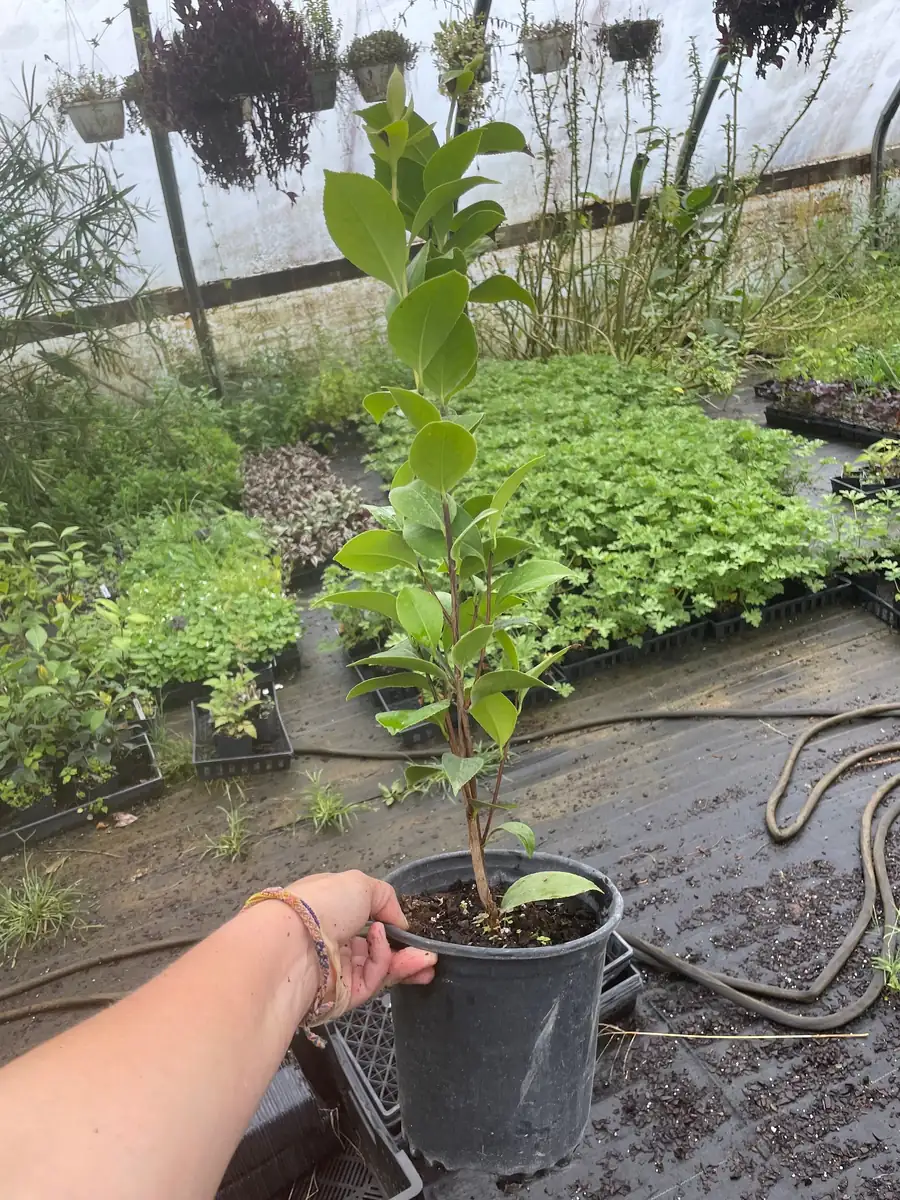
This Tricolor Camellia live plant is provided in a trade gallon container, which is equivalent to approximately 0.667 gallons of soil volume, ensuring a well-established root system for successful transplanting. At maturity, this evergreen shrub typically reaches a height of 8-10 feet and a width of 5-8 feet, though its size can be effectively managed through regular pruning. For creating solid hedges, a spacing of 4-5 feet between plants is recommended, while a 10-foot spacing allows individual plants to develop their distinct shape and presence. The large, attractive flowers measure 4-5 inches across and boast a semi-double to double form, displaying a beautiful combination of white, red, and soft pink petals. The dark green foliage provides a lush backdrop year-round. This Camellia Japonica shrub has an average growth rate, allowing for predictable development in your garden. It is shipped as a live, actively growing plant, ready to be introduced to its new environment.
Frequently Asked Questions
- Q: How big does this Tricolor Camellia live plant get? A: At maturity, this Camellia typically reaches a height of 8-10 feet and a width of 5-8 feet, depending on pruning. It can be kept smaller with regular trimming after flowering.
- Q: What size pot does it come in? A: This plant is shipped in a trade gallon container, which holds approximately 0.667 gallons of soil, providing a robust root system for transplanting.
- Q: Is this an indoor or outdoor plant? A: The Tricolor Camellia live plant is primarily an outdoor evergreen shrub, hardy in USDA Zones 7a-10a. While it can be briefly brought indoors for display, it thrives best in an outdoor garden environment.
- Q: How much sunlight does it need? A: It prefers morning sun with afternoon shade or filtered/dappled sun throughout the day. Avoid harsh, direct afternoon sun which can damage the foliage.
- Q: Is this plant easy to care for? A: Yes, once established, this evergreen Camellia plant is relatively low-maintenance. It requires consistent moisture, well-draining acidic soil, and protection from extreme temperatures.
- Q: What condition will it arrive in? A: Your Camellia will arrive as a live, actively growing plant with a healthy root system, carefully packaged to minimize stress during transit.
- Q: How long until it blooms? A: With proper care, you can expect the flowering Camellia plant to produce its beautiful blooms in late winter to early spring, potentially in its first or second season after planting.
- Q: When is the best time to plant? A: The optimal time for planting is typically mid to late spring after the danger of hard frost has passed, or in early fall. This allows the plant to establish its roots before extreme weather.
- Q: Will it survive winter in my zone? A: This Camellia is suitable for USDA Plant Hardiness Zones 7a-10a. If you are in zone 7a, some winter protection like mulching might be beneficial during severe cold spells.
- Q: What type of soil does this Camellia prefer? A: It thrives in well-draining, acidic soil types such as amended clay, loam, or silt. Amend sandy soils with organic matter for best results when growing Camellia in containers or in the ground.
| Amount | 1, 2 |
|---|
Be the first to review “Tricolor Camellia Live Plant – Camellia Japonica – Trade Gallon Pot – Outdoor Shrub”
People Also Viewed

Sold 77 products
Original price was: $70.98.$35.49Current price is: $35.49.
Sold 79 products
From $23.98

Sold 71 products
Original price was: $14.76.$7.38Current price is: $7.38.
Sold 97 products
Original price was: $28.76.$14.38Current price is: $14.38.
Sold 90 products
Original price was: $22.00.$17.60Current price is: $17.60.
Sold 66 products
Original price was: $64.80.$32.40Current price is: $32.40.
Sold 54 products
Original price was: $150.00.$120.00Current price is: $120.00.
Sold 87 products
From $51.80
Sold 68 products
From $59.96
Sold 100 products
Original price was: $105.80.$63.48Current price is: $63.48.
Sold 86 products
From $75.80
Sold 75 products
Original price was: $64.80.$32.40Current price is: $32.40.
Sold 95 products
Original price was: $51.98.$25.99Current price is: $25.99.
Sold 96 products
Original price was: $38.00.$19.00Current price is: $19.00.
Sold 67 products
Original price was: $79.08.$39.54Current price is: $39.54.
HousePlants
Purple Nepenthes Pitcher Plant Live – Exotic Tropical Houseplant for Indoor/Outdoor Décor
Sold 93 products
$65.98
Sold 98 products
Original price was: $38.00.$19.00Current price is: $19.00.
Sold 74 products
Original price was: $47.96.$23.98Current price is: $23.98.


Reviews
There are no reviews yet.