

Thornless Boysenberry Plant – Rubus Hybrid Starter – Live Berry Bush
Original price was: $32.00.$25.60Current price is: $25.60.
Cultivate your own delicious fruit with this thornless boysenberry plant. A robust Rubus hybrid starter, it yields large, sweet-tart berries ideal for fresh eating, jams, and desserts. Enjoy easy harvesting from this resilient perennial bush.
-
USDA Hardiness Zone
USDA zones 5-9 -
Soil Type
Well-draining, rich in organic matter -
Sunlight Exposure
Full sun -
Expected Planting Period
Early spring or fall

You can track your order HERE
Feb 26
Mar 03 - Mar 05
Mar 08 - Mar 12
Shipping and return policies: Our Alive & Thrive Guarantee covers issues with your plants within the first 30 days. Reach out to us. Our team will answer your questions and help you find the plants that are truly suitable for your environment, climate, and personal preferences.

Overview
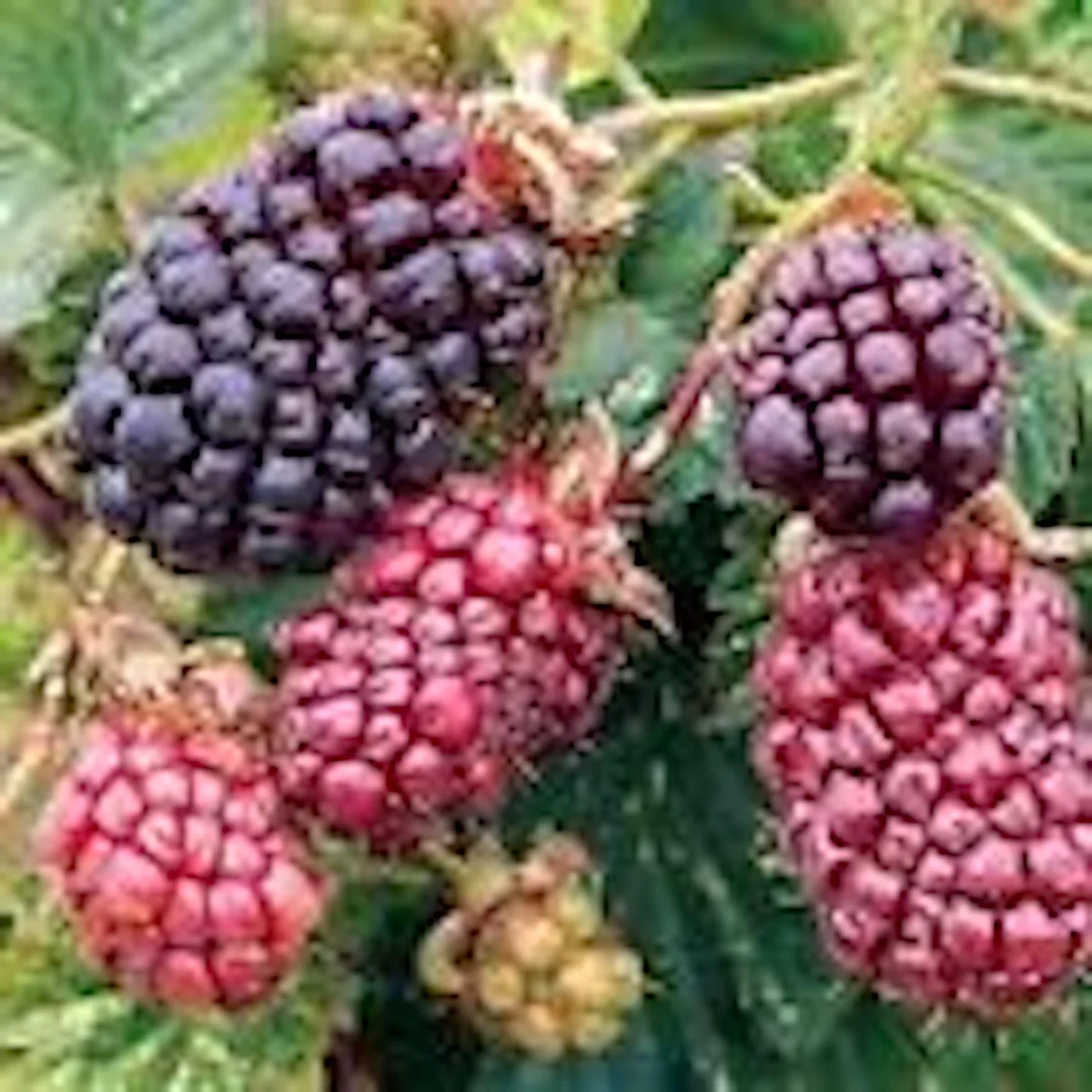
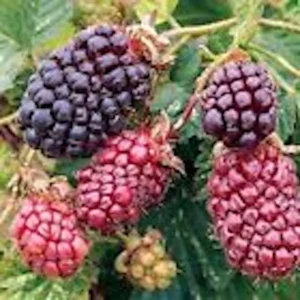
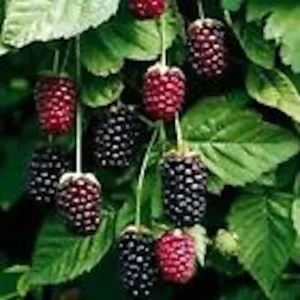
Bring the joy of homegrown berries to your garden with this exceptional thornless boysenberry plant. This live perennial starter offers a fantastic opportunity to cultivate your own supply of these highly prized, hybrid fruits. The boysenberry (Rubus ursinus × Rubus idaeus) is a fascinating cross between the European raspberry, American blackberry, and loganberry, resulting in a unique flavor profile that is both sweet and tart. Known for its large, dark purple to reddish-black berries, this boysenberry Rubus hybrid is a favorite among gardeners and culinary enthusiasts alike. Imagine fresh berries for breakfast, homemade jams, or delectable pies straight from your backyard. This easy-to-grow bush makes a wonderful addition to any edible landscape, providing bountiful harvests year after year.
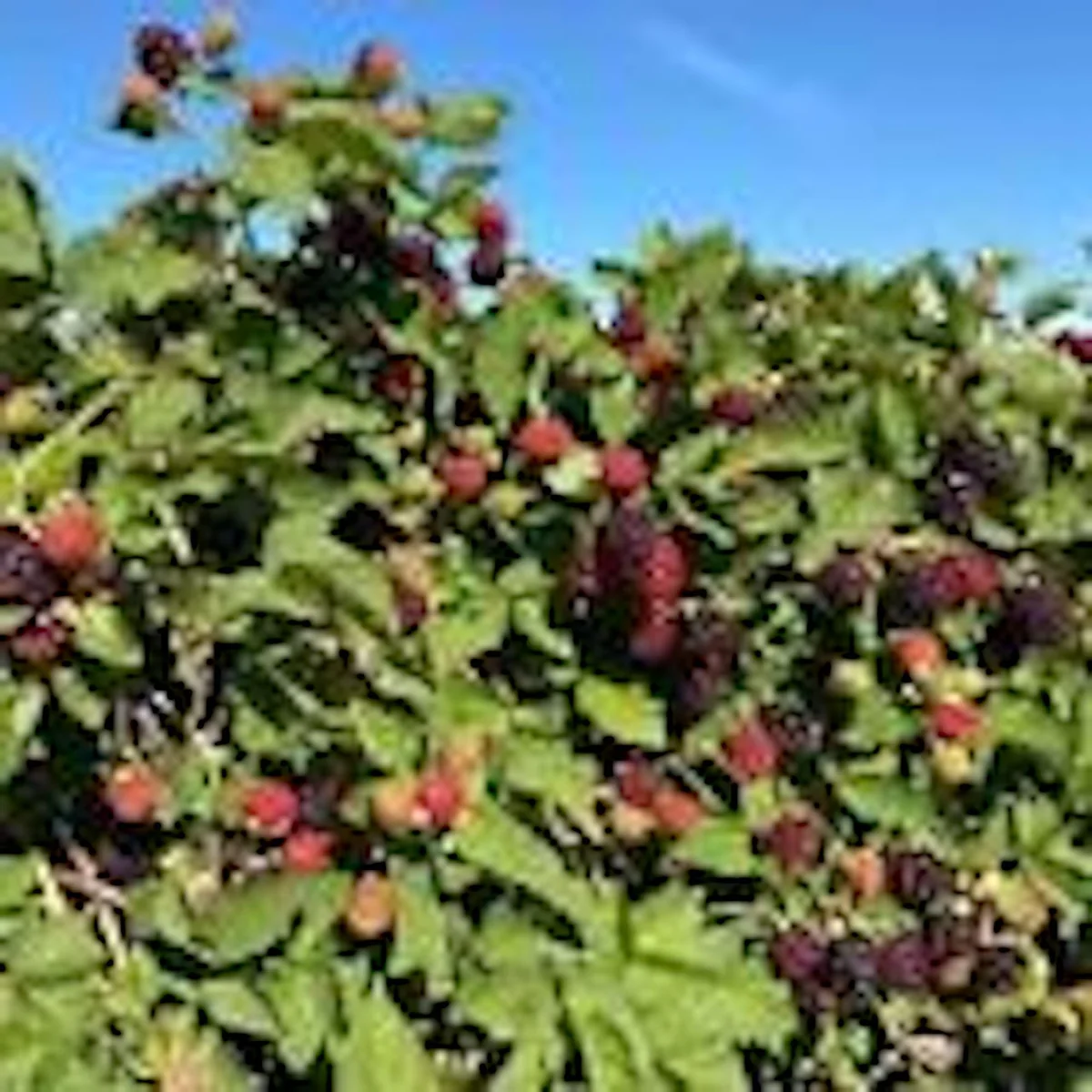
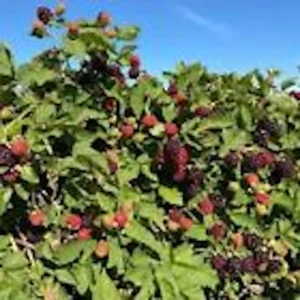
Our thornless boysenberry plant is a vigorous grower, developing into a sprawling vine or shrub that can reach impressive sizes when given the space. Its thornless nature makes harvesting a pleasure, free from the pricks and scratches often associated with other berry varieties. This plant is delivered as a healthy starter, ready to be planted and begin its journey of producing succulent fruit. Whether you are an experienced gardener or just starting out, growing a boysenberry plant provides immense satisfaction and a delicious reward.
Key Benefits
Adding a thornless boysenberry plant to your garden offers numerous advantages, from delicious harvests to practical gardening ease. Enjoy a continuous supply of fresh, flavorful fruit with minimal fuss.
- Abundant, Delicious Fruit: This plant produces a generous yield of large, juicy berries with a distinctive sweet-tart flavor, perfect for a wide range of culinary uses.
- Thornless Canes: Enjoy easy and pain-free harvesting thanks to the plant’s thornless nature, making it a great choice for families and beginner gardeners.
- Versatile Culinary Use: The berries are highly valued for making jams, jellies, pies, cobblers, and other desserts, adding a gourmet touch to your homemade creations.
- Perennial Growth: As a perennial shrub, this boysenberry plant will return year after year, offering consistent harvests with proper care, proving to be a long-term investment for your edible garden.
- Vigorous & Resilient: The boysenberry Rubus hybrid is known for its robust growth and adaptability, thriving in various garden settings and providing a strong foundation for your berry patch.
- Attractive Garden Addition: Beyond its fruit, the sprawling growth habit and lush foliage of the boysenberry bush can add an attractive, natural element to your landscape.
Plant Care & Growing Tips
Proper care is essential to ensure your thornless boysenberry plant thrives and produces abundant fruit. These plants are relatively low-maintenance but benefit greatly from attention to their specific needs. They prefer a location that receives full sun, meaning at least 6-8 hours of direct sunlight per day. Good air circulation is also important to prevent fungal diseases. When planting, choose a site with well-draining soil that is rich in organic matter. A slightly acidic to neutral pH (6.0-7.0) is ideal for optimal growth and fruit production. Incorporating compost or aged manure into the soil before planting will provide essential nutrients and improve soil structure.
Watering should be consistent, especially during dry periods and when the plant is fruiting. Aim for about 1 inch of water per week, either from rainfall or irrigation. Avoid overhead watering if possible, as wet foliage can encourage disease. Mulching around the base of the plant with straw, wood chips, or shredded leaves helps retain soil moisture, suppress weeds, and regulate soil temperature. Pruning is crucial for maintaining plant health and maximizing yields. After the first year, prune out any weak or diseased canes. Boysenberries typically fruit on second-year canes, so understanding how to prune for ‘floricanes’ (fruiting canes) and ‘primocanes’ (new canes) is key to a successful harvest. Support systems like trellises or wires are highly recommended to manage the sprawling nature of this boysenberry Rubus hybrid and keep the fruit off the ground.
Fertilize your boysenberry bush in early spring with a balanced slow-release fertilizer or an organic option like compost tea. Avoid excessive nitrogen, which can promote leafy growth at the expense of fruit. Protect your plants from common pests and diseases by regularly inspecting them and addressing any issues promptly. In colder climates, some winter protection may be necessary to ensure the survival of your perennial plant. Understanding how to grow boysenberry plant successfully involves consistent care, from proper sunlight and watering to strategic pruning and fertilization, all contributing to a bountiful harvest of delicious berries.
Size & Details
This offering is for 1 thornless boysenberry plant, provided as a healthy starter plant. Boysenberry plants are vigorous growers, and when mature and left unpruned, they can reach heights of 4 to 6 feet (1.2 to 1.8 meters) and spread widely, up to 6 to 8 feet (1.8 to 2.4 meters). They are typically shipped bare root, which means they arrive without soil or a pot, allowing for easier transplanting and establishment in your garden. The exact size of the starter plant will vary based on the growing season, but each is selected for its health and potential for robust growth. Expect your plant to establish quickly and begin producing fruit in its second year, with increasing yields as it matures.
The sprawling vine or shrub type of growth means that providing a trellis or other support structure is highly beneficial. This helps manage the plant’s spread, keeps the berries clean, and makes harvesting much simpler. This perennial fruit bush offers long-term production, providing you with fresh berries for many seasons to come. The sweet-tart flavor of these berries is truly unique, making this a worthwhile addition to any home orchard or garden. Understanding how to grow boysenberry plant from a starter ensures you get a good head start on your berry production.
Frequently Asked Questions
- Q: How big does this thornless boysenberry plant get? A: A mature thornless boysenberry plant can grow into a sprawling vine or shrub, reaching heights of 4 to 6 feet and spreading 6 to 8 feet wide if left unpruned. Providing a trellis helps manage its size.
- Q: Is this an indoor or outdoor plant? A: Boysenberry plants are outdoor perennial fruit bushes. They require full sun exposure and are best suited for planting directly in the ground or in very large containers outdoors.
- Q: How much sunlight does a boysenberry plant need? A: To produce the best fruit, a boysenberry plant needs at least 6-8 hours of direct sunlight per day. Choose a sunny location in your garden for planting.
- Q: Is this plant easy to care for? A: Yes, boysenberry plants are relatively easy to care for. They require consistent watering, well-draining soil, and annual pruning to maintain health and maximize fruit production.
- Q: What condition will the boysenberry plant arrive in? A: The boysenberry Rubus hybrid starter plant is typically shipped bare root, meaning it will arrive without soil or a pot. It will be carefully packaged to ensure its health during transit.
- Q: When is the best time to plant a thornless boysenberry? A: The best time to plant a thornless boysenberry plant is in early spring after the last frost, or in the fall in milder climates. This allows the plant time to establish before extreme temperatures.
- Q: Can I use the berries from this plant for cooking? A: Absolutely! The large, sweet-tart berries from this boysenberry plant are highly versatile and perfect for making jams, jellies, pies, cobblers, and other delicious desserts.
- Q: What USDA hardiness zone is suitable for growing boysenberries? A: Boysenberries generally thrive in USDA hardiness zones 5-9. They appreciate a period of winter chill to produce well but can be sensitive to extremely cold temperatures without protection.
- Q: How long until my boysenberry plant produces fruit? A: Your boysenberry plant will typically begin producing fruit in its second year after planting, with yields increasing significantly as the plant matures.
- Q: How do I grow boysenberry plant successfully? A: To successfully grow boysenberry plant, ensure full sun, well-draining soil, consistent watering, and regular pruning. Providing a trellis for support will also greatly aid its growth and fruit production.
Be the first to review “Thornless Boysenberry Plant – Rubus Hybrid Starter – Live Berry Bush”
People Also Viewed
Trees
Snow Fountains Weeping Cherry Tree Live Plant – 2-3 Feet Tall Grafted in 3 Gallon Pot – Outdoor
Sold 60 products
Original price was: $355.96.$177.98Current price is: $177.98.
Sold 67 products
Original price was: $44.00.$35.20Current price is: $35.20.
Sold 50 products
Original price was: $35.80.$17.90Current price is: $17.90.
Sold 92 products
$41.90
Sold 85 products
Original price was: $63.96.$31.98Current price is: $31.98.
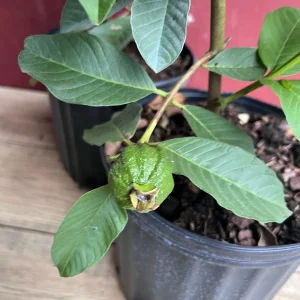
Sold 66 products
Original price was: $334.96.$200.96Current price is: $200.96.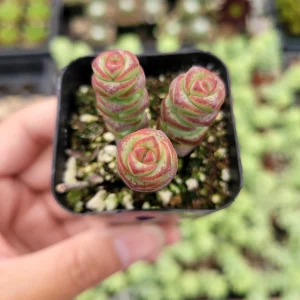
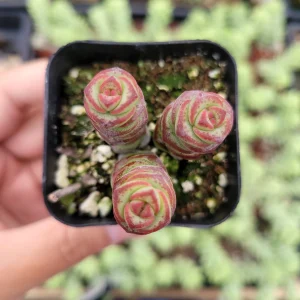
Sold 58 products
Original price was: $19.00.$9.50Current price is: $9.50.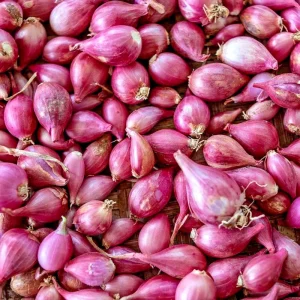
Sold 94 products
Original price was: $74.76.$37.38Current price is: $37.38.
Sold 91 products
From $103.80

HousePlants
Plectranthus forsteri ‘Marginatus’ Variegated Swedish Ivy Live Plant – Easy Care Houseplant
Sold 70 products
From $18.32
Sold 66 products
Original price was: $43.98.$35.18Current price is: $35.18.
Sold 59 products
Original price was: $22.76.$11.38Current price is: $11.38.
Sold 54 products
Original price was: $83.80.$41.90Current price is: $41.90.
Sold 67 products
Original price was: $103.60.$51.80Current price is: $51.80.
Sold 70 products
Original price was: $11.96.$5.98Current price is: $5.98.
Sold 59 products
Original price was: $60.00.$30.00Current price is: $30.00.
Sold 85 products
Original price was: $28.99.$18.99Current price is: $18.99.
Sold 60 products
Original price was: $172.80.$86.40Current price is: $86.40.


Reviews
There are no reviews yet.