
Thornless Blackberry Live Plants – 3 Rubus Starter Plants, High Yield Fruit Bush, Zones 5-9
Original price was: $57.50.$46.00Current price is: $46.00.
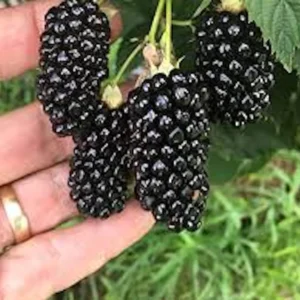
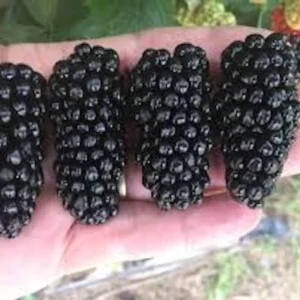
Cultivate your own delicious fruit with this pack of 3 thornless blackberry live plant starters. These thornless blackberry bush specimens are known for their high yield and easy maintenance, making them an excellent addition to any home garden. Enjoy fresh, sweet berries year after year!
-
USDA Hardiness Zone
USDA Zones 5-9 -
Soil Type
Well-draining, rich in organic matter -
Sunlight Exposure
Full sun (6-8+ hours daily) -
Expected Planting Period
Spring to early summer

You can track your order HERE
Feb 26
Mar 03 - Mar 05
Mar 08 - Mar 12
Shipping and return policies: Our Alive & Thrive Guarantee covers issues with your plants within the first 30 days. Reach out to us. Our team will answer your questions and help you find the plants that are truly suitable for your environment, climate, and personal preferences.

Overview
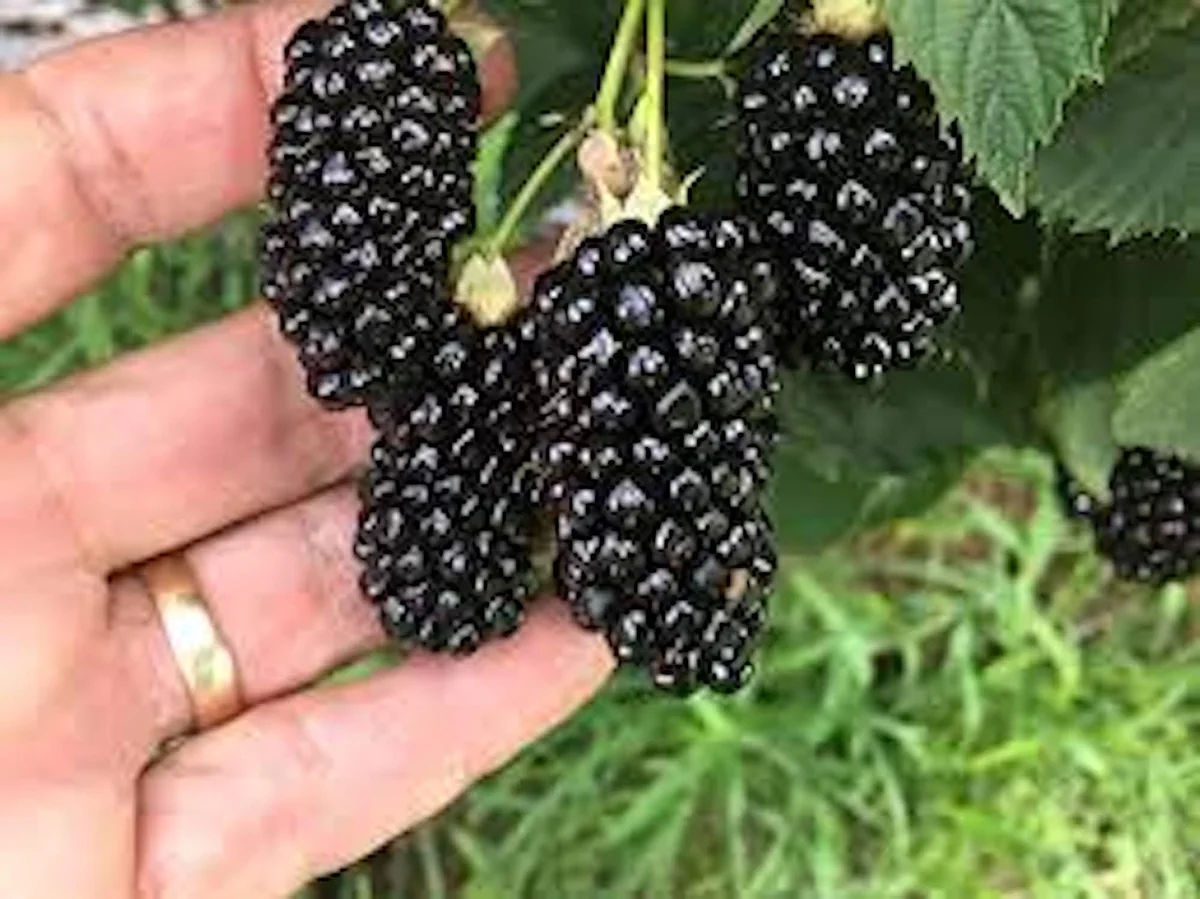
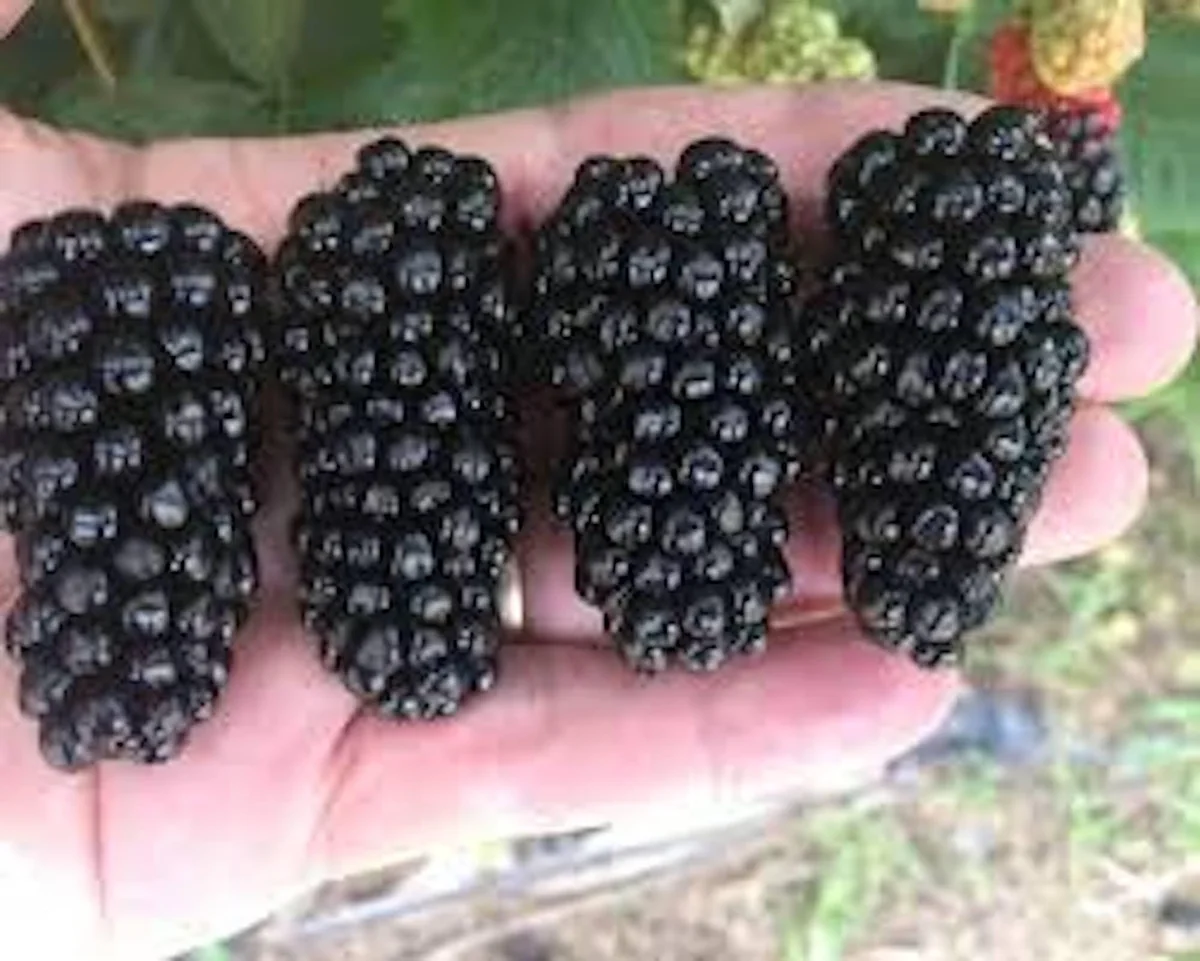
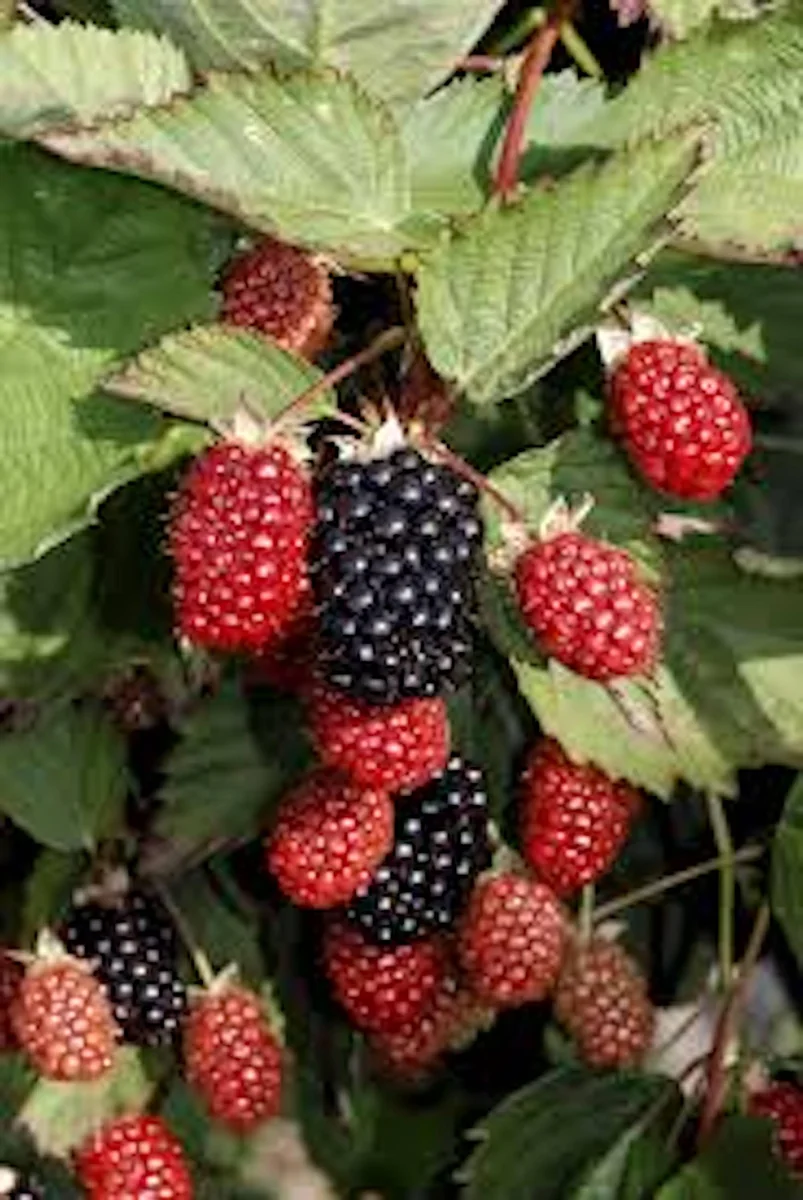
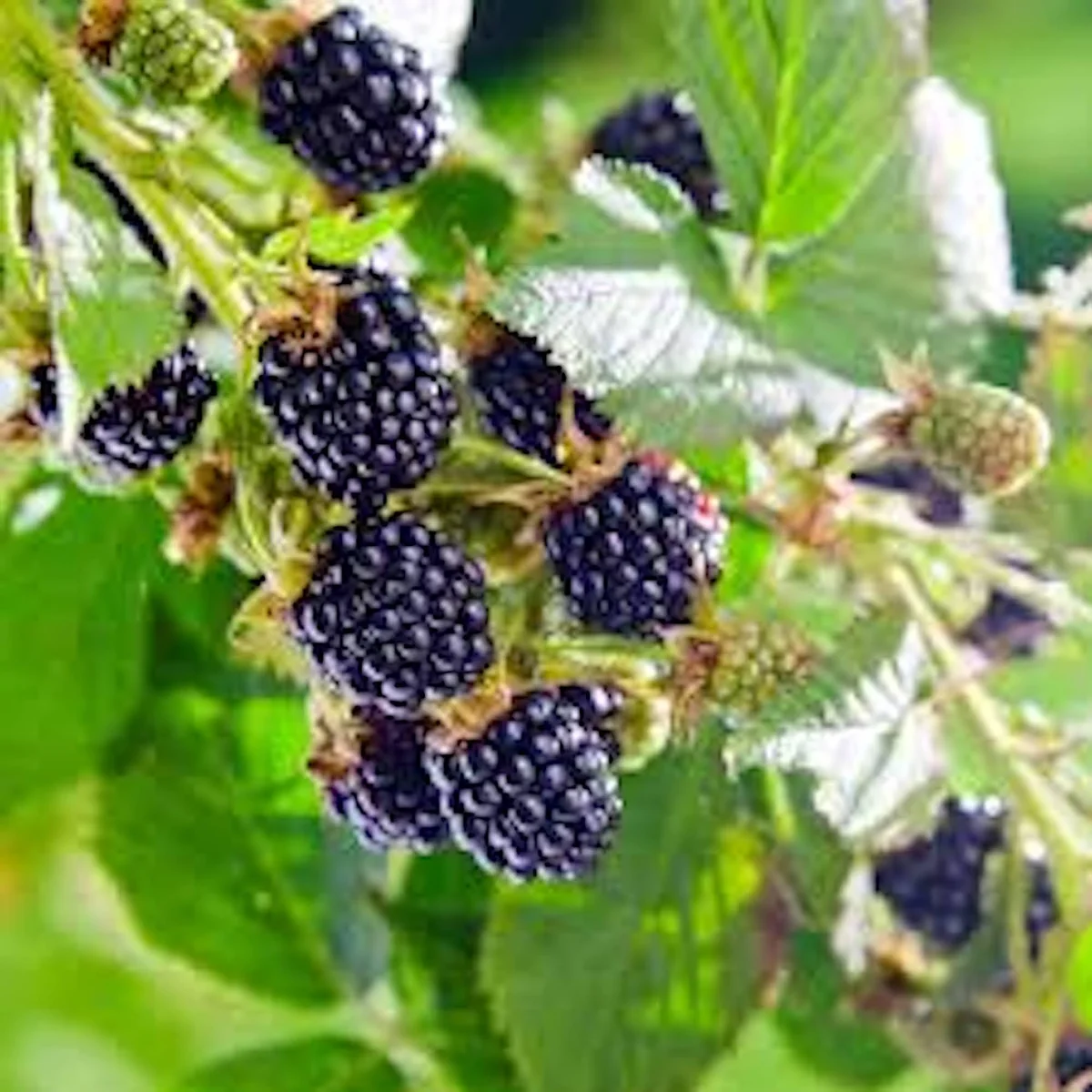
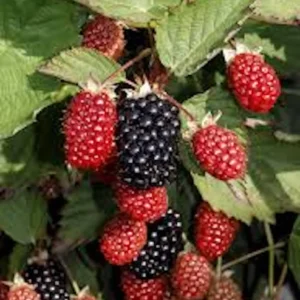
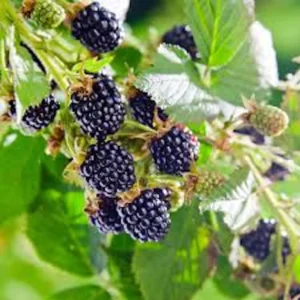
Transform your garden into a bountiful haven with our premium thornless blackberry live plant starters. This offering includes 3 robust Rubus plants, carefully cultivated to ensure a successful start in your outdoor space. These particular plants are celebrated for their thornless canes, which makes harvesting your delicious fruit a much more enjoyable experience. Blackberries (Rubus fruticosus) are a beloved fruit, known for their rich, deep color and sweet, juicy flavor, perfect for eating fresh, making jams, pies, or adding to smoothies. Our thornless blackberry live plant selection provides an excellent opportunity for both novice and experienced gardeners to grow their own organic produce, ensuring a high yield of delectable berries.
Each thornless blackberry bush in this pack is a perennial, meaning it will return year after year to provide a generous harvest. These plants are self-fertile, so even a single plant can produce a significant amount of fruit. Expect an impressive yield of 10 to 15 pounds of fruit per plant each growing season once established. The ‘Big Daddy’ variety, from which these starters are derived, is known for its vigorous growth and productivity. By choosing these Rubus fruticosus plant starters, you are investing in a long-term source of fresh, healthy fruit that will enhance your culinary endeavors and outdoor landscape.
Key Benefits
Growing your own thornless blackberry live plant offers a multitude of advantages, from fresh produce to aesthetic appeal. These plants are designed for success and provide numerous benefits:
- Easy Harvesting: The thornless canes make picking berries a comfortable and safe activity, eliminating the need to navigate sharp thorns. This is a significant advantage over traditional thorny varieties and makes the thornless blackberry bush a joy to maintain.
- High Yield Potential: Each established plant can produce 10 to 15 pounds of delicious fruit annually, providing an abundant supply for your family and friends. This high yield ensures you’ll have plenty of berries to enjoy throughout the season.
- Self-Fertile: These plants are self-pollinating, meaning you only need one plant to produce fruit. However, planting multiple blackberry bushes can lead to an even more prolific harvest.
- Beautiful Garden Addition: Beyond their fruit, these shrubs add a lovely, deep green luster to any garden, creating an attractive hedgerow or garden border. The lush foliage and eventual dark fruit are visually appealing.
- Winter Hardy: These blackberry plants are robust and can withstand colder temperatures, thriving in USDA Zones 5-9, making them suitable for a wide range of climates.
- Biennial Fruiting: While the plant is perennial, the canes produce fruit biennially, ensuring a consistent cycle of new growth and fruiting canes each year. This natural rhythm helps to maximize your harvest and manage the plant’s health.
- Versatile Use: Enjoy fresh berries straight from the bush, or use them in various culinary creations like pies, jams, jellies, smoothies, and desserts. Learning how to grow blackberries opens up a world of culinary possibilities.
Plant Care & Growing Tips
Caring for your thornless blackberry live plant is relatively straightforward, ensuring a rewarding harvest with proper attention. These plants thrive in full sun, requiring at least 6-8 hours of direct sunlight per day for optimal fruit production. While they can tolerate partial shade, a sunny location will result in sweeter and more abundant berries. Ensure your planting site has well-draining soil, rich in organic matter. A slightly acidic to neutral pH (5.5-7.0) is ideal for these plants. Amend heavy clay soils with compost or other organic material to improve drainage and aeration before planting your thornless blackberry bush.
Watering is crucial, especially during the establishment phase and while the fruit is developing. Keep the soil consistently moist but not waterlogged. Deep watering once or twice a week is generally sufficient, depending on your climate and soil type. Reduce watering during cooler, dormant periods. Fertilize in early spring with a balanced slow-release fertilizer or a granular fertilizer specifically formulated for fruit-bearing plants. Avoid over-fertilizing, which can promote excessive foliage growth at the expense of fruit production. Pruning is essential for maintaining plant health and maximizing yield. Blackberry canes are biennial; they grow one year (primocanes) and produce fruit the next (floricanes), then die. After fruiting, prune back the floricanes to the ground. Thin out primocanes in late winter or early spring, leaving 4-6 strong canes per plant. This helps to promote new growth and air circulation, contributing to a better harvest and helping you to successfully grow blackberries.
These plants are winter-hardy and generally do well in USDA Zones 5-9. In colder zones, you might consider providing some winter protection, such as mulching around the base of the plant. Common problems include fungal diseases like anthracnose or powdery mildew, which can be managed with good air circulation, proper pruning, and fungicidal sprays if necessary. Pests like spotted wing drosophila can be an issue, but regular monitoring and appropriate organic pest control methods can help protect your precious fruit. By following these care tips, you’ll be well on your way to enjoying a successful and delicious harvest from your high yield fruit plant.
Size & Details
This offering includes 3 thornless blackberry live plant starters, ready to be planted in your garden. These are healthy young plants, similar in size to typical starter plants and are shipped with their roots carefully wrapped to maintain moisture during transit, ensuring they arrive in optimal condition for planting. Once established, these plants will develop stiff, short canes that grow from the crown of the roots, forming an attractive and productive hedgerow. The specific ‘Big Daddy’ variety is known for its robust growth habit and ability to produce an impressive quantity of fruit.
The plants are expected to reach a mature height and spread that makes them ideal for garden rows or as part of a mixed edible landscape. While individual growth rates vary based on climate and care, you can anticipate these bushes to establish quickly and begin producing fruit within their second year. Each plant is a high yield fruit plant, capable of providing 10 to 15 pounds of berries per season when mature. These are perennial shrubs, meaning they will provide many years of enjoyment and fresh fruit. The biennial fruiting cycle ensures a continuous supply of new canes and a consistent harvest once the plants are established.
Frequently Asked Questions
- Q: How big does this plant get? A: Once mature, the thornless blackberry live plant will develop into a robust bush with stiff canes, forming a hedgerow. Exact dimensions depend on pruning and growing conditions, but they are typically managed to a size suitable for home gardens.
- Q: Is this an indoor or outdoor plant? A: These are outdoor plants, specifically suited for garden environments. They are winter-hardy and thrive when planted directly in the ground, making them an ideal thornless blackberry bush for your yard.
- Q: How much sunlight does it need? A: For optimal fruit production and plant health, the Rubus fruticosus plant requires at least 6-8 hours of direct sunlight per day. Full sun exposure is recommended for the best results.
- Q: Is this plant easy to care for? A: Yes, thornless blackberries are considered relatively easy to care for. With proper watering, sunlight, and annual pruning, even beginner gardeners can successfully grow blackberries and achieve a good harvest.
- Q: What condition will it arrive in? A: The 3 starter plants will arrive with their roots carefully wrapped and kept damp to ensure they are healthy and ready for planting immediately upon arrival.
- Q: How long until it blooms and fruits? A: These plants will typically establish in their first year. Fruit production usually begins in the second year, with canes producing fruit biennially thereafter, ensuring a consistent supply from your high yield fruit plant.
- Q: What’s the minimum temperature it can tolerate? A: These thornless blackberry plants are winter-hardy and thrive in USDA Zones 5-9, meaning they can tolerate temperatures well below freezing when dormant.
- Q: Can I grow these in a container? A: While possible, growing thornless blackberries in containers requires very large pots and diligent watering and feeding. For best results and maximum yield, planting directly in the ground is recommended.
- Q: Do these plants have thorns? A: No, as the name suggests, these are thornless varieties, making harvesting much easier and more enjoyable. This is a key advantage of the thornless blackberry live plant.
- Q: What kind of soil is best for these blackberries? A: They prefer well-draining soil rich in organic matter. A slightly acidic to neutral pH (5.5-7.0) is ideal for healthy growth and fruit production.
Be the first to review “Thornless Blackberry Live Plants – 3 Rubus Starter Plants, High Yield Fruit Bush, Zones 5-9”
People Also Viewed
Sold 51 products
Original price was: $45.98.$22.99Current price is: $22.99.

Sold 64 products
Original price was: $61.98.$30.99Current price is: $30.99.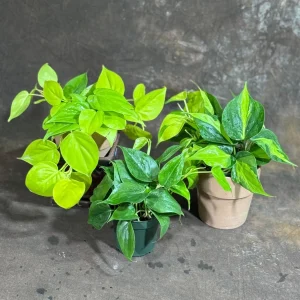
HousePlants
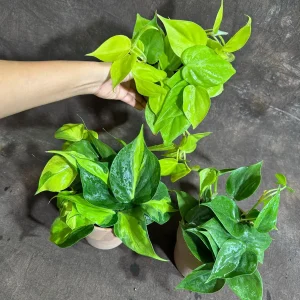
Set of 3 Philodendron Live Plants 4″ Nursery Pot – Brazil, Jade, Lemon Lime Indoor Houseplant
Sold 62 products
Original price was: $99.96.$49.98Current price is: $49.98.
HousePlants
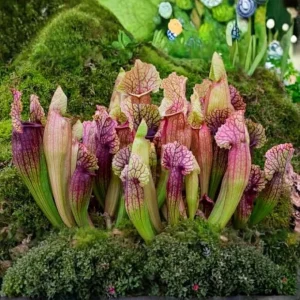
Purple Nepenthes Pitcher Plant Live – Exotic Tropical Houseplant for Indoor/Outdoor Décor
Sold 58 products
$65.98
Sold 60 products
Original price was: $47.96.$23.98Current price is: $23.98.
Sold 67 products
Original price was: $31.98.$15.99Current price is: $15.99.
Sold 95 products
Original price was: $391.96.$195.98Current price is: $195.98.
Sold 51 products
Original price was: $39.99.$19.99Current price is: $19.99.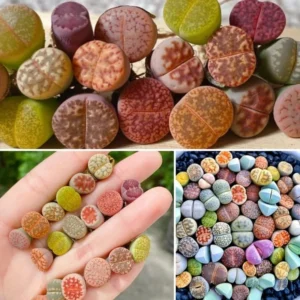
HousePlants
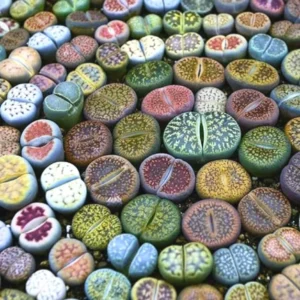
Lithops Live Plants Mix – 10 Large Colorful Living Stones Succulents for Indoor/Outdoor Growing
Sold 62 products
Original price was: $27.98.$13.99Current price is: $13.99.
Sold 50 products
From $13.98
Sold 82 products
$48.38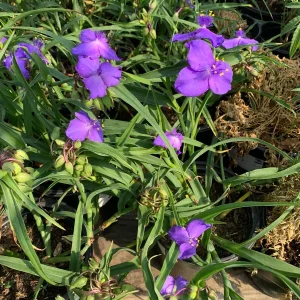
Flower Plants
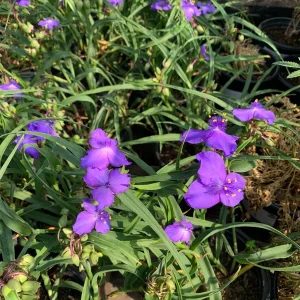
Tradescantia Virginia Purple Spiderwort Live Plant – 1 ft Tall in 6″ Pot – Outdoor Flower
Sold 92 products
Original price was: $147.16.$73.58Current price is: $73.58.
Sold 52 products
$43.98
Sold 99 products
Original price was: $100.00.$50.00Current price is: $50.00.
Sold 98 products
From $61.58
Sold 65 products
Original price was: $89.98.$44.99Current price is: $44.99.
Sold 92 products
From $14.98
Sold 87 products
$87.98


Reviews
There are no reviews yet.