
Thai Hot Pepper Live Plant – 3 inch Pot – Spicy Culinary Vegetable
Original price was: $89.56.$44.78Current price is: $44.78.
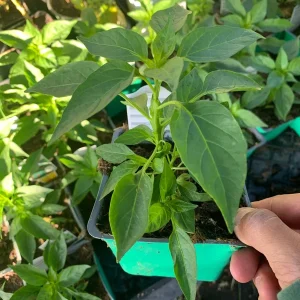
Cultivate your own fiery flavors with this vibrant thai hot pepper live plant. Arriving in a 3-inch pot, this young plant is ready to be transplanted and start producing an abundance of small, intensely spicy peppers. Ideal for container gardening or garden beds, it brings a delicious heat to any dish.
-
USDA Hardiness Zone
USDA zones 9–11 (as perennial), otherwise annual -
Soil Type
Well-draining potting mix or loamy garden soil -
Sunlight Exposure
Full sun (6-8+ hours direct light) -
Expected Planting Period
Spring to early summer (after last frost)

You can track your order HERE
Mar 02
Mar 07 - Mar 09
Mar 12 - Mar 16
Shipping and return policies: Our Alive & Thrive Guarantee covers issues with your plants within the first 30 days. Reach out to us. Our team will answer your questions and help you find the plants that are truly suitable for your environment, climate, and personal preferences.

Overview
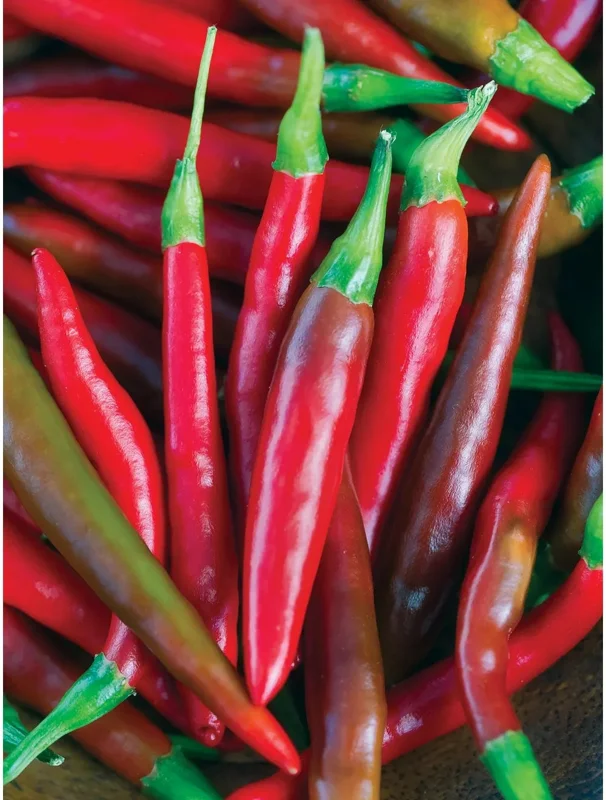
Embark on a culinary adventure by growing your own thai hot pepper live plant. This robust and healthy plant, shipped in a 3-inch pot, is ready to be nurtured into a prolific producer of one of the world’s most beloved spicy peppers. Known botanically as Capsicum annuum, Thai Hot Peppers are celebrated for their potent heat, vibrant red color, and compact size, making them a fantastic addition to any garden or kitchen. Whether you’re a seasoned gardener or just starting out, growing your own spicy pepper plant offers the immense satisfaction of harvesting fresh, fiery ingredients right from your backyard or patio. These plants are not only productive but also visually appealing, with their bright green foliage and clusters of upward-pointing peppers.
The thai hot pepper live plant is perfect for those who love to infuse their cooking with a significant kick. Originating from Southeast Asia, these peppers are a staple in many cuisines, from stir-fries and curries to sauces and marinades. Our plants are carefully grown to ensure they arrive healthy and ready to thrive in your care. They are an excellent choice for both beginners and experienced gardeners alike due to their relatively straightforward care requirements and bountiful yields. Get ready to elevate your home cooking with the authentic, intense flavor that only fresh Thai Hot Peppers can provide.
Key Benefits
Growing a thai hot pepper live plant offers a multitude of benefits, from enhancing your culinary skills to adding vibrant aesthetics to your garden. These plants are a must-have for anyone who appreciates fresh, spicy produce.
- Fresh, Intense Flavor: Enjoy the unparalleled taste and heat of freshly picked Thai Hot Peppers, far superior to store-bought varieties. This spicy pepper plant ensures you always have a supply of potent flavor.
- Abundant Harvests: Thai Hot Pepper plants are known for their high yields, providing a continuous supply of small, fiery peppers throughout the growing season.
- Versatile Culinary Use: Perfect for a wide range of dishes including stir-fries, curries, salsas, soups, and hot sauces, adding a significant kick to your favorite recipes.
- Compact Growth: Ideal for container gardening on patios, balconies, or even indoors, making them suitable for gardeners with limited space. This also makes them a great option if you want to grow thai hot peppers in a small area.
- Ornamental Appeal: The bright red peppers standing upright against green foliage create an attractive display, adding a decorative element to your garden or kitchen.
- Easy to Grow: With basic care, these plants are relatively low-maintenance and forgiving, making them suitable for novice gardeners interested in growing their own produce.
- Pest Resistance: Generally robust, capsicum annuum varieties like the Thai Hot Pepper exhibit good natural resistance to many common garden pests.
Plant Care & Growing Tips
Caring for your thai hot pepper live plant is a rewarding experience that yields delicious results. These plants thrive with consistent attention to their basic needs. Start by transplanting your 3-inch plant into a larger pot (at least 1-gallon for initial growth, eventually 3-5 gallons for mature plants) or directly into a garden bed once all danger of frost has passed. Ensure the soil is well-draining and rich in organic matter. A good quality potting mix designed for vegetables or containers is ideal.
Sunlight requirements are crucial for a productive Thai Hot Pepper plant. They need at least 6-8 hours of direct sunlight per day. In very hot climates, some afternoon shade can prevent scorching, but generally, more sun equals more peppers. For thai chili plant care, consistent watering is key; keep the soil consistently moist but never waterlogged. Check the soil moisture daily by sticking your finger about an inch deep – if it feels dry, it’s time to water. Reduce watering slightly as peppers ripen to intensify their heat.
Fertilization should begin once the plant starts producing flowers and fruit. Use a balanced fertilizer initially, then switch to a fertilizer higher in phosphorus and potassium to encourage fruit development. Follow the product instructions for application rates. Thai Hot Peppers prefer warm temperatures, ideally between 70-85°F (21-29°C). They are not frost-tolerant, so bring them indoors or protect them if temperatures drop below 50°F (10°C). Depending on your region, they can be grown as annuals or overwintered indoors in warmer climates (USDA zones 9-11). Watch out for common pests like aphids and spider mites, and treat with organic insecticidal soap if necessary. Proper air circulation also helps prevent fungal diseases, making your capsicum annuum plant healthier and more productive.
Size & Details
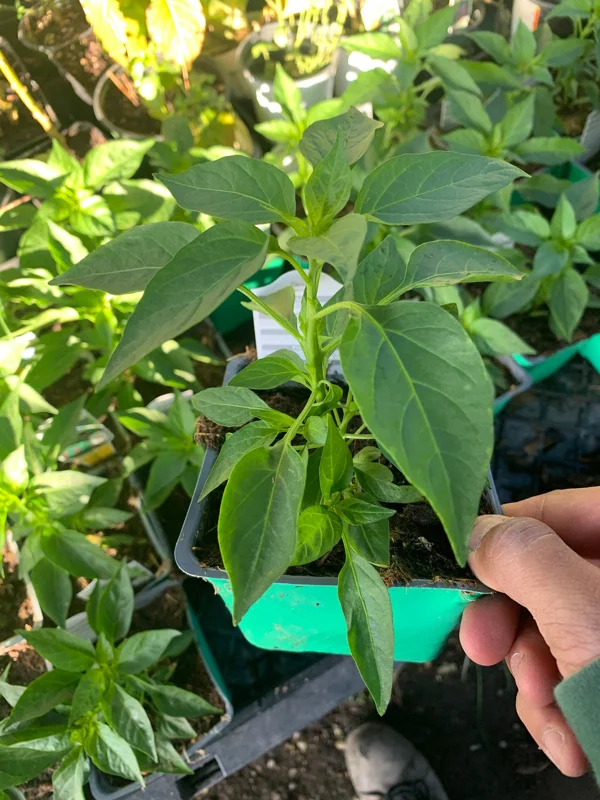
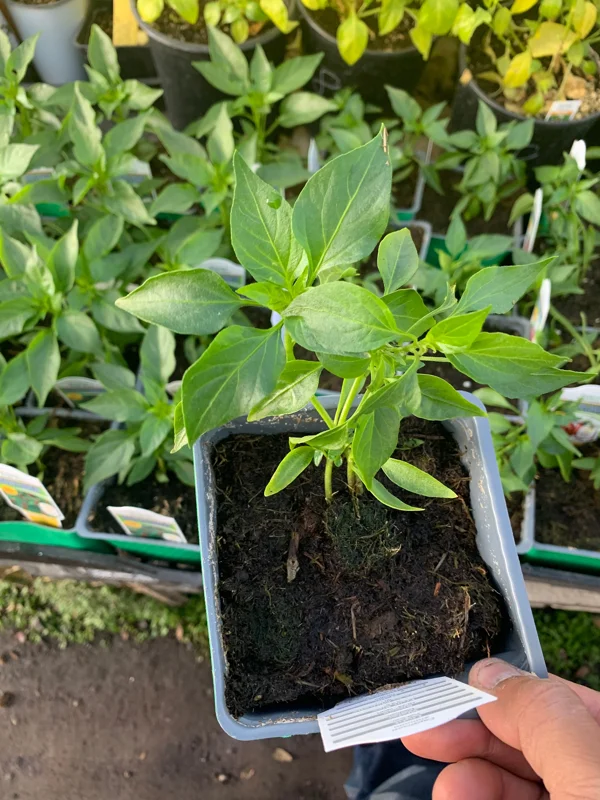
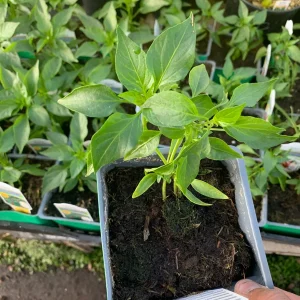
This offering is for one healthy thai hot pepper live plant, which arrives carefully packaged in a 3-inch nursery pot. At this stage, the plant is typically 4-6 inches tall, with established roots and several sets of true leaves, ready for transplanting. While the initial pot size is 3 inches, these plants are fast growers and will quickly require a larger container or a spot in your garden bed to reach their full potential. Mature plants can grow to be 2-3 feet tall and equally wide, depending on growing conditions and container size, producing numerous peppers over a long season.
The peppers themselves are small, usually 1-2 inches long, and mature from green to a vibrant red. They typically have a Scoville Heat Unit (SHU) rating ranging from 50,000 to 100,000, delivering a significant level of heat. You can expect your plant to start flowering and producing fruit within 60-90 days of transplanting, with continuous harvests throughout the warm months. This spicy pepper plant is shipped in its nursery pot with soil, ensuring minimal shock upon arrival and a smooth transition to its new home, allowing you to grow thai hot peppers with ease.
Frequently Asked Questions
- Q: How big does this Thai Hot Pepper plant get? A: Your thai hot pepper live plant typically grows to be about 2-3 feet tall and wide at maturity. The final size can vary based on growing conditions, pot size, and care, but they are generally compact and bushy.
- Q: What size pot does it come in? A: This plant is shipped to you in a 3-inch nursery pot, perfectly sized for a young plant ready to be transplanted into a larger container or garden bed.
- Q: Is this an indoor or outdoor plant? A: Thai Hot Pepper plants can be grown both indoors and outdoors. They thrive outdoors in warm, sunny conditions during the growing season and can be brought indoors to overwinter in colder climates.
- Q: How much sunlight does it need? A: For optimal growth and pepper production, your capsicum annuum plant requires at least 6-8 hours of direct sunlight per day. Full sun is best for a prolific harvest.
- Q: Is this plant easy to care for? A: Yes, Thai Hot Pepper plants are considered relatively easy to care for, making them suitable for gardeners of all experience levels. Consistent watering, adequate sunlight, and proper fertilization are key.
- Q: What condition will it arrive in? A: Your plant will arrive healthy and well-rooted in its 3-inch pot, carefully packaged to minimize stress during transit. It will be ready for immediate transplanting.
- Q: Can I use Thai Hot Peppers in cooking? A: Absolutely! These peppers are fantastic for adding intense heat and flavor to a wide variety of dishes, including curries, stir-fries, hot sauces, and salsas. This is why many people want to grow thai hot peppers at home.
- Q: How long until it produces peppers? A: After transplanting, you can typically expect your spicy pepper plant to start producing flowers and fruit within 60-90 days, with continuous harvests throughout the warm season.
- Q: What’s the best soil for this plant? A: A well-draining potting mix rich in organic matter is ideal. You can amend garden soil with compost to improve drainage and fertility for outdoor planting.
- Q: Will it survive winter in my zone? A: Thai Hot Pepper plants are not frost-tolerant. In USDA zones 9-11, they can be perennial if protected from cold, but in colder zones, they are typically grown as annuals or overwintered indoors.
Be the first to review “Thai Hot Pepper Live Plant – 3 inch Pot – Spicy Culinary Vegetable”
People Also Viewed
Sold 66 products
Original price was: $91.98.$45.99Current price is: $45.99.
Sold 68 products
Original price was: $39.68.$19.84Current price is: $19.84.
Sold 63 products
$87.98
Sold 87 products
$35.18
Sold 89 products
Original price was: $39.98.$19.99Current price is: $19.99.
Sold 74 products
From $19.00
Sold 62 products
$43.98
Sold 52 products
Original price was: $74.00.$59.20Current price is: $59.20.
Sold 66 products
Original price was: $190.00.$152.00Current price is: $152.00.
Sold 61 products
Original price was: $39.98.$19.99Current price is: $19.99.
Sold 97 products
$48.38
Sold 84 products
Original price was: $26.76.$13.38Current price is: $13.38.
Sold 85 products
Original price was: $107.98.$53.99Current price is: $53.99.
Sold 86 products
Original price was: $47.96.$23.98Current price is: $23.98.
Flower Plants
Creeping Blue Mazus Reptans Live Plant – Blue Flowers, 4 inch Pot, Outdoor Groundcover
Sold 58 products
From $51.80
Sold 50 products
Original price was: $54.36.$27.18Current price is: $27.18.
Aquatic Plant Seeds
Aquarium Plant Seeds for Fish Tank Water Grass Ground Covering – USA Made
Sold 94 products
From $4.26
Sold 59 products
Original price was: $19.80.$9.90Current price is: $9.90.


Reviews
There are no reviews yet.