
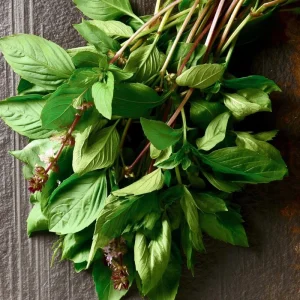
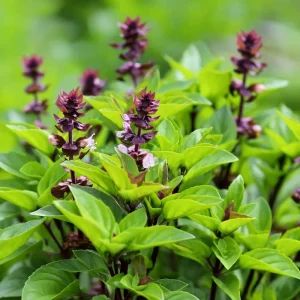
Thai Basil Seeds – 250 Heirloom Aromatic Culinary Herb Seeds for Cooking
Original price was: $31.99.$11.99Current price is: $11.99.
Embark on a culinary adventure with our premium thai basil seeds. This packet contains 250 high-quality, heirloom basil seeds, perfect for home gardeners. Enjoy the distinctive sweet, spicy, and licorice-like flavor of this culinary herb seeds, essential for authentic Southeast Asian dishes.
-
USDA Hardiness Zone
Annual in most climates (tender perennial in zones 10-11) -
Soil Type
Fertile, well-draining soil -
Sunlight Exposure
Full sun (6-8 hours direct sunlight) -
Expected Planting Period
Start indoors 6-8 weeks before last frost; transplant outdoors after danger of frost

You can track your order HERE
Apr 12
Apr 17 - Apr 19
Apr 22 - Apr 26
Shipping and return policies: Our Alive & Thrive Guarantee covers issues with your plants within the first 30 days. Reach out to us. Our team will answer your questions and help you find the plants that are truly suitable for your environment, climate, and personal preferences.

Overview
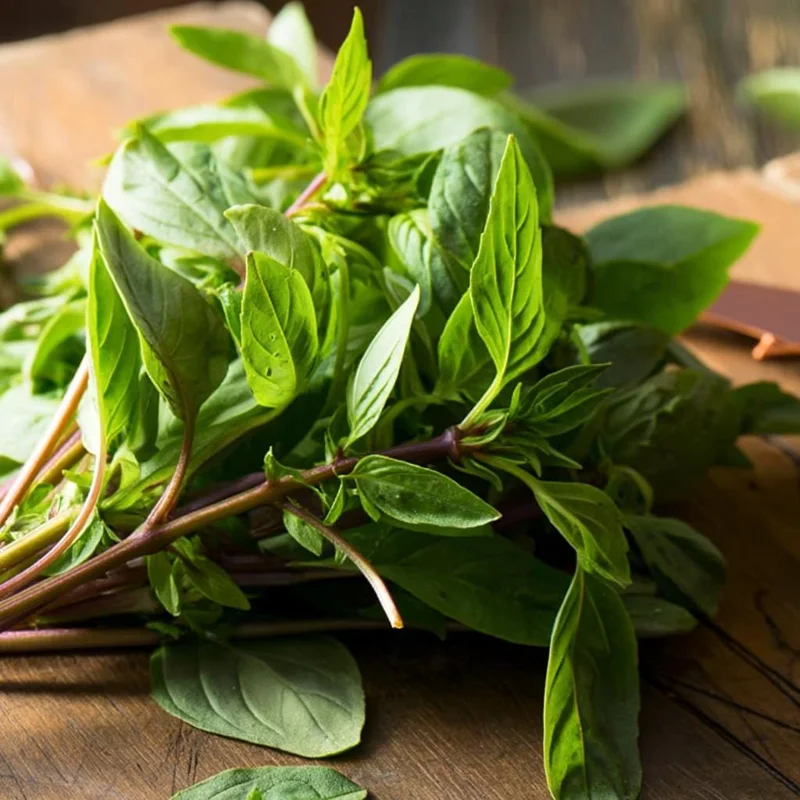
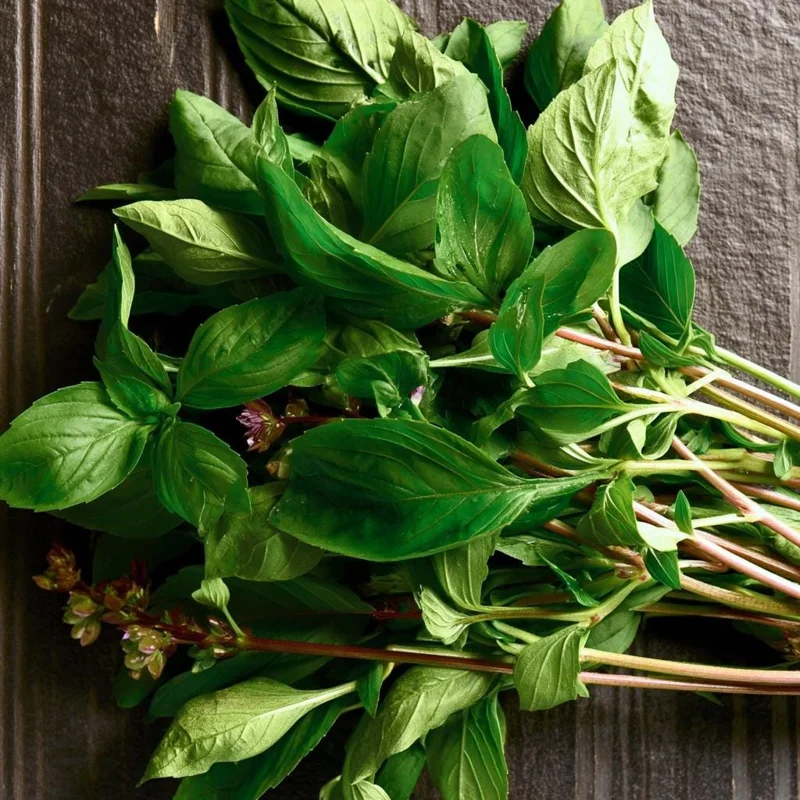
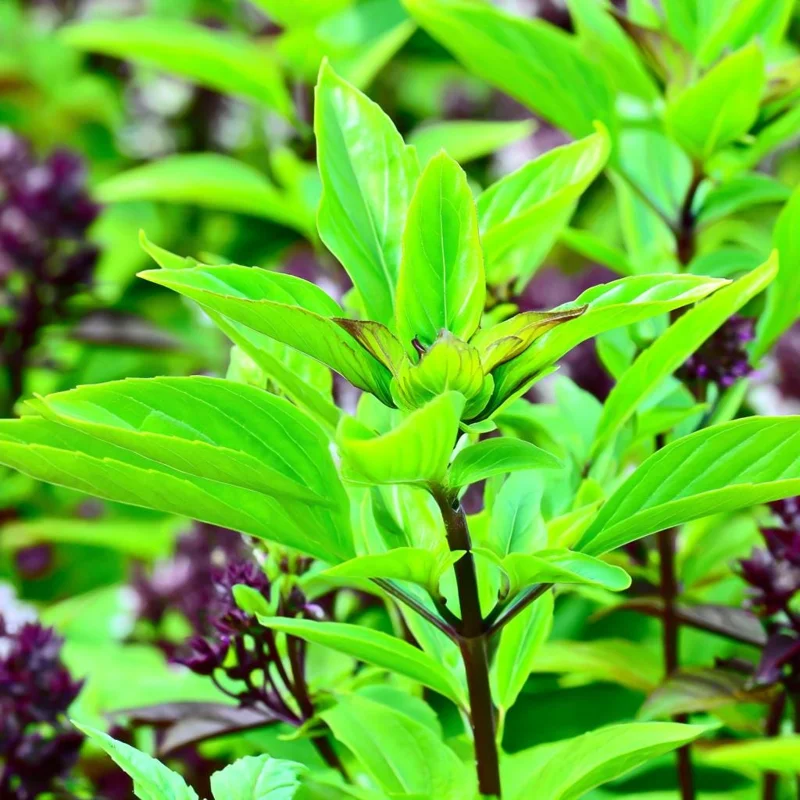
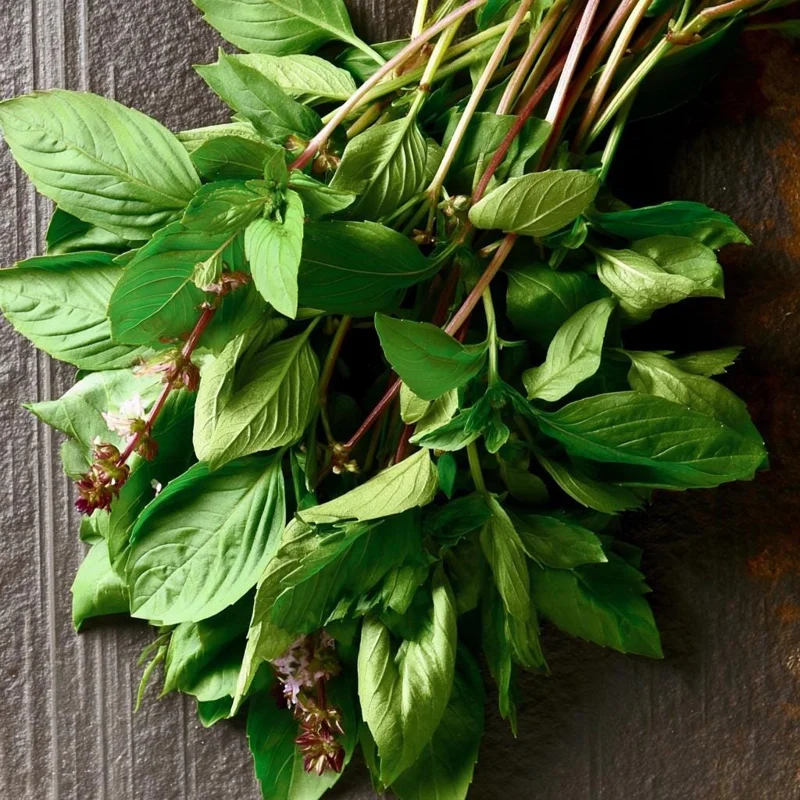
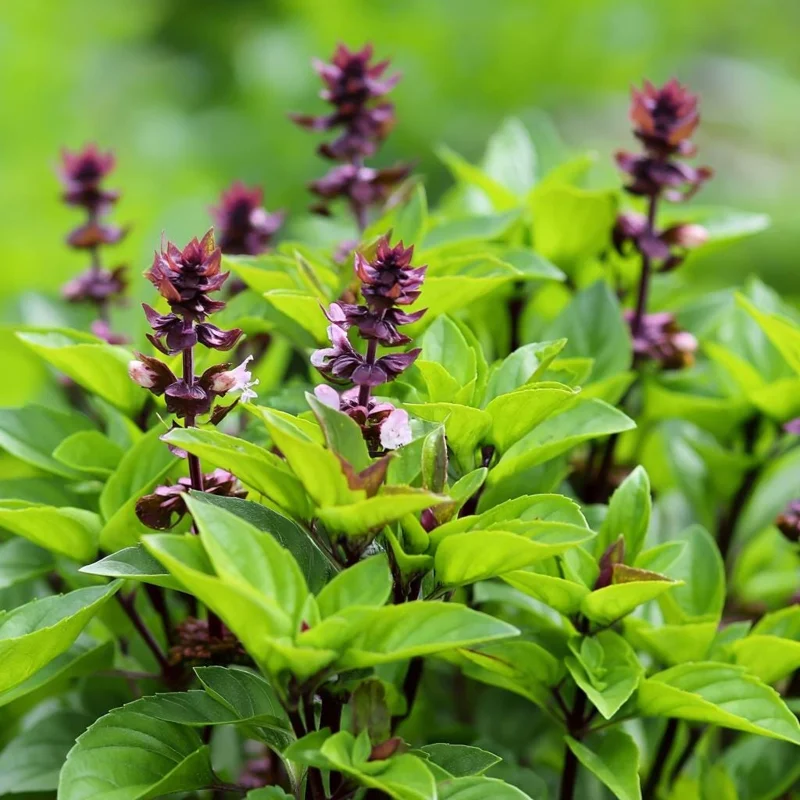
Embark on a culinary adventure right from your garden with our premium thai basil seeds. This packet contains 250 high-quality, heirloom basil seeds of Ocimum basilicum var. thyrsiflora, a cherished aromatic herb. Prized for its distinctive sweet, slightly spicy, and licorice-like flavor, Thai Basil is an indispensable ingredient in many Southeast Asian dishes, including curries, stir-fries, and soups. Growing your own thai basil seeds allows you to enjoy the freshest, most potent flavors right at your fingertips. These seeds are perfect for home gardeners and culinary enthusiasts alike, offering a rewarding growing experience and an abundant harvest of fragrant leaves. Our heirloom basil seeds ensure you’re cultivating a true-to-type variety with consistent flavor and growth characteristics. Thai Basil is not only a kitchen essential but also an attractive plant with its vibrant green leaves and striking purple stems and flowers, making it a beautiful addition to any herb garden or container planting. Discover the joy of cultivating this versatile herb and elevate your home cooking with authentic, homegrown flavor.
Key Benefits
Growing your own thai basil seeds offers numerous advantages, from enhancing your culinary creations to enriching your garden’s biodiversity. These culinary herb seeds provide a rewarding experience for gardeners of all levels, allowing you to grow thai basil with ease.
- Authentic Flavor: Enjoy the unique sweet, anise-like flavor and aroma that is characteristic of traditional Thai cuisine. Freshly picked thai basil seeds produce plants that provide an unparalleled aromatic boost to your dishes, making it a must-have for any gourmet kitchen.
- Culinary Versatility: An essential herb for stir-fries, curries, pho, and fresh garnishes. Its robust flavor stands up well to heat, making it ideal for cooking and adding depth to a variety of dishes.
- Heirloom Quality: Our heirloom basil seeds ensure genetic purity and consistent performance, guaranteeing you grow the true ocimum basilicum var. thyrsiflora with reliable characteristics.
- Attracts Pollinators: The beautiful purple flowers of Thai Basil are a magnet for bees and other beneficial pollinators, contributing to a healthier garden ecosystem and supporting local wildlife.
- Easy to Grow: With basic care, these thai basil seeds germinate readily and grow into productive plants, making them suitable for beginner gardeners and seasoned horticulturists alike who wish to grow thai basil.
- Container Friendly: Thai Basil thrives in pots and containers, making it an excellent choice for urban gardeners or those with limited space, allowing you to enjoy fresh herbs even on a balcony.
- Freshness Guaranteed: Harvest leaves as needed for the freshest flavor and highest nutritional value, superior to store-bought options that often lack the same vibrancy and potency.
Plant Care & Growing Tips
To successfully grow thai basil from your thai basil seeds, follow these essential planting and care guidelines. Starting your seeds indoors will give them a head start: Seed Sowing: Begin by starting your thai basil seeds indoors 6–8 weeks before the last expected frost date. Sow the seeds lightly on the surface of a well-drained seed-starting mix. Gently press them into the soil, but do not cover them deeply, as basil seeds require light for optimal germination. Maintain a consistent soil temperature between 70–75°F (21–24°C) and keep the soil evenly moist. Germination typically occurs within 7–14 days. Once seedlings have developed a few true leaves, you can transplant them into individual pots.
Outdoor Transplanting & Location: After all danger of frost has passed and night temperatures consistently stay above 50°F (10°C), harden off your seedlings before transplanting them outdoors. Choose a location that receives full sun, meaning at least 6-8 hours of direct sunlight daily. The soil should be fertile and well-drained. Space your Thai Basil plants 12–18 inches apart to allow for proper air circulation and growth. If growing in containers, select pots at least 8-10 inches in diameter with good drainage holes.
Watering & Soil: Water regularly to maintain consistently moist soil, especially during dry spells. Avoid overwatering, which can lead to root rot. Mulch lightly around the base of the plants to help retain soil moisture, suppress weeds, and regulate soil temperature. While basil prefers rich soil, it’s not overly demanding and can thrive in average garden soil amended with compost. Fertilize sparingly with a balanced liquid fertilizer every 3-4 weeks if desired, once plants are established. This care will help your ocimum basilicum var. thyrsiflora flourish, offering abundant culinary herb seeds for your kitchen needs.
Harvesting & Maintenance: Harvest leaves frequently to encourage bushy growth and prevent the plant from flowering. Pinch off flower buds as they appear, as flowering can cause the leaves to become bitter and reduce overall flavor. Regular harvesting also promotes continuous production of fresh leaves. Thai Basil is generally an annual in most climates, but in warmer, frost-free regions, it may behave as a tender perennial. These care tips will help you successfully grow thai basil and enjoy a bountiful harvest of fresh leaves from your heirloom basil seeds.
Size & Details
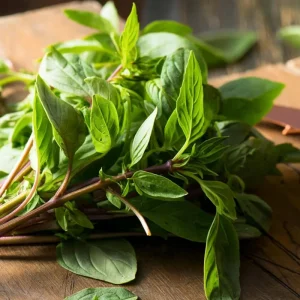
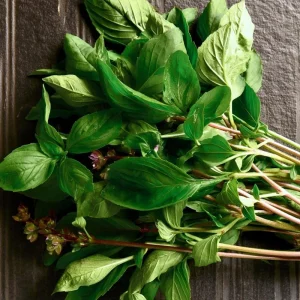
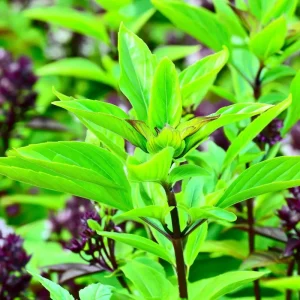
This product includes one packet containing 250 thai basil seeds (ocimum basilicum var. thyrsiflora). Each seed is carefully selected for quality and viability, ensuring a high germination rate. When mature, Thai Basil plants typically grow to a height of 12-18 inches (30-45 cm) with a similar spread, forming bushy, upright plants. The leaves are generally 1-2 inches long, featuring a deep green color with distinctive purple stems. Plants are annuals in most climates, completing their life cycle within one growing season. With proper care, you can expect to begin harvesting leaves approximately 60-75 days after sowing. These heirloom basil seeds are suitable for planting in garden beds or containers, offering flexibility for various growing environments. You’ll love being able to grow thai basil right in your own home.
Frequently Asked Questions
- Q: How many seeds are included in this packet? A: This packet contains 250 thai basil seeds, providing ample opportunity to grow a generous crop for your garden or kitchen. These are high-quality heirloom basil seeds, ensuring a successful harvest.
- Q: Is Thai Basil difficult to grow for beginners? A: No, Thai Basil is relatively easy to grow from seed, making it an excellent choice for beginner gardeners. With proper sunlight and consistent watering, you can successfully grow thai basil and enjoy its unique flavor.
- Q: What is the best time to plant these seeds? A: For best results, start your thai basil seeds indoors 6-8 weeks before the last frost. Transplant outdoors after all danger of frost has passed, typically in late spring or early summer, when night temperatures are consistently above 50°F.
- Q: How much sunlight does Thai Basil need? A: Thai Basil thrives in full sun, requiring at least 6-8 hours of direct sunlight per day. Choose a sunny spot in your garden or a south-facing window if growing indoors to ensure vigorous growth and strong plants from your culinary herb seeds.
- Q: Can I grow Thai Basil in a pot? A: Yes, Thai Basil is very well-suited for container gardening. Ensure the pot has good drainage and is at least 8-10 inches in diameter to allow for adequate root development and healthy plant growth.
- Q: What does Thai Basil taste like? A: Thai Basil has a distinct sweet, slightly spicy, and licorice-like flavor, with hints of anise. It’s bolder than sweet basil and an essential component for many Southeast Asian dishes. This unique flavor is what makes ocimum basilicum var. thyrsiflora so sought after.
- Q: What are these culinary herb seeds used for? A: These culinary herb seeds will produce plants whose leaves are primarily used in cooking, especially in Thai, Vietnamese, and other Southeast Asian cuisines for curries, stir-fries, soups like pho, and fresh garnishes.
- Q: Do I need to prune my Thai Basil plant? A: Yes, regularly pinching off flower buds and harvesting leaves will encourage bushier growth and prevent the plant from going to seed too early, which can diminish leaf flavor. This practice helps maintain a continuous supply of fresh leaves. This is key to successfully grow thai basil.
- Q: Will Thai Basil attract pollinators to my garden? A: Absolutely! The flowers of Thai Basil are very attractive to bees and other beneficial pollinators, making it a valuable addition to your garden’s ecosystem and promoting biodiversity.
- Q: What is the scientific name for Thai Basil? A: The scientific name for Thai Basil is ocimum basilicum var. thyrsiflora. This is the specific variety you will grow from these high-quality seeds, ensuring authentic Thai Basil.
Be the first to review “Thai Basil Seeds – 250 Heirloom Aromatic Culinary Herb Seeds for Cooking”
People Also Viewed
Sold 57 products
Original price was: $30.78.$15.39Current price is: $15.39.
Sold 99 products
Original price was: $47.96.$23.98Current price is: $23.98.
Sold 71 products
Original price was: $180.00.$90.00Current price is: $90.00.
Sold 78 products
From $83.80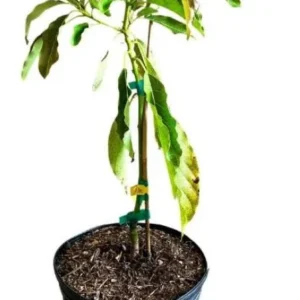
Trees
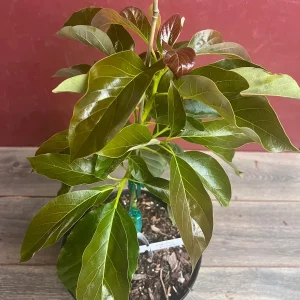
Winter Mexican Avocado Tree Live Plant – Grafted – 2-4 ft Tall – Cold Hardy Outdoor Fruit Tree
Sold 95 products
Original price was: $289.96.$144.98Current price is: $144.98.
Sold 56 products
Original price was: $31.96.$15.98Current price is: $15.98.
Sold 76 products
From $67.80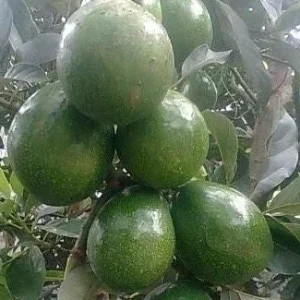
Sold 90 products
Original price was: $213.58.$128.14Current price is: $128.14.
Sold 88 products
Original price was: $119.80.$59.90Current price is: $59.90.
Sold 50 products
Original price was: $28.76.$14.38Current price is: $14.38.
Sold 92 products
Original price was: $35.16.$17.58Current price is: $17.58.
Flower Bulbs
Sold 56 products
Original price was: $219.80.$109.90Current price is: $109.90.
Sold 66 products
Original price was: $213.58.$128.14Current price is: $128.14.
Sold 61 products
Original price was: $28.76.$14.38Current price is: $14.38.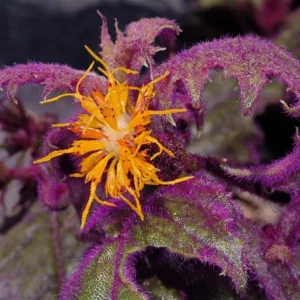
Flower Plants
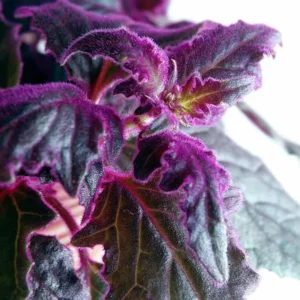
Purple Passion Plant Live – 2 Gynura Aurantiaca Plants, 4-9 Inch, Purple Velvet Royal Plant Indoor
Sold 84 products
Original price was: $49.98.$24.99Current price is: $24.99.
Sold 55 products
Original price was: $31.96.$15.98Current price is: $15.98.
Sold 72 products
Original price was: $11.96.$5.98Current price is: $5.98.
Sold 91 products
Original price was: $31.96.$15.98Current price is: $15.98.




Reviews
There are no reviews yet.