
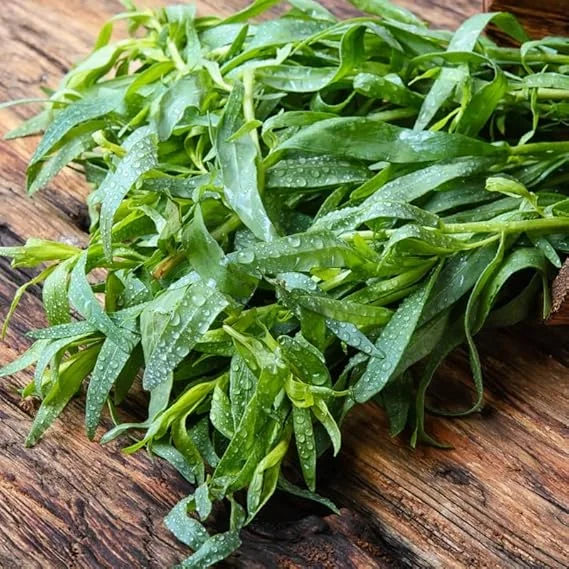
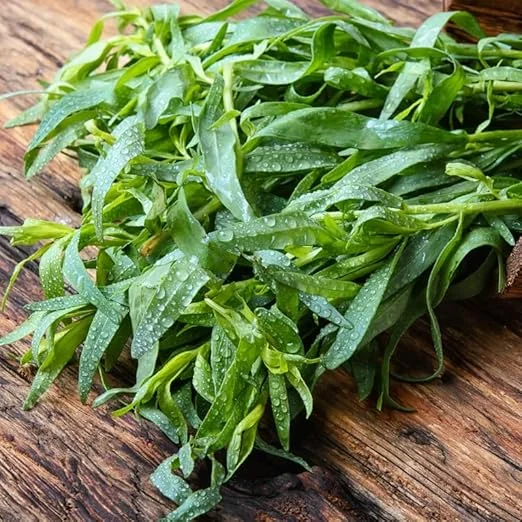
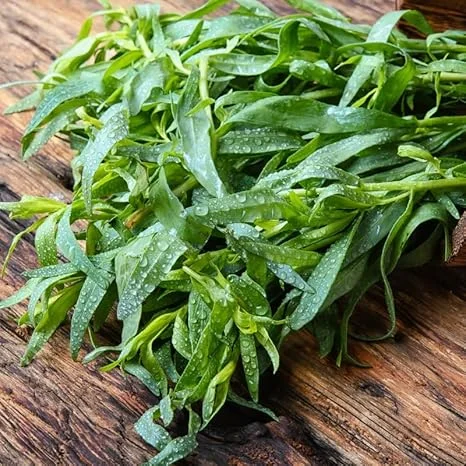
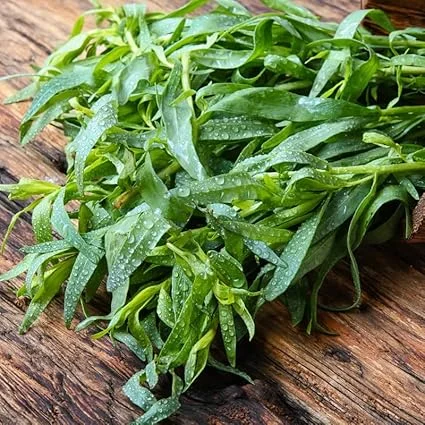
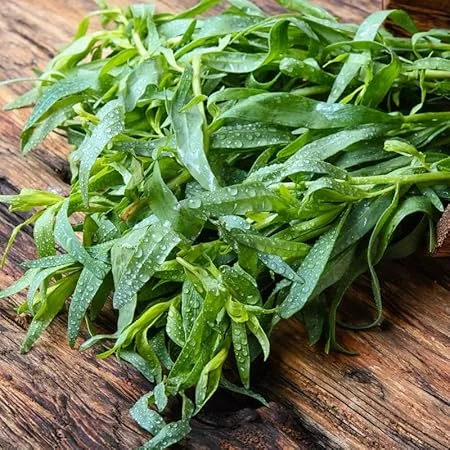
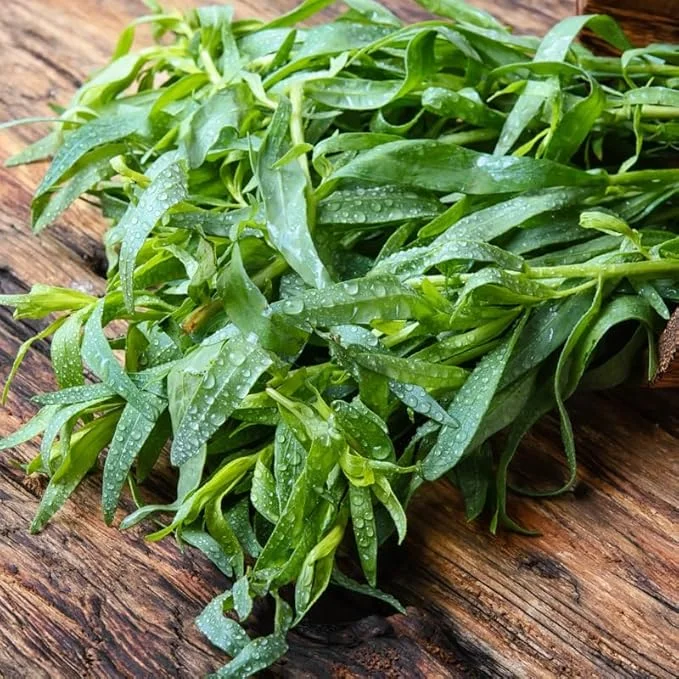
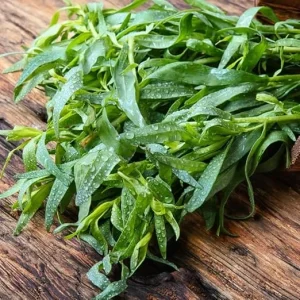
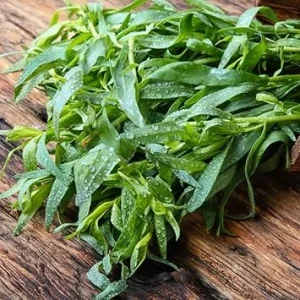
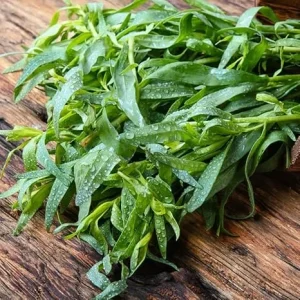
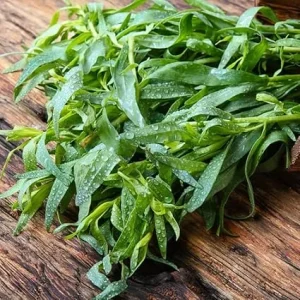
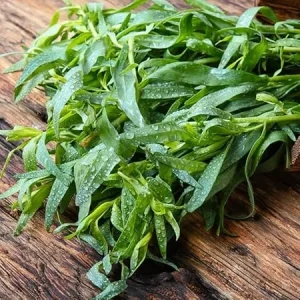
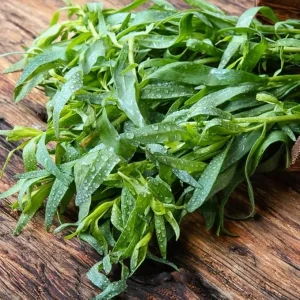
Tarragon Live Plant – 2-Pack Culinary Herb, 4-8″ Height, Outdoor Garden
$43.98
Cultivate your own fresh herbs with this 2-pack of tarragon live plants. Each plant is 4-8 inches tall, ready for your culinary herb garden. This easy-to-grow perennial thrives in sun to partial shade, offering a continuous supply of aromatic leaves for cooking.
-
USDA Hardiness Zone
USDA zones 4-9 -
Soil Type
Well-drained soil -
Sunlight Exposure
Full sun to partial shade -
Expected Planting Period
Spring to early summer

You can track your order HERE
Feb 14
Feb 19 - Feb 21
Feb 24 - Feb 28
Shipping and return policies: Our Alive & Thrive Guarantee covers issues with your plants within the first 30 days. Reach out to us. Our team will answer your questions and help you find the plants that are truly suitable for your environment, climate, and personal preferences.

Overview
Introduce the distinct, aromatic flavor of fresh tarragon to your kitchen with this convenient 2-pack of tarragon live plants. Each plant measures approximately 4-8 inches in height, arriving healthy and ready for transplanting into your garden, raised bed, or favorite pot. Tarragon, scientifically known as Artemisia dracunculus, is a cherished perennial herb renowned for its anise-like flavor, a staple in French cuisine and a fantastic addition to various dishes. These robust young plants provide an excellent foundation for establishing a thriving culinary herb garden, ensuring you have a steady supply of fresh leaves for seasoning.
Growing your own herbs offers unparalleled freshness and flavor, and tarragon is no exception. These plants are specifically chosen for their hardiness and ability to adapt to various growing conditions, making them suitable for both experienced gardeners and beginners. Enjoy the satisfaction of harvesting your own herbs and elevating your cooking with this essential perennial.
Key Benefits
Integrating tarragon live plants into your garden or kitchen offers a multitude of advantages, from enhancing your cooking to simplifying garden maintenance. Here are some of the key benefits you’ll enjoy:
- Fresh Culinary Flavor: Enjoy the unique, slightly licorice-like flavor of fresh tarragon, far superior to dried varieties. Perfect for sauces, chicken, fish, and egg dishes, these plants will be a go-to for your gourmet creations. Having fresh tarragon readily available transforms everyday meals into extraordinary dining experiences.
- Perennial Growth: As a perennial herb, tarragon returns year after year, providing a continuous harvest without the need for annual replanting. This long-lasting nature makes it a cost-effective and convenient choice for any culinary herb garden. It’s an investment that keeps giving back season after season.
- Easy to Grow and Maintain: Tarragon is known for its resilience and ease of care. It tolerates a range of conditions and, once established, becomes quite self-sufficient. This makes it an ideal herb for gardeners of all skill levels, requiring minimal intervention for a bountiful yield.
- Drought Tolerant: Once established, these tarragon live plants exhibit good drought tolerance, reducing the need for frequent watering. This feature is particularly beneficial for water-wise gardening and in regions with drier climates, making your herb garden more sustainable.
- Versatile Sun Requirements: These plants thrive in full sun but can also tolerate partial shade, offering flexibility in choosing their planting location. Whether you have a sunny spot or an area that gets a few hours of afternoon shade, tarragon can adapt.
- Attractive Garden Addition: With its slender, glossy green leaves, the tarragon plant adds a lovely textural element to any herb garden or mixed container. Its vibrant green foliage provides a beautiful contrast to other plants, enhancing the aesthetic appeal of your outdoor space.
- Multiple Plants for Abundance: This 2-pack ensures you have enough tarragon to enjoy fresh and perhaps even dry some for later use. Having two plants also provides a backup in case one struggles, guaranteeing a successful harvest for your culinary endeavors.
Plant Care & Growing Tips
Ensuring the health and productivity of your tarragon live plants is straightforward with the right care. Tarragon is a relatively low-maintenance herb, but providing optimal conditions will lead to a more vigorous plant and a more flavorful harvest. Understanding the specific needs for tarragon plant care is key to its success in your garden.
For sunlight, tarragon prefers full sun, meaning at least 6-8 hours of direct sunlight per day. However, it can also tolerate partial shade, especially in hotter climates where some afternoon shade can prevent scorching. When it comes to watering, growing tarragon thrives in well-drained soil and does not like to be waterlogged. Allow the top inch or two of soil to dry out completely between waterings. Once established, tarragon is quite drought-tolerant, so err on the side of underwatering rather than overwatering. Overwatering can lead to root rot, a common issue for many herbs.
The ideal soil for tarragon is well-draining, sandy loam with a neutral to slightly acidic pH (6.0-7.5). Good drainage is crucial to prevent root issues. If your soil is heavy clay, amend it with compost and sand to improve aeration and drainage. Tarragon is a perennial, hardy in USDA zones 4-9, meaning it can withstand cold winters and return in the spring. In colder zones, you may need to provide winter protection. Fertilization is generally not heavily required for tarragon; an annual application of balanced, organic fertilizer in spring is usually sufficient. Avoid excessive nitrogen, which can lead to lush foliage but less intense flavor. Keep an eye out for common pests like aphids, which can be managed with insecticidal soap. Pruning regularly encourages bushier growth and prevents the plant from becoming leggy, also helping with tarragon plant care.
Size & Details
You will receive two healthy tarragon live plants, each measuring approximately 4-8 inches in height from the base of the plant to the top of its foliage. These plants are shipped in their nursery pots, ensuring minimal transplant shock and providing a strong start for your garden. Upon arrival, they will be ready to be transplanted into your chosen location, whether that’s a larger pot, a raised bed, or directly into your garden soil. The mature size of tarragon typically reaches 12-24 inches tall and 12-18 inches wide, forming a dense, bushy perennial. Its growth rate is moderate, and you can expect to begin harvesting leaves within a few weeks of transplanting, with full maturity achieved within one growing season. These plants are ideal for starting or expanding your culinary herb garden.
Frequently Asked Questions
- Q: How big do these tarragon plants get? A: Each plant you receive will be approximately 4-8 inches tall. When mature, tarragon live plants typically reach a height of 12-24 inches and spread about 12-18 inches wide, forming a lovely, bushy perennial.
- Q: Is this an indoor or outdoor plant? A: Tarragon is primarily an outdoor plant, thriving in garden beds or containers. It can be grown indoors in a very sunny window, but it generally prefers the conditions of an outdoor culinary herb garden for optimal growth and flavor.
- Q: How much sunlight does it need? A: Tarragon prefers full sun, meaning at least 6-8 hours of direct sunlight per day. It can tolerate partial shade, especially in hot climates where some afternoon shade can be beneficial.
- Q: Is this plant easy to care for? A: Yes, tarragon is considered an easy-to-care-for perennial herb. Once established, it is quite resilient and drought-tolerant, making tarragon plant care suitable for gardeners of all experience levels.
- Q: What condition will it arrive in? A: Your tarragon live plants will arrive healthy and carefully packaged in their nursery pots, ready for transplanting. We take great care to ensure they are protected during transit.
- Q: Can I use tarragon in cooking? A: Absolutely! Tarragon is a highly prized culinary herb, especially in French cuisine. Its distinctive anise-like flavor is excellent in chicken, fish, egg dishes, and various sauces like béarnaise.
- Q: When is the best time to plant tarragon? A: The best time to plant tarragon is in spring after the last frost, or in early fall in milder climates. This allows the plant to establish itself before extreme temperatures.
- Q: Will it survive winter in my zone? A: Tarragon is a hardy perennial that thrives in USDA zones 4-9. In these zones, it will die back in winter and return in spring. In colder zones, it may require winter protection or be treated as an annual.
- Q: What kind of soil does tarragon prefer? A: Tarragon prefers well-draining, sandy loam soil with a neutral to slightly acidic pH. Good drainage is crucial for growing tarragon to prevent root rot.
- Q: How often should I water my tarragon plants? A: Water your tarragon plants when the top 1-2 inches of soil feel dry to the touch. Once established, they are quite drought-tolerant, so avoid overwatering.
Be the first to review “Tarragon Live Plant – 2-Pack Culinary Herb, 4-8″ Height, Outdoor Garden”
People Also Viewed
Sold 87 products
Original price was: $84.00.$67.20Current price is: $67.20.
Sold 64 products
Original price was: $91.96.$45.98Current price is: $45.98.
Sold 96 products
Original price was: $180.00.$90.00Current price is: $90.00.
Sold 79 products
Original price was: $161.56.$80.78Current price is: $80.78.
Sold 86 products
Original price was: $218.76.$109.38Current price is: $109.38.
Sold 79 products
$65.98
Sold 64 products
Original price was: $47.96.$23.98Current price is: $23.98.
Sold 87 products
From $83.96
Sold 59 products
Original price was: $39.98.$19.99Current price is: $19.99.
Sold 72 products
$65.98
Sold 56 products
Original price was: $112.00.$89.60Current price is: $89.60.
Sold 79 products
$41.78
Sold 70 products
Original price was: $300.00.$150.00Current price is: $150.00.
Sold 69 products
$35.18
Sold 99 products
Original price was: $51.98.$25.99Current price is: $25.99.
Sold 96 products
From $14.98
Sold 50 products
Original price was: $41.96.$20.98Current price is: $20.98.
Sold 91 products
Original price was: $46.00.$36.80Current price is: $36.80.



Reviews
There are no reviews yet.