
Tangerine Tree Live Plant – Grafted – 3 Gallon Pot – 2-3 Feet Tall – Outdoor Citrus
Original price was: $170.00.$127.50Current price is: $127.50.
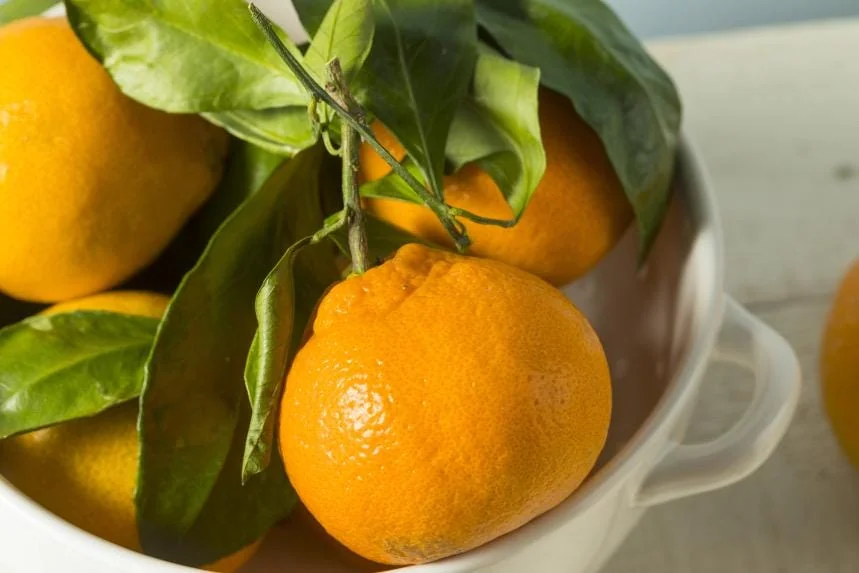
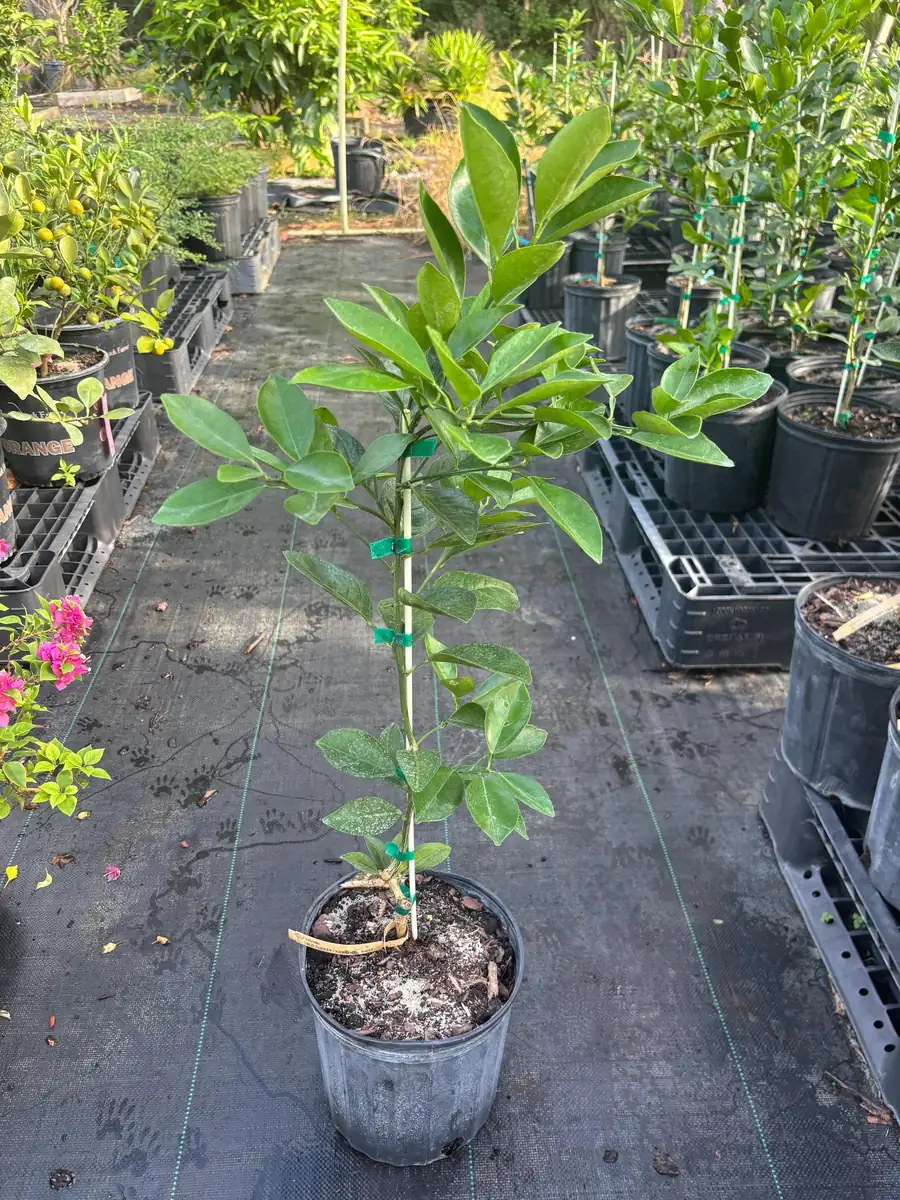
Cultivate your own sweet and juicy citrus with this robust grafted tangerine tree. Standing 2-3 feet tall in a 3-gallon pot, this live plant is ready to be a productive addition to your outdoor garden. Enjoy fresh tangerines directly from your yard.
-
USDA Hardiness Zone
USDA Zones 9-11 (outdoor), or container plant for colder zones -
Soil Type
Well-draining citrus potting mix or loamy garden soil -
Sunlight Exposure
Full sun (6-8+ hours daily) -
Expected Planting Period
Spring to early summer (outdoor); year-round indoors (container)

You can track your order HERE
Mar 01
Mar 06 - Mar 08
Mar 11 - Mar 15
Shipping and return policies: Our Alive & Thrive Guarantee covers issues with your plants within the first 30 days. Reach out to us. Our team will answer your questions and help you find the plants that are truly suitable for your environment, climate, and personal preferences.

Overview
Introduce a burst of sunshine and flavor to your garden with this impressive grafted tangerine tree. This live citrus plant offers the joy of growing your own sweet and tangy tangerines right at home. Grafting ensures a stronger, more resilient tree that produces fruit faster and more reliably than seed-grown varieties. Our grafted tangerine tree arrives as a healthy, thriving specimen, typically standing between 2-3 feet tall and rooted in a substantial 3-gallon nursery pot, making it ready for transplanting into your garden or a larger container. Tangerine trees, botanically known as Citrus reticulata, are renowned for their delicious, easy-to-peel fruit and their attractive, glossy green foliage, adding both aesthetic beauty and practical value to any landscape.
This particular grafted tangerine tree is ideal for those looking to establish a productive citrus plant without the long wait of growing from seed. Grafting combines the desired fruit-producing scion onto a sturdy rootstock, resulting in a plant that benefits from the best characteristics of both. Whether you’re an experienced gardener or just starting your citrus journey, this tree provides a rewarding experience, culminating in bountiful harvests of juicy tangerines. It’s an excellent choice for a home orchard, a patio feature, or as a vibrant addition to your edible landscape, promising fresh fruit for years to come.
Key Benefits
Adding a grafted tangerine tree to your garden brings numerous advantages, from fresh fruit to ornamental appeal. This citrus plant is a fantastic investment for any home gardener.
- Abundant, Delicious Fruit: Enjoy a consistent supply of sweet, easy-to-peel tangerines directly from your own tree. The fruit is perfect for snacking, juicing, or culinary creations, offering a taste far superior to store-bought varieties.
- Accelerated Fruit Production: Thanks to the grafting process, this grafted tangerine tree will begin producing fruit much sooner than trees grown from seed, allowing you to enjoy your harvest in a shorter timeframe.
- Ornamental Appeal: Beyond its fruit, the tangerine tree features attractive, evergreen foliage that remains vibrant throughout the year. Its fragrant blossoms in spring add a delightful aroma to your garden, enhancing its overall beauty.
- Enhanced Vigor and Disease Resistance: Grafting often utilizes rootstocks chosen for their resilience, contributing to a stronger, healthier tree that is better equipped to resist common diseases and adapt to various soil conditions.
- Garden Versatility: This grafted tangerine tree can be grown in the ground in warmer climates or in a large container in cooler regions, allowing you to move it indoors during winter. This adaptability makes it suitable for a wide range of gardening setups.
- Educational Value: Growing your own citrus provides a wonderful opportunity to learn about horticulture, fruit development, and sustainable living, making it a rewarding project for gardeners of all ages.
- Improved Air Quality: Like many plants, tangerine trees contribute to a healthier environment by producing oxygen and filtering airborne pollutants, enhancing the air quality around your home.
Plant Care & Growing Tips
Caring for your grafted tangerine tree is a rewarding experience that will lead to delicious fruit. Proper care ensures a healthy, productive plant. The first step in tangerine tree care is choosing the right location. Tangerine trees thrive in full sun, requiring at least 6-8 hours of direct sunlight per day. If planting in the ground, select a spot with well-draining soil to prevent root rot. For container growing, use a large pot (at least 15-20 gallons for long-term growth) with drainage holes and a high-quality citrus potting mix. Ensure adequate air circulation around the tree to deter fungal issues.
Watering is crucial for a grafted tangerine tree, especially during its establishment phase and fruiting periods. Water deeply and regularly, allowing the top few inches of soil to dry out slightly between waterings. Avoid overwatering, which can lead to root problems. During hot, dry spells, you may need to water more frequently. Fertilize your tangerine tree with a balanced citrus-specific fertilizer, following the product’s instructions, typically every 1-2 months during the growing season (spring through fall). Pruning should be done to maintain shape, remove dead or crossing branches, and encourage fruit production. Light pruning in late winter or early spring is generally best. Protect your grafted tangerine tree from frost if you live in a colder climate by covering it or moving container plants indoors.
Monitor your tree for pests and diseases, addressing any issues promptly with appropriate organic or chemical treatments. Common pests include aphids, scale insects, and spider mites. Good sanitation practices, like removing fallen leaves and fruit, can help prevent problems. With consistent attention to these tangerine tree care guidelines, your tree will flourish and provide you with many seasons of delightful tangerines. Understanding how to grow a healthy outdoor citrus tree is key to a successful harvest.
Size & Details
This grafted tangerine tree is delivered as a live plant, ready for immediate planting. It typically measures between 2-3 feet in height from the base of the pot to the top of the foliage, offering a substantial start to your citrus collection. The tree comes securely rooted in a 3-gallon nursery pot, providing a healthy root system for transplanting. Tangerine trees are moderate growers, and with proper care, this plant can eventually reach a mature height of 10-15 feet in the ground, though it can be kept smaller with regular pruning, especially when grown in a container. Expect fruit production to begin within 1-3 years after planting, with increasing yields as the tree matures. The tree ships with its pot and soil, ensuring minimal transplant shock and a smooth transition to its new home.
Frequently Asked Questions
- Q: How big does this grafted tangerine tree get? A: This tree is typically 2-3 feet tall upon arrival in its 3-gallon pot. In the ground, it can grow to 10-15 feet tall, but it can be maintained at a smaller size through pruning, especially if grown in a container.
- Q: Is this an indoor or outdoor plant? A: This grafted tangerine tree is primarily an outdoor citrus tree. In regions with mild winters (USDA Zones 9-11), it can be planted directly in the ground. In colder climates, it should be grown in a large container and moved indoors during winter to protect it from frost.
- Q: How much sunlight does it need? A: A tangerine tree requires full sun, meaning at least 6-8 hours of direct sunlight per day to produce the best fruit and maintain vigorous growth.
- Q: Is this plant easy to care for? A: With consistent watering, proper fertilization, and adequate sunlight, tangerine tree care is relatively straightforward. It’s a great choice for gardeners who enjoy fresh fruit and are willing to provide basic care.
- Q: What condition will it arrive in? A: Your tangerine plant for sale will arrive as a healthy, live plant, securely packaged in its 3-gallon pot with soil, ready for transplanting. We take great care to ensure it reaches you in excellent condition.
- Q: How long until it starts producing fruit? A: Since this is a grafted tangerine tree, it is more mature and will typically begin to bear fruit within 1-3 years after planting, much faster than a tree grown from seed.
- Q: Can I grow this outdoor citrus tree in a container? A: Yes, this tangerine tree is well-suited for container growing, especially in areas with cold winters. Ensure you use a large pot (15-20 gallons or more) with good drainage and a quality citrus potting mix.
- Q: What kind of soil is best for a tangerine tree? A: Tangerine trees prefer well-draining soil. If planting in the ground, amend heavy clay soils with organic matter. For containers, a specialized citrus potting mix or a well-draining general potting mix is recommended.
- Q: How often should I water my tangerine tree? A: Water deeply when the top few inches of soil feel dry to the touch. The frequency will depend on climate, pot size, and season, but generally, regular watering is needed, especially during dry periods and when the tree is fruiting.
- Q: What are the USDA hardiness zones for growing a tangerine tree? A: Tangerine trees are generally hardy in USDA Zones 9-11 for in-ground planting. In colder zones, they must be grown in containers and protected from frost indoors during winter.
Be the first to review “Tangerine Tree Live Plant – Grafted – 3 Gallon Pot – 2-3 Feet Tall – Outdoor Citrus”
People Also Viewed
Flower Plants
Candy Stripes Creeping Phlox Live Plant – Perennial – Quart Pot – Outdoor Flowering Groundcover
Sold 69 products
Original price was: $47.96.$23.98Current price is: $23.98.
Sold 90 products
From $43.98

Sold 94 products
Original price was: $18.76.$9.38Current price is: $9.38.
Sold 53 products
Original price was: $54.76.$27.38Current price is: $27.38.
Sold 68 products
Original price was: $77.98.$38.99Current price is: $38.99.
Sold 93 products
Original price was: $43.96.$21.98Current price is: $21.98.
Sold 99 products
Original price was: $35.90.$21.54Current price is: $21.54.
Sold 68 products
Original price was: $147.16.$73.58Current price is: $73.58.
Sold 61 products
Original price was: $79.98.$63.98Current price is: $63.98.
HousePlants
Lithops Live Plants Mix – 10 Large Colorful Living Stones Succulents for Indoor/Outdoor Growing
Sold 56 products
Original price was: $27.98.$13.99Current price is: $13.99.
Aquatic Plant Seeds
Colorful Lotus Water Lily Seeds – Aquarium & Pond Plant – Easy Grow Perennial Bulb Type
Sold 69 products
Original price was: $42.76.$21.38Current price is: $21.38.
Sold 91 products
Original price was: $73.90.$44.34Current price is: $44.34.
Sold 53 products
Original price was: $83.96.$41.98Current price is: $41.98.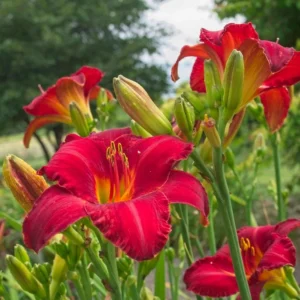
Flower Bulbs
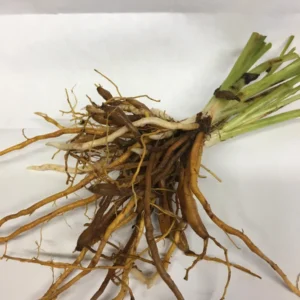
Chicago Apache Daylily Bare Root – Scarlet Red Reblooming Perennial – 1-2 Fan Division – Outdoor
Sold 76 products
From $95.80
Sold 84 products
Original price was: $28.76.$14.38Current price is: $14.38.
Sold 64 products
Original price was: $138.00.$69.00Current price is: $69.00.
Sold 60 products
Original price was: $39.98.$19.99Current price is: $19.99.
Flower Plants
Purple Passion Plant Live – 2 Gynura Aurantiaca Plants, 4-9 Inch, Purple Velvet Royal Plant Indoor
Sold 83 products
Original price was: $49.98.$24.99Current price is: $24.99.


Reviews
There are no reviews yet.