
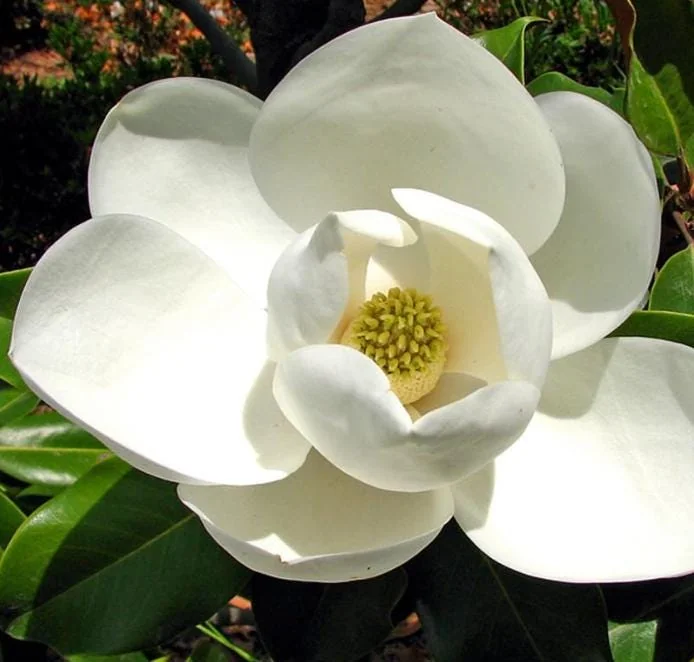
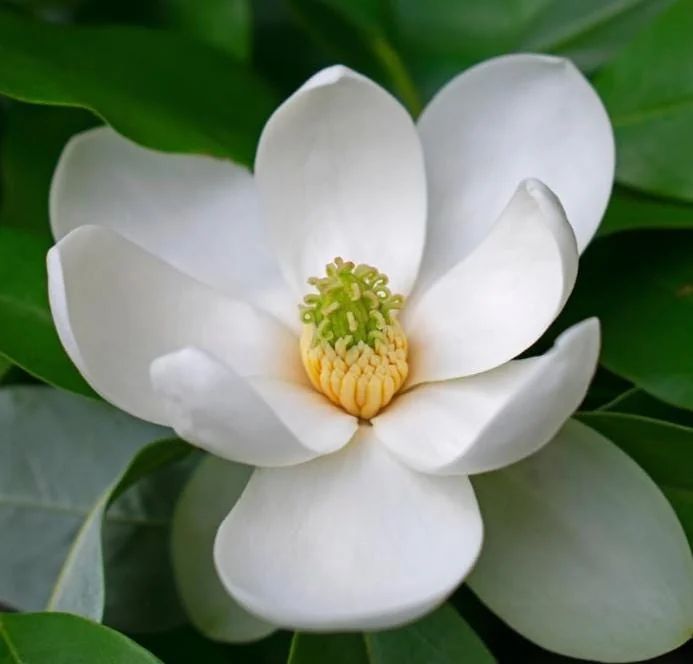
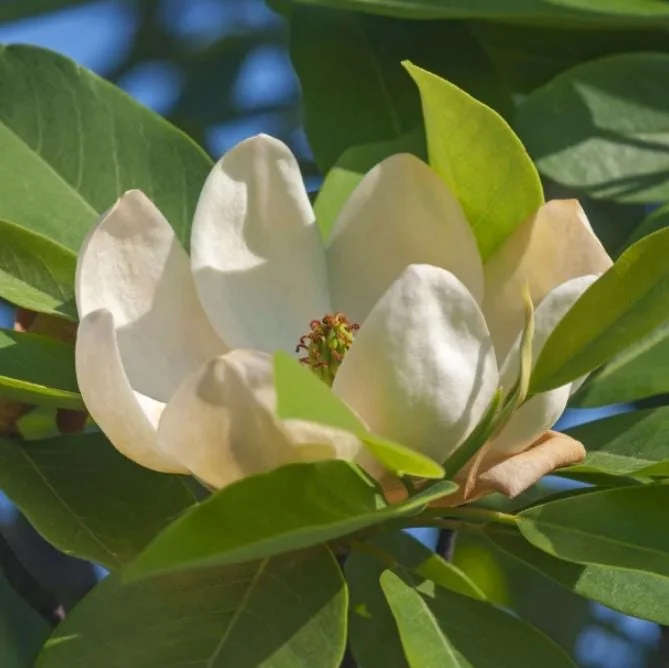
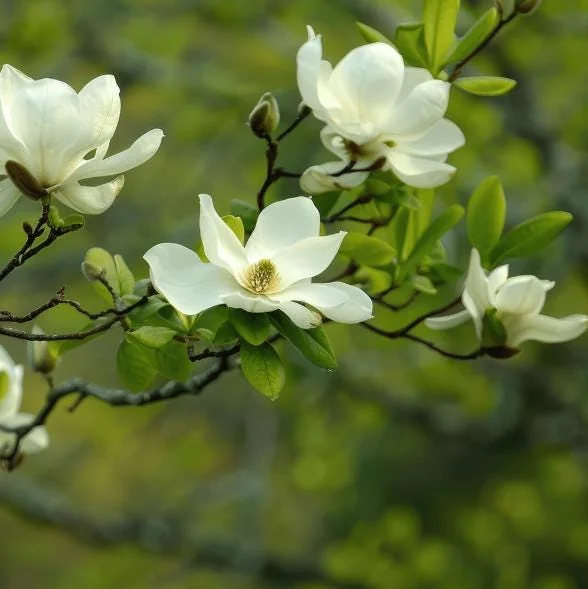
Sweetbay Magnolia Live Plant – 10-18″ Tall, 1 Quart Pot – Creamy Blooms Flower Tree for Landscape & Garden
Original price was: $37.35.$12.94Current price is: $12.94.
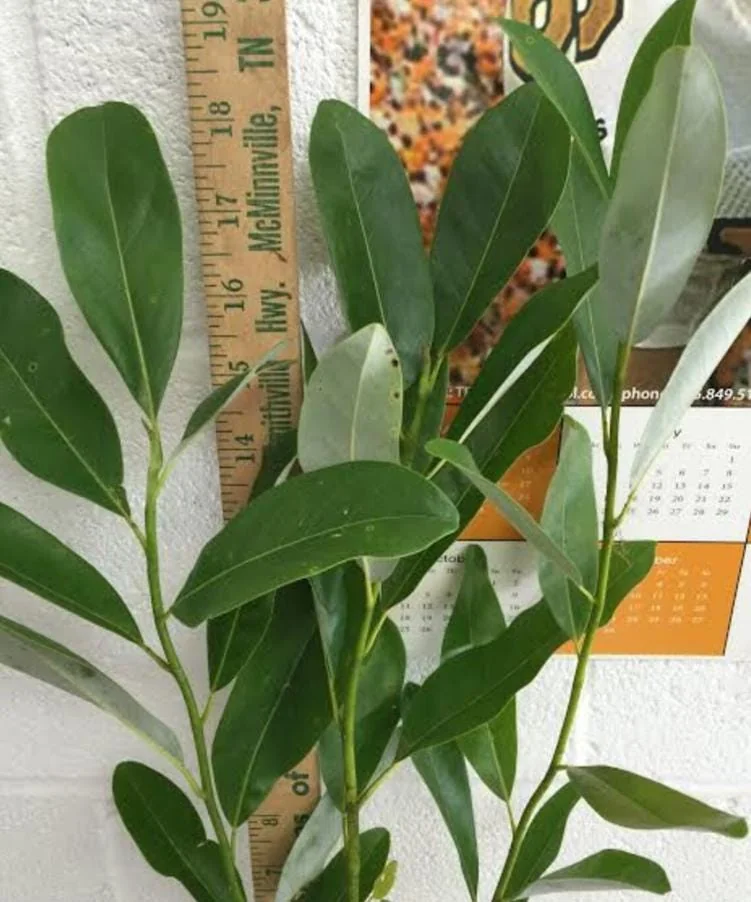
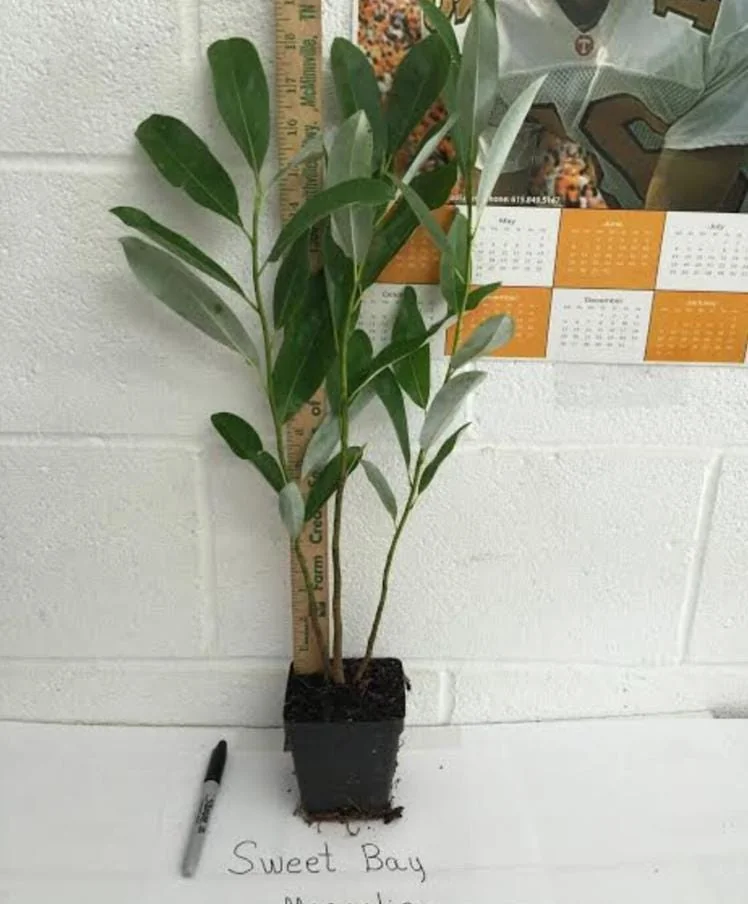
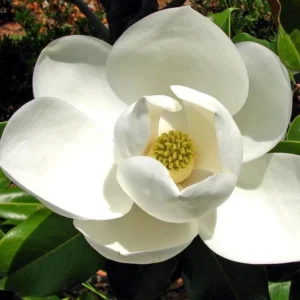
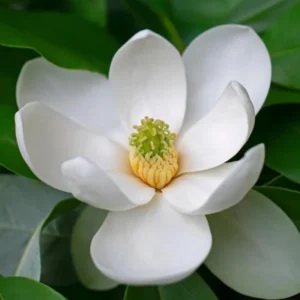
Bring elegance to your landscape with a sweetbay magnolia live plant. This graceful, semi-evergreen tree stands 10-18″ tall in a 1-quart pot, featuring lemon-scented creamy white flowers and glossy foliage, perfect for ornamental and wildlife gardens.
-
USDA Hardiness Zone
USDA zones 5–9 -
Soil Type
Moist, acidic, well-drained soil; tolerates clay and wet conditions -
Sunlight Exposure
Full sun to partial shade -
Expected Planting Period
Early spring or fall

You can track your order HERE
Feb 26
Mar 03 - Mar 05
Mar 08 - Mar 12
Shipping and return policies: Our Alive & Thrive Guarantee covers issues with your plants within the first 30 days. Reach out to us. Our team will answer your questions and help you find the plants that are truly suitable for your environment, climate, and personal preferences.

Overview
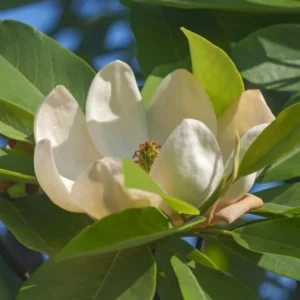
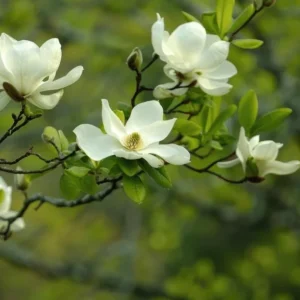
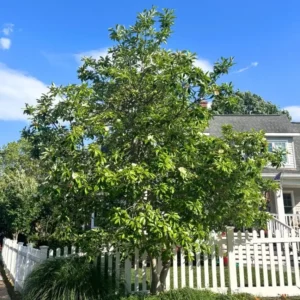
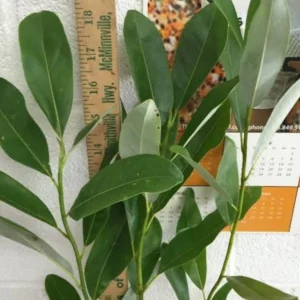
Introduce a touch of Southern charm and fragrance to your garden with this beautiful sweetbay magnolia live plant. Known for its graceful form and delightful aroma, the Sweetbay Magnolia (Magnolia virginiana) is a semi-evergreen tree that thrives in various landscapes. This particular specimen arrives as a healthy 10-18″ tall plant in a 1-quart pot, ready to establish itself in your chosen location. Its creamy white, lemon-scented blooms provide a sensory delight from late spring through summer, while its glossy, dark green foliage offers year-round visual interest. Ideal for ornamental landscaping, wetland gardens, and wildlife habitats, the sweetbay magnolia live plant is a versatile and rewarding addition that attracts pollinators and birds, enhancing the biodiversity of your outdoor space.
The Sweetbay Magnolia is a resilient and adaptable tree, native to the southeastern United States. Unlike some of its larger relatives, it maintains a more manageable size, making it suitable for a wider range of garden designs. Its ability to tolerate wet soils makes it an excellent choice for areas where other trees might struggle, providing a lush, green presence even in challenging conditions. Investing in a sweetbay magnolia tree care routine will ensure this magnificent plant flourishes, gracing your garden with its unique beauty and sweet perfume for years to come.
Key Benefits
The Sweetbay Magnolia offers a multitude of benefits, making it a highly desirable choice for any garden:
-
Fragrant Blooms: Enjoy the intoxicating lemon-scented creamy white flowers that appear from late spring into summer, creating a delightful aromatic experience in your garden.
-
Ornamental Appeal: With its elegant form, glossy green leaves, and attractive flowers, this tree serves as a stunning focal point or a beautiful addition to mixed borders.
-
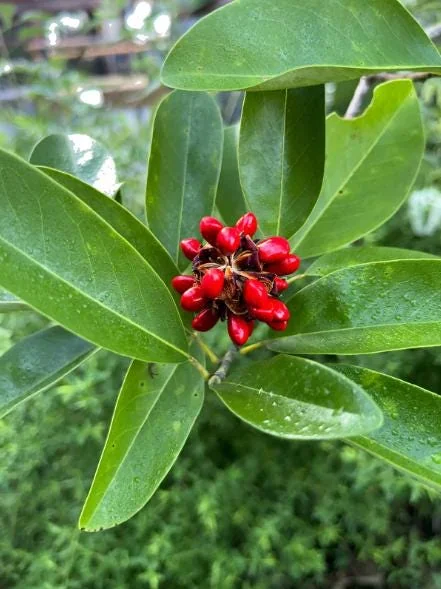
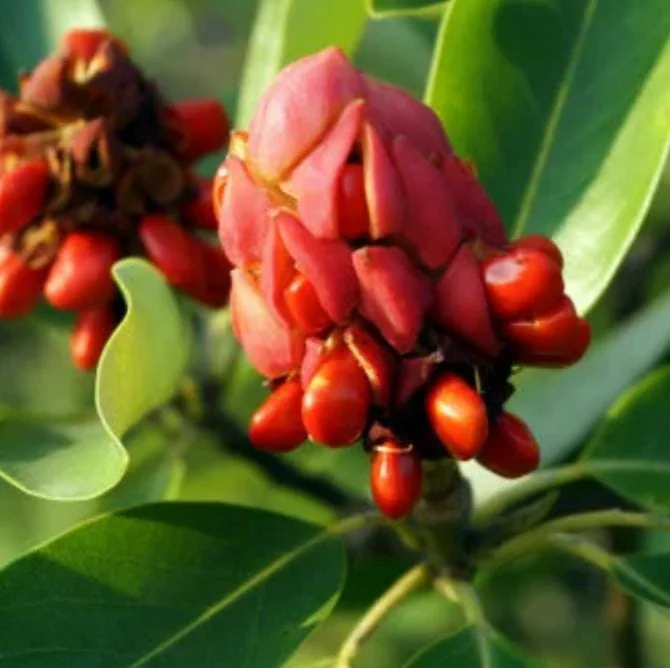
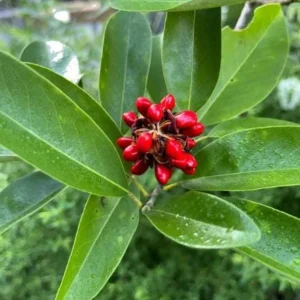
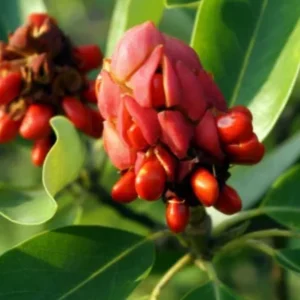
Attracts Wildlife: The flowers draw in pollinators like bees and butterflies, while the red seeds are a food source for birds, contributing to a vibrant ecosystem.
-
Tolerant of Wet Soils: Uniquely adapted to moist and even wet conditions, the magnolia virginiana plant is perfect for rain gardens, pond edges, or areas with poor drainage.
-
Semi-Evergreen Foliage: In warmer climates (USDA zones 8-9), it retains most of its glossy green leaves year-round, providing continuous beauty. In colder zones (USDA 5-7), it may be deciduous.
-
Low Maintenance: Once established, this tree is relatively easy to care for, requiring minimal intervention beyond basic watering and occasional pruning.
-
Versatile Landscaping: Suitable for a variety of uses, from a specimen tree to an understory planting, or even in a naturalized setting, enhancing its appeal as a wetland garden plant.
Plant Care & Growing Tips
Proper care for your sweetbay magnolia live plant will ensure its vigorous growth and abundant flowering. This tree thrives in USDA zones 5–9, exhibiting semi-evergreen behavior in warmer climates and becoming more deciduous in colder regions. When selecting a site, consider its mature size and spread, allowing 15–20 feet between trees for optimal development. The best time for planting is in early spring or fall, when temperatures are mild and natural rainfall is more frequent, aiding in root establishment.
For soil, the Sweetbay Magnolia prefers moist, acidic, and well-drained conditions. However, it is remarkably tolerant of clay soils and wet sites, making it an excellent choice for areas where other plants might struggle. Consistent moisture is crucial, especially during the first few years after planting. While it tolerates wet sites, it does not do well in drought conditions, so regular watering is essential during dry spells. Regarding sunlight, this fragrant magnolia tree performs best in full sun to partial shade. More sunlight generally encourages better flowering, but some afternoon shade can be beneficial in hotter climates to prevent leaf scorch.
Fertilization is typically not heavily required once established, especially if planted in rich, organic soil. If your soil is poor, a balanced, slow-release fertilizer designed for acid-loving plants can be applied in early spring. Pruning is generally minimal, focused on removing dead, damaged, or crossing branches to maintain a healthy structure. Pests and diseases are not a major concern for the Sweetbay Magnolia, making it a relatively trouble-free plant. Following these guidelines will help your sweetbay magnolia tree care routine be successful, leading to a healthy and beautiful specimen.
Size & Details
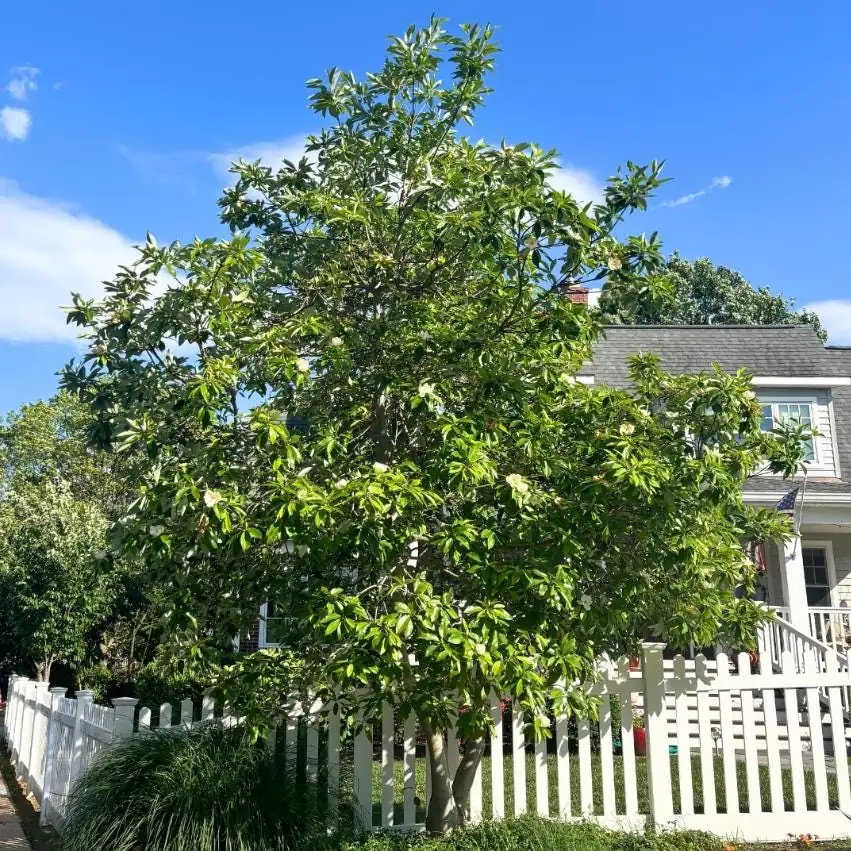
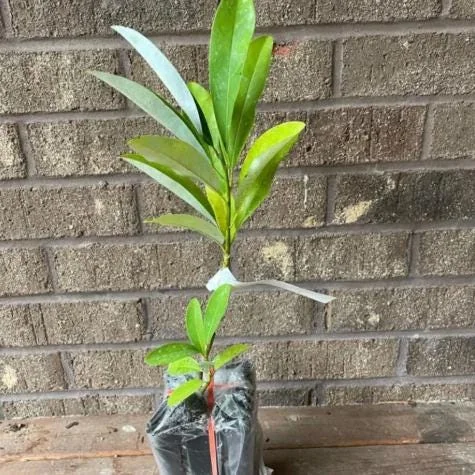
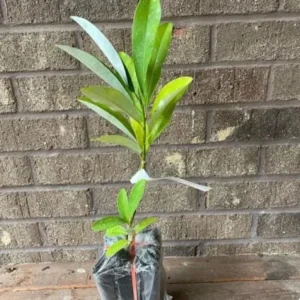
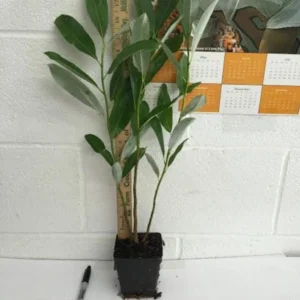
This offering is for one sweetbay magnolia live plant, measuring approximately 10-18 inches in height upon arrival. It is carefully grown and shipped in a 1-quart nursery pot, providing a well-established root system for successful transplantation. The Sweetbay Magnolia, or Magnolia virginiana, is a moderate-growing tree that can reach a mature height of 10-20 feet with a similar spread, depending on climate and growing conditions. It typically matures into an elegant, multi-stemmed tree, though it can be trained as a single-trunk specimen. Expect to see its characteristic creamy, lemon-scented blooms from late spring through mid-summer, with decorative red seed cones developing in the fall.
The plant will be freshly dug and carefully prepared for shipment, with roots wrapped in moist material to ensure vitality during transit. While some larger plants may have their main roots trimmed for shipping, this practice is standard and promotes healthy new root growth upon planting. This size is ideal for planting directly into your garden or for potting up into a larger container as it grows. With proper sweetbay magnolia tree care, this plant will establish quickly and begin to thrive in its new home, becoming a cherished part of your landscape.
Frequently Asked Questions
-
Q: How big will my sweetbay magnolia live plant get? A: A: This sweetbay magnolia live plant arrives 10-18 inches tall in a 1-quart pot. It can grow to a mature height of 10-20 feet with a similar spread, depending on growing conditions and climate.
-
Q: Is this an indoor or outdoor plant? A: The Sweetbay Magnolia is primarily an outdoor tree, suitable for planting in gardens and landscapes within USDA zones 5-9. It is not typically grown as an indoor houseplant.
-
Q: How much sunlight does a sweetbay magnolia need? A: This magnolia virginiana plant prefers full sun to partial shade. For the best flowering, aim for at least 6 hours of direct sunlight per day, though it appreciates some afternoon shade in very hot climates.
-
Q: Is this plant easy to care for? A: Yes, once established, the Sweetbay Magnolia is relatively low-maintenance. Its tolerance for wet soils and general resilience make sweetbay magnolia tree care quite straightforward for most gardeners.
-
Q: What condition will my plant arrive in? A: Your sweetbay magnolia live plant will be freshly dug, with its roots carefully wrapped in moist material and secured for priority shipping to ensure it arrives healthy and vigorous.
-
Q: When is the best time to plant a sweetbay magnolia? A: The ideal times to plant a Sweetbay Magnolia are in early spring or fall, when temperatures are mild and the plant can establish its root system without extreme heat or cold stress.
-
Q: Will this fragrant magnolia tree survive winter in my zone? A: The Sweetbay Magnolia is hardy in USDA zones 5-9. In colder zones (5-7), it will likely be deciduous, losing its leaves in winter, while in warmer zones (8-9), it often remains semi-evergreen.
-
Q: What kind of soil does this wetland garden plant prefer? A: It prefers moist, acidic, and well-drained soils, but it is notably tolerant of clay and wet conditions, making it an excellent choice for challenging garden spots.
-
Q: Does this tree attract pollinators? A: Absolutely! The lemon-scented flowers of the Sweetbay Magnolia are highly attractive to various pollinators, including bees and butterflies, contributing to garden biodiversity.
-
Q: What is the typical growth rate for a sweetbay magnolia? A: Sweetbay Magnolias have a moderate growth rate, typically adding about 1-2 feet per year once established, eventually reaching their mature size over several years.
Be the first to review “Sweetbay Magnolia Live Plant – 10-18″ Tall, 1 Quart Pot – Creamy Blooms Flower Tree for Landscape & Garden”
People Also Viewed
Sold 69 products
Original price was: $60.00.$30.00Current price is: $30.00.
Sold 93 products
Original price was: $39.68.$19.84Current price is: $19.84.
Sold 99 products
Original price was: $28.76.$14.38Current price is: $14.38.
Sold 75 products
Original price was: $66.00.$52.80Current price is: $52.80.
Sold 79 products
Original price was: $88.00.$44.00Current price is: $44.00.
Sold 68 products
Original price was: $147.16.$73.58Current price is: $73.58.
Sold 100 products
$73.90
Sold 87 products
Original price was: $37.98.$18.99Current price is: $18.99.
Sold 53 products
Original price was: $355.96.$177.98Current price is: $177.98.
Sold 71 products
From $180.68
Sold 56 products
Original price was: $999.80.$499.90Current price is: $499.90.
Sold 74 products
From $44.00
Sold 83 products
Original price was: $8.52.$4.26Current price is: $4.26.
Sold 83 products
Original price was: $9.96.$4.98Current price is: $4.98.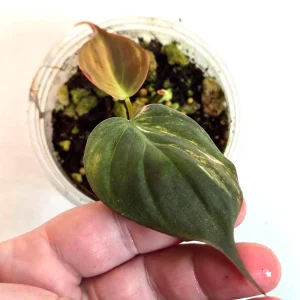
HousePlants
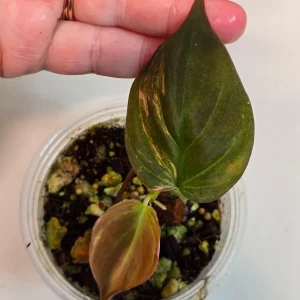
Variegated Philodendron Mican Aurea Live Plant – Rare Collector Houseplant in Nursery Pot
Sold 99 products
Original price was: $180.00.$90.00Current price is: $90.00.
Sold 54 products
Original price was: $61.30.$36.78Current price is: $36.78.
Sold 82 products
Original price was: $69.20.$41.52Current price is: $41.52.

Sold 57 products
Original price was: $80.00.$64.00Current price is: $64.00.



Reviews
There are no reviews yet.