




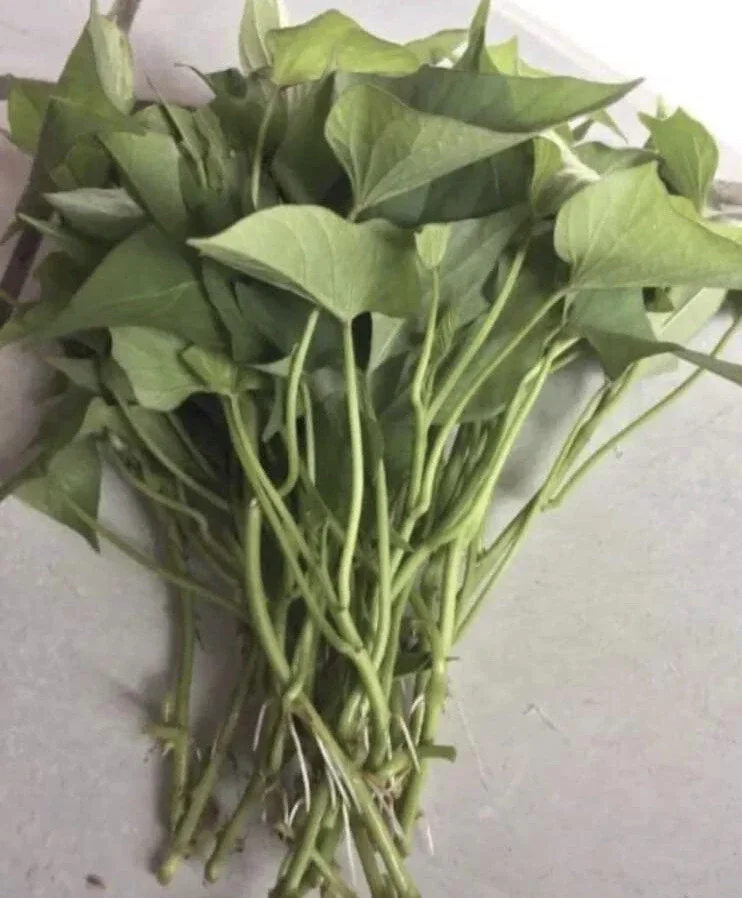




Sweet Potato Slips Variety Pack – Okinawa, Red Japanese, Beauregard – 15 Live Slips
$54.00
Cultivate a diverse harvest with our sweet potato slips variety pack. This collection includes 15 live slips of popular varieties: Okinawa, Red Japanese, and Beauregard. Ideal for home gardeners looking to grow their own delicious and nutritious sweet potatoes. These slips are ready for planting in spring and summer, offering a rewarding growing experience.
-
USDA Hardiness Zone
USDA Zones 9-11 (as perennial); Zones 4-8 (as annual) -
Soil Type
Well-draining, loose, sandy loam, rich in organic matter -
Sunlight Exposure
Full sun (6-8 hours daily) -
Expected Planting Period
Late spring to early summer (after last frost)

You can track your order HERE
Mar 05
Mar 10 - Mar 12
Mar 15 - Mar 19
Shipping and return policies: Our Alive & Thrive Guarantee covers issues with your plants within the first 30 days. Reach out to us. Our team will answer your questions and help you find the plants that are truly suitable for your environment, climate, and personal preferences.

Overview
Embark on a rewarding gardening journey with our premium sweet potato slips variety pack. This collection provides 15 vibrant, ready-to-plant slips featuring three distinct and highly sought-after varieties: Okinawa, Red Japanese, and Beauregard. Each variety offers unique flavors, textures, and culinary uses, ensuring a diverse and delicious harvest from your garden. Sweet potatoes (Ipomoea batatas) are a staple crop known for their versatility, nutritional benefits, and relatively easy cultivation, making them an excellent choice for both beginner and experienced gardeners. These live slips are the perfect starting point for establishing a thriving patch of these underground delights, promising abundant yields of flavorful tubers. Whether you’re a seasoned gardener eager to expand your sweet potato repertoire or a newcomer looking to try your hand at growing this rewarding vegetable, our sweet potato slips provide a convenient and effective way to get started.
Key Benefits
Growing your own sweet potatoes from these carefully selected slips offers a multitude of advantages, from fresh, healthy produce to an engaging gardening experience. Our sweet potato slips provide a head start for a robust harvest.
- Diverse Culinary Options: Enjoy the unique flavors and textures of three distinct sweet potato varieties. The Okinawa offers a striking purple flesh, the Red Japanese provides a sweet, chestnut-like flavor, and the Beauregard is a classic, moist, orange-fleshed favorite. This variety allows for diverse cooking applications.
- High Nutritional Value: Sweet potatoes are packed with vitamins, minerals, and antioxidants, including Vitamin A, Vitamin C, and fiber. Growing your own ensures you have access to fresh, nutrient-dense produce.
- Reliable Growth: Starting with healthy slips provides a strong foundation for your sweet potato plants, often leading to better establishment and higher yields compared to planting from seed. These slips are carefully nurtured for optimal vigor.
- Adaptable & Resilient: Sweet potato plants are generally hardy and can adapt to various soil conditions, thriving in warm climates. They require medium sun exposure, making them suitable for many garden settings.
- Cost-Effective Harvesting: Cultivating your own sweet potatoes can be more economical than purchasing them regularly from the grocery store, especially when you consider the generous yields a single plant can produce.
- Engaging Gardening Experience: From planting the slips to harvesting the tubers, growing sweet potatoes is a deeply satisfying and educational experience for gardeners of all ages. You’ll gain valuable knowledge about how to grow sweet potatoes successfully.
- Freshness & Flavor: Nothing compares to the taste of freshly harvested sweet potatoes. You control the growing conditions, ensuring your tubers are free from unwanted chemicals and bursting with natural flavor.
Plant Care & Growing Tips
To ensure a successful harvest from your sweet potato slips, proper care and attention to their specific needs are crucial. Sweet potatoes thrive in warm environments and require a relatively long growing season. Plant your slips after the last frost, when soil temperatures have consistently reached at least 65°F (18°C). Choose a location with full sun exposure, ideally receiving 6-8 hours of direct sunlight per day. Prepare your soil by ensuring it is well-draining, loose, and rich in organic matter. A sandy loam is often ideal for tuber development. You can amend heavy clay soils with compost or sand to improve drainage and aeration. Plant the slips about 12-18 inches apart in rows that are 3-4 feet apart, burying them deep enough so that only the top few leaves are exposed. Water thoroughly after planting.
Consistent watering is important, especially during establishment and dry spells, but avoid overwatering, which can lead to root rot. Aim for about 1 inch of water per week, either from rainfall or irrigation. Once established, sweet potato plants are somewhat drought-tolerant, but regular moisture promotes larger tubers. Fertilize sparingly; too much nitrogen can lead to excessive vine growth at the expense of tuber development. A balanced fertilizer or one higher in phosphorus and potassium is suitable once the plants are established. Keep the patch free of weeds, as competition can reduce yield. These Okinawa sweet potato, Japanese sweet potato, and Beauregard sweet potato varieties all appreciate similar care. Monitor for common pests like sweet potato weevils or diseases, and address them promptly using organic or appropriate treatments. Your efforts will be rewarded with a bountiful harvest when you grow sweet potatoes with care.
Size & Details
This offering includes 15 individual, live sweet potato slips, carefully selected and packaged for safe transit and successful planting. Each slip is a young, rooted cutting approximately 6-10 inches in length, ready to be transplanted into your garden. The pack contains a mix of three popular sweet potato varieties: Okinawa (known for its purple flesh and unique taste), Red Japanese (distinguished by its reddish skin and creamy, sweet interior), and Beauregard (a widely grown orange-fleshed variety praised for its high yield and moist texture). Sweet potato plants are vigorous growers, with vines that can spread several feet, making them excellent ground cover. Tubers typically mature in 90-120 days after planting, depending on the variety and growing conditions. They are most commonly grown as annuals in most climates, though they can be perennial in tropical regions. This collection provides ample opportunity to experience the best of different types of sweet potatoes.
Frequently Asked Questions
- Q: How big does a sweet potato plant get? A: Sweet potato vines are vigorous and can spread significantly, often reaching lengths of 6 to 10 feet or more. The tubers themselves vary in size depending on variety and growing conditions, typically ranging from 6 to 12 inches long.
- Q: Is this an indoor or outdoor plant? A: Sweet potatoes are primarily outdoor plants, thriving in warm, sunny garden beds. While you can start slips indoors, the mature plants require ample space and sunlight to produce tubers, making them unsuitable for long-term indoor cultivation.
- Q: How much sunlight does it need? A: Sweet potato plants require full sun, meaning at least 6-8 hours of direct sunlight per day, for optimal growth and tuber development. Less sunlight will result in smaller yields.
- Q: Is this plant easy to care for? A: Yes, sweet potatoes are generally considered easy to grow, making them a good choice for beginners. They are relatively low-maintenance once established, primarily needing consistent warmth, sunlight, and adequate moisture. Learning to grow sweet potatoes is a rewarding experience.
- Q: What condition will the slips arrive in? A: The sweet potato slips will arrive as live, unrooted cuttings, typically 6-10 inches long. They are carefully packaged to ensure freshness and viability upon arrival. It’s recommended to place them in water immediately to encourage root development before planting.
- Q: When is the best time to plant sweet potato slips? A: The ideal time to plant sweet potato slips is in late spring to early summer, after all danger of frost has passed and the soil temperature has warmed consistently to above 65°F (18°C).
- Q: What’s the recommended USDA hardiness zone for sweet potatoes? A: Sweet potatoes are typically grown as annuals in USDA Zones 4-8, but they can be perennial in warmer USDA Zones 9-11. They prefer warm climates and are not frost-tolerant.
- Q: Can I grow sweet potatoes in containers? A: Yes, you can grow sweet potatoes in large containers (at least 15-gallon capacity or grow bags) with good drainage. Ensure the container is placed in a sunny spot and provides ample room for tuber development.
- Q: How long until I can harvest the sweet potatoes? A: Sweet potato tubers are typically ready for harvest 90 to 120 days after planting the slips, depending on the specific variety and your local growing conditions. You can generally harvest them before the first fall frost.
- Q: What is the difference between these varieties? A: The Okinawa sweet potato has purple skin and flesh, a slightly drier texture, and a subtly sweet, nutty flavor. The Red Japanese sweet potato has reddish-purple skin and creamy, yellowish flesh with a very sweet, chestnut-like taste. The Beauregard sweet potato is the most common, with orange skin and moist, bright orange flesh, known for its classic sweet potato flavor. Each variety offers a unique culinary experience.
Be the first to review “Sweet Potato Slips Variety Pack – Okinawa, Red Japanese, Beauregard – 15 Live Slips”
People Also Viewed
Sold 77 products
From $75.80
Sold 93 products
Original price was: $355.96.$177.98Current price is: $177.98.
Sold 88 products
$47.90
Sold 66 products
Original price was: $283.96.$141.98Current price is: $141.98.
Sold 59 products
Original price was: $59.98.$29.99Current price is: $29.99.
Sold 93 products
Original price was: $147.16.$73.58Current price is: $73.58.
Sold 60 products
Original price was: $355.96.$177.98Current price is: $177.98.
Sold 64 products
From $75.80
Sold 70 products
Original price was: $283.96.$141.98Current price is: $141.98.
Sold 92 products
Original price was: $147.16.$73.58Current price is: $73.58.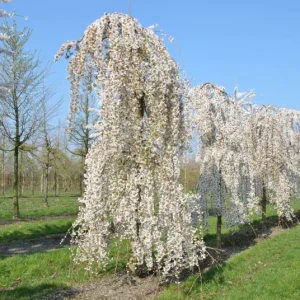
Trees
Snow Fountains Weeping Cherry Tree Live Plant – 2-3 Feet Tall Grafted in 3 Gallon Pot – Outdoor
Sold 66 products
Original price was: $355.96.$177.98Current price is: $177.98.
Sold 69 products
Original price was: $100.00.$80.00Current price is: $80.00.

Sold 86 products
Original price was: $95.16.$47.58Current price is: $47.58.
Sold 84 products
Original price was: $95.80.$47.90Current price is: $47.90.
Sold 80 products
Original price was: $147.16.$73.58Current price is: $73.58.
Sold 80 products
Original price was: $147.16.$73.58Current price is: $73.58.
Sold 87 products
Original price was: $48.00.$24.00Current price is: $24.00.
Sold 100 products
Original price was: $147.16.$73.58Current price is: $73.58.



Reviews
There are no reviews yet.