
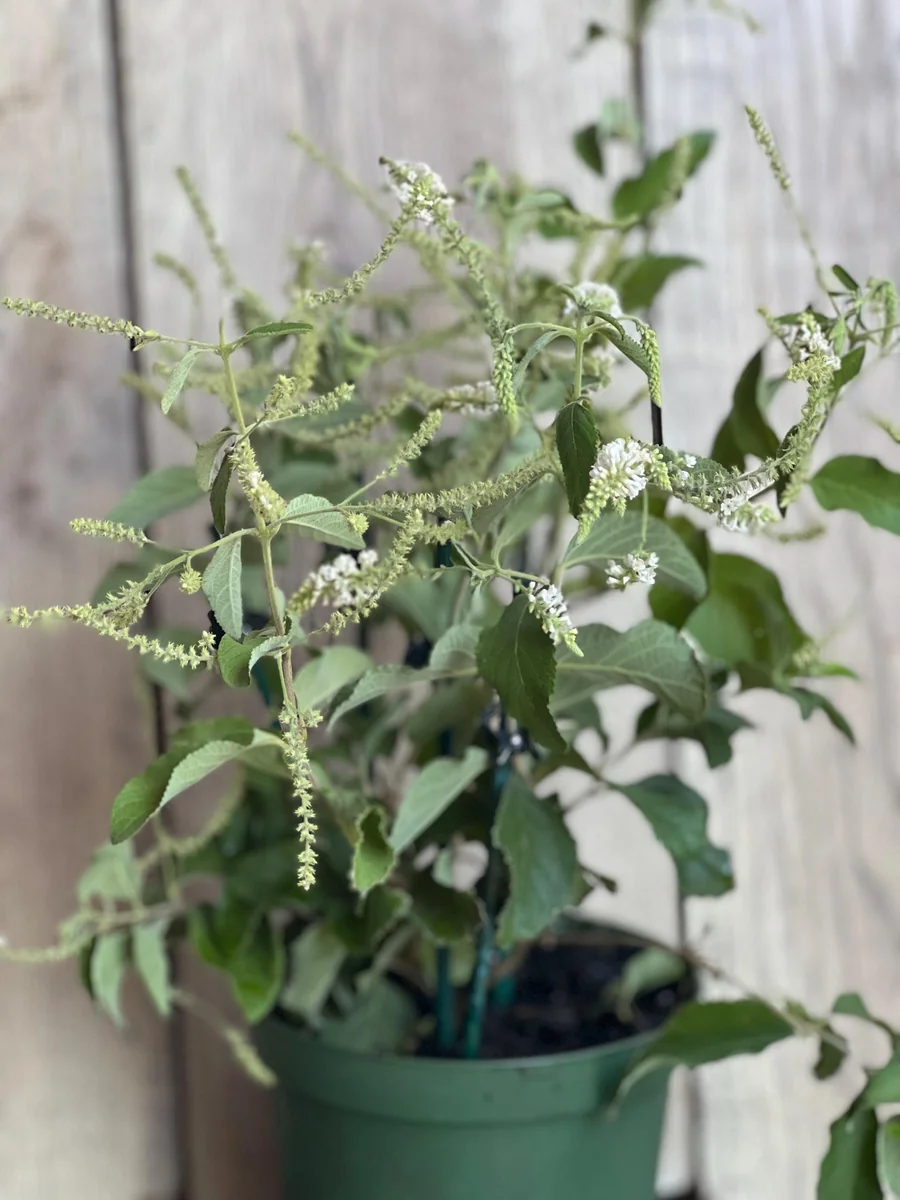
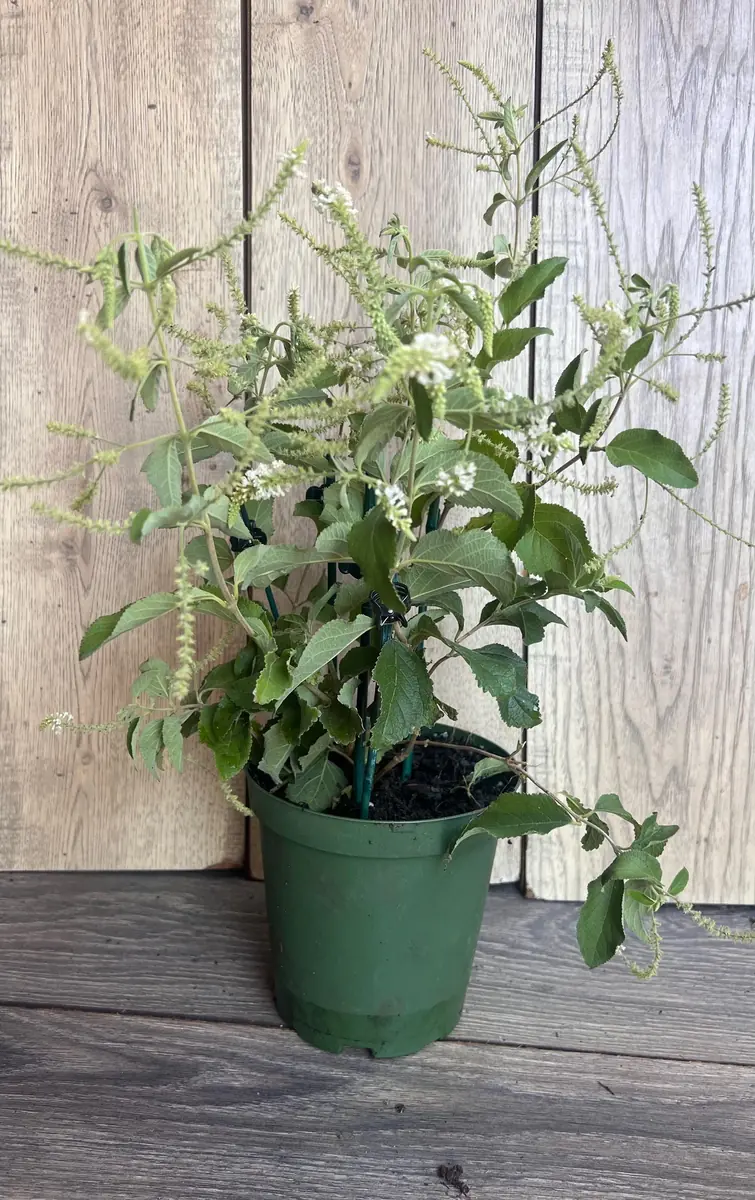
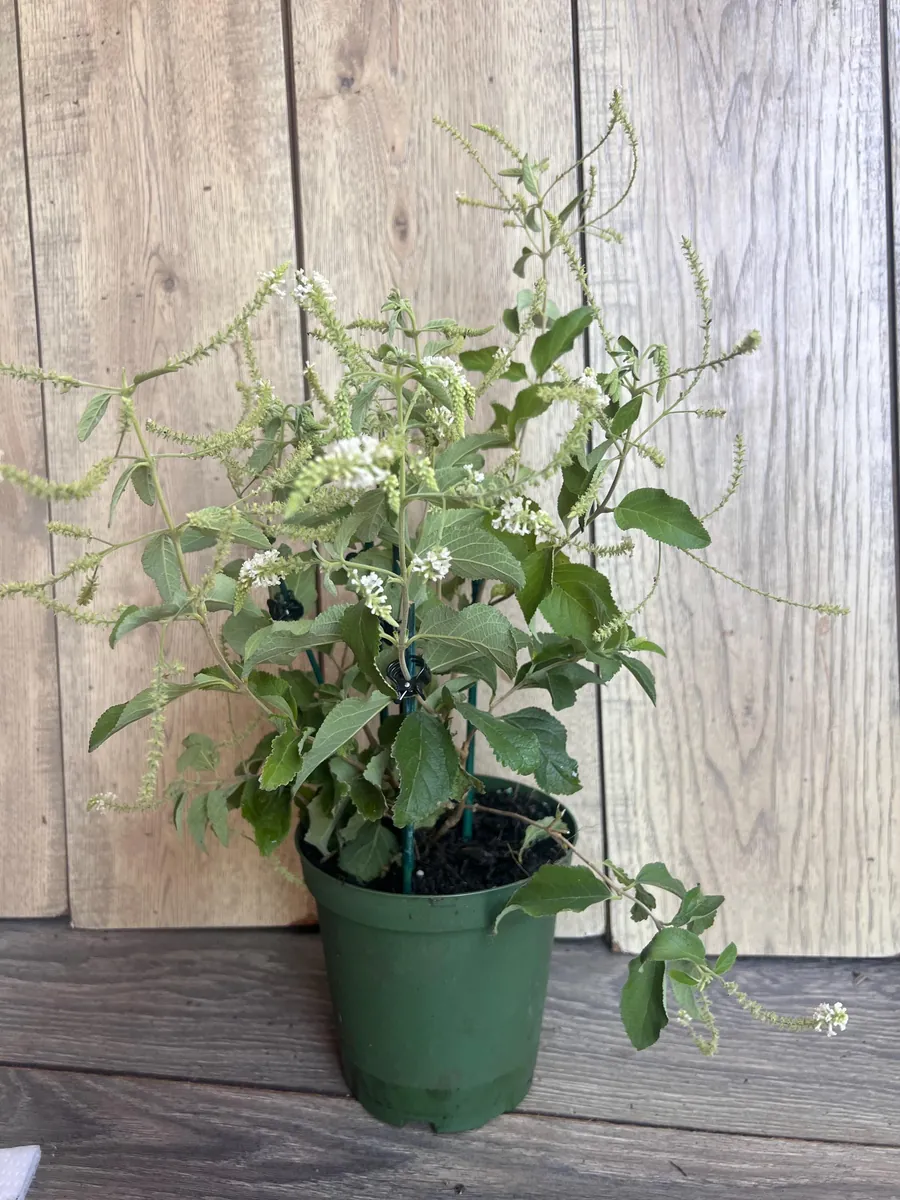

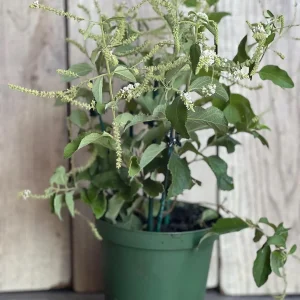
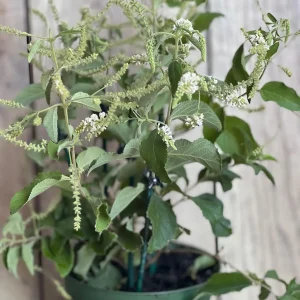
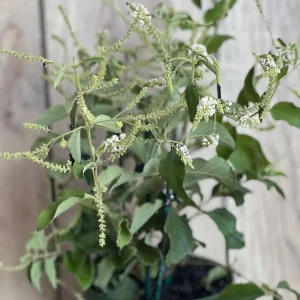
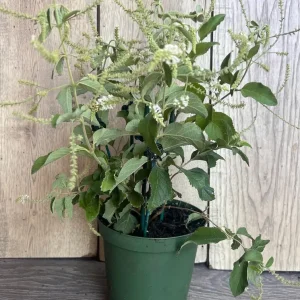
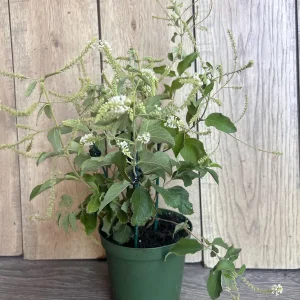
Sweet Almond Bush Live Plant – Aloysia virgata in 6 inch Pot
Original price was: $67.96.$40.78Current price is: $40.78.
Bring the delightful fragrance of the sweet almond bush live plant (Aloysia virgata) to your garden. This beautiful, easy-care shrub features aromatic leaves and clusters of white to pale lavender flowers, attracting bees and butterflies. Ideal for full sun and well-drained soil.
-
USDA Hardiness Zone
USDA zones 9-11 -
Soil Type
Well-draining soil -
Sunlight Exposure
Full sun -
Expected Planting Period
Spring to early summer

You can track your order HERE
Mar 09
Mar 14 - Mar 16
Mar 19 - Mar 23
Shipping and return policies: Our Alive & Thrive Guarantee covers issues with your plants within the first 30 days. Reach out to us. Our team will answer your questions and help you find the plants that are truly suitable for your environment, climate, and personal preferences.

Overview
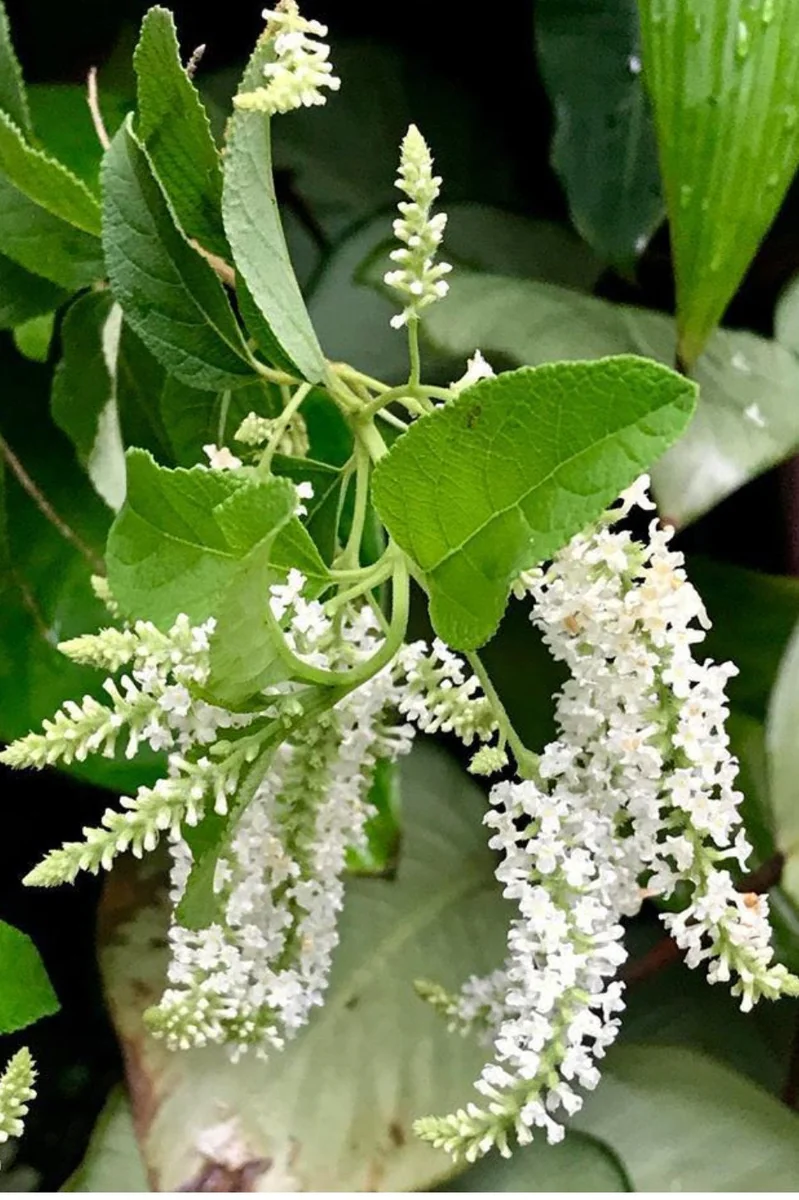
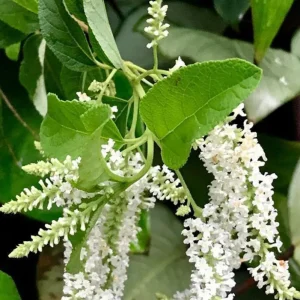
Introduce an enchanting aroma and vibrant life to your outdoor space with the sweet almond bush live plant (Aloysia virgata). Also known as Mexican Verbena or Sweet Almond Verbena, this captivating shrub is native to South America and celebrated for its intensely fragrant, lemon-scented leaves and lovely blooms. Growing to a height of 4 to 6 feet, the sweet almond bush live plant showcases slender, green stems adorned with clusters of small, white to pale lavender flowers that emerge in late summer to fall. The sweet perfume of its blossoms acts as a natural beacon, drawing in beneficial pollinators like bees and butterflies, enriching the biodiversity of your garden.
The sweet almond bush live plant thrives in full sun and well-drained soil, making it a versatile and ideal selection for various garden applications. Whether you envision it as a standalone specimen, part of a hedge, or as a fragrant border plant, its adaptability is remarkable. This plant is renowned for being relatively low-maintenance and, once established, impressively drought-tolerant. Its pleasant scent, especially when its leaves are gently crushed, is one of its most distinct and cherished characteristics, often chosen for its aromatherapy qualities and its ability to infuse outdoor areas with a refreshing, calming ambiance.
Key Benefits
The sweet almond bush live plant offers a multitude of advantages for any garden enthusiast, combining beauty with functionality and ease of care. Its unique attributes make it a valuable addition to diverse landscapes.
- Aromatic Fragrance: Enjoy the distinct, sweet, lemon-like scent emitted by the leaves and flowers, which is particularly noticeable when the foliage is brushed or crushed. This makes it an excellent choice for planting near patios or walkways to enhance sensory experiences.
- Pollinator Magnet: The fragrant white to pale lavender flowers are highly attractive to bees, butterflies, and other beneficial pollinators, supporting local ecosystems and encouraging biodiversity in your garden.
- Low Maintenance: Once established, the sweet almond bush live plant requires minimal care. It is drought-tolerant and generally resistant to pests, making it suitable for busy gardeners or those seeking easy-to-manage plants.
- Versatile Landscaping: Its upright growth habit and attractive foliage make it perfect for various uses, including hedges, mixed borders, fragrant garden beds, or even as a specimen plant. It can also be successfully grown in containers.
- Drought Tolerance: This shrub is well-suited for arid or water-wise gardens, as it can withstand periods of dryness once its root system is mature, reducing the need for frequent watering.
- Long Blooming Period: The plant produces beautiful, sweet-scented flowers from late summer into fall, providing continuous color and fragrance when many other plants have finished their bloom cycle.
- Natural Air Freshener: The refreshing scent of the sweet almond bush live plant can naturally purify and uplift the atmosphere of your outdoor living spaces, contributing to a more pleasant environment.
Plant Care & Growing Tips
Caring for your sweet almond bush live plant is straightforward, ensuring it thrives and produces its delightful fragrance and blooms. Understanding its specific needs will help you cultivate a healthy and vigorous shrub. This plant prefers warm climates and is best suited for USDA hardiness zones 9-11, where it can be grown as a perennial. In colder regions, it can be cultivated in a container and brought indoors during winter to protect it from frost.
For optimal growth, provide your sweet almond bush live plant with full sun exposure, meaning at least 6 hours of direct sunlight per day. Adequate sunlight is crucial for promoting abundant flowering and robust development. When it comes to soil, well-drained conditions are paramount. If your garden soil is heavy or prone to water retention, amend it with organic matter like compost or sand to improve drainage and prevent root rot. While the plant is drought-tolerant once established, moderate watering is necessary, especially during prolonged dry spells. Always allow the soil to dry out between waterings to avoid overwatering, which can be detrimental to the plant’s health. Regular pruning in early spring or after flowering helps maintain its shape and encourages fuller growth and more blooms. Deadheading spent flowers will also stimulate new flowering and keep the plant looking tidy.
The aloysia virgata care routine is relatively simple. Fertilizing is not a strict requirement, as these plants are not heavy feeders. However, an annual application of a balanced fertilizer in spring can encourage healthy growth and flowering. Avoid excessive fertilization, as this can lead to lush foliage at the expense of floral displays. The sweet almond bush live plant is generally pest-resistant, but occasionally, you might encounter common garden pests like aphids, spider mites, or whiteflies. Regular inspection and treatment with insecticidal soap, if needed, can keep these issues in check. Ensuring good air circulation around the plant is also important to prevent fungal diseases, especially in humid conditions. For those interested in growing sweet almond verbena for gardens, these tips will ensure a thriving and fragrant addition.
Size & Details
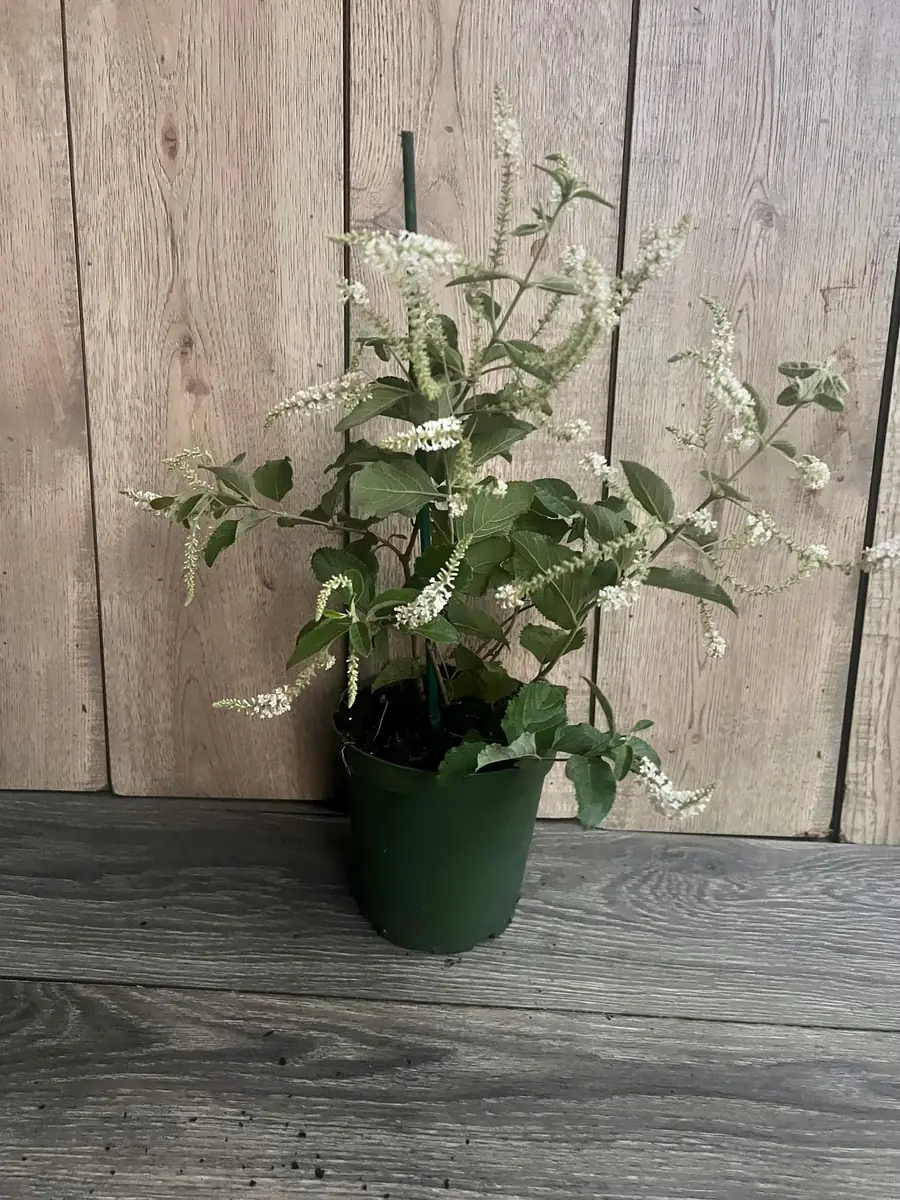
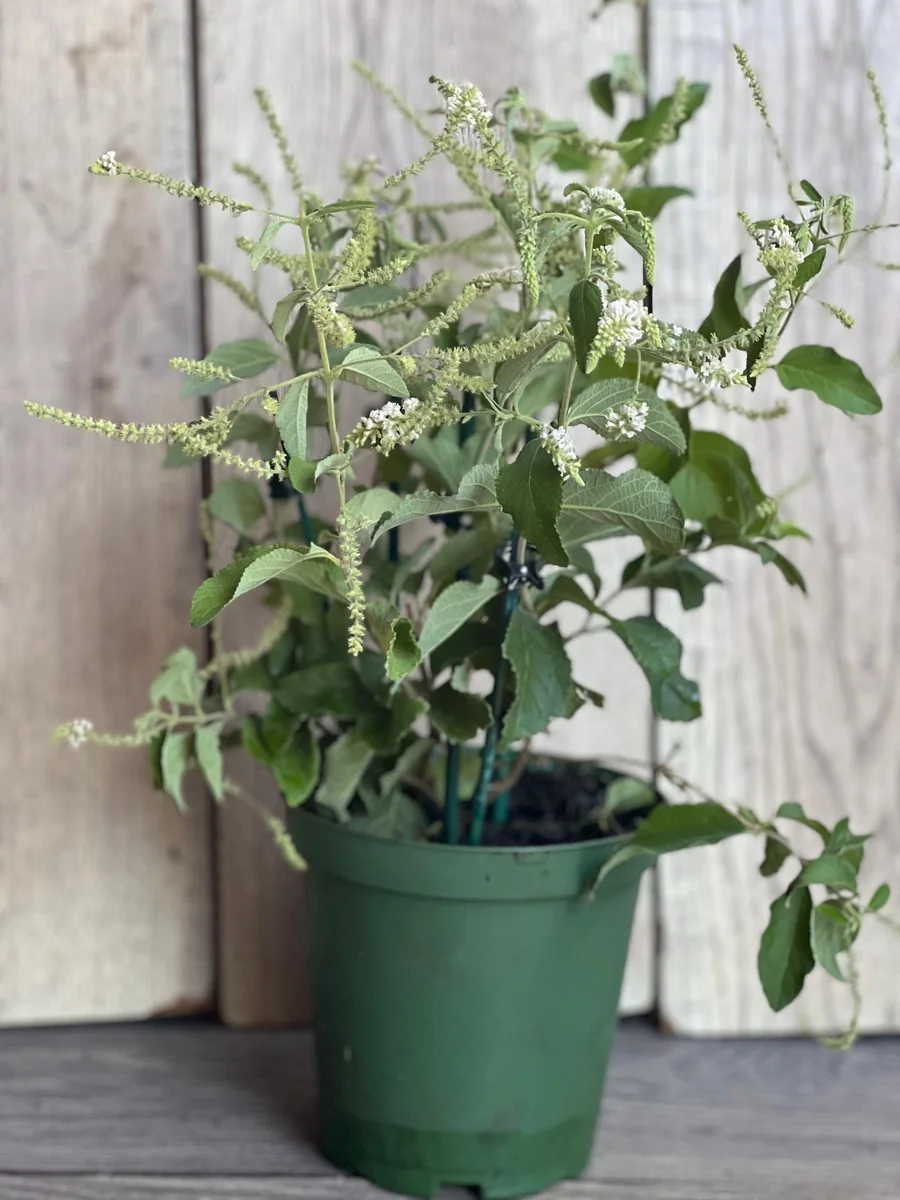
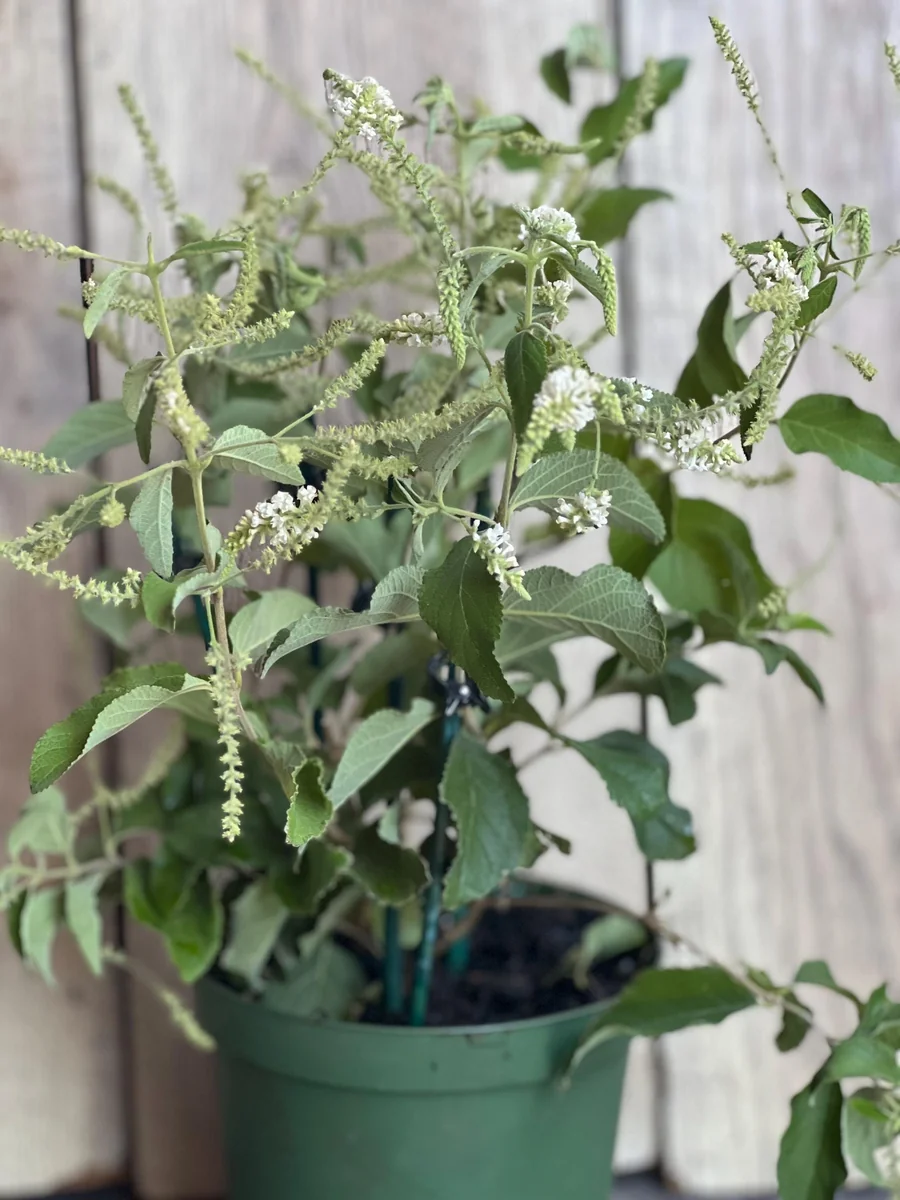
This sweet almond bush live plant is provided in a 6-inch pot, ready for planting in your garden or a larger container. When mature, the Sweet Almond Bush typically grows to a height of 4 to 6 feet with a similar spread, forming a beautiful, rounded shrub. Its growth rate is moderate, allowing it to establish itself well within a season or two when provided with optimal conditions. The plant features slender green stems that provide a graceful structure to its foliage and flowers. The fragrant white to pale lavender flowers appear in clusters, creating a striking visual and aromatic display in late summer and fall. This shrub is a perfect choice for creating a fragrant border or a lovely focal point in your landscape design, providing a delightful sensory experience for years to come.
Frequently Asked Questions
- Q: How big does this sweet almond bush live plant get? A: The Sweet Almond Bush typically grows to a mature height of 4 to 6 feet and can achieve a similar spread, forming a well-rounded shrub. Its size makes it versatile for various garden applications.
- Q: What size pot does it come in? A: This sweet almond bush live plant is shipped in a 6-inch nursery pot, providing a good head start for transplanting into your garden or a larger container.
- Q: Is this an indoor or outdoor plant? A: The sweet almond bush live plant is primarily an outdoor plant, thriving in warm climates (USDA zones 9-11). In colder regions, it can be grown in a container and brought indoors during winter.
- Q: How much sunlight does it need? A: This plant requires full sun, meaning at least 6 hours of direct sunlight per day, to produce the most abundant flowers and maintain strong growth.
- Q: Is this plant easy to care for? A: Yes, the sweet almond bush live plant is considered relatively low-maintenance, especially once established. It is drought-tolerant and generally pest-resistant, making aloysia virgata care quite simple.
- Q: What condition will it arrive in? A: Your plant will arrive in a 6-inch pot, carefully packaged to ensure it reaches you in healthy, vibrant condition, ready for planting.
- Q: How long until it blooms? A: With proper care and sufficient sunlight, the sweet almond bush live plant typically begins blooming in late summer and continues through fall, providing a long season of fragrant flowers.
- Q: When is the best time to plant? A: The best time to plant your sweet almond bush live plant is in spring or early summer after the danger of frost has passed, allowing it ample time to establish before cooler weather.
- Q: Will it survive winter in my zone? A: If you are in USDA hardiness zones 9-11, the sweet almond bush live plant will generally survive winter outdoors. In colder zones, it should be brought indoors or provided with winter protection.
- Q: What’s the minimum temperature it can tolerate? A: The Sweet Almond Bush is sensitive to frost and freezing temperatures. It thrives in warm climates and may not survive temperatures consistently below 25-30°F (-4 to -1°C).
- Q: Is this the same as mexican verbena fragrant shrub? A: Yes, Sweet Almond Bush is also commonly known as Mexican Verbena or Sweet Almond Verbena, referring to the same fragrant plant, particularly prized as a drought tolerant almond bush.
Be the first to review “Sweet Almond Bush Live Plant – Aloysia virgata in 6 inch Pot”
People Also Viewed
Sold 95 products
Original price was: $39.99.$27.99Current price is: $27.99.
Sold 59 products
Original price was: $30.85.$10.34Current price is: $10.34.
Sold 80 products
Original price was: $34.00.$27.20Current price is: $27.20.
Sold 75 products
Original price was: $200.00.$160.00Current price is: $160.00.

Sold 100 products
Original price was: $151.20.$75.60Current price is: $75.60.

Vegetables
Grande F1 Asparagus Crowns – 25 Live Plants – 2 Year Old Perennial Vegetable for Fall Planting
Sold 50 products
Original price was: $251.60.$125.80Current price is: $125.80.
Sold 79 products
Original price was: $41.56.$20.78Current price is: $20.78.
Sold 84 products
Original price was: $31.98.$25.58Current price is: $25.58.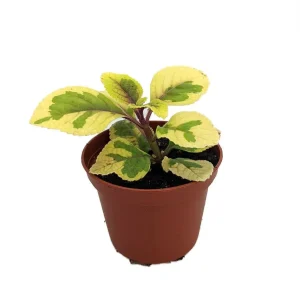
HousePlants
Lemon & Lime Swedish Ivy Live Plant – Plectranthus ciliatus – 2.5 inch Pot – Indoor/Outdoor
Sold 87 products
Original price was: $28.76.$14.38Current price is: $14.38.
Sold 58 products
Original price was: $63.96.$31.98Current price is: $31.98.
Sold 75 products
Original price was: $40.00.$20.00Current price is: $20.00.
Sold 95 products
Original price was: $355.96.$177.98Current price is: $177.98.
Sold 89 products
Original price was: $31.96.$15.98Current price is: $15.98.
Sold 68 products
Original price was: $46.00.$36.80Current price is: $36.80.
Sold 83 products
From $131.80
Sold 52 products
From $63.80
Sold 98 products
Original price was: $33.98.$16.99Current price is: $16.99.
Sold 77 products
Original price was: $36.00.$18.00Current price is: $18.00.


Reviews
There are no reviews yet.