
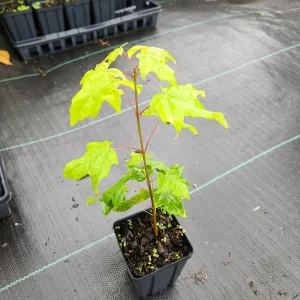
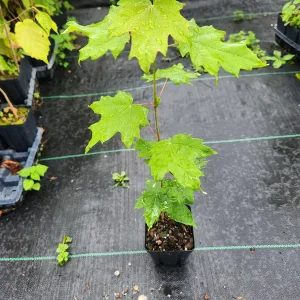
Sugar Maple Tree Live Plant (Acer Saccharum) – 4 inch Container, 6 inch Tall
Original price was: $46.80.$23.40Current price is: $23.40.
Bring the beauty of autumn to your landscape with a sugar maple tree. This acer saccharum live plant is rooted in a 4-inch container, standing at 6 inches tall, and is perfect for zones 3-8. Enjoy its vibrant fall foliage and potential for delicious syrup production.
-
USDA Hardiness Zone
3-8 -
Soil Type
Well-draining, rich in organic matter, slightly acidic to neutral -
Sunlight Exposure
Full sun to partial shade -
Expected Planting Period
Spring or Fall

You can track your order HERE
Apr 12
Apr 17 - Apr 19
Apr 22 - Apr 26
Shipping and return policies: Our Alive & Thrive Guarantee covers issues with your plants within the first 30 days. Reach out to us. Our team will answer your questions and help you find the plants that are truly suitable for your environment, climate, and personal preferences.

Overview
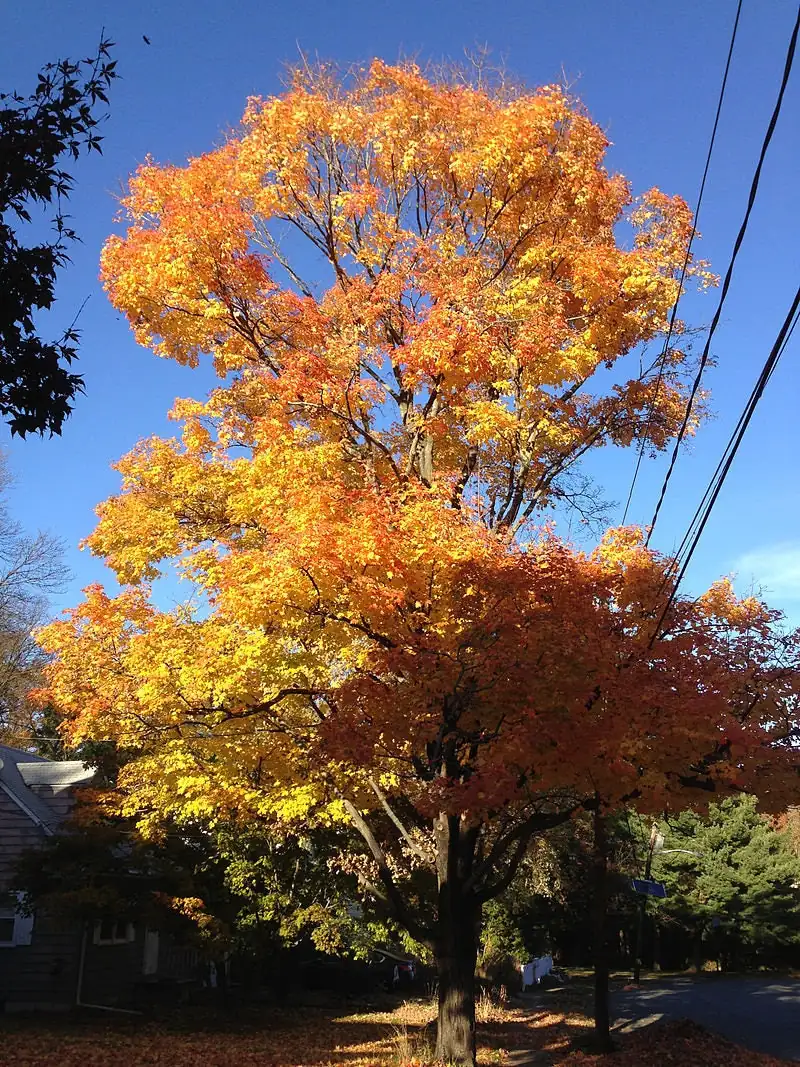
Introduce a piece of American heritage to your garden with this magnificent sugar maple tree (Acer Saccharum). Revered for its spectacular autumn display of orange, red, and gold, this deciduous tree is a true landscape standout. Our sugar maple tree is a vibrant live plant, rooted in a 4-inch container and standing approximately 6 inches tall, ready to thrive in USDA Zones 3-8. Known scientifically as Acer Saccharum, this species is not only a source of the iconic maple syrup but also a valuable lumber tree and a cherished addition to parks and residential yards. Its sturdy growth and long lifespan make it a rewarding investment for any landscape enthusiast. This iconic species embodies the essence of the North American forest, providing shade, beauty, and a connection to nature’s cycles.
The sugar maple tree is a symbol of strength and beauty, offering more than just visual appeal. It contributes significantly to local ecosystems, providing habitat and sustenance for various wildlife. Whether you’re looking to create a majestic shade canopy, cultivate your own maple syrup, or simply enjoy breathtaking fall colors, this acer saccharum live plant is an excellent choice. Its adaptable nature and relatively low maintenance requirements once established make it suitable for a wide range of gardeners, from novices to experienced horticulturists. Invest in a living legacy that will grow and flourish for generations to come, enhancing the aesthetic and ecological value of your outdoor space.
Key Benefits
The sugar maple tree offers a multitude of benefits for both your landscape and the environment. Its impressive stature and seasonal charm make it a valuable addition to any property.
- Spectacular Fall Foliage: Experience a breathtaking display of vibrant orange, red, and gold leaves each autumn, making your yard a focal point of seasonal beauty. This characteristic is a primary reason why many choose a sugar maple tree for their property.
- Excellent Shade Tree: As it matures, the sugar maple tree develops a dense, broad canopy, providing ample shade during hot summer months, reducing cooling costs and creating comfortable outdoor living spaces.
- Source of Maple Syrup: This species is the primary source of commercial maple syrup, offering the unique opportunity to tap your own tree for fresh, natural sweetener once it reaches maturity. It’s a rewarding project for those interested in sustainable living.
- Durable and Long-Lived: Known for its hardiness and longevity, the acer saccharum live plant can thrive for many decades, becoming a lasting feature of your landscape and potentially increasing property value.
- Wildlife Habitat: The tree provides valuable food and shelter for various birds and small mammals, contributing to biodiversity in your garden and supporting local wildlife populations.
- Air Quality Improvement: Like all trees, the sugar maple tree helps improve air quality by absorbing carbon dioxide and releasing oxygen, while also filtering pollutants from the atmosphere.
- Valuable Lumber Source: While primarily chosen for aesthetic and syrup production, the wood of the sugar maple tree is highly prized for its strength and beauty, used in furniture, flooring, and other applications.
Plant Care & Growing Tips
Caring for your sugar maple tree is straightforward, especially when planted in the right conditions. This robust species prefers full sun to partial shade, ideally receiving at least 6 hours of direct sunlight per day to ensure optimal growth and vibrant fall color. While young trees may benefit from some afternoon shade in hotter climates, mature trees thrive in full sun. Ensure consistent watering during the first few growing seasons to help establish a strong root system. The soil should remain consistently moist but not waterlogged. Once established, sugar maple trees are relatively drought-tolerant, though supplemental watering during prolonged dry spells will be beneficial.
The ideal soil for a sugar maple tree is well-draining, rich in organic matter, and slightly acidic to neutral (pH 6.0-7.0). Avoid heavy clay soils that retain too much moisture or overly sandy soils that drain too quickly. Planting in a site with good air circulation is also important to prevent fungal diseases. Mulching around the base of the tree with 2-4 inches of organic material like wood chips or shredded bark will help retain soil moisture, regulate soil temperature, and suppress weeds. Fertilization is generally not necessary for healthy, established trees, but a balanced slow-release fertilizer can be applied in early spring for young or struggling trees. Pruning should be done in late summer or early fall after the leaves have fully developed, or in late winter before sap begins to flow heavily, focusing on removing dead, damaged, or crossing branches to maintain a strong structure. Keep an eye out for common pests like aphids or scale insects, and address them with appropriate organic or chemical controls if necessary to keep your maple tree for syrup healthy.
Size & Details
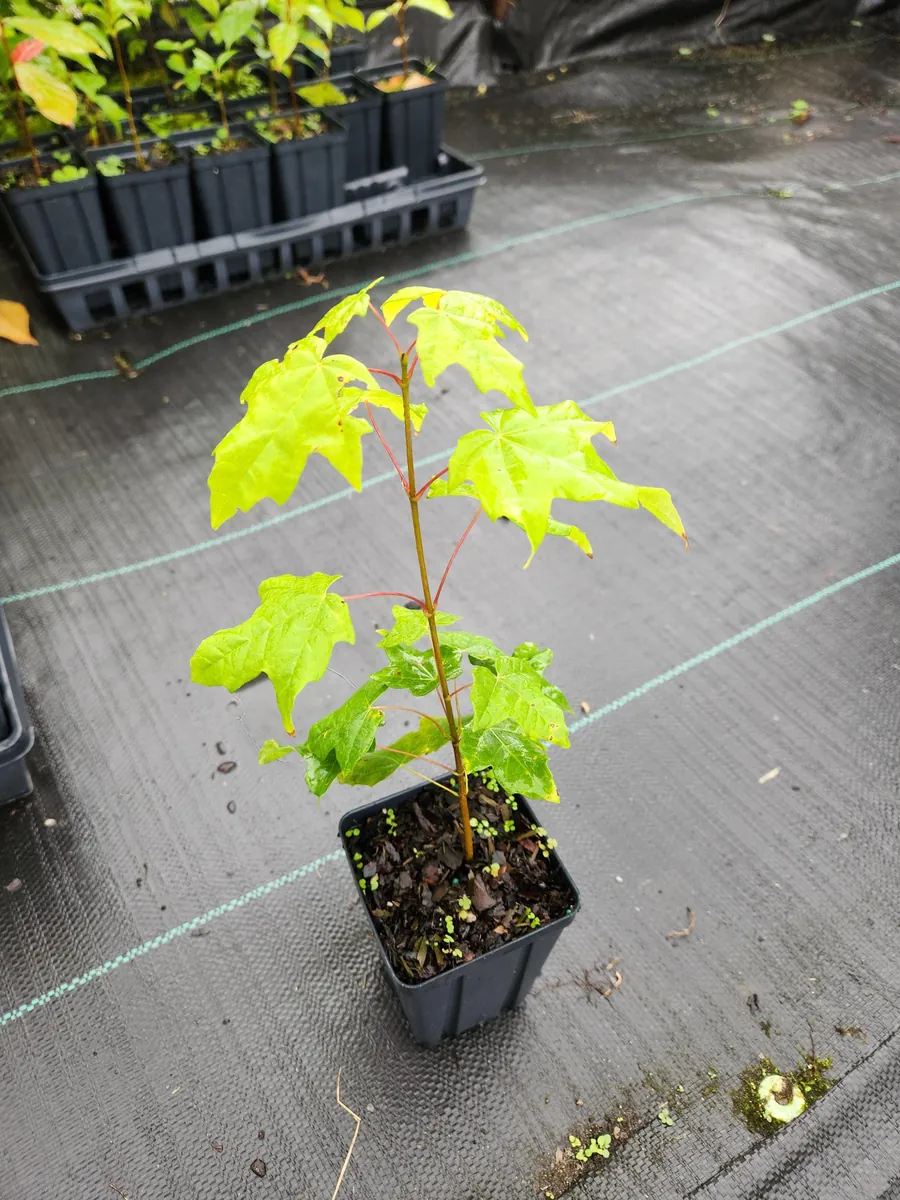
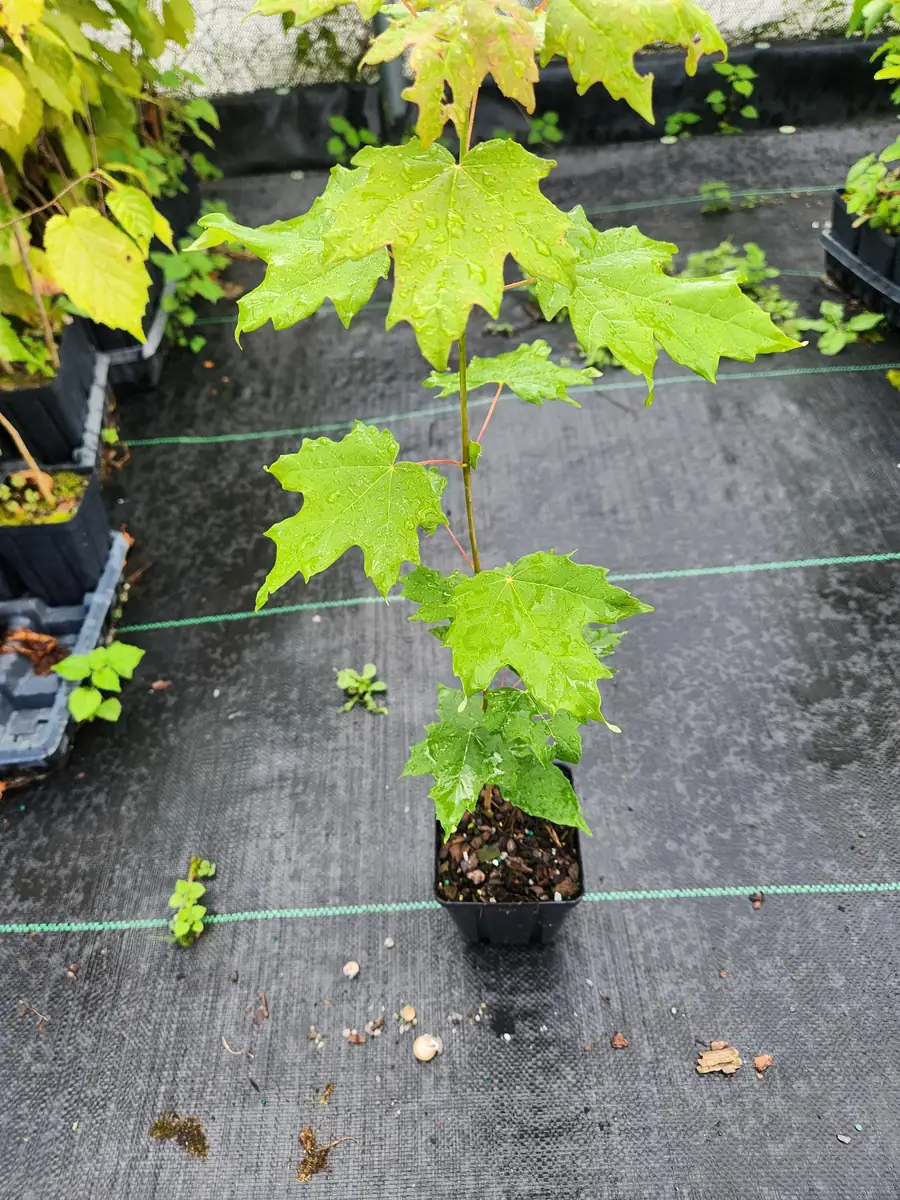
This offering includes one sugar maple tree, provided as a live plant rooted in a 4-inch nursery container. At the time of shipping, the plant stands approximately 6 inches in height, measured from the top of the soil line. These young trees are ready for planting in your garden or a larger pot upon arrival. The acer saccharum live plant exhibits a slow to medium growth rate, typically increasing in height by anywhere from less than 12 inches to 24 inches per year, depending on growing conditions and care. With proper care, these trees will gradually mature into magnificent specimens, providing a substantial shade tree for yard applications.
The sugar maple tree is hardy in USDA Zones 3-8, making it suitable for a wide range of climates across the United States. It will arrive with its root system intact within the 4-inch container, ensuring a smooth transition to its new home. Planting instructions are included to guide you through the process of establishing your new tree. Expect this tree to develop into a stately presence in your landscape, eventually reaching heights of 50-80 feet with a spread of 30-50 feet at full maturity, offering dense shade and brilliant fall color for decades to come. This particular specimen is a great starting point for cultivating a long-term landscape feature.
Frequently Asked Questions
- Q: How big does this sugar maple tree get? A: This particular sugar maple tree ships as a 6-inch tall plant in a 4-inch container. At maturity, a sugar maple tree can reach impressive heights of 50-80 feet with a spread of 30-50 feet, making it a truly majestic shade tree.
- Q: Is this an indoor or outdoor plant? A: The sugar maple tree (Acer Saccharum) is an outdoor tree that requires ample space to grow and thrive. It is not suitable for long-term indoor cultivation. It’s a fantastic shade tree for yard and park settings.
- Q: How much sunlight does it need? A: Sugar maple trees prefer full sun to partial shade, meaning they should receive at least 6 hours of direct sunlight per day for optimal growth and the most vibrant fall colors.
- Q: Is this plant easy to care for? A: Once established, sugar maple trees are relatively low-maintenance. They require consistent watering during their first few years to establish, but after that, they are quite hardy and resilient, making them a good choice for various gardening skill levels.
- Q: What condition will it arrive in? A: Your acer saccharum live plant will arrive rooted in a 4-inch container, with its root system intact and ready for planting. We take care to ensure plants are packaged securely for transit.
- Q: When is the best time to plant a sugar maple tree? A: The best time to plant a sugar maple tree is in the spring or fall when temperatures are moderate. This allows the tree to establish its root system before extreme summer heat or winter cold.
- Q: Will it survive winter in my zone? A: Yes, the sugar maple tree is highly cold-hardy and thrives in USDA Zones 3-8. It is well-adapted to cold winters and will enter dormancy, losing its leaves, before leafing out again in spring.
- Q: Can I really make syrup from this maple tree? A: Yes, the sugar maple tree (Acer Saccharum) is the primary species used for making maple syrup. Once your tree reaches a mature size (typically around 10-12 inches in diameter), you can begin tapping it for sap to produce your own delicious syrup. It’s an excellent maple tree for syrup production.
- Q: What kind of soil does a sugar maple tree prefer? A: A sugar maple tree prefers well-draining, moist, and fertile soil with a slightly acidic to neutral pH. Avoid compacted or waterlogged soils. Enriching the soil with organic matter at planting time is beneficial for this sugar maple tree.
- Q: What are the main uses of a sugar maple tree? A: The main uses include ornamental landscaping for its stunning fall color and shade, as a source for maple syrup production, and for its valuable hardwood timber. It’s a truly versatile and beneficial tree for any property.
Be the first to review “Sugar Maple Tree Live Plant (Acer Saccharum) – 4 inch Container, 6 inch Tall”
People Also Viewed
Sold 68 products
From $51.80

Sold 97 products
Original price was: $77.84.$38.92Current price is: $38.92.
Sold 58 products
Original price was: $37.98.$18.99Current price is: $18.99.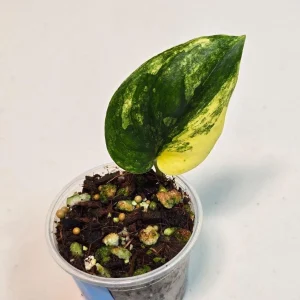
HousePlants
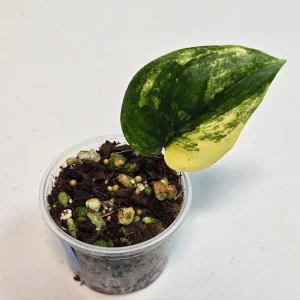
Variegated Scindapsus Pictus ‘Jade Satin’ Live Plant – Potted Houseplant – Indoor Vining Aroid
Sold 81 products
Original price was: $140.00.$70.00Current price is: $70.00.
Sold 91 products
From $19.00
Sold 51 products
Original price was: $29.98.$14.99Current price is: $14.99.
Sold 86 products
Original price was: $102.18.$51.09Current price is: $51.09.
Sold 94 products
$59.38
Sold 78 products
Original price was: $39.98.$19.99Current price is: $19.99.
Sold 74 products
Original price was: $28.76.$14.38Current price is: $14.38.
Sold 57 products
Original price was: $79.98.$39.99Current price is: $39.99.
Sold 90 products
Original price was: $71.96.$35.98Current price is: $35.98.
HousePlants
Sold 88 products
Original price was: $39.98.$19.99Current price is: $19.99.
Sold 53 products
Original price was: $31.98.$15.99Current price is: $15.99.
Sold 69 products
Original price was: $37.98.$18.99Current price is: $18.99.
Sold 97 products
Original price was: $47.58.$23.79Current price is: $23.79.
Sold 87 products
Original price was: $31.96.$15.98Current price is: $15.98.

Sold 62 products
Original price was: $99.80.$49.90Current price is: $49.90.





%20–%204-8″%20Tall%20Edible%20Culinary%20Galangal&url=https://gardennursery.net/product/set-of-2-live-thai-ginger-plants-alpinia-galanga-4-8-tall-edible-culinary-galangal/&media=https://img.gardennursery.net/2026/03/set-of-2-live-thai-ginger-plants-alpinia-galanga-4-f0657b7f.webp)


Reviews
There are no reviews yet.