
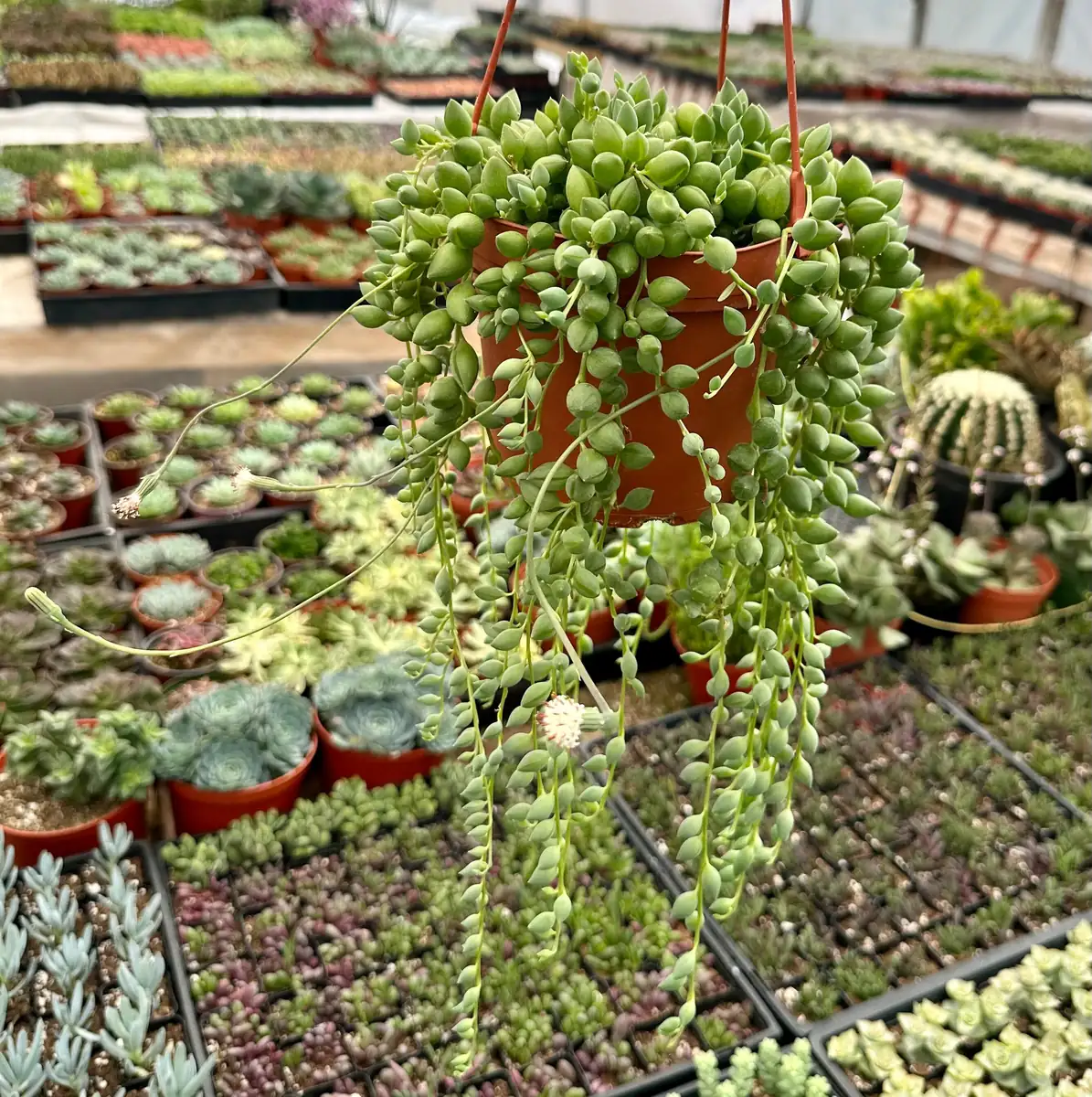
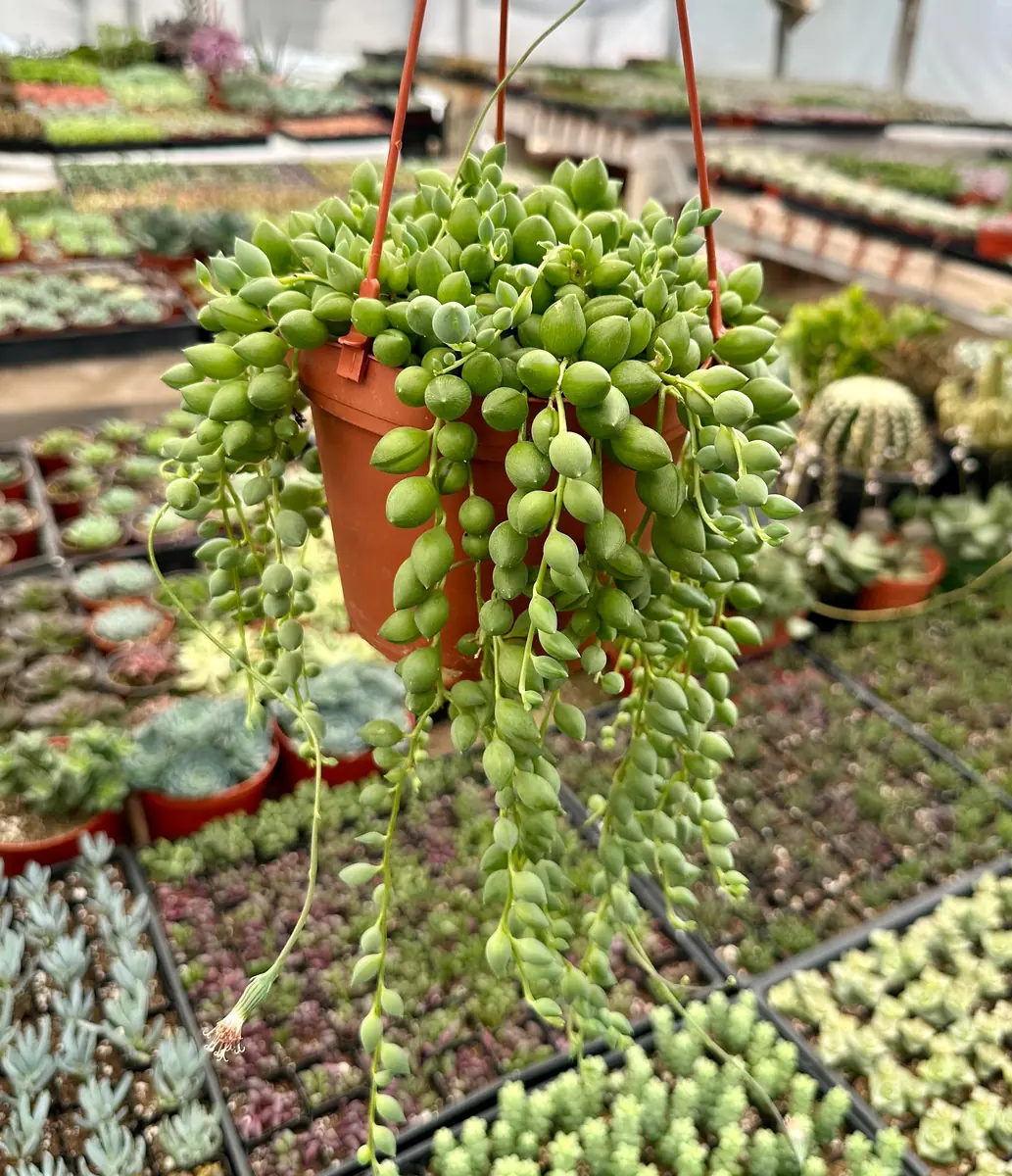
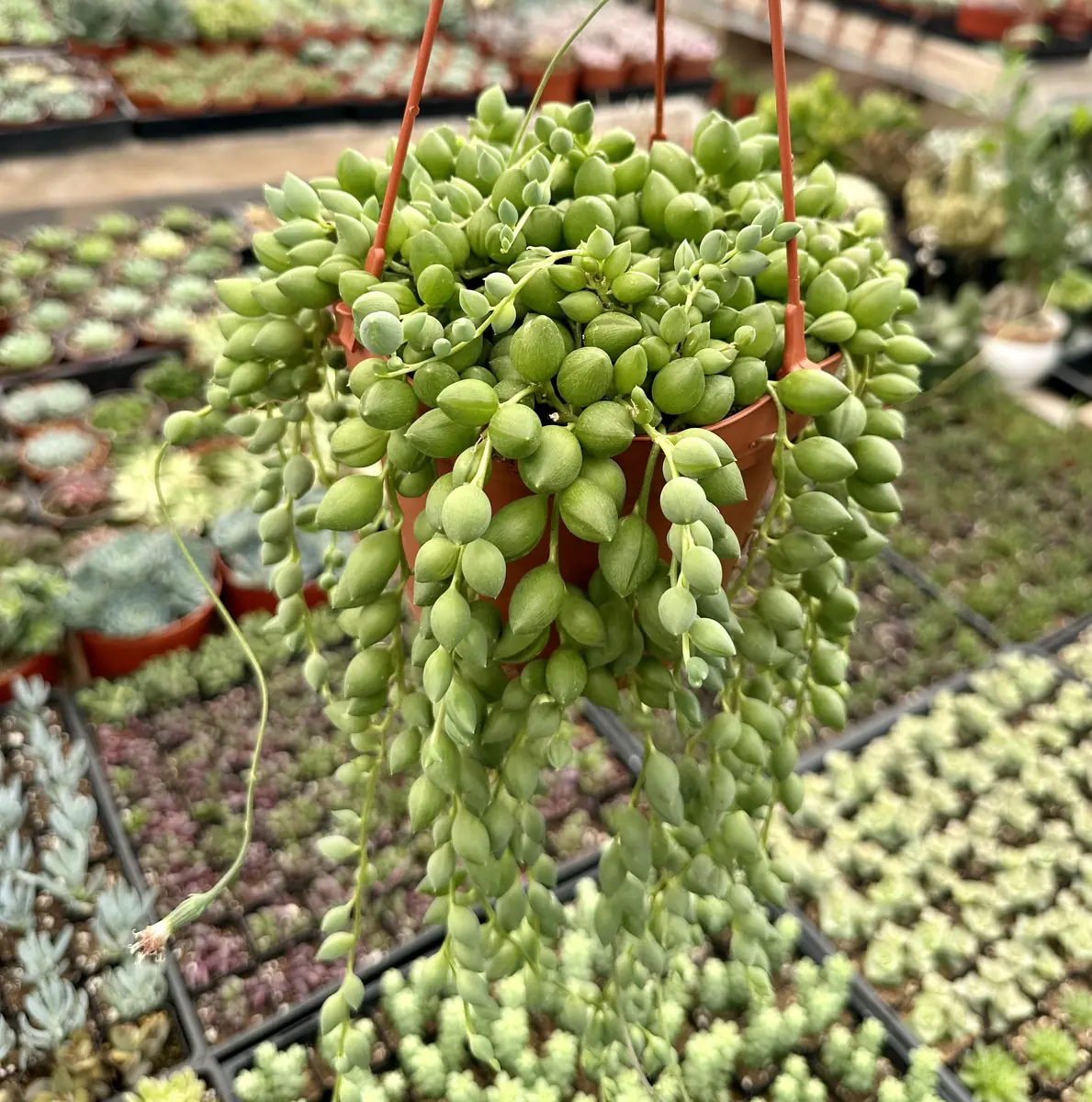
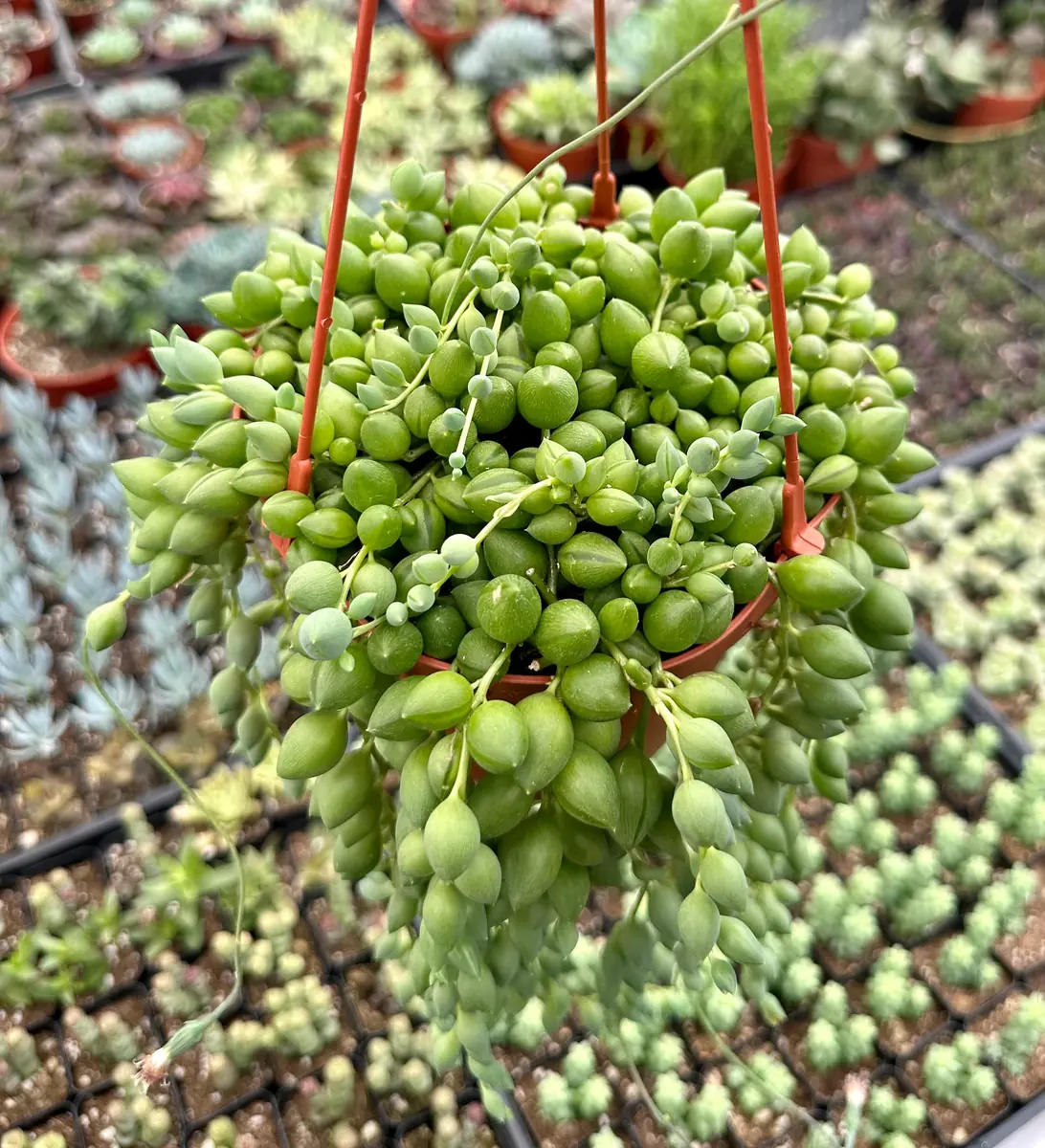
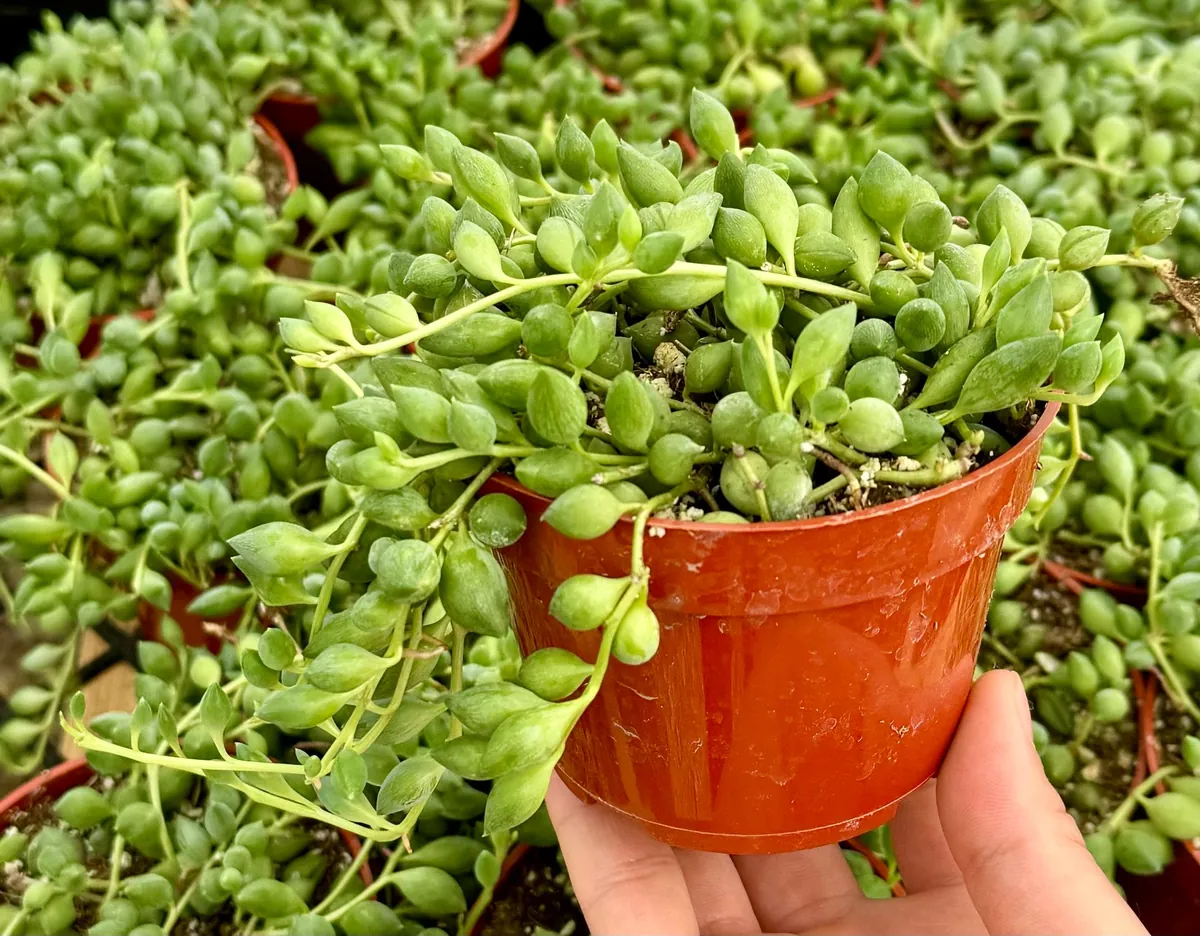
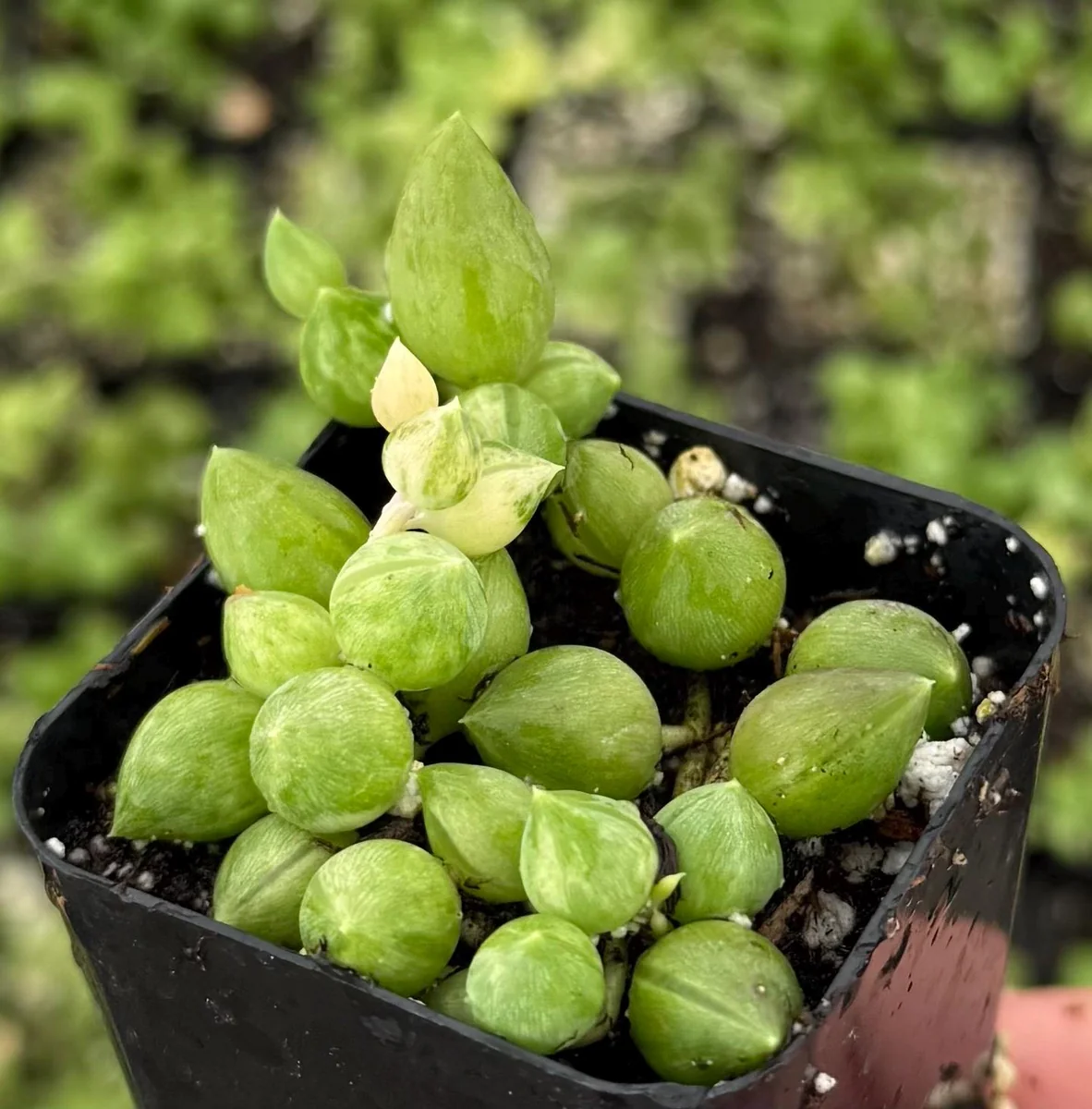


String of Tears Variegated Trailing Succulent Live Plant – 2, 4, 6 inch Pot
From $13.98
Enhance your home with a beautiful string of tears variegated plant. This unique trailing succulent live plant is perfect for hanging baskets or shelves, featuring distinctive tear-shaped leaves and easy care. Available in 2, 4, or 6 inch pots, it’s an ideal choice for any indoor plant collection.
-
USDA Hardiness Zone
USDA zones 9-11 (primarily indoor) -
Soil Type
Well-draining succulent or cactus potting mix -
Sunlight Exposure
Bright indirect light -
Expected Planting Period
Year-round indoors

You can track your order HERE
Mar 03
Mar 08 - Mar 10
Mar 13 - Mar 17
Shipping and return policies: Our Alive & Thrive Guarantee covers issues with your plants within the first 30 days. Reach out to us. Our team will answer your questions and help you find the plants that are truly suitable for your environment, climate, and personal preferences.

Overview
Introduce a touch of whimsical elegance to your indoor plant collection with the string of tears variegated plant. This captivating live succulent, scientifically known as Senecio herreianus ‘Variegatus’, is celebrated for its distinctive tear-shaped or oval leaves that cascade gracefully from long, slender stems. Each plump, green leaf is subtly variegated, adding visual interest and a unique texture to your space. Originating from dry, sunny habitats, the ‘String of Tears’ is perfectly adapted to store sunlight for photosynthesis through its slightly translucent foliage. This easy-to-care-for plant is a fantastic choice for both novice and experienced plant enthusiasts looking for a low-maintenance yet striking addition to their home or office.
The common name, “String of Tears,” beautifully describes its pendulous growth habit and the shape of its leaves. As a trailing succulent live plant, it excels in hanging baskets or placed on high shelves where its vines, which can reach lengths of up to 3 feet (approximately 1 meter), can truly be showcased. Beyond its foliage, this succulent also delights with small, fragrant flowers that typically appear in late summer or early fall. These pale yellow or white blossoms resemble tiny pom-poms and emit a sweet, cinnamon-like scent, adding another layer of charm to this already delightful plant.
Key Benefits
The string of tears variegated plant offers numerous advantages, making it a highly sought-after choice for indoor gardening. Its unique aesthetics and hardy nature contribute to a visually appealing and low-effort botanical experience.
- Stunning Visual Appeal: The distinctive tear-shaped, variegated leaves create a captivating display, especially when trailing from hanging baskets or shelves. Its unique form adds architectural interest to any room.
- Low Maintenance & Drought-Tolerant: Like most succulents, the string of tears variegated plant is incredibly forgiving, requiring infrequent watering and minimal fuss, making it perfect for busy individuals or those new to plant care.
- Air Purifying Qualities: While primarily decorative, many houseplants contribute to improved indoor air quality by filtering out common toxins, creating a healthier living environment.
- Fragrant Blooms: Enjoy delicate, cinnamon-scented flowers that appear in late summer or early fall, adding a subtle, sweet aroma to your home.
- Versatile Decor: Its cascading habit makes it ideal for a variety of display options, from hanging planters to elevated pots, allowing you to easily integrate it into diverse interior design styles.
- Easy Propagation: This succulent is relatively easy to propagate from cuttings, allowing you to expand your collection or share with friends and family.
- Unique Variegation: The subtle variegation on its plump, green leaves provides an extra layer of visual texture and interest compared to its non-variegated counterparts. If you’re looking for an easy care succulent indoor, this is an excellent option.
Plant Care & Growing Tips
Caring for your string of tears variegated plant is straightforward, mirroring the needs of many other succulents. Providing the right conditions will ensure its vibrant growth and abundant trailing vines. The most crucial aspects are light, water, and soil.
For optimal growth, this trailing succulent live plant thrives in bright, indirect sunlight. Place it near a south or west-facing window where it can receive several hours of bright light daily, but protect it from intense, direct afternoon sun, which can scorch its delicate leaves. If natural light is insufficient, a grow light can supplement its needs. Adequate light is essential for maintaining the plant’s compact growth and vibrant variegation. When considering variegated string of tears care, remember that too little light can lead to leggy growth and duller coloration.
Watering should be thorough but infrequent. Allow the soil to dry out completely between waterings, typically every 2-4 weeks depending on environmental conditions like humidity and temperature. When you do water, soak the soil until water drains from the bottom of the pot, then discard any excess water in the saucer. Overwatering is the most common cause of succulent demise, leading to root rot. Well-draining soil is paramount; a specialized cactus or succulent potting mix with added perlite or pumice is ideal. This plant is drought-tolerant and prefers temperatures between 65-80°F (18-27°C) and can tolerate slightly cooler temperatures but should be protected from frost. It is generally suitable for USDA zones 9-11 if grown outdoors, but is predominantly cultivated as an indoor houseplant.
Size & Details
Your string of tears variegated plant will be delivered as a healthy, live specimen, ready to thrive in its new home. It is typically shipped in a nursery pot of 2, 4, or 6 inches, providing a good foundation for its continued growth. The plant’s trailing stems can grow quite long, often reaching up to 3 feet (approximately 1 meter) when mature, making it an impressive display piece. The individual tear-shaped leaves are small, usually less than an inch in length, and are plump with stored water. Expect a moderate growth rate, with new tendrils emerging steadily under proper care.
This trailing succulent live plant is a wonderful choice for those seeking dynamic foliage. While it can bloom, the primary appeal lies in its unique leaf structure and cascading habit. The plant’s overall size and density will vary slightly based on the pot size selected, with larger pots providing a more established plant. It is best to allow the plant to acclimate to its new environment for a few weeks before considering repotting.
Frequently Asked Questions
- Q: How big does this String of Tears variegated plant get? A: The stems of the string of tears variegated plant can reach impressive lengths of up to 3 feet (approximately 1 meter), creating a beautiful cascading effect. The size of the plant you receive will depend on whether you select a 2, 4, or 6 inch pot.
- Q: Is this an indoor or outdoor plant? A: While it can thrive outdoors in warmer climates (USDA Zones 9-11), the string of tears variegated plant is primarily grown as an indoor houseplant due to its preference for consistent temperatures and protection from frost.
- Q: How much sunlight does the variegated string of tears care for need? A: This succulent requires bright, indirect light for at least 4-6 hours a day. Avoid harsh, direct afternoon sun which can scorch its leaves. A south or west-facing window is often ideal.
- Q: Is this plant easy to care for? A: Yes, the string of tears variegated plant is considered an easy-care succulent, making it suitable for beginners. Its drought-tolerant nature means it’s forgiving if you occasionally forget to water.
- Q: What condition will the trailing succulent live plant arrive in? A: Your plant will arrive healthy and carefully packaged, typically in its nursery pot with soil, ready for you to place in your desired location. Some slight settling of soil during transit is normal.
- Q: How often should I water my string of tears? A: Water thoroughly only when the soil has completely dried out. This could be every 2-4 weeks, depending on the season and your home’s humidity. Always err on the side of underwatering rather than overwatering.
- Q: Does this succulent bloom? A: Yes, the string of tears variegated plant can produce small, fragrant, pale yellow or white flowers, often in late summer or early fall, which have a sweet, cinnamon-like scent.
- Q: What kind of soil is best for this easy care succulent indoor? A: A well-draining soil mix is crucial. Use a specialized cactus or succulent potting mix, or amend regular potting soil with perlite or pumice to improve drainage.
- Q: Is the String of Tears pet-safe? A: It’s best to keep this plant out of reach of pets, as some sources suggest succulents in the Senecio genus can be mildly toxic if ingested.
- Q: Can I propagate my string of tears variegated plant? A: Absolutely! This plant is relatively easy to propagate from stem cuttings. Simply snip a healthy stem, allow the cut end to callus for a few days, and then place it on or in well-draining soil.
| Size | 6", Var. Tears 2", Var. Tears 4" |
|---|
Be the first to review “String of Tears Variegated Trailing Succulent Live Plant – 2, 4, 6 inch Pot”
People Also Viewed
Sold 80 products
Original price was: $65.98.$32.99Current price is: $32.99.
Sold 66 products
Original price was: $56.36.$33.82Current price is: $33.82.
Sold 95 products
Original price was: $79.98.$39.99Current price is: $39.99.
HousePlants
Red Lady Valentine Chinese Evergreen Plant – Aglaonema Live Plant – 2.5 inch Pot – Indoor
Sold 89 products
Original price was: $25.56.$12.78Current price is: $12.78.
Sold 53 products
$39.58
Sold 52 products
Original price was: $47.96.$23.98Current price is: $23.98.
Sold 99 products
Original price was: $87.80.$43.90Current price is: $43.90.
Sold 79 products
Original price was: $355.96.$177.98Current price is: $177.98.
Sold 92 products
Original price was: $183.16.$91.58Current price is: $91.58.
Sold 59 products
Original price was: $54.36.$27.18Current price is: $27.18.
Sold 53 products
Original price was: $355.96.$177.98Current price is: $177.98.

Sold 56 products
Original price was: $36.00.$28.80Current price is: $28.80.
Sold 71 products
Original price was: $55.96.$27.98Current price is: $27.98.

Sold 57 products
Original price was: $30.76.$15.38Current price is: $15.38.
Sold 56 products
Original price was: $47.96.$23.98Current price is: $23.98.
Sold 77 products
From $67.00
Sold 83 products
Original price was: $41.56.$20.78Current price is: $20.78.
Sold 92 products
Original price was: $79.98.$39.99Current price is: $39.99.



Reviews
There are no reviews yet.