
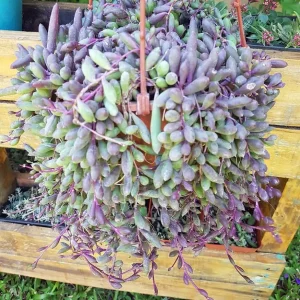
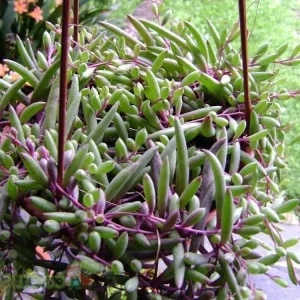
String of Rubies Succulent Plant – Othonna capensis – Live Plant – 2.5 inch Pot
Original price was: $28.76.$14.38Current price is: $14.38.
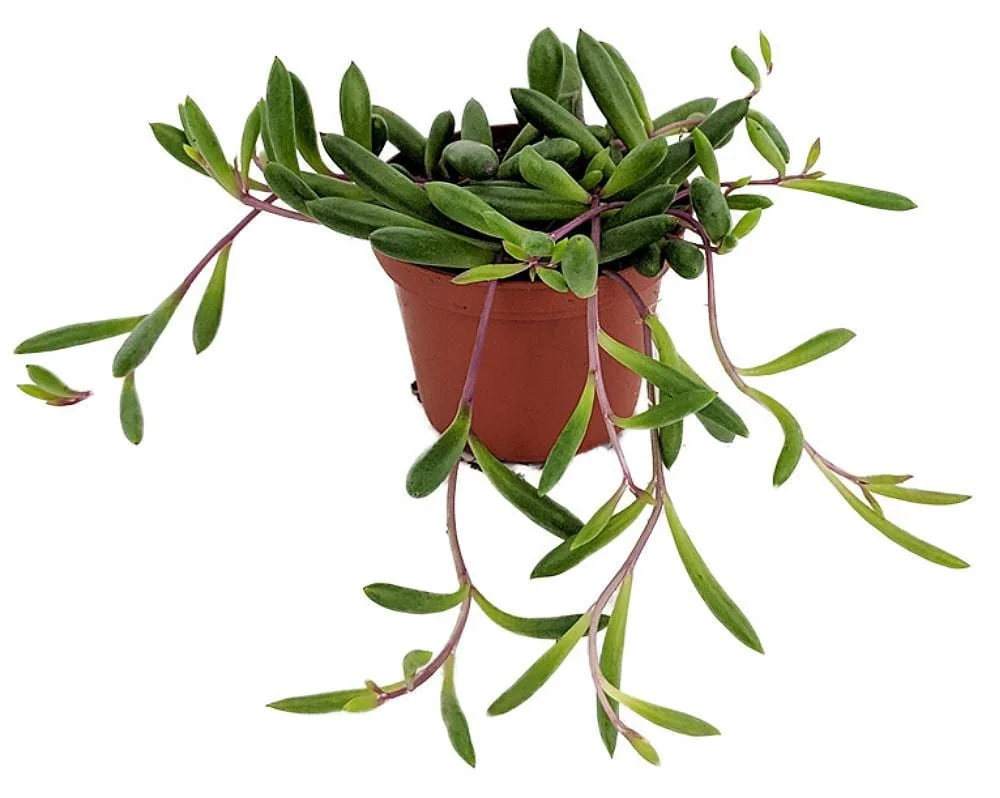
Bring vibrant color to your space with the string of rubies succulent (Othonna capensis). This easy-care, trailing live plant features striking ruby-red stems and bean-like foliage, perfect for hanging baskets or shelves.
-
USDA Hardiness Zone
USDA zones 9-11 -
Soil Type
Well-draining succulent or cactus mix -
Sunlight Exposure
Full sun or morning sun -
Expected Planting Period
Year-round indoors, spring to early summer outdoors

You can track your order HERE
Mar 09
Mar 14 - Mar 16
Mar 19 - Mar 23
Shipping and return policies: Our Alive & Thrive Guarantee covers issues with your plants within the first 30 days. Reach out to us. Our team will answer your questions and help you find the plants that are truly suitable for your environment, climate, and personal preferences.

Overview
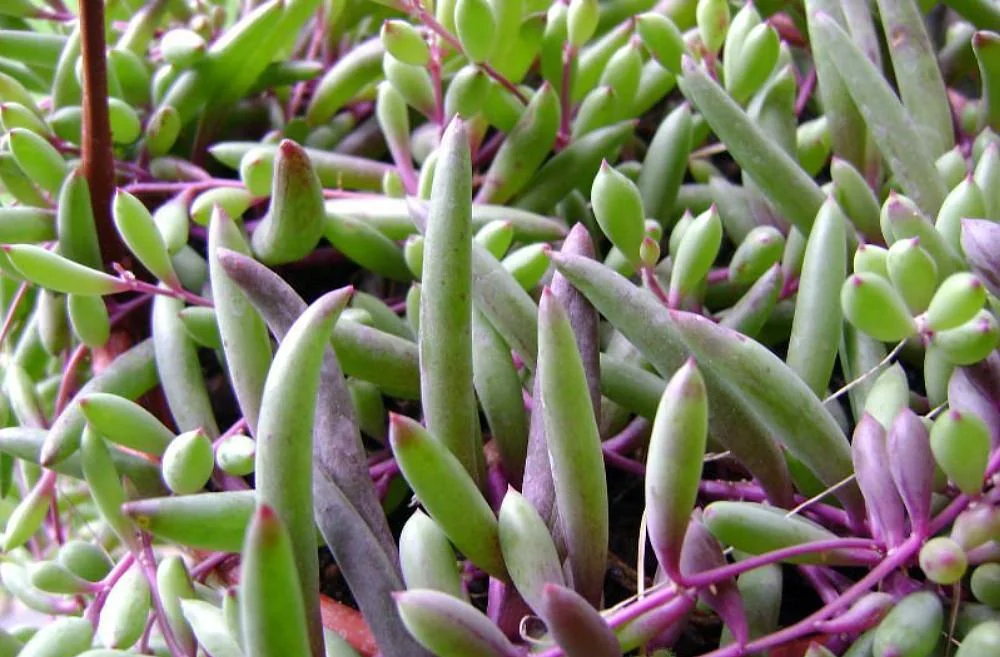
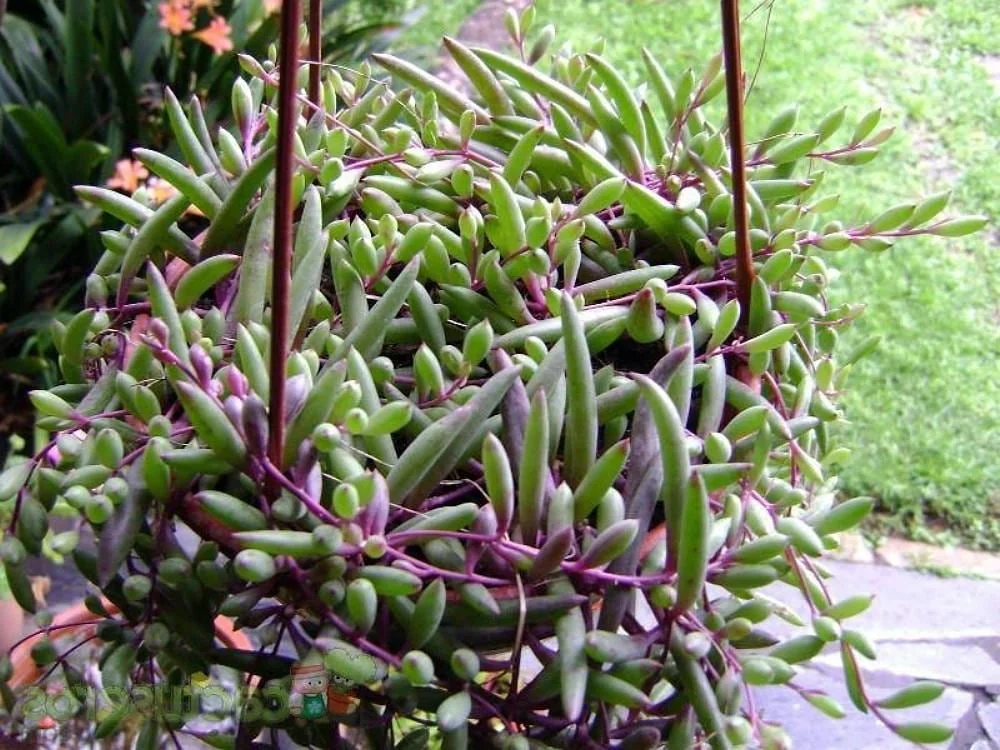
Introduce a splash of vibrant color and unique texture to your plant collection with the stunning string of rubies succulent, scientifically known as Othonna capensis. This captivating live plant is renowned for its fast-growing, trailing habit, making it an excellent choice for hanging baskets, shelves, or as a vibrant groundcover in suitable climates. The Othonna capensis ‘String of Rubies’ is truly a gem, featuring long, narrow, bean-like foliage that transitions beautifully from green to shades of purple or burgundy, contrasting dramatically with its bright ruby-red to purple stems. Originating from South Africa, this succulent thrives on neglect, making it an ideal choice for both seasoned plant enthusiasts and beginners alike. Its eye-catching appearance and relatively simple care requirements ensure it will be a cherished addition to any indoor or outdoor plant display.
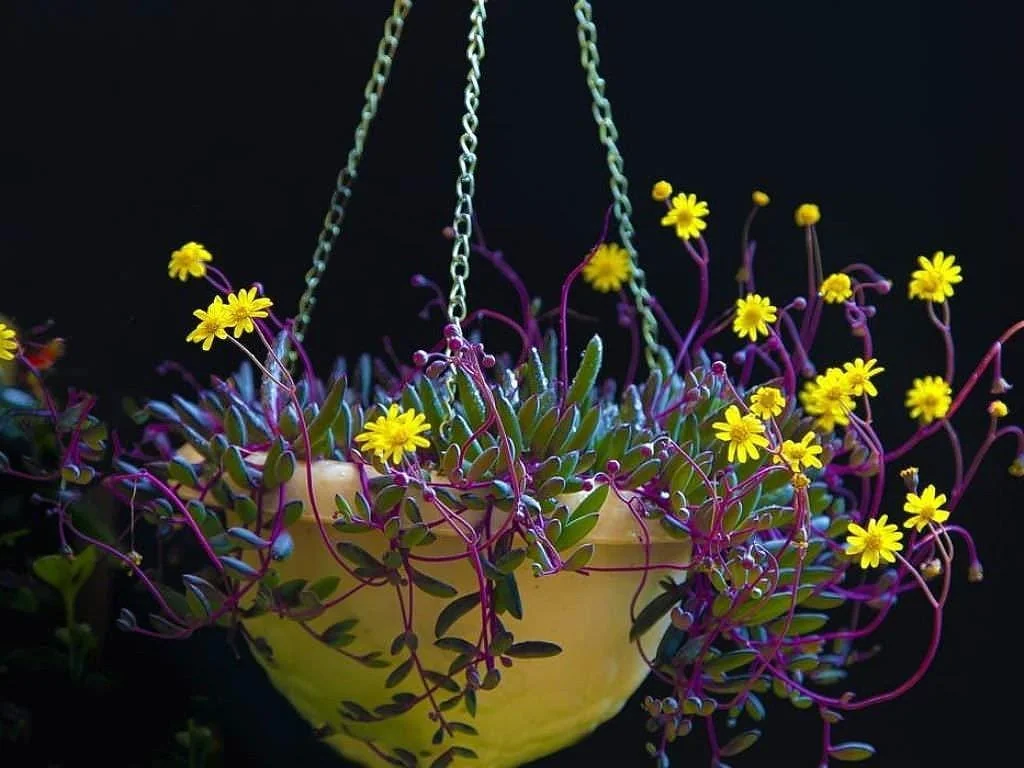
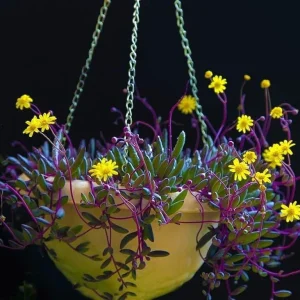
The allure of the othonna capensis live plant lies in its dynamic coloration and elegant cascading form. Throughout the year, you might be delighted by small, cheerful yellow, daisy-like flowers that emerge on tall red stems, adding another layer of charm to its already beautiful presentation. Whether you’re looking for a striking accent plant or a low-maintenance, drought-tolerant option, the string of rubies succulent offers both aesthetic appeal and ease of care. Its unique appearance makes it a fantastic conversation starter and a rewarding plant to cultivate. This particular specimen comes in a convenient 2.5-inch pot, ready to settle into its new home and begin its trailing journey.
Key Benefits
The Othonna capensis ‘String of Rubies’ offers a multitude of benefits that extend beyond its undeniable beauty, making it a highly desirable addition to any plant collection. Its unique characteristics contribute to a more vibrant and engaging living space.
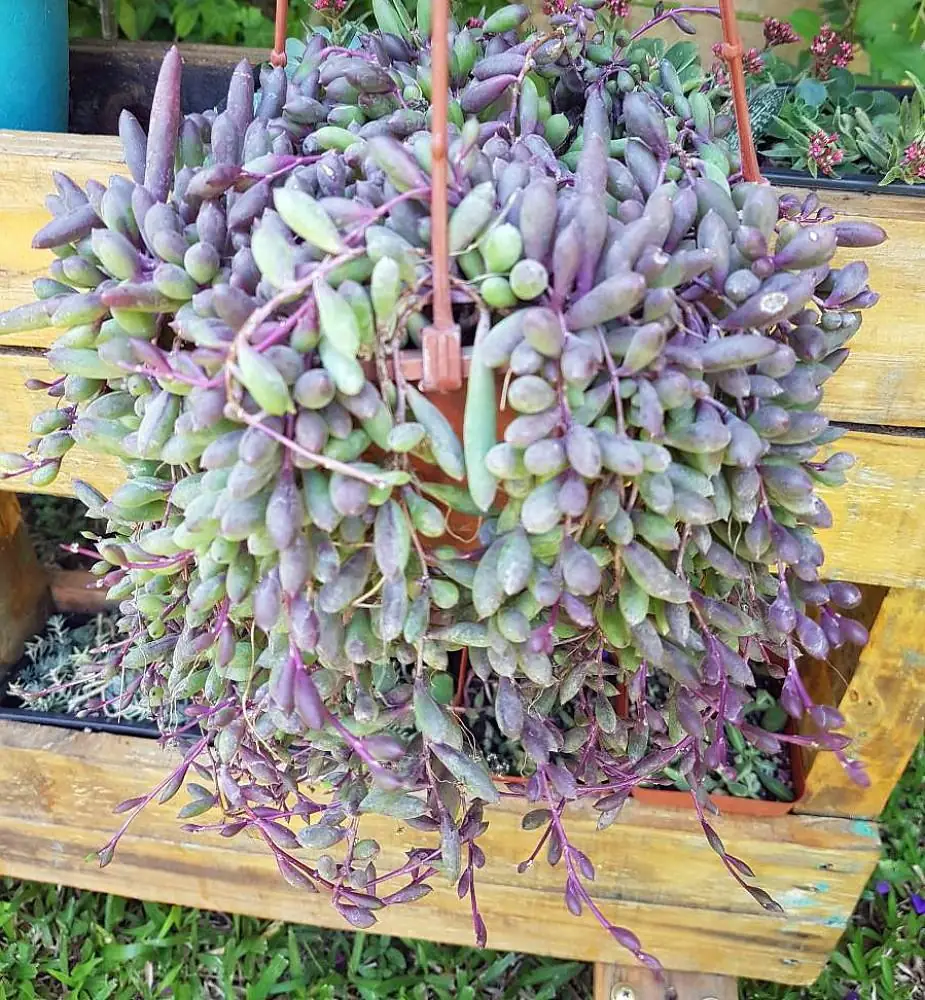
- Vibrant Aesthetic Appeal: The most striking benefit is its dramatic coloration. The foliage shifts from green to rich purples and burgundies, perfectly complemented by the bright ruby-red stems, creating a visually stunning display that enhances any room or garden setting. This ruby red succulent adds instant charm.
- Low Maintenance & Drought Tolerant: This succulent is incredibly forgiving, requiring minimal water once established and thriving in bright, sunny conditions. It’s an excellent choice for busy individuals or those new to plant care, as it doesn’t demand constant attention.
- Fast-Growing Trailing Habit: The Othonna capensis quickly develops long, cascading stems, making it perfect for hanging planters, elevated shelves, or as a spiller in mixed arrangements. Its graceful trailing form adds vertical interest and a sense of lushness.
- Year-Round Interest: Beyond its colorful foliage, the plant produces small, cheerful yellow flowers periodically throughout the year, adding an extra touch of beauty and ensuring continuous visual appeal.
- Versatile Placement: Suitable for both indoor and outdoor environments (in appropriate climates), it can brighten up a windowsill, add flair to a patio, or serve as an attractive groundcover. Its adaptability makes it a versatile choice for various design schemes.
- Easy Propagation: The easy care succulent is simple to propagate from stem cuttings, allowing you to easily expand your collection or share with friends and family. This makes it even more rewarding for enthusiasts.
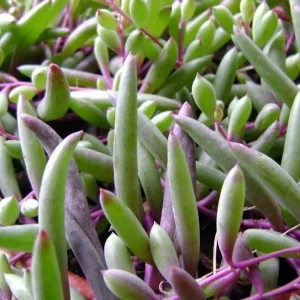
- Unique Foliage Texture: The distinct bean-like leaves provide an interesting texture that stands out among other succulents, adding variety and character to your plant displays.
Plant Care & Growing Tips
Caring for your string of rubies succulent is straightforward, making it an ideal choice for gardeners of all experience levels. Understanding its basic needs will ensure vigorous growth and vibrant coloration. The Othonna capensis thrives on bright light and minimal watering, mimicking its natural habitat.
Sunlight Requirements: This succulent prefers full sun to morning sun. When grown indoors, place it in a south-facing window where it can receive at least 4-6 hours of direct sunlight daily. If you notice the stems stretching or the colors fading, it’s a sign it needs more light. For outdoor cultivation, choose a spot with ample sunlight, but in very hot climates, some afternoon shade can prevent scorching. Proper light exposure is crucial for the development of its signature ruby red succulent stems.
Watering Schedule: As a succulent, the Othonna capensis is drought-tolerant and susceptible to overwatering. Water thoroughly only when the soil is completely dry to the touch. This usually means watering every 2-4 weeks during the growing season (spring and summer) and reducing frequency significantly in fall and winter. Ensure excellent drainage to prevent root rot. When in doubt, it’s always better to underwater than overwater this trailing succulent.
Soil Type and Drainage: A well-draining potting mix is essential for the health of your othonna capensis live plant. Use a succulent or cactus mix, or create your own by blending regular potting soil with perlite, pumice, or coarse sand. The pot must have drainage holes to allow excess water to escape. Good air circulation around the roots is equally important.
Temperature Range and USDA Hardiness Zone: The String of Rubies prefers warm temperatures, ideally between 65-80°F (18-27°C). It is not frost-tolerant and should be protected from freezing temperatures. It is generally hardy in USDA zones 9-11 if grown outdoors year-round. If you live in a colder zone, it’s best to grow it in a container that can be brought indoors during winter.
Fertilization: This succulent is not a heavy feeder. Fertilize sparingly, if at all. A balanced, diluted liquid succulent fertilizer can be applied once or twice during the growing season (spring and summer) at half strength. Avoid fertilizing during its dormant period in winter. Regular trimming helps maintain its shape and encourages bushier growth, ensuring your easy care succulent remains lush.
Size & Details
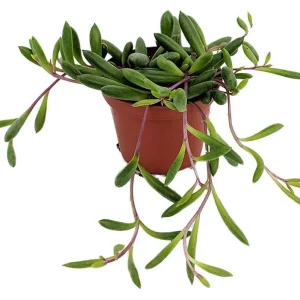
The string of rubies succulent (Othonna capensis) is provided as a live plant in a 2.5-inch nursery pot, ready for transplanting or display. This fast-growing, trailing succulent can reach lengths of several feet when mature, though it typically grows up to 2 inches (5 cm) in height before its stems beautifully cascade downwards. The ‘beans’ or leaves can vary in color from bright green to a deep purple or burgundy, reflecting light exposure, while the stems consistently exhibit a vibrant ruby red to purple hue. Small, yellow, daisy-like flowers may appear at any time of year, adding delightful pops of color.
Upon arrival, your othonna capensis live plant will be carefully packaged to ensure its safe journey. It will be a young, healthy specimen, ideal for establishing in a hanging basket, a decorative pot on a shelf, or as part of a mixed succulent arrangement. With proper care, this plant will quickly grow, developing its characteristic long, colorful trails. Expect to see significant growth within the first few months, especially during the spring and summer growing seasons.
Frequently Asked Questions
- Q: How big does this plant get and what size pot does it come in? A: The string of rubies succulent typically grows up to 2 inches tall before its stems start trailing downwards, reaching lengths of several feet when mature. It comes in a 2.5-inch nursery pot, perfect for transplanting into a larger decorative container.
- Q: Is this an indoor or outdoor plant? How much sunlight does it need? A: This is a versatile plant that can be grown both indoors and outdoors in appropriate climates. It thrives in full sun or morning sun, needing at least 4-6 hours of direct sunlight daily to maintain its vibrant ruby color.
- Q: Is this plant easy to care for? Is it good for beginners? A: Yes, the Othonna capensis is considered an easy care succulent and is excellent for beginners. It is drought-tolerant and requires minimal attention, primarily needing bright light and infrequent watering when the soil is completely dry.
- Q: What condition will the othonna capensis live plant arrive in? A: Your plant will arrive as a healthy, live specimen in its 2.5-inch nursery pot, carefully packaged to ensure it reaches you in optimal condition, ready to be unwrapped and placed in its new home.
- Q: How often should I water my ruby red succulent? A: Water only when the soil is completely dry. This usually means every 2-4 weeks during warmer months and even less frequently in winter. Always check the soil moisture before watering to prevent overwatering.
- Q: How long until it blooms? When is the best time to plant? A: The string of rubies succulent can produce small yellow, daisy-like flowers throughout the year. There isn’t a specific bloom time. It can be planted or repotted at any time, but spring and early summer are ideal for establishment.
- Q: Will it survive winter in my zone? What’s the minimum temperature? A: This succulent is not frost-tolerant. It is best suited for outdoor growth year-round in USDA zones 9-11. If you live in a colder region, it must be brought indoors when temperatures drop below 40°F (4°C).
- Q: Can I propagate this trailing succulent? A: Absolutely! The String of Rubies is very easy to propagate from stem cuttings. Simply snip a healthy stem, allow the cut end to callus for a day or two, and then place it in well-draining soil.
- Q: What type of soil is best for the string of rubies succulent? A: A well-draining succulent or cactus potting mix is ideal. You can also create your own by mixing regular potting soil with perlite or coarse sand to ensure proper drainage and aeration.
- Q: Is the othonna capensis live plant pet-safe? A: While generally considered low toxicity, it’s always best to keep plants out of reach of pets to prevent any potential mild irritation if ingested. Consult with a veterinarian if you have concerns about specific pets.
Be the first to review “String of Rubies Succulent Plant – Othonna capensis – Live Plant – 2.5 inch Pot”
People Also Viewed
Sold 85 products
Original price was: $90.34.$54.20Current price is: $54.20.
Flower Plants
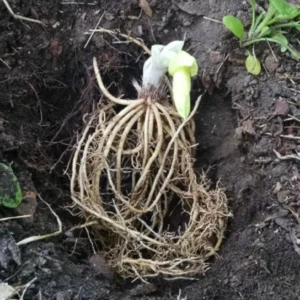
Royal Standard Hosta Bare Root Plant – Fragrant White Flowers, Sun Tolerant, Perennial
Sold 95 products
From $71.80
Sold 99 products
From $91.80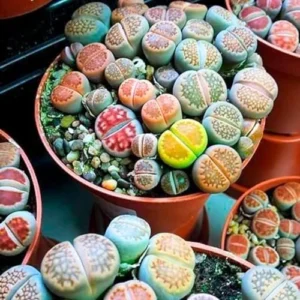
HousePlants
Lithops Live Plants Mix – 30 Colorful Succulents – Living Stones for Indoor/Outdoor Planting
Sold 85 products
Original price was: $65.98.$32.99Current price is: $32.99.
Sold 69 products
Original price was: $67.74.$40.64Current price is: $40.64.
Sold 55 products
Original price was: $65.00.$39.00Current price is: $39.00.
Flower Plants
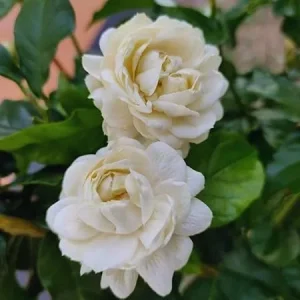
Grand Duke of Tuscany Jasmine Live Plant – Fragrant Blooming Indoor/Outdoor – 4 to 7 Inches Tall
Sold 60 products
Original price was: $49.96.$24.98Current price is: $24.98.

Sold 77 products
Original price was: $44.00.$22.00Current price is: $22.00.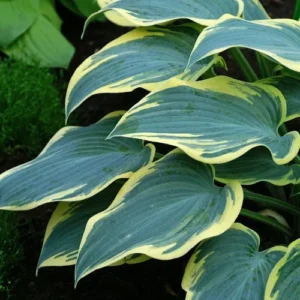
Flower Plants
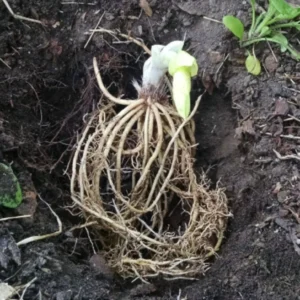
First Frost Hosta Bare Root Plant – Blue-Green & Cream Variegated Foliage, Outdoor Perennial
Sold 66 products
From $71.80
Sold 86 products
Original price was: $79.98.$39.99Current price is: $39.99.

Sold 100 products
Original price was: $36.00.$18.00Current price is: $18.00.
Sold 61 products
Original price was: $35.90.$21.54Current price is: $21.54.
Sold 56 products
Original price was: $37.22.$22.34Current price is: $22.34.
Sold 77 products
Original price was: $66.00.$52.80Current price is: $52.80.
Sold 93 products
Original price was: $40.00.$20.00Current price is: $20.00.
Sold 96 products
Original price was: $77.08.$38.54Current price is: $38.54.
Sold 81 products
Original price was: $191.90.$115.14Current price is: $115.14.
HousePlants
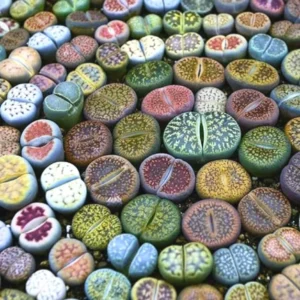
Lithops Live Plants Mix – 10 Large Colorful Living Stones Succulents for Indoor/Outdoor Growing
Sold 92 products
Original price was: $27.98.$13.99Current price is: $13.99.


Reviews
There are no reviews yet.