
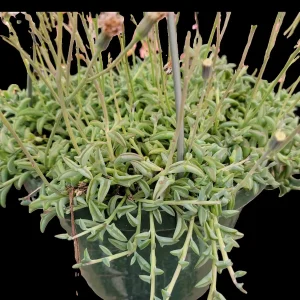
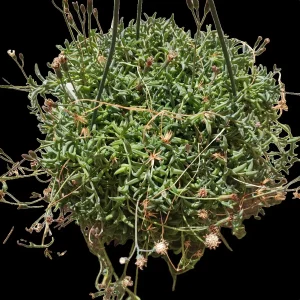
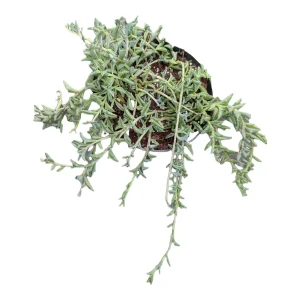
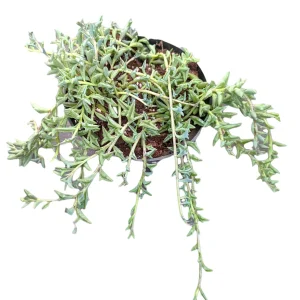
String of Dolphins Senecio peregrinus Live Succulent Plant – 2-4 Inch Pot
From $17.16
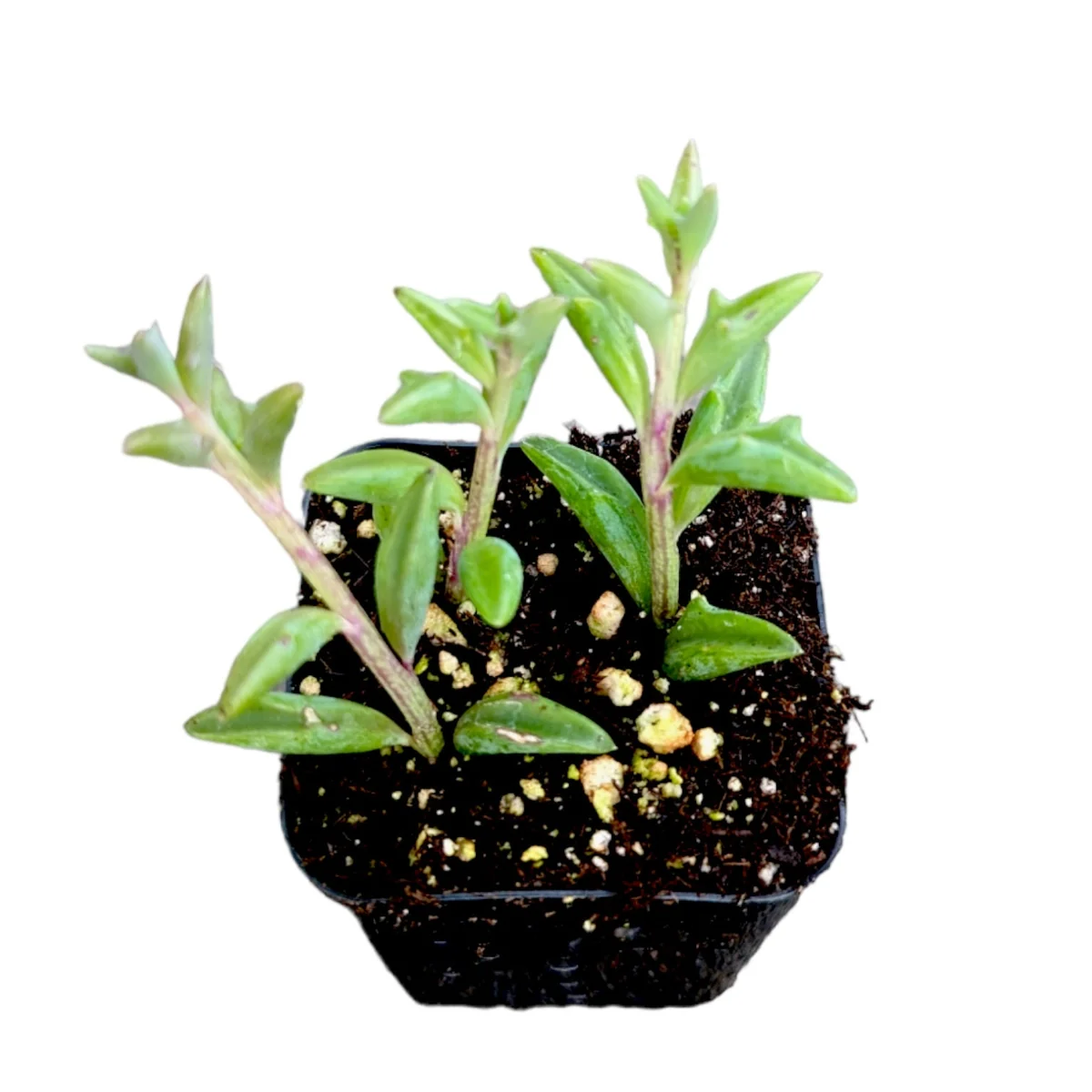
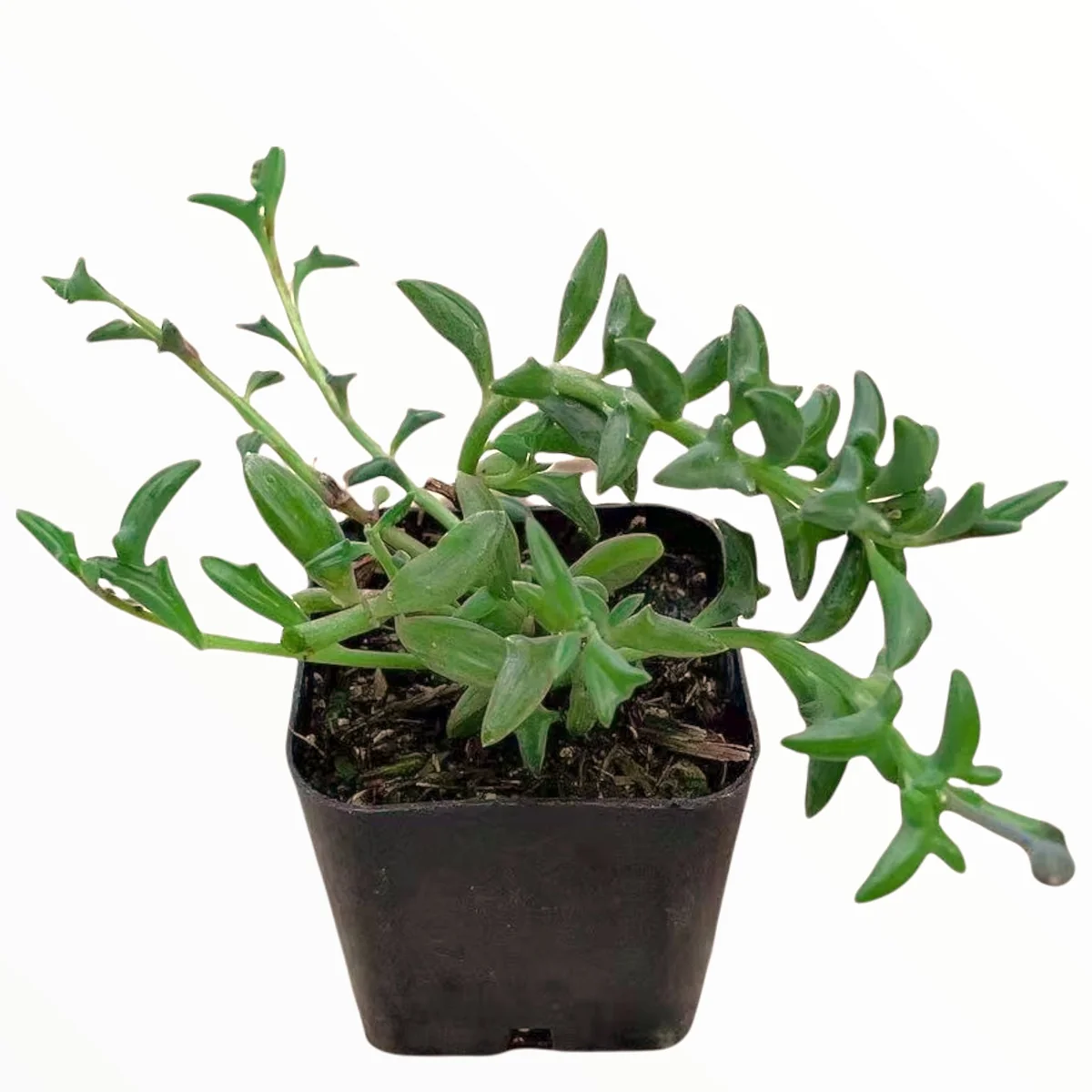
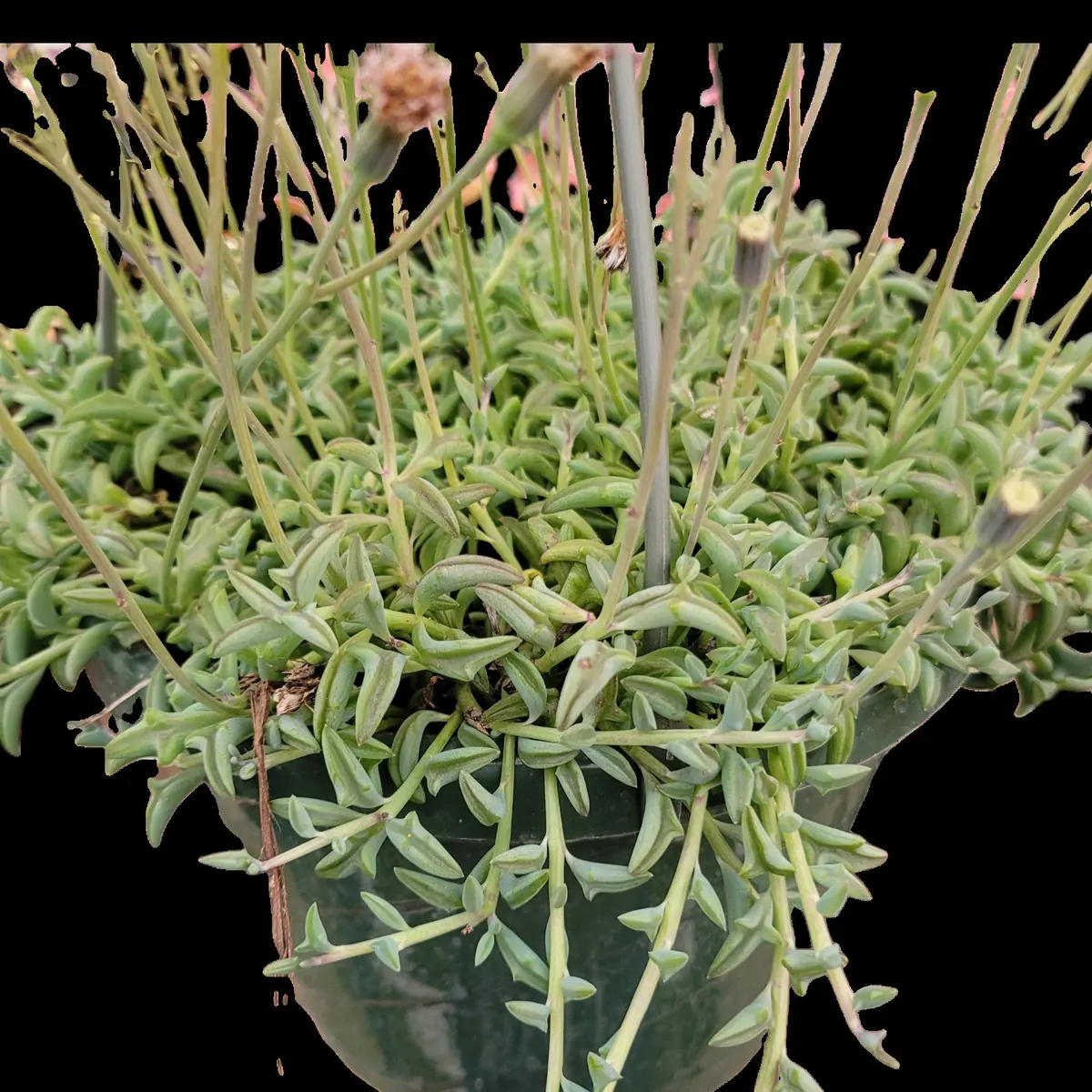
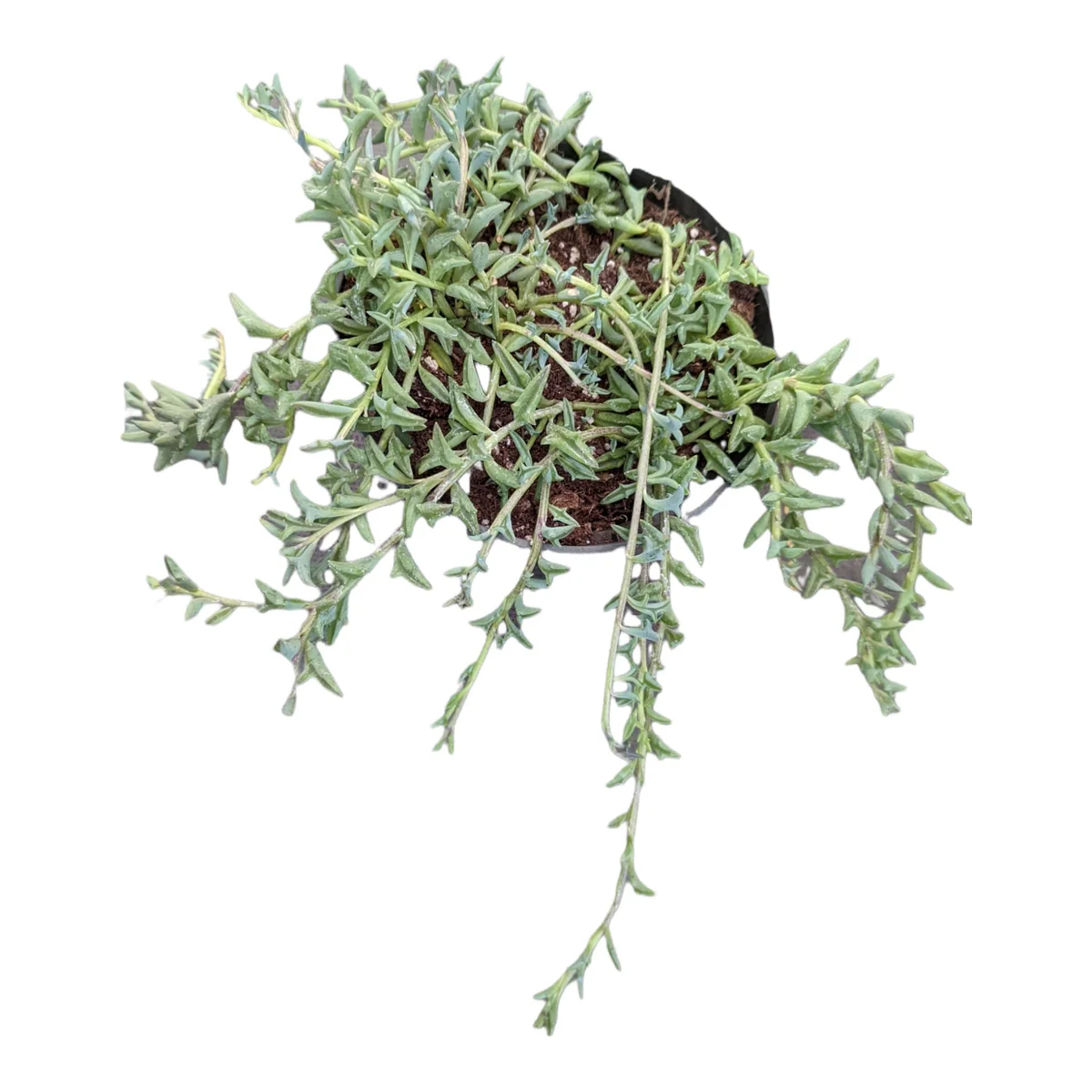
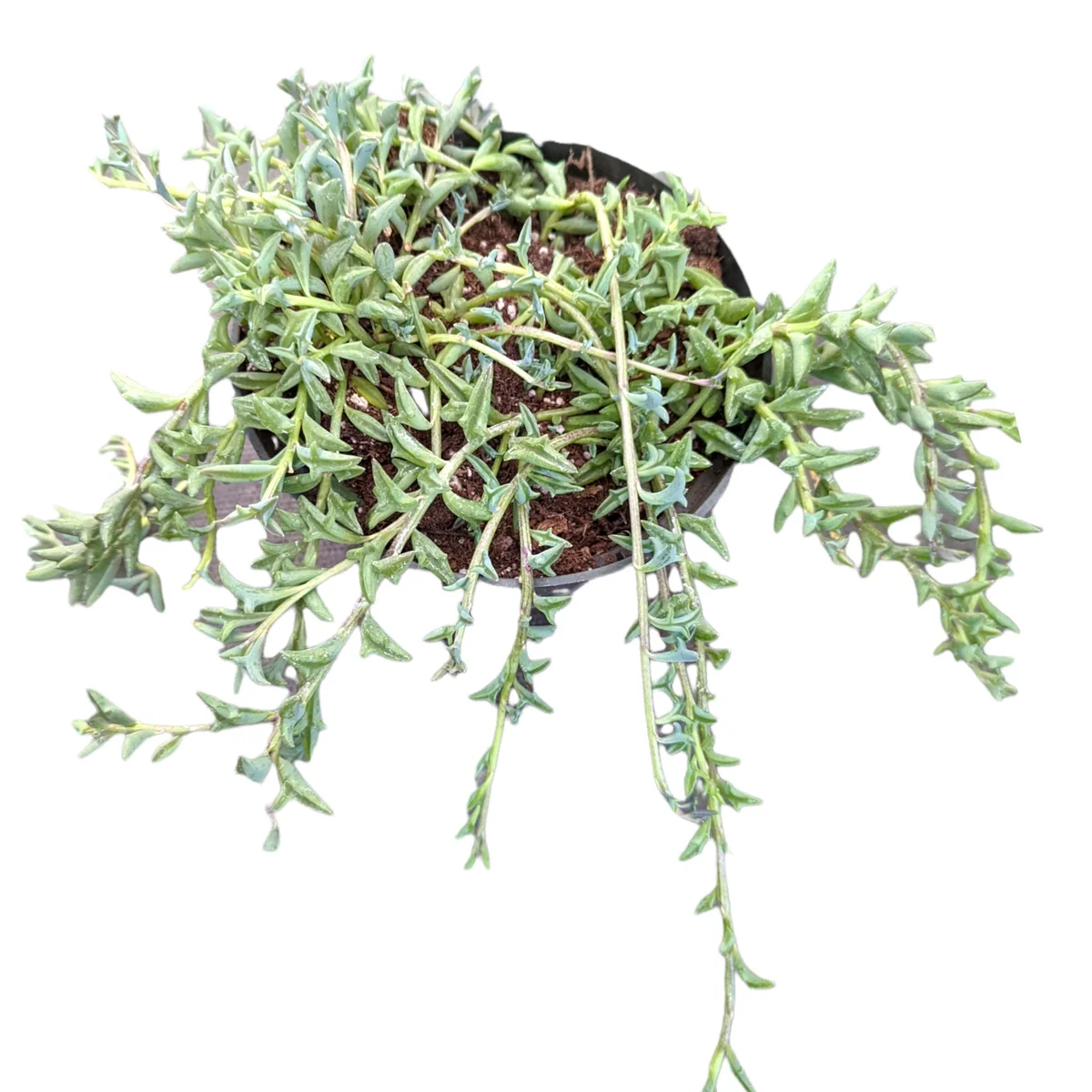
Bring home the enchanting string of dolphins succulent, a unique live plant known for its distinctive dolphin-shaped leaves. Perfect for hanging baskets, this senecio peregrinus plant creates a beautiful cascade of greenery, thriving indoors with proper care. A truly captivating addition to any plant collection.
-
USDA Hardiness Zone
USDA zones 9-11 (outdoors), otherwise indoors -
Soil Type
Well-draining cactus and succulent potting mix -
Sunlight Exposure
Bright indirect light -
Expected Planting Period
Year-round indoors

You can track your order HERE
Mar 01
Mar 06 - Mar 08
Mar 11 - Mar 15
Shipping and return policies: Our Alive & Thrive Guarantee covers issues with your plants within the first 30 days. Reach out to us. Our team will answer your questions and help you find the plants that are truly suitable for your environment, climate, and personal preferences.

Overview
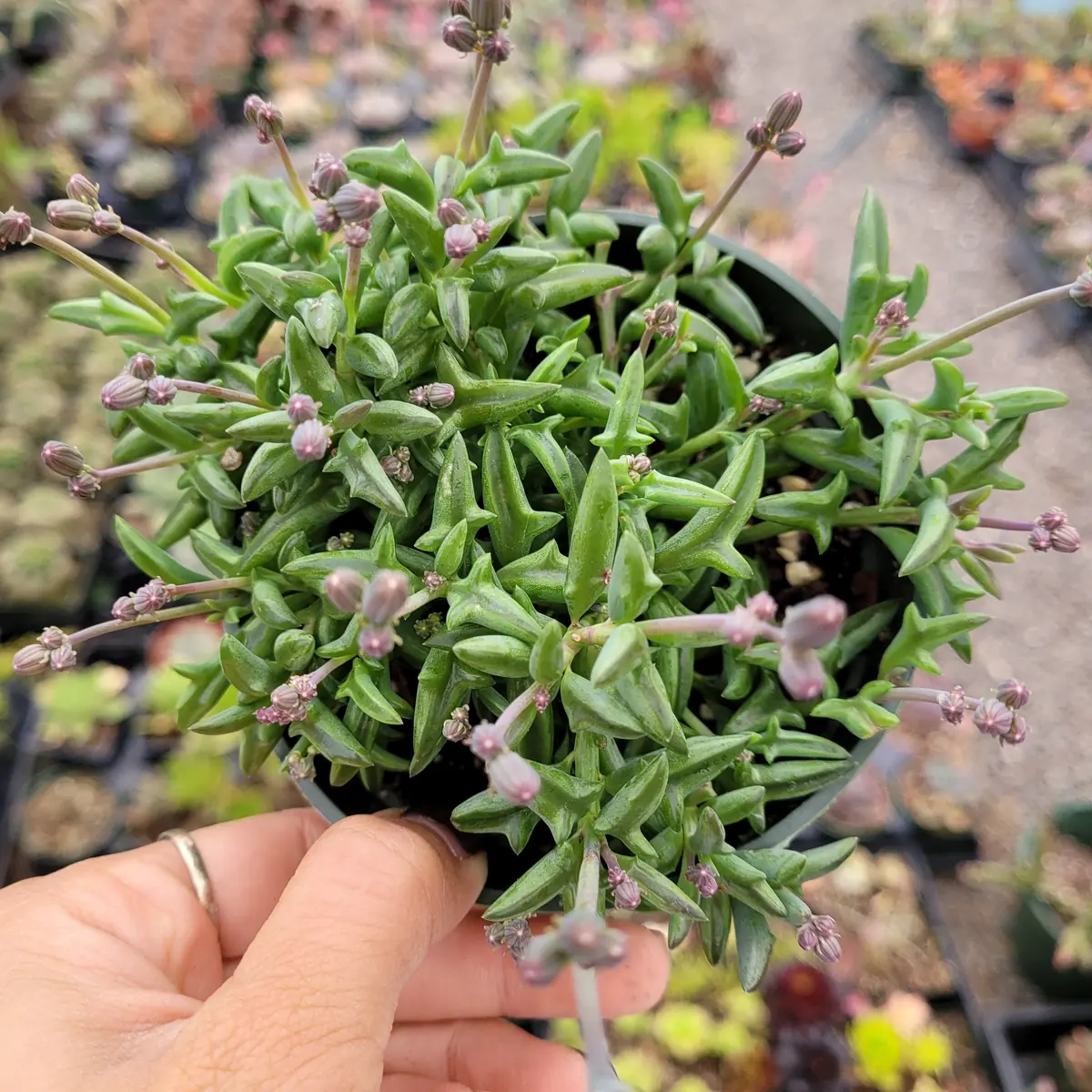
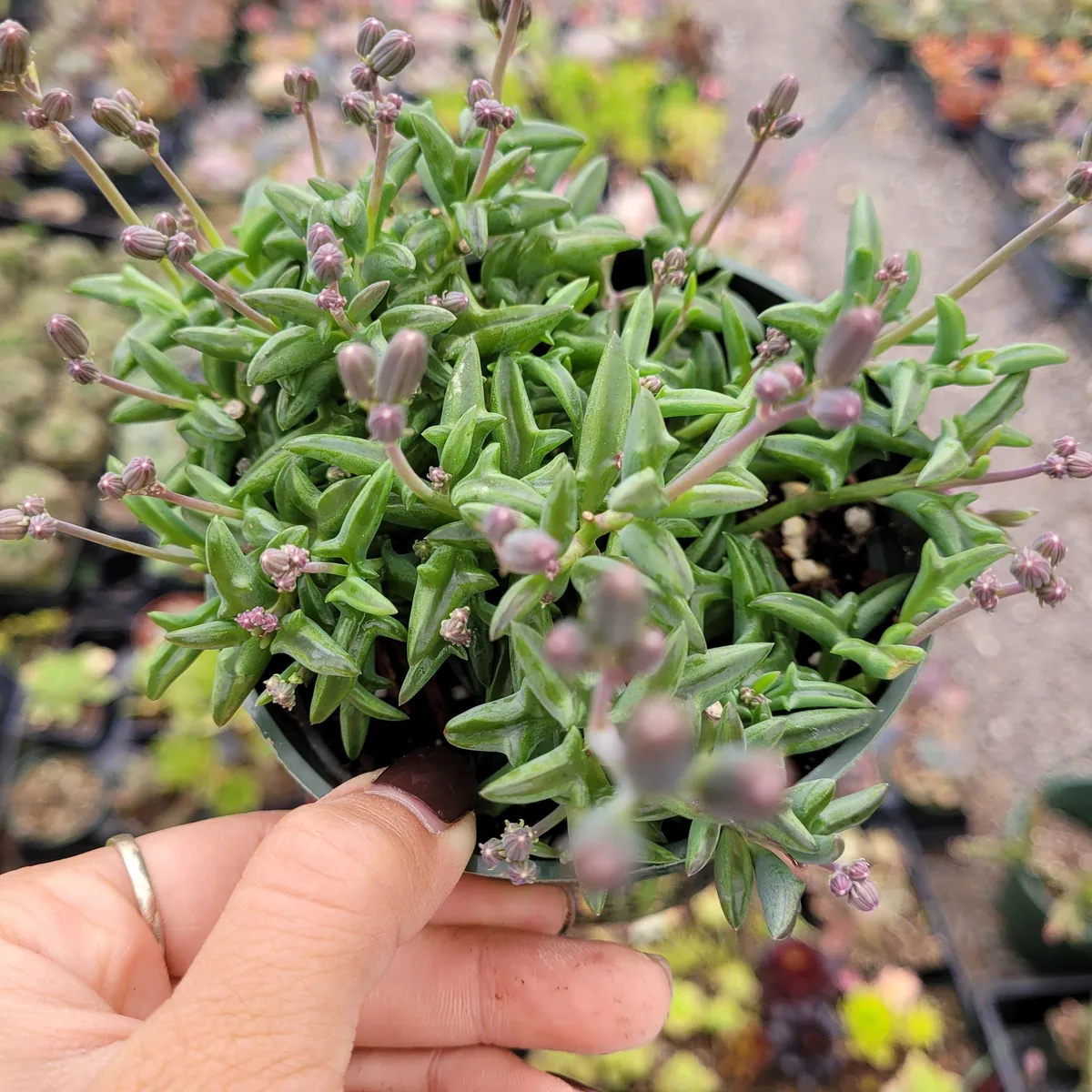
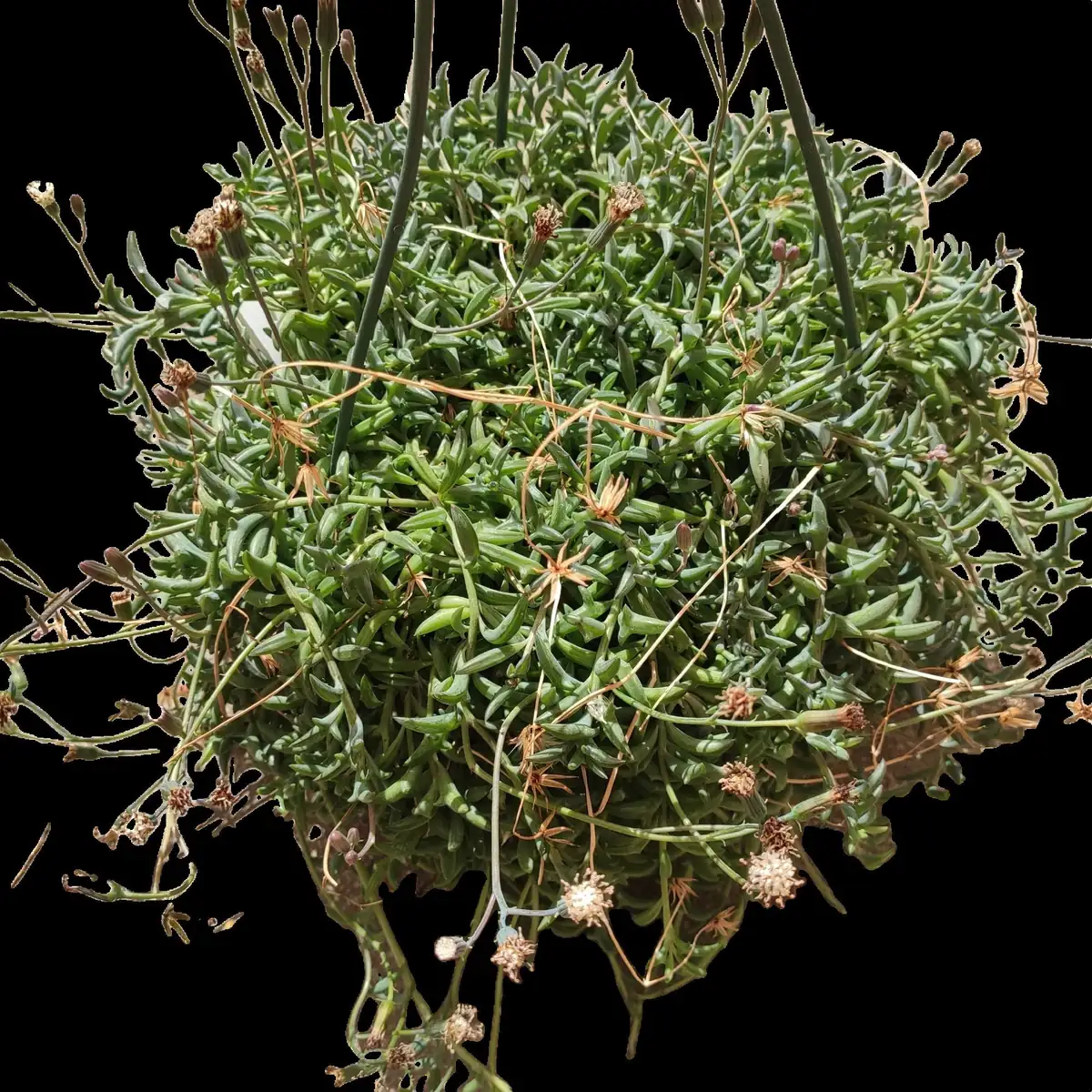
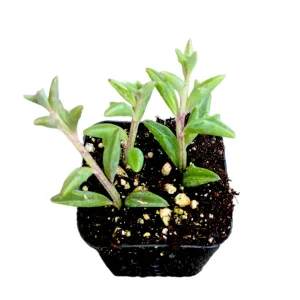
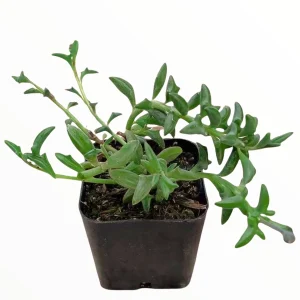
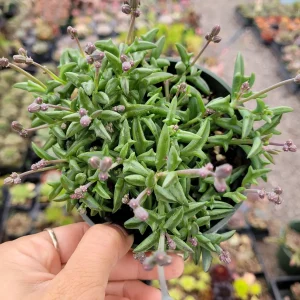
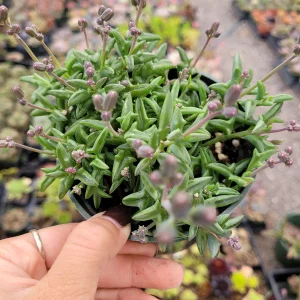
Welcome to the captivating world of the string of dolphins succulent, a truly unique and aesthetically pleasing live plant that enchants with its distinctive foliage. Scientifically known as Senecio peregrinus, this remarkable succulent is a hybrid cross between the popular String of Pearls (Senecio Rowleyanus) and the Candle Plant (Senecio Articulatus). Its most striking feature, and the origin of its charming common name, is the fleshy, notched crescent-shaped leaves that bear an uncanny resemblance to leaping dolphins. These delightful leaves form long, trailing tendrils that can extend up to 1 to 3 feet, making it an ideal choice for hanging baskets where its unique form can truly shine. This senecio peregrinus plant is an excellent houseplant, adding a touch of whimsical natural beauty to any indoor space.
Originating from regions where it grows as a ground cover, the string of dolphins succulent has adapted beautifully to container life, particularly in hanging pots where its dense cascade of greenery can be admired. Beyond its playful appearance, each leaf features a translucent ‘leaf window,’ a fascinating adaptation that allows sunlight to penetrate the leaf interior, enabling the plant to tolerate slightly lower light conditions than many other succulents. This makes dolphin plant care relatively straightforward for enthusiasts looking for an intriguing yet manageable green companion.
Key Benefits
The string of dolphins succulent offers a myriad of benefits that make it a cherished addition to any home or office:
- Unique Ornamental Appeal: The most obvious benefit is its extraordinary appearance. The dolphin-shaped leaves are a conversation starter and add a playful, whimsical touch to your decor, unlike any other plant. This makes it a perfect focal point in hanging arrangements.
- Excellent for Hanging Displays: With its naturally trailing stems, the string of dolphins succulent is perfectly suited for hanging baskets, allowing its long tendrils to cascade gracefully and create a lush, living curtain of greenery.
- Adaptable to Indoor Environments: This succulent thrives indoors, making it an accessible choice for urban dwellers or those with limited outdoor space. It adapts well to average household humidity and can tolerate a range of light conditions thanks to its unique leaf windows.
- Relatively Low Maintenance: While it appreciates consistent care, the senecio peregrinus plant is not overly demanding. Once you understand its light and watering preferences, it becomes a straightforward plant to maintain, ideal for both seasoned plant parents and beginners alike.
- Air Purification: Like many houseplants, the string of dolphins succulent contributes to a healthier indoor environment by helping to filter airborne toxins and improve air quality, subtly enhancing your living space.
- Fascinating Botanical Features: The ‘leaf window’ adaptation is not just practical for the plant’s survival; it’s also a fascinating biological marvel that plant enthusiasts will appreciate, highlighting the wonders of nature.
- Aesthetic Versatility: Whether placed on a shelf, in a hanging planter, or as part of a succulent arrangement, its distinctive form and vibrant green color complement various interior design styles, from modern minimalist to bohemian chic.
Plant Care & Growing Tips
Proper dolphin plant care ensures your string of dolphins succulent thrives and displays its full beauty. For optimal growth, this succulent requires bright, indirect sunlight. While its leaf windows allow it to tolerate slightly less light than some other succulents, direct, harsh sun can scorch its delicate leaves. An ideal spot would be outdoors in partial shade or indoors near a sunny window with a sheer curtain, ensuring it receives ample light without being overwhelmed. When it comes to watering, the string of dolphins succulent prefers a bit more frequent hydration than typical desert succulents. Water thoroughly until water drains from the pot’s bottom, then allow the soil to dry out completely before the next watering. Avoid misting, as this can lead to fungal issues.
The right soil is crucial for this trailing succulent. Use a well-draining potting mix specifically formulated for cacti and succulents. This type of soil prevents waterlogging, which can lead to root rot. When potting, choose a container with good drainage holes. Terracotta pots are often recommended because their porous nature helps wick away excess moisture from the roots. Opt for a pot that is just slightly larger than the plant’s root ball; an oversized pot can hold too much moisture and delay drying. The ideal temperature range for your string of dolphins succulent is between 50°F and 80°F (10°C to 27°C). It can tolerate temperatures as low as 40°F (4°C) but should be brought indoors when temperatures drop below this. Average household humidity levels are generally suitable, as this plant does not prefer excessively high humidity.
Size & Details
This offering includes a vibrant string of dolphins succulent live plant, available in a 2-inch or 4-inch pot size. The 2-inch plants are shipped with the pot and soil, ready for immediate display or transplanting. Larger 4-inch and above plants are shipped bare root to ensure safe transit and reduce stress. The length of the characteristic trailing stems can vary, typically ranging from a few inches for smaller plants to several feet for more mature specimens, with the potential to reach 1 to 3 feet long under ideal growing conditions. You will receive a plant very similar to those pictured, though natural variations in shape and color are to be expected. This unique houseplant has a moderate growth rate, gradually extending its tendrils and producing more dolphin-shaped foliage over time, creating an impressive display.
Frequently Asked Questions
- Q: How big does this plant get? A: The string of dolphins succulent can grow trailing stems that reach 1 to 3 feet in length, creating a beautiful cascade. Its leaves are typically small, but the overall spread can be quite impressive for a trailing succulent.
- Q: Is this an indoor or outdoor plant? A: While it can be grown outdoors in mild climates (USDA zones 9-11), the senecio peregrinus plant is most commonly cultivated as an indoor houseplant due to its temperature preferences and unique aesthetic. It thrives between 50°F and 80°F.
- Q: How much sunlight does it need? A: This plant prefers bright, indirect sunlight. It can tolerate some morning sun but should be protected from harsh afternoon direct sunlight, which can scorch its leaves. A sunny window with filtered light is often ideal for good dolphin plant care.
- Q: Is this plant easy to care for? A: Yes, the string of dolphins succulent is considered relatively easy to care for, making it suitable for beginners. Its main requirements are proper light, well-draining soil, and consistent, but not excessive, watering.
- Q: What condition will it arrive in? A: Our 2-inch string of dolphins succulent plants are shipped in their pot with soil. Larger 4-inch and above plants are shipped bare root to ensure their health during transit. We carefully pack each plant to ensure it arrives in the best possible condition.
- Q: What type of soil is best for this plant? A: A well-draining potting mix formulated for cacti and succulents is ideal. This ensures proper drainage and prevents water from sitting around the roots, which is crucial for the health of your unique houseplant.
- Q: How often should I water my String of Dolphins? A: Water thoroughly when the soil is completely dry to the touch. This succulent prefers slightly more frequent watering than some others, but always allow the soil to dry out between waterings to prevent root rot.
- Q: Can I propagate the String of Dolphins? A: Yes, this trailing succulent is relatively easy to propagate from stem cuttings. Simply snip a healthy stem, allow the cut end to callus for a day or two, and then place it in well-draining soil or water until roots form.
- Q: Is the String of Dolphins plant pet-safe? A: Like many succulents in the Senecio genus, the string of dolphins succulent can be mildly toxic if ingested by pets. It’s best to keep it out of reach of curious animals.
- Q: What makes the leaves look like dolphins? A: The leaves have a unique, fleshy, notched crescent shape that naturally resembles a leaping dolphin. This distinctive morphology is a key characteristic that makes the string of dolphins succulent so popular and visually appealing.
| Size | 2 Inch, 4 Inch, 6 Inch, 8 Inch |
|---|
Be the first to review “String of Dolphins Senecio peregrinus Live Succulent Plant – 2-4 Inch Pot”
People Also Viewed
Sold 86 products
Original price was: $47.98.$23.99Current price is: $23.99.
Sold 74 products
From $43.98
Sold 64 products
Original price was: $34.00.$27.20Current price is: $27.20.
Sold 80 products
Original price was: $67.80.$33.90Current price is: $33.90.
Sold 85 products
Original price was: $27.96.$13.98Current price is: $13.98.
Sold 85 products
Original price was: $43.85.$15.54Current price is: $15.54.
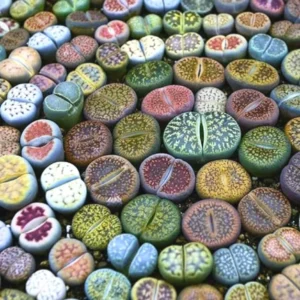
HousePlants
Lithops Live Plants Mix – 30 Colorful Succulents – Living Stones for Indoor/Outdoor Planting
Sold 52 products
Original price was: $65.98.$32.99Current price is: $32.99.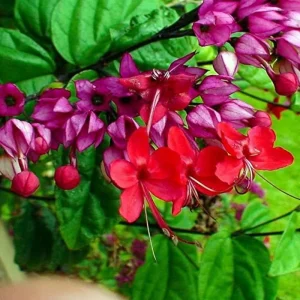
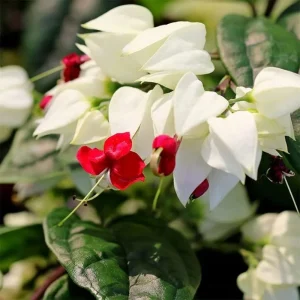
Sold 93 products
$54.98
Sold 80 products
Original price was: $86.00.$43.00Current price is: $43.00.
Sold 99 products
Original price was: $91.98.$45.99Current price is: $45.99.
Sold 66 products
Original price was: $89.56.$44.78Current price is: $44.78.
Sold 84 products
Original price was: $91.80.$45.90Current price is: $45.90.
Sold 94 products
Original price was: $180.00.$90.00Current price is: $90.00.
Sold 84 products
Original price was: $38.76.$19.38Current price is: $19.38.
Sold 92 products
Original price was: $77.06.$38.53Current price is: $38.53.
Sold 99 products
$48.38
Sold 78 products
Original price was: $51.96.$25.98Current price is: $25.98.
Sold 93 products
Original price was: $45.98.$22.99Current price is: $22.99.



Reviews
There are no reviews yet.