
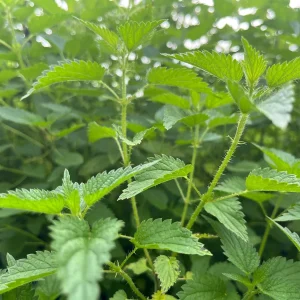
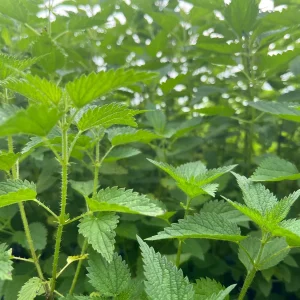
Stinging Nettle Bare Root Plants – Urtica dioica Live Herb for Planting, USDA Zones 4-10
From $23.98
Cultivate your own beneficial stinging nettle bare root plants. This hardy perennial herb, Urtica dioica, is known for its nutrient-rich leaves and various uses in food, tea, and even as a natural fertilizer. Easy to establish and grow in USDA Zones 4-10.
-
USDA Hardiness Zone
USDA Zones 4-10 -
Soil Type
Well-drained soil -
Sunlight Exposure
Full to part sun -
Expected Planting Period
Early spring to fall

You can track your order HERE
Mar 01
Mar 06 - Mar 08
Mar 11 - Mar 15
Shipping and return policies: Our Alive & Thrive Guarantee covers issues with your plants within the first 30 days. Reach out to us. Our team will answer your questions and help you find the plants that are truly suitable for your environment, climate, and personal preferences.

Overview
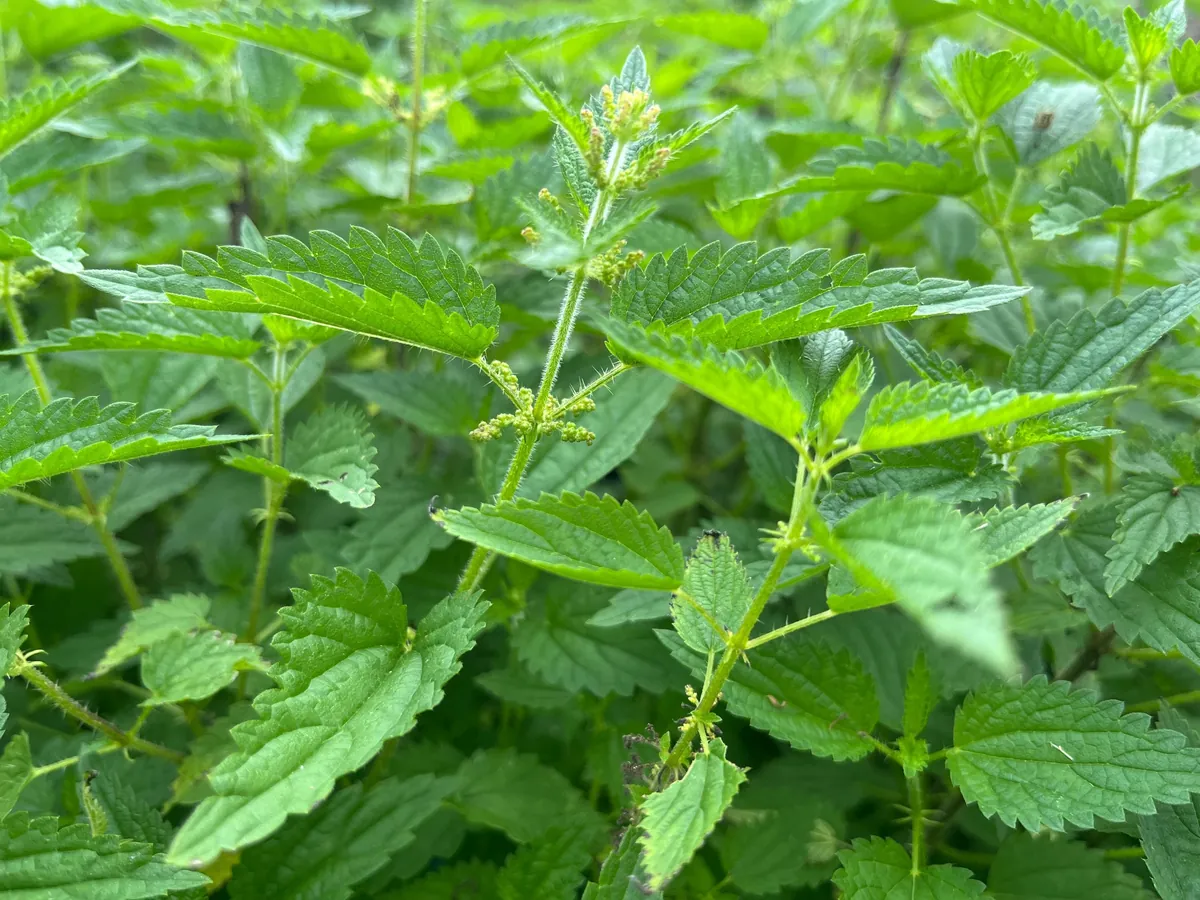
Bring the versatile and beneficial stinging nettle bare root plant into your garden. Often known by its botanical name, Urtica dioica, or common names like common nettle, burn nettle, and nettle leaf, this herbaceous perennial flowering plant is a remarkable addition to any herbal collection. While famous for the stinging sensation caused by its hairy stems and leaves, this plant has a long and rich history of use in both ancient and modern societies. From being a nourishing herbal tea to a nutrient-dense food crop (the stingers are neutralized by heat), Urtica dioica plant offers a wide array of practical applications. Upon establishment, these plants are robust and return year after year, providing a continuous supply of fresh nettle.
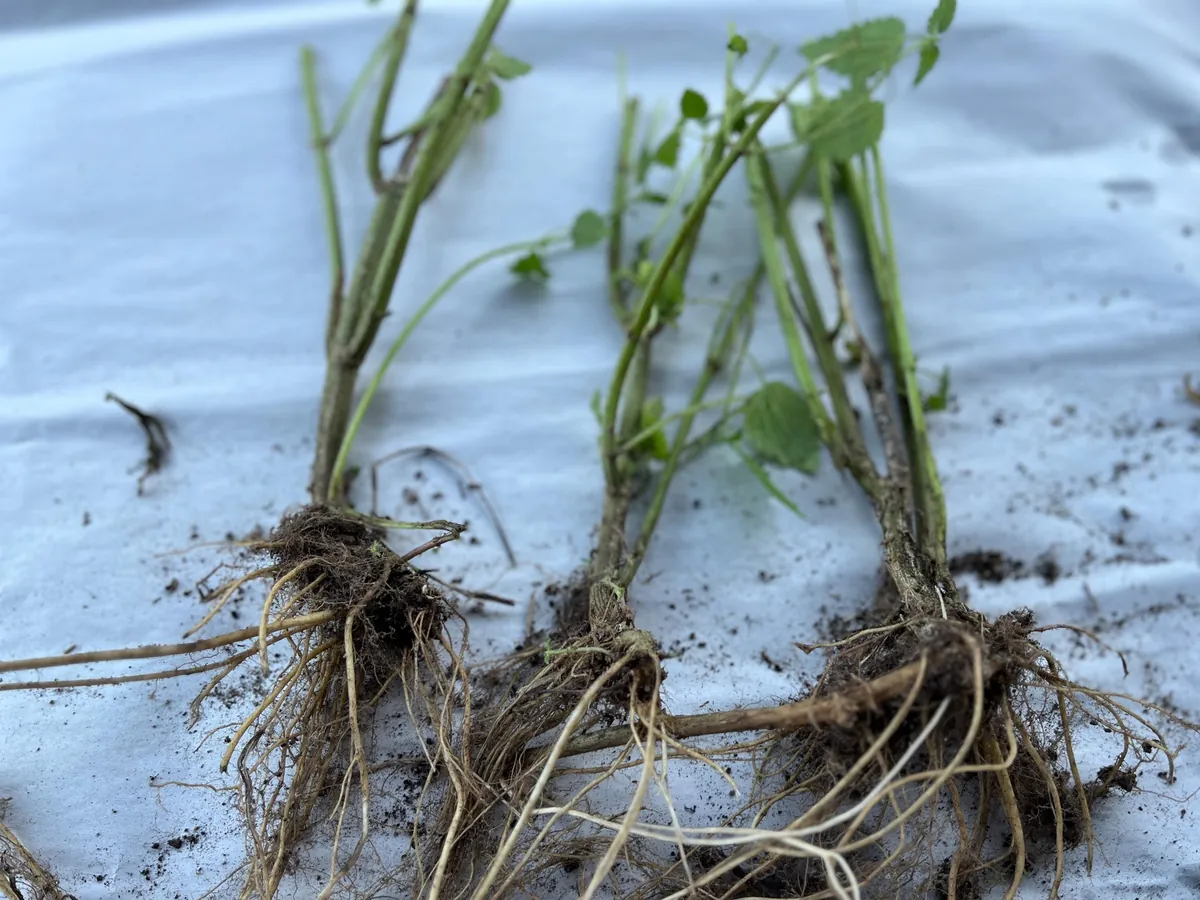
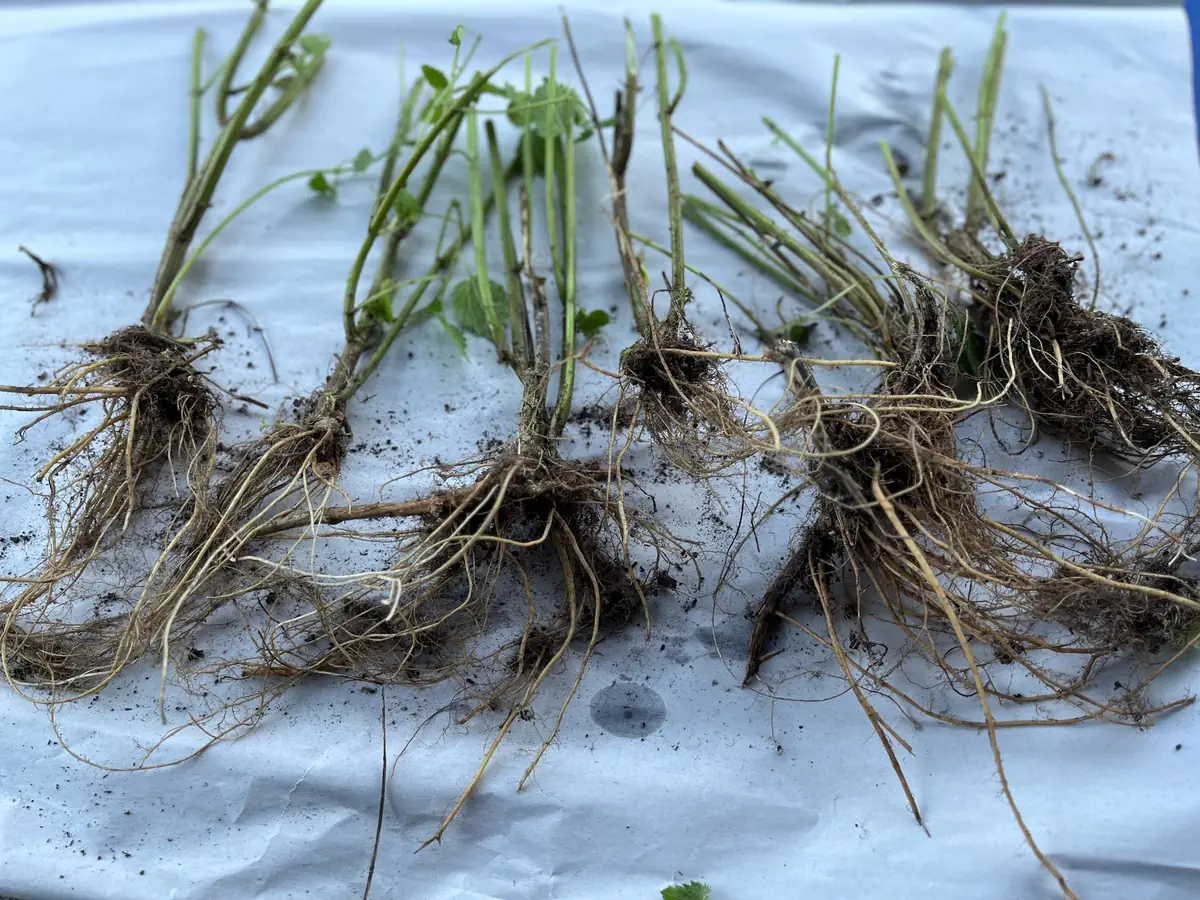
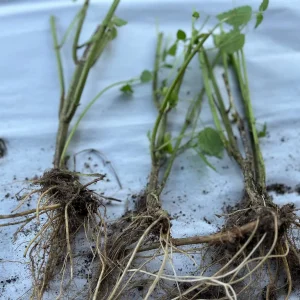
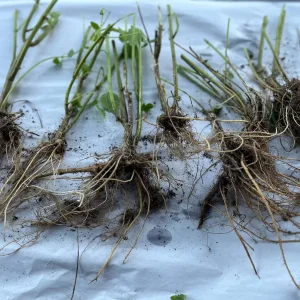
Our stinging nettle bare root plants are carefully selected for their strong, healthy root systems, ensuring a successful start in your garden. These bare roots are trimmed and prepared for planting upon arrival, ready to establish themselves quickly. Grow your own supply of this incredible herb and discover its many uses, whether you’re interested in its culinary potential, its traditional medicinal applications, or its benefits as an organic garden amendment. Learn how to grow stinging nettle with ease and enjoy a sustainable source of this valuable plant.
Key Benefits
Growing stinging nettle bare root plants offers a multitude of advantages for both your health and your garden. This resilient herb is more than just a culinary ingredient; it’s a powerhouse of nutrients and a valuable asset for ecological gardening.
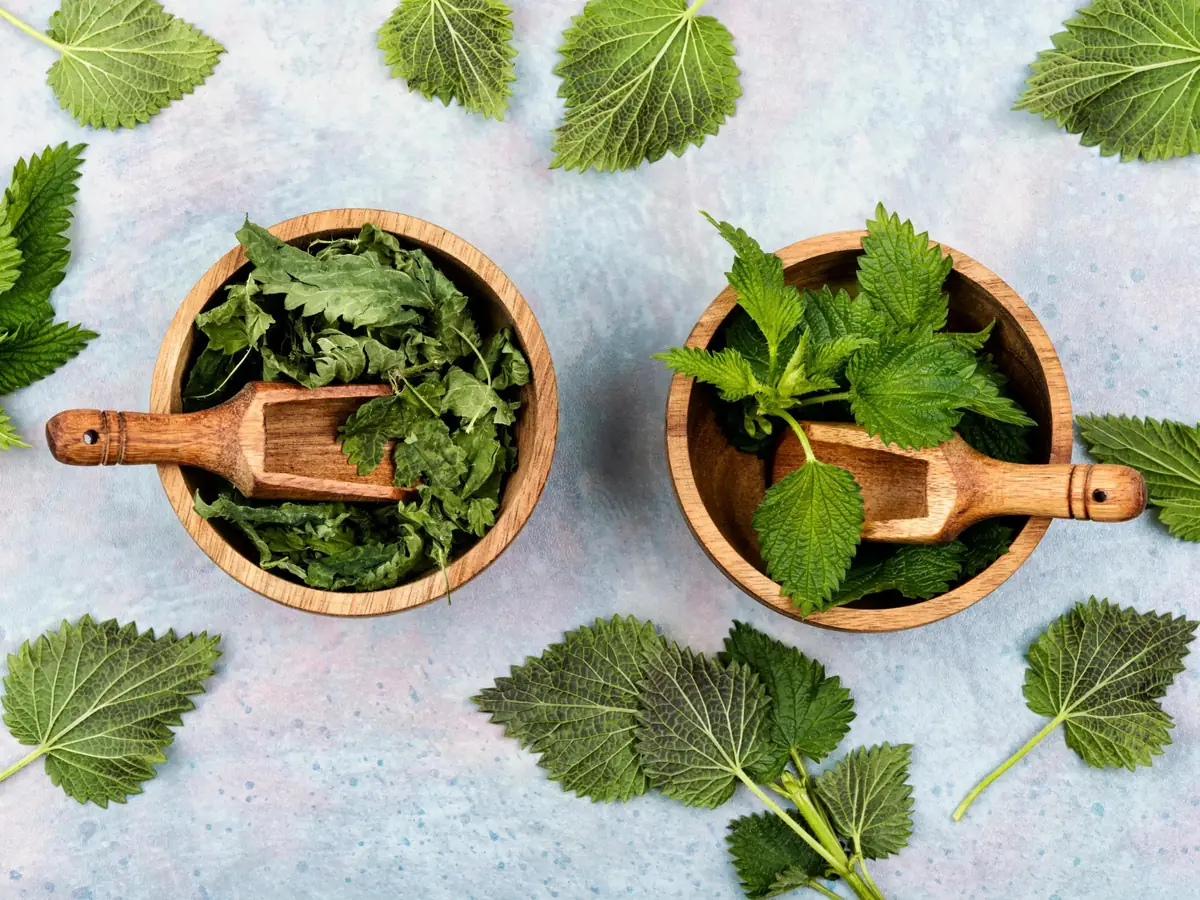
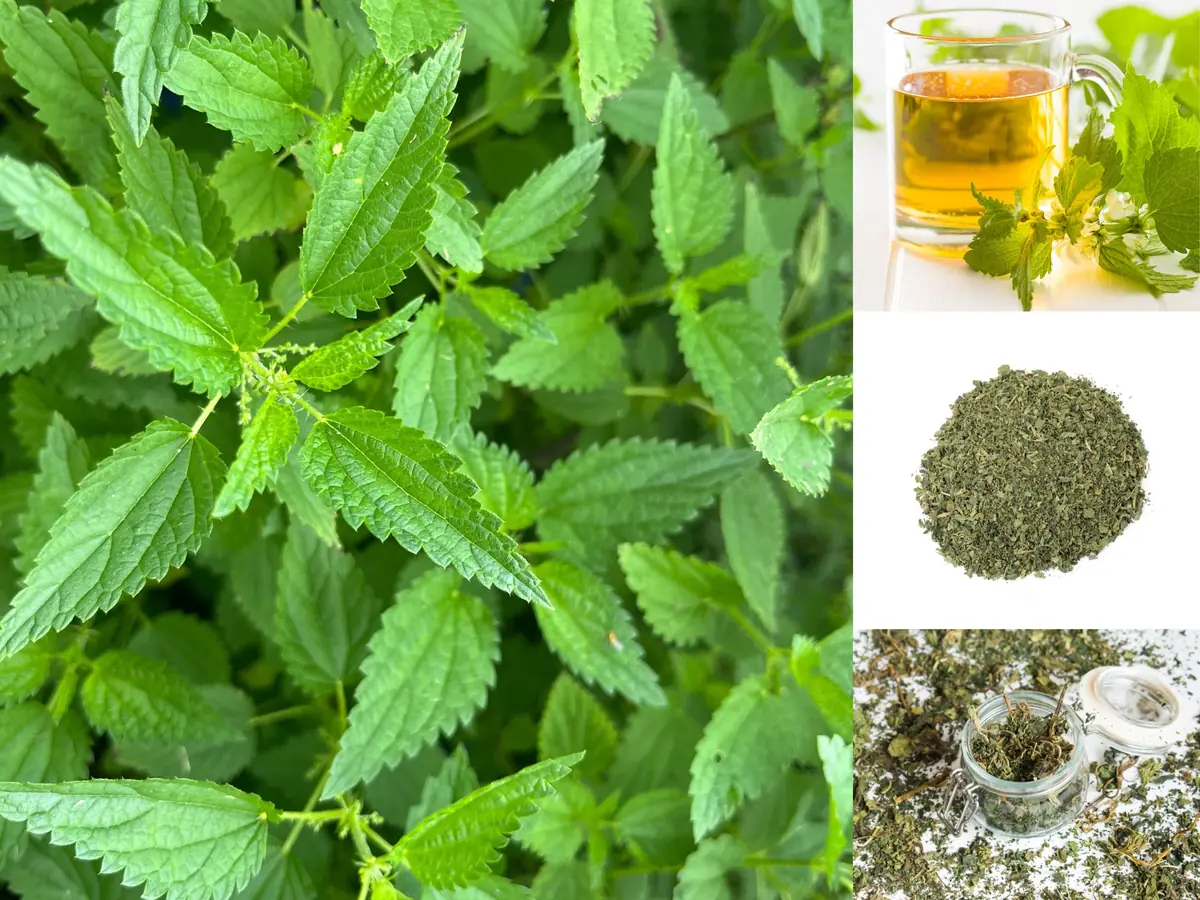
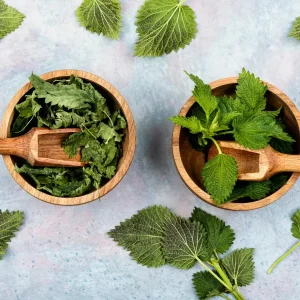
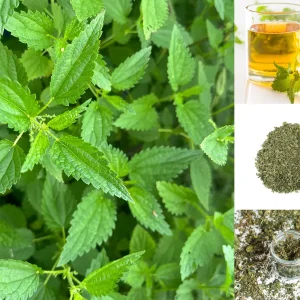
- Nutrient-Rich Herb: Urtica dioica plant leaves are highly nutritious, packed with vitamins, minerals, and antioxidants. They can be harvested and used in teas, soups, and other dishes, providing a healthful boost to your diet. The stingers are easily removed or neutralized by cooking or drying.
- Natural Fertilizer: Nettle is exceptionally high in nitrogen, phosphorus, and potassium. Use it to make a potent nettle compost tea, which acts as an excellent organic fertilizer, promoting vigorous plant growth and enhancing soil health in your garden.
- Improved Soil Health: Incorporating nettle into your garden practices can significantly improve soil structure and fertility. Its deep roots help break up compacted soil, and when composted, it enriches the soil with vital nutrients.
- Weed Suppression: When utilized as a natural mulch, nettle can effectively help suppress unwanted weeds, reducing the need for chemical herbicides and promoting a healthier garden ecosystem.
- Traditional Uses: Beyond its garden benefits, stinging nettle uses include historical applications as a textile raw material and a beneficial herb in various wellness practices throughout history.
- Easy to Grow Perennial: Once established, perennial herb plants like stinging nettle are remarkably easy to care for, returning year after year with minimal intervention, making them a sustainable choice for any gardener.
- Wildlife Support: Nettle plants can also provide habitat and food for certain beneficial insects and butterfly larvae, contributing to local biodiversity.
Plant Care & Growing Tips
Successfully growing stinging nettle bare root plants is straightforward, as they are known for their hardiness and adaptability. To ensure your Urtica dioica plant thrives, consider the following care guidelines. Stinging nettle prefers a location with full sun to partial sun exposure, meaning at least 4-6 hours of direct sunlight per day. While it can tolerate some shade, more sun generally leads to more vigorous growth. For soil, well-drained conditions are crucial, though nettle is not overly particular about soil type and can adapt to various conditions, including loamy or clay soils, as long as they don’t remain waterlogged. Amending heavy clay soils with organic matter can improve drainage and fertility.
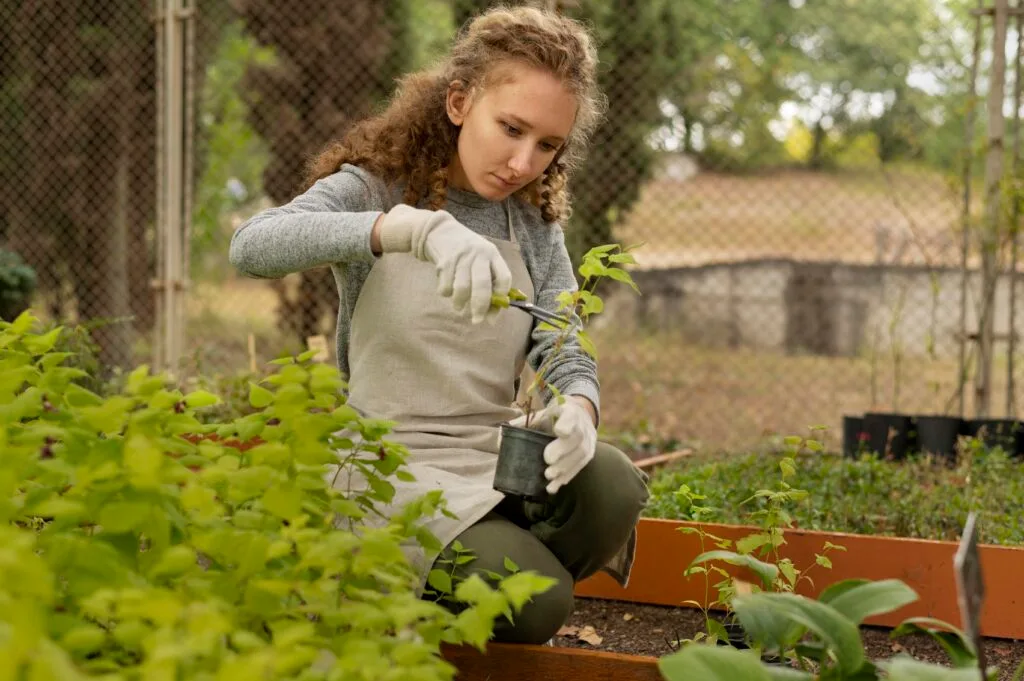
Watering requirements for stinging nettle bare root are moderate. Keep the soil consistently moist, especially during dry spells and in its initial establishment phase after planting. Once mature, it can tolerate some drought but will perform best with regular moisture. This hardy herb is suitable for USDA Hardiness Zones 4-10, meaning it can withstand a wide range of winter temperatures. Fertilization is generally not heavily required, especially if grown in rich soil or if you plan to use nettle compost tea. If growth seems slow, a balanced organic fertilizer in spring can provide a boost. Be mindful when handling stinging nettle due to its stinging hairs; wearing gloves is recommended. To harvest, snip the top leaves, and new growth will emerge. To prevent excessive spread, consider containing your nettle patch or harvesting frequently.
Size & Details
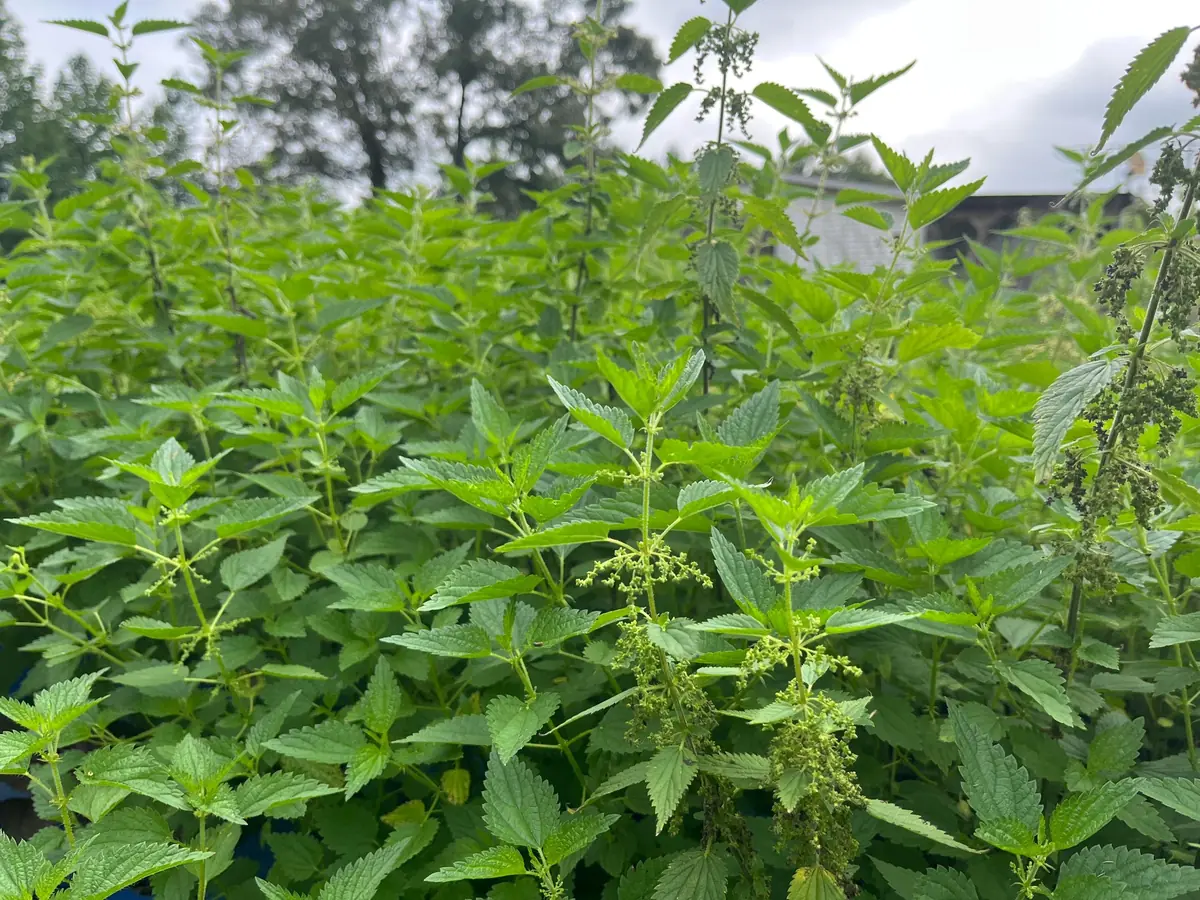
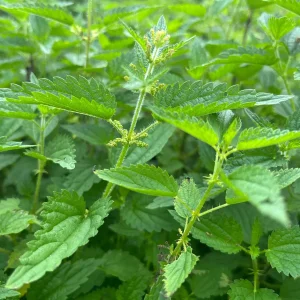
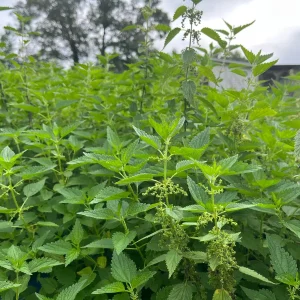
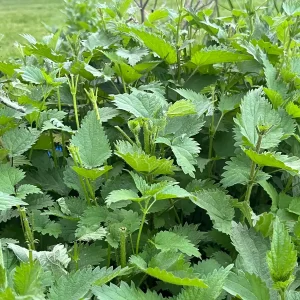
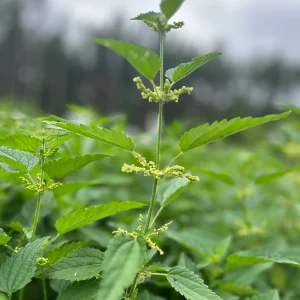
You will receive healthy, well-rooted stinging nettle bare root plants, carefully trimmed and prepared for immediate planting. These bare roots are shipped with minimal soil to ensure safe and efficient transit, ready to be planted as soon as they arrive. While the initial size of the bare root will vary, a strong root system is the most important indicator of future success. Once planted, these roots will quickly establish themselves and begin to sprout new foliage. Urtica dioica plant typically grows to a height of 2-7 feet (60-210 cm) and can spread significantly if left unchecked, forming dense patches. The expected growth rate is moderate to fast, with plants reaching harvestable size within the first growing season.
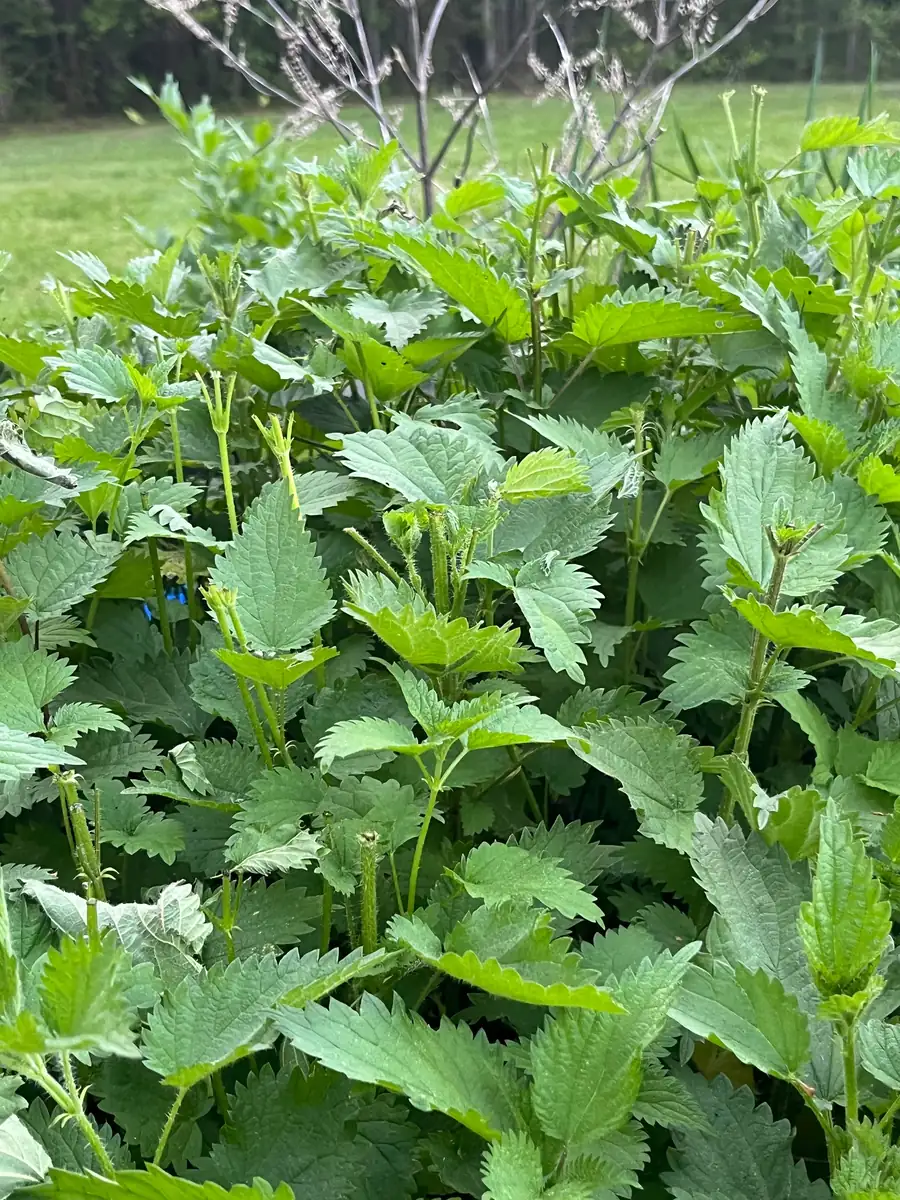
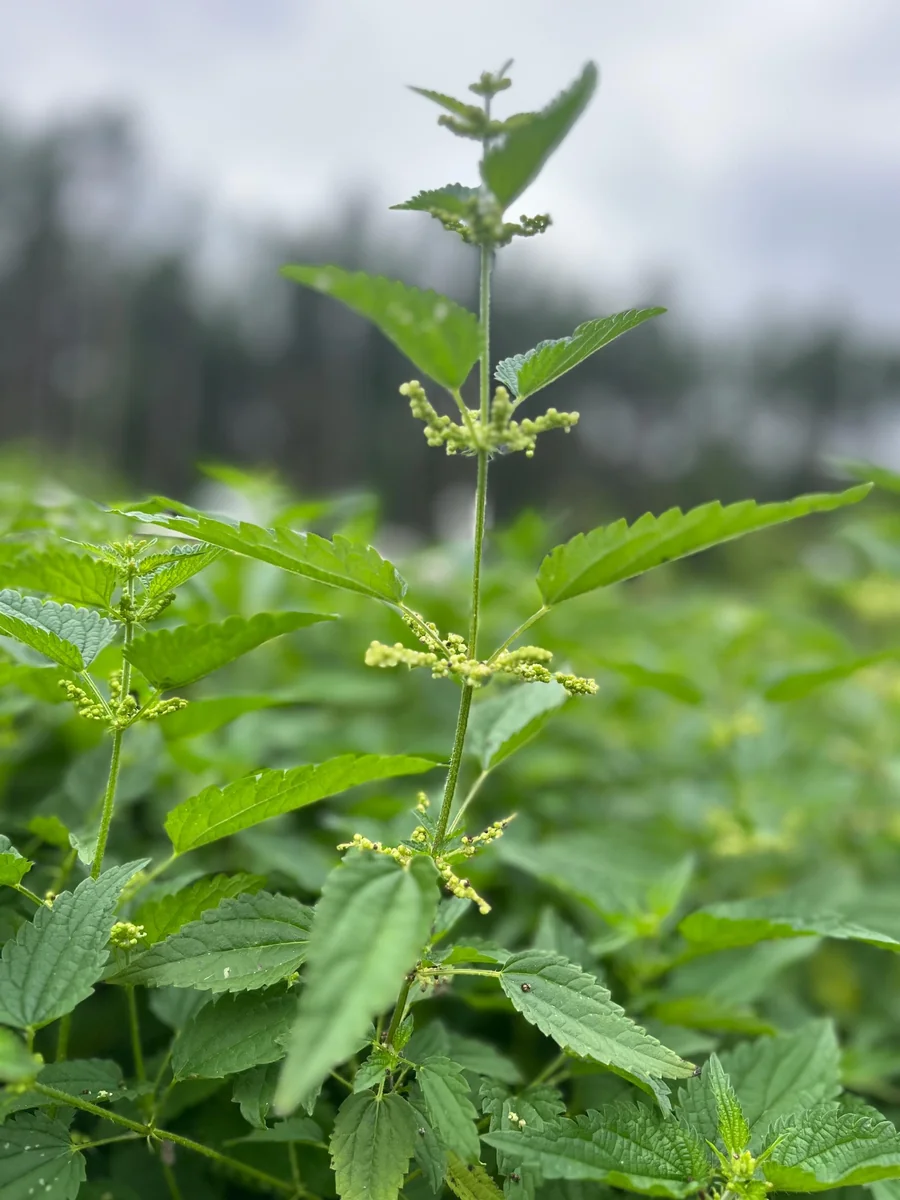
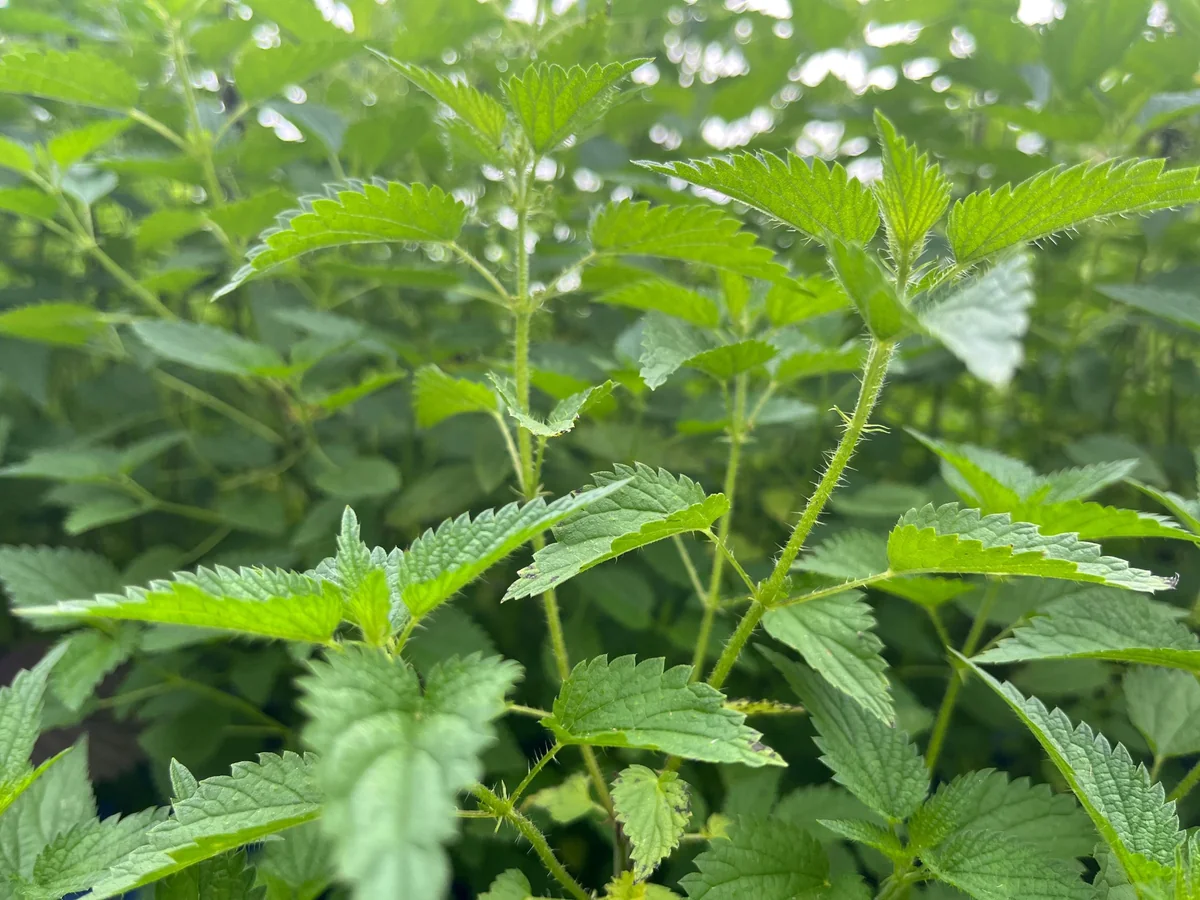
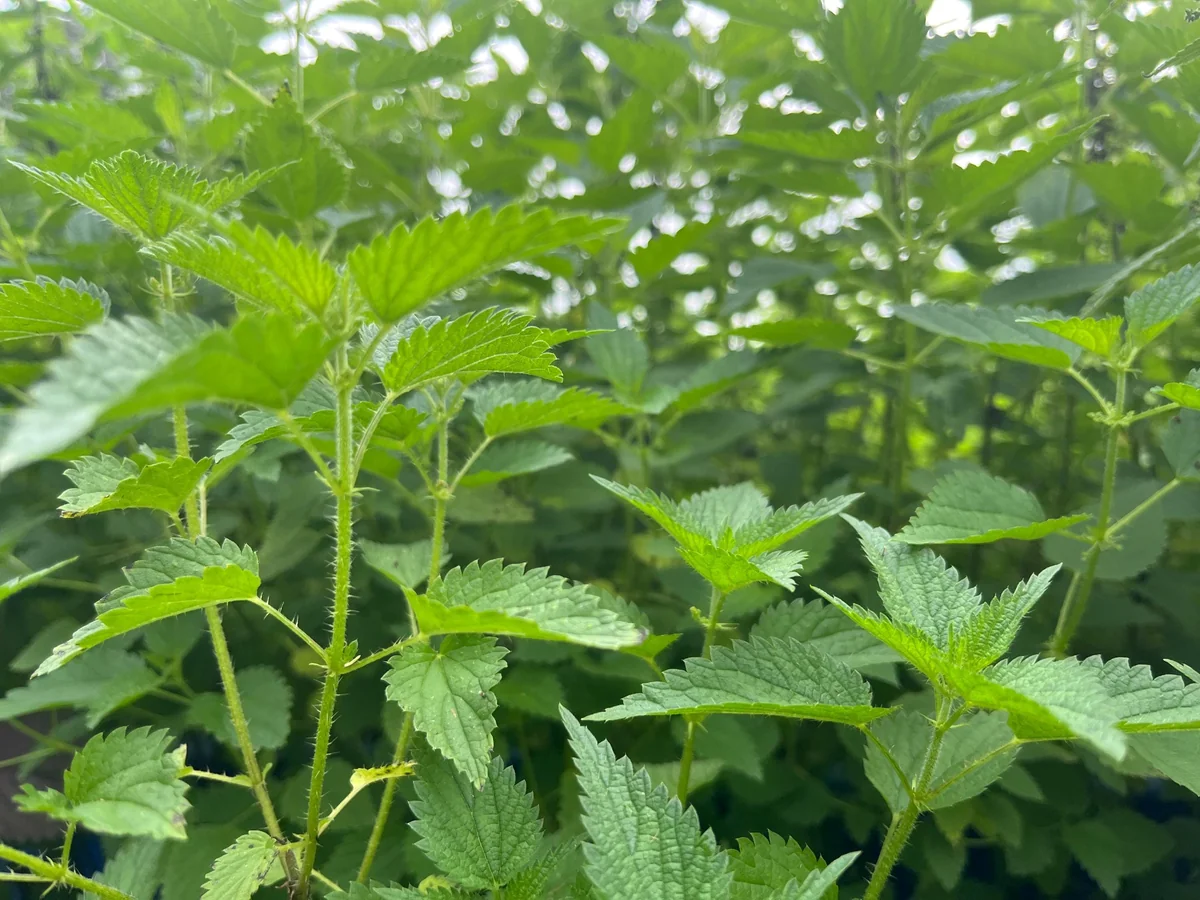
These perennial herb plants are known for their vigorous growth and ability to return year after year, providing a continuous supply. They are shipped dormant or semi-dormant, depending on the season, ensuring they transplant well. While some pictures may show mature or blooming plants, you will receive the described bare roots, not necessarily a fully mature plant. The goal is to provide you with robust starter material to grow stinging nettle successfully and enjoy the many stinging nettle uses for years to come.
Frequently Asked Questions
- Q: How big does this plant get? A: Stinging nettle bare root plants can grow quite tall, typically reaching heights of 2 to 7 feet (60-210 cm) at maturity, with a tendency to spread if not managed.
- Q: Is this an indoor or outdoor plant? A: Stinging nettle is primarily an outdoor plant, thriving in garden beds or large containers. While it can be grown indoors, it generally requires significant light and space to flourish.
- Q: How much sunlight does it need? A: This plant prefers full sun to partial sun, meaning it needs at least 4-6 hours of direct sunlight daily to grow best.
- Q: Is this plant easy to care for? A: Yes, Urtica dioica plant is considered very easy to care for once established. It’s a hardy perennial that requires moderate watering and well-drained soil.
- Q: What condition will it arrive in? A: You will receive well-rooted stinging nettle bare root plants, carefully trimmed and packaged with minimal soil, ready for immediate planting.
- Q: When is the best time to plant stinging nettle bare roots? A: The best time to plant bare roots is typically in early spring or fall, allowing them to establish before extreme temperatures.
- Q: What are the main stinging nettle uses? A: Stinging nettle uses include culinary (for teas, soups, cooking), medicinal (as a traditional herbal remedy), and as a natural organic fertilizer for other plants.
- Q: Will it survive winter in my zone? A: Stinging nettle is very cold-hardy and will survive winter in USDA Hardiness Zones 4-10, returning in spring.
- Q: Is it safe to handle this plant? A: Due to its stinging hairs, it’s recommended to wear gloves when handling perennial herb plants like stinging nettle to avoid skin irritation. The stingers are neutralized by cooking or drying.
- Q: Can I grow stinging nettle in a container? A: Yes, you can grow stinging nettle in large containers to help manage its spread, ensuring the container has good drainage.
| Pack size | 10 Roots, 3 Roots, 5 Roots |
|---|
Be the first to review “Stinging Nettle Bare Root Plants – Urtica dioica Live Herb for Planting, USDA Zones 4-10”
People Also Viewed
HousePlants
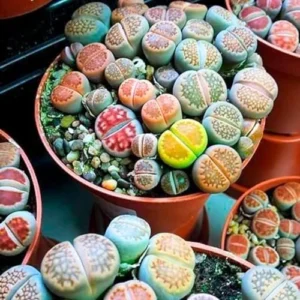
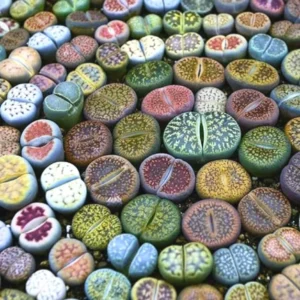
Lithops Live Plants Mix – 30 Colorful Succulents – Living Stones for Indoor/Outdoor Planting
Sold 59 products
Original price was: $65.98.$32.99Current price is: $32.99.
Sold 69 products
Original price was: $319.96.$159.98Current price is: $159.98.
Sold 50 products
From $9.08
Sold 75 products
Original price was: $289.96.$144.98Current price is: $144.98.
Sold 51 products
Original price was: $67.80.$33.90Current price is: $33.90.
Sold 59 products
Original price was: $73.08.$36.54Current price is: $36.54.
Sold 92 products
$48.38
Sold 70 products
From $67.80
Sold 87 products
Original price was: $355.96.$177.98Current price is: $177.98.
Sold 58 products
From $19.58
Sold 88 products
Original price was: $18.76.$9.38Current price is: $9.38.
Sold 78 products
Original price was: $355.96.$177.98Current price is: $177.98.
Sold 88 products
Original price was: $26.76.$13.38Current price is: $13.38.
Sold 55 products
Original price was: $111.80.$55.90Current price is: $55.90.
Sold 54 products
Original price was: $91.98.$45.99Current price is: $45.99.
Sold 77 products
Original price was: $59.96.$29.98Current price is: $29.98.
Sold 60 products
Original price was: $51.98.$25.99Current price is: $25.99.
Sold 77 products
Original price was: $535.96.$267.98Current price is: $267.98.


Reviews
There are no reviews yet.