
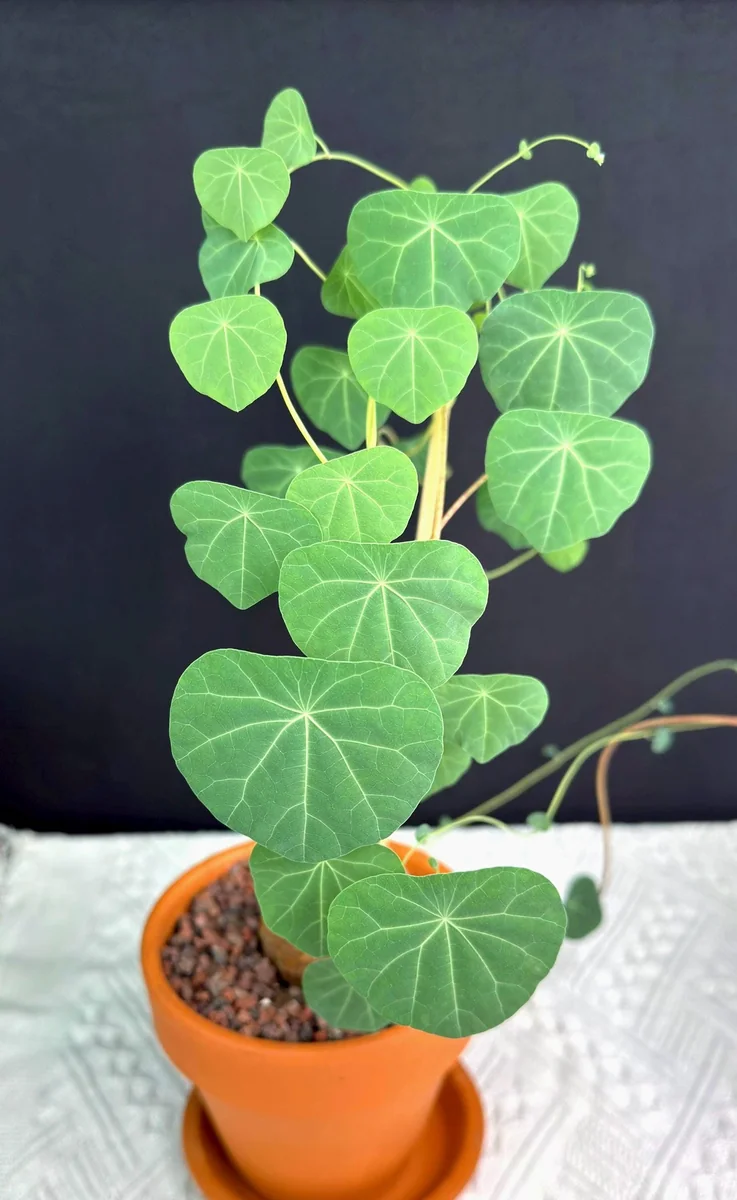
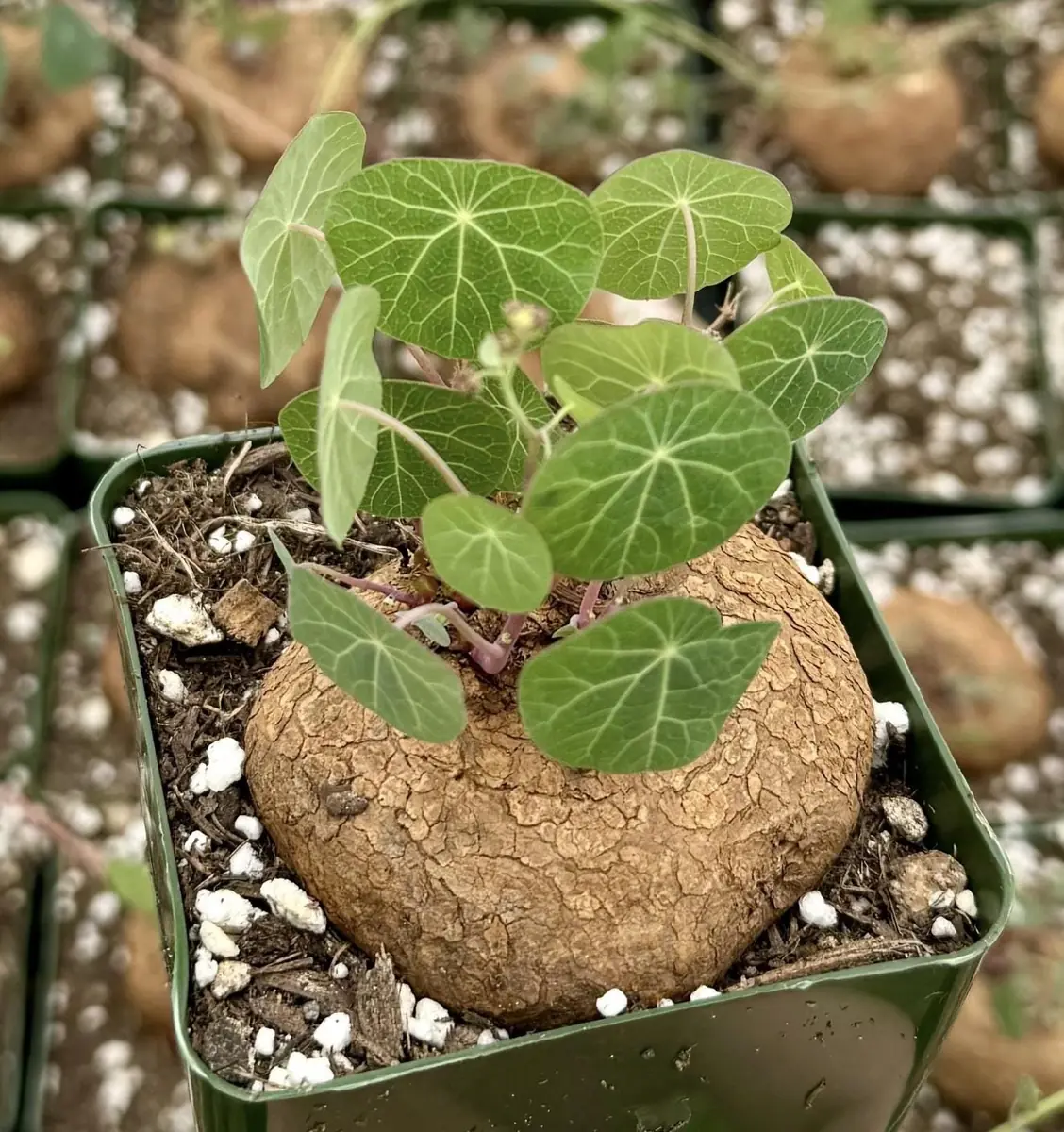
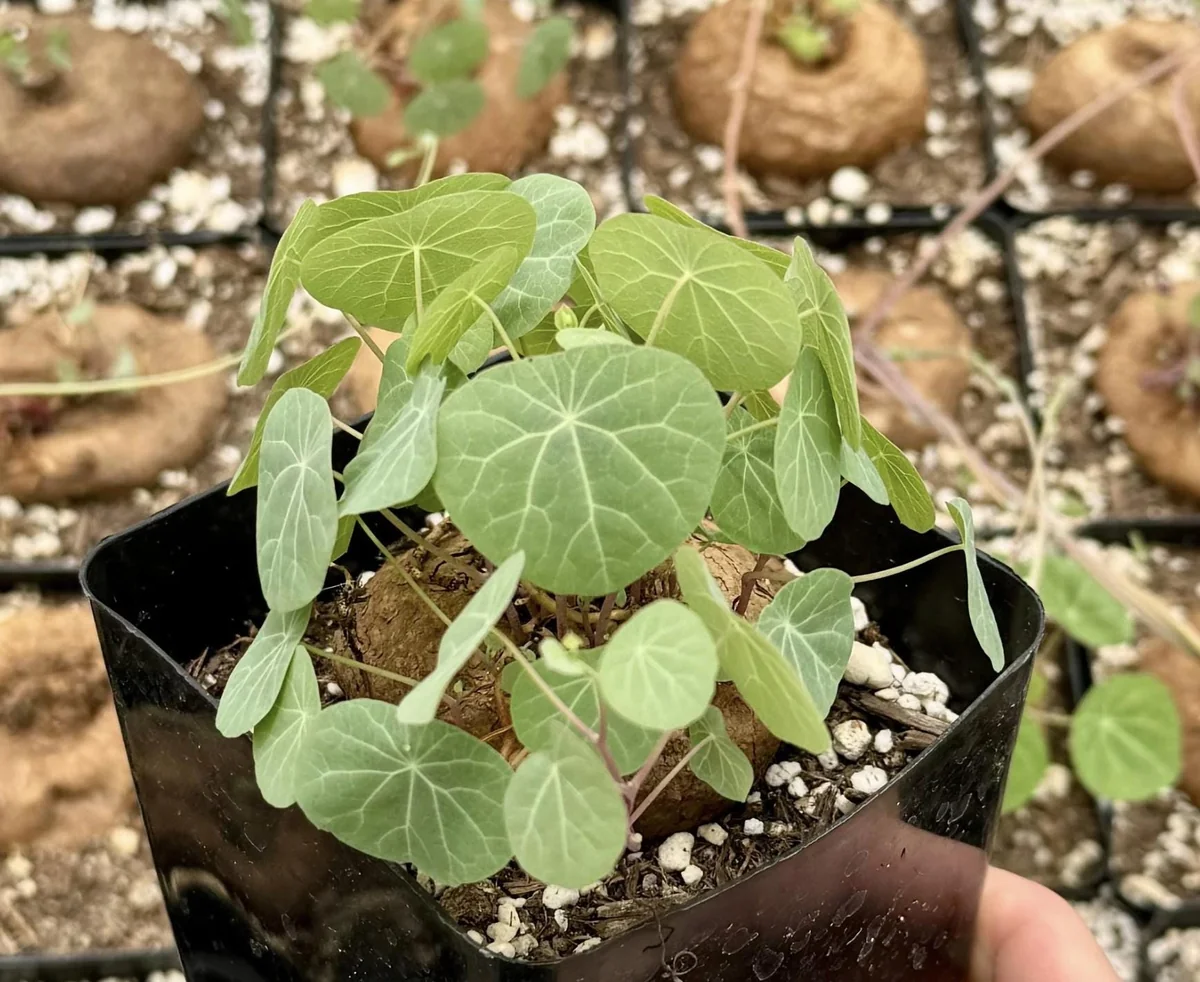
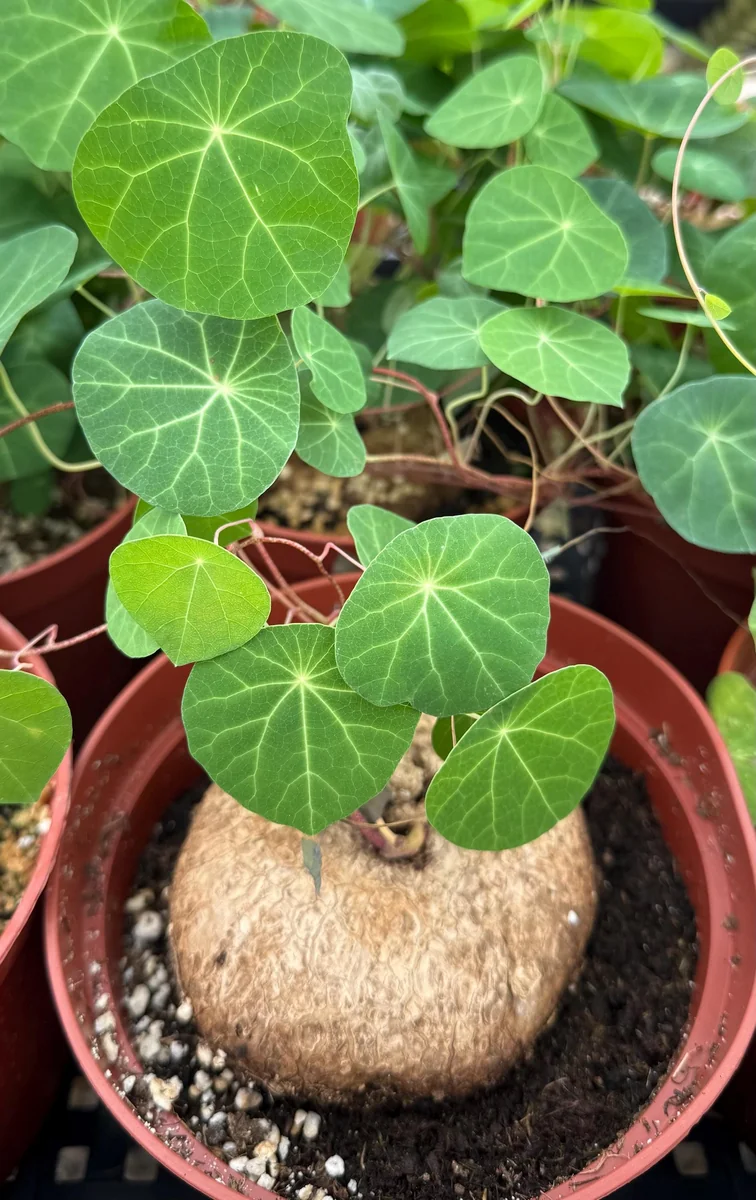
Stephania Cepharantha Caudex Live Plant – Rare Succulent – 4-6 inch Pot
From $34.98
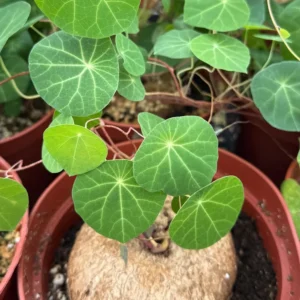
Bring home the exotic beauty of a stephania cepharantha caudex plant. This rare succulent features a distinctive swollen stem base and attractive lobed leaves, making it a captivating addition to any indoor plant collection. Easy to care for and visually striking, it’s perfect for plant enthusiasts.
-
USDA Hardiness Zone
USDA zones 10-11 (when grown outdoors) -
Soil Type
Well-draining succulent or cactus potting mix -
Sunlight Exposure
Bright indirect light -
Expected Planting Period
Year-round indoors

You can track your order HERE
Feb 25
Mar 02 - Mar 04
Mar 07 - Mar 11
Shipping and return policies: Our Alive & Thrive Guarantee covers issues with your plants within the first 30 days. Reach out to us. Our team will answer your questions and help you find the plants that are truly suitable for your environment, climate, and personal preferences.

Overview
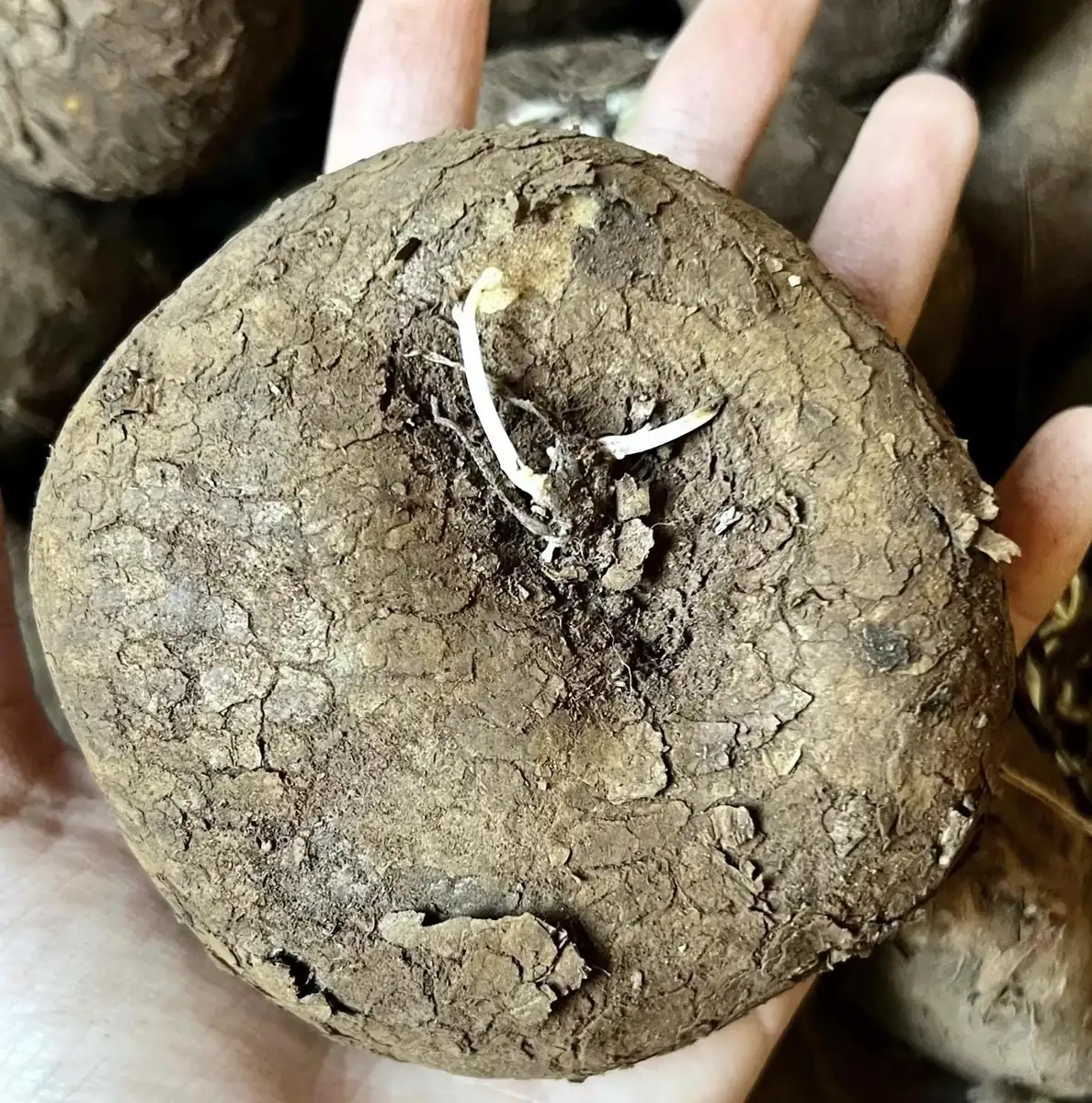
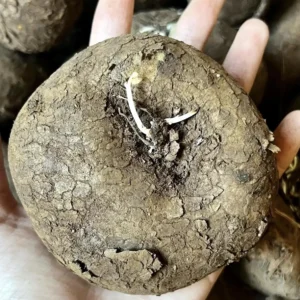
Introducing the captivating stephania cepharantha caudex plant, a true botanical marvel for any plant enthusiast. This live plant, a member of the Menispermaceae family, is a perennial, tuberous species native to the tropical regions of Africa and Asia. Renowned for its unique caudex – a swollen stem base that stores water – and its charming, lobed leaves, the Stephania cepharantha offers an unparalleled ornamental appeal. It’s often sought after by collectors looking for rare succulent care and distinctive additions to their indoor gardens. Each plant comes ready to thrive, showcasing its distinctive form and lush foliage, making it a conversation starter in any setting.
The Stephania cepharantha is not just a plant; it’s a living sculpture. Its striking appearance makes it an ideal center piece or a unique accent plant. Whether you’re a seasoned collector or new to the world of succulents, this plant provides a rewarding growing experience with its relatively low-maintenance needs and fascinating growth habit. Embrace the allure of this extraordinary species and elevate your indoor plant collection with its exotic charm.
Key Benefits
The stephania cepharantha caudex plant offers a multitude of benefits, making it an excellent choice for both novice and experienced plant parents. Its unique characteristics contribute to its appeal and ease of care.
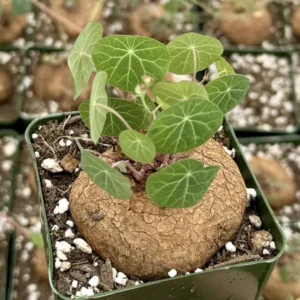
- Unique Ornamental Value: The most prominent feature is its distinctive caudex, which can be partially exposed or completely buried, allowing for personalized aesthetic display. This makes it a truly unique indoor plants option.
- Low Maintenance: This succulent is surprisingly easy to care for, requiring minimal attention once established. It’s forgiving of occasional neglect, making it suitable for busy individuals.
- Drought Tolerant: Thanks to its caudex, which stores water, the Stephania cepharantha can withstand periods of drought, reducing the frequency of watering.
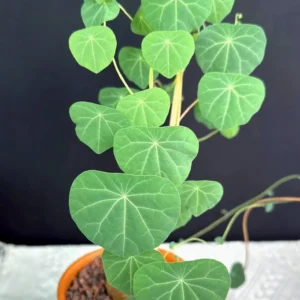
- Attractive Foliage: It produces long, trailing stems adorned with round-shaped, green leaves featuring prominent veins, adding a touch of elegance to its unique form.
- Conversation Starter: Its unusual appearance is sure to intrigue guests and spark conversations, making it a focal point in any room.
- Adaptable Growth: Can be styled in various ways, from letting its vines trail to providing support for climbing, adapting to your desired aesthetic.
- Air Purification: Like many houseplants, it contributes to a healthier indoor environment by purifying the air, making your living space fresher.
Plant Care & Growing Tips
Caring for your stephania cepharantha caudex plant is straightforward, ensuring it thrives with the right conditions. This stephania plant prefers bright, indirect light. Place it near a window where it receives plenty of ambient light but is shielded from harsh, direct sun, which can scorch its leaves and caudex. An east or north-facing window is often ideal. If growing outdoors in a suitable climate, ensure it is in a shaded or semi-shaded spot.
When it comes to watering, less is generally more. Allow the soil to dry out completely between waterings, especially during its dormant period in winter. Overwatering is the most common cause of issues for this plant, leading to caudex rot. Well-draining soil is crucial; a cactus or succulent mix amended with extra perlite or pumice is highly recommended. The caudex can be grown partially exposed or completely buried, depending on your preference, but ensure good drainage regardless. The ideal temperature range for Stephania cepharantha is between 65-80°F (18-27°C). It is not frost-tolerant and should be protected from cold temperatures. Fertilize sparingly during the growing season (spring and summer) with a diluted, balanced liquid fertilizer. For effective caudex plant care, avoid fertilizing in fall and winter.
Common problems often arise from improper watering. If leaves yellow or drop, check your watering schedule. Pests are generally not a major issue but keep an eye out for common houseplant pests like mealybugs or spider mites, treating them promptly with insecticidal soap if detected. Providing good air circulation is also beneficial for preventing fungal issues. With these simple guidelines, your stephania cepharantha caudex plant will flourish and continue to be a stunning presence in your home.
Size & Details
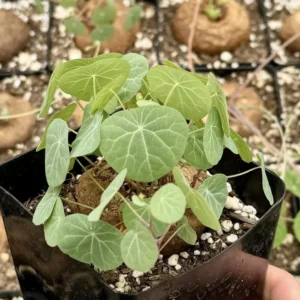
Each stephania cepharantha caudex plant is a unique specimen, typically offered in nursery pots ranging from 4 to 6 inches in diameter. The size of the caudex itself can vary, usually starting from around 1-3 inches in diameter, and will slowly grow larger over many years. The trailing stems can extend several inches to over a foot, depending on maturity and growing conditions. This live plant will be shipped carefully packaged, often with some soil to protect the roots and caudex during transit. It arrives ready to be placed in your chosen pot and environment.
The growth rate of Stephania cepharantha is moderate. With optimal care, you can expect to see new foliage and stem growth during its active growing season. While it doesn’t typically produce showy flowers, its unique caudex and elegant foliage provide continuous visual interest. The plant is propagated from seeds or cuttings, and each specimen develops its own distinctive caudex shape, ensuring you receive a truly individual plant that will mature into an even more impressive display over time.
Frequently Asked Questions
- Q: How big does this plant get? A: The caudex of the stephania cepharantha caudex plant typically starts around 1-3 inches in diameter and can slowly grow larger over many years. The trailing stems can reach lengths of several inches to over a foot.
- Q: What size pot does it come in? A: This stephania cepharantha caudex plant is commonly available in 4-inch, 5-inch, or 6-inch nursery pots, ready for you to transplant into a decorative container of your choice.
- Q: Is this an indoor or outdoor plant? A: Stephania cepharantha is primarily grown as an indoor ornamental plant due to its sensitivity to cold. It can be grown outdoors in tropical or subtropical climates with appropriate shade.
- Q: How much sunlight does it need? A: It thrives in bright, indirect light. Avoid direct, harsh sunlight, which can damage the leaves and caudex. A north or east-facing window is often ideal for this caudex plant care.
- Q: Is this plant easy to care for? A: Yes, it is considered a relatively low-maintenance plant, making it suitable for both beginners and experienced plant enthusiasts who appreciate rare succulent care. The key is proper watering and lighting.
- Q: What condition will it arrive in? A: Your stephania plant will arrive carefully packed, often with some soil to protect the roots and caudex during shipping, ensuring it reaches you in healthy condition.
- Q: Is it pet-safe? A: While information on Stephania cepharantha’s toxicity to pets is not widely detailed, it’s always best practice to keep plants out of reach of pets to prevent any potential issues.
- Q: How often should I water my Stephania Cepharantha? A: Water only when the soil has completely dried out. Overwatering is detrimental. Reduce watering significantly during its dormant winter period.
- Q: What kind of soil is best for this plant? A: A well-draining soil mix is crucial. A succulent or cactus potting mix amended with extra perlite, pumice, or coarse sand is highly recommended for optimal caudex plant care.
- Q: What makes this plant a ‘caudex plant’? A: A caudex plant, like the Stephania Cepharantha, has a swollen stem base that acts as a water storage organ, helping it survive dry periods and giving it a distinctive, unique appearance among unique indoor plants.
| Size | 4" Pot, 4" Wide Caudex Only, 5" Pot, 6" Pot |
|---|
Be the first to review “Stephania Cepharantha Caudex Live Plant – Rare Succulent – 4-6 inch Pot”
People Also Viewed
Sold 88 products
Original price was: $127.98.$63.99Current price is: $63.99.
Sold 65 products
Original price was: $38.36.$19.18Current price is: $19.18.
Sold 74 products
From $43.98
Sold 74 products
Original price was: $57.56.$28.78Current price is: $28.78.
Sold 85 products
Original price was: $39.98.$19.99Current price is: $19.99.
Sold 54 products
From $17.64

Sold 66 products
Original price was: $89.98.$44.99Current price is: $44.99.
Sold 72 products
Original price was: $28.76.$14.38Current price is: $14.38.
Sold 69 products
Original price was: $39.98.$19.99Current price is: $19.99.
Sold 67 products
Original price was: $39.98.$19.99Current price is: $19.99.
Sold 79 products
Original price was: $41.56.$20.78Current price is: $20.78.
Sold 64 products
$48.38
Sold 98 products
Original price was: $22.00.$17.60Current price is: $17.60.
Sold 80 products
Original price was: $59.98.$29.99Current price is: $29.99.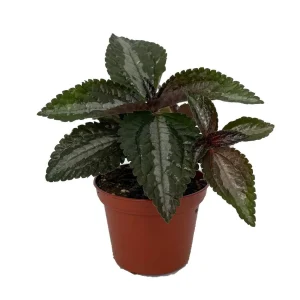
HousePlants
Silver Tree Pilea Spruceana Live Plant – Friendship Plant – 2.5″ Pot – Indoor Houseplant
Sold 71 products
Original price was: $28.76.$14.38Current price is: $14.38.
Sold 87 products
Original price was: $43.85.$15.54Current price is: $15.54.
Sold 96 products
Original price was: $46.80.$23.40Current price is: $23.40.
Flowers
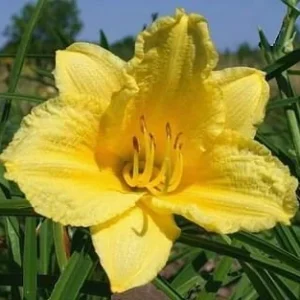
Happy Returns Daylily Bare Root Plant – Lemon Yellow Reblooming Perennial, 1-2 Fans, Outdoor
Sold 62 products
From $79.80


Reviews
There are no reviews yet.