
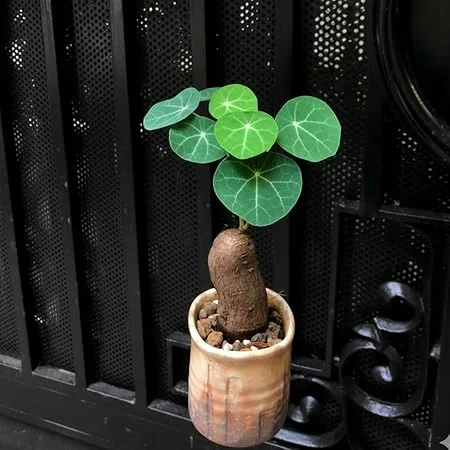
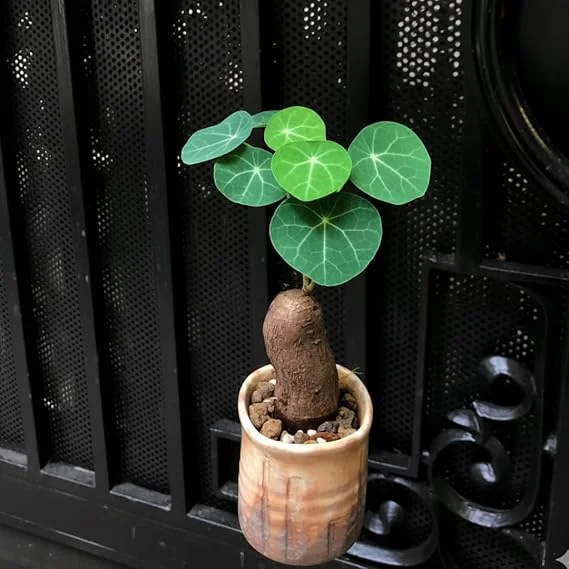
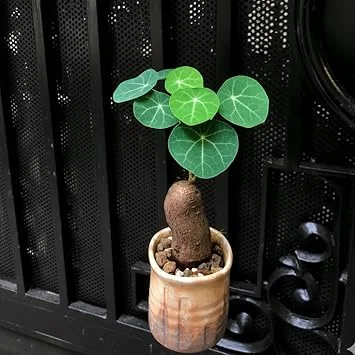
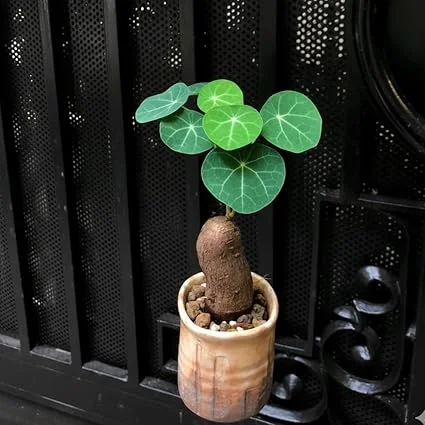
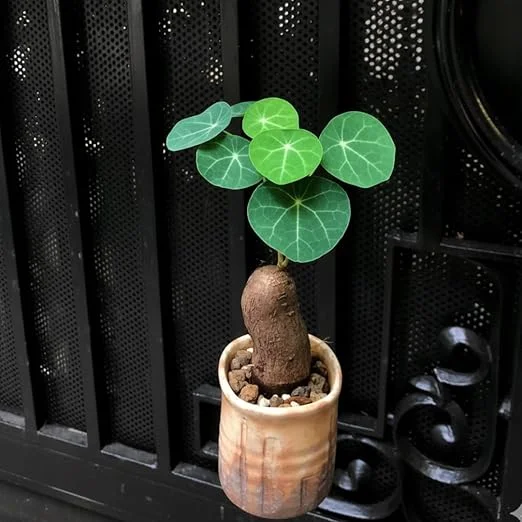
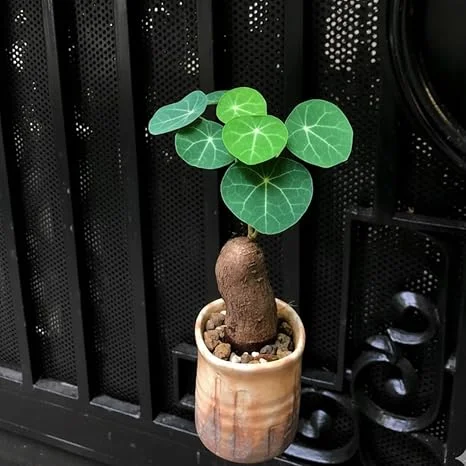
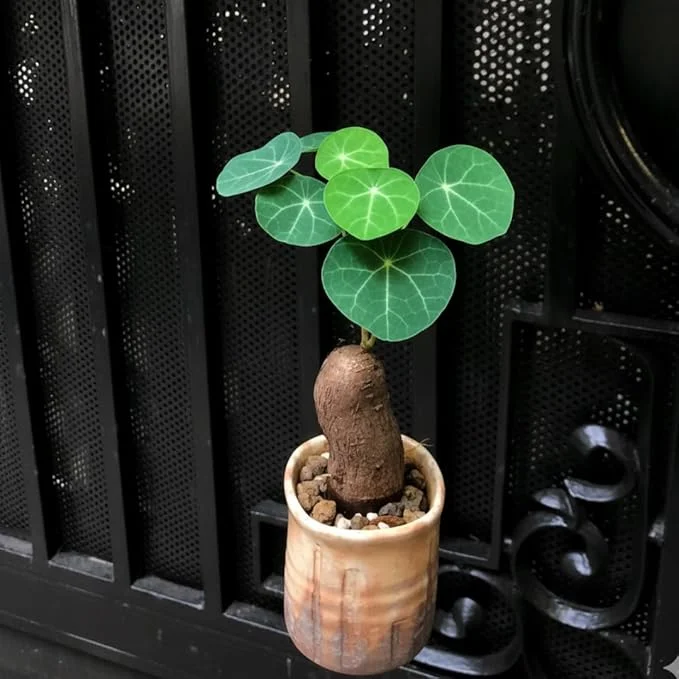
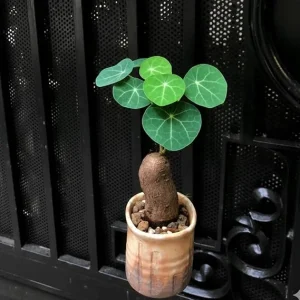
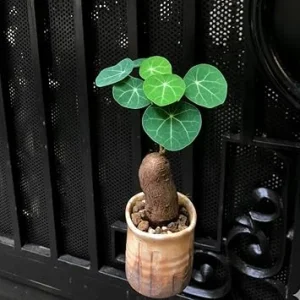
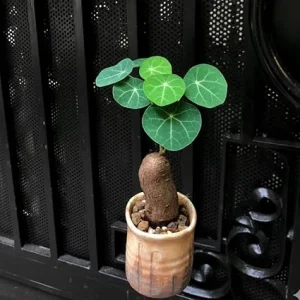
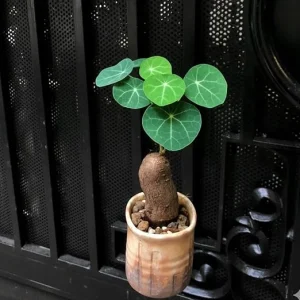
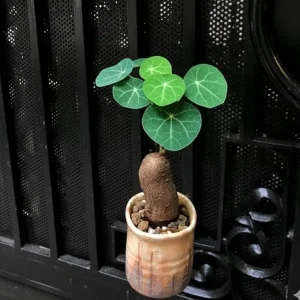
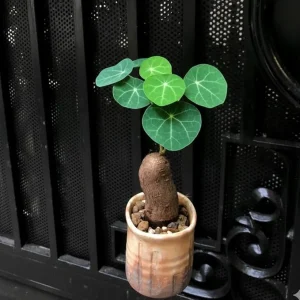
Stephania Cephalantha Live Plant – Caudex Succulent, 2-2.5 Inch
Original price was: $39.98.$19.99Current price is: $19.99.
Add a unique touch to your indoor space with the fascinating Stephania Cephalantha live plant. This captivating Stephania caudex succulent features a distinctive, round caudex and delicate foliage, making it an ideal choice for tabletops and shelves. Easy to care for and perfect for beginners.
-
USDA Hardiness Zone
USDA Zones 10–12 (otherwise indoors) -
Soil Type
Well-draining succulent or cactus mix -
Sunlight Exposure
Bright, indirect light -
Expected Planting Period
Year-round indoors

You can track your order HERE
Apr 04
Apr 09 - Apr 11
Apr 14 - Apr 18
Shipping and return policies: Our Alive & Thrive Guarantee covers issues with your plants within the first 30 days. Reach out to us. Our team will answer your questions and help you find the plants that are truly suitable for your environment, climate, and personal preferences.

Overview
Introduce a touch of exotic charm to your home with the exquisite Stephania Cephalantha live plant. This captivating specimen is a member of the Menispermaceae family, renowned for its distinctive, bulbous caudex from which delicate, heart-shaped leaves emerge. Often referred to simply as a Stephania caudex succulent, it’s a slow-growing, ornamental plant that thrives indoors, adding unique visual interest to any collection. Perfect for plant enthusiasts and beginners alike, its unusual form and relatively easy care make it a highly sought-after houseplant. Each plant typically comes with a caudex of 2-2.5 inches, ready to establish in its new environment. Its compact nature ensures it fits beautifully in various display settings, from desks to windowsills.
The Stephania Cephalantha is celebrated for its aesthetic appeal, offering a conversation starter with its intriguing structure. Unlike many common houseplants, its primary feature is the exposed caudex, which stores water and nutrients, giving it a sculptural quality. As new foliage unfurls, it creates a lovely contrast against the woody base. This particular succulent is an excellent choice for those looking to expand their collection with something truly special and is well-suited for the US climate to be grown as an indoor plant.
Key Benefits
The Stephania Cephalantha live plant offers a range of benefits that make it an exceptional addition to any home or office:
- Unique Ornamental Appeal: Its distinctive caudex and delicate foliage provide a sculptural and exotic look, setting it apart from typical houseplants. It’s truly a living piece of art that enhances any decor.
- Low Maintenance Care: As a succulent, the Stephania Cephalantha is remarkably resilient and requires minimal watering and attention, making it perfect for busy individuals or those new to plant care.
- Compact Size for Versatility: With a caudex typically ranging from 2-2.5 inches, this plant is ideal for small spaces like tabletops, shelves, windowsills, or office desks, adding greenery without taking up much room.
- Drought Tolerant: Its caudex stores water efficiently, allowing it to withstand periods of drought, reducing the frequency of watering and making it forgiving for occasional neglect.
- Slow Growing Nature: The plant’s slow growth habit means it will maintain its charming, compact size for an extended period, requiring less frequent repotting and allowing you to enjoy its beauty without constant upkeep.
- Excellent for Collectors: For succulent and rare plant enthusiasts, the Stephania caudex succulent is a prized specimen, offering a unique form and a rewarding growing experience as its caudex develops.
- Indoor Air Quality: Like many houseplants, it contributes to a healthier indoor environment by converting carbon dioxide into oxygen, subtly improving the air quality around it.
Plant Care & Growing Tips
Caring for your Stephania Cephalantha live plant is straightforward, making it an enjoyable experience for both novice and experienced plant owners. These plants thrive with consistent, but not excessive, attention to their specific needs. Understanding the proper care will ensure your plant flourishes and develops its beautiful caudex and foliage. One of the most important aspects of Stephania Cephalantha care is replicating its natural environment as closely as possible indoors.
Sunlight Requirements: The Stephania Cephalantha prefers bright, indirect light. A spot near an east or west-facing window is often ideal, where it can receive several hours of bright light without direct, harsh afternoon sun which can scorch its delicate leaves. If the leaves appear stretched or sparse, it may need more light; if they look burnt or faded, it might be receiving too much direct sun. Artificial grow lights can also be used to supplement natural light, especially during darker winter months.
Watering Schedule and Soil Moisture: This Stephania caudex succulent is highly drought-tolerant due to its water-storing caudex. The most common mistake in Stephania care is overwatering. Allow the soil to dry out completely between waterings. When watering, do so thoroughly until water drains from the bottom of the pot, then wait until the soil is bone dry again before the next watering. In winter, when the plant may go dormant and lose its leaves, reduce watering significantly, perhaps once a month or even less. Always check the soil moisture with your finger before watering.
Soil Type and Drainage: A well-draining soil mix is crucial to prevent root rot, which is fatal for caudex plants. A good succulent or cactus mix, often consisting of pumice, perlite, and a small amount of potting soil, is ideal. Ensure the pot has drainage holes. Excellent drainage is paramount for healthy growth.
Temperature Range and USDA Hardiness Zone: The Stephania Cephalantha thrives in warm temperatures, ideally between 65-85°F (18-29°C). It is sensitive to cold and should be protected from temperatures below 50°F (10°C). It is suitable for outdoor cultivation only in USDA Zones 10–12, but is best grown as an indoor plant in most of the US. Avoid sudden temperature fluctuations and cold drafts.
Fertilization: Fertilize sparingly during the active growing season (spring and summer) with a diluted liquid succulent fertilizer, typically once every 4-6 weeks. Avoid fertilizing during dormancy. Over-fertilization can lead to nutrient burn and harm the plant.
Common Problems and Solutions: The main issues are usually related to watering. Yellowing leaves can indicate overwatering or underwatering. Soft, mushy caudex is a sign of root rot from overwatering – in such cases, repotting into fresh, dry soil and inspecting roots may be necessary. Pests are uncommon but can include mealybugs; treat with insecticidal soap if spotted. Providing adequate airflow also helps prevent fungal issues.
Size & Details
This offering includes one Stephania Cephalantha live plant, featuring a healthy, established caudex that typically measures between 2 to 2.5 inches in diameter. The plant is shipped in a nursery pot, ready for you to transplant into your preferred decorative container. As a slow-growing succulent, its compact form makes it perfect for various indoor settings, including shelves, desks, and windowsills, maintaining a manageable size for years. While the initial foliage may be small upon arrival, new leaves will emerge as the plant acclimates to its new environment. Expect a moderate growth rate, with the caudex gradually increasing in size and the vines extending, adding to its unique appeal. This plant is a fantastic choice for those interested in collecting rare succulents for sale and enjoy the journey of watching a plant develop its distinctive characteristics over time.
Frequently Asked Questions
- Q: How big does this Stephania Cephalantha plant get? A: The caudex of this Stephania Cephalantha live plant typically measures 2-2.5 inches in diameter upon arrival. While the caudex grows slowly, it can eventually reach several inches in diameter over many years, with vining foliage that can extend up to a few feet if allowed to climb.
- Q: Is this an indoor or outdoor plant? A: While the Stephania Cephalantha can tolerate outdoor conditions in USDA Zones 10-12, it is predominantly grown as an indoor houseplant in most climates across the US due to its sensitivity to cold. It thrives in controlled indoor environments.
- Q: How much sunlight does it need? A: This Stephania caudex succulent prefers bright, indirect light. Avoid direct afternoon sun, which can scorch its leaves. An east or west-facing window is often ideal, or a spot slightly away from a very bright south-facing window.
- Q: Is this plant easy to care for? A: Yes, the Stephania Cephalantha is considered relatively easy to care for, especially for those familiar with succulent care. Its main requirement is well-draining soil and careful watering to avoid overwatering, which is critical for successful Stephania Cephalantha care.
- Q: What condition will it arrive in? A: Your Stephania Cephalantha live plant will arrive well-packaged in a nursery pot, designed to minimize stress during transit. It may experience some minor shock from shipping, but with proper care, it will quickly acclimate and begin to flourish.
- Q: How often should I water my Stephania Cephalantha? A: Water only when the soil has completely dried out. The frequency will depend on your environment, but it could range from once a week in summer to once every few weeks or even months during its winter dormancy. Always check the soil moisture before watering.
- Q: Can I grow this plant from a bare caudex? A: While it is possible to grow Stephania from a bare caudex, this offering provides a live plant that is already established with some roots and potentially emerging foliage, making it easier for successful growth.
- Q: Are there different varieties of Stephania Cephalantha? A: While there are various Stephania species, ‘Cephalantha’ refers to a specific type. There can be slight variations in leaf shape or caudex texture, but the general care for indoor caudex plants of this species remains consistent.
- Q: What kind of soil is best for this succulent? A: A well-draining succulent or cactus potting mix is essential. This typically includes ingredients like perlite, pumice, or coarse sand to ensure excellent drainage and aeration, preventing root rot.
- Q: Where can I find more rare succulents for sale like this? A: Many specialized online nurseries and plant shops offer a variety of rare and unique succulents. Look for reputable sellers who provide detailed care instructions and healthy plants.
Be the first to review “Stephania Cephalantha Live Plant – Caudex Succulent, 2-2.5 Inch”
People Also Viewed
Sold 51 products
Original price was: $49.98.$39.98Current price is: $39.98.
Sold 87 products
Original price was: $190.00.$142.50Current price is: $142.50.
Sold 73 products
Original price was: $69.98.$34.99Current price is: $34.99.
Flower Plants
Sold 94 products
Original price was: $47.58.$23.79Current price is: $23.79.
Sold 56 products
Original price was: $18.76.$9.38Current price is: $9.38.
Sold 67 products
Original price was: $39.98.$19.99Current price is: $19.99.
Sold 67 products
Original price was: $89.98.$44.99Current price is: $44.99.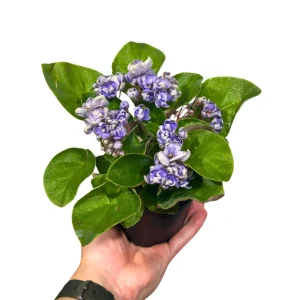
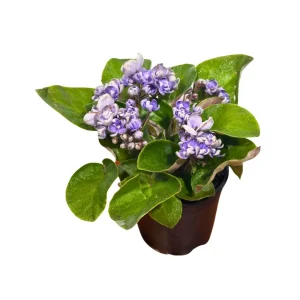
HousePlants
African Violet Live Plant – Light Purple – Blooming Indoor Flowering Plant in 4 Inch Pot
Sold 99 products
Original price was: $103.92.$51.96Current price is: $51.96.
Sold 93 products
Original price was: $80.00.$64.00Current price is: $64.00.
Sold 62 products
From $79.80

Sold 99 products
Original price was: $25.56.$12.78Current price is: $12.78.

Sold 92 products
Original price was: $152.00.$76.00Current price is: $76.00.
Sold 73 products
Original price was: $28.00.$22.40Current price is: $22.40.
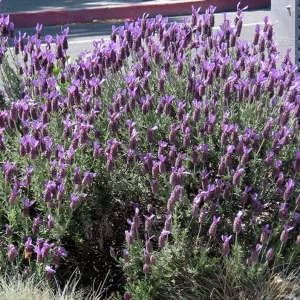
Flowers
Set of 2 Spanish Eyes Lavender Live Plants – 4-6″ Tall – Fragrant Perennial Flowers – Indoor/Outdoor
Sold 63 products
Original price was: $36.38.$18.19Current price is: $18.19.
Sold 100 products
Original price was: $28.76.$14.38Current price is: $14.38.
Sold 56 products
Original price was: $38.76.$19.38Current price is: $19.38.
Sold 100 products
Original price was: $47.58.$23.79Current price is: $23.79.
Sold 58 products
Original price was: $74.18.$37.09Current price is: $37.09.


Reviews
There are no reviews yet.