
Stapelia grandiflora Succulent Plant – Starfish Flower Live Plant
Original price was: $38.92.$19.46Current price is: $19.46.
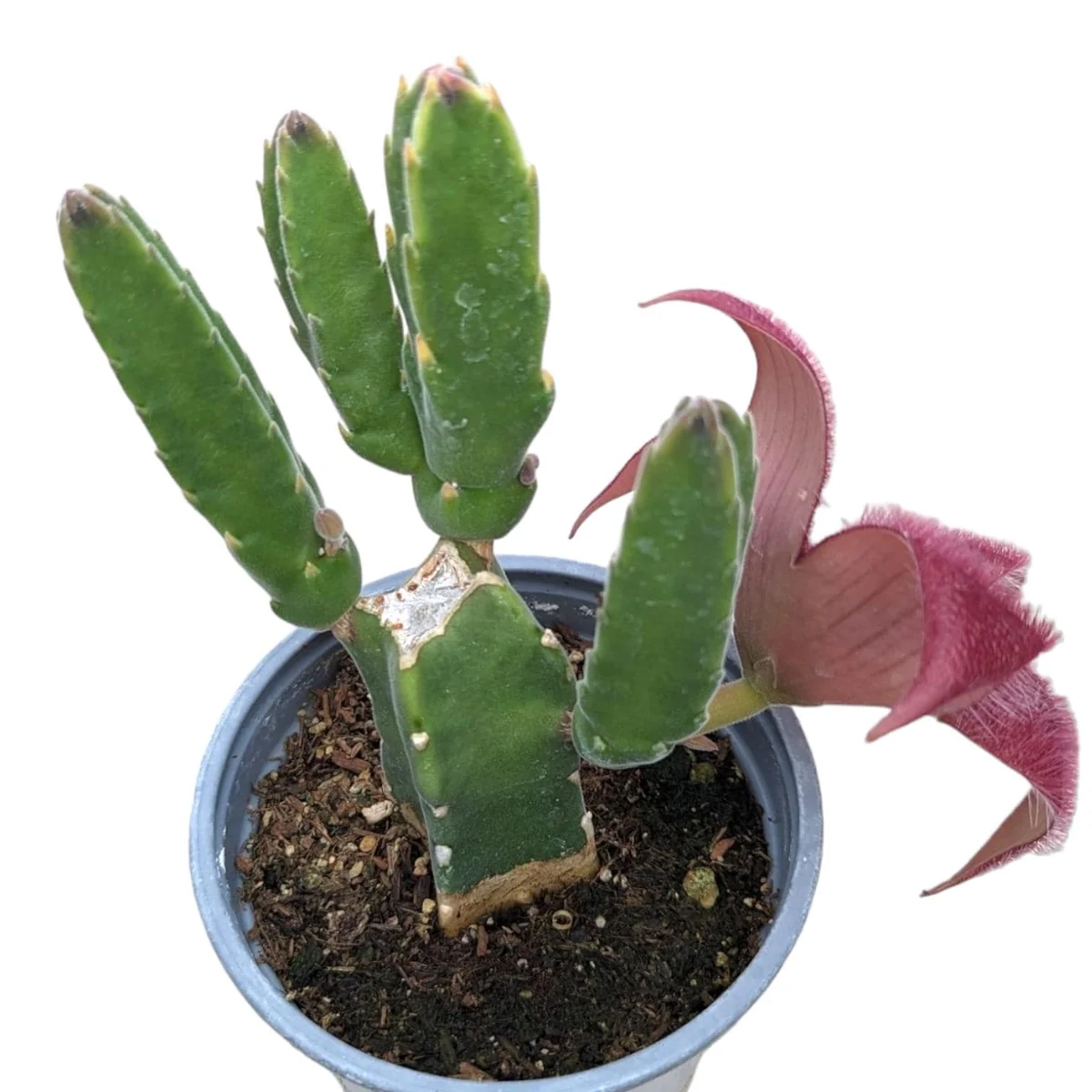
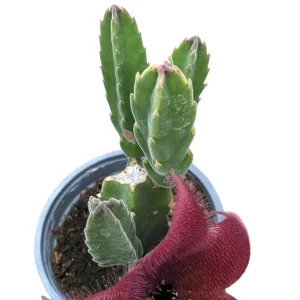
Bring home a captivating Stapelia grandiflora succulent plant, famously known as the Starfish Flower. This unique succulent boasts striking, star-shaped blooms and is incredibly easy to care for, making it ideal for both beginners and experienced plant enthusiasts. Enjoy its drought-tolerant nature and distinctive appearance as a wonderful addition to your indoor or outdoor succulent collection.
-
USDA Hardiness Zone
USDA zones 9–11 -
Soil Type
Well-draining cactus or succulent potting mix -
Sunlight Exposure
Full sun to bright direct light -
Expected Planting Period
Year-round indoors; spring to fall outdoors (in suitable zones)

You can track your order HERE
Feb 27
Mar 04 - Mar 06
Mar 09 - Mar 13
Shipping and return policies: Our Alive & Thrive Guarantee covers issues with your plants within the first 30 days. Reach out to us. Our team will answer your questions and help you find the plants that are truly suitable for your environment, climate, and personal preferences.

Overview
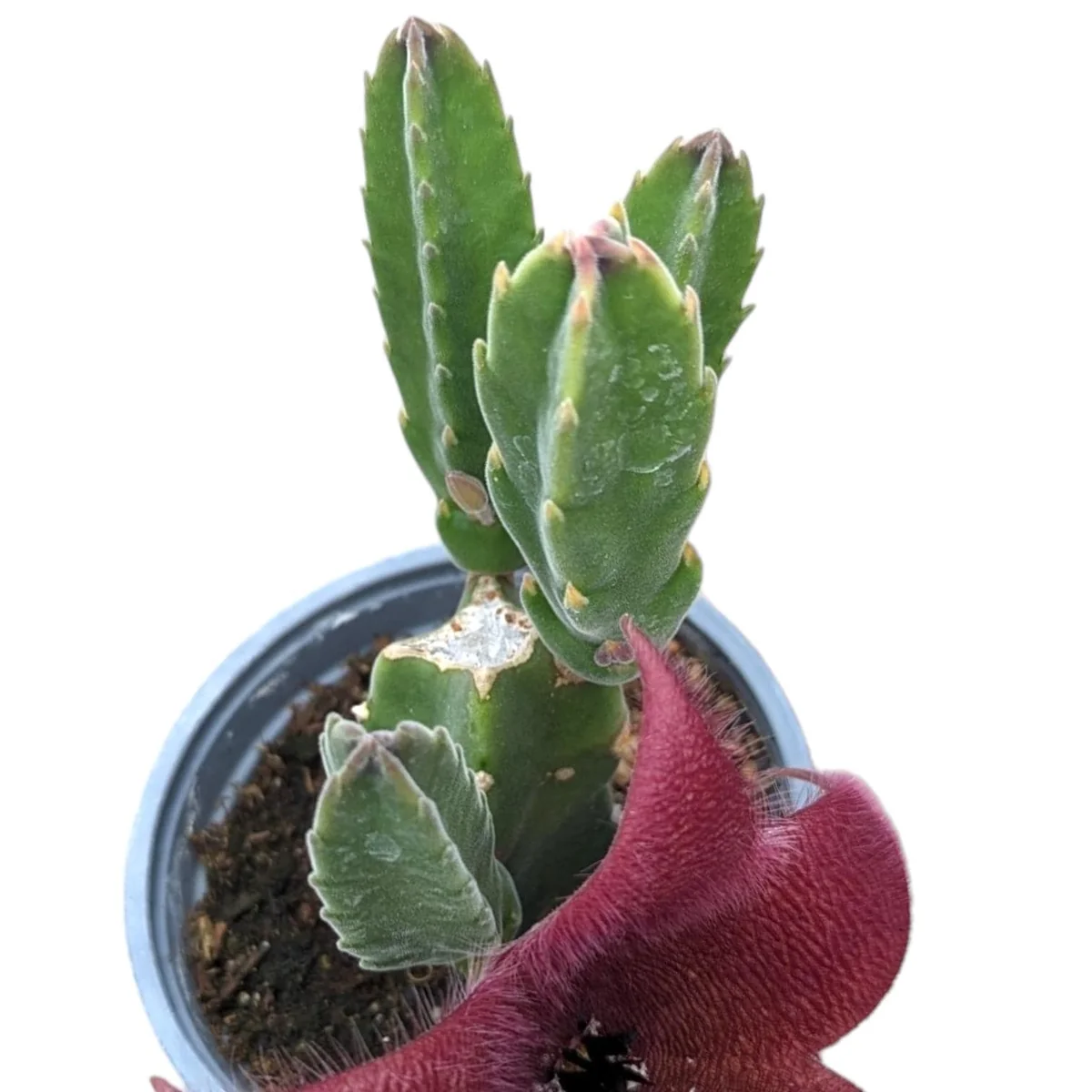
Introduce a touch of exotic beauty to your collection with the remarkable Stapelia grandiflora succulent plant. Often referred to as the Starfish Flower or Giant Toad Plant, this unique succulent is celebrated for its large, star-shaped flowers that feature intricate patterns and a captivating texture. While its blooms might have an unusual scent, they are truly a sight to behold, attracting pollinators and sparking conversation. This particular Stapelia grandiflora succulent plant is a live specimen, ready to bring its distinctive charm to your home or garden. As a member of the succulent family, it is naturally hardy and drought-tolerant, requiring minimal fuss once established. Its fascinating appearance and ease of care make it a popular choice for succulent enthusiasts and those looking for an unusual yet beautiful plant.
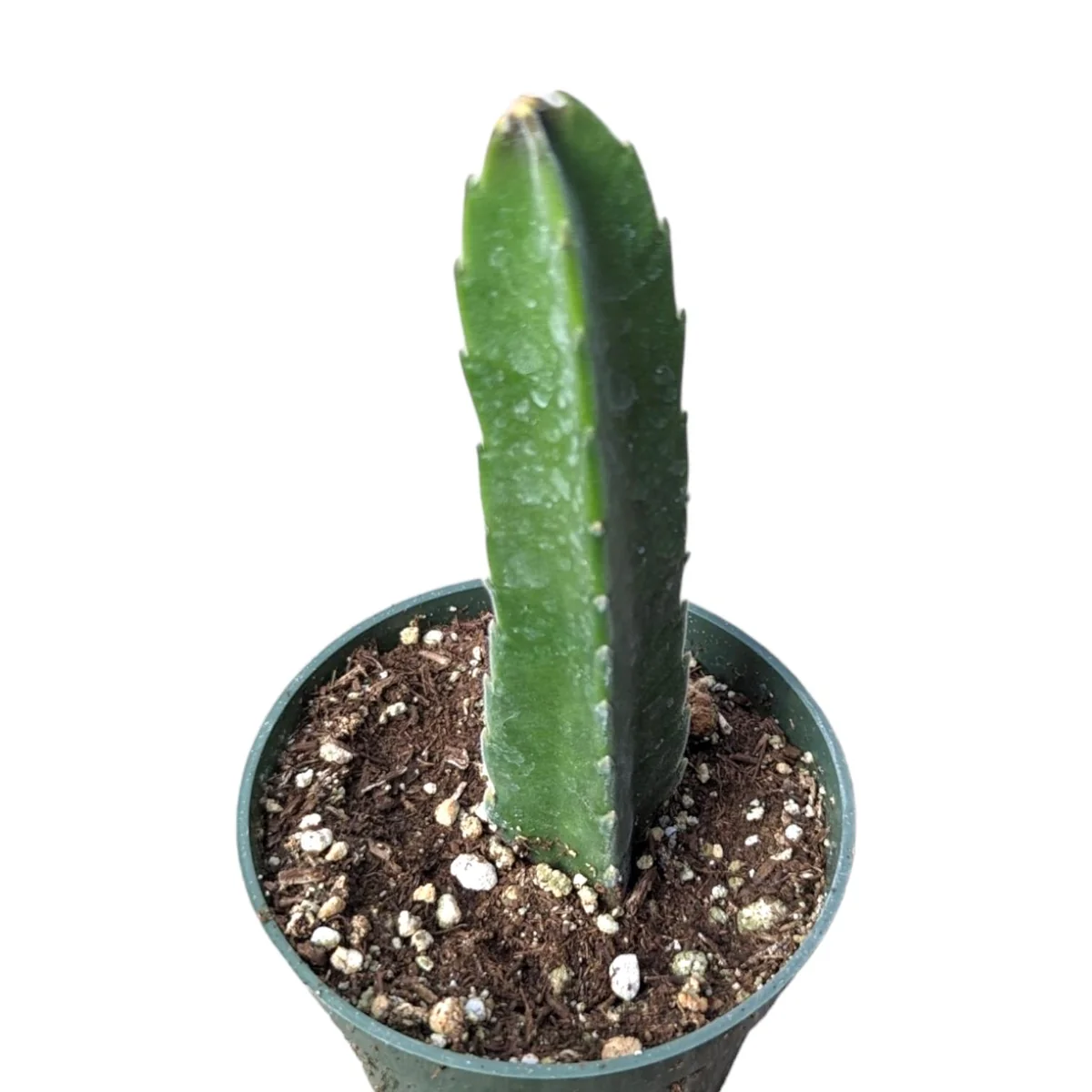
The Stapelia grandiflora succulent plant thrives in bright, sunny conditions, mimicking its natural habitat. Its fleshy, four-angled stems provide an interesting architectural element even when not in bloom. This plant is a fantastic conversation starter and an excellent addition to xeriscapes, rock gardens, or as a potted specimen on a sunny windowsill. Embrace the unique beauty of the starfish flower plant and enjoy its robust nature.
Key Benefits
The Stapelia grandiflora succulent plant offers a multitude of benefits, making it an excellent choice for a variety of growers. Its unique characteristics contribute to its popularity and ease of care:
- Striking Blooms: The most prominent feature is its large, star-shaped flowers, often several inches across, with intricate patterns and textures. These unique blooms are a true spectacle and unlike most common succulents.
- Drought Tolerance: As a succulent, the Stapelia grandiflora succulent plant is highly drought-tolerant, requiring infrequent watering. This makes it a perfect plant for busy individuals or those in arid climates.
- Low Maintenance: This plant is incredibly easy to care for, thriving on neglect rather than constant attention. It doesn’t demand frequent fertilization or complex pruning, ideal for beginners.
- Unique Appearance: Beyond its flowers, the plant’s fleshy, angular stems provide an interesting architectural form, adding visual interest to any plant collection.
- Versatile Placement: Suitable for both indoor and outdoor environments (in appropriate climates), it can be a stunning potted specimen, part of a succulent garden, or a hanging basket plant.
- Air Purification: Like many plants, it contributes to improved indoor air quality by absorbing toxins and releasing oxygen.
- Pollinator Attraction: While its scent might be unusual to humans, the flowers of the starfish flower plant attract various pollinators, contributing to local biodiversity if grown outdoors.
Plant Care & Growing Tips
Caring for your Stapelia grandiflora succulent plant is straightforward, thanks to its hardy and adaptable nature. Providing the right conditions will ensure a thriving plant with beautiful blooms.
Sunlight Requirements
The Stapelia grandiflora succulent plant thrives in bright, direct sunlight. It requires at least 6 hours of direct sun per day to produce its best blooms and maintain compact growth. Indoors, a south-facing window is ideal. If grown outdoors, ensure it receives full sun, though in extremely hot climates, some afternoon shade can prevent scorching.
Watering Schedule & Soil Moisture
Like all succulents, the giant toad plant prefers a ‘soak and dry’ watering method. Water thoroughly until water drains from the bottom of the pot, then allow the soil to dry out completely before watering again. Overwatering is the most common cause of problems, leading to root rot. During winter dormancy, reduce watering significantly, perhaps once a month or less, depending on humidity.
Soil Type & Drainage
Excellent drainage is paramount for the health of your Stapelia grandiflora succulent plant. Use a well-draining cactus or succulent potting mix. You can amend regular potting soil with perlite, pumice, or coarse sand to improve drainage. A pot with drainage holes is absolutely essential to prevent waterlogging.
Temperature Range & USDA Hardiness Zone
This succulent prefers warm temperatures between 60°F and 85°F (15°C-29°C). It is not frost-tolerant and should be protected from temperatures below 40°F (4°C). If you live in an area with cold winters, it’s best to grow your Stapelia grandiflora succulent plant in a container that can be moved indoors. It is generally suited for USDA zones 9–11 for outdoor cultivation, or grown as a houseplant elsewhere.
Fertilization Schedule
Fertilize sparingly, if at all. A balanced, diluted liquid fertilizer (half strength) can be applied once or twice during the active growing season (spring and summer). Avoid fertilizing during fall and winter dormancy. Over-fertilization can harm the plant.
Common Problems
Watch out for mealybugs or scale insects, which can occasionally infest succulents. Treat with insecticidal soap or neem oil. The most common issue is root rot due to overwatering, so ensure proper drainage and allow soil to dry between waterings. If you notice signs of rot, repot into fresh, dry soil after removing affected parts.
Size & Details
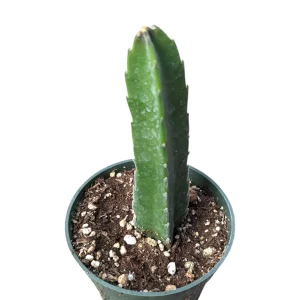
This offering is for a live Stapelia grandiflora succulent plant, carefully selected for its health and vigor. The plant typically ships bare root or in a small nursery pot, depending on seasonal factors and specific plant requirements to ensure safe transit. You will receive a plant very similar to the one pictured, though natural variations in shape and color are common for live specimens. The plant’s mature size can vary, but typically it forms clumps of stems that can reach 6-12 inches in height, with individual stems spreading outward. The impressive starfish flower plant blooms can be quite large, often 4-6 inches across. With proper care, this succulent will establish quickly and begin to produce its striking flowers, usually in late summer to fall. It is a moderately fast grower once settled into its new environment, adding a unique texture and form to your plant collection.
Frequently Asked Questions
- Q: How big does this Stapelia grandiflora succulent plant get? A: The stems of the Stapelia grandiflora succulent plant can grow to be 6-12 inches tall, forming a spreading clump. Its impressive flowers can reach 4-6 inches in diameter when fully open.
- Q: Is this an indoor or outdoor plant? A: The Stapelia grandiflora succulent plant can be grown both indoors and outdoors. Outdoors, it thrives in USDA zones 9-11. In colder climates, it should be brought indoors during winter to protect it from frost.
- Q: How much sunlight does it need? A: This succulent requires at least 6 hours of bright, direct sunlight per day to flourish and produce its unique blooms. A south-facing window is ideal indoors.
- Q: Is this plant easy to care for? A: Yes, the Stapelia grandiflora succulent plant is considered very easy to care for and is an excellent choice for beginners. Its drought-tolerant nature means it requires minimal watering and attention.
- Q: What condition will it arrive in? A: The plant will arrive in a healthy, carefully packaged condition, either bare root or in a small nursery pot, ready for planting. Variations in shape and color are normal for live plants.
- Q: When is the best time for the starfish flower plant to bloom? A: The starfish flower plant typically produces its striking blooms in late summer to fall, given adequate sunlight and proper care.
- Q: What kind of soil is best for the giant toad plant? A: The giant toad plant requires a very well-draining soil mix, such as a specialized cactus or succulent blend. Adding perlite or pumice to regular potting soil can also improve drainage.
- Q: What is the minimum temperature this plant can tolerate? A: The Stapelia grandiflora succulent plant is not frost-hardy and should not be exposed to temperatures below 40°F (4°C) for extended periods to prevent damage or death.
- Q: Does the flower have a strong smell? A: Yes, the flowers of the Stapelia grandiflora succulent plant are known to emit a scent that mimics decaying flesh to attract pollinators like flies. While noticeable up close, it’s generally not overpowering in a well-ventilated area.
- Q: Is the orbea variegata care similar to this plant? A: Yes, the orbea variegata care requirements are very similar, as both are closely related stapeliads that thrive in bright light and well-draining soil with infrequent watering.
Be the first to review “Stapelia grandiflora Succulent Plant – Starfish Flower Live Plant”
People Also Viewed
Sold 66 products
From $17.98
Sold 71 products
Original price was: $31.96.$15.98Current price is: $15.98.
HousePlants
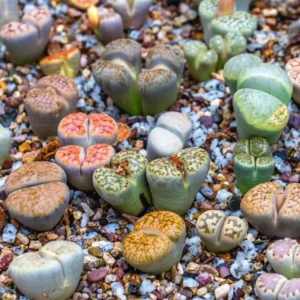
Lithops Live Plants Mix – 10 Large Colorful Living Stones Succulents for Indoor/Outdoor Growing
Sold 54 products
Original price was: $27.98.$13.99Current price is: $13.99.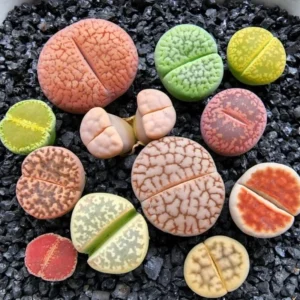
Sold 71 products
Original price was: $39.98.$19.99Current price is: $19.99.

Sold 73 products
Original price was: $15.92.$7.96Current price is: $7.96.
Sold 78 products
From $61.58
Sold 54 products
$43.98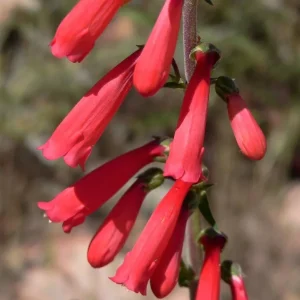
Flower Seeds
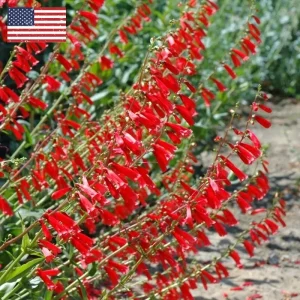
Eaton’s Red Penstemon Seeds – Hummingbird Beardtongue – 200 Non-GMO Perennial Seeds – Outdoor
Sold 100 products
Original price was: $15.92.$7.96Current price is: $7.96.
Sold 55 products
Original price was: $77.06.$38.53Current price is: $38.53.

Flower Seeds
Black Eyed Susan ‘Goldilocks’ Seeds – 100 Count Rudbeckia – Double Blooms – Annual Flower Seeds
Sold 67 products
Original price was: $15.92.$7.96Current price is: $7.96.

Sold 72 products
Original price was: $15.92.$7.96Current price is: $7.96.
Sold 98 products
From $43.80
Sold 84 products
$35.18
Sold 74 products
Original price was: $14.88.$7.44Current price is: $7.44.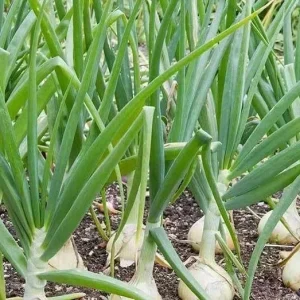

Vegetable Seeds
500 Vidalia Sweet Onion Seeds – Non-GMO Heirloom Vegetable Seeds
Sold 81 products
Original price was: $15.92.$7.96Current price is: $7.96.
Sold 69 products
$87.98
Sold 83 products
Original price was: $319.96.$159.98Current price is: $159.98.
Sold 68 products
Original price was: $43.85.$15.54Current price is: $15.54.


Reviews
There are no reviews yet.