
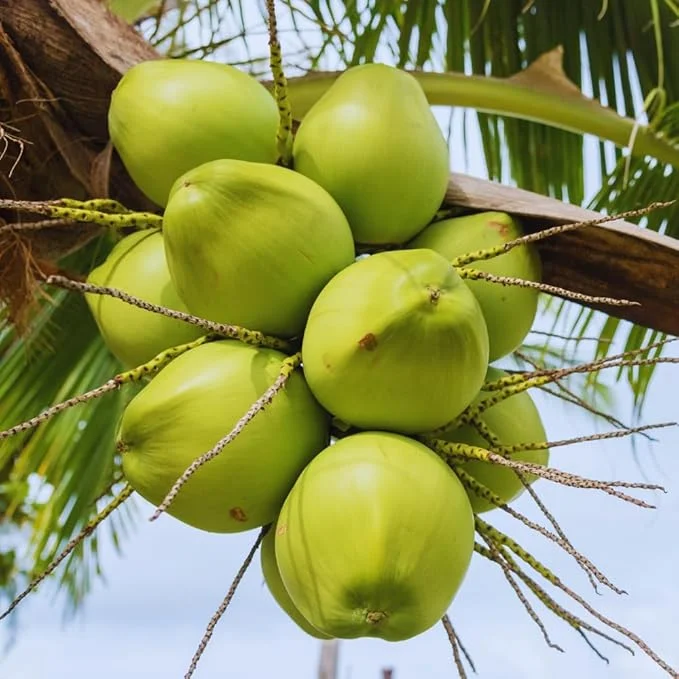
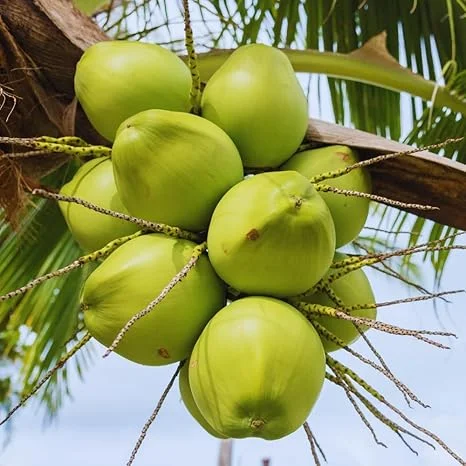
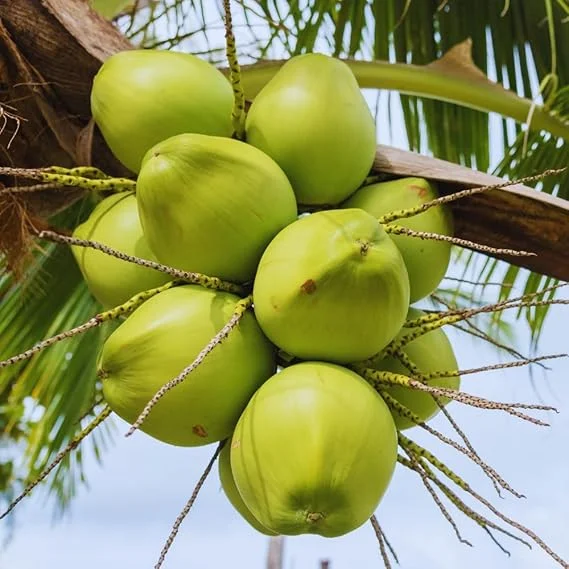
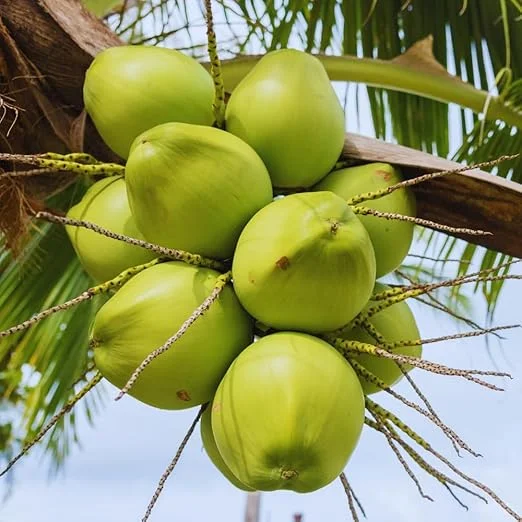
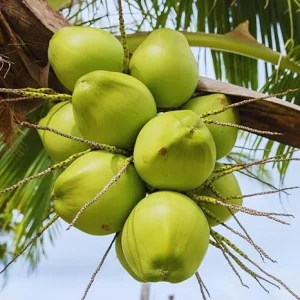
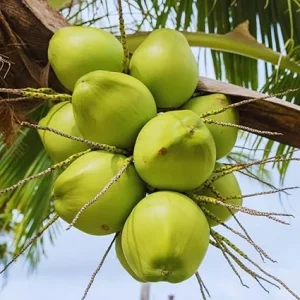
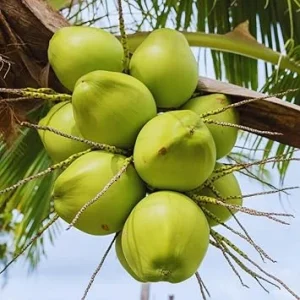
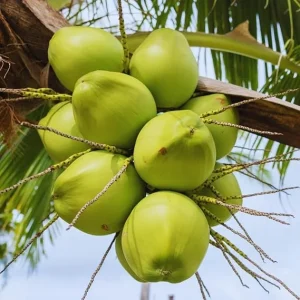
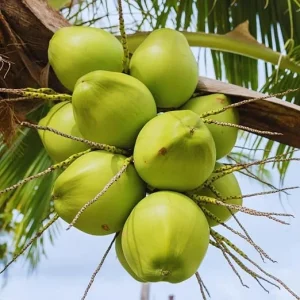
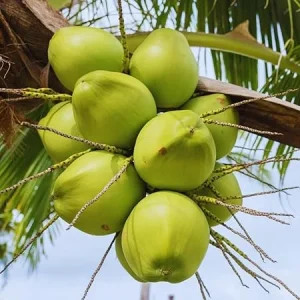
Sprouted Green Coconut Live Plant Tree – 6-8 Inches Tall – Outdoor – Low Maintenance
$109.98
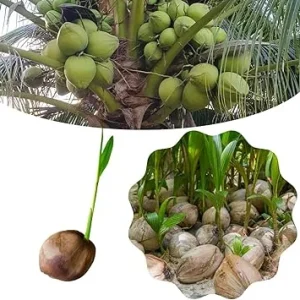
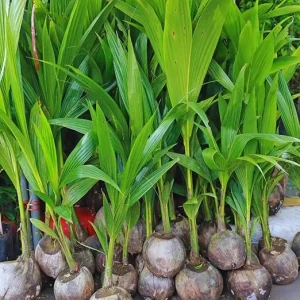
Bring a touch of the tropics to your garden with this sprouted green coconut plant. Standing 6 to 8 inches tall, this coconut tree live plant is ideal for outdoor cultivation in warm climates. Enjoy a low-maintenance addition that can grow into a magnificent tree.
-
USDA Hardiness Zone
10-11 -
Soil Type
Well-drained sandy or loamy soil -
Sunlight Exposure
Full Sun -
Expected Planting Period
Start of warm rainy season

You can track your order HERE
Feb 13
Feb 18 - Feb 20
Feb 23 - Feb 27
Shipping and return policies: Our Alive & Thrive Guarantee covers issues with your plants within the first 30 days. Reach out to us. Our team will answer your questions and help you find the plants that are truly suitable for your environment, climate, and personal preferences.

Overview
Transform your outdoor space into a tropical oasis with our vibrant sprouted green coconut plant. This young coconut tree live plant, typically 6 to 8 inches long, arrives ready for planting and promises to bring an exotic touch to your landscape. Originating from tropical regions, the coconut palm (Cocos nucifera) is renowned for its iconic silhouette and versatile fruit. Our carefully selected sprouted coconuts offer an exciting opportunity to cultivate your own coconut tree, adding lush greenery and the promise of tropical harvests to your garden. This particular variety is known for its resilient nature and vigorous growth, making it a rewarding choice for both seasoned gardeners and enthusiastic beginners.
Cultivating a green coconut tree from a sprouted seed is an incredibly satisfying experience. These young plants are at the perfect stage to establish robust root systems once planted in suitable conditions. They thrive in warm, sunny environments, making them an excellent choice for gardens in USDA Hardiness Zones 10-11. With proper care, your sprouted coconut will steadily grow, eventually maturing into a statuesque palm that provides not only aesthetic beauty but also the potential for fresh coconuts. This low-maintenance tropical plant is a testament to nature’s beauty and resilience, offering a unique focal point for any outdoor setting.
Key Benefits
Investing in a sprouted green coconut plant offers a multitude of benefits, enhancing both the beauty and potential productivity of your garden. This remarkable tropical specimen is more than just a decorative plant; it’s a long-term addition that provides environmental and aesthetic advantages while being relatively easy to care for.
- Tropical Aesthetic Appeal: Instantly create a resort-like atmosphere in your garden with the iconic fronds and upright growth of a young coconut tree live plant. Its lush green foliage adds a vibrant, exotic feel to any landscape, making your outdoor space feel like a vacation destination.
- Potential for Fresh Coconuts: With proper care and sufficient maturity, your tropical coconut plant has the potential to produce delicious, fresh coconuts. Imagine harvesting your own coconuts for culinary uses or refreshing drinks right from your backyard.
- Low Maintenance: Once established, these coconut trees are surprisingly low maintenance. They are adapted to thrive in their ideal climate with minimal intervention, requiring less hands-on care compared to many other fruit-bearing trees. This makes coconut plant care straightforward.
- Robust Growth: Our sprouted coconuts are selected for their strong, healthy start, ensuring vigorous growth. They are designed to establish well in the right conditions, promising a steadily growing, beautiful palm.
- Environmental Contribution: Like all trees, coconut palms contribute positively to the environment by producing oxygen and providing shade. A mature green coconut tree can significantly cool its surroundings and support local biodiversity.
- Long-Lived Specimen: Coconut trees are long-lived, offering decades of beauty and potential bounty. Planting one is an investment in your garden’s future, providing a lasting legacy of tropical charm.
- Drought Tolerance: While young plants need consistent moisture, mature coconut trees are known for their resilience and ability to withstand periods of drought, making them suitable for water-wise gardening in appropriate climates.
Plant Care & Growing Tips
Proper coconut plant care is crucial for establishing a healthy and thriving sprouted green coconut plant. These tropical beauties require specific conditions to flourish, primarily focusing on warmth, sunlight, and well-draining soil. For best results, plant your coconut in a location that receives full sun, meaning at least 6-8 hours of direct sunlight daily. In tropical climates, the beginning of the warm rainy season is often the ideal time for planting, allowing the young tree to establish its root system with ample moisture. Ensure the planting site is spacious enough to accommodate the mature size of the tree, which can reach 50-100 feet tall.
When it comes to soil, the green coconut tree prefers well-drained, sandy or loamy soil. Avoid heavy clay soils that retain too much moisture, as this can lead to root rot. If your soil is dense, amend it with sand or organic matter to improve drainage. Moderate watering is essential for young plants; the soil should be kept consistently moist but not waterlogged. As the plant matures, its watering needs may decrease, though it will still benefit from regular irrigation during dry periods. Coconut palms thrive in warm temperatures and are best suited for USDA Hardiness Zones 10-11, where temperatures rarely drop below freezing. Protect young plants from cold snaps if grown in marginal zones.
Fertilization should begin once the young tropical coconut plant has established itself and started to produce new fronds. Use a balanced fertilizer specifically formulated for palms, following the product’s instructions for application rates and frequency. Common problems include nutrient deficiencies, which can be addressed with appropriate fertilizers, and occasional pests like scale insects or mealybugs, which can be managed with horticultural oil or insecticidal soap. Providing adequate space, consistent moisture, and plenty of sunlight will ensure your coconut tree live plant grows into a magnificent and productive specimen.
Size & Details
This offering is for one sprouted green coconut plant, measuring approximately 6 to 8 inches in length. This measurement typically refers to the length of the sprout emerging from the coconut husk. The plant is shipped as a single unit, ready for immediate planting upon arrival. While growth rates can vary based on environmental conditions and care, a young coconut tree live plant can exhibit steady development, gradually producing more fronds and increasing in height. When mature, these impressive trees can reach heights of 50 to 100 feet, forming a significant presence in the landscape. The plant is robust and intended for outdoor cultivation, thriving in the warm, humid conditions of USDA Hardiness Zones 10-11.
The coconut palm is known for its relatively fast growth in optimal conditions, with the first fruits potentially appearing within 5-8 years, though this can vary. This tropical coconut plant is a long-term investment, offering beauty and potential yields for many decades. It requires a sunny location and well-draining soil to achieve its full potential. The plant is carefully packaged to ensure it arrives in good condition, ready to be transplanted into its new home. Expect a fully developed root system within the sprouted coconut, providing a strong foundation for future growth into a majestic green coconut tree.
Frequently Asked Questions
- Q: How big does this plant get? A: This sprouted green coconut plant typically arrives 6 to 8 inches long. When mature and planted in ideal outdoor conditions, a coconut tree live plant can grow quite large, reaching heights of 50 to 100 feet. It’s important to plan for its eventual size when choosing a planting location.
- Q: Is this an indoor or outdoor plant? A: This sprouted green coconut plant is primarily intended for outdoor cultivation. It thrives in warm, tropical climates and is best suited for USDA Hardiness Zones 10-11. While it can be grown indoors temporarily as a houseplant, it will not reach its full potential or bear fruit without significant outdoor exposure in a suitable climate.
- Q: How much sunlight does it need? A: A tropical coconut plant requires full sun exposure to thrive, meaning at least 6-8 hours of direct sunlight per day. Adequate sunlight is crucial for healthy frond development and eventual fruit production. Southern exposure is ideal in most regions.
- Q: Is this plant easy to care for? A: Once established in its preferred climate, the coconut tree live plant is considered relatively low maintenance. The most critical aspects of coconut plant care involve providing full sun, well-draining soil, and consistent moisture when young. It is suitable for gardeners of most experience levels in appropriate zones.
- Q: What condition will it arrive in? A: Your sprouted green coconut plant will arrive carefully packaged, with the sprout emerging from the coconut husk. It will be ready for planting, ensuring a strong start for your new tropical addition. We take great care in preparing plants for shipment to ensure their health upon arrival.
- Q: How long until it blooms or produces fruit? A: While this sprouted green coconut plant is a young specimen, a healthy green coconut tree can begin to flower and produce fruit within 5-8 years under optimal growing conditions. This timeline can vary depending on environmental factors, care, and specific variety.
- Q: What’s the minimum temperature this plant can tolerate? A: The sprouted green coconut plant is a tropical species and is sensitive to cold. It thrives in warm temperatures and is hardy in USDA Zones 10-11, where temperatures rarely drop below freezing. Prolonged exposure to temperatures below 40°F (4°C) can cause damage or be fatal to the plant.
- Q: Can I grow this in a container? A: While you can start a tropical coconut plant in a large container, especially in cooler climates to move it indoors during winter, it will eventually outgrow most pots and perform best when planted directly in the ground in a suitable climate. Container growing will limit its ultimate size and fruit production.
- Q: What kind of soil is best for a coconut tree? A: The green coconut tree prefers well-drained soil, ideally sandy or loamy. Good drainage is essential to prevent root rot. If your native soil is heavy, amending it with sand or coarse organic matter will create a more suitable environment for the roots.
- Q: What is the best time to plant a sprouted coconut? A: In tropical climates (USDA Zones 10-11), the best time to plant a coconut tree live plant is generally at the start of the warm, rainy season. This allows the young plant to establish its roots with consistent moisture. If planting in a container, it can be done year-round, provided it’s kept in warm conditions.
Be the first to review “Sprouted Green Coconut Live Plant Tree – 6-8 Inches Tall – Outdoor – Low Maintenance”
People Also Viewed
Flowers
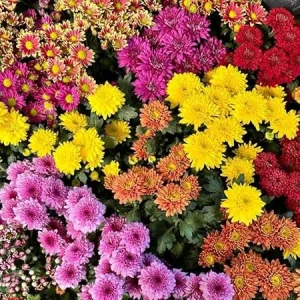
3 Assorted Mum Live Plants – Chrysanthemum, 4-6 Inch Tall, Vibrant Blooms, Perennial Outdoor
Sold 53 products
$85.78
Sold 87 products
$41.78
Sold 83 products
$103.38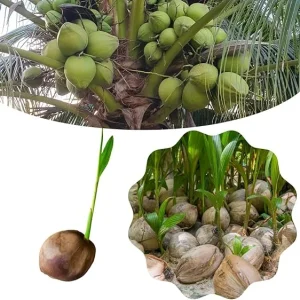
Sold 66 products
$65.98
Sold 96 products
Original price was: $31.96.$15.98Current price is: $15.98.
Flower Plants
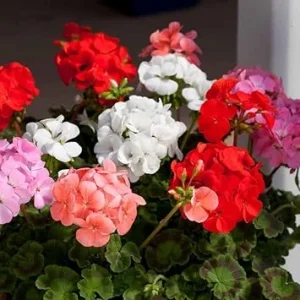
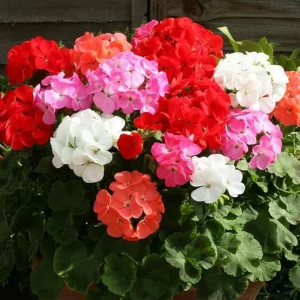
3 Mix Geranium Live Plants – Assorted Colorful Perennial Flowers for Outdoor Garden, 4-7 inch tall
Sold 80 products
$81.38
Sold 77 products
From $197.96
Sold 57 products
Original price was: $43.98.$35.18Current price is: $35.18.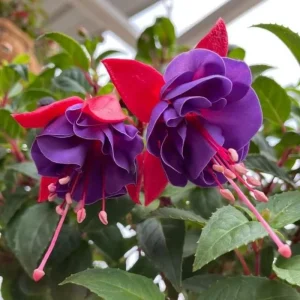
Flower Plants
Red Blue Fuchsia Live Plant – 3-5 inch Starter Plug – Hardy Perennial Flowers for Hanging Baskets
Sold 52 products
Original price was: $39.98.$19.99Current price is: $19.99.

Sold 78 products
Original price was: $63.96.$31.98Current price is: $31.98.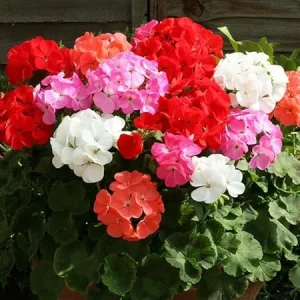
Sold 98 products
$81.38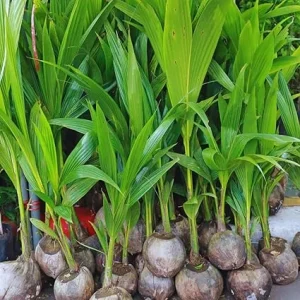
Sold 74 products
$109.98
Sold 86 products
Original price was: $30.76.$15.38Current price is: $15.38.
Sold 70 products
$63.78
Sold 81 products
$101.18
Sold 82 products
Original price was: $47.96.$23.98Current price is: $23.98.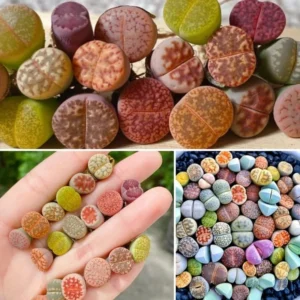
HousePlants
Lithops Live Plants Mix – 10 Large Colorful Living Stones Succulents for Indoor/Outdoor Growing
Sold 86 products
Original price was: $27.98.$13.99Current price is: $13.99.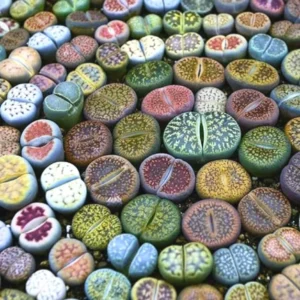
Sold 99 products
Original price was: $39.98.$19.99Current price is: $19.99.



Reviews
There are no reviews yet.