
Spicebush Bare Root Plant – Lindera Benzoin – 2 Pack Deciduous Shrub
From $71.80
Bring the beauty of native American landscapes to your garden with this spicebush bare root 2-pack. The lindera benzoin plant is a deciduous shrub known for its aromatic leaves, early yellow flowers, and bright red berries. Perfect for attracting wildlife and adding a spicy fragrance to your outdoor space.
-
USDA Hardiness Zone
USDA Zones 4-9 -
Soil Type
Rich, moist, well-draining soil -
Sunlight Exposure
Partial shade to full sun -
Expected Planting Period
Early spring

You can track your order HERE
Mar 03
Mar 08 - Mar 10
Mar 13 - Mar 17
Shipping and return policies: Our Alive & Thrive Guarantee covers issues with your plants within the first 30 days. Reach out to us. Our team will answer your questions and help you find the plants that are truly suitable for your environment, climate, and personal preferences.

Overview
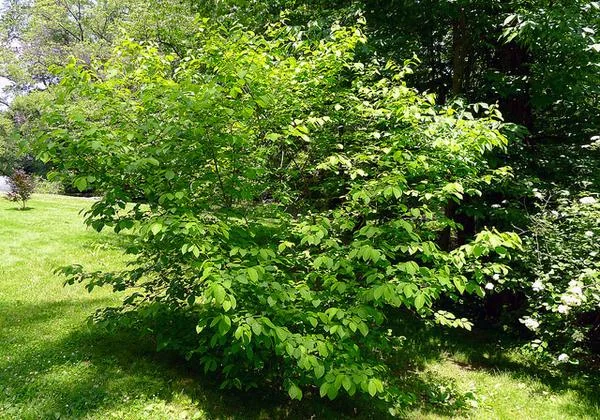
Transform your landscape with the versatile and beautiful spicebush bare root plant. Each order includes a 2-pack of these remarkable deciduous shrubs, scientifically known as Lindera benzoin. This native American plant is celebrated for its multi-seasonal appeal, offering fragrant leaves, delicate yellow flowers, and vibrant red berries. Ideal for naturalized areas, woodland gardens, or as an understory shrub, the lindera benzoin plant thrives in a variety of conditions, from rich forests to drier slopes and even swamps. Its crushed leaves release a distinctive spicy aroma, adding an olfactory delight to your garden experience. This shrub is also a crucial host plant for the Spicebush Swallowtail butterfly, making it an excellent choice for wildlife enthusiasts and those looking to support local ecosystems. The spicebush shrub is truly a resilient and rewarding addition to any garden.
Key Benefits
Adding the spicebush bare root to your garden offers a multitude of advantages, enhancing both its aesthetic appeal and ecological value. This plant is a true gem for any landscape:
- Fragrant Foliage: The leaves of the lindera benzoin plant release a pleasant, spicy scent when crushed, adding a unique aromatic dimension to your garden, especially during spring and summer strolls.
- Early Spring Blooms: Before its leaves emerge, the spicebush bursts into a profusion of small, bright yellow flowers, providing a much-needed splash of color in the early spring landscape and signaling the end of winter.
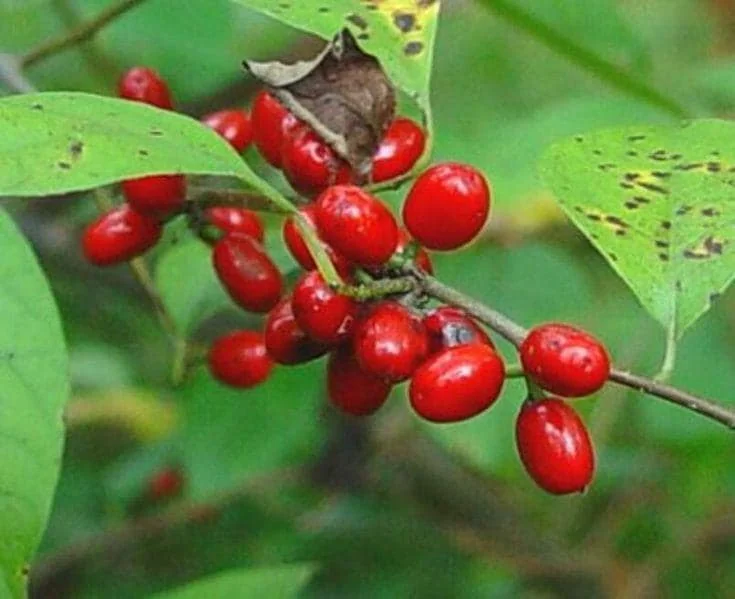
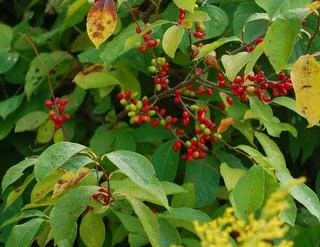
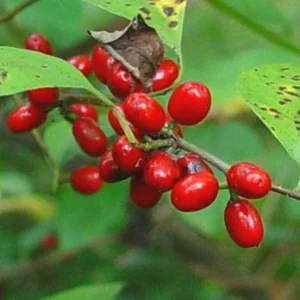
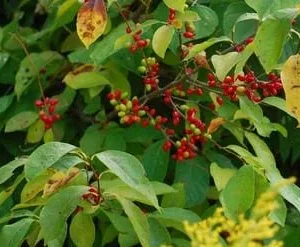
- Vibrant Fall Berries: Female plants produce striking bright red drupes in the fall, which are not only visually appealing but also a vital food source for many bird species, contributing to local biodiversity.
- Wildlife Attractor: Beyond birds, the spicebush shrub is a significant host plant for the Spicebush Swallowtail and Eastern Tiger Swallowtail butterflies, making it an excellent choice for a pollinator and wildlife garden.
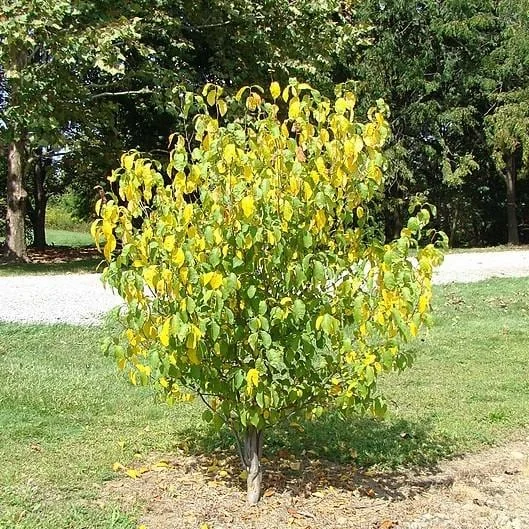
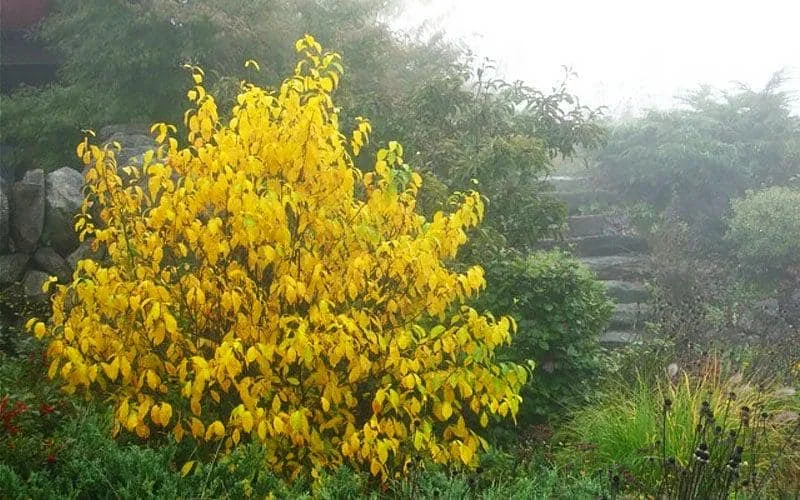
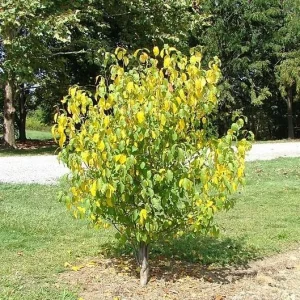
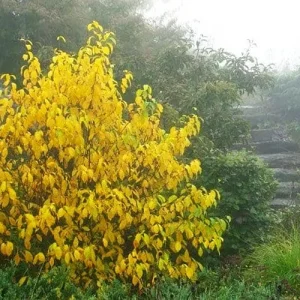
- Beautiful Fall Color: Enjoy a spectacular display of golden-yellow foliage in autumn, providing a brilliant contrast to evergreens and extending the seasonal interest of your garden.
- Adaptable & Resilient: This native plant usa is remarkably adaptable to various soil types and light conditions, making it a robust and low-maintenance option for many gardeners.
- Medicinal & Culinary Uses: Historically, various parts of the spicebush have been used for medicinal purposes and as a culinary spice, particularly the berries and bark, adding a layer of historical interest.
Plant Care & Growing Tips
Caring for your spicebush bare root plants is relatively straightforward, as they are hardy and adaptable. For optimal growth, plant your lindera benzoin plant in a location that receives partial shade to full sun. While it tolerates full sun, some afternoon shade can be beneficial, especially in hotter climates, as this plant can be sensitive to intense heat and drought. Ensure the soil is well-draining but consistently moist. It thrives in rich, organic soils but can adapt to a range of soil types, including clay and sandy soils, as long as drainage is adequate. Regular watering is crucial, particularly during dry spells and in its first year of establishment, to help the bare roots settle and develop a strong root system. Once established, the spicebush shrub is moderately drought-tolerant. Fertilization is generally not necessary in rich soils, but a light application of a balanced, slow-release fertilizer in early spring can encourage vigorous growth in poorer soils. Pruning is best done in late winter or early spring to remove dead or damaged branches and to maintain its desired shape and size. Remember, this species is dioecious, meaning you will need both male and female plants for the female plants to produce berries. Ensure you have at least one male plant if fruit production is a priority. This native plant usa is generally pest and disease resistant, making it a truly low-maintenance addition to your garden.
Size & Details
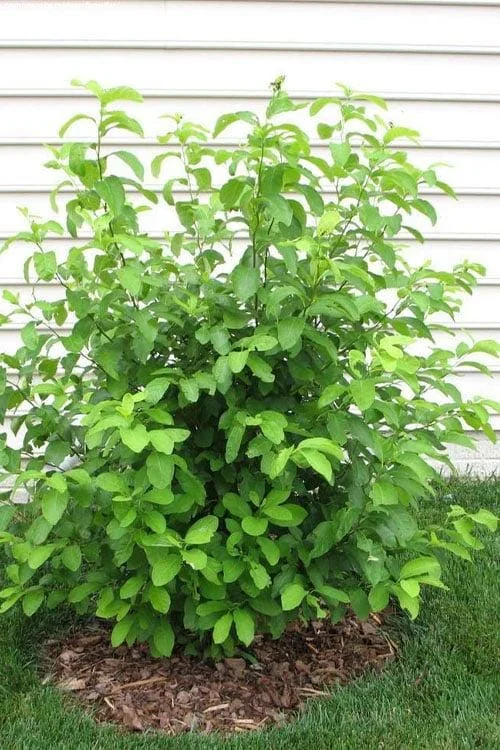
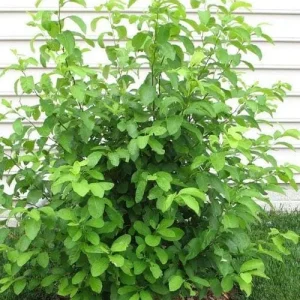
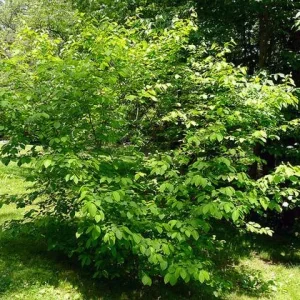
This offering includes two spicebush bare root plants, ready for planting upon arrival. When mature, the lindera benzoin plant typically grows to a height of 8 to 15 feet with a similar spread, forming a handsome, rounded deciduous shrub. Its growth rate is moderate, allowing it to establish itself well within a few years. The bare root form means the plant is shipped without soil, allowing for easier transport and less shock during planting. Upon planting, the roots will quickly establish in their new environment. The leaves are alternate with smooth margins, and the bark is brown to gray-brown, speckled with light-colored lenticels. In the fall, the vibrant yellow foliage adds significant ornamental value. Expect the small, yellow flowers to appear in early spring, followed by the development of bright red drupes on female plants by fall, provided male plants are nearby for pollination. This fragrant garden shrub will bring joy for many seasons.
Frequently Asked Questions
- Q: How big will the spicebush bare root plants get? A: Mature lindera benzoin plant shrubs typically reach a height of 8 to 15 feet and can spread to a similar width, creating a dense, rounded form in your garden. Their size can be managed with occasional pruning to fit your landscape needs.
- Q: Is this an indoor or outdoor plant? A: The spicebush shrub is an outdoor deciduous shrub. It is native to North America and thrives in various outdoor garden settings, from woodlands to naturalized areas and shrub borders.
- Q: How much sunlight does the lindera benzoin plant need? A: Spicebush prefers partial shade to full sun. While it can tolerate full sun, some afternoon shade is beneficial, especially in warmer climates, to protect it from intense heat and potential drought stress.
- Q: Is the spicebush bare root easy to care for? A: Yes, it is considered a relatively low-maintenance plant once established. It’s quite adaptable to different soil types and moisture levels, making it a good choice for both experienced and novice gardeners looking for a native plant usa.
- Q: What condition will the bare root plants arrive in? A: Your spicebush bare root plants will arrive dormant, without soil around the roots. This is a common and effective way to ship deciduous plants, allowing them to establish quickly once planted.
- Q: When is the best time to plant a fragrant garden shrub like spicebush? A: The best time to plant bare root spicebush is in early spring, as soon as the soil can be worked. This allows the plant ample time to establish its root system before the heat of summer.
- Q: Will my spicebush shrub produce berries? A: Spicebush plants are dioecious, meaning individual plants are either male or female. Only female plants produce berries, and they require a male plant nearby for pollination. If you desire berries, consider planting multiple shrubs to increase your chances of having both sexes.
- Q: What USDA hardiness zones is the spicebush bare root suitable for? A: Spicebush is generally hardy in USDA zones 4 through 9, making it suitable for a wide range of climates across the United States. It’s a resilient and cold-hardy shrub.
- Q: Can the berries or leaves of the lindera benzoin plant be used? A: Historically, the berries and bark of the spicebush have been used as a seasoning or in teas, often as a substitute for allspice. The leaves also have a pleasant spicy aroma when crushed. However, always exercise caution and consult with experts before consuming any wild plants.
- Q: What kind of soil does spicebush bare root prefer? A: Spicebush thrives in rich, moist, and well-draining soil. It is adaptable to various soil types, including clay and sandy soils, as long as they are not waterlogged or excessively dry. Incorporating organic matter can greatly benefit its growth.
| Spicebush | 12-18'', 18-24'', 6-12'' |
|---|
Be the first to review “Spicebush Bare Root Plant – Lindera Benzoin – 2 Pack Deciduous Shrub”
People Also Viewed
Sold 70 products
Original price was: $42.76.$21.38Current price is: $21.38.
Sold 69 products
$87.98
Sold 83 products
Original price was: $68.78.$41.26Current price is: $41.26.
Sold 63 products
Original price was: $89.56.$44.78Current price is: $44.78.
Sold 57 products
Original price was: $146.90.$88.14Current price is: $88.14.
Sold 60 products
Original price was: $79.98.$39.99Current price is: $39.99.
Sold 52 products
Original price was: $91.98.$45.99Current price is: $45.99.
Sold 54 products
From $67.80
Sold 83 products
Original price was: $39.98.$19.99Current price is: $19.99.
Sold 68 products
Original price was: $71.90.$43.14Current price is: $43.14.
Sold 54 products
Original price was: $33.98.$16.99Current price is: $16.99.
Sold 91 products
From $61.58
Sold 66 products
Original price was: $289.96.$144.98Current price is: $144.98.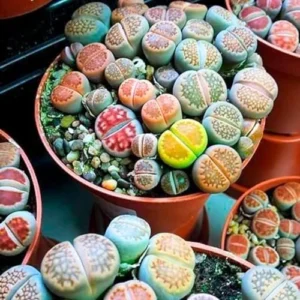
HousePlants
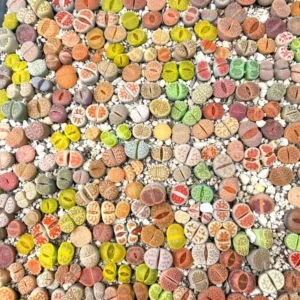
Lithops Live Plants Mix – 30 Colorful Succulents – Living Stones for Indoor/Outdoor Planting
Sold 89 products
Original price was: $65.98.$32.99Current price is: $32.99.
Sold 73 products
$48.38
Sold 61 products
Original price was: $100.36.$50.18Current price is: $50.18.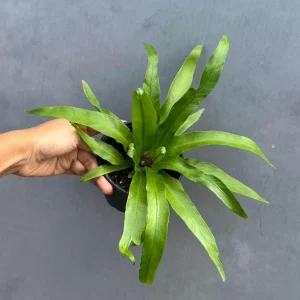
HousePlants
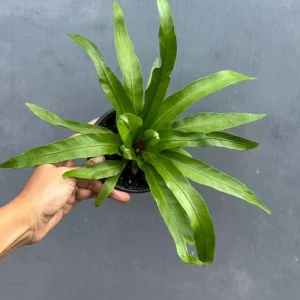
Bird Nest Fern Victoria Live Plant – Asplenium Nidus Victoria – 4 inch Pot – Indoor & Outdoor
Sold 64 products
Original price was: $59.80.$29.90Current price is: $29.90.
Sold 62 products
From $43.98


Reviews
There are no reviews yet.