
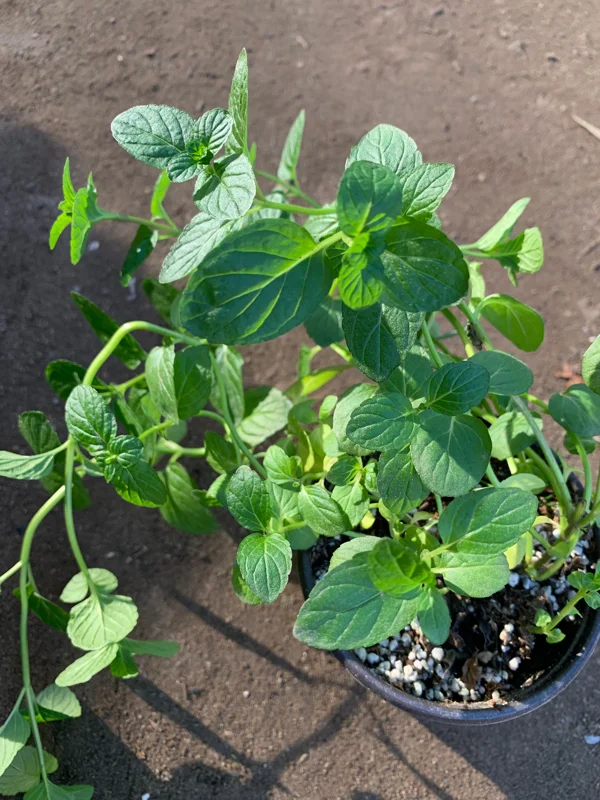
Spearmint Live Plant – Culinary Herb in 3 inch Pot – 4-8 inches Tall
Original price was: $89.56.$44.78Current price is: $44.78.
Cultivate your own flavorful spearmint live plant. This aromatic herb, known for its fragrant spear-shaped leaves, is ideal for culinary creations, refreshing beverages, and adding a pleasant scent to your garden or container. Ships in a 3-inch pot, ready to thrive.
-
USDA Hardiness Zone
USDA zones 5–9 -
Soil Type
Well-draining loamy soil -
Sunlight Exposure
Full sun to partial shade -
Expected Planting Period
Spring to early summer outdoors, year-round indoors

You can track your order HERE
Mar 05
Mar 10 - Mar 12
Mar 15 - Mar 19
Shipping and return policies: Our Alive & Thrive Guarantee covers issues with your plants within the first 30 days. Reach out to us. Our team will answer your questions and help you find the plants that are truly suitable for your environment, climate, and personal preferences.

Overview
Discover the joy of growing your own fragrant spearmint live plant. Spearmint, scientifically known as Mentha spicata, is a beloved perennial herb cherished for its distinctively sweet and refreshing aroma, and its vibrant green, spear-shaped leaves. This versatile plant is a must-have for any home gardener, whether you’re looking to enhance your culinary creations, brew soothing herbal teas, or simply enjoy its pleasant fragrance in your outdoor space. Unlike some other mint varieties, spearmint offers a milder, less pungent flavor, making it a favorite for a wide range of dishes and drinks. Our spearmint live plant arrives healthy and ready to be transplanted, providing an instant boost to your herb collection.
Originating from Europe and Asia, spearmint has been cultivated for centuries for its medicinal and culinary properties. It’s a vigorous grower, known for its ability to spread, making it an excellent choice for ground cover in certain areas or best contained in pots to manage its growth. This particular plant is perfect for both novice and experienced gardeners, offering a rewarding growing experience with minimal fuss. Enjoy the continuous harvest of fresh leaves from your very own spearmint live plant, bringing a touch of nature’s freshness directly to your kitchen.
Key Benefits
Adding a spearmint live plant to your home or garden offers a multitude of advantages, enriching your daily life with its presence and utility. Its ease of care and diverse applications make it a highly desirable herb.
- Culinary Versatility: Fresh spearmint leaves are indispensable in the kitchen, perfect for flavoring salads, desserts, sauces, and main courses. It’s a key ingredient in many traditional dishes and a staple for refreshing drinks like mojitos and iced tea.
- Aromatic Delight: The sweet, uplifting fragrance of spearmint can naturally deter pests while providing a delightful aroma to your patio, garden, or even indoors next to a sunny window.
- Refreshing Teas and Infusions: Brew your own soothing and digestive spearmint tea. The leaves can be used fresh or dried to create a calming beverage that’s perfect any time of day.
- Easy to Grow: Spearmint is a resilient and vigorous plant, well-suited for gardeners of all skill levels. It tolerates a range of conditions and quickly establishes itself, providing a bountiful harvest.
- Container Gardening Friendly: While it can spread, spearmint thrives wonderfully in pots and containers, making it an ideal choice for balconies, patios, or small garden spaces where you want to control its growth.
- Attracts Pollinators: The small, delicate flowers that appear in summer attract beneficial pollinators like bees, contributing to the health of your local ecosystem.
- Herbal Remedies: Historically, spearmint live plant has been used for its potential digestive aid properties and its refreshing scent is often incorporated into aromatherapy.
Plant Care & Growing Tips
Caring for your spearmint live plant is relatively straightforward, as it is a hardy and adaptable herb. To ensure vigorous growth and a continuous supply of fragrant leaves, follow these essential care guidelines. Spearmint thrives in locations where it receives ample sunlight. For optimal growth, aim for at least 6 hours of full sun per day. While it can tolerate partial shade, too little sun may result in leggy growth and less intense flavor. If growing indoors, place your plant in a south-facing window or under a grow light to mimic these conditions.
When it comes to watering, spearmint prefers consistently moist, but not waterlogged, soil. Water thoroughly when the top inch of soil feels dry to the touch. During hot, dry periods, you may need to water more frequently. Ensure good drainage to prevent root rot, especially if growing spearmint outdoors in a container. A well-draining potting mix is crucial for container-grown plants. For soil types, spearmint is not particularly fussy but prefers rich, well-drained loamy soil with a pH between 6.0 and 7.0. Amending garden beds with compost or other organic matter will provide essential nutrients and improve soil structure.
Spearmint is quite cold-hardy, typically thriving in USDA Zones 5-9. In colder climates, it may die back in winter but will usually return from the roots in spring. Fertilize your spearmint live plant sparingly; too much fertilizer can diminish its flavor. A balanced liquid fertilizer diluted to half strength every 4-6 weeks during the growing season is usually sufficient. Regularly pinch back the growing tips to encourage bushier growth and prevent the plant from flowering too early, which can also affect flavor. Watch out for common pests like aphids and spider mites, and treat with organic insecticidal soap if necessary. Proper air circulation also helps prevent fungal issues.
Size & Details
Each spearmint live plant ships in a 3-inch nursery pot, providing a well-established root system for successful transplanting. Upon arrival, the plant will typically stand between 4 to 8 inches tall, ready to quickly adapt to its new environment and begin producing lush foliage. Spearmint is a fast-growing perennial herb, and with proper care, it will rapidly expand its footprint, whether planted directly in the garden or kept in a larger container. Expect it to reach a mature height of 1-2 feet and spread similarly if not contained, offering a generous harvest of leaves throughout the growing season.
This plant is cultivated for its leaves, and while it does produce small towers of pink or white flowers in summer, these are often pinched off to encourage more leaf production and maintain the plant’s robust flavor. It’s an excellent addition to herb gardens, kitchen gardens, or as a fragrant border plant. The vigorous growth of this culinary herb garden staple means you can start harvesting fresh leaves soon after planting, enjoying its refreshing flavor for months to come. Plant in spring or early summer for the best establishment, though indoor planting is possible year-round.
Frequently Asked Questions
- Q: How big does this spearmint plant get? A: Your spearmint live plant will arrive 4-8 inches tall in a 3-inch pot. With good care, it can grow to a mature height of 1-2 feet and can spread significantly if not contained, especially when planted directly in the ground.
- Q: Is this an indoor or outdoor plant? A: Spearmint can thrive both indoors and outdoors. Outdoors, it prefers full sun. Indoors, place it in a bright, sunny window. It’s a versatile herb that adapts well to various environments.
- Q: How much sunlight does it need? A: For the best growth and flavor, your spearmint live plant requires at least 6 hours of full sun per day. It can tolerate partial shade, but direct sunlight will encourage more robust growth.
- Q: Is this plant easy to care for? A: Yes, spearmint is known for being a very easy-to-care-for plant, making it an excellent choice for beginners and experienced gardeners alike. It’s quite resilient and forgiving.
- Q: What condition will it arrive in? A: Your spearmint live plant will arrive healthy and well-rooted in its 3-inch nursery pot, carefully packaged to ensure it reaches you in excellent condition, ready for planting.
- Q: Can I use this spearmint in cooking? A: Absolutely! This culinary herb garden favorite is perfect for all your cooking needs. Its fragrant, spear-shaped leaves are ideal for teas, desserts, savory dishes, and refreshing drinks.
- Q: When is the best time to plant spearmint? A: The best time to plant spearmint outdoors is in the spring after the last frost or in early summer. If growing indoors, it can be planted any time of year.
- Q: Is spearmint pet-safe? A: While spearmint is generally considered non-toxic to cats and dogs in small amounts, large quantities can cause digestive upset. It’s best to supervise pets around the plant.
- Q: How often should I water my spearmint plant? A: Water your spearmint live plant when the top inch of soil feels dry. It prefers consistently moist soil but dislikes being waterlogged, so ensure good drainage.
- Q: Will it survive winter in my zone? A: Spearmint is hardy in USDA Zones 5-9. In these zones, it will typically die back in winter but will regrow from the roots in spring. In colder zones, it can be grown as an annual or brought indoors.
Be the first to review “Spearmint Live Plant – Culinary Herb in 3 inch Pot – 4-8 inches Tall”
People Also Viewed
Sold 67 products
Original price was: $140.00.$70.00Current price is: $70.00.
Sold 94 products
Original price was: $283.96.$141.98Current price is: $141.98.
Sold 81 products
Original price was: $28.00.$22.40Current price is: $22.40.
Sold 77 products
Original price was: $200.00.$160.00Current price is: $160.00.
Sold 81 products
Original price was: $535.96.$267.98Current price is: $267.98.
Sold 96 products
Original price was: $190.00.$142.50Current price is: $142.50.
Sold 67 products
From $25.99
Sold 92 products
Original price was: $391.96.$195.98Current price is: $195.98.
Sold 52 products
Original price was: $64.00.$51.20Current price is: $51.20.
Sold 71 products
Original price was: $128.76.$64.38Current price is: $64.38.
Sold 60 products
Original price was: $120.00.$60.00Current price is: $60.00.
Sold 99 products
Original price was: $38.00.$19.00Current price is: $19.00.
Sold 61 products
Original price was: $210.00.$157.50Current price is: $157.50.
Sold 81 products
Original price was: $36.00.$18.00Current price is: $18.00.
Sold 90 products
Original price was: $120.00.$60.00Current price is: $60.00.
Sold 59 products
Original price was: $77.98.$38.99Current price is: $38.99.
Flowers
3 False Unicorn Plants Bare Root – Chamaelirium Luteum – Organic Wildflower Native Star Root
Sold 88 products
Original price was: $38.00.$30.40Current price is: $30.40.
Sold 100 products
Original price was: $150.00.$120.00Current price is: $120.00.



Reviews
There are no reviews yet.