
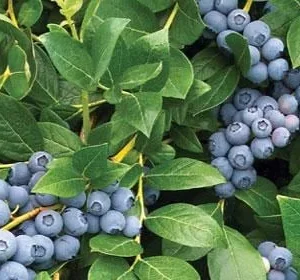
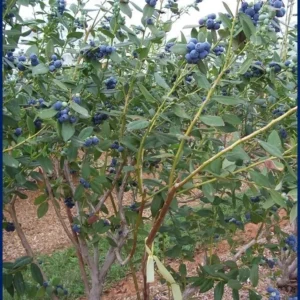
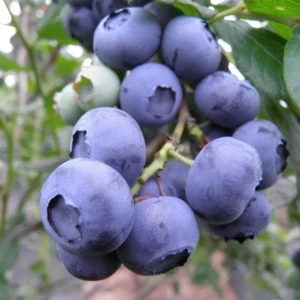
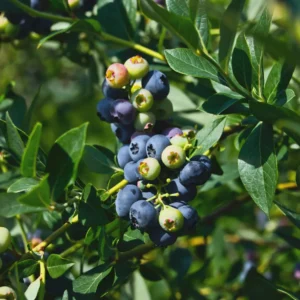
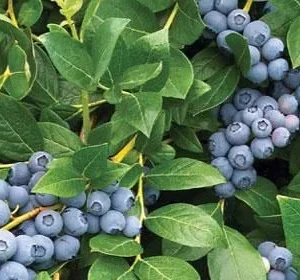
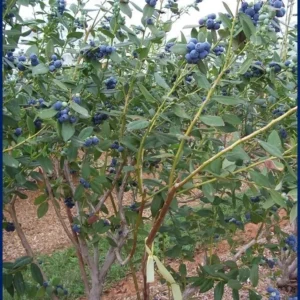
Snow Chaser Blueberry Live Plant – Southern Highbush – Starter Plug
Original price was: $36.00.$28.80Current price is: $28.80.
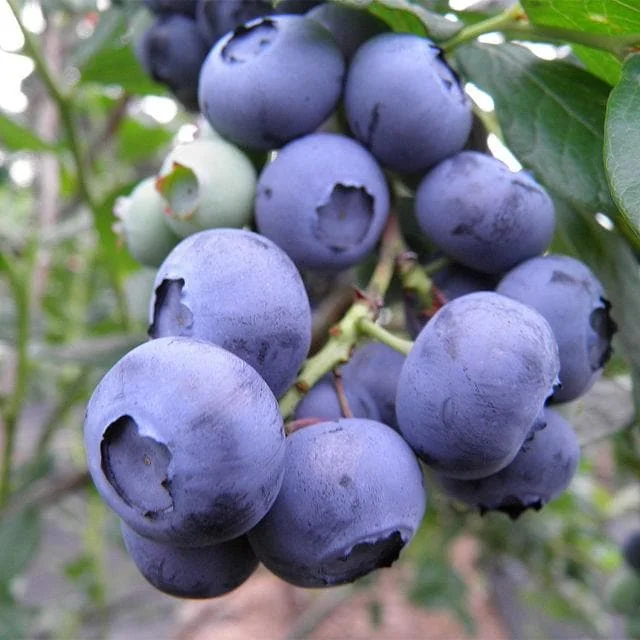
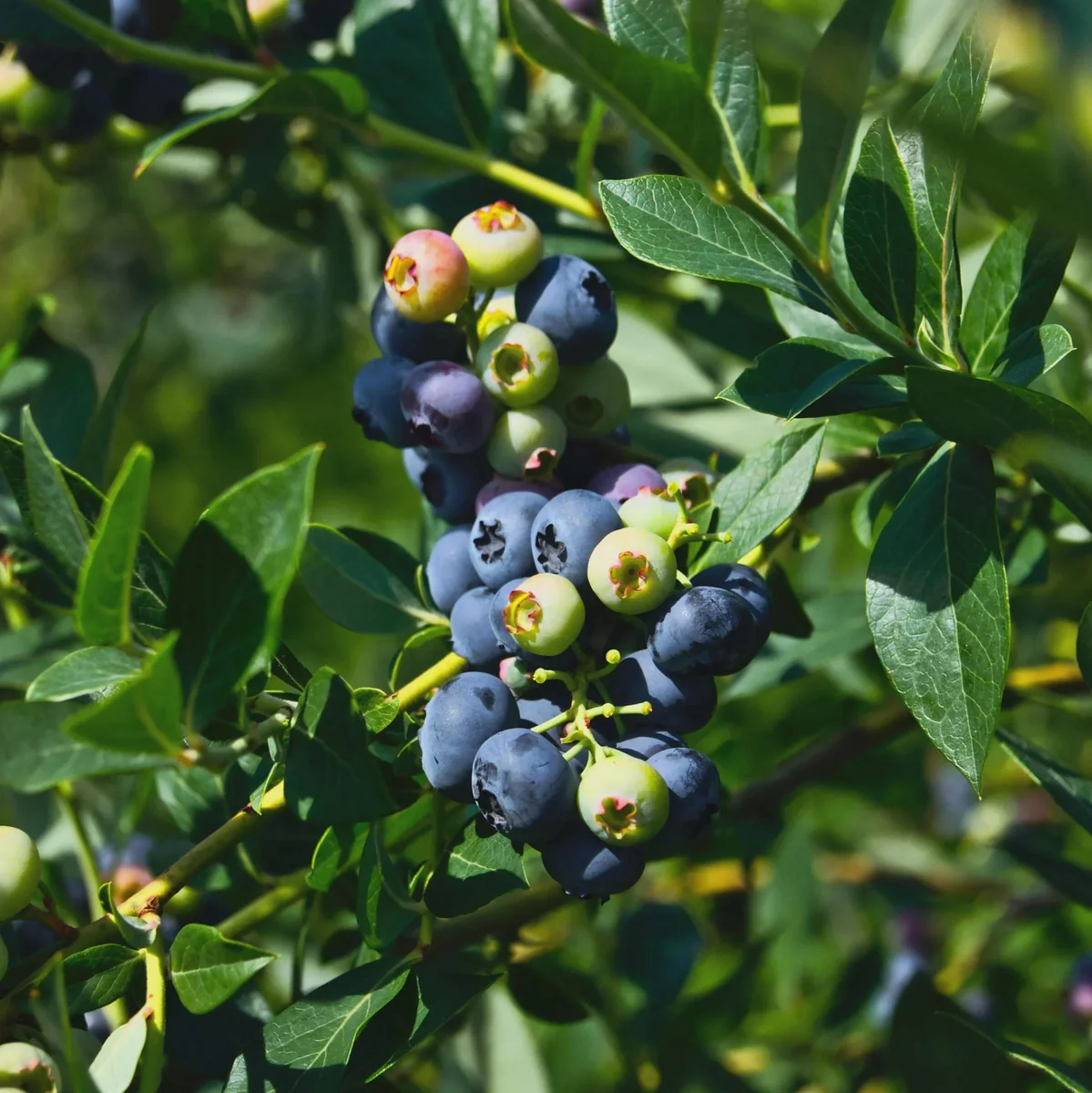
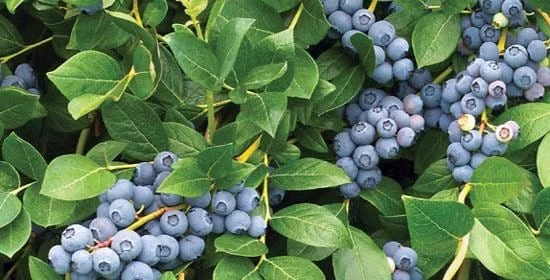
Cultivate your own sweet and juicy berries with the Snow Chaser Blueberry live plant. This exceptional Southern Highbush blueberry variety is renowned for its early ripening and vigorous growth, making it an ideal choice for gardeners in low-chill climates. Arrives as a healthy starter plug, ready for planting and establishing in your garden or container.
-
USDA Hardiness Zone
USDA Zones 8-10 -
Soil Type
Acidic, well-draining soil (pH 4.5-5.5) -
Sunlight Exposure
Full sun (6-8 hours direct light) -
Expected Planting Period
Early spring to fall

You can track your order HERE
Feb 27
Mar 04 - Mar 06
Mar 09 - Mar 13
Shipping and return policies: Our Alive & Thrive Guarantee covers issues with your plants within the first 30 days. Reach out to us. Our team will answer your questions and help you find the plants that are truly suitable for your environment, climate, and personal preferences.

Overview
Bring the joy of fresh, homegrown fruit to your garden with the Snow Chaser Blueberry live plant. This outstanding cultivar, scientifically known as Vaccinium corymbosum, is a popular variety of Southern Highbush blueberry, specifically bred to thrive in regions with mild winters. What sets the ‘Snowchaser’ apart is its remarkable characteristic as one of the earliest-ripening blueberry cultivars available, allowing you to enjoy delicious berries sooner than many other varieties. Perfect for gardeners seeking a productive and adaptable blueberry bush, the Snow Chaser Blueberry live plant establishes readily and offers a rewarding growing experience.
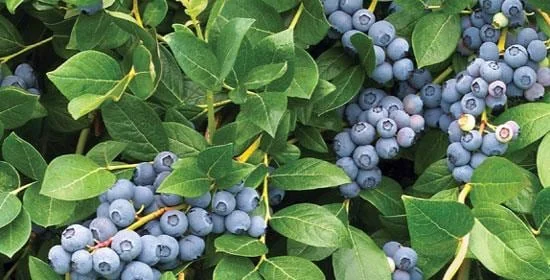
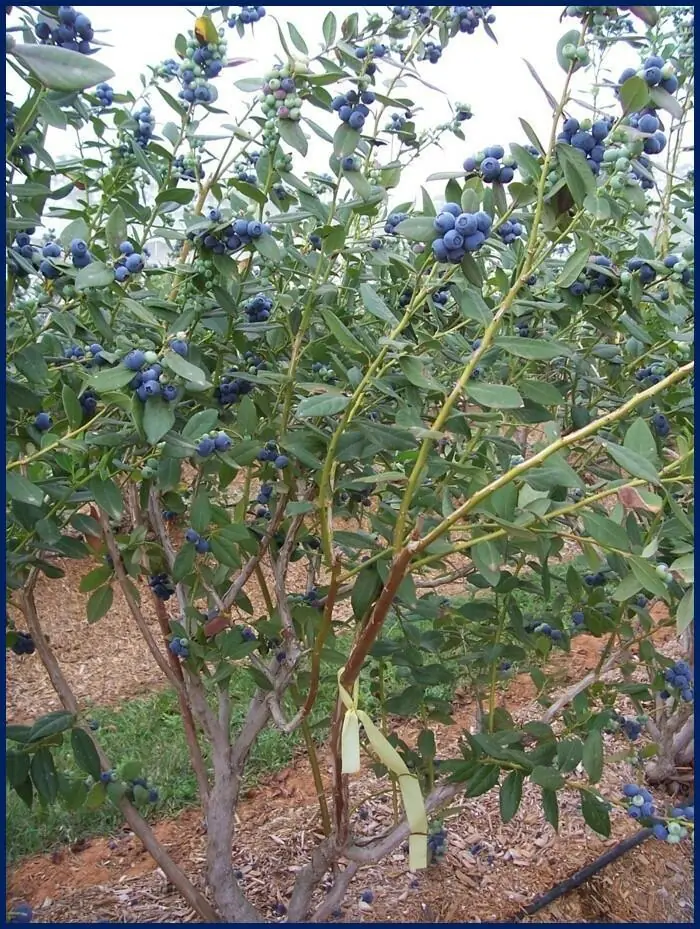
The ‘Snowchaser’ is celebrated not only for its early fruit production but also for its robust growth habit. It develops into a vigorous bush with a rounded or semi-spreading form, creating an attractive presence in any landscape. Whether you’re an experienced grower or new to fruit gardening, this low-chill blueberry offers an excellent opportunity to cultivate your own supply of nutrient-rich berries right from your backyard. Its adaptability to various growing conditions makes it a fantastic addition to edible gardens across suitable USDA zones.
Key Benefits
The Snow Chaser Blueberry live plant offers a multitude of advantages for home gardeners and fruit enthusiasts. Its unique characteristics contribute to a successful and bountiful harvest, making it a highly desirable choice for anyone looking to grow their own blueberries. Enjoy these fantastic benefits:
- Early Ripening Season: Be among the first to harvest fresh blueberries each year. The ‘Snowchaser’ is one of the earliest-ripening Southern Highbush blueberry varieties, providing a head start on the blueberry season.
- Adaptable to Low-Chill Regions: Specifically bred for areas with mild winters, this low-chill blueberry variety performs exceptionally well where other blueberries might struggle to produce fruit.
- Vigorous Growth: This bush exhibits strong and healthy growth, quickly establishing itself in your garden and developing into a productive plant. A vigorous Snow Chaser Blueberry live plant means more berries!
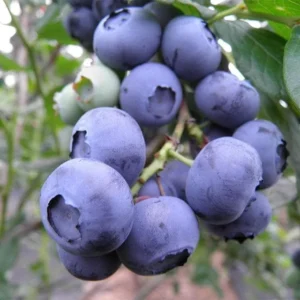
- Abundant Fruit Production: Expect a generous yield of medium to large-sized, sweet, and flavorful blueberries, perfect for eating fresh, baking, or preserving.
- Attractive Landscape Plant: With its rounded to semi-spreading habit and lush green foliage, the ‘Snowchaser’ serves as an ornamental shrub even when not laden with fruit.
- Rich in Antioxidants: Blueberries are renowned for their high antioxidant content, contributing to a healthy diet and offering numerous health benefits.
- Easy to Grow: While specific care is required, this variety is generally considered manageable for home gardeners, offering a rewarding experience with proper attention.
Plant Care & Growing Tips
Caring for your Snow Chaser Blueberry live plant ensures a healthy bush and a bountiful harvest. Blueberries thrive in specific conditions, so understanding their needs is crucial. They prefer a location that receives full sun, meaning at least 6-8 hours of direct sunlight per day. Adequate sunlight is essential for optimal fruit production and plant vigor. In hotter climates, some afternoon shade can be beneficial to prevent scorching, but generally, more sun equals more berries. Ensure your planting site is well-drained and sheltered from strong winds.
Soil composition is perhaps the most critical factor for a successful Southern Highbush blueberry. Blueberries are acid-loving plants, requiring a soil pH between 4.5 and 5.5. If your native soil is not naturally acidic, amendments such as elemental sulfur or peat moss can be incorporated to lower the pH. The soil should also be rich in organic matter and well-draining, as blueberries do not tolerate wet feet. Consider planting in raised beds or large containers if your native soil is heavy clay or has a high pH. Regular watering is important, especially during dry spells and fruit development. Keep the soil consistently moist but never waterlogged. Drip irrigation or soaker hoses are excellent methods for providing consistent moisture directly to the root zone.
Fertilize your Snow Chaser Blueberry live plant with an acid-specific fertilizer formulated for blueberries or other acid-loving plants, such as azaleas or rhododendrons. Apply fertilizer in early spring as new growth begins, and again after the fruit set. Avoid fertilizers containing nitrates, which can be harmful to blueberries. Pruning is essential for maintaining plant health and maximizing fruit production. In late winter or early spring, remove any dead, damaged, or weak canes. Thin out older, less productive canes to encourage new growth. The ‘Snowchaser’ is a low-chill blueberry, meaning it needs fewer hours of cold temperatures (typically 150-300 hours below 45°F) to produce fruit, making it suitable for USDA Zones 8-10. Protect young plants from birds with netting as fruit ripens.
Size & Details
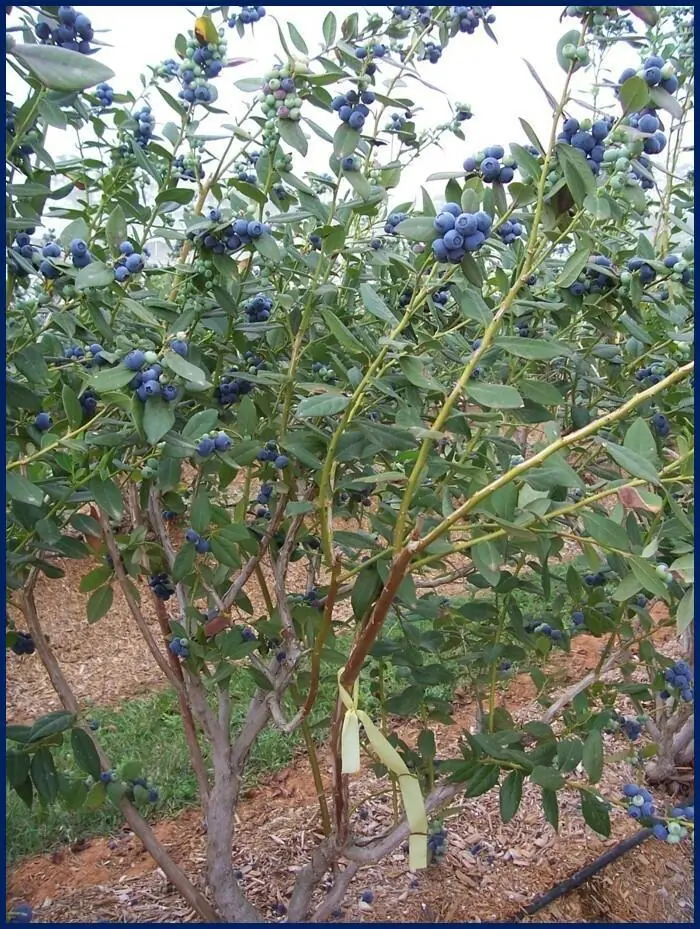
This offering is for one Snow Chaser Blueberry live plant, provided as a healthy starter plug. A starter plug represents a young, actively growing plant that has developed a robust root system, ready for transplanting into your garden or a larger container. When mature, the ‘Snowchaser’ bush will reach an impressive height of 8-10 feet with a width of 4-6 feet, forming a substantial and productive shrub. Its vigorous growth rate ensures it will establish quickly after planting. As a Southern Highbush blueberry, it is known for its relatively fast development and early fruit set, allowing you to enjoy your first harvests sooner.
The mature size of this early ripening blueberry makes it suitable for both dedicated fruit gardens and as an attractive edible landscape plant. You can expect the first berries to emerge in early spring, depending on your specific climate and planting time. The plant’s rounded or semi-spreading habit provides a pleasant aesthetic throughout the growing season. Ensure you provide adequate space for its mature dimensions to allow for optimal air circulation and light exposure, contributing to a healthy and productive Vaccinium corymbosum specimen.
Frequently Asked Questions
- Q: How big does the Snow Chaser Blueberry live plant get? A: When mature, the ‘Snowchaser’ blueberry bush typically reaches a height of 8-10 feet and spreads 4-6 feet wide. It forms a vigorous, rounded to semi-spreading shrub.
- Q: Is this an indoor or outdoor plant? A: The Snow Chaser Blueberry live plant is an outdoor plant, best suited for garden beds or large outdoor containers where it can receive full sun and proper chilling hours.
- Q: How much sunlight does this Southern Highbush blueberry need? A: This blueberry variety requires full sun, meaning at least 6-8 hours of direct sunlight per day, for optimal growth and fruit production.
- Q: What condition will the Snow Chaser Blueberry live plant arrive in? A: Your blueberry will arrive as a healthy starter plug, which is a young plant with an established root system, ready for transplanting. It will be shipped bare root without a pot.
- Q: When is the best time to plant this early ripening blueberry? A: The best time to plant is typically in early spring after the last frost, or in the fall in regions with mild winters. This allows the plant to establish its roots before extreme temperatures.
- Q: Is this low-chill blueberry suitable for my climate? A: The ‘Snowchaser’ is a low-chill blueberry variety, requiring approximately 150-300 chill hours. It is well-suited for USDA Zones 8-10, where winters are mild.
- Q: What kind of soil does Vaccinium corymbosum prefer? A: Blueberries, including the ‘Snowchaser’, require highly acidic soil with a pH between 4.5 and 5.5. The soil should also be rich in organic matter and very well-draining.
- Q: Do I need to prune my Snow Chaser Blueberry live plant? A: Yes, annual pruning in late winter or early spring is essential to remove dead or weak canes and to encourage new, productive growth for a bountiful harvest.
- Q: How long until I can harvest berries from my early ripening blueberry? A: While you might get a small harvest in the first year, significant fruit production typically begins in the second or third year after planting, with full production by year five.
- Q: Can I grow this Southern Highbush blueberry in a container? A: Yes, you can grow the ‘Snowchaser’ in a large container (at least 20-25 gallons) with acidic potting mix, provided it receives adequate sunlight and consistent moisture.
Be the first to review “Snow Chaser Blueberry Live Plant – Southern Highbush – Starter Plug”
People Also Viewed
Sold 64 products
Original price was: $26.76.$13.38Current price is: $13.38.
Sold 99 products
Original price was: $50.00.$40.00Current price is: $40.00.
Herbs
Mojito Mint Live Plant Set – 4 Fresh Herb Starter Plants, 4-7 Inch Tall, Culinary Garden Ready
Sold 98 products
Original price was: $39.98.$19.99Current price is: $19.99.
Sold 62 products
Original price was: $108.00.$86.40Current price is: $86.40.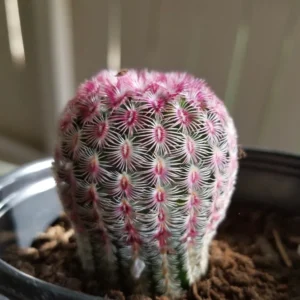
Succulents
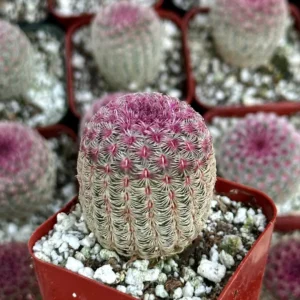
Arizona Rainbow Cactus Live Plant – Echinocereus Rigidissimus – Colorful Pink Cactus in 2-6 inch pot
Sold 80 products
From $22.38
Sold 95 products
Original price was: $30.76.$15.38Current price is: $15.38.
Sold 65 products
Original price was: $33.98.$18.49Current price is: $18.49.
Sold 96 products
Original price was: $59.98.$15.99Current price is: $15.99.
Sold 100 products
Original price was: $37.98.$20.49Current price is: $20.49.

Sold 59 products
Original price was: $30.76.$15.38Current price is: $15.38.
Sold 93 products
Original price was: $148.00.$118.40Current price is: $118.40.
Sold 88 products
Original price was: $29.99.$19.99Current price is: $19.99.
Sold 68 products
Original price was: $50.98.$25.49Current price is: $25.49.
Sold 82 products
$21.98
Sold 56 products
Original price was: $44.00.$35.20Current price is: $35.20.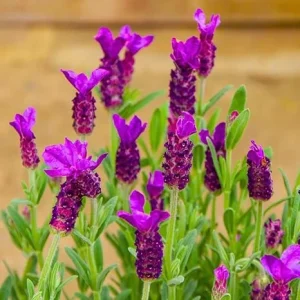
Herbs
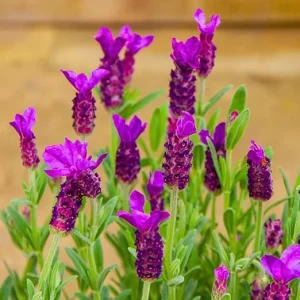
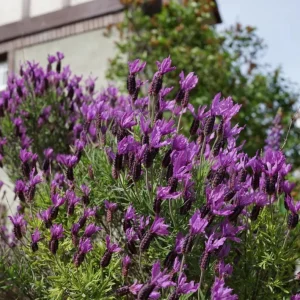
French Lavender Live Plant – Pink Purple Herb, Well-Rooted Plugs, 3-6 Inch Tall Perennial Flowers
Sold 54 products
Original price was: $39.98.$19.99Current price is: $19.99.
Sold 53 products
Original price was: $45.99.$25.99Current price is: $25.99.
Sold 56 products
Original price was: $72.76.$36.38Current price is: $36.38.


Reviews
There are no reviews yet.