
Snake Plant Live Houseplant – 4.5 inch Pot – Air Purifying – Low Light
Original price was: $70.00.$35.00Current price is: $35.00.
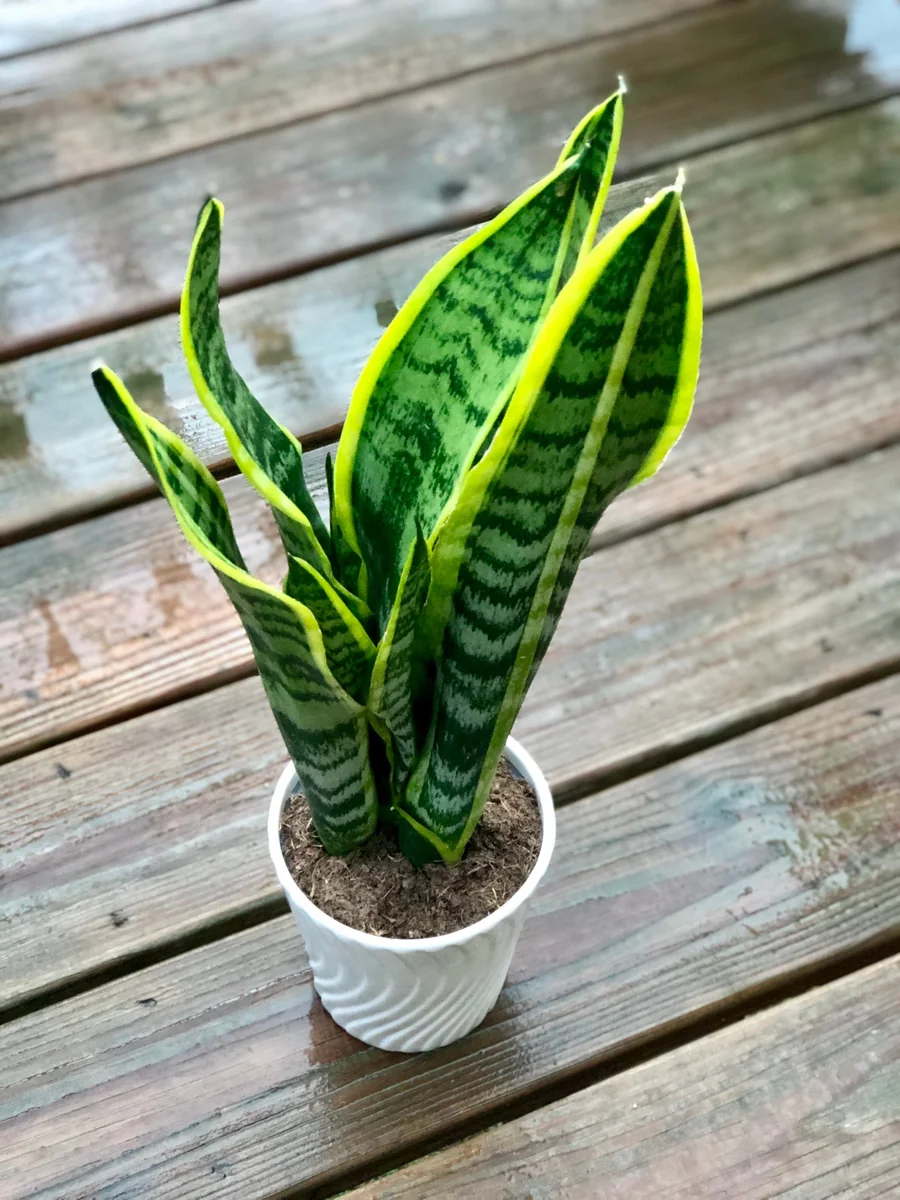
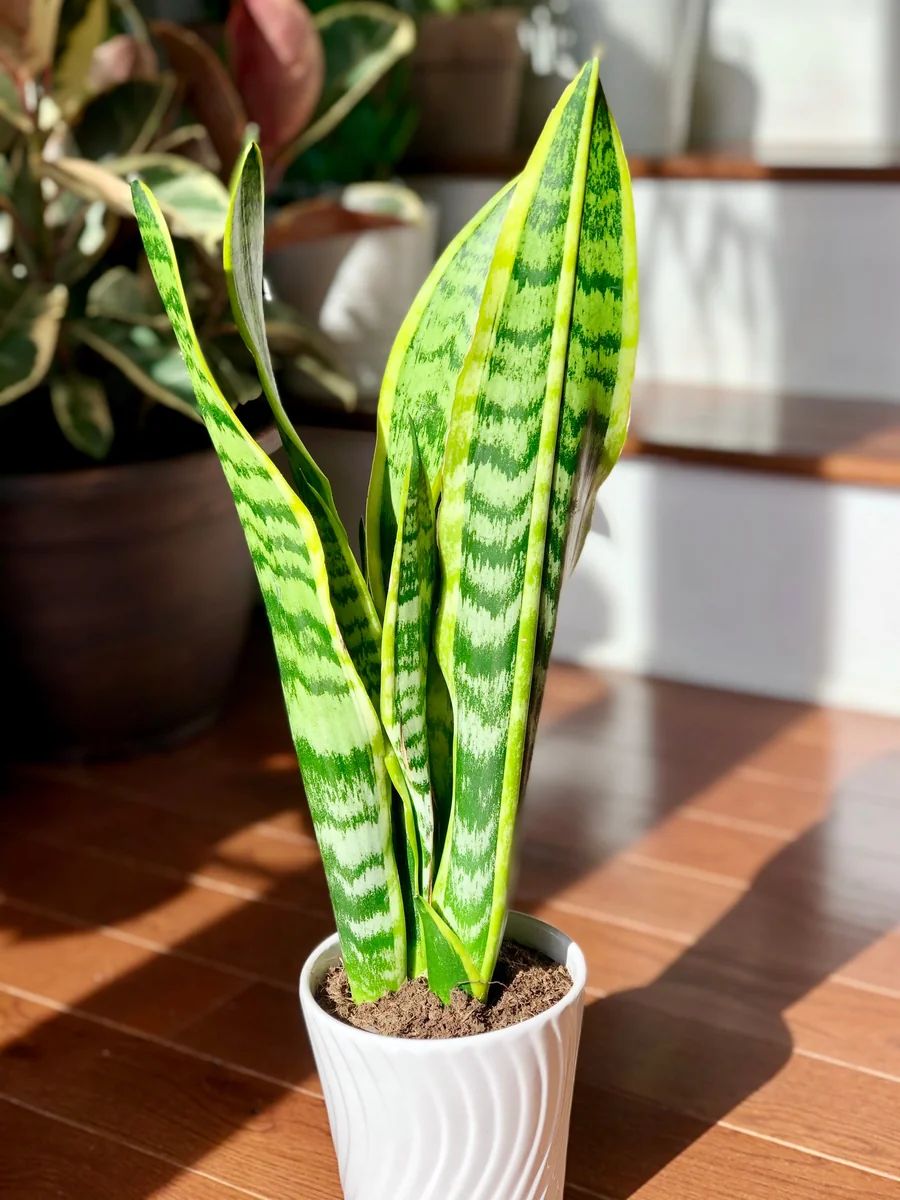
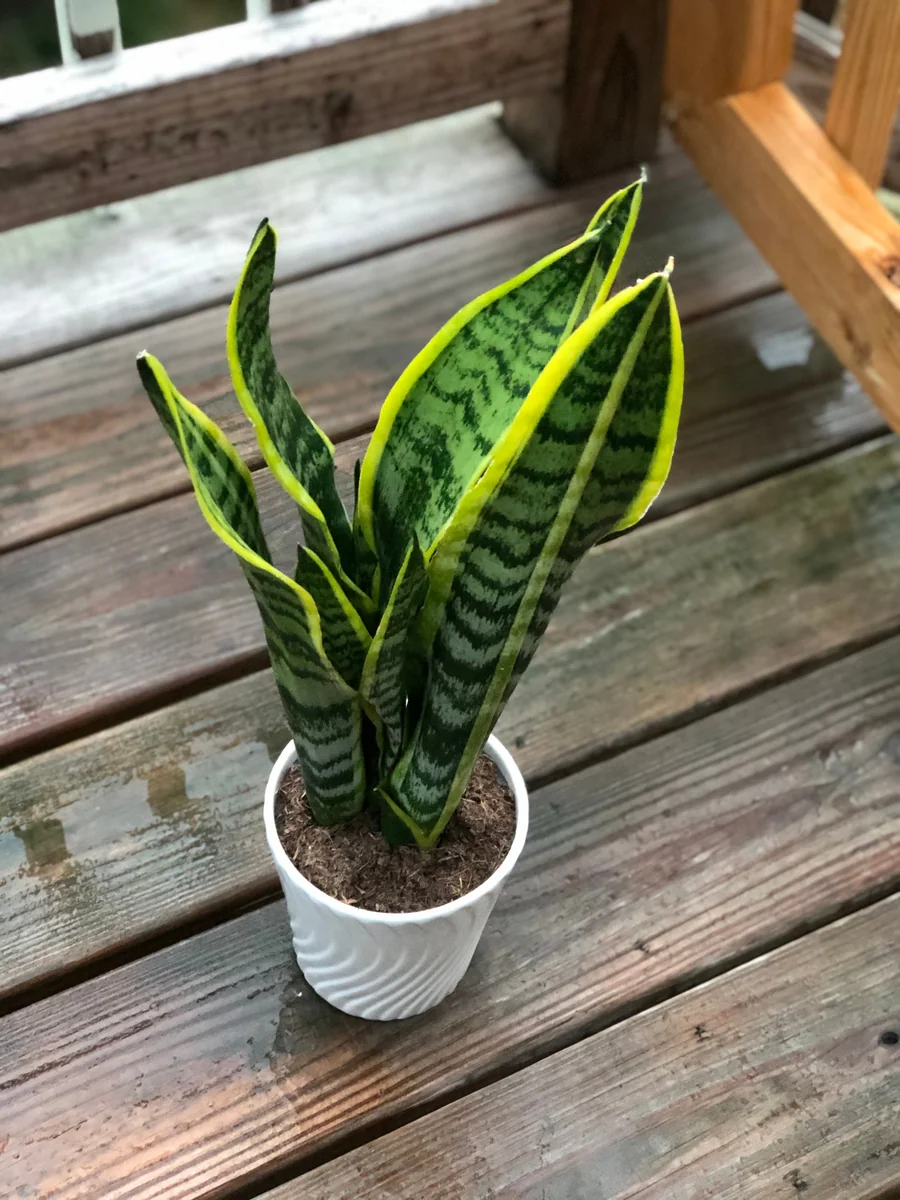
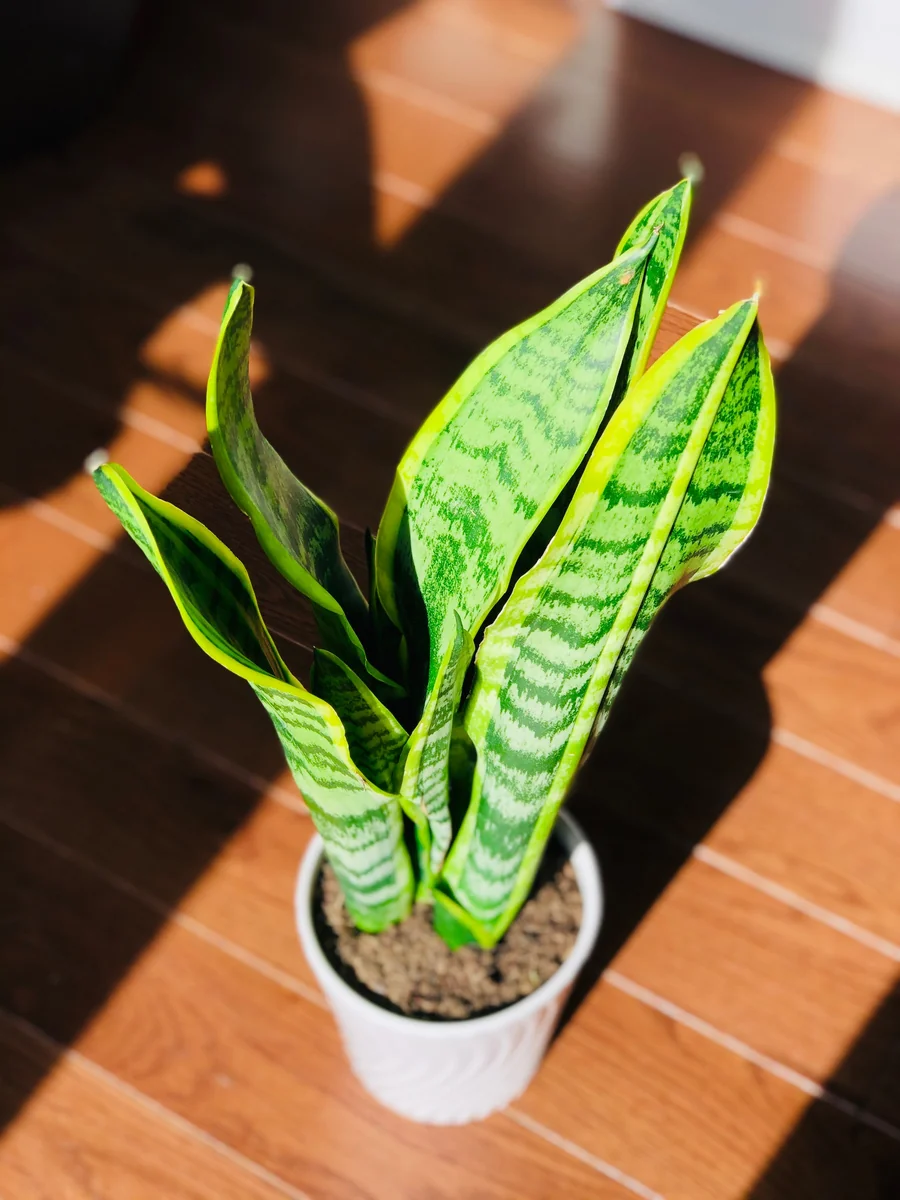
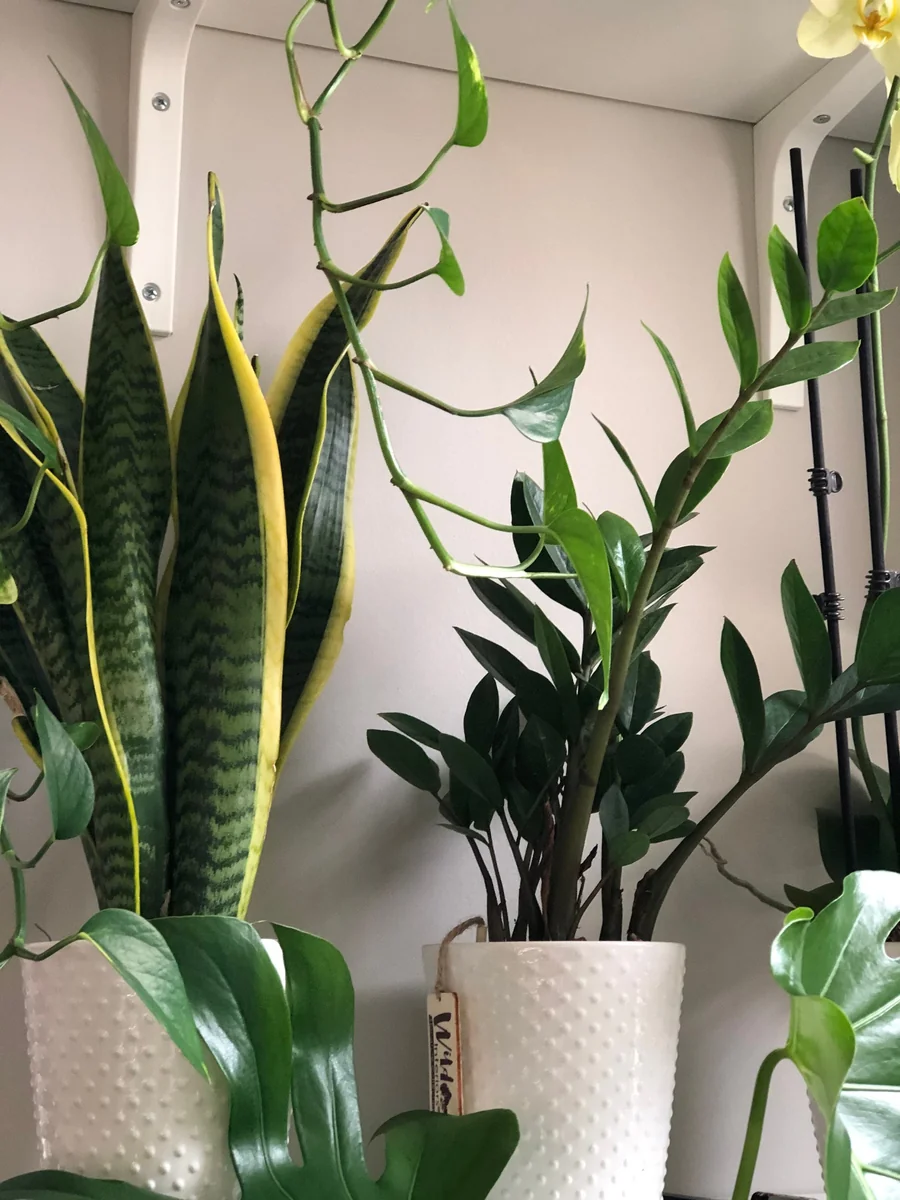
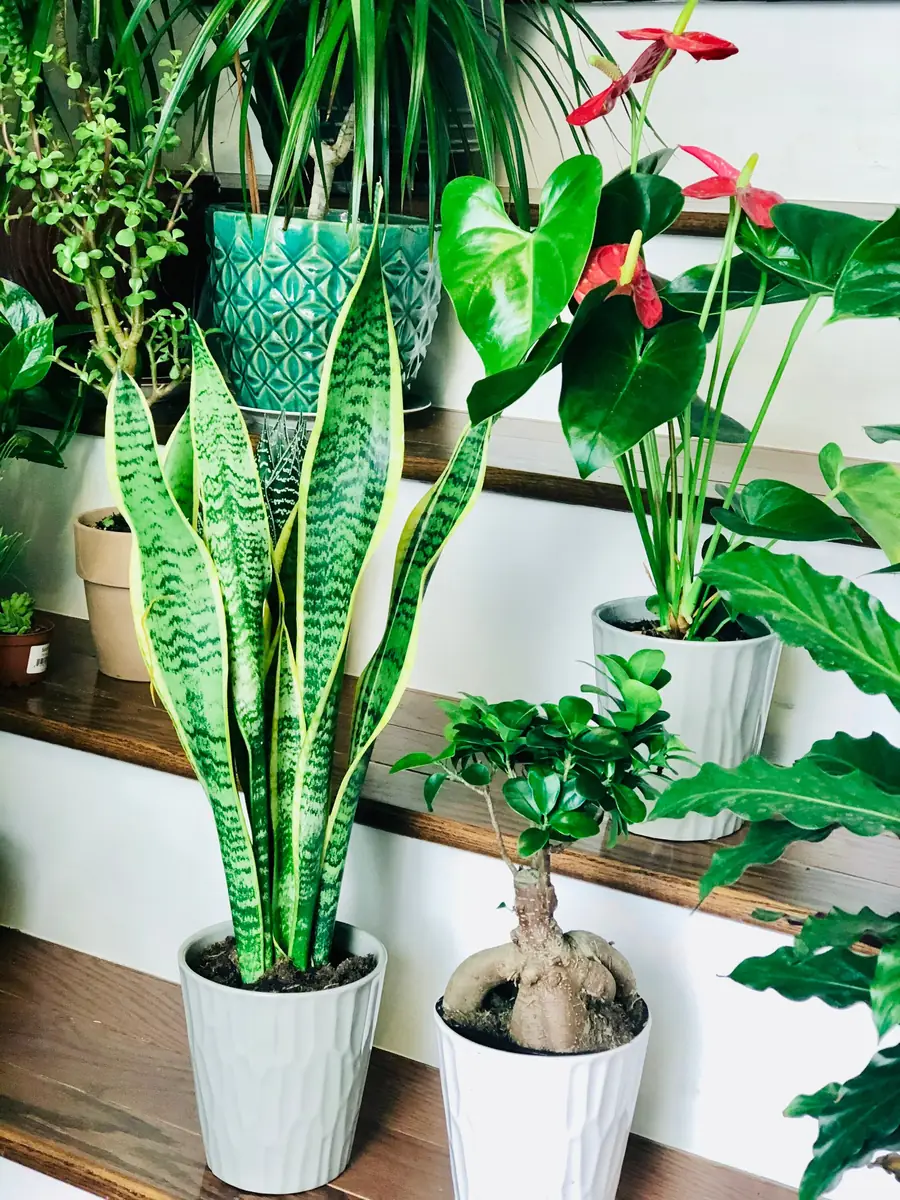
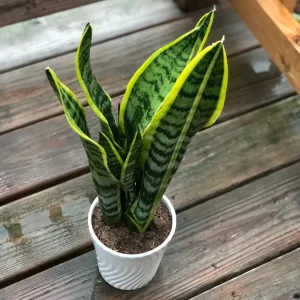
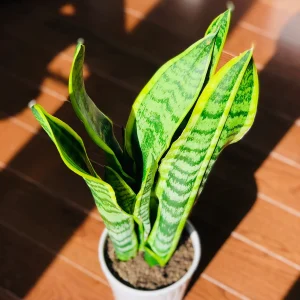
Bring home a vibrant snake plant indoor in a 4.5 inch nursery pot. Known for its striking upright foliage, this air purifying plant benefits your indoor environment by cleaning the air. It’s an excellent easy care houseplant, perfect for beginners or busy plant parents.
-
USDA Hardiness Zone
USDA zones 9-11 (for outdoor); thrives indoors year-round -
Soil Type
Well-draining potting mix, ideally a succulent or cactus blend -
Sunlight Exposure
Low light to bright indirect light -
Expected Planting Period
Year-round indoors

You can track your order HERE
Feb 27
Mar 04 - Mar 06
Mar 09 - Mar 13
Shipping and return policies: Our Alive & Thrive Guarantee covers issues with your plants within the first 30 days. Reach out to us. Our team will answer your questions and help you find the plants that are truly suitable for your environment, climate, and personal preferences.

Overview
Transform your living space with the elegant and resilient snake plant indoor, a popular choice for both novice and experienced plant enthusiasts. This stunning Sansevieria trifasciata, often referred to as Mother-in-Law’s Tongue, is renowned for its architectural form and striking variegated leaves. Each plant is carefully cultivated and delivered in a 4.5 inch nursery pot, ready to enhance your home or office decor. The snake plant indoor is not just a beautiful addition; it’s also a powerhouse when it comes to improving indoor air quality, making it a functional and aesthetic choice for any room. Its robust nature means it can adapt to various indoor conditions, thriving where many other plants might struggle.
Originating from West Africa, the Sansevieria species has evolved to be incredibly drought-tolerant and resilient. This particular variety offers a modern, sophisticated look that complements any interior design style, from minimalist to bohemian. Its upright, sword-like leaves can reach impressive heights, adding vertical interest to your plant collection. The snake plant indoor is a testament to nature’s ability to provide beauty and utility in one package, offering a touch of the exotic with very little fuss.
Key Benefits
The snake plant indoor offers a multitude of benefits, making it an indispensable addition to any indoor garden. Its unique characteristics contribute to a healthier and more aesthetically pleasing environment.
- Air Purification: The snake plant indoor is celebrated for its ability to filter indoor air. It effectively removes toxins such as formaldehyde, xylene, toluene, and nitrogen oxides, contributing to a cleaner and fresher atmosphere, making it a true air purifying plant benefits.
- Low Maintenance: This plant is incredibly forgiving and perfect for those new to plant care or with busy schedules. It tolerates neglect better than most plants, requiring infrequent watering and minimal attention, embodying what it means to be an easy care houseplant.
- Thrives in Low Light: Unlike many houseplants that demand bright conditions, the snake plant indoor is a champion of low-light environments. While it appreciates bright, indirect light, it can happily survive in dimly lit corners, making it a versatile low light houseplant.
- Drought Tolerant: Its succulent-like leaves store water, allowing it to go for extended periods without watering. This feature makes it highly resilient and reduces the risk of overwatering, a common cause of plant demise.
- Stylish Decor: With its sleek, upright foliage and distinctive patterns, the snake plant indoor adds a contemporary and sophisticated touch to any interior design. It’s a living sculpture that enhances visual appeal.
- Oxygen Production at Night: Uniquely, the Sansevieria converts carbon dioxide into oxygen at night, which can contribute to better sleep quality when placed in bedrooms.
- Pest Resistant: Generally, Sansevierias are quite resistant to common houseplant pests, further contributing to their reputation as an easy care houseplant.
Plant Care & Growing Tips
Caring for your snake plant indoor is remarkably straightforward, earning it a reputation as one of the easiest houseplants to grow. Understanding its basic needs will ensure your sansevieria plant care routine keeps it thriving for years to come. When it comes to sunlight, the snake plant indoor is exceptionally adaptable. While it can tolerate very low light conditions, it will truly flourish in bright, indirect light. Avoid direct, harsh sunlight, especially during the hottest parts of the day, as this can scorch its leaves. A spot near a north or east-facing window is often ideal, or a few feet away from a south or west-facing window with sheer curtains.
Watering is perhaps the most critical aspect of sansevieria plant care. The biggest mistake new owners make is overwatering. Allow the soil to dry out completely between waterings. For a 4.5 inch pot, this might mean watering once every 2-4 weeks, depending on the humidity and light levels in your home. In winter, reduce watering even further. When you do water, do so thoroughly until water drains from the bottom of the pot. Ensure the pot has drainage holes to prevent root rot. The ideal soil for a snake plant indoor is a well-draining potting mix, such as a cactus or succulent blend. Good drainage is paramount to prevent waterlogging.
Temperature-wise, the snake plant indoor prefers average room temperatures between 65-80°F (18-27°C). It is not frost-tolerant and should be protected from cold drafts. For fertilization, a balanced liquid houseplant fertilizer can be applied once during the spring and summer growing seasons, but it is not strictly necessary as these plants are not heavy feeders. Common problems are usually related to overwatering, leading to soft, yellowing leaves. If this occurs, reduce watering frequency and ensure proper drainage. The USDA hardiness zone for outdoor planting is typically 9-11, but as an indoor plant, it thrives in controlled environments year-round.
Size & Details
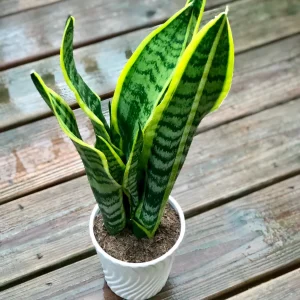
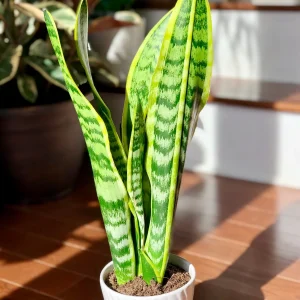
Each snake plant indoor is delivered as a live plant, nestled securely in a 4.5 inch nursery pot. This size is ideal for immediate placement on desks, shelves, or windowsills, providing instant greenery and style. The plant’s height typically ranges from 10 to 14 inches from the base of the pot to the tip of its tallest leaf, while its width spans approximately 5 to 8 inches, offering a compact yet impactful presence. The Sansevieria is a slow to moderate grower, meaning it won’t outgrow its space too quickly and will maintain its elegant form for an extended period. It arrives healthy and well-rooted, ready to adapt to its new home. The established root system ensures a smooth transition and continued growth in your care. This low light houseplant is packaged to withstand transit, ensuring it arrives in excellent condition.
Frequently Asked Questions
- Q: How big does this plant get? A: This snake plant indoor typically arrives between 10-14 inches tall and 5-8 inches wide in its 4.5 inch nursery pot. With proper care, it can grow taller, often reaching up to 2-3 feet over several years, while maintaining a slender profile.
- Q: Is this an indoor or outdoor plant? A: While Sansevierias can be grown outdoors in very warm climates (USDA Zones 9-11), this particular offering is best suited as a dedicated snake plant indoor specimen. It thrives in typical household temperatures and lighting conditions.
- Q: How much sunlight does it need? A: The snake plant indoor is a highly adaptable low light houseplant. It tolerates low light but prefers bright, indirect light for optimal growth. Avoid direct, intense sun which can damage the leaves.
- Q: Is this plant easy to care for? A: Absolutely! The snake plant indoor is considered one of the easiest houseplants to care for, making it an ideal choice for beginners. Its minimal watering needs and tolerance for various light conditions contribute to its reputation as an easy care houseplant.
- Q: What condition will it arrive in? A: Your snake plant indoor will arrive as a healthy, live plant in its 4.5 inch nursery pot, carefully packaged to ensure it withstands transit and reaches you in excellent condition, ready to thrive in its new home.
- Q: How often should I water my Sansevieria plant? A: For optimal sansevieria plant care, water sparingly. Allow the soil to dry out completely between waterings, typically every 2-4 weeks, or even less frequently in winter. Overwatering is the most common cause of issues for this resilient plant.
- Q: Can the snake plant purify the air? A: Yes, one of the significant air purifying plant benefits of the snake plant indoor is its ability to filter common indoor air toxins, including formaldehyde and benzene, contributing to a healthier indoor environment.
- Q: Is the snake plant pet-safe? A: No, the snake plant indoor is considered mildly toxic if ingested by pets or humans. It’s best to keep it out of reach of curious animals and children.
- Q: What type of soil is best for a snake plant? A: A well-draining potting mix is crucial for good sansevieria plant care. A cactus or succulent mix is ideal, as it prevents water from sitting around the roots, which can lead to rot.
- Q: When is the best time to repot a snake plant? A: Repotting is rarely needed as the snake plant indoor prefers to be slightly root-bound. If necessary, repot in spring or summer when the plant is actively growing, moving up only one pot size.
Be the first to review “Snake Plant Live Houseplant – 4.5 inch Pot – Air Purifying – Low Light”
People Also Viewed
Sold 75 products
Original price was: $69.96.$34.98Current price is: $34.98.
Sold 90 products
From $87.80
Shrubs
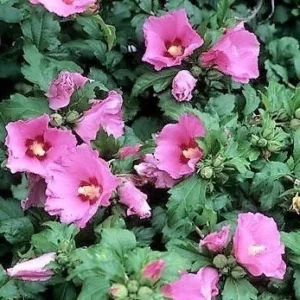
Aphrodite Rose of Sharon Bare Root Plant – 2 Pack, 1-2′ Tall, Deep Pink Flowers, Outdoor Shrub
Sold 68 products
Original price was: $47.96.$23.98Current price is: $23.98.

Sold 68 products
$61.58
Sold 78 products
Original price was: $159.60.$79.80Current price is: $79.80.
Sold 68 products
Original price was: $48.86.$29.32Current price is: $29.32.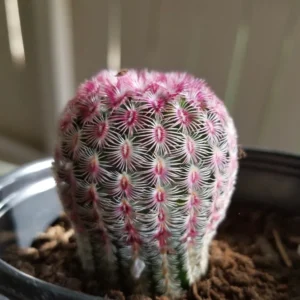
Succulents
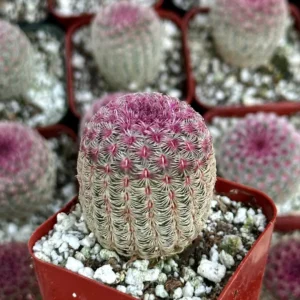
Arizona Rainbow Cactus Live Plant – Echinocereus Rigidissimus – Colorful Pink Cactus in 2-6 inch pot
Sold 95 products
From $22.38
Sold 89 products
Original price was: $150.76.$75.38Current price is: $75.38.

Sold 81 products
$59.38

Sold 84 products
$57.18
Sold 64 products
From $197.96
Sold 51 products
From $197.98
Sold 97 products
From $61.58
Sold 84 products
$329.98
Sold 83 products
Original price was: $39.98.$19.99Current price is: $19.99.
Sold 93 products
Original price was: $355.96.$177.98Current price is: $177.98.
Sold 67 products
From $99.80
Sold 85 products
$43.98



Reviews
There are no reviews yet.