
Sirenevyi Pomegranate Starter Plant – Cold Hardy Punica Granatum Live Plant
Original price was: $40.00.$32.00Current price is: $32.00.
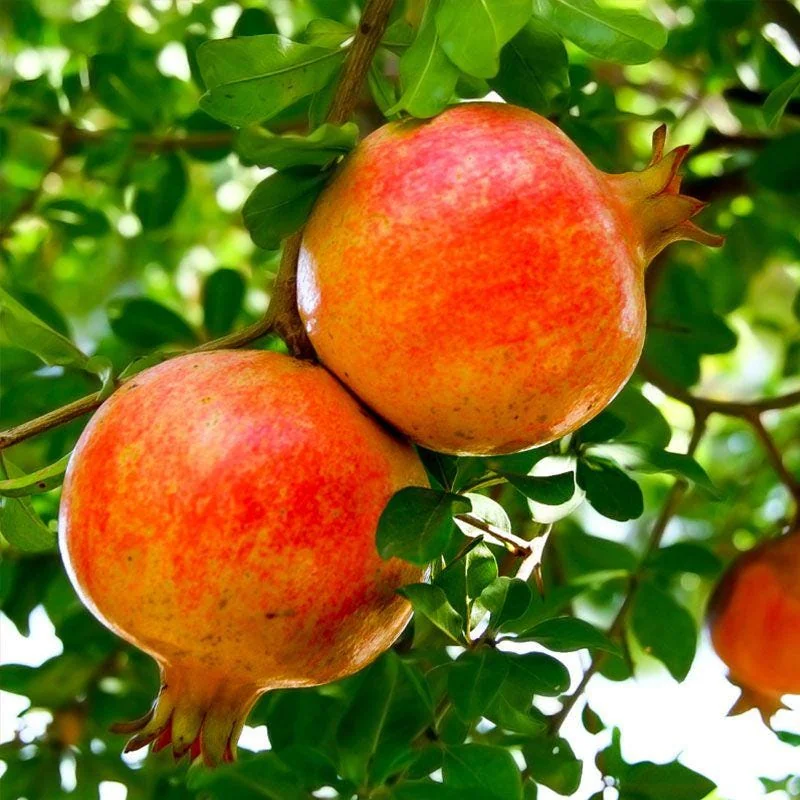
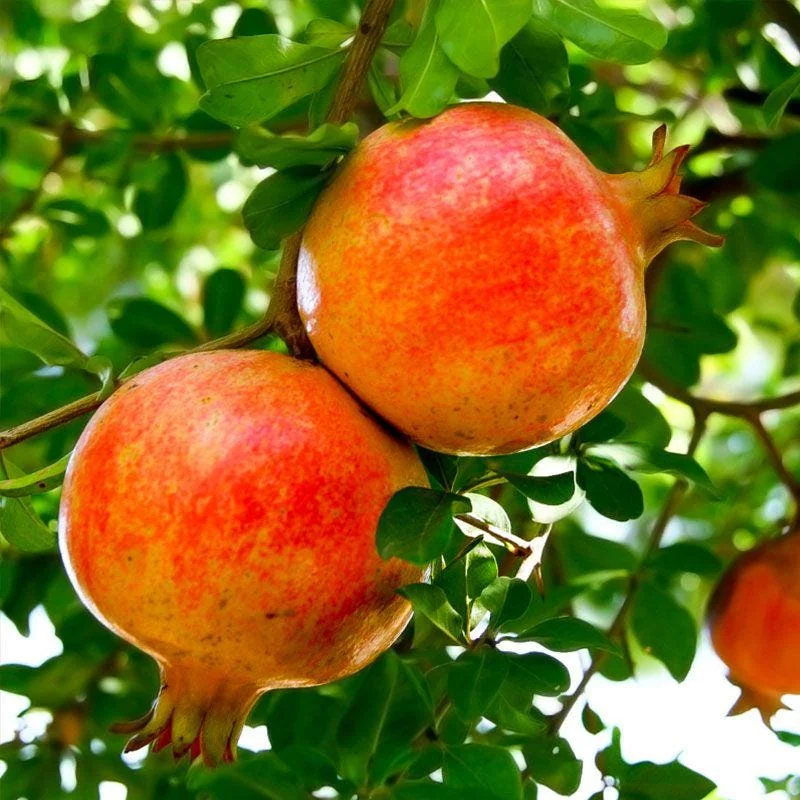
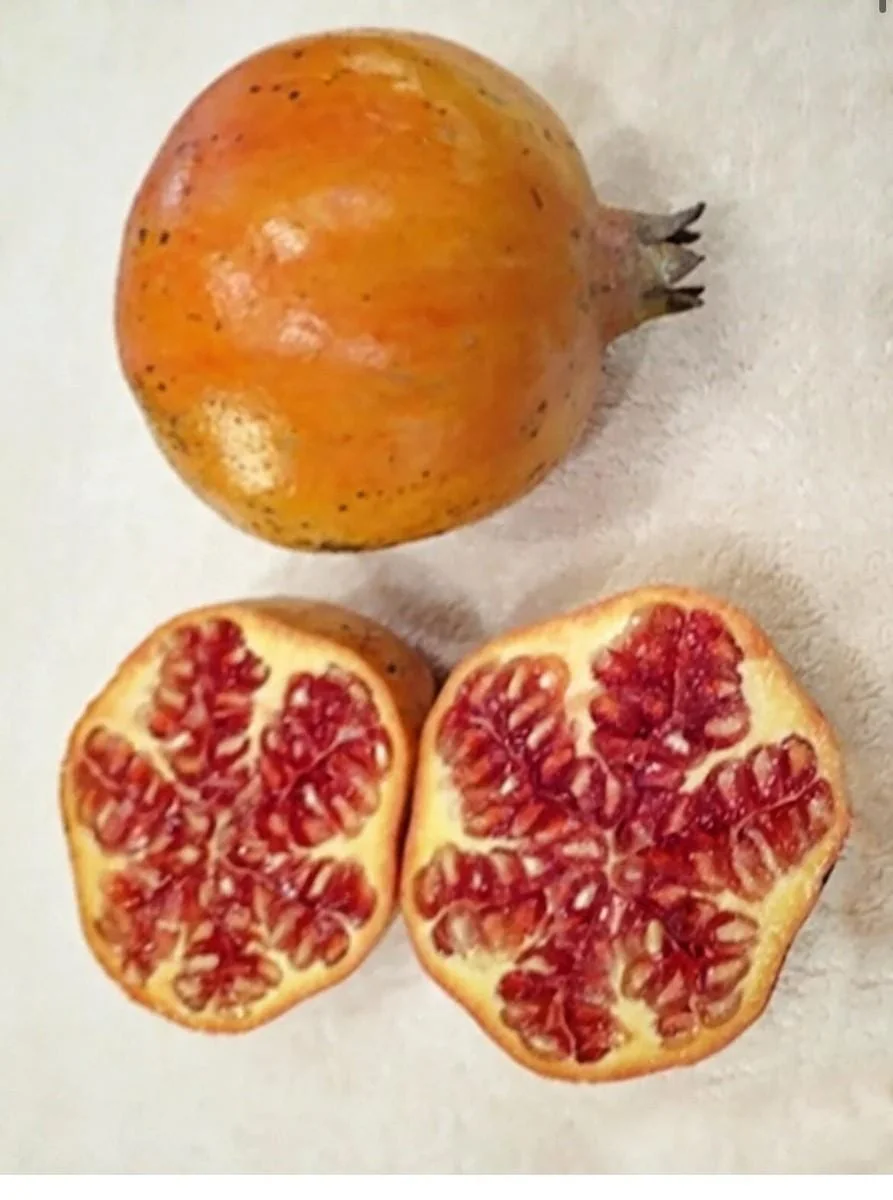
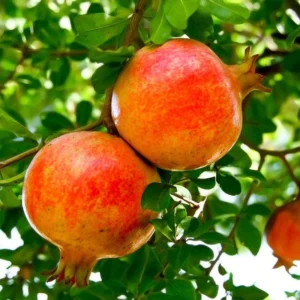
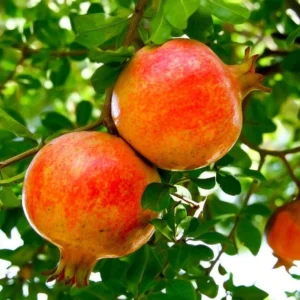
Bring home a Sirenevyi pomegranate live plant, a unique and cold-hardy variety known for its delicious soft-seeded fruit and ornamental appeal. This self pollinating pomegranate thrives in USDA Zones 7-10, offering vibrant flowers and decorative, speckled fruit.
-
USDA Hardiness Zone
7-10 (Zone 6 with protection) -
Soil Type
Well-draining, loamy soil -
Sunlight Exposure
Full sun (6-8 hours direct light) -
Expected Planting Period
Spring

You can track your order HERE
Mar 01
Mar 06 - Mar 08
Mar 11 - Mar 15
Shipping and return policies: Our Alive & Thrive Guarantee covers issues with your plants within the first 30 days. Reach out to us. Our team will answer your questions and help you find the plants that are truly suitable for your environment, climate, and personal preferences.

Overview
Introduce a remarkable addition to your garden with the Sirenevyi pomegranate live plant. This exceptional variety, scientifically known as Punica granatum ‘Sirenevyi’, is celebrated for its impressive cold-hardiness and unique characteristics. Originating from Dr. Gregory Levin’s renowned research station in Turkmenistan, the Sirenevyi pomegranate stands out as a robust and adaptable fruit-bearing shrub. It’s a cold hardy pomegranate cultivar, making it suitable for a wider range of climates compared to many other pomegranate types. Gardeners seeking a resilient and productive plant will find the Sirenevyi an excellent choice, promising both aesthetic beauty and delicious rewards. This live plant is ready to be established in your garden, bringing the allure of the Mediterranean right to your doorstep.
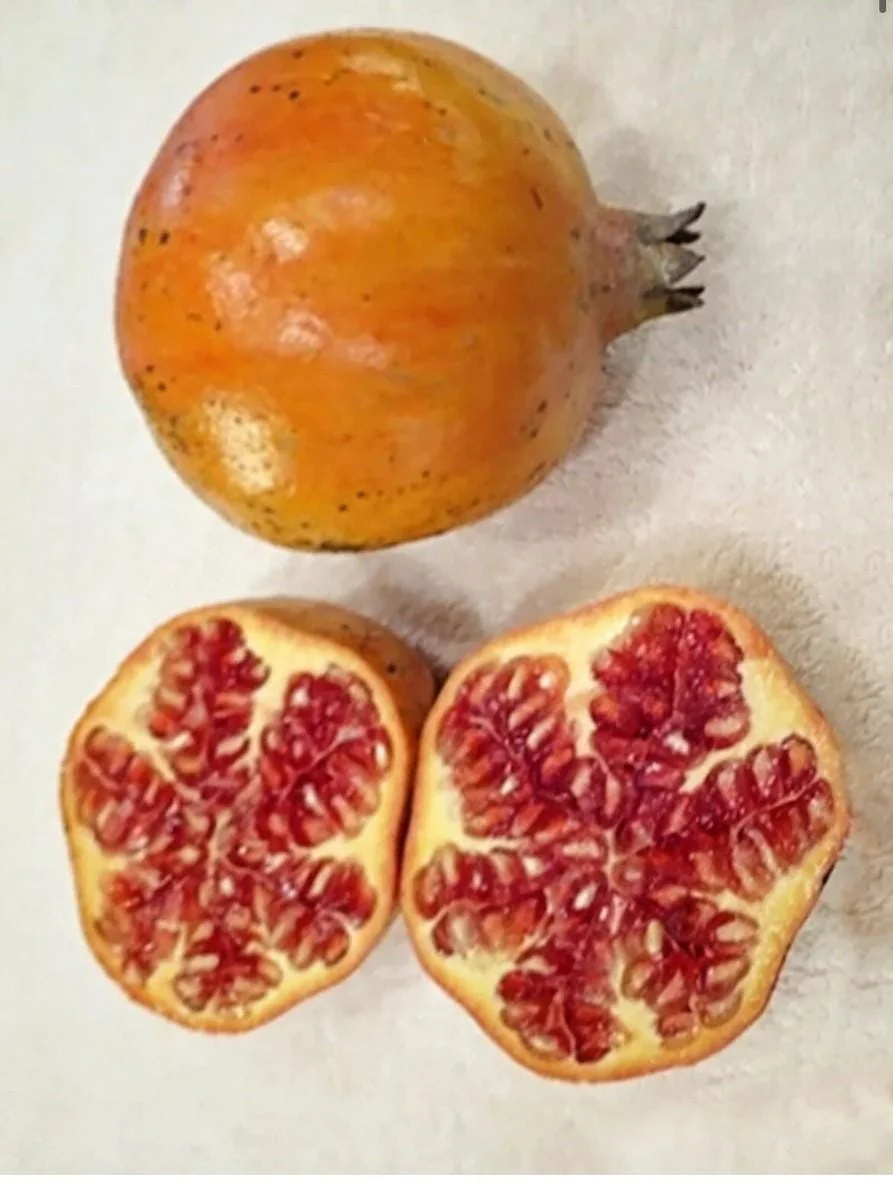
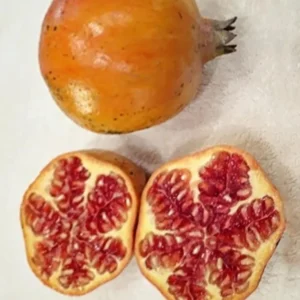
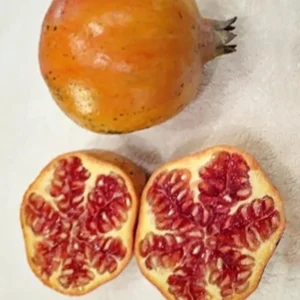
The Sirenevyi pomegranate live plant is not just about its fruit; it’s also a stunning ornamental. It produces vibrant, eye-catching flowers that add a splash of color to your landscape, followed by decorative, speckled fruits. One of its most appealing features is its soft-seeded fruit, which offers a delightful eating experience without the usual hard seeds found in many pomegranate varieties. Furthermore, this is a self pollinating pomegranate, meaning you typically only need one plant to ensure fruit production, simplifying cultivation for home gardeners. Its unique flavor profile and ease of growth make it a highly desirable specimen for both novice and experienced plant enthusiasts alike.
Key Benefits
The Sirenevyi pomegranate offers a multitude of benefits, combining beauty, resilience, and delicious fruit. Cultivating this plant provides a rewarding experience, enhancing your garden with its unique attributes while yielding a bountiful harvest of delectable pomegranates.
- Cold-Hardiness: This cold hardy pomegranate variety is generally resilient in USDA Zones 7-10, and can even succeed in protected areas of Zone 6, extending the geographical range where pomegranates can be grown successfully.
- Self-Pollinating: As a self pollinating pomegranate, it simplifies fruit production for home gardeners, as you typically only need a single plant to ensure a good harvest.
- Soft-Seeded Fruit: Enjoy the unique and delicious flavor of pomegranates without the hassle of hard seeds, making for a more pleasant eating experience.
- Ornamental Appeal: The plant produces vibrant, attractive flowers and decorative, speckled fruit, adding significant visual interest to your garden throughout the growing season.
- Unique Flavor Profile: The fruit of the Punica granatum Sirenevyi is known for its distinct and appealing taste, offering a gourmet experience right from your backyard.
- Drought Tolerance: Once established, pomegranate plants are relatively drought-tolerant, making them a good choice for water-wise gardening.
- Healthy Harvest: Pomegranates are rich in antioxidants and vitamins, providing a healthy and fresh source of nutrition directly from your own pomegranate fruit tree.
Plant Care & Growing Tips
Caring for your Sirenevyi pomegranate live plant is a rewarding experience, and with the right attention, it will thrive and produce abundant fruit. This cold-hardy variety is relatively easy to maintain, but a few key practices will ensure its optimal growth and productivity. Proper sunlight is crucial; pomegranates require full sun, meaning at least 6-8 hours of direct sunlight per day. In hotter climates, some afternoon shade can be beneficial to prevent scorching. Ensure your plant is in a location where it can receive ample light throughout the day for the best fruit development.
When it comes to watering, young Punica granatum Sirenevyi plants need consistent moisture to establish a strong root system. Water deeply and regularly, especially during dry spells, allowing the top inch or two of soil to dry out between waterings. Once established, pomegranates are quite drought-tolerant, but regular watering during fruit development will lead to larger, juicier fruits. The ideal soil for a Sirenevyi pomegranate live plant is well-draining, loamy soil with a pH between 5.5 and 7.0. Amending heavy clay soils with organic matter can improve drainage, while sandy soils may benefit from added compost to retain moisture. Good drainage is paramount to prevent root rot.
This cold hardy pomegranate is generally hardy in USDA Zones 7–10, and can be grown in protected areas of Zone 6 with proper winter protection. In colder climates, young plants may benefit from mulching around the base or covering during severe freezes. Fertilize your pomegranate fruit tree in early spring with a balanced fertilizer, and again in mid-summer if growth seems slow. Pomegranates are generally pest and disease resistant, but watch for common issues like aphids or scale and treat with horticultural oil if necessary. Pruning is best done in late winter or early spring to remove dead or crossing branches and to shape the plant, encouraging better air circulation and fruit production.
Size & Details
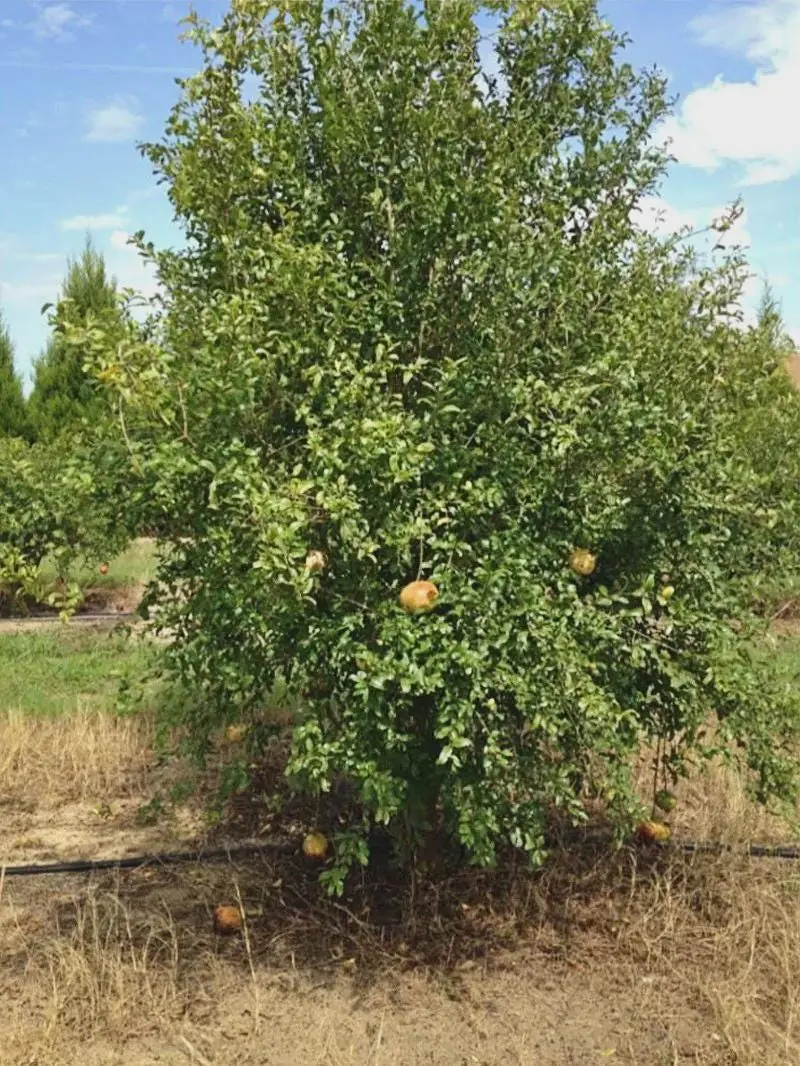
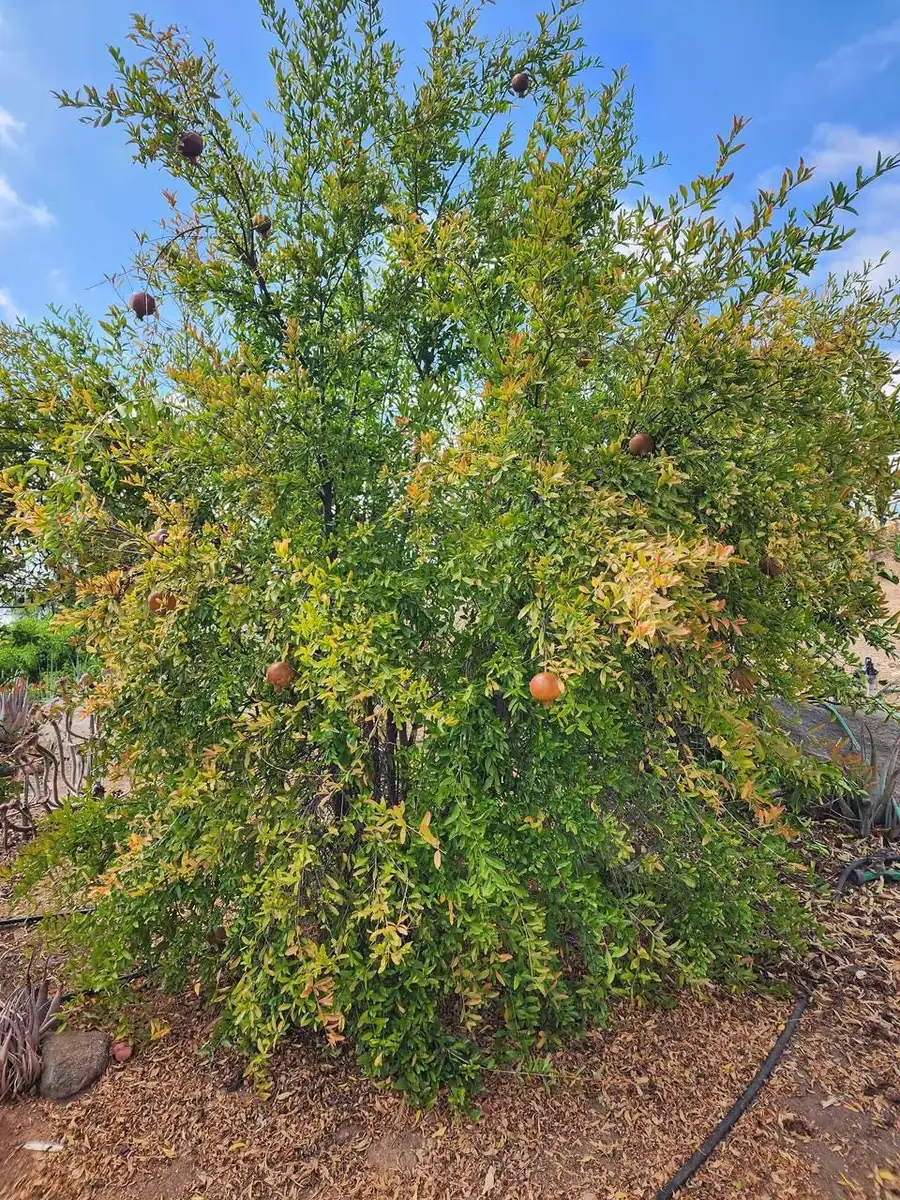
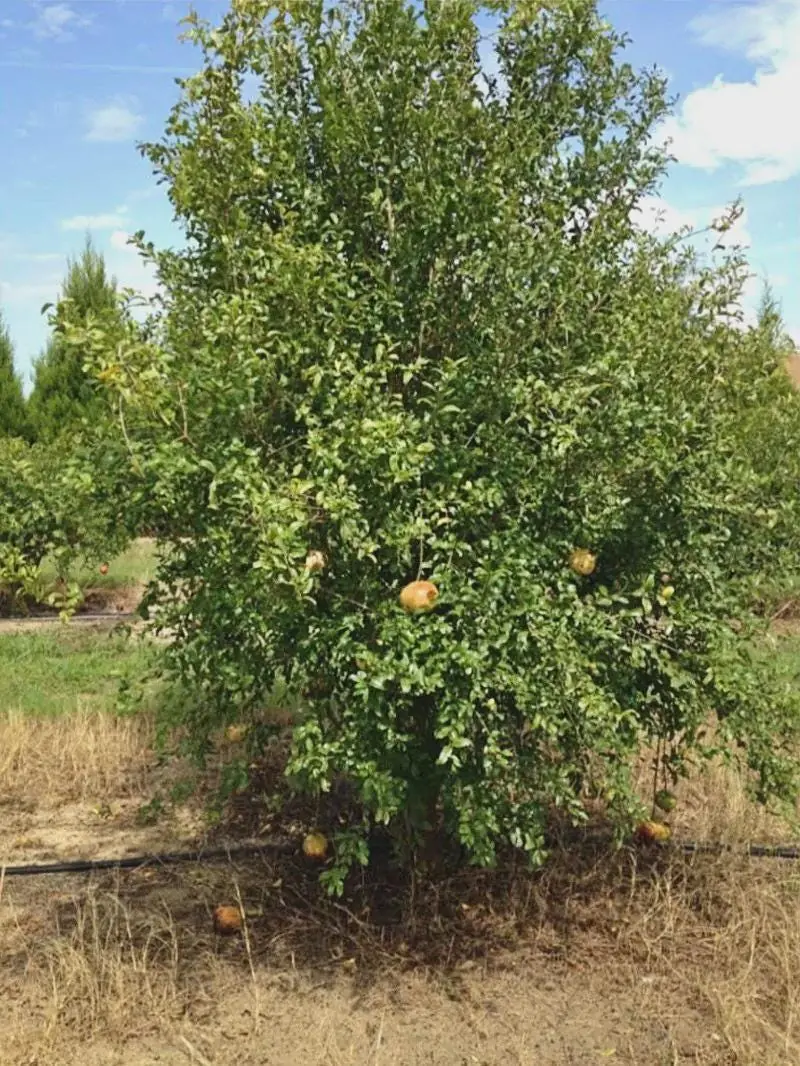
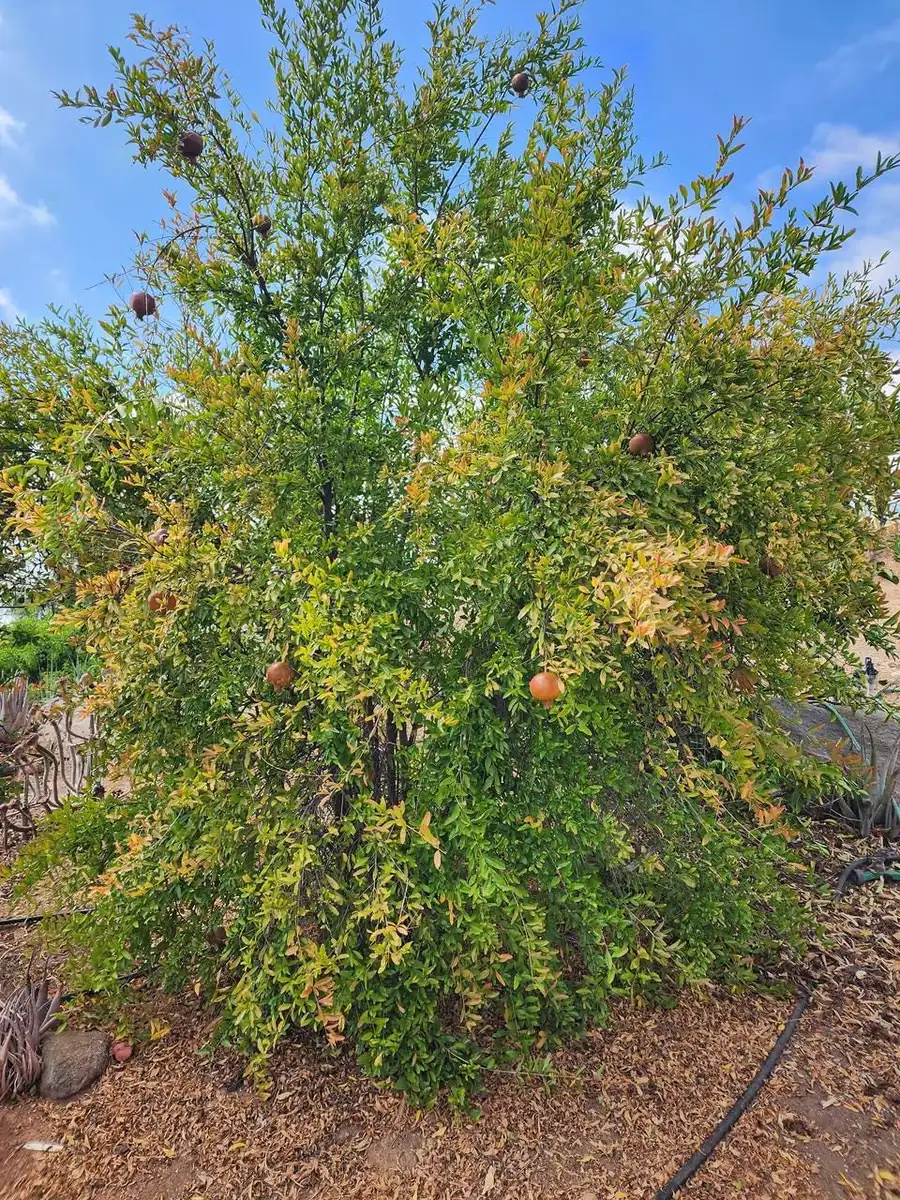
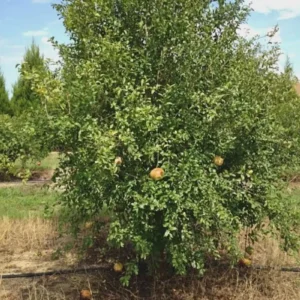
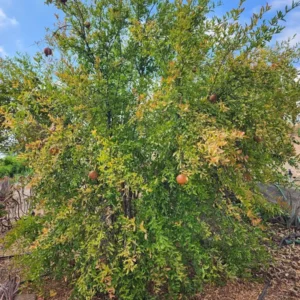
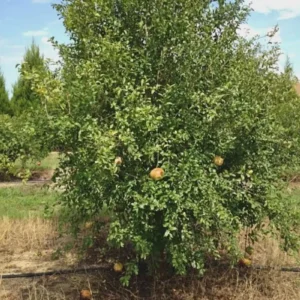
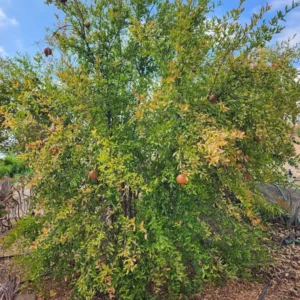
The Sirenevyi pomegranate live plant is typically shipped as a starter plant, ready for transplanting into your garden or a larger container. While specific dimensions can vary, these plants are generally young, vigorous specimens designed to establish quickly. Pomegranates typically grow into a large shrub or small tree, reaching heights of 10-20 feet (3-6 meters) and a similar spread if left unpruned. The growth rate is moderate, allowing you to enjoy flowers and fruit within a few years of planting. This particular variety is known for its relatively compact habit compared to some other pomegranates, making it suitable for smaller gardens or large patio containers.
This Punica granatum Sirenevyi will arrive as a bare root plant, which is a common and effective method for shipping deciduous plants during their dormant season. Bare root plants are efficient to ship and often establish well once planted. Expect the plant to break dormancy and begin leafing out shortly after planting, given appropriate growing conditions. With proper care, your pomegranate fruit tree will develop into a productive and beautiful specimen, yielding its unique soft-seeded fruit for many years to come. The decorative speckled fruit and vibrant flowers add significant aesthetic value to any landscape.
Frequently Asked Questions
- Q: How big does this Sirenevyi pomegranate live plant get? A: If left unpruned, the Sirenevyi pomegranate can grow into a large shrub or small tree, reaching heights of 10-20 feet with a similar spread. Regular pruning can help maintain a more compact size.
- Q: Is this an indoor or outdoor plant? A: The Sirenevyi pomegranate live plant is primarily an outdoor plant, thriving in full sun. In colder climates (USDA Zone 6), it may require winter protection. It can be grown in large containers and brought indoors during severe cold.
- Q: How much sunlight does it need? A: This cold hardy pomegranate requires at least 6-8 hours of direct sunlight per day to produce the best fruit. In extremely hot climates, some afternoon shade can prevent leaf scorch.
- Q: Is this plant easy to care for? A: Yes, pomegranates, including the Punica granatum Sirenevyi, are generally considered low-maintenance fruit trees once established. They are drought-tolerant and relatively pest-resistant.
- Q: What condition will it arrive in? A: The plant typically ships as a bare root plant, which means it will arrive without soil or a pot. This is a standard and effective method for shipping dormant plants.
- Q: How long until it blooms and produces fruit? A: A young Sirenevyi pomegranate live plant may begin to flower and set fruit within 2-3 years, with significant production increasing as the plant matures over 5-7 years.
- Q: Will it survive winter in my zone? A: This self pollinating pomegranate is generally hardy in USDA Zones 7-10. Growers in protected areas of Zone 6 have also had success, but young plants may need winter protection in colder regions.
- Q: What makes the ‘Sirenevyi’ variety special? A: The ‘Sirenevyi’ is prized for its exceptional cold-hardiness, unique soft-seeded fruit with a distinct flavor, and its ornamental value with vibrant flowers and speckled fruit. It’s an excellent pomegranate fruit tree for diverse climates.
- Q: What kind of soil does it prefer? A: It thrives in well-draining, loamy soil with a pH between 5.5 and 7.0. Good drainage is crucial to prevent root issues.
- Q: Can I grow this pomegranate fruit tree in a container? A: Yes, the Sirenevyi pomegranate can be grown successfully in a large container (at least 15-20 gallons) with good drainage, especially beneficial for those in colder zones who wish to move the plant indoors during winter.
Be the first to review “Sirenevyi Pomegranate Starter Plant – Cold Hardy Punica Granatum Live Plant”
People Also Viewed

Sold 94 products
Original price was: $89.98.$44.99Current price is: $44.99.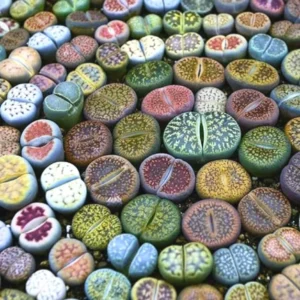
Sold 68 products
Original price was: $39.98.$19.99Current price is: $19.99.
Sold 54 products
From $43.98
Sold 81 products
Original price was: $53.98.$26.99Current price is: $26.99.
Sold 92 products
Original price was: $63.76.$31.88Current price is: $31.88.
Sold 77 products
Original price was: $18.76.$9.38Current price is: $9.38.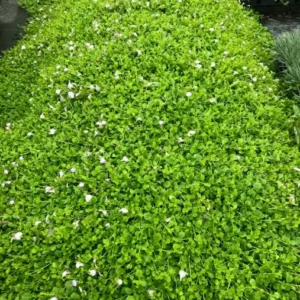
Flower Plants
Creeping Blue Mazus Reptans Live Plant – Blue Flowers, 4 inch Pot, Outdoor Groundcover
Sold 52 products
From $51.80
Sold 59 products
From $99.80
Sold 83 products
Original price was: $210.00.$157.50Current price is: $157.50.
HousePlants
Lithops Live Plants Mix – 10 Large Colorful Living Stones Succulents for Indoor/Outdoor Growing
Sold 60 products
Original price was: $27.98.$13.99Current price is: $13.99.
Sold 65 products
Original price was: $43.99.$23.99Current price is: $23.99.
Sold 65 products
$43.98
Sold 64 products
Original price was: $39.98.$19.99Current price is: $19.99.
Sold 65 products
Original price was: $46.00.$36.80Current price is: $36.80.
Sold 68 products
Original price was: $59.98.$47.98Current price is: $47.98.
Sold 83 products
Original price was: $52.00.$41.60Current price is: $41.60.
Sold 95 products
Original price was: $51.98.$41.58Current price is: $41.58.
Sold 56 products
$43.98



Reviews
There are no reviews yet.