
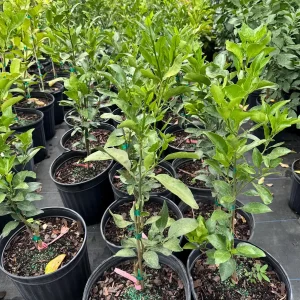
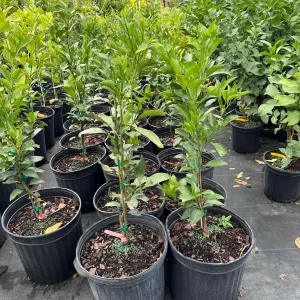
Shiranui Mandarin Tree – Grafted Citrus Live Plant – 3 Gallon – 2-3 Feet Tall
From $141.99
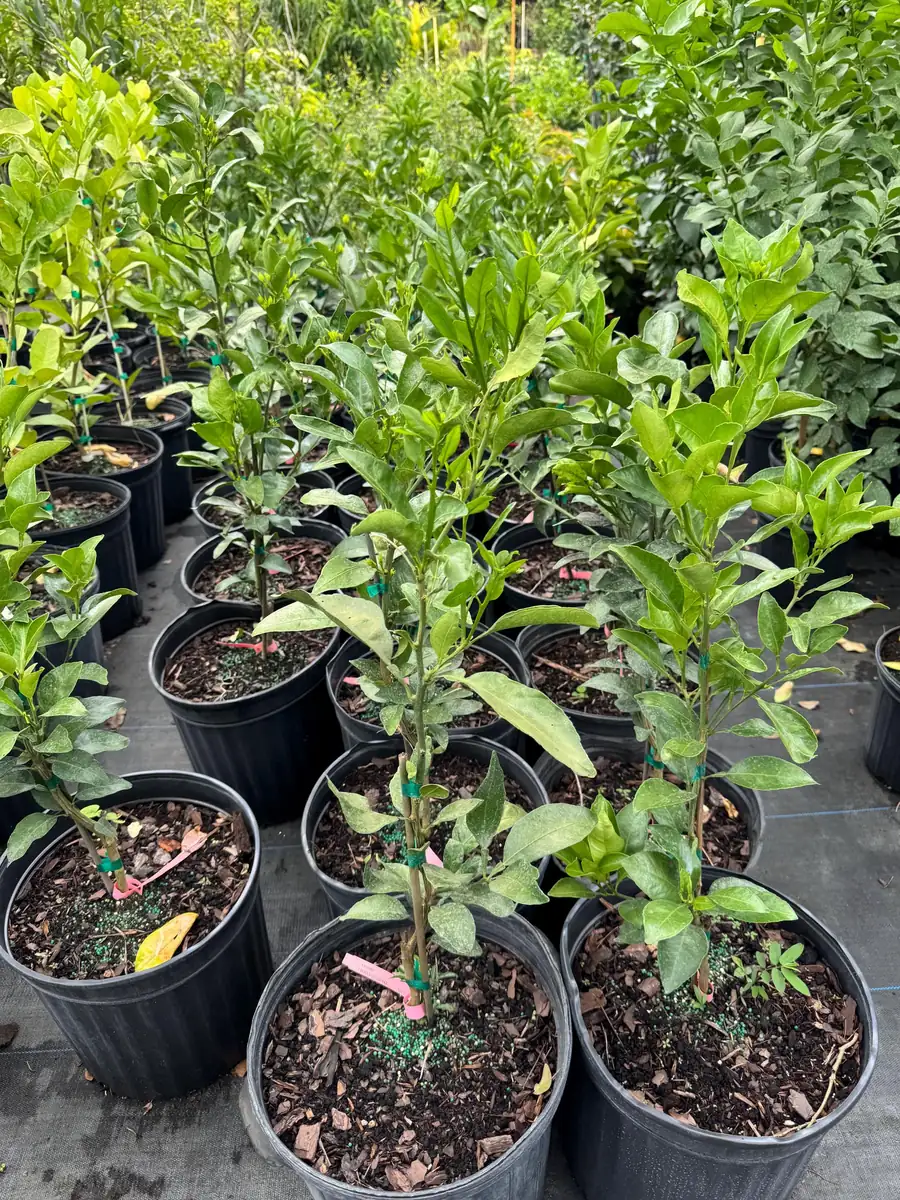
Bring the joy of homegrown citrus to your garden with a shiranui mandarin tree. This grafted mandarin tree is a live plant, 2-3 feet tall in a 3-gallon pot, ready to produce sweet, seedless, and easy-to-peel fruit. Perfect for adding a touch of exotic flavor to your landscape.
-
USDA Hardiness Zone
USDA zones 9-11 (outdoors), suitable for container growing indoors in colder zones -
Soil Type
Well-draining, slightly acidic to neutral soil (pH 6.0-7.0) -
Sunlight Exposure
Full sun (at least 6-8 hours of direct sunlight daily) -
Expected Planting Period
Year-round indoors; spring to early summer outdoors (after last frost)

You can track your order HERE
Feb 28
Mar 05 - Mar 07
Mar 10 - Mar 14
Shipping and return policies: Our Alive & Thrive Guarantee covers issues with your plants within the first 30 days. Reach out to us. Our team will answer your questions and help you find the plants that are truly suitable for your environment, climate, and personal preferences.

Overview
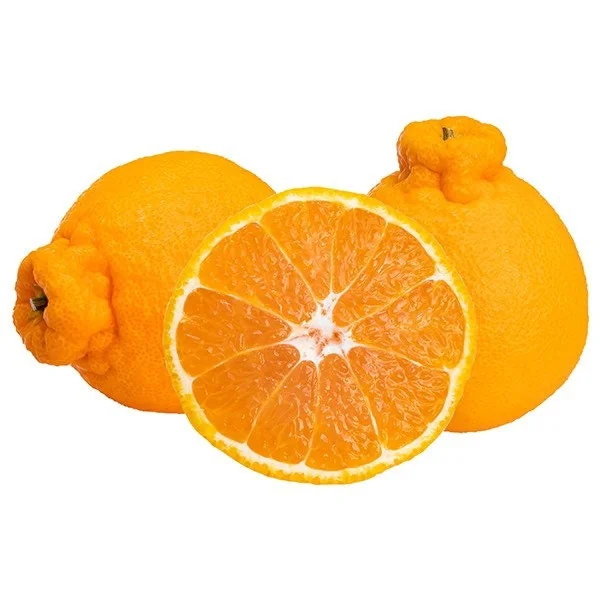
Experience the delight of cultivating your own premium citrus with this exceptional shiranui mandarin tree. Known for its distinctive bumpy skin and incredibly sweet, juicy, and seedless flesh, the Shiranui mandarin (often called ‘Dekopon’ in Japan or ‘Sumo Citrus’ in the US) is a highly sought-after variety. This offering is for a live, actively growing shiranui citrus plant, expertly grafted to ensure robust growth and earlier fruit production. Standing approximately 2-3 feet tall and rooted in a 3-gallon nursery pot, it’s ready to be transplanted into your garden or a larger container. Growing your own grafted mandarin tree means you’ll enjoy fresh, delicious fruit directly from your backyard, bringing a taste of the exotic to your home. This particular variety is cherished not only for its superior flavor but also for its ease of peeling, making it a favorite for both adults and children.
The Shiranui mandarin is a hybrid citrus, a cross between a Kiyomi tangor and a Ponkan mandarin, developed in Japan in the 1970s. Its unique appearance and outstanding taste have made it a global sensation. When you choose to grow shiranui mandarin, you’re investing in a plant that will provide both ornamental beauty and a bountiful harvest of some of the finest citrus available. This live plant is a fantastic addition for any gardener looking to expand their edible landscape or simply enjoy fresh, healthy fruit.
Key Benefits
Cultivating a shiranui mandarin tree offers a multitude of advantages, from the sensory pleasure of its fruit to the aesthetic appeal it brings to your outdoor space. This grafted mandarin tree is an investment in both your garden and your palate, providing unique benefits compared to other citrus varieties.
- Exceptional Fruit Quality: Produce your own large, juicy, and intensely sweet mandarins with an easy-to-peel, bumpy rind. The fruit is virtually seedless, making it a perfect snack.
- Ornamental Value: The glossy green foliage and fragrant white blossoms add significant beauty to your garden or patio, especially when laden with bright orange fruit.
- Reliable Production: As a grafted mandarin tree, it is engineered for quicker establishment and more consistent fruit yields compared to trees grown from seed, allowing you to enjoy harvests sooner.
- Culinary Versatility: The sweet and tangy fruit is perfect for fresh eating, juicing, desserts, salads, or as a flavorful garnish, making it a versatile ingredient in the kitchen.
- Healthful Harvest: Enjoy a fresh, organic source of Vitamin C and other essential nutrients right from your own backyard, contributing to a healthy lifestyle.
- Engaging Gardening Project: The process of watching your shiranui mandarin tree grow and produce fruit can be a rewarding and educational experience for gardeners of all levels.
- Distinctive Flavor Profile: The Shiranui mandarin boasts a rich, complex flavor that sets it apart from common oranges and mandarins, offering a gourmet citrus experience.
Plant Care & Growing Tips
To ensure your shiranui mandarin tree thrives and produces abundant fruit, proper care is essential. Mandarin trees generally prefer a warm climate and specific growing conditions. For optimal growth, plant your shiranui citrus plant in a location that receives full sun, meaning at least 6-8 hours of direct sunlight per day. If grown in a container, place it in the sunniest spot on your patio or near a south-facing window if bringing indoors for winter. Good air circulation is also important to prevent fungal diseases.
Watering is crucial, especially for young trees. Keep the soil consistently moist but never waterlogged. Allow the top inch or two of soil to dry out before watering again. During hot, dry periods, you may need to water more frequently. Ensure your pot has excellent drainage to prevent root rot. Mandarin trees prefer slightly acidic to neutral soil (pH 6.0-7.0) that is well-draining and rich in organic matter. A good quality citrus potting mix is ideal for container-grown plants. Fertilize your grafted mandarin tree with a balanced citrus-specific fertilizer, following the product’s instructions, typically every 1-2 months during the growing season (spring through fall).
Protection from cold is vital for your shiranui tree care. Mandarin trees are sensitive to frost and freezing temperatures. If you live in an area where temperatures drop below 25-30°F (-3 to -1°C), it’s best to grow your tree in a container so it can be moved indoors during winter. Pruning should be done to maintain shape, remove dead or crossing branches, and encourage fruit production. Light pruning in late winter or early spring is usually sufficient. Keep an eye out for common citrus pests like aphids, scale, and spider mites, and treat them promptly with organic insecticidal soap or horticultural oil if necessary to maintain a healthy shiranui mandarin tree.
Size & Details
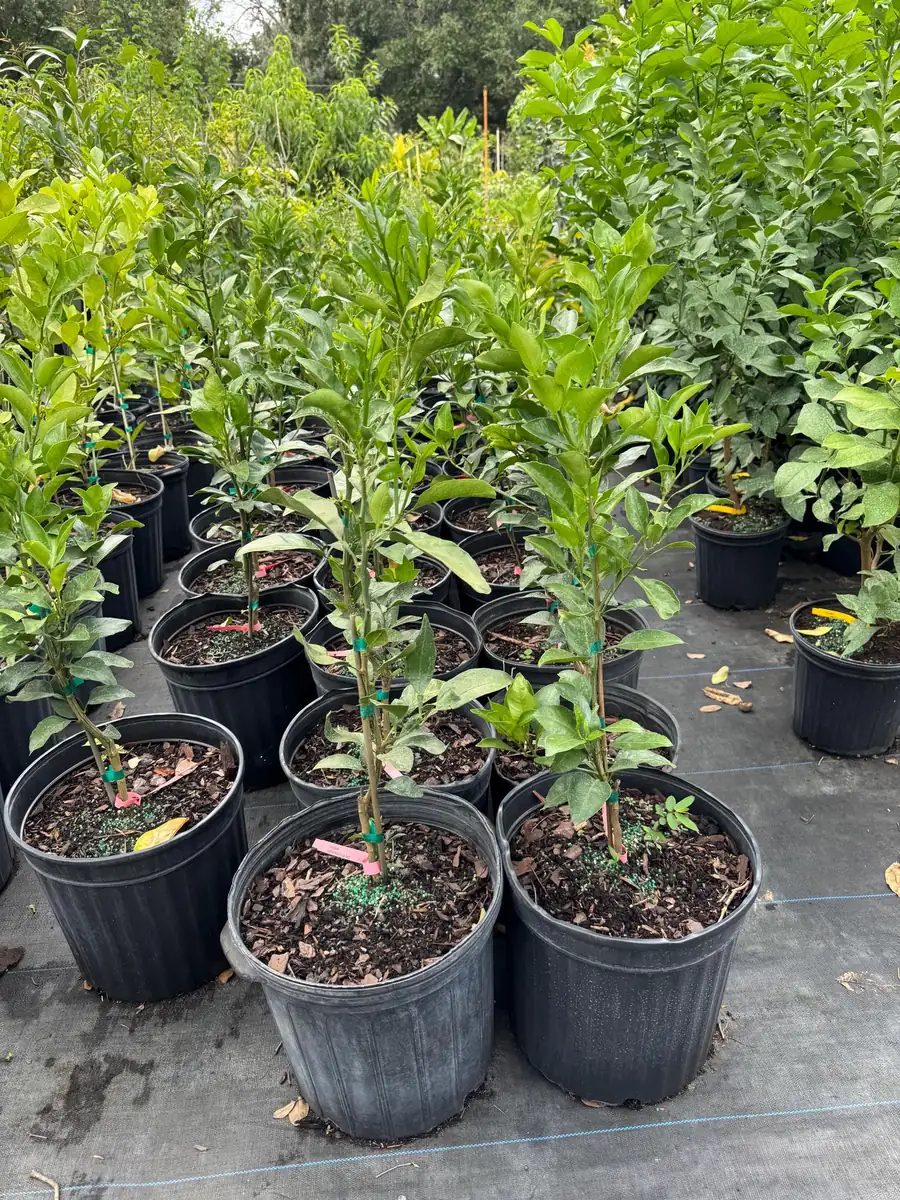
This offering is for a live shiranui mandarin tree, expertly grafted for vigor and early fruiting. The plant measures approximately 2-3 feet in height from the base of the pot to the tip of its tallest branch. It comes securely rooted in a 3-gallon nursery container, providing a well-established root system ready for transplanting. Mandarin trees are known for their moderate growth rate, and with proper care, this tree will continue to grow and develop into a mature specimen. Expect your tree to begin producing fruit within 1-3 years of planting, depending on growing conditions and care. The fruit typically ripens in late winter to early spring, offering a refreshing harvest when other fruits are scarce. When mature, a shiranui citrus plant can reach heights of 10-15 feet in the ground, though it can be kept smaller with regular pruning or by growing it in a container. Its eventual spread will be similar to its height, forming a rounded canopy.
Frequently Asked Questions
- Q: How big does this shiranui mandarin tree get? A: This young tree is 2-3 feet tall in a 3-gallon pot. In the ground, mature Shiranui mandarin trees can reach 10-15 feet tall and wide, but can be maintained at a smaller size with pruning or by growing in a large container.
- Q: Is this an indoor or outdoor plant? A: The shiranui mandarin tree is a subtropical plant that thrives outdoors in USDA Zones 9-11. In colder climates, it must be grown in a container and brought indoors during winter to protect it from frost.
- Q: How much sunlight does a shiranui citrus plant need? A: Shiranui mandarin trees require full sun, which means at least 6-8 hours of direct sunlight per day, for optimal growth and fruit production.
- Q: Is this plant easy to care for? A: With consistent watering, proper fertilization, and protection from cold, the grafted mandarin tree is moderately easy to care for. It’s a rewarding plant for gardeners willing to provide its specific needs.
- Q: What condition will it arrive in? A: Your shiranui mandarin tree will arrive as a live, healthy plant, well-rooted in its 3-gallon nursery pot with soil, carefully packaged to ensure safe transit.
- Q: How long until it blooms and produces fruit? A: A grafted mandarin tree typically begins to bloom and produce fruit within 1-3 years of planting, depending on its age when purchased and the care it receives.
- Q: What’s the best soil for shiranui tree care? A: Shiranui mandarin trees prefer well-draining, slightly acidic to neutral soil rich in organic matter. A high-quality citrus potting mix is recommended for container planting.
- Q: Can I grow this shiranui citrus plant in a large pot? A: Yes, growing the shiranui mandarin tree in a large pot is highly recommended for those in colder climates, allowing you to move it indoors during winter. Ensure the pot has good drainage.
- Q: Will it survive winter in my zone? A: Shiranui mandarins are only cold-hardy in USDA Zones 9-11. If you are in a colder zone, you must provide winter protection by moving the potted tree indoors.
- Q: How often should I fertilize my shiranui mandarin tree? A: During the active growing season (spring through fall), fertilize every 1-2 months with a balanced fertilizer specifically formulated for citrus trees.
| shiranui | Shiranui, Tree+1Lb Fertilizer, Tree+2Lb Fertilizer |
|---|
Be the first to review “Shiranui Mandarin Tree – Grafted Citrus Live Plant – 3 Gallon – 2-3 Feet Tall”
People Also Viewed
Flower Bulbs
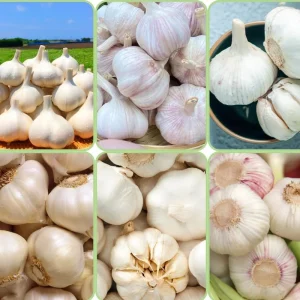
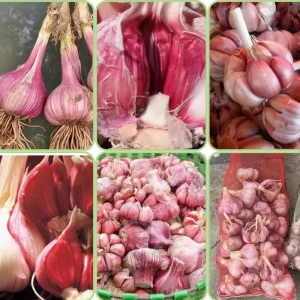
Mixed Garlic Bulbs for Planting – 1/2 LB High Yield Hardneck Seeds – Cold Hardy Zones 3-8
Sold 66 products
From $17.99
Sold 52 products
Original price was: $112.00.$89.60Current price is: $89.60.
Sold 52 products
Original price was: $28.76.$14.38Current price is: $14.38.
Sold 71 products
Original price was: $196.00.$98.00Current price is: $98.00.
Sold 85 products
Original price was: $119.98.$54.99Current price is: $54.99.
Sold 58 products
Original price was: $21.92.$10.96Current price is: $10.96.
Sold 76 products
From $54.00
Sold 66 products
From $4.99
Sold 54 products
Original price was: $10.76.$5.38Current price is: $5.38.
Sold 100 products
Original price was: $47.96.$23.98Current price is: $23.98.
Sold 65 products
Original price was: $54.36.$27.18Current price is: $27.18.
Sold 65 products
Original price was: $112.96.$67.78Current price is: $67.78.
Sold 81 products
Original price was: $45.98.$32.18Current price is: $32.18.
Sold 79 products
Original price was: $355.96.$177.98Current price is: $177.98.
Flower Seeds
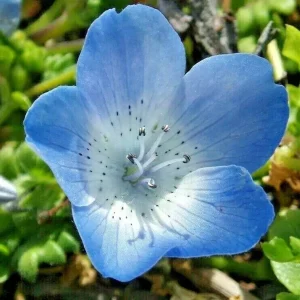
1000+ Baby Blue Eyes Flower Seeds – Drought Tolerant Wildflower Groundcover – Outdoor Annual
Sold 68 products
Original price was: $13.96.$6.98Current price is: $6.98.
Sold 82 products
Original price was: $81.56.$40.78Current price is: $40.78.
Sold 66 products
Original price was: $8.40.$4.20Current price is: $4.20.
Sold 57 products
Original price was: $99.96.$49.98Current price is: $49.98.


Reviews
There are no reviews yet.