
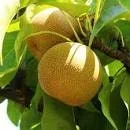
Shinseiki Asian Pear Live Plant – 2-3 Feet Tall – Ships in 3 Gallon Pot – Outdoor Fruit Tree
Original price was: $319.96.$159.98Current price is: $159.98.
Bring home a Shinseiki Asian pear tree, a delightful fruit tree known for its crisp, sweet, and juicy pears. This Shinseiki pear live plant measures 2 to 3 feet tall and ships in a 3-gallon pot, ready for planting in your garden or orchard. Enjoy delicious harvests from this easy-to-grow variety.
-
USDA Hardiness Zone
USDA Zones 5-9 -
Soil Type
Well-draining, loamy soil -
Sunlight Exposure
Full sun -
Expected Planting Period
Spring or Fall

You can track your order HERE
Mar 11
Mar 16 - Mar 18
Mar 21 - Mar 25
Shipping and return policies: Our Alive & Thrive Guarantee covers issues with your plants within the first 30 days. Reach out to us. Our team will answer your questions and help you find the plants that are truly suitable for your environment, climate, and personal preferences.

Overview
Cultivate your own orchard with the exceptional Shinseiki Asian pear tree. Translated as “new century,” this remarkable variety is a testament to horticultural excellence, developed in the 1940s from two of the finest Asian pears of its time. When you order a Shinseiki Asian pear tree, you receive a robust Shinseiki pear live plant that is 2 to 3 feet tall and shipped in a 3-gallon pot, ensuring it arrives healthy and ready for successful establishment in your garden. The Shinseiki Asian pear is celebrated for its distinctive round, medium to large, smooth-skinned fruit with a vibrant yellow hue and minimal russeting. Its crisp, creamy white flesh offers a mild, sweet flavor with a delightful hint of spice, making it a perfect choice for fresh eating, desserts, and preserves. This resilient Asian pear fruit tree is an excellent addition for both seasoned gardeners and those new to growing fruit.
The Shinseiki variety is highly regarded for its consistent production and adaptability, thriving in a range of climates. Its appealing aesthetic, both in fruit and foliage, adds beauty to any landscape. This 3 gallon pear tree provides a significant head start, allowing you to enjoy homegrown pears sooner than plants started from scratch. Whether you’re looking to enhance your edible landscape or simply enjoy the freshest fruit possible, the Shinseiki Asian pear tree offers a rewarding growing experience and abundant, delicious harvests.
Key Benefits
Adding a Shinseiki Asian pear tree to your garden brings numerous advantages, from delightful harvests to aesthetic appeal. This particular Shinseiki pear live plant is designed to offer a rewarding and relatively straightforward growing experience.
- Exceptional Fruit Quality: The Shinseiki Asian pear produces round, medium to large, yellow fruit with crisp, creamy white flesh. Its mild, sweet flavor with a hint of spice is highly sought after for fresh eating, baking, and canning.
- Reliable Producer: Known for its consistent and abundant yields, this Asian pear fruit tree ensures a steady supply of delicious pears season after season, making it a valuable addition to any home orchard.
- Disease Resistance: The Shinseiki variety exhibits good resistance to common pear diseases, reducing the need for extensive chemical treatments and making it an easier plant to maintain organically.
- Early Bearing: Compared to many other fruit trees, the Shinseiki Asian pear tree tends to bear fruit at a relatively young age, allowing you to enjoy your first harvest sooner.
- Attractive Landscape Addition: Beyond its fruit, the tree itself is ornamental, with beautiful foliage and spring blossoms that enhance the visual appeal of your garden or backyard throughout the year.
- Versatile Culinary Uses: The sweet and crisp texture of Shinseiki pears makes them incredibly versatile. They are excellent fresh, in salads, cooked into pies and tarts, or preserved as jams and jellies.
- Pollination Benefits: While partially self-fertile, planting another Asian pear variety nearby can increase fruit set and yield for your Shinseiki Asian pear tree.
Plant Care & Growing Tips
Successful growing Shinseiki pear trees requires attention to a few key cultural practices. This Shinseiki pear live plant needs a location with at least 6-8 hours of direct sunlight daily for optimal fruit production. Full sun exposure is paramount for developing sweet, flavorful fruit. Ensure your planting site has well-draining soil; Asian pears do not tolerate soggy conditions. A loamy, slightly acidic to neutral soil (pH 6.0-7.0) is ideal. Incorporate organic matter like compost before planting to improve soil structure and fertility. For your 3 gallon pear tree, dig a hole twice as wide as the root ball and just as deep, ensuring the top of the root ball is level with or slightly above the surrounding soil surface.
Watering is crucial, especially during the first few years after planting and during dry spells. Provide deep, consistent watering, aiming for about 1 inch of water per week, either from rain or irrigation. Once established, the Shinseiki Asian pear tree becomes more drought-tolerant but will still benefit from irrigation during extended dry periods. Fertilize in early spring with a balanced fruit tree fertilizer or organic compost, following product instructions. Pruning should be done in late winter while the tree is dormant. Focus on removing dead, damaged, or crossing branches, and thin out crowded areas to improve air circulation and sunlight penetration, which helps prevent disease and promotes better fruit quality. The Shinseiki Asian pear is generally hardy in USDA Zones 5-9.
Protect young trees from pest and disease issues by monitoring regularly. Common pear pests include codling moths and pear psylla. Diseases like fire blight can be managed with proper pruning and sanitation. Good air circulation through proper spacing and pruning is key to preventing fungal issues. Ensuring proper care for your Asian pear fruit tree will lead to bountiful harvests of delicious fruit for many years.
Size & Details
This offering is for a vibrant Shinseiki Asian pear tree, a live plant that arrives ready for planting. The tree measures approximately 2 to 3 feet in height from the base of the root system to the tip of the highest branch, providing a substantial start for your home orchard. It is carefully grown and shipped in a 3-gallon nursery pot, ensuring its root system is well-established and robust, minimizing transplant shock. This size allows for quicker establishment and typically accelerates the time to first fruiting compared to smaller plants. The Shinseiki Asian pear is known for its moderate growth rate, eventually reaching a mature height of 12-15 feet with a similar spread, making it a manageable size for most home gardens. With proper care, you can expect this 3 gallon pear tree to begin bearing fruit within 3-5 years after planting, offering a delightful reward for your gardening efforts.
Frequently Asked Questions
- Q: How big does this Shinseiki Asian pear tree get? A: A mature Shinseiki Asian pear tree typically reaches a height of 12-15 feet and can have a similar spread. The plant you receive is 2-3 feet tall, providing a good head start.
- Q: What size pot does it come in? A: This Shinseiki pear live plant is shipped in a sturdy 3-gallon nursery pot, ensuring its roots are well-protected and established for successful transplanting.
- Q: Is this an indoor or outdoor plant? A: The Shinseiki Asian pear tree is an outdoor fruit tree. It requires significant sunlight and proper chilling hours to produce fruit, making it unsuitable for long-term indoor cultivation.
- Q: How much sunlight does it need? A: For optimal growth and fruit production, this Asian pear fruit tree needs at least 6-8 hours of direct sunlight per day. Full sun exposure is crucial for developing sweet fruit.
- Q: Is this plant easy to care for? A: Shinseiki Asian pears are considered relatively easy to care for once established, especially with their good disease resistance. Consistent watering, annual fertilization, and proper pruning are key to successful growing Shinseiki pear.
- Q: What condition will it arrive in? A: Your Shinseiki Asian pear tree will arrive as a healthy, live plant in its 3-gallon pot, carefully packaged to minimize stress during transit. Some minor leaf drop can occur but is usually not a concern.
- Q: How long until it blooms and produces fruit? A: While the tree may bloom earlier, you can typically expect your 3 gallon pear tree to begin producing fruit within 3-5 years after planting, depending on care and growing conditions.
- Q: Can I grow this Shinseiki Asian pear tree in my climate? A: Shinseiki Asian pears are hardy in USDA Zones 5-9. Check your local USDA zone to ensure it’s suitable for your area. They require a certain number of chilling hours to bear fruit.
- Q: Does this pear tree need a pollinator? A: While Shinseiki Asian pear is partially self-fertile, planting another Asian pear variety nearby (like Hosui or Nijisseiki) will significantly improve fruit set and yield.
- Q: What kind of soil is best for this tree? A: The Shinseiki Asian pear tree thrives in well-draining, loamy soil with a pH between 6.0 and 7.0. Avoid heavy clay soils that retain too much moisture.
Be the first to review “Shinseiki Asian Pear Live Plant – 2-3 Feet Tall – Ships in 3 Gallon Pot – Outdoor Fruit Tree”
People Also Viewed
Sold 90 products
Original price was: $35.98.$17.99Current price is: $17.99.
Sold 79 products
Original price was: $36.00.$18.00Current price is: $18.00.
Sold 93 products
Original price was: $35.98.$17.99Current price is: $17.99.
Sold 92 products
From $63.80
Sold 71 products
Original price was: $82.40.$41.20Current price is: $41.20.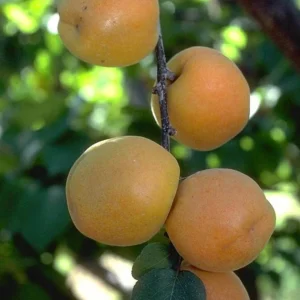
Sold 84 products
Original price was: $319.96.$159.98Current price is: $159.98.
Flower Seeds
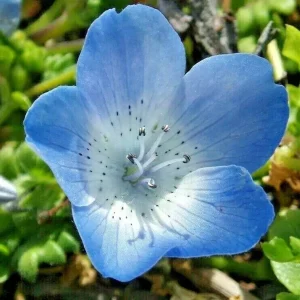
1000+ Baby Blue Eyes Flower Seeds – Drought Tolerant Wildflower Groundcover – Outdoor Annual
Sold 92 products
Original price was: $13.96.$6.98Current price is: $6.98.
Sold 69 products
Original price was: $59.98.$29.99Current price is: $29.99.
Sold 53 products
Original price was: $190.00.$152.00Current price is: $152.00.
Sold 68 products
Original price was: $147.16.$73.58Current price is: $73.58.
Sold 82 products
Original price was: $147.16.$73.58Current price is: $73.58.
Sold 51 products
Original price was: $15.98.$12.78Current price is: $12.78.
Sold 63 products
Original price was: $51.99.$36.39Current price is: $36.39.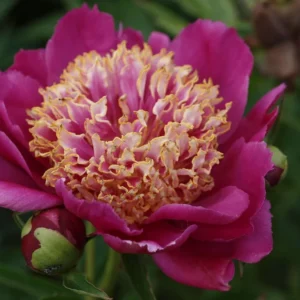
Flower Plants
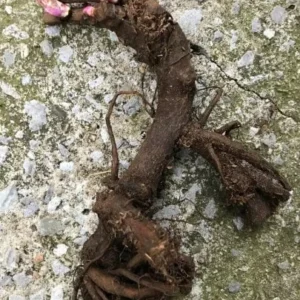
Sword Dance Peony Bare Root – Red Japanese Peony Plant – Paeonia lactiflora – Outdoor Perennial
Sold 74 products
Original price was: $91.80.$45.90Current price is: $45.90.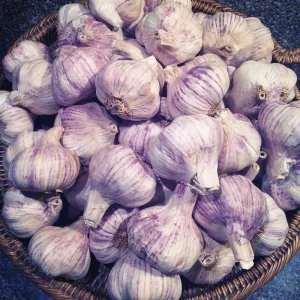

Flower Bulbs
Organic Purple Stripe Italian Garlic Bulbs for Planting or Eating – USA Grown – Choose 1/2 to 10 lbs
Sold 96 products
From $18.98
Sold 92 products
Original price was: $77.08.$38.54Current price is: $38.54.
Sold 100 products
Original price was: $115.80.$57.90Current price is: $57.90.
Sold 80 products
Original price was: $89.98.$44.99Current price is: $44.99.



Reviews
There are no reviews yet.