
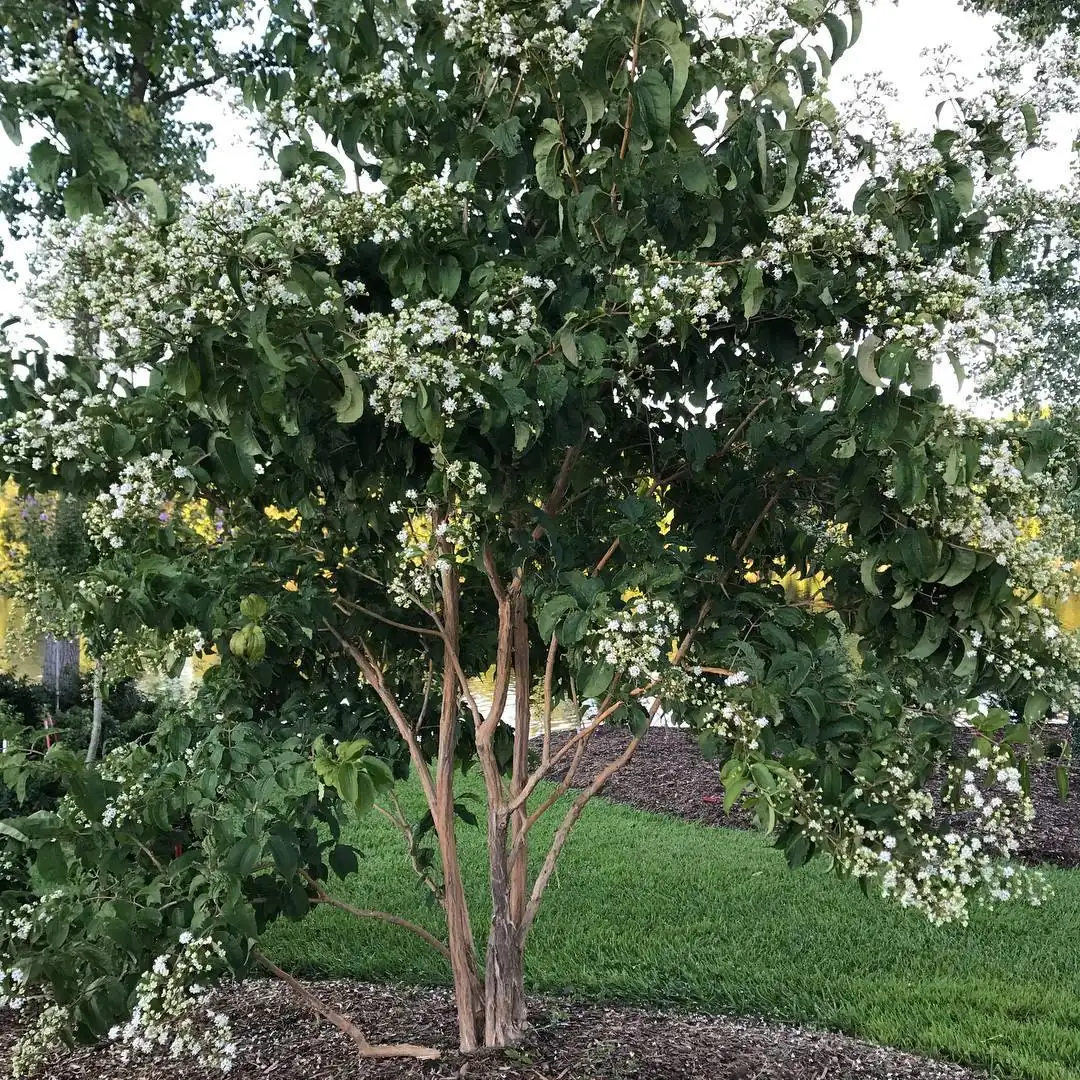
Seven-Son Flower Live Plant – Heptacodium miconioides – 4 inch Pot – Outdoor Tree
Original price was: $54.36.$27.18Current price is: $27.18.
Bring year-round beauty to your landscape with the seven-son flower live plant (Heptacodium miconioides). This stunning small tree boasts fragrant white flowers, vibrant red bracts, and attractive peeling bark, making it a focal point in any garden. Arrives in a 4-inch pot, ready for planting.
-
USDA Hardiness Zone
USDA Zones 5-9 -
Soil Type
Well-draining, loamy soil -
Sunlight Exposure
Full sun to partial shade -
Expected Planting Period
Spring to early fall

You can track your order HERE
Mar 04
Mar 09 - Mar 11
Mar 14 - Mar 18
Shipping and return policies: Our Alive & Thrive Guarantee covers issues with your plants within the first 30 days. Reach out to us. Our team will answer your questions and help you find the plants that are truly suitable for your environment, climate, and personal preferences.

Overview
Introduce an extraordinary specimen to your garden with the seven-son flower live plant, scientifically known as Heptacodium miconioides. This remarkable small tree, once a secret among plant enthusiasts, is now available to transform your landscape. Celebrated for its unique, multi-season appeal, the seven-son flower live plant provides continuous beauty from spring through winter. In spring, it unfurls handsome leaves with deeply defined veins, creating an immediate visual impact. As summer progresses, these leaves grow larger, developing elegant, twisting tips. But the true spectacle begins in late summer and early autumn, when most other plants are fading. The tree becomes adorned with abundant clusters of fragrant white flowers, drawing in hummingbirds and a variety of other beneficial pollinators, making it an ecological asset to any garden. These delicate blooms persist for weeks before gracefully falling, revealing vivid, fan-like red bracts that give the illusion of a second, entirely different bloom. As winter arrives and the foliage drops, the plant’s elegant structure is highlighted by its fascinating light tan peeling bark, adding architectural interest to the dormant season. This heptacodium miconioides tree is truly a plant for all seasons, offering an ever-changing display of beauty.
Key Benefits
The seven-son flower live plant offers a multitude of advantages, making it an exceptional choice for any garden. Its dynamic beauty ensures there’s always something captivating to observe, providing continuous enjoyment and visual appeal throughout the year.
- Four-Season Interest: Enjoy distinct beauty in every season. From handsome spring foliage and summer blooms to vibrant fall bracts and striking winter bark, this plant is a constant source of garden delight. The unique peeling bark adds significant architectural interest during colder months.
- Fragrant White Flowers: In late summer and early fall, the plant bursts with clusters of highly fragrant white flowers, creating a delightful sensory experience in your garden. These blooms are a magnet for various pollinators, enhancing your garden’s biodiversity.
- Pollinator Magnet: The abundant, nectar-rich flowers attract hummingbirds, bees, and other beneficial pollinators, contributing to a healthy garden ecosystem. This makes it an excellent choice for supporting local wildlife.
- Vivid Red Bracts: After the flowers fade, they are replaced by eye-catching, fan-like red bracts that give the appearance of a second bloom, extending the plant’s colorful display well into autumn. This unique feature ensures continuous visual appeal.
- Attractive Peeling Bark: As the plant matures, its elegant frame is revealed in winter, showcasing beautiful light tan peeling bark that adds texture and interest to the dormant landscape. This provides structure and beauty even when leaves are gone.
- Easy to Grow: This small tree is remarkably easy to cultivate, making it suitable for both experienced gardeners and those new to planting trees. Its adaptability means less fuss and more enjoyment.
- Versatile Landscape Plant: Ideal for use as a specimen plant, in mixed borders, or as a small shade tree, the heptacodium miconioides tree adapts well to various garden designs and purposes. Its manageable size makes it suitable for many garden settings.
Plant Care & Growing Tips
Caring for your seven-son flower live plant is straightforward, ensuring it thrives and provides years of beauty. This adaptable tree prefers a location with full sun to partial shade, meaning it should receive at least 6 hours of direct sunlight daily for optimal flowering and growth. While it tolerates some shade, more sun generally leads to a more profuse bloom display. It’s hardy in USDA zones 5-9, making it suitable for a wide range of climates. When planting, ensure the soil is well-draining, as the plant does not tolerate soggy conditions. A good quality, loamy soil with organic matter will provide the best environment for root development, but it is quite tolerant of various soil types.
Watering should be consistent, especially during the first growing season to establish a strong root system. Once established, the fragrant garden tree is relatively drought-tolerant but will benefit from supplemental watering during prolonged dry spells. Fertilize in early spring with a balanced, slow-release granular fertilizer formulated for trees and shrubs to promote vigorous growth and abundant blooms. Pruning is generally minimal, focused on removing any dead, damaged, or crossing branches in late winter or early spring before new growth begins. You can also prune to shape the tree or maintain a desired size. Watch out for common pests like aphids or spider mites, which can typically be managed with insecticidal soap if outbreaks occur. Ensuring good air circulation and appropriate watering practices will also help prevent fungal issues.
Size & Details
This seven-son flower live plant is shipped as a young, actively growing specimen in a 4-inch nursery pot, providing a healthy start for your garden. Upon arrival, the plant will have a well-developed root system, ready for transplanting into your desired location. This fast-growing small tree can reach a mature height of 15-20 feet with a spread of 10-15 feet, forming a beautiful, vase-shaped or multi-stemmed form. Its moderate growth rate means you won’t have to wait long to enjoy its full splendor. Expect the first fragrant blooms to appear within a few years of planting, with the display becoming more spectacular as the tree matures. Its distinctive peeling bark becomes more pronounced with age, adding to its year-round appeal as a fascinating peeling bark tree.
Frequently Asked Questions
- Q: How big does this seven-son flower live plant get? A: This small tree typically reaches a mature height of 15-20 feet and a width of 10-15 feet, making it an excellent choice for a variety of landscape settings. Its size makes it suitable for both larger gardens and smaller spaces where a specimen tree is desired.
- Q: What size pot does it come in? A: Your heptacodium miconioides tree will arrive in a 4-inch nursery pot, perfectly sized for safe shipping and ready for immediate planting in your garden or a larger container. This ensures a healthy start for your new plant.
- Q: Is this an indoor or outdoor plant? A: The seven-son flower is primarily an outdoor plant, best suited for planting directly in the ground where it can reach its full potential. It thrives in various outdoor conditions and is hardy in USDA Zones 5-9.
- Q: How much sunlight does the fragrant garden tree need? A: This plant thrives in full sun to partial shade, ideally receiving at least 6 hours of direct sunlight per day. Adequate sunlight is crucial for robust growth and abundant flowering.
- Q: Is this plant easy to care for? A: Yes, the seven-son flower live plant is considered an easy-to-grow small tree, making it suitable for gardeners of all experience levels. It’s relatively low-maintenance once established, requiring minimal pruning and moderate watering.
- Q: What condition will it arrive in? A: Your plant will arrive healthy and well-packaged, with its root system intact within the 4-inch nursery pot. We take great care to ensure it reaches you in optimal condition, ready for planting.
- Q: How long until it blooms? A: While young plants may take a couple of years to establish, you can typically expect your year-round interest plant to start producing its fragrant white flowers in late summer to early fall within 2-3 years of planting. The bloom display becomes more impressive with age.
- Q: When is the best time to plant this peeling bark tree? A: The best time to plant is in spring or early fall, allowing the plant to establish its root system before the extreme temperatures of summer or winter. This gives it the best chance for successful growth.
- Q: Will it survive winter in my zone? A: The seven-son flower is hardy in USDA Zones 5-9, meaning it can tolerate winter temperatures down to -20°F (-29°C) in these regions. If you are outside these zones, it may require winter protection or be grown in a container that can be moved indoors.
- Q: What kind of soil does it prefer? A: This tree prefers well-draining, fertile soil. It can tolerate a range of soil types, including clay or sandy soils, as long as they are not waterlogged. Adding organic matter will improve soil structure and fertility.
Be the first to review “Seven-Son Flower Live Plant – Heptacodium miconioides – 4 inch Pot – Outdoor Tree”
People Also Viewed
Sold 82 products
Original price was: $96.00.$76.80Current price is: $76.80.
Sold 59 products
Original price was: $35.98.$17.99Current price is: $17.99.
Sold 80 products
Original price was: $183.16.$91.58Current price is: $91.58.
Sold 77 products
Original price was: $58.00.$46.40Current price is: $46.40.
Sold 97 products
Original price was: $146.90.$88.14Current price is: $88.14.
Sold 82 products
From $103.80
Sold 76 products
Original price was: $13.92.$6.96Current price is: $6.96.
Sold 87 products
From $67.80
Sold 63 products
From $43.98
Sold 57 products
Original price was: $100.00.$80.00Current price is: $80.00.

Sold 61 products
Original price was: $24.00.$19.20Current price is: $19.20.
Sold 88 products
$329.98
Sold 54 products
Original price was: $48.72.$16.24Current price is: $16.24.
Sold 86 products
Original price was: $97.98.$48.99Current price is: $48.99.
Sold 98 products
Original price was: $147.16.$73.58Current price is: $73.58.
Sold 100 products
Original price was: $147.16.$73.58Current price is: $73.58.
Sold 77 products
From $54.00
Sold 81 products
Original price was: $69.08.$34.54Current price is: $34.54.



Reviews
There are no reviews yet.