
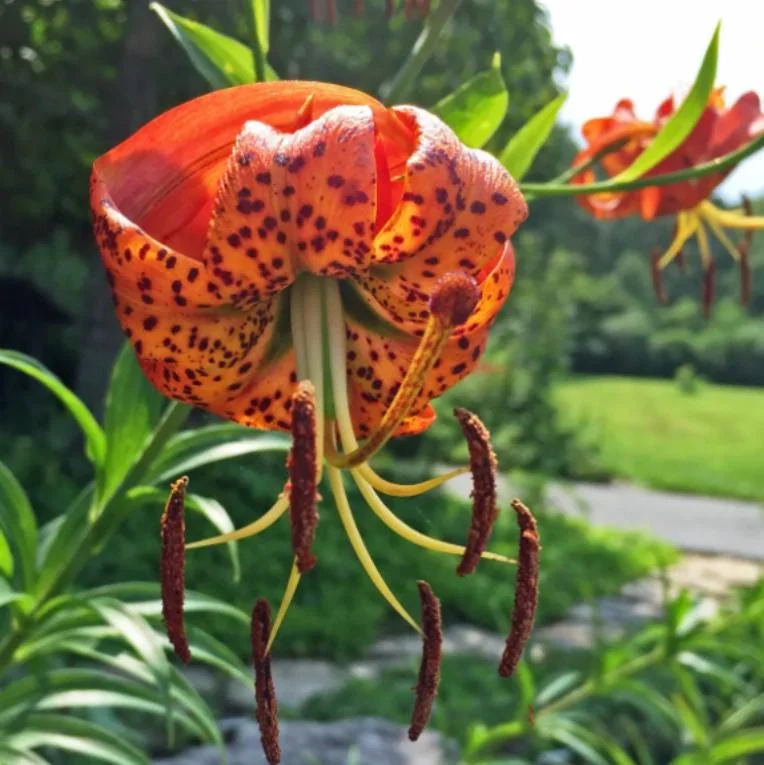
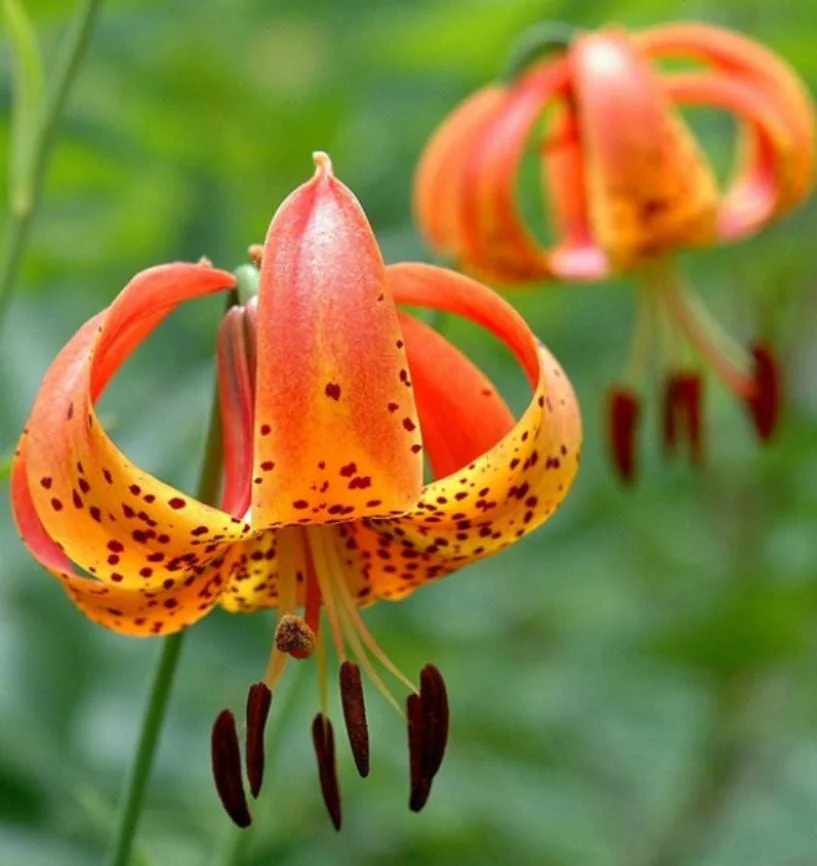
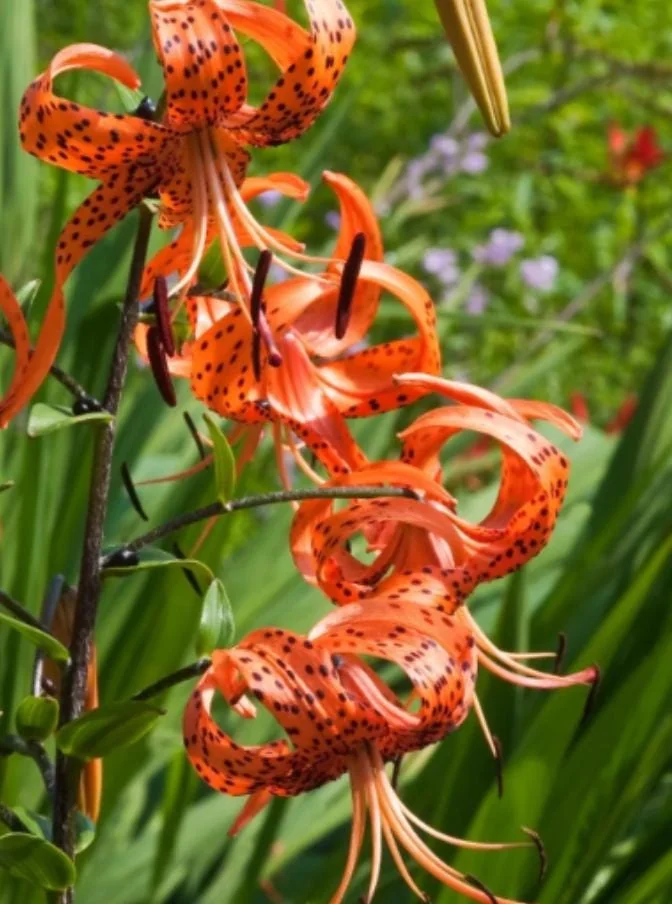
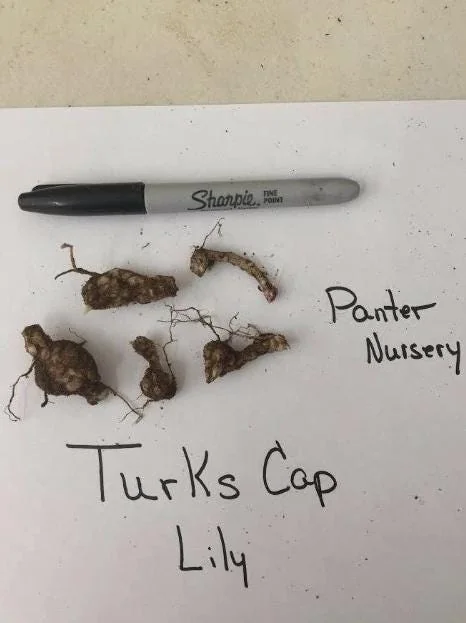
Set of 5 Turks Cap Lily Bulbs – Lilium superbum – Hardy Perennial Orange Blooms
Original price was: $34.10.$11.64Current price is: $11.64.
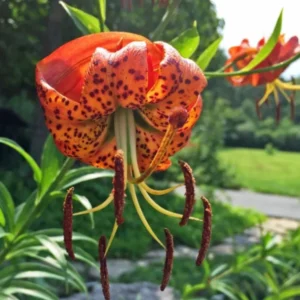
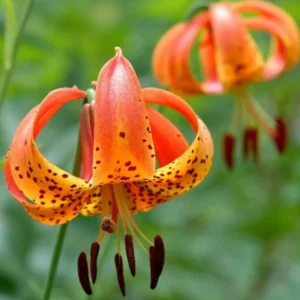
Bring vibrant color and unique beauty to your garden with this Set of 5 Turks Cap Lily Bulbs. Featuring gracefully recurved orange petals with deep red spots, these Lilium superbum bulbs are a must-have for any perennial bed or pollinator garden. Hardy and easy to grow, they attract butterflies and hummingbirds.
-
USDA Hardiness Zone
USDA zones 4–9 -
Soil Type
Well-drained, loamy or sandy soil -
Sunlight Exposure
Full sun to partial shade -
Expected Planting Period
Spring or fall while bulbs are dormant

You can track your order HERE
Apr 12
Apr 17 - Apr 19
Apr 22 - Apr 26
Shipping and return policies: Our Alive & Thrive Guarantee covers issues with your plants within the first 30 days. Reach out to us. Our team will answer your questions and help you find the plants that are truly suitable for your environment, climate, and personal preferences.

Overview
Transform your garden into a captivating display with this exceptional Turks Cap Lily bulbs set. Known scientifically as Lilium superbum, this stunning perennial lily is celebrated for its distinctive, gracefully recurved orange petals adorned with deep red spots. Each bloom resembles a miniature turban, giving it its charming common name. Native to Eastern North America, the Turks Cap Lily bulbs offer a dramatic presence, adding significant height and a burst of vibrant color to gardens, meadows, and naturalized landscapes. These bulbs are an excellent choice for gardeners seeking both beauty and biodiversity, as their unique flowers are irresistible to local pollinators, making them a cornerstone of any thriving pollinator garden. Plant these hardy bulbs to enjoy their magnificent display year after year.
This variety of lily is not only beautiful but also incredibly resilient, thriving in USDA zones 4–9. Its stately form and striking coloration make it a focal point in any setting, from formal perennial borders to more informal cottage gardens. The mature plants can reach impressive heights, providing a vertical element that enhances garden design. Choosing orange lily perennial bulbs ensures a long-lasting, low-maintenance addition to your outdoor space that will continue to delight with its showy blooms and ecological benefits.
Key Benefits
Adding Turks Cap Lily bulbs to your garden offers a multitude of advantages, enhancing both its aesthetic appeal and ecological value. These bulbs are a fantastic investment for any gardener looking for reliable, beautiful, and beneficial plants.
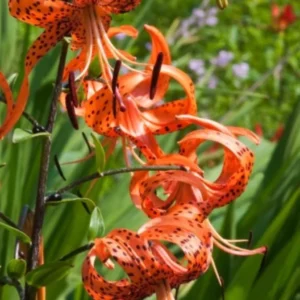
- Unique & Showy Blooms: The defining feature of the Turks Cap Lily bulbs is their distinctive “turban-shaped” flowers with gracefully recurved orange petals and prominent deep red spots. These eye-catching blooms create a dramatic visual impact in any garden setting, making them a true conversation starter.
- Attracts Pollinators: As a natural magnet for butterflies and hummingbirds, these pollinator garden bulbs play a crucial role in supporting local ecosystems. Planting Lilium superbum helps to encourage biodiversity and creates a lively, buzzing garden environment.
- Hardy & Easy to Grow: The hardy lily plants are known for their robust nature, thriving in a wide range of conditions across USDA zones 4–9. Once established, they require minimal care, making them ideal for both novice and experienced gardeners seeking vibrant, low-maintenance perennials.
- Dramatic Garden Height: Reaching 3–6 feet tall at maturity, these lilies provide excellent vertical interest in garden beds. Their towering presence adds depth and structure to your landscape design, making them perfect for the back of borders or as striking stand-alone specimens.
- Versatile Garden Use: Whether you’re designing a cottage garden, a perennial bed, or a naturalized area, the Turks Cap Lily bulbs fit seamlessly. They also produce excellent cut flowers, allowing you to bring their beauty indoors.
- North American Native: Being native to Eastern North America, Lilium superbum is well-adapted to regional climates and conditions, making it a sustainable choice that supports native wildlife.
- Long-Lasting Perennial: These bulbs are true perennials, meaning they return year after year with increasing vigor and bloom production, offering enduring beauty and value to your garden.
Plant Care & Growing Tips
Caring for your Turks Cap Lily bulbs is straightforward, ensuring a spectacular display of their unique orange blooms. These hardy lily plants thrive when given the right conditions, which mimic their natural habitat. To ensure successful growth, select a planting site that receives full sun to partial shade. In hotter climates, providing some light afternoon shade can prevent scorching of the delicate petals. Adequate sunlight is crucial for robust flowering and healthy foliage development. Prepare the soil by ensuring it is well-drained, loamy, or sandy, and enriched with organic matter. Good drainage is paramount, as lilies do not tolerate soggy conditions, which can lead to bulb rot. The ideal pH for Lilium superbum is slightly acidic to neutral.
Planting your Turks Cap Lily bulbs should be done in spring or fall while the bulbs are dormant. Dig a hole approximately 6-8 inches deep and place the bulb with the pointed end facing upwards. Space bulbs 8-12 inches apart to allow for mature growth and good air circulation. After planting, water thoroughly to settle the soil around the bulbs. During the growing season, keep the soil evenly moist but never waterlogged. Avoid excessive watering, especially in cooler weather. Fertilize sparingly with a balanced, slow-release fertilizer in early spring as new growth emerges. Deadhead spent flowers to encourage the plant to put energy into bulb development rather than seed production. While generally robust, watch for common lily pests like lily beetles and address them promptly to protect your orange lily perennial display.
Size & Details
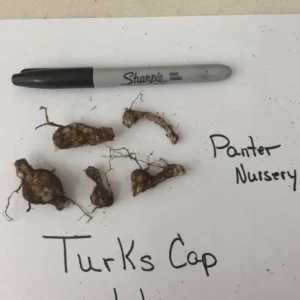
This offering includes a Set of 5 Turks Cap Lily Bulbs, ready to be planted and establish themselves in your garden. Each bulb is carefully selected to ensure health and vigor, promising a bountiful display of blooms. Upon maturity, the Lilium superbum plants will reach an impressive height of 3–6 feet, making them a commanding presence in any garden bed or border. The bloom color is a striking orange with characteristic deep red spots, creating a vibrant contrast that stands out. These bulbs are shipped bare and dormant, which is a normal and healthy state for planting. Once planted in suitable moist soil, they will awaken and begin their growth cycle, typically blooming in mid to late summer.
The Turks Cap Lily bulbs are ideal for creating naturalized areas or adding a touch of wild beauty to more cultivated spaces. They are native to Eastern North America, ensuring they are well-adapted to many climates within USDA zones 4–9. Expect a moderate growth rate, with plants establishing well in their first year and producing more abundant blooms in subsequent seasons as the bulbs multiply. Their robust nature and stunning appearance make them an excellent choice for gardeners looking for both beauty and ease of care. The mature width of each plant can vary, typically forming a clump of foliage and blooms around 1-2 feet wide, providing ample space for their dramatic flowers to unfurl.
Frequently Asked Questions
- Q: How big do these Turks Cap Lily bulbs get? A: At maturity, Lilium superbum plants typically reach a height of 3–6 feet, making them a tall and impressive addition to your garden.
- Q: Is this an indoor or outdoor plant? A: The Turks Cap Lily bulbs are best suited for outdoor planting in garden beds, meadows, or naturalized landscapes, thriving in full sun to partial shade.
- Q: How much sunlight does the orange lily perennial need? A: These lilies prefer full sun to partial shade. In hotter climates, providing some afternoon shade can help protect the blooms.
- Q: Are these hardy lily plants easy to care for? A: Yes, once established, Turks Cap Lily bulbs are considered relatively easy to care for, requiring well-drained soil and consistent moisture during the growing season.
- Q: What condition will the Turks Cap Lily bulbs arrive in? A: The bulbs are shipped bare and dormant, which is completely normal. They are ready to be planted upon arrival and will awaken beautifully in spring.
- Q: When is the best time to plant these pollinator garden bulbs? A: The ideal times to plant Turks Cap Lily bulbs are in the spring or fall while the bulbs are dormant.
- Q: Will Lilium superbum survive winter in my zone? A: These lilies are hardy in USDA zones 4–9, meaning they can typically withstand winter conditions within these zones and return year after year.
- Q: How long until the Turks Cap Lily bulbs bloom? A: Typically, the bulbs will produce blooms in mid to late summer of the first year after planting, with more robust flowering in subsequent years.
- Q: What kind of soil do these lilies prefer? A: Turks Cap Lily bulbs thrive in well-drained, loamy or sandy soil that is enriched with organic matter. Good drainage is essential to prevent bulb rot.
- Q: Do these orange lily perennial plants attract any wildlife? A: Yes, their vibrant and unique flowers are known to attract beneficial pollinators such as butterflies and hummingbirds, making them excellent pollinator garden bulbs.
Be the first to review “Set of 5 Turks Cap Lily Bulbs – Lilium superbum – Hardy Perennial Orange Blooms”
People Also Viewed
Flower Bulbs
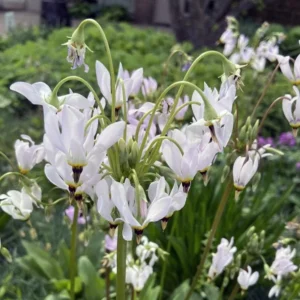
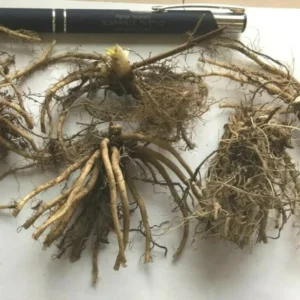
Shooting Star Flower Bulbs – Set of 5 – Dodecatheon meadia – Perennial for Shade Gardens
Sold 76 products
Original price was: $24.35.$7.74Current price is: $7.74.
Flower Seeds
Sold 80 products
Original price was: $31.99.$11.99Current price is: $11.99.
Sold 80 products
Original price was: $63.38.$31.69Current price is: $31.69.
Flower Plants
Royal Standard Hosta Bare Root Plant – Fragrant White Flowers, Sun Tolerant, Perennial
Sold 50 products
From $71.80

Sold 59 products
From $67.80
Sold 80 products
Original price was: $49.98.$24.99Current price is: $24.99.
Sold 67 products
Original price was: $130.00.$104.00Current price is: $104.00.
Sold 59 products
Original price was: $69.08.$34.54Current price is: $34.54.
Sold 54 products
From $39.80
Sold 60 products
Original price was: $67.80.$33.90Current price is: $33.90.
Sold 64 products
Original price was: $289.96.$144.98Current price is: $144.98.
Flowers
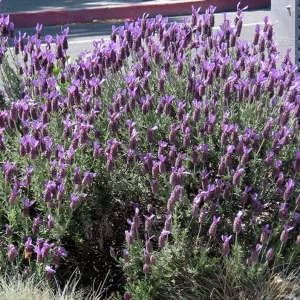
Set of 2 Spanish Eyes Lavender Live Plants – 4-6″ Tall – Fragrant Perennial Flowers – Indoor/Outdoor
Sold 76 products
Original price was: $36.38.$18.19Current price is: $18.19.
Sold 60 products
From $18.18
Sold 95 products
Original price was: $33.99.$13.99Current price is: $13.99.
Sold 55 products
From $51.80
Sold 85 products
Original price was: $149.40.$74.70Current price is: $74.70.
Sold 95 products
Original price was: $69.98.$34.99Current price is: $34.99.
Sold 89 products
Original price was: $130.00.$104.00Current price is: $104.00.





Reviews
There are no reviews yet.