
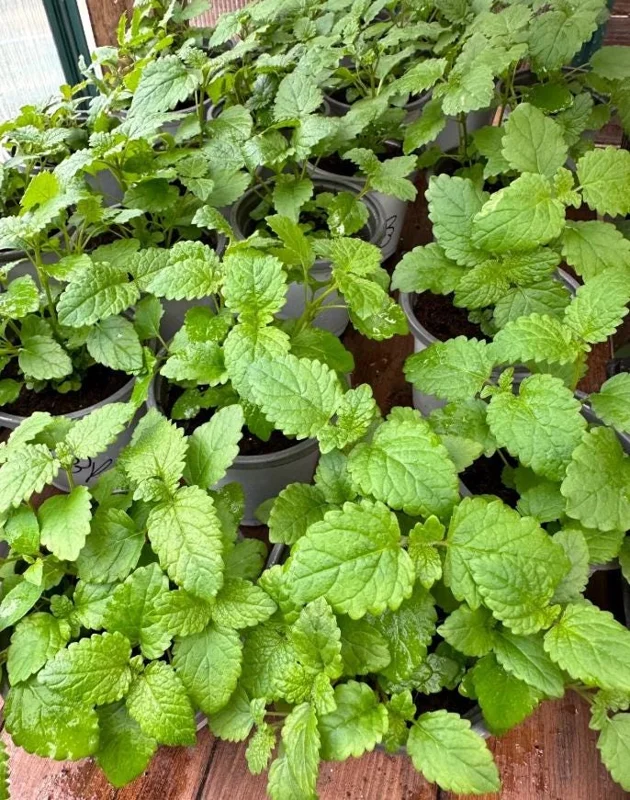
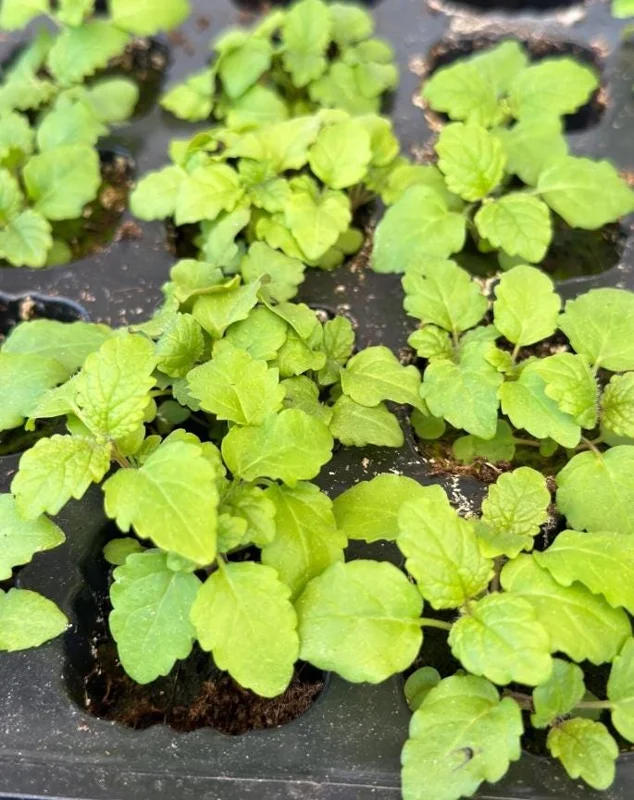
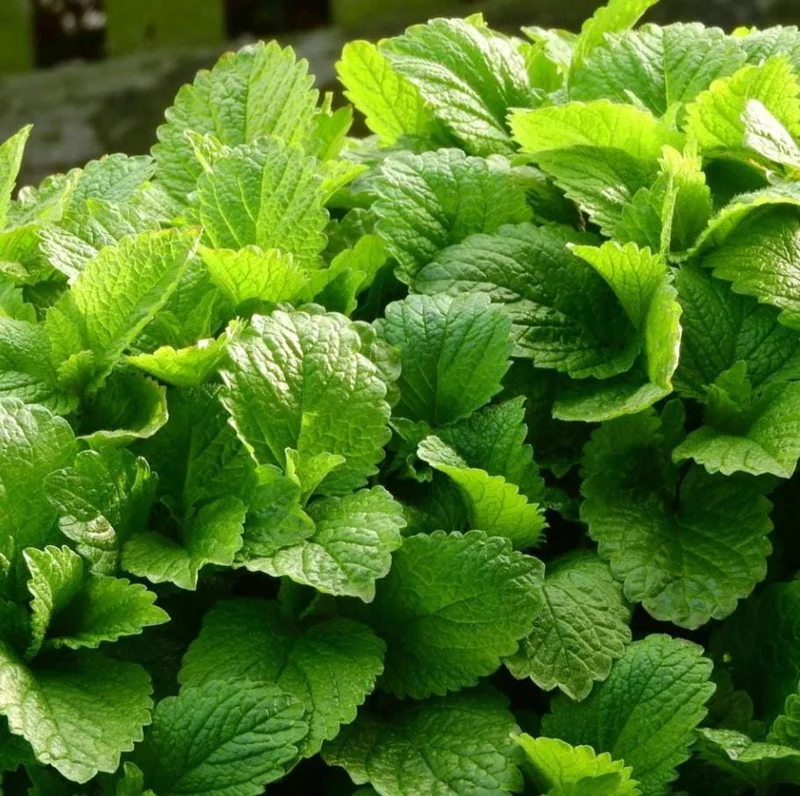
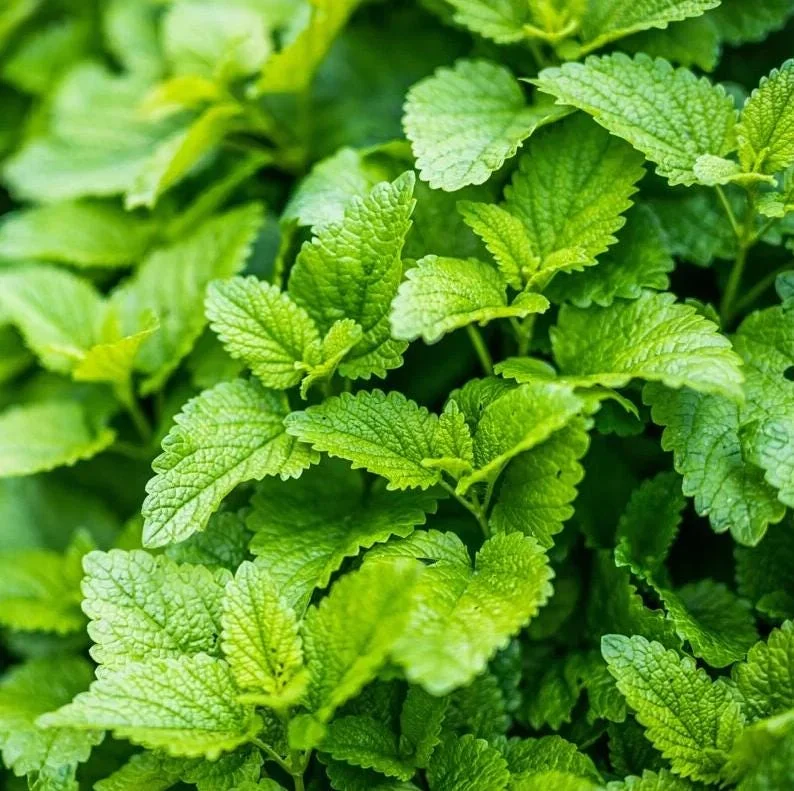
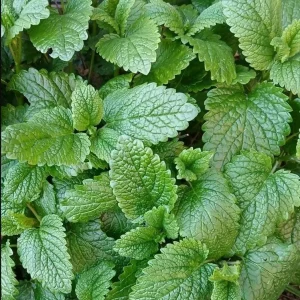
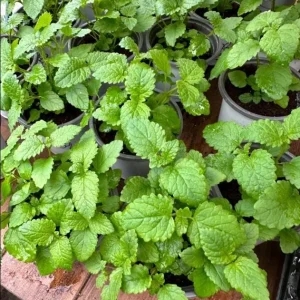
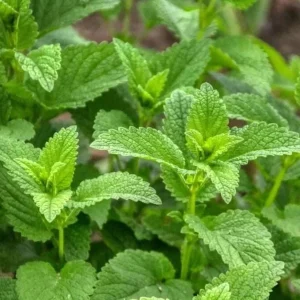
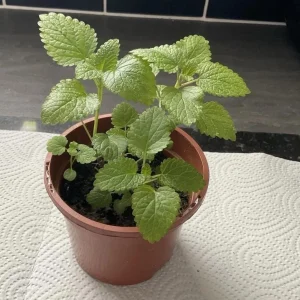
Set of 5 Lemon Balm Live Plants – Perennial Mint Herb Seedlings – 4-6 Inch Tall
Original price was: $73.99.$53.99Current price is: $53.99.
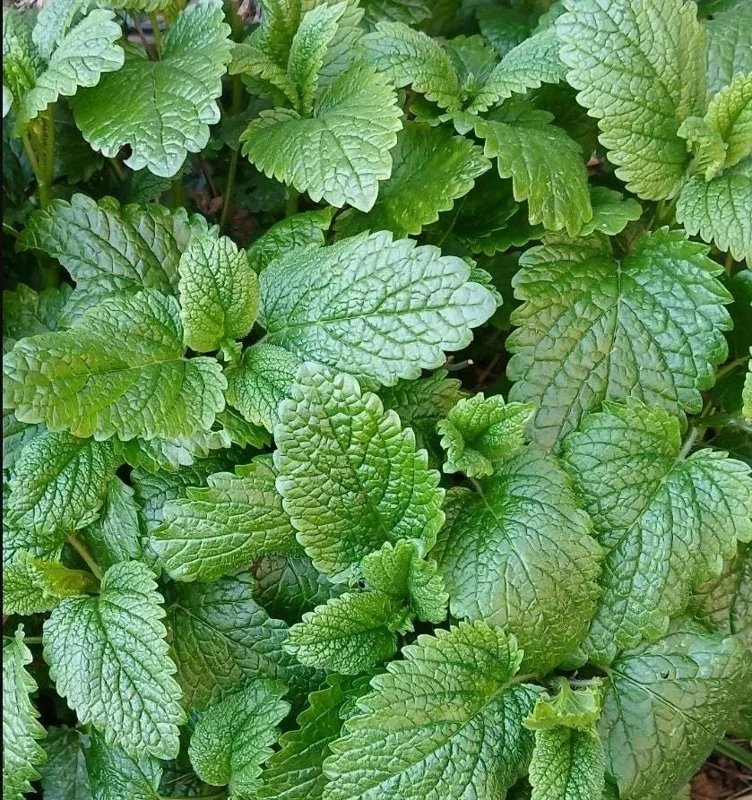
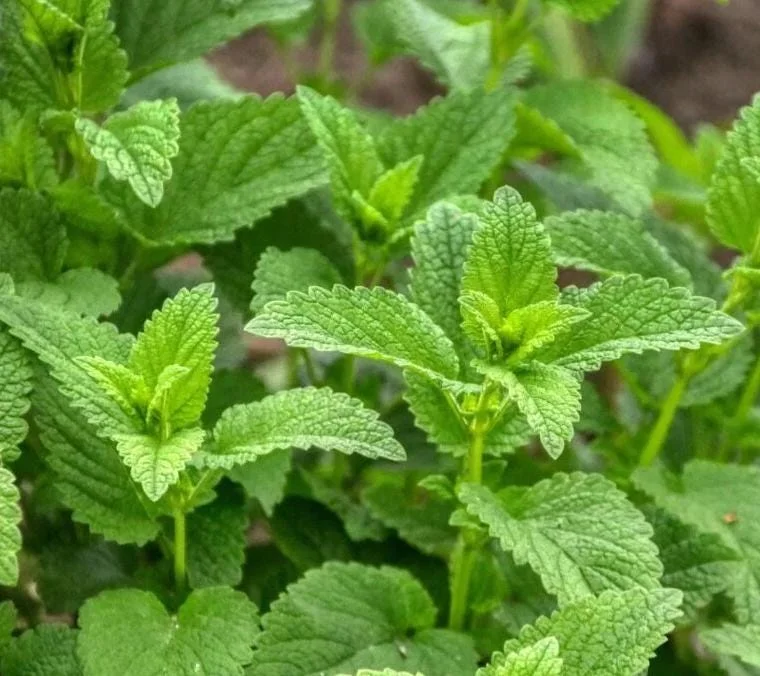
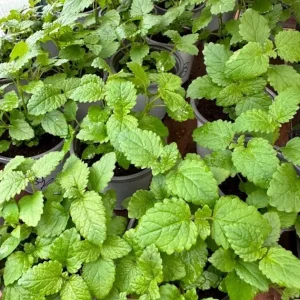
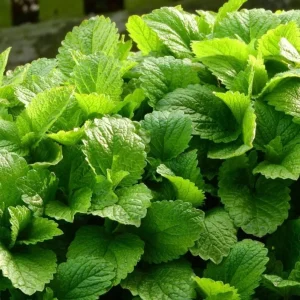
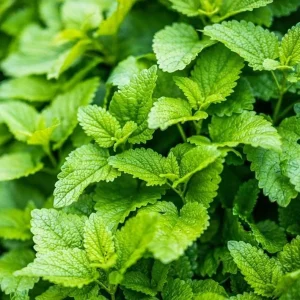
Cultivate your own aromatic garden with this set of 5 lemon balm live plant seedlings. Known for its refreshing lemon scent and culinary versatility, this perennial lemon balm thrives outdoors and provides beautiful foliage.
- Set of 5 starter plants, 4-6 inches tall
- Fragrant, lemon-scented foliage
- Ideal for culinary use and garden beauty
-
USDA Hardiness Zone
USDA zones 4-9 -
Soil Type
Fertile, well-draining soil -
Sunlight Exposure
Full sun to partial shade -
Expected Planting Period
Spring to early summer

You can track your order HERE
Mar 21
Mar 26 - Mar 28
Mar 31 - Apr 04
Shipping and return policies: Our Alive & Thrive Guarantee covers issues with your plants within the first 30 days. Reach out to us. Our team will answer your questions and help you find the plants that are truly suitable for your environment, climate, and personal preferences.

Overview
Discover the joy of growing your own herbs with our exquisite set of 5 lemon balm live plant seedlings. Lemon balm (Melissa officinalis) is a beloved perennial herb, cherished for its vibrant green foliage and invigorating citrusy aroma. Often referred to as fragrant herb plant, it’s a member of the mint family, known for its rapid growth and ease of care. These starter plants arrive ready to be transplanted, allowing you to quickly establish a thriving patch of this versatile herb in your garden or containers. Whether you’re an experienced gardener or just starting out, growing lemon balm adds a touch of natural elegance and functionality to any outdoor space, making it a perfect addition for both culinary and aromatic purposes.
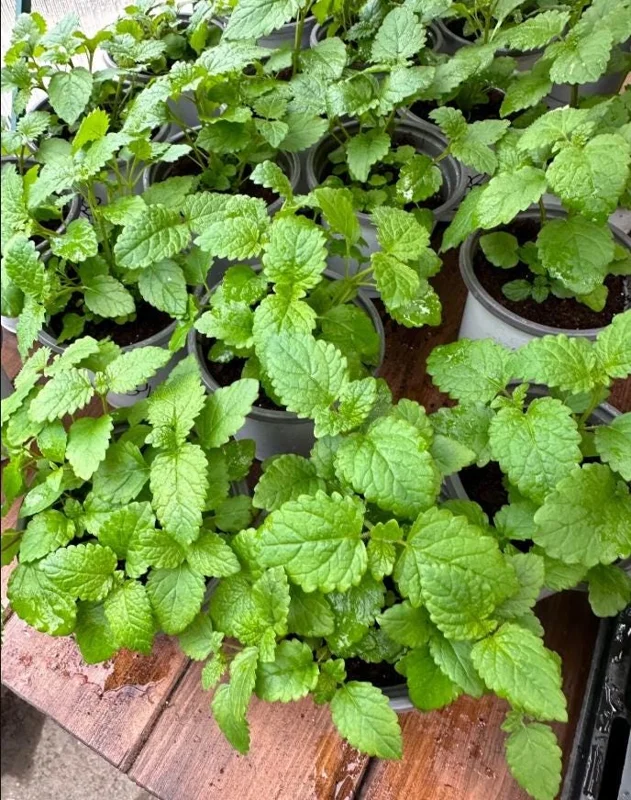
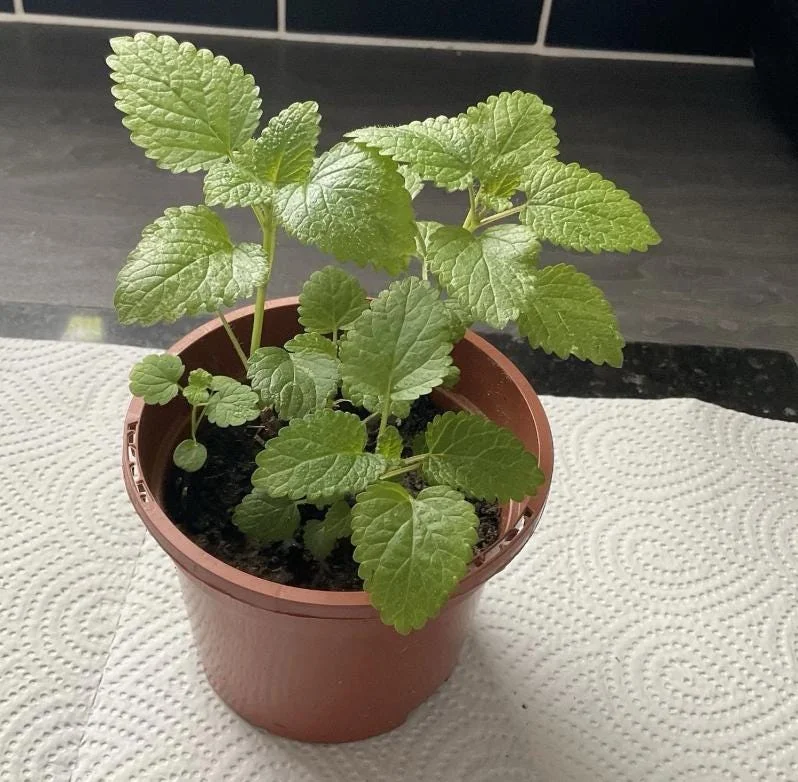
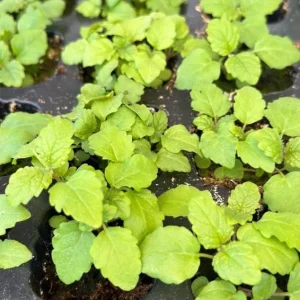
Our lemon balm live plant specimens are carefully cultivated to ensure healthy and robust growth upon arrival. Each seedling is approximately 4-6 inches tall, providing a strong foundation for vigorous development. This particular variety is celebrated for its strong lemon fragrance, which intensifies when the leaves are bruised or crushed, releasing its essential oils. It’s an excellent choice for creating a sensory garden, attracting pollinators, or simply enjoying its calming presence. Prepare to transform your garden into a fragrant oasis with these beautiful and beneficial lemon balm live plant seedlings.
Key Benefits
Adding a lemon balm live plant to your garden offers a multitude of advantages, from its aesthetic appeal to its practical uses. This resilient herb is not only easy to grow but also provides continuous enjoyment throughout the season. Here are some of the key benefits you’ll experience:
- Aromatic Delight: Enjoy the refreshing, uplifting lemon scent that emanates from the foliage, perfect for enhancing your garden’s atmosphere or bringing indoors. This makes it a truly fragrant herb plant.
- Culinary Versatility: Fresh lemon balm leaves are excellent for teas, garnishes, salads, desserts, and flavoring dishes. It adds a delicate citrus note without the tartness of actual lemon.
- Pollinator Attraction: The small, white flowers of perennial lemon balm are highly attractive to bees, butterflies, and other beneficial pollinators, contributing to a healthy ecosystem.
- Low Maintenance: Once established, lemon balm is remarkably hardy and requires minimal care, making it an ideal choice for busy gardeners. Understanding lemon balm care is straightforward.
- Repellent Properties: The strong lemon scent can help deter some garden pests, acting as a natural companion plant.
- Medicinal & Wellness Uses: Traditionally used for its calming properties, lemon balm is often found in herbal remedies for stress relief and promoting restful sleep.
- Garden Filler: Its dense, bushy growth habit makes it an excellent choice for filling garden beds, borders, or containers, providing lush green texture.
Plant Care & Growing Tips
Proper lemon balm care ensures a healthy and productive plant. Lemon balm is generally adaptable, but providing optimal conditions will lead to the best growth and fragrance. It thrives in a variety of settings, making it a versatile addition to many gardens. For sun exposure, lemon balm prefers full sun to partial shade. In hotter climates, some afternoon shade can protect the leaves from scorching. Aim for at least 4-6 hours of direct sunlight daily for robust growth, though it will tolerate less.
When it comes to soil, lemon balm is quite tolerant but performs best in fertile, well-drained soil. It can adapt to poorer soils once established, but enriching the soil with organic matter before planting will provide a strong start. Good drainage is crucial to prevent root rot. Watering should be regular, especially during dry periods or when the plant is young. Keep the soil consistently moist but not waterlogged. Once established, perennial lemon balm can tolerate some drought, but consistent moisture will promote lusher foliage. Fertilization is generally not heavily required; a balanced, all-purpose fertilizer applied once in spring can encourage vigorous growth. Pruning is beneficial to maintain shape and encourage new growth; simply trim back the plant as needed throughout the growing season.
For successful growing lemon balm, consider its temperature preferences. It is hardy in USDA zones 4-9, meaning it can withstand cold winters and return reliably each spring. Space your lemon balm live plant seedlings about 16-18 inches apart to allow for proper air circulation and growth. Watch out for common issues like powdery mildew in humid conditions; ensuring good air flow can help prevent this. The robust nature of this fragrant herb plant means it’s often resilient to most pests and diseases.
Size & Details
This offering includes a set of 5 healthy lemon balm live plant starter seedlings, each standing approximately 4-6 inches tall upon shipment. These plants are shipped without individual pots to minimize waste and shipping costs, arriving ready for immediate planting in your garden or preferred containers. Lemon balm is a fast-growing perennial herb, typically reaching a mature height of 24 to 36 inches and spreading similarly wide, forming a lush, green clump. Its growth rate is considered moderate to fast, allowing you to enjoy a substantial harvest within its first growing season. Expect continuous growth throughout the spring and summer months, with the plant dying back to the ground in colder climates during winter and re-emerging in spring. These starter plants provide an excellent foundation for establishing a thriving patch of this aromatic and beneficial herb.
Frequently Asked Questions
- Q: How big does this lemon balm live plant get? A: Lemon balm typically grows 24 to 36 inches tall and spreads about the same width, forming a lovely green clump in your garden. Regular pruning can help manage its size and encourage bushier growth.
- Q: Is this an indoor or outdoor plant? A: While lemon balm can be grown indoors in a bright spot, it thrives best outdoors in a garden bed or large container where it has room to grow and receive ample sunlight. It is a hardy perennial lemon balm.
- Q: How much sunlight does lemon balm need? A: Lemon balm prefers full sun to partial shade. In areas with intense summer heat, partial shade during the hottest part of the day can prevent leaf scorch, ensuring your fragrant herb plant remains vibrant.
- Q: Is this plant easy to care for? A: Yes, lemon balm is considered a very easy-to-care-for herb, making it excellent for beginners. Once established, it is quite tolerant of various conditions, requiring minimal attention. Regular watering and occasional pruning are the main aspects of lemon balm care.
- Q: What condition will the plants arrive in? A: You will receive 5 healthy starter plants, each 4-6 inches tall, shipped without pots. They are carefully packed to ensure they arrive in good condition, ready for planting.
- Q: Can I use lemon balm in cooking? A: Absolutely! Lemon balm leaves have a delightful lemon flavor that’s perfect for teas, salads, desserts, and as a garnish. It’s a versatile culinary herb for enhancing many dishes.
- Q: When is the best time for growing lemon balm? A: The best time to plant lemon balm seedlings is in spring after the last frost. This allows the plants to establish themselves before the heat of summer.
- Q: Will perennial lemon balm survive winter in my zone? A: Lemon balm is hardy in USDA Zones 4-9. In these zones, it will die back in winter and reliably re-emerge from the roots in spring. In colder zones, it may need winter protection or can be grown as an annual.
- Q: How often should I water my lemon balm live plant? A: Water regularly, especially during dry periods and when the plant is young, keeping the soil consistently moist but not waterlogged. Once established, it can tolerate some drought, but regular watering promotes lush growth.
- Q: How should I prune my fragrant herb plant? A: Prune your lemon balm throughout the growing season by pinching back stems to encourage bushier growth and prevent it from becoming leggy. You can also cut it back hard in mid-summer to encourage a flush of new growth.
Be the first to review “Set of 5 Lemon Balm Live Plants – Perennial Mint Herb Seedlings – 4-6 Inch Tall”
People Also Viewed
Sold 76 products
Original price was: $32.18.$16.09Current price is: $16.09.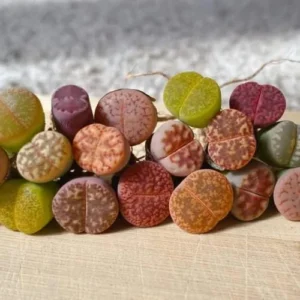
Sold 79 products
Original price was: $39.98.$19.99Current price is: $19.99.
Sold 96 products
Original price was: $97.98.$48.99Current price is: $48.99.
Sold 96 products
Original price was: $60.00.$48.00Current price is: $48.00.
Sold 60 products
Original price was: $540.00.$270.00Current price is: $270.00.
Sold 75 products
Original price was: $89.98.$44.99Current price is: $44.99.
Sold 88 products
Original price was: $63.96.$31.98Current price is: $31.98.
Sold 90 products
Original price was: $46.99.$26.99Current price is: $26.99.
Sold 67 products
Original price was: $62.76.$31.38Current price is: $31.38.

Sold 62 products
Original price was: $63.96.$31.98Current price is: $31.98.
Sold 95 products
Original price was: $861.00.$430.50Current price is: $430.50.
Sold 78 products
From $47.96
Sold 61 products
Original price was: $77.56.$38.78Current price is: $38.78.
HousePlants
Lithops Live Plants Mix – 10 Large Colorful Living Stones Succulents for Indoor/Outdoor Growing
Sold 51 products
Original price was: $27.98.$13.99Current price is: $13.99.

Sold 98 products
Original price was: $75.96.$37.98Current price is: $37.98.
Sold 86 products
Original price was: $30.78.$15.39Current price is: $15.39.
Sold 60 products
Original price was: $27.98.$13.99Current price is: $13.99.
Sold 83 products
Original price was: $49.98.$24.99Current price is: $24.99.


Reviews
There are no reviews yet.