
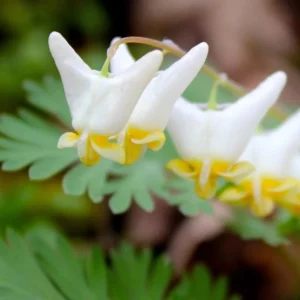
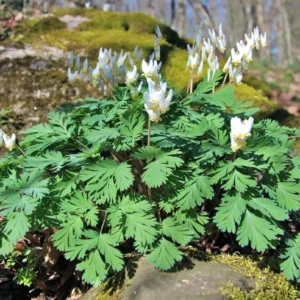
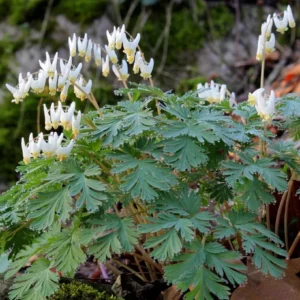
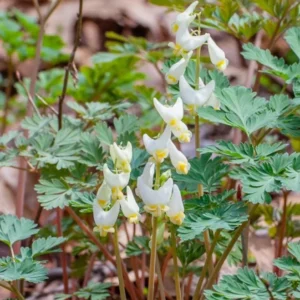
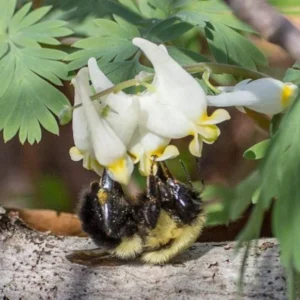

Set of 5 Dutchman’s Breeches Bulbs – Dicentra cucullaria – Bare Root Spring Wildflower for Shade Gardens
Original price was: $34.10.$11.64Current price is: $11.64.
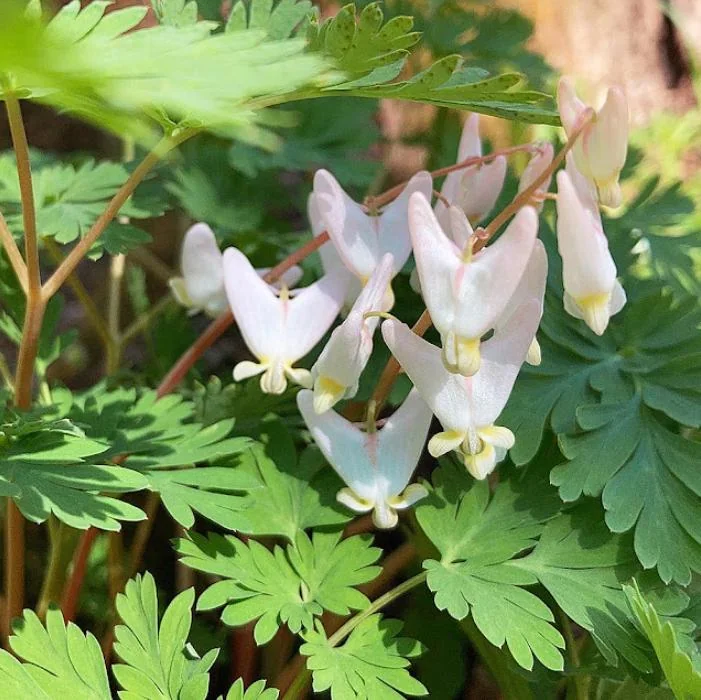
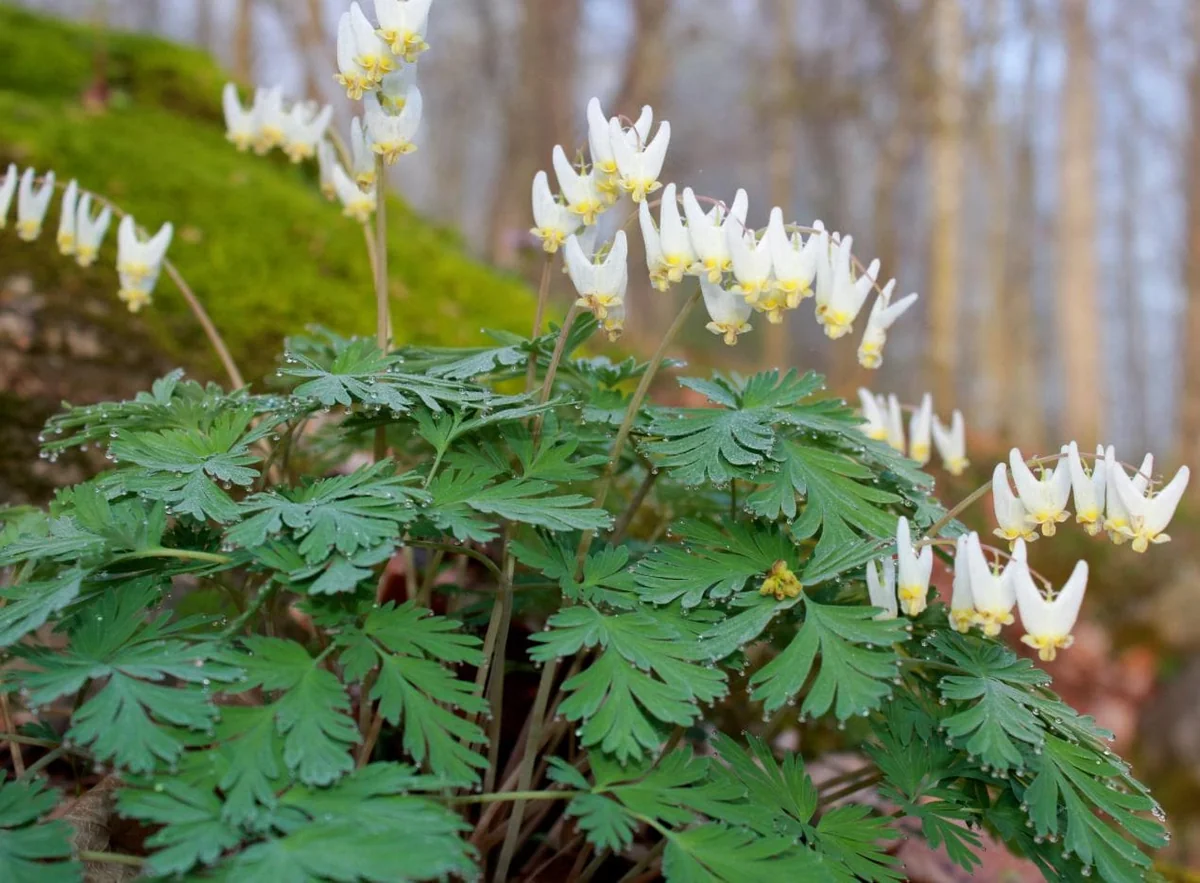
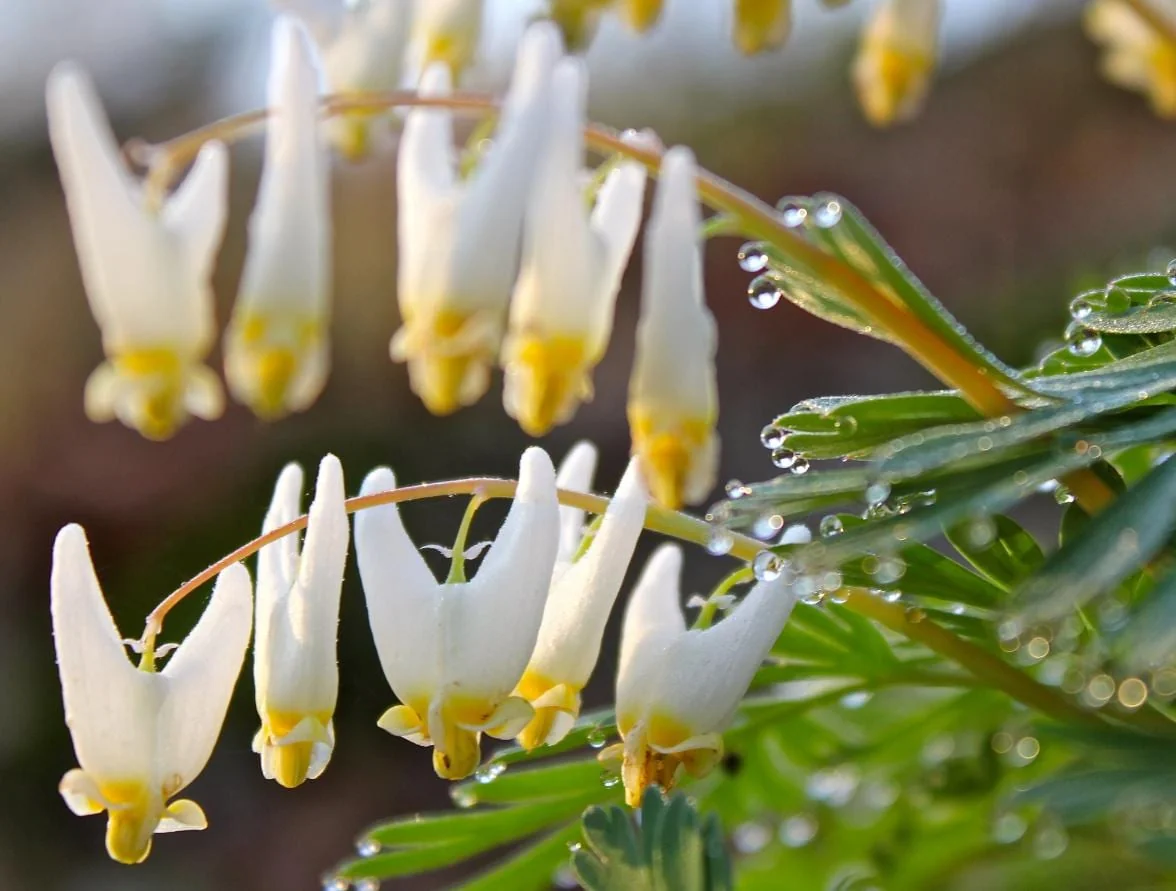
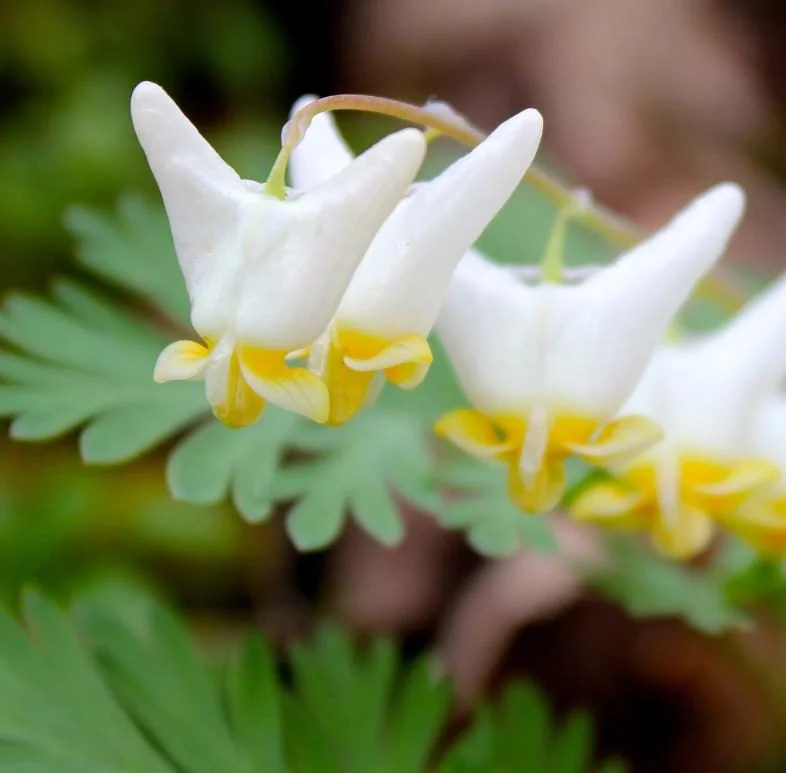
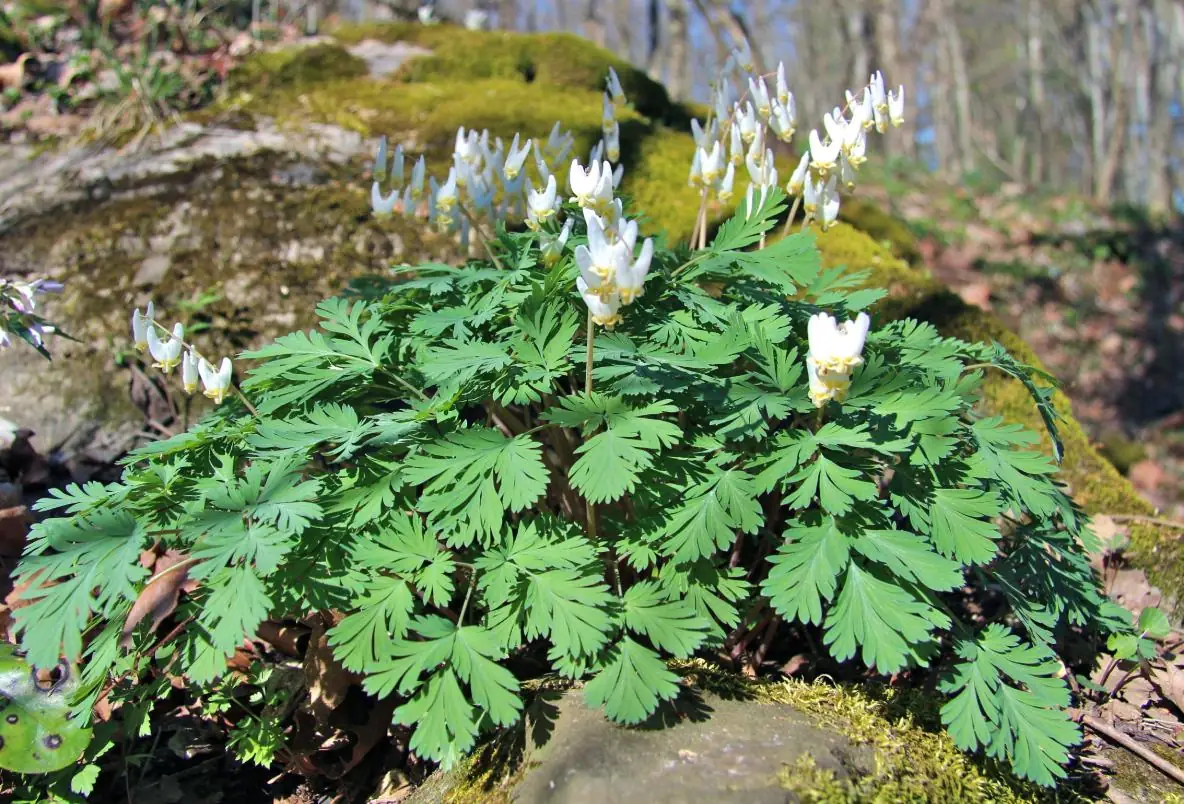
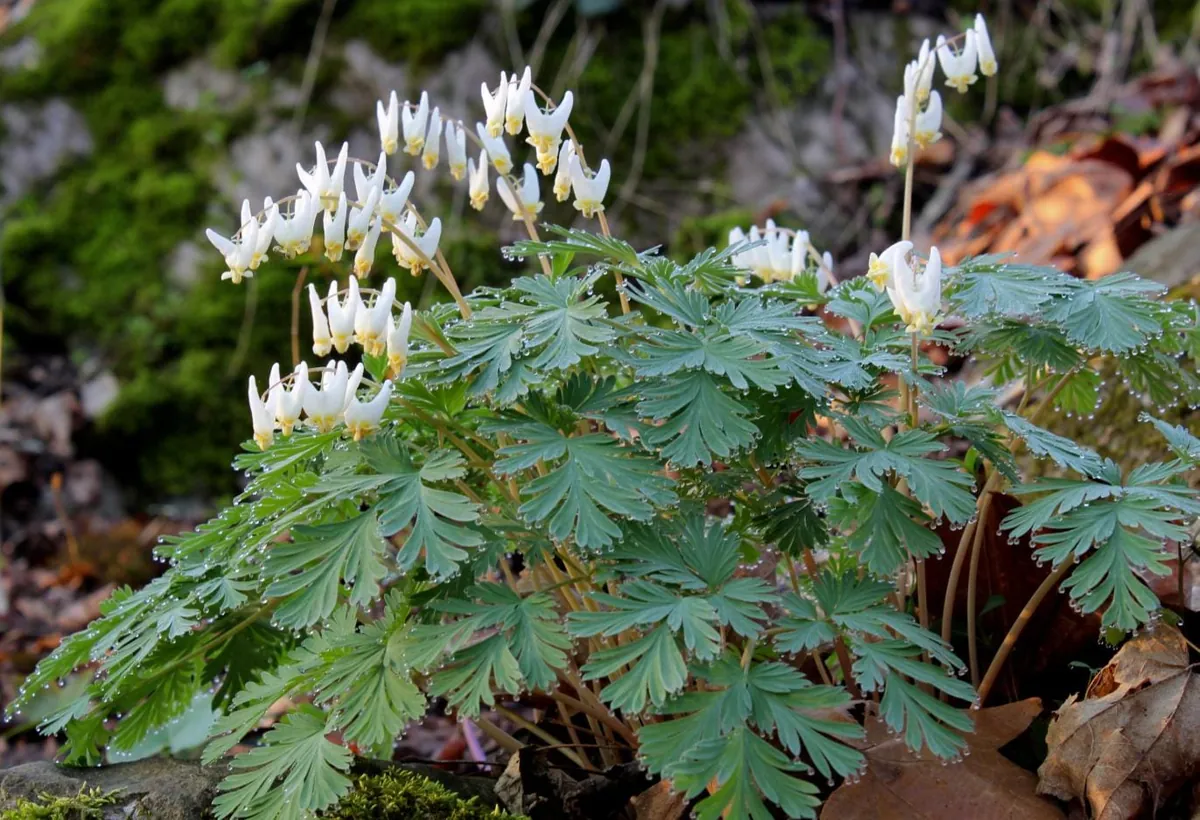
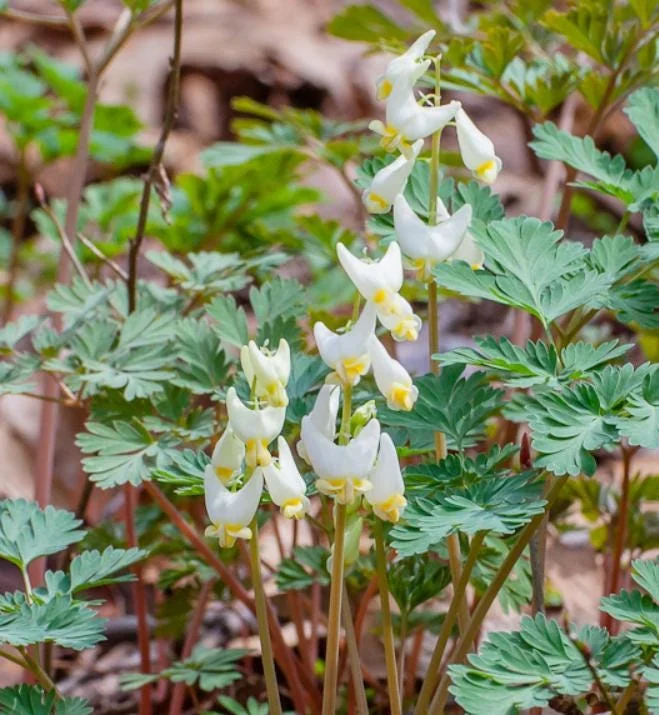
Cultivate a charming woodland retreat with this set of 5 Dutchman’s Breeches bulbs. These bare root spring wildflowers (Dicentra cucullaria) are ideal for shade gardens, producing unique white, pantaloon-shaped flowers that attract early pollinators. Enjoy a touch of native beauty in your landscape.
-
USDA Hardiness Zone
USDA zones 3–7 -
Soil Type
Moist, well-draining, humus-rich soil -
Sunlight Exposure
Partial shade to full shade -
Expected Planting Period
Fall or early spring

You can track your order HERE
Feb 26
Mar 03 - Mar 05
Mar 08 - Mar 12
Shipping and return policies: Our Alive & Thrive Guarantee covers issues with your plants within the first 30 days. Reach out to us. Our team will answer your questions and help you find the plants that are truly suitable for your environment, climate, and personal preferences.

Overview
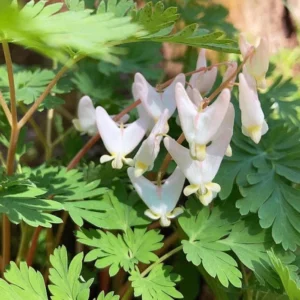
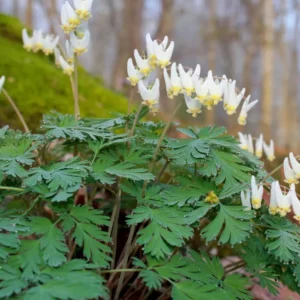
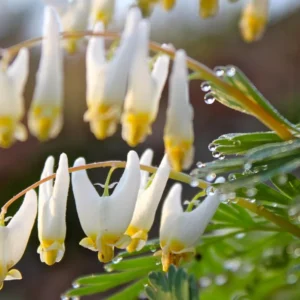
Introduce the delicate beauty of native flora to your garden with this set of 5 Dutchman’s Breeches bulbs. Each order provides well-rooted, bare root bulb systems of Dicentra cucullaria, ready to establish themselves and transform your shaded areas into a vibrant spring display. Known for their distinctive white, pantaloon-shaped flowers, these charming perennials emerge in early spring, offering an elegant groundcover before gracefully going dormant in summer. Dutchman’s Breeches are a beloved spring wildflower, perfect for creating a naturalistic feel in woodland settings, shade gardens, and native plant landscapes. They are a true harbinger of spring, providing early nectar for native bees and other beneficial pollinators, making them an eco-friendly choice for any gardener looking to support local ecosystems.
These resilient and beautiful plants are an excellent addition for those seeking low-maintenance yet impactful gardening solutions. The unique flower shape and early bloom time make Dutchman’s Breeches a standout in any shaded environment. Embrace the joy of watching these fascinating wildflowers unfurl their delicate blossoms, bringing a serene and enchanting atmosphere to your outdoor space. They are particularly well-suited for gardeners in USDA zones 3–7, thriving in cool, moist, and humus-rich soil conditions.
Key Benefits
Adding Dutchman’s Breeches bulbs to your garden offers a multitude of advantages, enhancing both its aesthetic appeal and ecological value. These unique spring wildflowers provide a captivating display and contribute significantly to local biodiversity. Here are some of the key benefits you can expect:
-
Early Spring Blooms: Be among the first to welcome spring with the appearance of delicate white flowers. Dutchman’s Breeches are one of the earliest native wildflowers to bloom, providing much-needed color and life to the garden after winter, making them a highlight in any spring landscape.
-
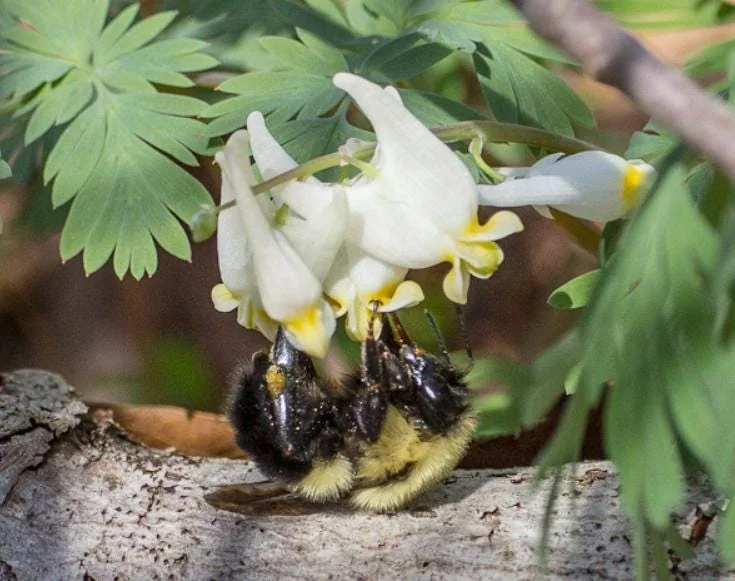
Pollinator Attraction: These flowers are a vital early food source for native bees and other beneficial pollinators. By planting Dutchman’s Breeches bulbs, you contribute to supporting local insect populations, enhancing the health and vitality of your garden ecosystem.
-
Shade & Woodland Garden Excellence: Thriving in partial to full shade, these plants are perfectly suited for challenging areas where many other flowers struggle. They excel in woodland gardens, under deciduous trees, and in other shaded nooks, creating a lush, natural groundcover.
-
Low Maintenance Perennial: Once established, Dicentra cucullaria requires minimal care. It’s a perennial that returns year after year, offering a reliable and beautiful display without constant attention, ideal for busy gardeners or those seeking an easy-care solution.
-
Naturalizes Easily: Dutchman’s Breeches can spread gently over time, forming beautiful colonies and providing an ethereal, carpet-like effect. This naturalization makes them excellent for creating expansive native plant landscapes and adding a wild, untamed charm.
-
Dormancy for Summer: After their spring show, these plants go dormant in summer, allowing other shade-loving perennials to take center stage. This ephemeral nature means they won’t compete for resources with later-blooming plants, offering a dynamic and evolving garden display.
-
Pairs Well with Other Natives: They complement other woodland natives such as trilliums, ferns, and hostas beautifully, creating a harmonious and authentic forest floor aesthetic. This allows for diverse and visually appealing garden compositions.
Plant Care & Growing Tips
Growing Dutchman’s Breeches bulbs is a rewarding experience, especially when you understand their specific needs for a thriving display. These delightful wildflowers prefer conditions that mimic their natural woodland habitat. Sunlight is crucial; they flourish in partial to full shade, meaning they prefer locations that receive dappled sunlight or shade throughout the day, especially during the hottest parts of summer. Avoid direct, intense afternoon sun, which can scorch their delicate foliage.
When it comes to soil, Dicentra cucullaria thrives in moist, well-draining, and humus-rich soil. Incorporating plenty of organic matter, such as compost or leaf mold, will significantly improve soil structure, moisture retention, and nutrient content, providing an ideal environment for these bare root plants. Consistent moisture is key during their active growth period in spring, but ensure the soil is not waterlogged, as this can lead to bulb rot. Once the plants go dormant in summer, they prefer drier conditions, so reduce watering during this period. Planting can be done in fall or early spring, spacing the roots 6–10 inches apart to allow for future growth and naturalization. These spring wildflower bulbs are relatively hardy and resistant to pests and diseases, making them a resilient choice for your garden.
For optimal growth, especially when establishing your native woodland plants, a light application of balanced, slow-release organic fertilizer in early spring can be beneficial, though often not strictly necessary in rich soil. Protect young plants from aggressive weeds that might compete for resources. In colder climates, a layer of mulch applied in late fall can help insulate the bulbs and protect them from extreme temperature fluctuations. Remember, the goal is to replicate a forest floor environment, so think about consistent, gentle moisture, rich organic soil, and filtered light.
Size & Details
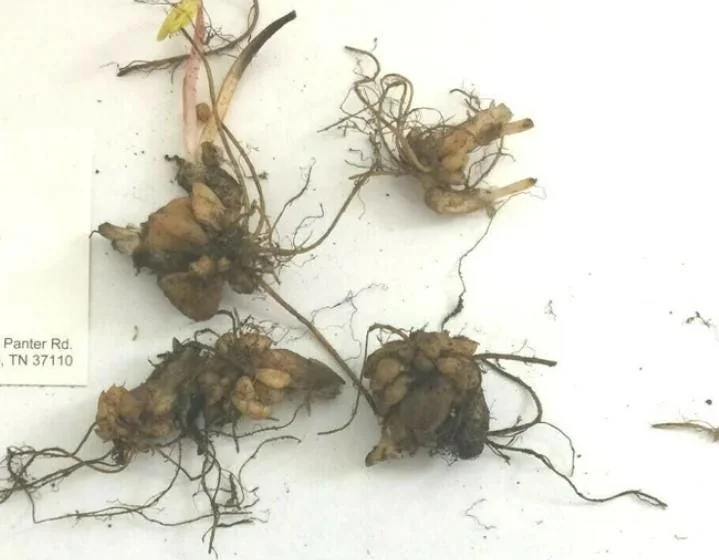
This offering includes a set of 5 Dutchman’s Breeches bulbs, provided as well-rooted bare root systems. These bare root plants are typically shipped without leaves, as they are in their dormant state, ready for planting to establish in your garden. Dicentra cucullaria is a compact plant, generally reaching a height of 6-12 inches and spreading 6-10 inches wide at maturity. The delicate white flowers are a hallmark of this species, appearing in early spring. These bulbs are ideal for quick establishment and vigorous growth once planted in appropriate conditions.
As a spring-blooming perennial wildflower, Dutchman’s Breeches will emerge each year, with their peak display in early spring. After blooming, the foliage will gradually yellow and die back as the plant enters summer dormancy. This natural cycle means they won’t occupy space in your garden during the hotter months, making them excellent companions for summer-flowering shade plants. They are a fantastic addition for those looking to cultivate shade garden plants that offer early season interest and natural charm.
Frequently Asked Questions
-
Q: How big do these Dutchman’s Breeches plants get? A: Dutchman’s Breeches typically grow to a height of 6-12 inches and spread about 6-10 inches wide, forming a lovely clump or groundcover. They are a relatively compact native woodland plant.
-
Q: What condition will the Dutchman’s Breeches bulbs arrive in? A: You will receive a set of 5 well-rooted bare root bulb systems. They are shipped dormant and without leaves, ready for planting upon arrival to ensure successful establishment.
-
Q: Is this an indoor or outdoor plant? A: Dutchman’s Breeches (Dicentra cucullaria) are outdoor native wildflowers. They are best suited for woodland gardens, shade gardens, and naturalized landscapes.
-
Q: How much sunlight do these spring wildflower bulbs need? A: These plants thrive in partial shade to full shade. They prefer locations with dappled sunlight or consistent shade, especially protected from intense afternoon sun.
-
Q: Is this plant easy to care for? A: Yes, once established, Dutchman’s Breeches are quite low-maintenance. They require consistently moist, humus-rich soil and shade, and they will return year after year with minimal intervention.
-
Q: When is the best time to plant these bare root bulbs? A: The best time to plant Dutchman’s Breeches bulbs is in the fall or early spring, allowing them to establish their root systems before their active growing season.
-
Q: How long until they bloom after planting? A: If planted in the fall, they will typically bloom the following spring. If planted in early spring, they may bloom in their first season, though sometimes they establish roots and bloom more robustly the second year.
-
Q: Will these plants survive winter in my zone? A: Dutchman’s Breeches are hardy perennials, thriving in USDA zones 3–7. They are well-adapted to cold winters and will naturally go dormant, returning in spring.
-
Q: What kind of soil do they prefer? A: They prefer moist, well-draining, and humus-rich soil. Amending your soil with organic matter like compost or leaf mold will create an ideal environment for these shade garden plants.
-
Q: Are these plants deer resistant? A: While no plant is entirely deer-proof, Dutchman’s Breeches are generally considered deer resistant due to their foliage, which is not typically preferred by deer.
Be the first to review “Set of 5 Dutchman’s Breeches Bulbs – Dicentra cucullaria – Bare Root Spring Wildflower for Shade Gardens”
People Also Viewed

Sold 68 products
Original price was: $355.96.$177.98Current price is: $177.98.

Sold 59 products
Original price was: $79.98.$39.99Current price is: $39.99.
Sold 73 products
From $61.58
Sold 68 products
From $43.98
Sold 100 products
Original price was: $49.98.$24.99Current price is: $24.99.
Sold 76 products
$48.38
Sold 66 products
Original price was: $59.90.$29.95Current price is: $29.95.
Sold 63 products
$48.38
Sold 64 products
Original price was: $150.00.$120.00Current price is: $120.00.
Sold 87 products
Original price was: $39.98.$19.99Current price is: $19.99.
Sold 50 products
$43.98

Sold 83 products
Original price was: $89.98.$44.99Current price is: $44.99.
Sold 88 products
Original price was: $33.98.$18.49Current price is: $18.49.
Sold 96 products
Original price was: $117.98.$58.99Current price is: $58.99.

Sold 59 products
From $197.96
Sold 80 products
Original price was: $147.16.$73.58Current price is: $73.58.
Sold 51 products
Original price was: $39.98.$19.99Current price is: $19.99.
Sold 56 products
From $131.80



Reviews
There are no reviews yet.