
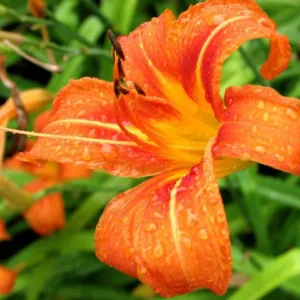
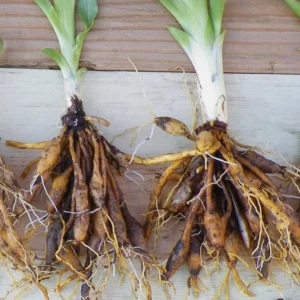
Set of 3 Wild Daylily Bare Roots – Hemerocallis fulva – Hardy Perennial Flower for Garden
Original price was: $27.60.$9.04Current price is: $9.04.
Cultivate vibrant beauty with this set of 3 wild daylily bare roots. These hemerocallis fulva plants are easy-to-grow, low-maintenance perennials, perfect for adding continuous color to garden borders and naturalized landscapes. Enjoy continuous blooms from late spring through summer.
-
USDA Hardiness Zone
USDA Zones 3–9 -
Soil Type
Well-drained, loamy soil (adaptable) -
Sunlight Exposure
Full sun to partial shade -
Expected Planting Period
Spring through Fall

You can track your order HERE
Feb 26
Mar 03 - Mar 05
Mar 08 - Mar 12
Shipping and return policies: Our Alive & Thrive Guarantee covers issues with your plants within the first 30 days. Reach out to us. Our team will answer your questions and help you find the plants that are truly suitable for your environment, climate, and personal preferences.

Overview
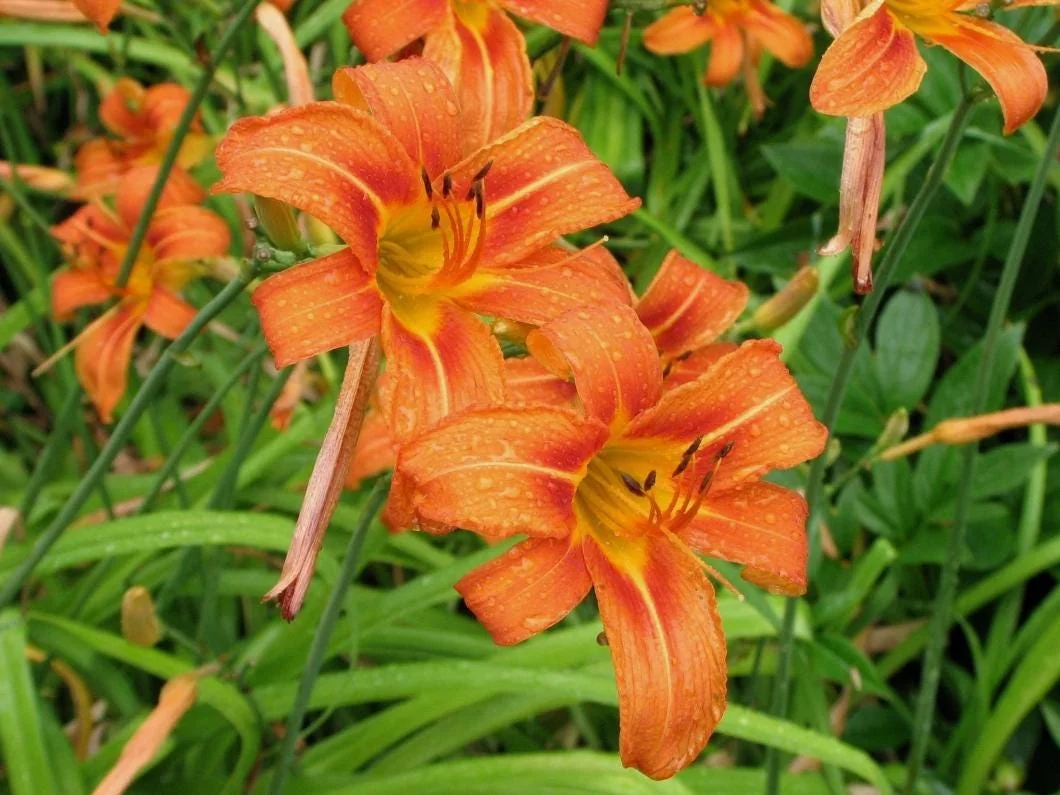
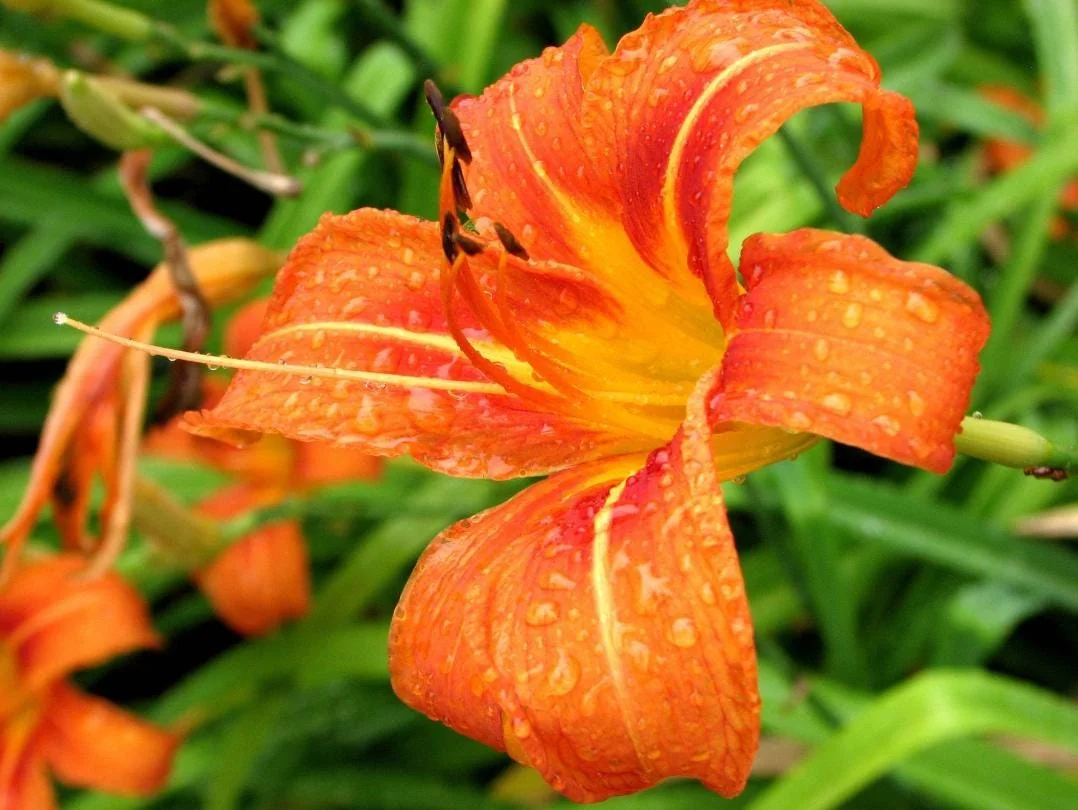
Transform your garden with a set of 3 wild daylily bare roots, offering a classic touch of vibrant color and enduring beauty. The Wild Daylily, scientifically known as Hemerocallis fulva, is a beloved hardy perennial flowering plant renowned for its striking orange blooms and lush green foliage. Also commonly called Orange Daylily or Tawny Daylily, this resilient plant brings a cheerful and natural aesthetic to any outdoor space. While each trumpet-shaped flower opens for a single day, the plant continuously reblooms throughout the season, ensuring a long-lasting and dynamic display of color. These bare roots provide a robust starting point for establishing a thriving patch of these charming flowers, making them an excellent choice for both novice and experienced gardeners seeking reliable and beautiful additions to their landscape.
Originating from Asia and widely naturalized across the U.S., Hemerocallis fulva plants are celebrated for their adaptability and hardiness. They are an ideal selection for those looking to create stunning garden borders, naturalized areas, or cottage gardens with minimal effort. This set of 3 wild daylily bare roots is ready to plant and grow into mature, bloom-producing specimens that will return year after year, enhancing the beauty and biodiversity of your outdoor environment.
Key Benefits
Choosing wild daylily bare roots for your garden brings a multitude of advantages, offering both aesthetic appeal and practical benefits. These plants are known for their resilience and ability to thrive in various conditions, making them a gardener’s delight. Here are some of the key benefits you’ll enjoy:
- Easy to Grow and Low-Maintenance: Orange daylily perennial plants require minimal care once established, making them perfect for busy gardeners. They tolerate a range of soil types and conditions, adapting easily to their environment.
- Long-Lasting Blooms and Lush Foliage: Despite individual flowers lasting only a day, the plant reblooms continuously from late spring through summer, providing an extended period of vibrant orange color and attractive green foliage.
- Ideal for Garden Borders and Landscaping: Their clumping growth habit and robust nature make them excellent for defining borders, mass plantings, naturalized areas, and even erosion control on slopes.
- Attracts Pollinators: The bright, showy flowers of the wild daylily bare roots are a magnet for local wildlife, including butterflies and hummingbirds, contributing to a healthy garden ecosystem.
- Drought-Tolerant and Long-Lived: Once established, daylilies are remarkably drought-tolerant and will return faithfully each year, offering reliable beauty for decades with very little intervention.
- Cold-Tolerant Perennial: Hardy in USDA Zones 3–9, these plants can withstand cold winters and bounce back vigorously each spring, ensuring consistent performance.
- Versatile Use: Beyond traditional garden settings, these daylilies are also suitable for pollinator gardens and areas where a naturalized, effortless look is desired.
Plant Care & Growing Tips
Cultivating healthy and abundant wild daylily bare roots is a straightforward process, thanks to their hardy and adaptable nature. To ensure your Hemerocallis fulva plants flourish, consider the following care and growing tips. For optimal blooming, plant your daylilies in a location that receives full sun, meaning at least six hours of direct sunlight per day. While they can tolerate partial shade, too little sun may result in fewer blooms. When planting, ensure the crown (where the leaves meet the roots) is just at the soil surface, with the roots spread out below. Space individual roots 18–24 inches apart to allow for mature growth and good air circulation.
These orange daylily perennial plants prefer well-drained, loamy soil, but they are incredibly adaptable and can thrive in various soil types, including clay or sandy soils, as long as drainage is adequate. During the establishment phase, keep the soil evenly moist but not waterlogged. Once mature, daylilies become quite drought-tolerant, though consistent moisture during dry spells will encourage better blooming. Fertilization is not strictly necessary for these low-maintenance garden flowers, but a balanced slow-release fertilizer in early spring can promote vigorous growth and more abundant flowers. Deadheading spent blooms can also encourage more reblooming throughout the season.
The hardy daylily roots are resilient to many common pests and diseases. Monitor for occasional issues like aphids or slugs, which can typically be managed with organic pest control methods. In colder climates (USDA Zones 3–9), daylilies will die back to the ground in winter and re-emerge in spring. A layer of mulch can provide extra protection in extreme cold or for newly planted bare roots. With these simple care practices, your low-maintenance garden flowers will provide years of vibrant color and enjoyment.
Size & Details
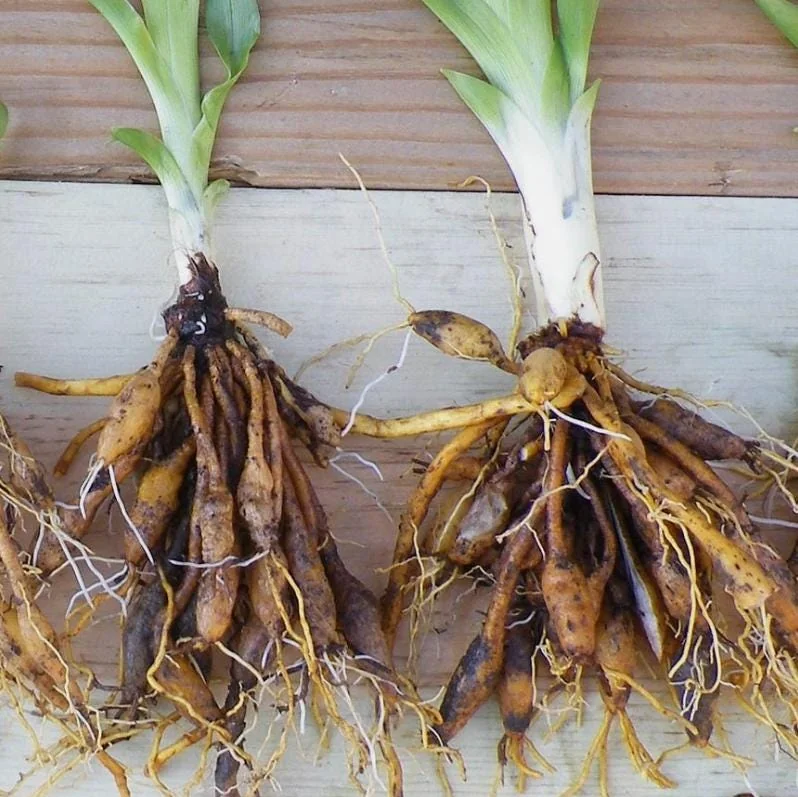
This offering includes a set of 3 wild daylily bare roots, ready to be planted and established in your garden. Each bare root is a healthy, starter-sized specimen, carefully prepared for optimal transplanting and growth. While initial appearance upon arrival will be of bare roots, these will quickly develop into robust plants. Mature Hemerocallis fulva plants typically grow to a height of 2 to 3 feet with a similar spread, creating a substantial and impactful presence in the landscape. They are known for their medium growth rate, establishing well within their first year and producing blooms in subsequent seasons, with established plants returning year after year.
The roots are packed to ensure safe arrival and should be planted promptly upon receipt. Minor dryness of the roots is normal after shipping and does not affect their viability. Expect these orange daylily perennial plants to begin producing their iconic trumpet-shaped orange flowers from late spring through the summer months, offering a continuous spectacle of color. These hardy daylily roots are a reliable choice for long-term garden enjoyment, providing a beautiful display with minimal effort.
Frequently Asked Questions
- Q: How big do these wild daylily bare roots get? A: Once established, Hemerocallis fulva plants typically grow to a height of 2 to 3 feet, with a similar spread. This makes them ideal for creating impactful borders or naturalized areas in your garden.
- Q: How much sunlight do these orange daylily perennial plants need? A: For the best blooming performance, daylilies should be planted in full sun, meaning at least 6 hours of direct sunlight daily. They can tolerate partial shade, but flowering may be reduced.
- Q: Are these hardy daylily roots easy to care for? A: Yes, daylilies are renowned for being very easy to grow and low-maintenance. Once established, they are drought-tolerant and require minimal intervention, making them excellent low-maintenance garden flowers.
- Q: What condition will the bare roots arrive in? A: Your order will include 3 healthy bare roots, carefully packed to ensure safe arrival. Minor dryness is normal after shipping and will not affect their ability to grow when planted promptly.
- Q: When is the best time to plant wild daylily bare roots? A: The best time to plant bare roots is typically in spring or fall, allowing them to establish before extreme heat or cold. Plant promptly upon arrival for optimal results.
- Q: Will these daylilies attract pollinators? A: Absolutely! The vibrant orange blooms of the Hemerocallis fulva plants are very attractive to butterflies and hummingbirds, making them a wonderful addition to a pollinator garden.
- Q: What USDA zones are these orange daylily perennial plants hardy in? A: These daylilies are very cold-tolerant and are hardy in USDA Zones 3 through 9, meaning they can withstand a wide range of winter temperatures and return year after year.
- Q: Can I use these daylilies for erosion control? A: Yes, their robust root systems and naturalizing habit make them an excellent choice for erosion control on slopes and other areas where soil stabilization is needed.
- Q: Do these low-maintenance garden flowers require special soil? A: While they prefer well-drained, loamy soil, daylilies are highly adaptable and will grow well in most soil types, as long as they are not waterlogged.
- Q: How long until these hardy daylily roots bloom? A: Depending on when they are planted, you can expect blooms from late spring through summer, often in their second season after planting, with established plants blooming reliably every year.
Be the first to review “Set of 3 Wild Daylily Bare Roots – Hemerocallis fulva – Hardy Perennial Flower for Garden”
People Also Viewed
Sold 57 products
Original price was: $39.98.$19.99Current price is: $19.99.
Sold 62 products
Original price was: $130.00.$104.00Current price is: $104.00.
Sold 62 products
From $19.98
Sold 90 products
From $22.99
Sold 67 products
Original price was: $147.16.$73.58Current price is: $73.58.
Sold 58 products
Original price was: $99.96.$49.98Current price is: $49.98.
Sold 84 products
$109.98
Sold 90 products
Original price was: $355.96.$177.98Current price is: $177.98.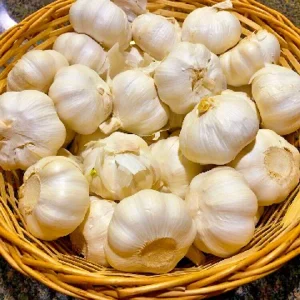
Vegetables
German Red Hardneck Garlic Bulbs – Organic Heirloom for Planting & Cooking – 1/2 lb to 10 lbs
Sold 91 products
From $23.28
Sold 93 products
Original price was: $140.00.$70.00Current price is: $70.00.
Sold 76 products
Original price was: $97.96.$48.98Current price is: $48.98.

Shrubs
Summersweet Clethra Crystalina Live Plant – 4 inch Pot – Fragrant White Flowers – Outdoor Shrub
Sold 58 products
Original price was: $54.36.$27.18Current price is: $27.18.
Sold 100 products
Original price was: $57.82.$28.91Current price is: $28.91.
Sold 73 products
Original price was: $83.96.$41.98Current price is: $41.98.
Sold 67 products
Original price was: $288.00.$144.00Current price is: $144.00.
Sold 51 products
Original price was: $35.16.$17.58Current price is: $17.58.
Sold 67 products
Original price was: $57.56.$28.78Current price is: $28.78.
Sold 85 products
Original price was: $41.56.$20.78Current price is: $20.78.


Reviews
There are no reviews yet.