
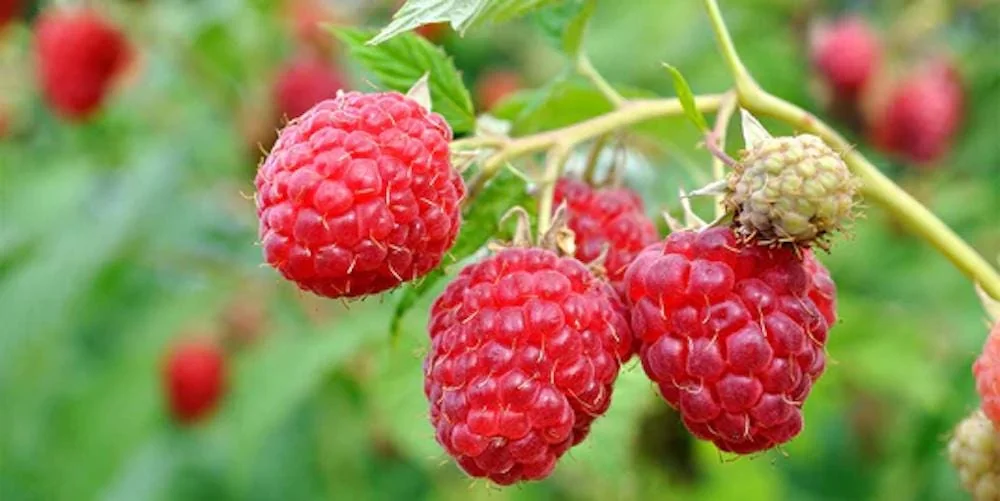
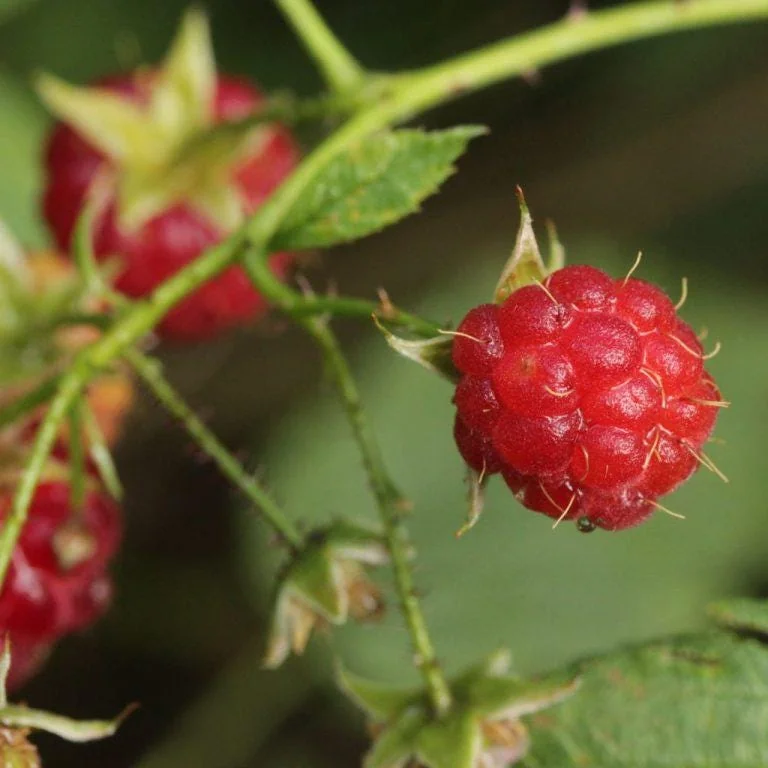
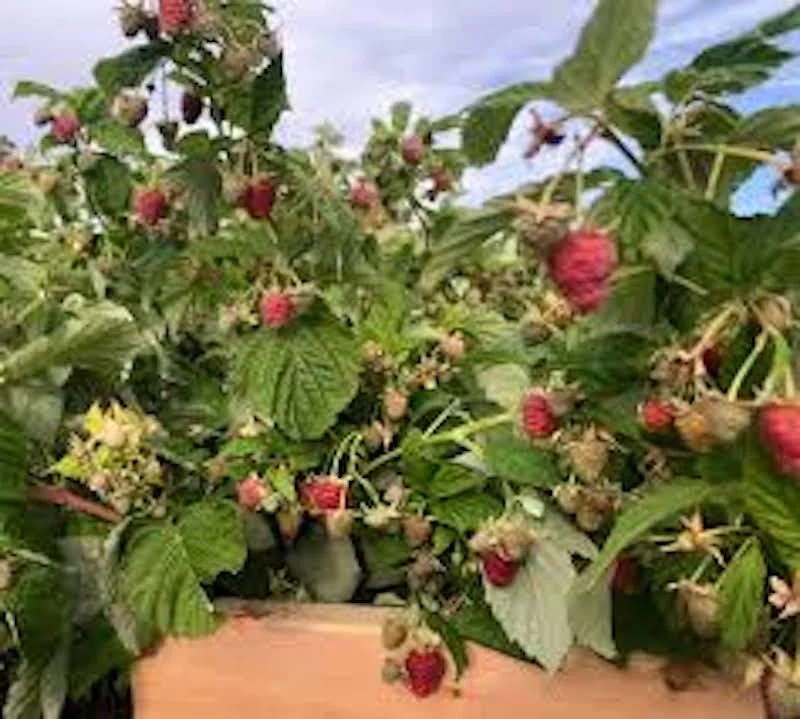
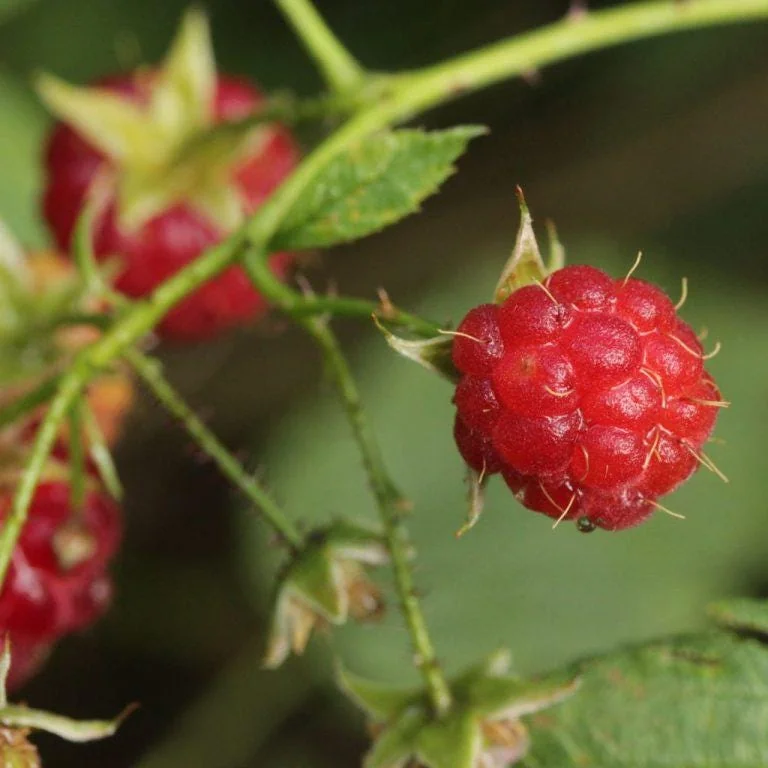
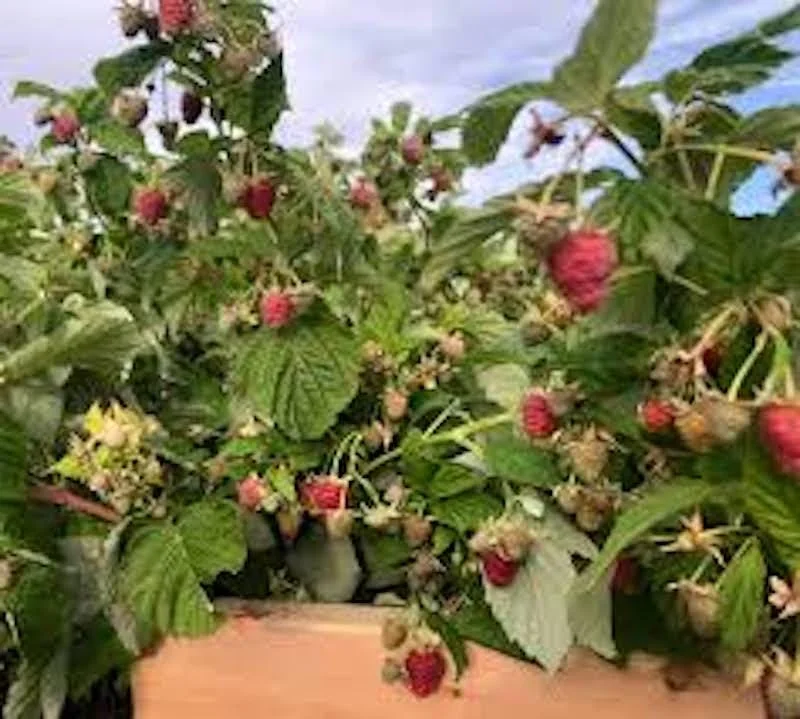
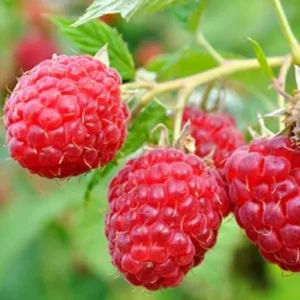
September Red Raspberry Starter Plug – Rubus idaeus Live Plant – Everbearing Berry
Original price was: $36.00.$28.80Current price is: $28.80.
Cultivate your own delicious berries with the September Red Raspberry live plant. This robust, everbearing variety yields two crops annually, offering sweet fruit in both early summer and late summer/fall. Ideal for USDA zones 4-8, it’s a perfect addition to any garden.
-
USDA Hardiness Zone
USDA zones 4-8 -
Soil Type
Well-draining, slightly acidic soil -
Sunlight Exposure
Full sun -
Expected Planting Period
Early spring

You can track your order HERE
Apr 13
Apr 18 - Apr 20
Apr 23 - Apr 27
Shipping and return policies: Our Alive & Thrive Guarantee covers issues with your plants within the first 30 days. Reach out to us. Our team will answer your questions and help you find the plants that are truly suitable for your environment, climate, and personal preferences.

Overview
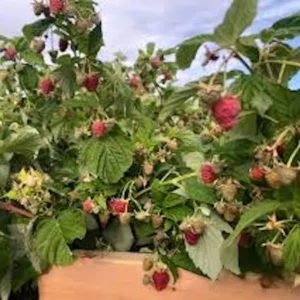
Introduce a delightful and productive addition to your garden with the September Red Raspberry live plant. Known botanically as Rubus idaeus, this exceptional variety is a favorite among home gardeners for its reliability and abundant harvests. The September Red raspberry distinguishes itself as an everbearing type, meaning it provides two distinct fruiting seasons. You can anticipate a lighter crop of juicy, bright red raspberries in early summer, typically around July, followed by a much heavier and more substantial yield from late summer through fall, generally spanning August to October. This extended harvest period ensures a continuous supply of fresh berries for eating, baking, or preserving. This particular offering is a starter plug, providing a healthy, established young plant ready for transplanting into your garden. Its vigor and cold hardiness make it an excellent choice for a wide range of climates, particularly those with colder winters.
The everbearing raspberry plant is celebrated not just for its fruit but also for its resilience. It’s a self-pollinating variety, which means you only need one plant to produce fruit, simplifying the gardening process. Its robust nature and ability to thrive in various conditions make it a rewarding choice for both novice and experienced gardeners. Imagine stepping into your backyard and picking fresh, ripe raspberries straight from the bush for months on end. This plant promises both beauty and bounty, growing into an attractive shrub that also provides delicious produce. The starter plug format ensures a strong beginning, reducing the typical challenges associated with growing from seed.
Key Benefits
Choosing the September Red Raspberry offers numerous advantages for the home gardener, transforming your outdoor space into a productive and beautiful landscape. Its dual harvest cycle and ease of care make it a standout choice for fresh fruit lovers.
- Extended Harvest Season: Enjoy two distinct crops of raspberries each year. A lighter harvest in early summer (July) and a bountiful yield from late summer through fall (August-October) ensures a prolonged supply of fresh fruit from your September Red Raspberry live plant.
- Exceptional Cold Hardiness: This variety is incredibly cold-tolerant, thriving in USDA hardiness zones 4 through 8. This makes it an ideal choice for gardeners in northern climates where other raspberry varieties might struggle, ensuring successful growth even after harsh winters.
- Self-Pollinating & High Yield: As a self-pollinating plant, you only need one bush to produce fruit, simplifying your garden planning. The September Red is known for its vigorous growth and heavy production, especially during its fall crop, providing an abundance of delicious berries.
- Versatile Culinary Use: The sweet, juicy berries are perfect for fresh eating, making jams, jellies, pies, tarts, or freezing for later use. Having your own supply of Rubus idaeus means access to organic, homegrown fruit.
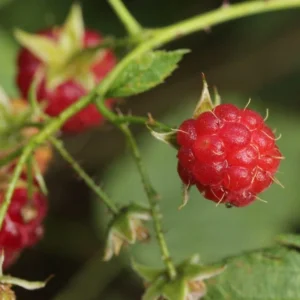
- Attractive Garden Addition: The upright, bushy, and vigorous growth habit of this raspberry plant adds a lovely green structure to your garden. While it is a thorned variety, its beauty and bounty far outweigh this minor characteristic.
- Relatively Low Maintenance: Once established, this everbearing raspberry plant requires minimal care beyond regular watering and annual pruning, making it a rewarding plant for busy gardeners.
Plant Care & Growing Tips
To ensure your September Red Raspberry live plant flourishes and provides abundant harvests, understanding its specific care requirements is crucial. These plants are relatively forgiving but perform best when given optimal conditions. For sunlight, September Red raspberries thrive in full sun, meaning they need at least 6-8 hours of direct sunlight per day. Choose a location in your garden that receives ample sun throughout the day, as this will maximize fruit production and sweetness. In hotter climates, some afternoon shade can be beneficial to prevent scorching, but generally, more sun is better. Good air circulation is also important to prevent fungal diseases.
When it comes to watering, consistent moisture is key, especially during fruiting periods. The soil should be kept evenly moist but never waterlogged. Deep watering once or twice a week is usually sufficient, depending on your climate and soil type. Avoid overhead watering if possible, as wet foliage can encourage disease; drip irrigation or soaker hoses are ideal. For soil, the cold hardy raspberry prefers well-draining, slightly acidic soil with a pH between 6.0 and 6.8. Amending your soil with organic matter like compost or aged manure before planting will improve drainage, fertility, and overall soil structure. These plants are very cold-tolerant, making them perfect for growing red raspberries in zones 4-8. Fertilize in early spring with a balanced slow-release fertilizer or compost to support vigorous growth and fruit development. Pruning is essential for everbearing varieties: prune floricanes (canes that bore fruit in summer) to the ground after their second harvest, and thin primocanes (first-year canes) to allow for good air circulation and light penetration.
Size & Details
This offering is for one September Red Raspberry starter plug, which provides a young, healthy plant with an established root system, ready for transplanting. While exact dimensions of the starter plug can vary, it is typically a robust young plant designed to easily adapt to its new garden environment. The mature September Red raspberry bush will grow into an upright, bushy, and vigorous shrub, generally reaching a height of 3 to 5 feet and a similar spread of 3 to 5 feet wide. Its growth rate is considered moderate to fast, allowing it to establish quickly in your garden. As an everbearing variety, you can expect fruit production to begin in the first or second year after planting.
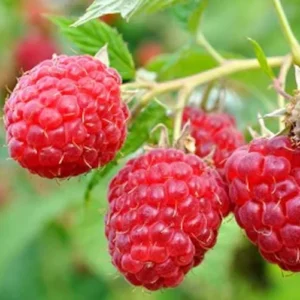
The plant is shipped as a bare root starter plug, meaning it will arrive without a pot and with minimal soil around its roots. This method is common for dormant or semi-dormant plants and helps reduce shipping shock. Upon arrival, it is crucial to plant your everbearing raspberry plant promptly. The berries themselves are medium to large in size, bright red, and possess a classic sweet raspberry flavor. The plant is known for its thorned canes, a characteristic common to many raspberry varieties, which serves as a natural defense. This resilient plant is an investment that will yield delicious dividends for many years with proper care.
Frequently Asked Questions
- Q: How big does this September Red Raspberry live plant get? A: When mature, the September Red Raspberry bush typically grows to be about 3 to 5 feet tall and 3 to 5 feet wide, forming an upright and bushy shrub.
- Q: Is this an indoor or outdoor plant? How much sunlight does it need? A: The September Red Raspberry is an outdoor plant that requires full sun, meaning at least 6-8 hours of direct sunlight daily, to produce the best fruit yields.
- Q: Is this plant easy to care for? Is it good for beginners? A: Yes, the September Red Raspberry is considered relatively easy to care for and is an excellent choice for beginners. Its cold hardiness and self-pollinating nature simplify the growing process.
- Q: What condition will the Rubus idaeus arrive in? Is it shipped in soil? A: The plant is shipped as a bare root starter plug, meaning it will arrive without a pot and with its roots carefully packaged to maintain moisture, not in a pot with soil.
- Q: Can I use growing red raspberries for making jam? A: Absolutely! The September Red Raspberry produces sweet and juicy berries that are perfect for fresh eating, baking, and making delicious jams, jellies, and preserves.
- Q: How long until it blooms and produces fruit? When is the best time to plant this cold hardy raspberry? A: You can expect your September Red Raspberry to start producing fruit in its first or second year after planting. The best time to plant is in early spring once the danger of hard frost has passed.
- Q: Will this everbearing raspberry plant survive winter in my zone? What’s the minimum temperature it can tolerate? A: This variety is very cold-tolerant and thrives in USDA hardiness zones 4 through 8, making it suitable for many northern climates. It can withstand significant winter temperatures.
- Q: Does this raspberry plant require cross-pollination? A: No, the September Red Raspberry is a self-pollinating variety, so you only need one plant to get a good crop of berries.
- Q: How often should I fertilize my raspberry bush? A: Fertilize your September Red Raspberry bush once in early spring with a balanced, slow-release fertilizer or a good layer of compost to support its growth and fruit production.
- Q: Do these plants have thorns? A: Yes, the September Red Raspberry is a thorned variety, which is typical for many raspberry plants.
Be the first to review “September Red Raspberry Starter Plug – Rubus idaeus Live Plant – Everbearing Berry”
People Also Viewed
Sold 57 products
Original price was: $28.76.$14.38Current price is: $14.38.
Sold 74 products
Original price was: $283.96.$141.98Current price is: $141.98.
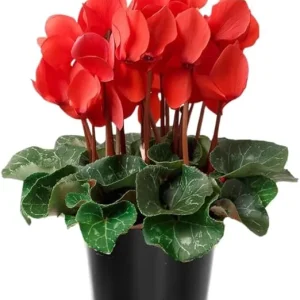
Sold 62 products
Original price was: $45.98.$22.99Current price is: $22.99.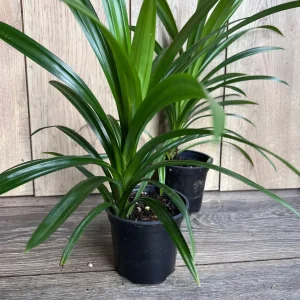
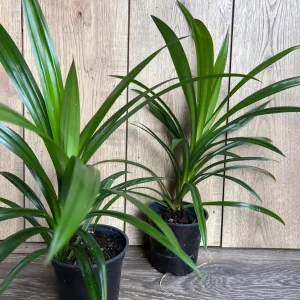
Sold 99 products
Original price was: $73.40.$44.04Current price is: $44.04.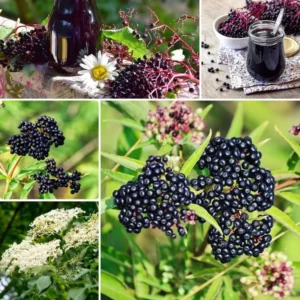
Fruit Seeds
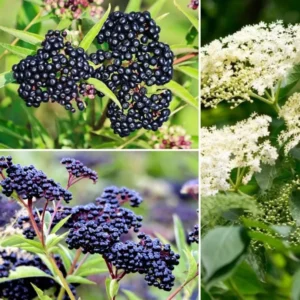
American Elderberry Plant – 4 Live Black Elderberry Bush – 6-12 Inch Sweet Elderberry Tree
Sold 89 products
Original price was: $85.98.$42.99Current price is: $42.99.
Sold 72 products
Original price was: $31.96.$15.98Current price is: $15.98.
Sold 97 products
$48.38
Sold 80 products
Original price was: $55.98.$27.99Current price is: $27.99.
Sold 80 products
Original price was: $45.38.$22.69Current price is: $22.69.
Sold 56 products
Original price was: $120.44.$72.26Current price is: $72.26.
Sold 55 products
Original price was: $79.80.$39.90Current price is: $39.90.
Sold 71 products
Original price was: $208.00.$104.00Current price is: $104.00.
Sold 78 products
Original price was: $8.48.$4.24Current price is: $4.24.
Sold 91 products
Original price was: $53.98.$26.99Current price is: $26.99.
Flower Seeds
50 Purple Ranunculus Seeds – Double Bloom Buttercups – Perennial Flower Seeds – Indoor & Outdoor
Sold 81 products
Original price was: $18.76.$9.38Current price is: $9.38.

Sold 95 products
Original price was: $15.88.$7.94Current price is: $7.94.

Sold 99 products
Original price was: $67.96.$33.98Current price is: $33.98.
Sold 73 products
Original price was: $391.96.$195.98Current price is: $195.98.





Reviews
There are no reviews yet.