


September Red Raspberry Starter Plug – Rubus idaeus – Cold Hardy Live Plant
Original price was: $64.00.$51.20Current price is: $51.20.
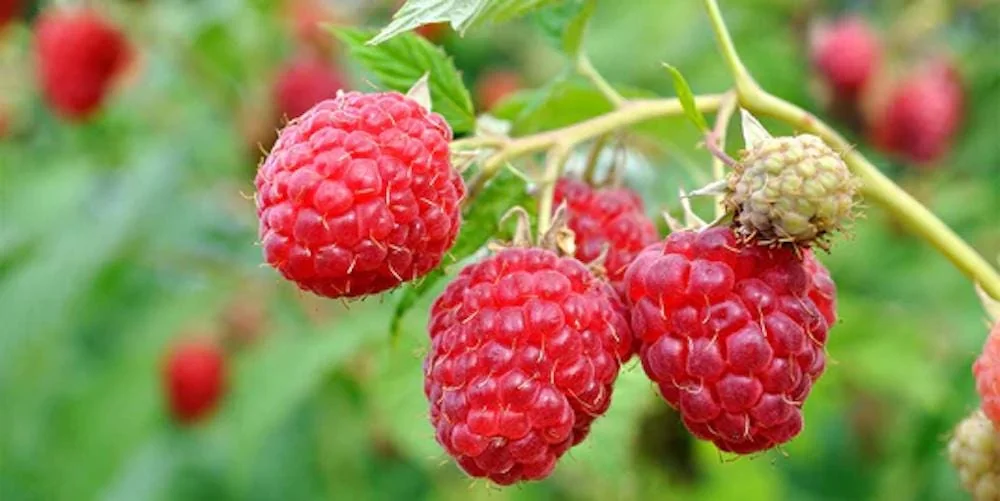
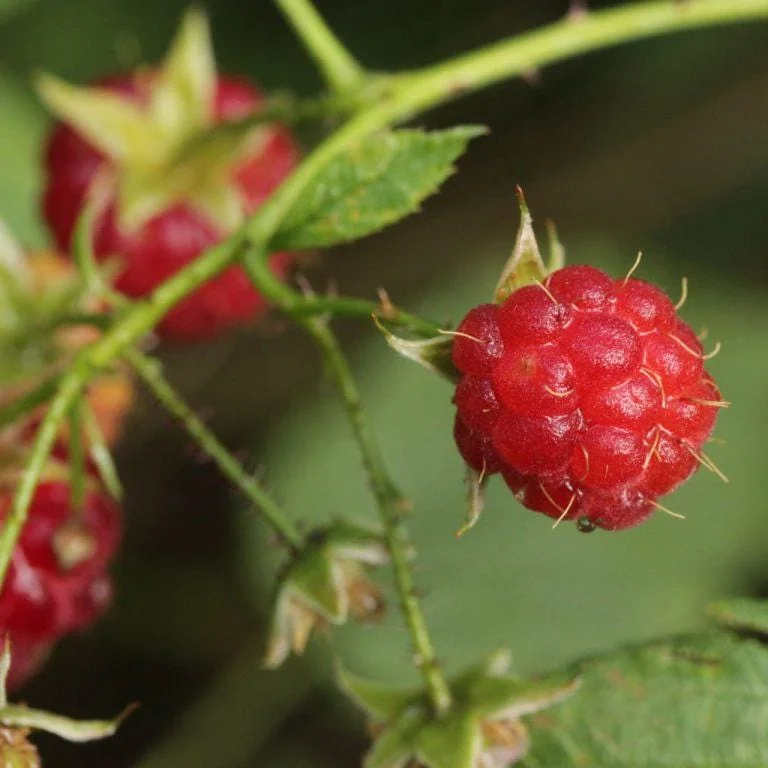
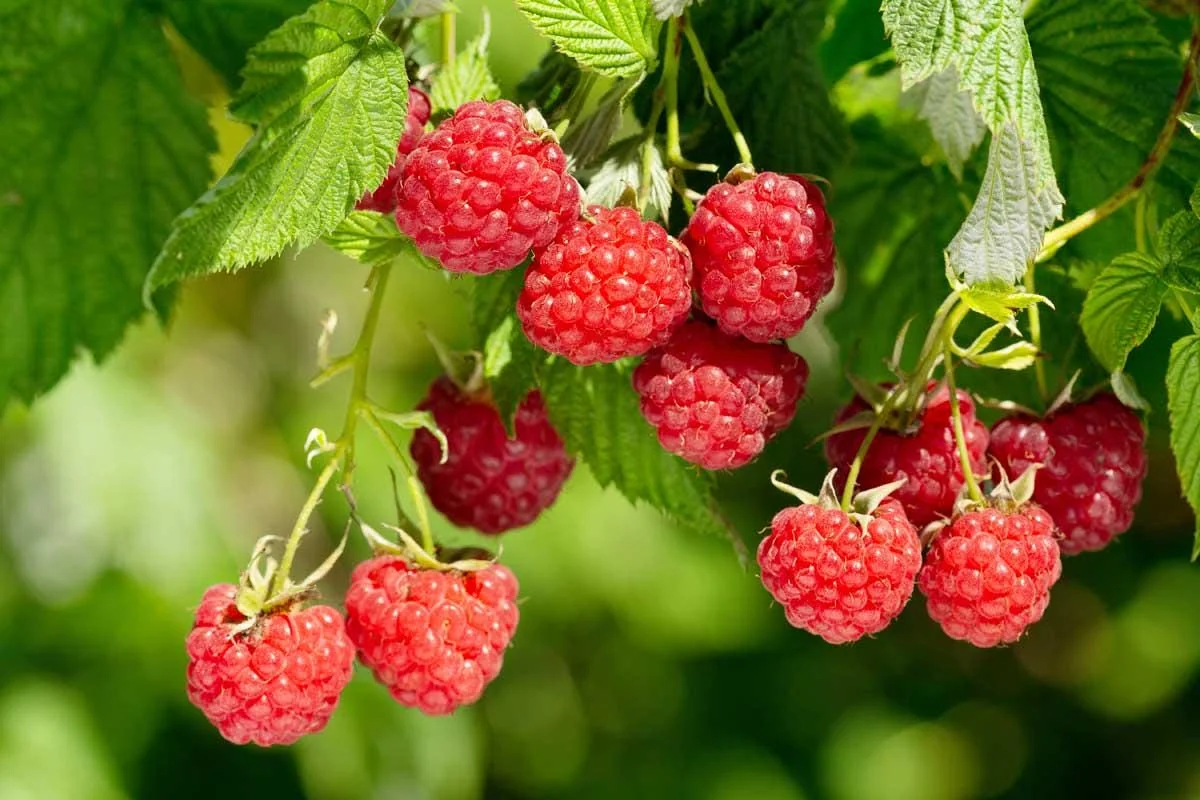
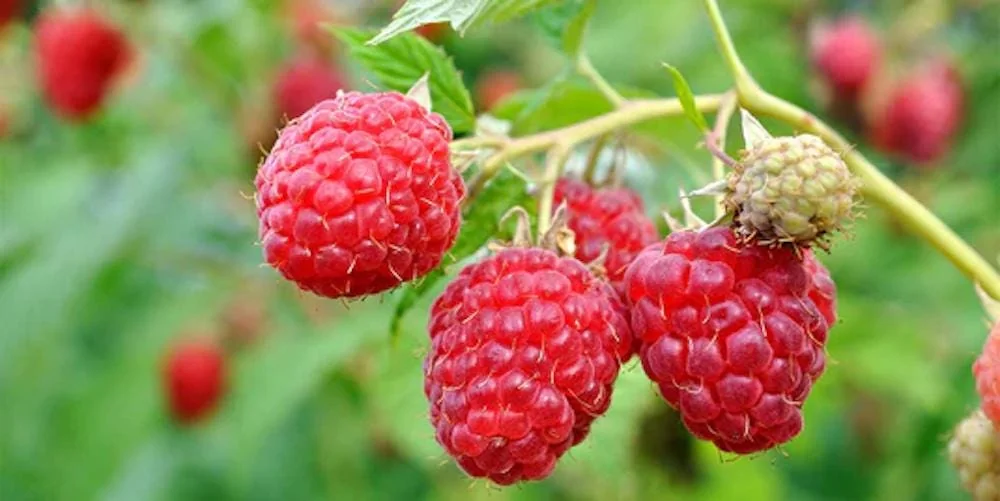
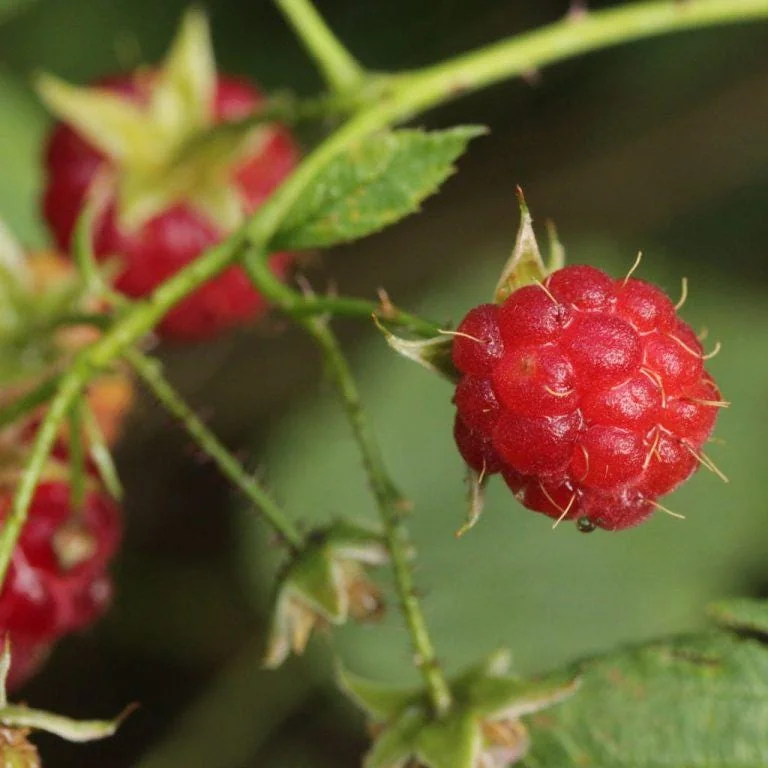
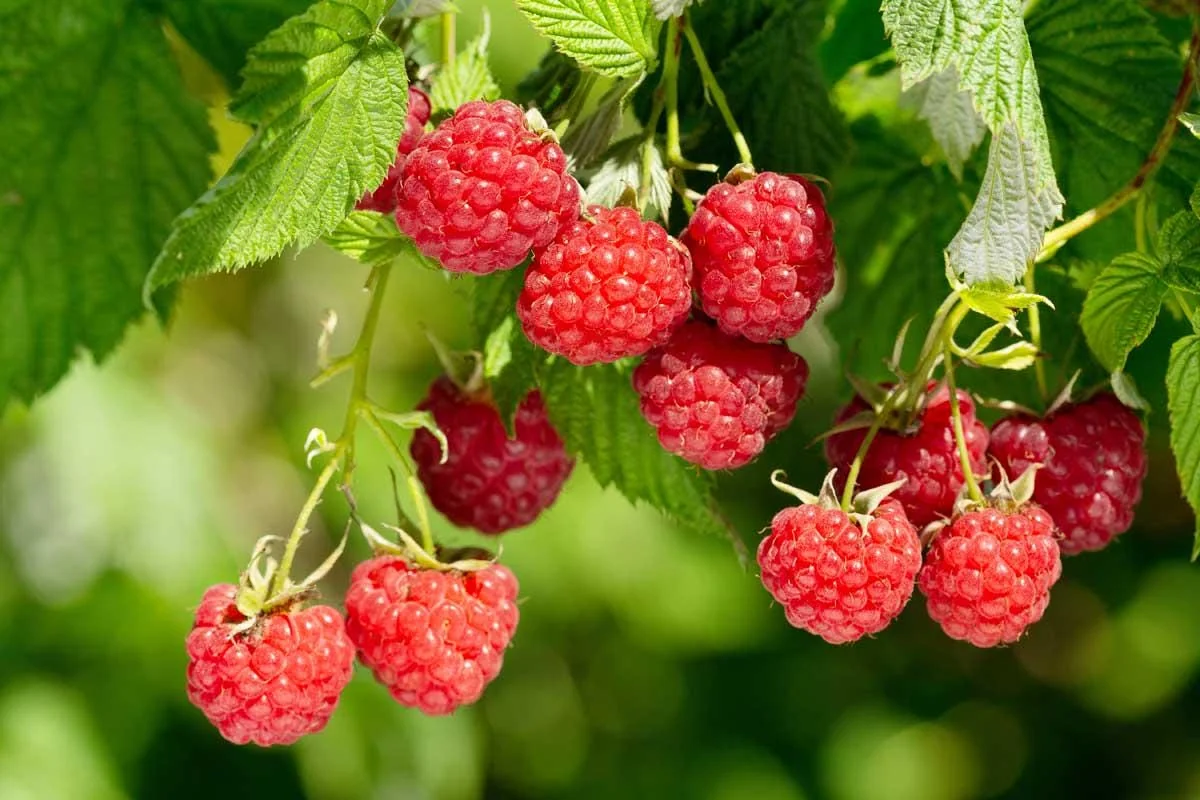
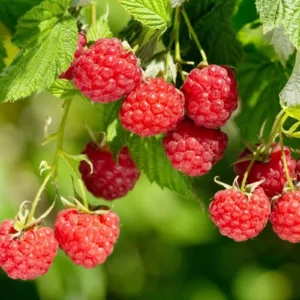
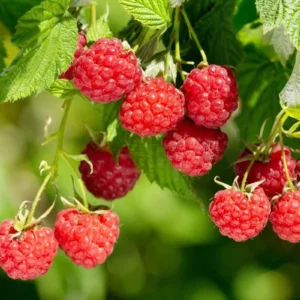
Cultivate your own sweet and juicy berries with the September Red Raspberry live plant. This robust, everbearing variety produces two abundant crops each year, offering fresh raspberries in both summer and fall. Perfect for gardeners in colder climates, it’s a cold-hardy raspberry thriving in USDA Zones 4-8. Get your Rubus idaeus starter plug today!
-
USDA Hardiness Zone
USDA hardiness zones 4-8 -
Soil Type
Well-draining, slightly acidic to neutral (pH 6.0-6.8) loamy soil -
Sunlight Exposure
Full sun (6-8+ hours direct sunlight daily) -
Expected Planting Period
Early spring after last frost

You can track your order HERE
Apr 12
Apr 17 - Apr 19
Apr 22 - Apr 26
Shipping and return policies: Our Alive & Thrive Guarantee covers issues with your plants within the first 30 days. Reach out to us. Our team will answer your questions and help you find the plants that are truly suitable for your environment, climate, and personal preferences.

Overview
Bring the joy of homegrown berries to your garden with the September Red Raspberry live plant. This exceptional variety, botanically known as Rubus idaeus, is celebrated for its vigorous growth and remarkable productivity. Unlike many raspberry types, the September Red is an everbearing plant, meaning it provides two distinct harvests: an initial light crop in early summer (typically July) and a much heavier yield in late summer through fall (August to October). This extended fruiting period ensures a continuous supply of fresh, delicious raspberries for snacking, baking, or preserving. Gardeners looking for a reliable and bountiful berry producer will find this everbearing raspberry plant an excellent choice. Its self-pollinating nature also means you don’t need multiple plants for fruit production, simplifying cultivation for both novice and experienced growers.
The September Red Raspberry live plant is particularly well-suited for northern climates due to its outstanding cold tolerance. It thrives in USDA hardiness zones 4 through 8, making it a versatile option for a wide range of growing conditions. Each starter plug provides a healthy foundation for a strong, productive shrub. This variety is known for developing into an upright, bushy plant that typically reaches a manageable size of 3 to 5 feet tall and 3 to 5 feet wide. Its vigorous nature ensures a robust root system, leading to healthy growth and abundant fruit. Starting with a Rubus idaeus starter plug ensures a head start on establishing a thriving raspberry patch.
Key Benefits
The September Red Raspberry live plant offers numerous advantages for the home gardener, combining ease of care with generous fruit production. Its unique everbearing habit ensures a prolonged harvest season.
- Extended Harvest Season: Enjoy two distinct crops of raspberries annually. A light harvest in early summer (July) is followed by a heavy, more substantial crop from August through October, providing fresh fruit for an extended period. This makes the everbearing raspberry plant a highly productive addition to any garden.
- Exceptional Cold Hardiness: This variety is incredibly resilient to cold temperatures, making it an ideal choice for gardeners in northern regions. It confidently thrives in USDA hardiness zones 4 through 8, ensuring successful growth where other varieties might struggle.
- Self-Pollinating Convenience: The September Red raspberry is self-pollinating, meaning a single plant can produce fruit without the need for additional raspberry varieties for cross-pollination. This simplifies planting and ensures a harvest even with limited garden space.
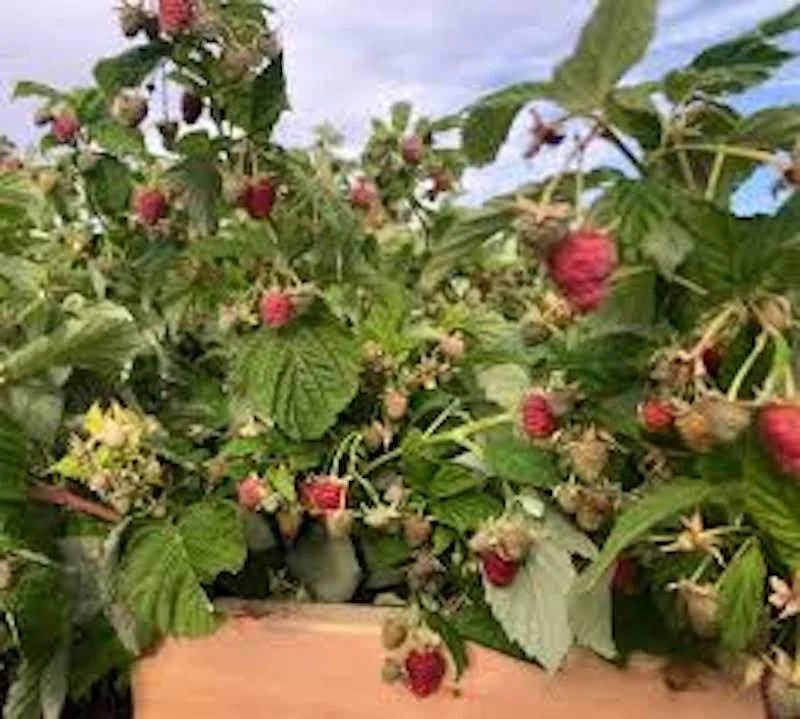
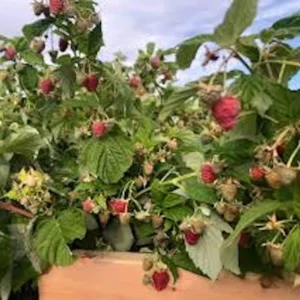
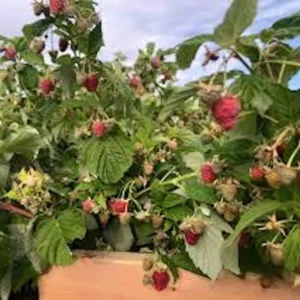
- Vigorous and Bushy Growth: Plants develop into upright, bushy shrubs that typically reach 3 to 5 feet in height and width. This manageable size makes them suitable for various garden layouts, including rows, hedges, or even large containers.
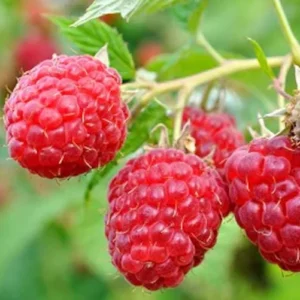
- Delicious and Versatile Fruit: The raspberries produced are known for their classic sweet-tart flavor, perfect for fresh eating, jams, jellies, pies, and other culinary creations. Growing your own ensures the freshest, most flavorful berries.
- Low Maintenance: Once established, the September Red Raspberry live plant requires relatively low maintenance compared to some other fruit-bearing plants. Regular watering, annual pruning, and occasional fertilization are typically sufficient for abundant yields.
- Boosts Garden Biodiversity: Attracts pollinators like bees to your garden, contributing to a healthier ecosystem and potentially benefiting other fruiting plants nearby.
Plant Care & Growing Tips
Proper care is essential for ensuring a bountiful harvest from your September Red Raspberry live plant. These plants are relatively forgiving but respond well to consistent conditions. When planting your Rubus idaeus starter, choose a location that receives ample sunlight. Raspberries perform best in full sun, meaning at least 6-8 hours of direct sunlight per day. Good air circulation is also important to prevent fungal diseases. Prepare the soil by incorporating organic matter to improve drainage and fertility. A slightly acidic to neutral soil pH (6.0-6.8) is ideal for optimal growth and fruit production. When considering growing September Red raspberry, remember that proper site selection is key.
Watering should be consistent, especially during dry spells and when the plant is fruiting. Aim for about 1 inch of water per week, either from rainfall or irrigation. The soil should remain consistently moist but never waterlogged. Overwatering can lead to root rot. Fertilize your everbearing raspberry plant in early spring with a balanced fertilizer or a fertilizer formulated for fruit-bearing plants. Avoid over-fertilizing, particularly with high-nitrogen formulas, as this can encourage leafy growth at the expense of fruit production. Pruning is crucial for maximizing yields and maintaining plant health. For everbearing varieties like the September Red, the canes that produced the fall crop can be cut back to the ground in late winter or early spring. The canes that produced the summer crop can be left to produce a fall crop the following year, or they can also be removed if you prefer a single, larger fall harvest. Understanding growing September Red raspberry techniques will lead to successful yields.
The cold-hardy raspberry is well-suited for a wide range of temperatures, thriving in USDA zones 4-8. In colder zones, applying a layer of mulch around the base of the plant in late fall can provide extra winter protection. Monitor your plants for common pests and diseases. Aphids and Japanese beetles can sometimes be an issue, as can fungal diseases like powdery mildew. Good cultural practices, such as proper spacing and air circulation, can help prevent many problems. If issues arise, organic pest control methods or appropriate fungicides can be used. With proper care, your September Red Raspberry live plant will provide years of delicious fruit.
Size & Details
Each purchase includes a healthy September Red Raspberry live plant, provided as a starter plug. These plants are shipped bare root, meaning they arrive without soil or a pot, which is ideal for reducing transplant shock and promoting vigorous root establishment upon planting in your garden. The September Red raspberry is a vigorous grower, typically reaching a mature size of 3 to 5 feet in height and 3 to 5 feet in width. Its upright, bushy habit makes it an excellent choice for a productive yet manageable berry patch. Expect a moderate to fast growth rate, with the potential for fruit production in its first full growing season after planting.
As an everbearing raspberry plant, you can anticipate a light harvest in early summer (July) and a more substantial second crop from August through October. The plants are robust and designed to establish quickly when planted according to instructions. They are well-suited for long-term production, providing delicious berries for many years with proper care. The Rubus idaeus starter is a foundational element for a thriving berry patch, offering a robust start to your gardening journey. For those interested in growing September Red raspberry, this starter plug provides a reliable beginning.
Frequently Asked Questions
- Q: How big does the September Red Raspberry live plant get? A: The September Red Raspberry typically grows to an upright, bushy shrub reaching about 3 to 5 feet tall and 3 to 5 feet wide. Its mature size is manageable for most garden spaces.
- Q: Is this an indoor or outdoor plant? A: The September Red Raspberry live plant is an outdoor plant. It requires full sun exposure and is cold-hardy, thriving in garden settings within USDA Zones 4-8.
- Q: How much sunlight does the everbearing raspberry plant need? A: For optimal fruit production and health, your September Red Raspberry requires at least 6-8 hours of direct sunlight per day. A full sun location is highly recommended.
- Q: Is this plant easy to care for? A: Yes, the September Red Raspberry is considered relatively easy to care for once established. It requires consistent watering, annual pruning, and occasional fertilization, making it suitable for gardeners of various skill levels. This cold-hardy raspberry is quite resilient.
- Q: What condition will the Rubus idaeus starter arrive in? A: The starter plugs are shipped bare root, meaning they will arrive without soil or a pot. This method minimizes transplant shock and encourages rapid establishment when planted.
- Q: How long until it produces fruit? A: As an everbearing variety, the September Red Raspberry can often produce a light crop in its first full growing season after planting, with a more substantial harvest in subsequent years.
- Q: Will the cold-hardy raspberry survive winter in my zone? A: The September Red Raspberry is very cold-tolerant and thrives in USDA hardiness zones 4 through 8, making it an excellent choice for surviving winter in many northern climates.
- Q: What is the best time for growing September Red raspberry? A: The best time to plant your September Red Raspberry starter plug is in early spring after the last frost, allowing it ample time to establish before the summer growing season.
- Q: Can I grow this everbearing raspberry plant in a container? A: While primarily suited for in-ground planting, September Red raspberries can be grown in very large containers (e.g., 20+ gallon) with proper care, ensuring good drainage and consistent moisture.
- Q: What are the best uses for September Red raspberries? A: These delicious raspberries are perfect for fresh eating, making jams, jellies, pies, tarts, smoothies, or freezing for later use. Their versatility makes them a garden favorite.
Be the first to review “September Red Raspberry Starter Plug – Rubus idaeus – Cold Hardy Live Plant”
People Also Viewed
HousePlants
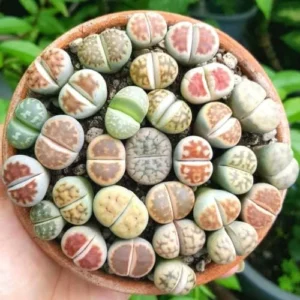
Lithops Live Plants Mix – 30 Colorful Succulents – Living Stones for Indoor/Outdoor Planting
Sold 52 products
Original price was: $65.98.$32.99Current price is: $32.99.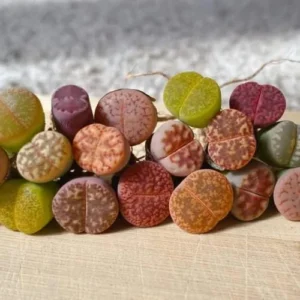
Sold 83 products
Original price was: $39.98.$19.99Current price is: $19.99.
HousePlants
Variegated Philodendron Mican Aurea Live Plant – Rare Collector Houseplant in Nursery Pot
Sold 61 products
Original price was: $220.00.$110.00Current price is: $110.00.
Sold 59 products
Original price was: $29.98.$14.99Current price is: $14.99.
Sold 67 products
Original price was: $37.98.$18.99Current price is: $18.99.
Sold 73 products
Original price was: $91.80.$45.90Current price is: $45.90.
Sold 77 products
Original price was: $95.96.$47.98Current price is: $47.98.
Sold 94 products
Original price was: $39.96.$19.98Current price is: $19.98.
Sold 87 products
Original price was: $69.98.$34.99Current price is: $34.99.
Sold 54 products
Original price was: $35.98.$17.99Current price is: $17.99.
Sold 53 products
Original price was: $78.52.$47.12Current price is: $47.12.
Flower Plants
Sold 72 products
Original price was: $47.58.$23.79Current price is: $23.79.
Sold 67 products
Original price was: $27.98.$13.99Current price is: $13.99.
Sold 63 products
From $103.80
Sold 82 products
Original price was: $43.58.$21.79Current price is: $21.79.
Sold 61 products
Original price was: $147.16.$73.58Current price is: $73.58.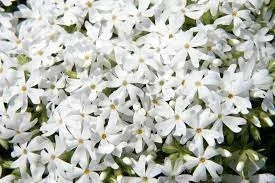
Flower Plants
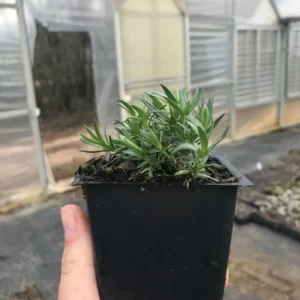
Snowflake Creeping Phlox Live Plant – 3.5in Pot, Deer Resistant Groundcover, Attracts Pollinators
Sold 67 products
From $67.80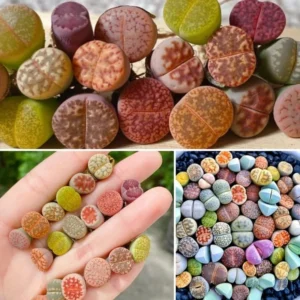
HousePlants
Lithops Live Plants Mix – 10 Large Colorful Living Stones Succulents for Indoor/Outdoor Growing
Sold 71 products
Original price was: $27.98.$13.99Current price is: $13.99.





%20–%20Tropical%20Vegetable%20for%20Planting%20&%20Cooking&url=https://gardennursery.net/product/eddoe-edible-corms-colocasia-antiquorum-tropical-vegetable-for-planting-cooking/&media=https://img.gardennursery.net/2026/01/eddoe-edible-corms-colocasia-antiquorum-tropical-v-1024x749.webp)


Reviews
There are no reviews yet.