
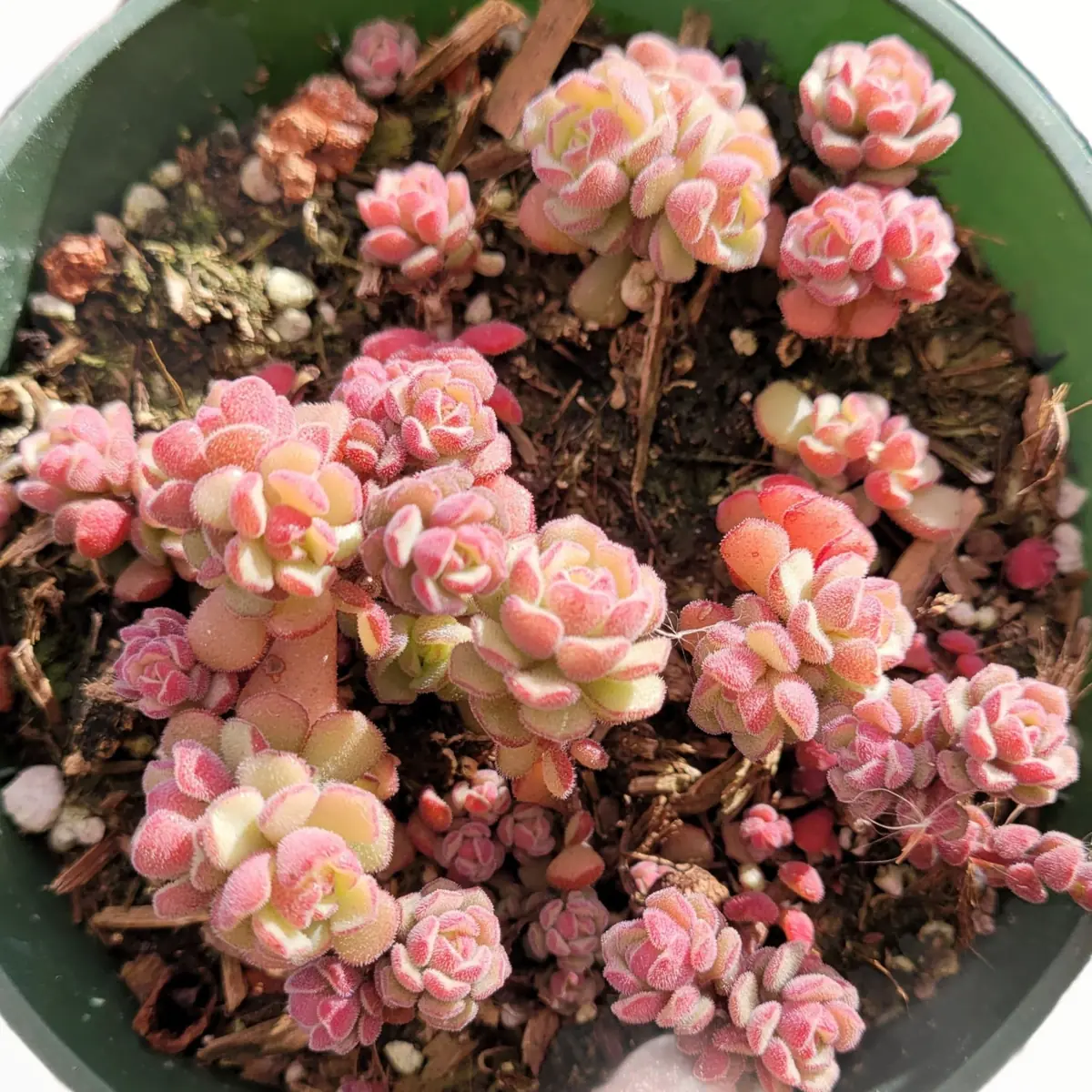
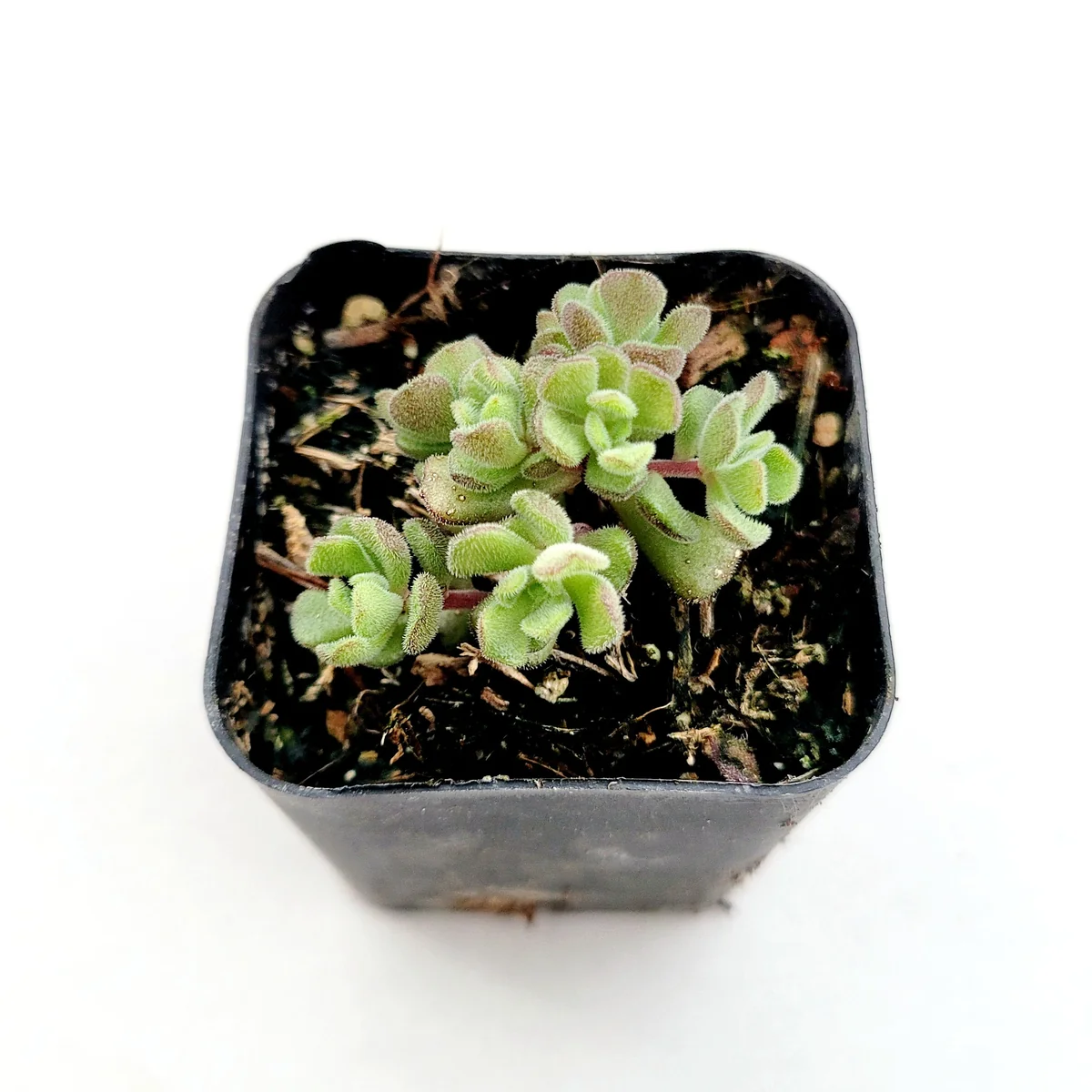
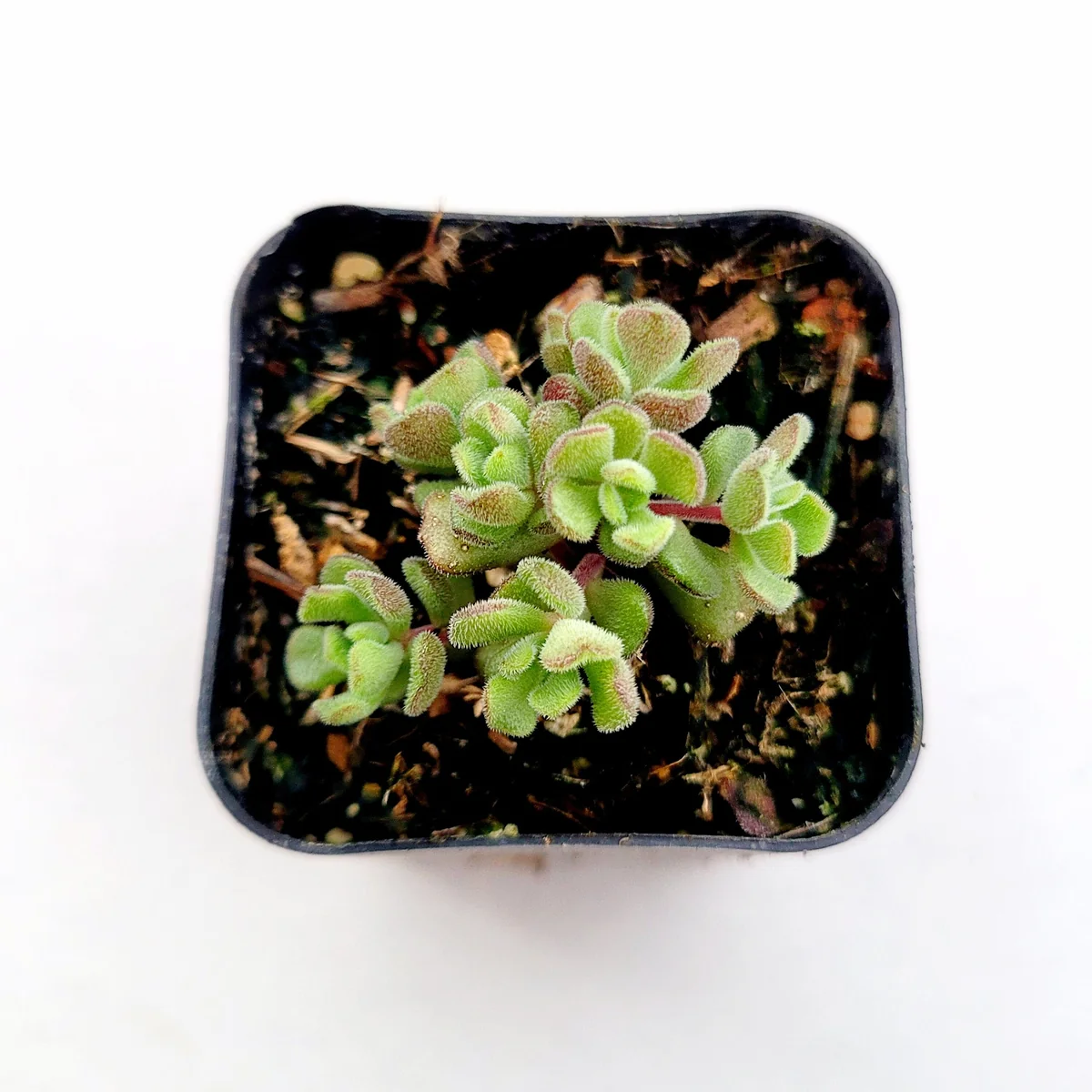
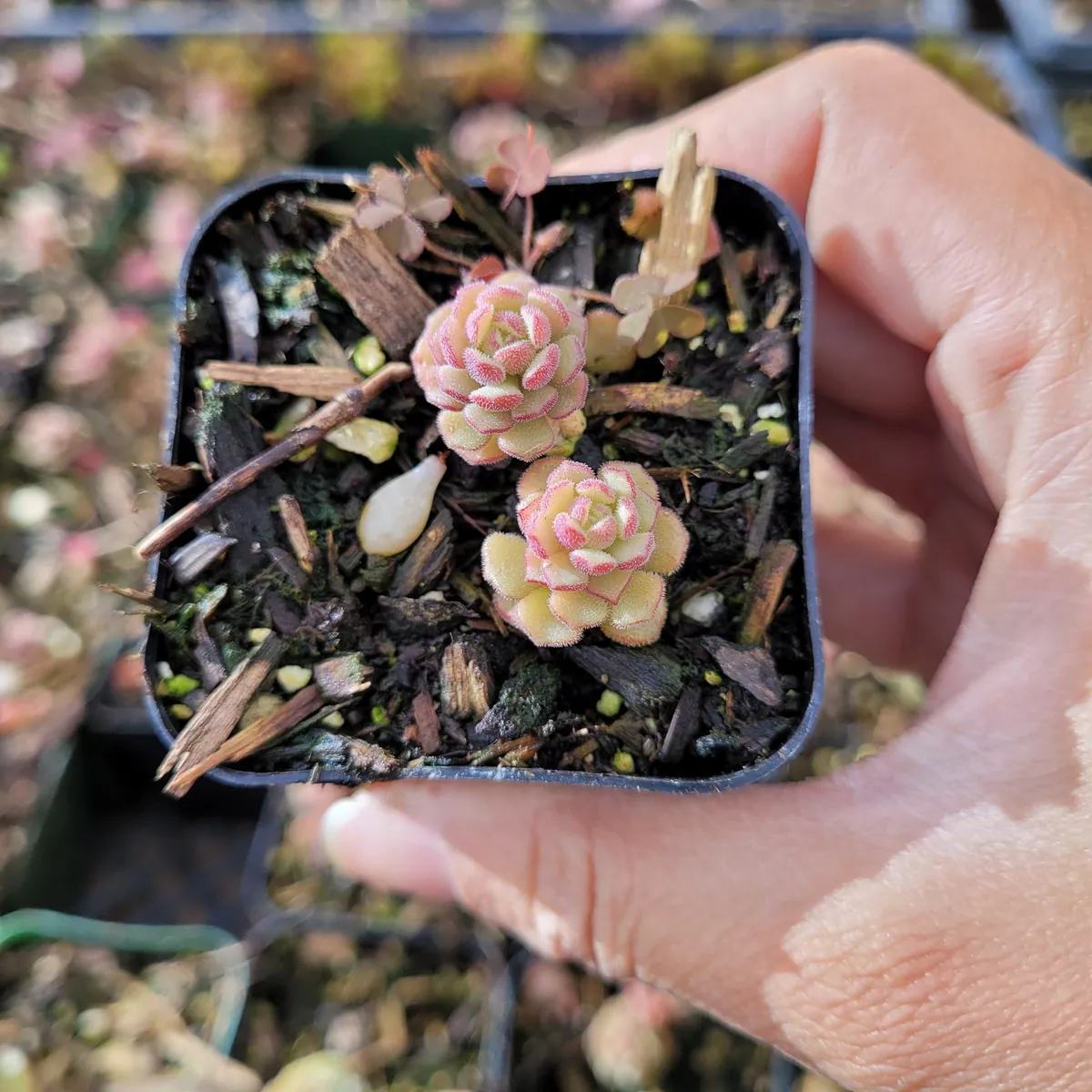
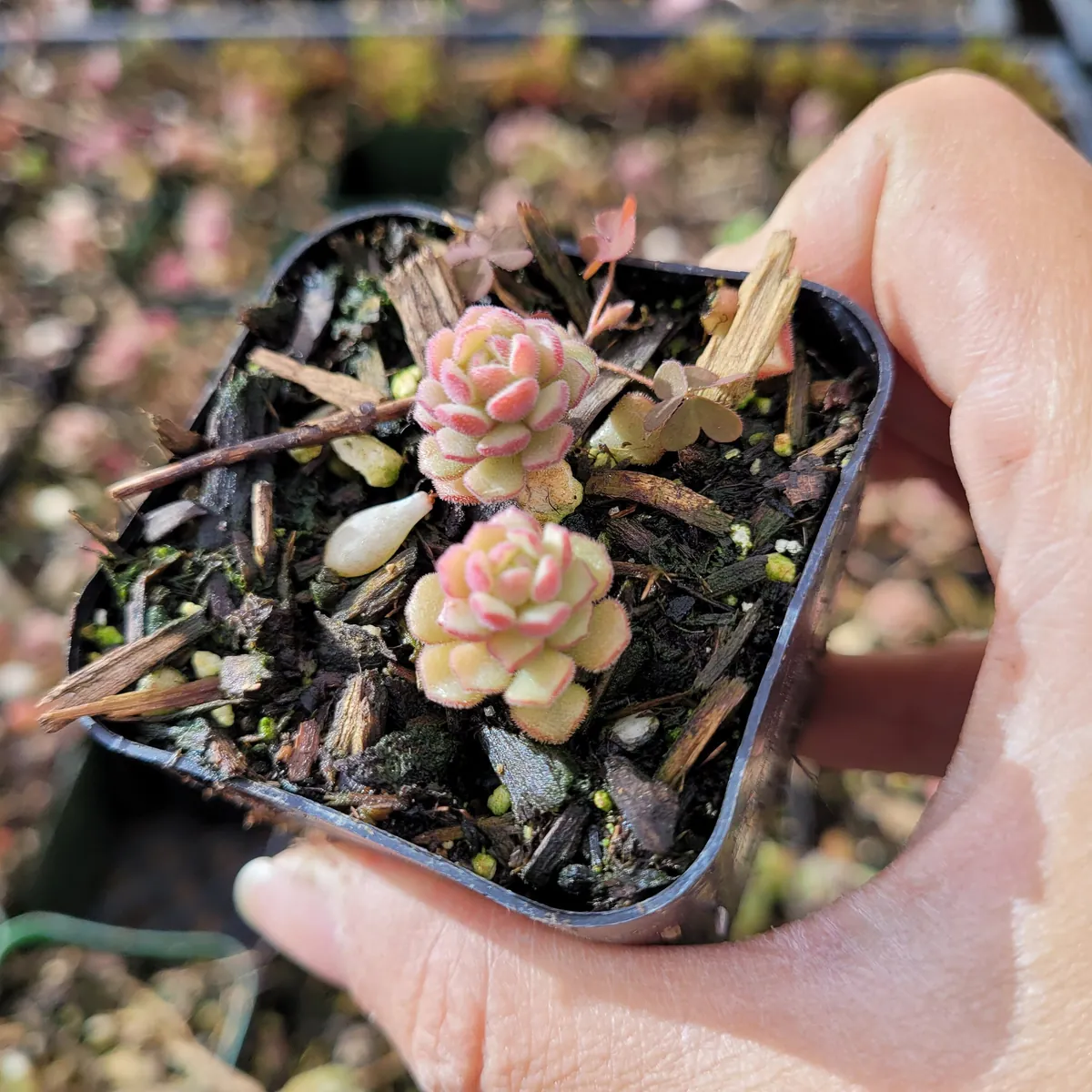
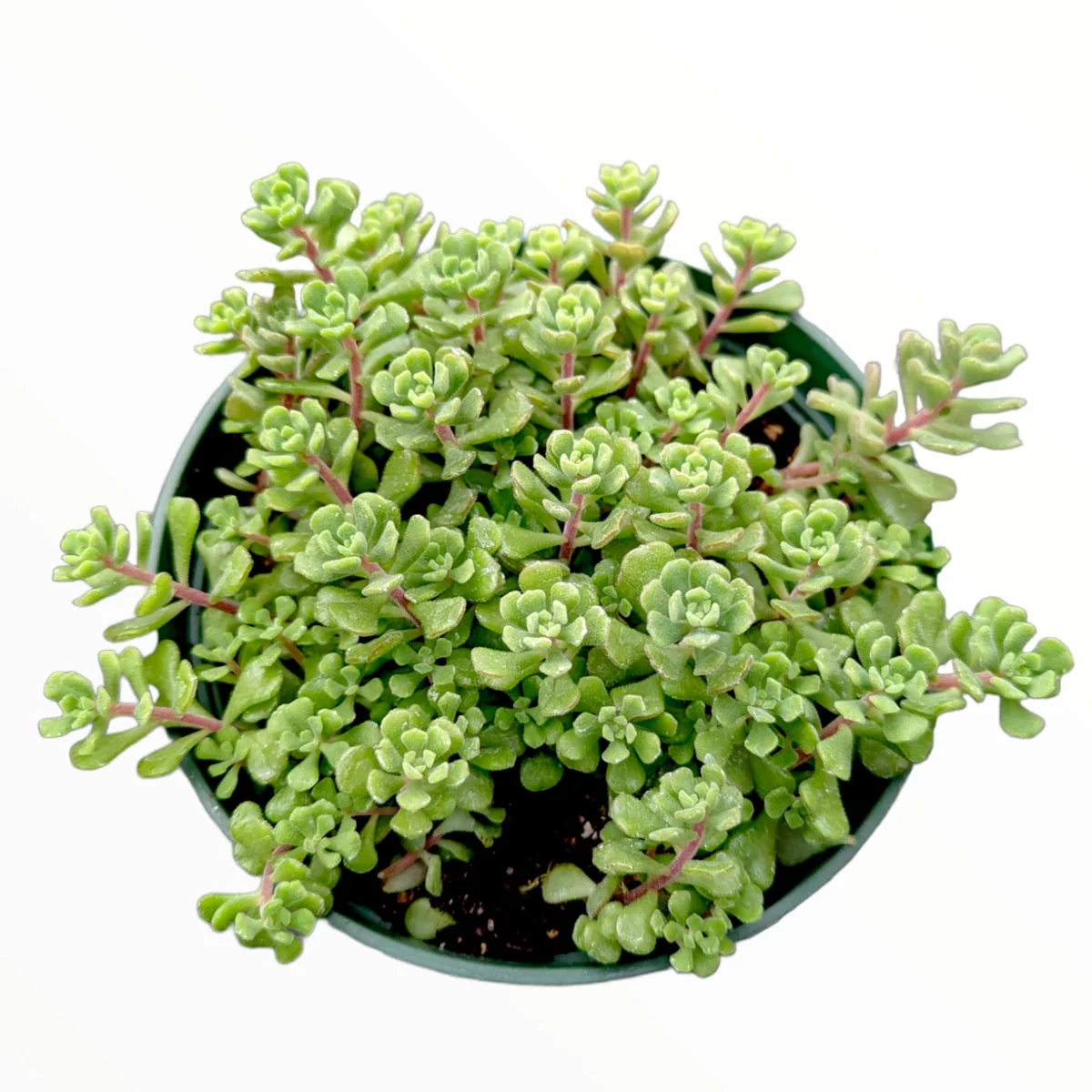
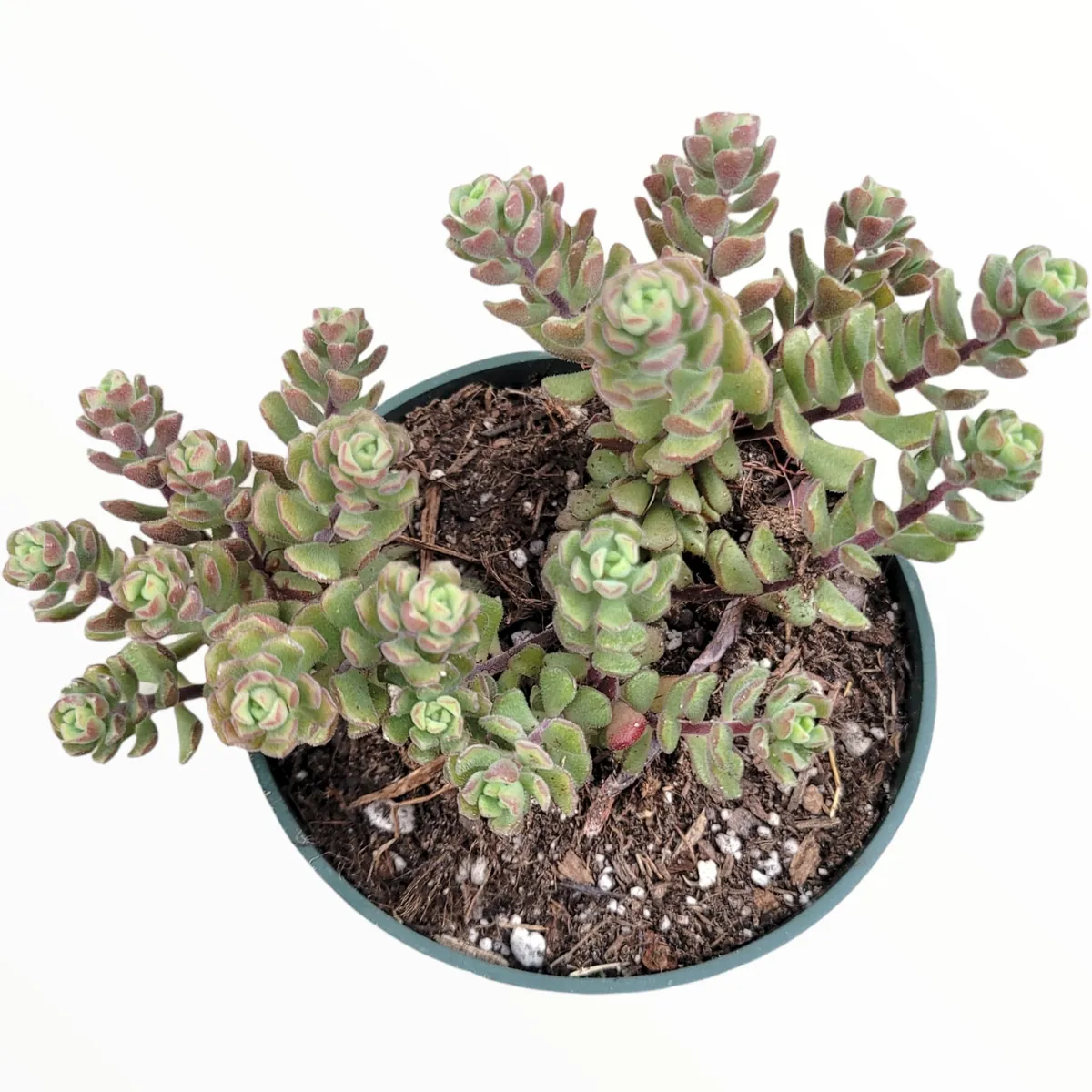
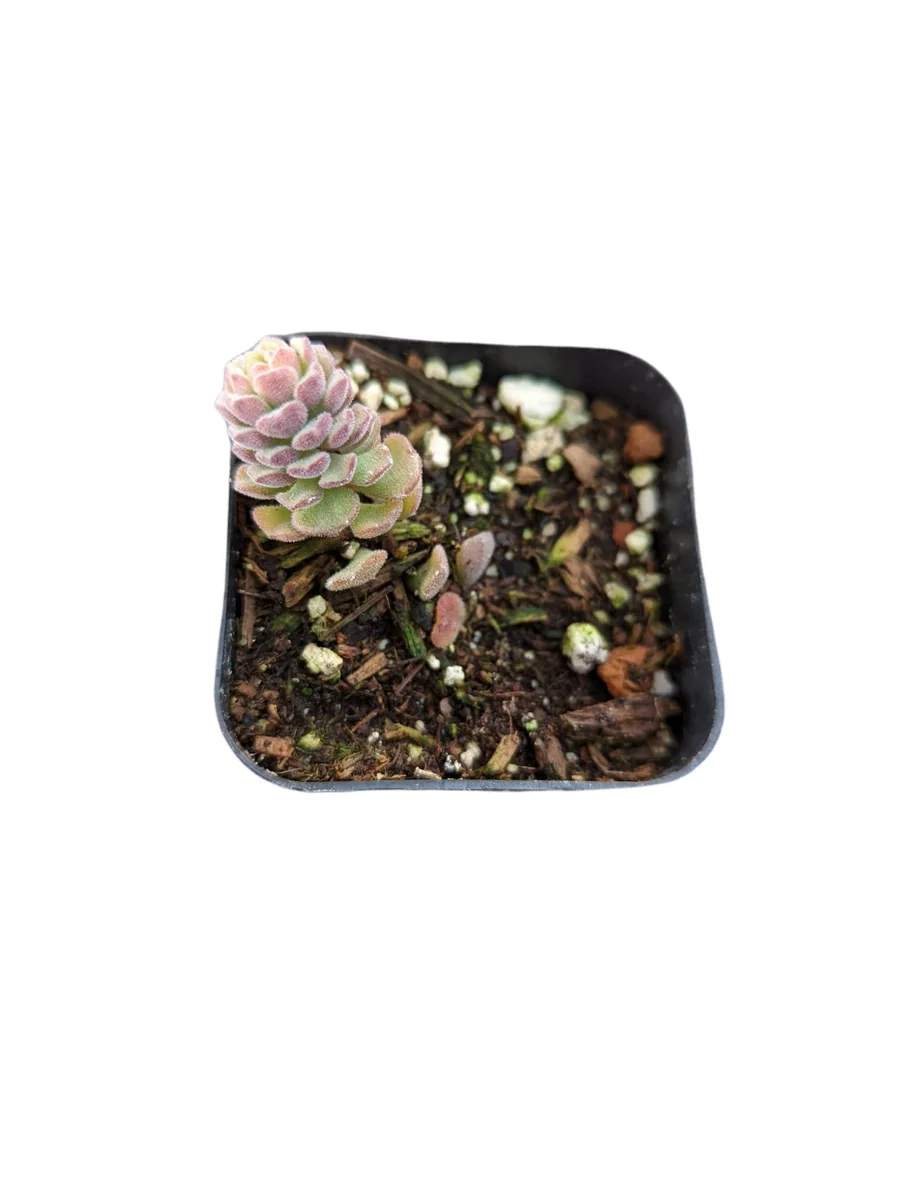
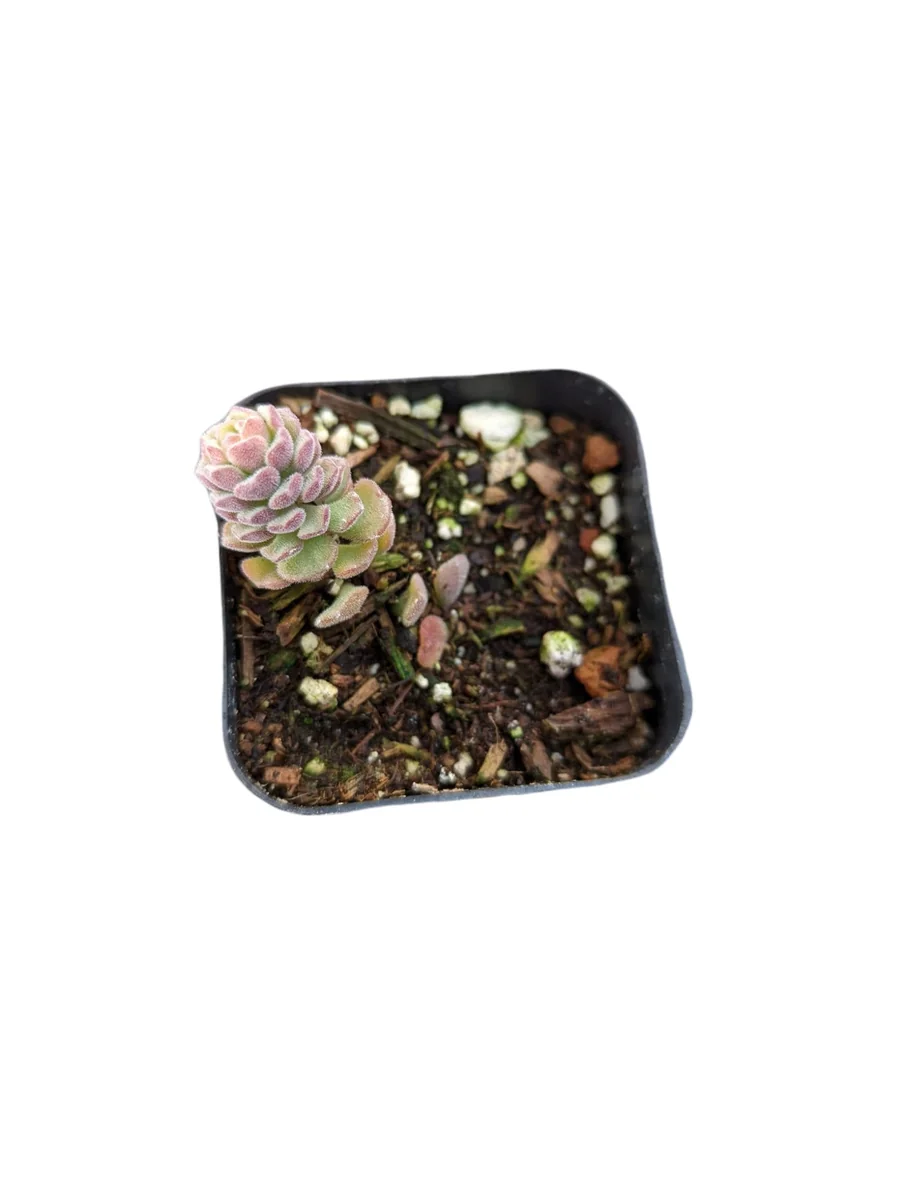
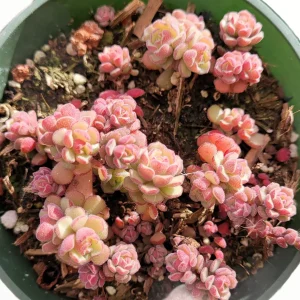
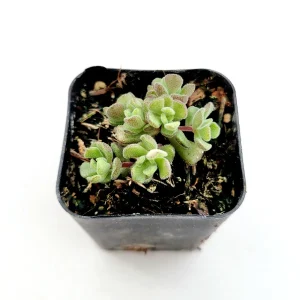
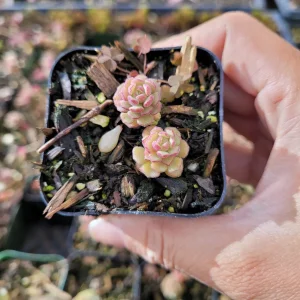
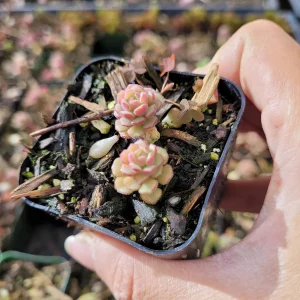
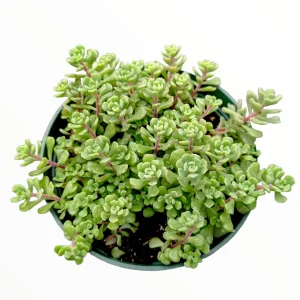
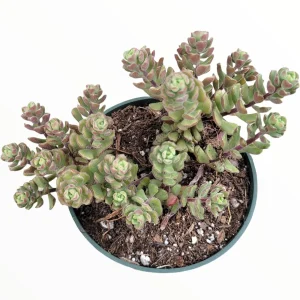
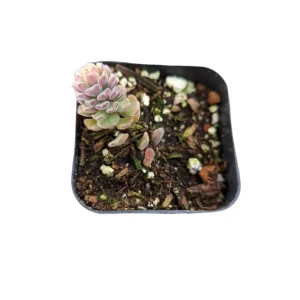
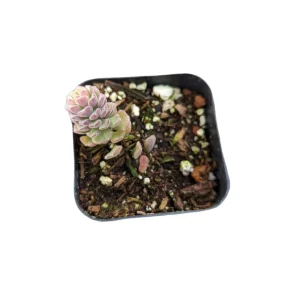
Sedum versadense Korean Succulent Live Plant – Drought Tolerant
Original price was: $38.00.$19.00Current price is: $19.00.
Bring home a beautiful Sedum versadense Korean Succulent, known for its vibrant colors and easy-care nature. This drought-tolerant succulent thrives in sunny locations, making it perfect for both novice and experienced plant enthusiasts.
-
USDA Hardiness Zone
USDA zones 9-11 (or indoors) -
Soil Type
Porous, well-draining succulent/cactus mix -
Sunlight Exposure
Full sun to partial sun -
Expected Planting Period
Year-round indoors; spring to summer outdoors

You can track your order HERE
Mar 02
Mar 07 - Mar 09
Mar 12 - Mar 16
Shipping and return policies: Our Alive & Thrive Guarantee covers issues with your plants within the first 30 days. Reach out to us. Our team will answer your questions and help you find the plants that are truly suitable for your environment, climate, and personal preferences.

Overview
Introduce a touch of unique beauty to your plant collection with the Sedum versadense Korean Succulent. This captivating Korean succulent care plant is renowned for its striking appearance and robust nature, making it a favorite among gardening enthusiasts. Sedums, also known as stonecrops, are a large genus of flowering plants in the family Crassulaceae, native to the Northern Hemisphere. The ‘versadense’ variety is particularly prized for its compact form and often intricate leaf patterns, offering a distinct aesthetic that stands out. As a live plant, it offers not just visual appeal but also the rewarding experience of nurturing a living organism. Its resilience and adaptability make it an excellent choice for a variety of settings, from windowsills to outdoor rock gardens.
The Sedum versadense Korean Succulent is a fantastic addition for anyone looking to enhance their space with a low-maintenance yet visually stunning plant. These succulents are celebrated for their ability to store water in their leaves, stems, and roots, allowing them to withstand periods of drought. This characteristic makes them incredibly forgiving and perfect for those new to plant care or with busy lifestyles. Its unique growth habit and potential for subtle color changes throughout the seasons add dynamic interest to any collection. Whether you’re a seasoned collector or just starting your succulent journey, this Sedum offers a delightful and rewarding experience.
Key Benefits
The Sedum versadense Korean Succulent offers a multitude of benefits, making it an excellent choice for any plant lover:
-
Low Maintenance: This hardy succulent plant requires minimal watering and care, making it ideal for beginners or those with limited time. Its drought-tolerant nature means you don’t have to worry about daily watering.
-
Drought Tolerance: Equipped to thrive in arid conditions, the Sedum versadense Korean Succulent stores water in its fleshy leaves, reducing the need for frequent watering. This makes it a sustainable choice for water-conscious gardeners.
-
Architectural Beauty: With its unique form and often vibrant hues, this succulent adds a distinct visual appeal to any indoor or outdoor setting. Its compact size allows for versatile placement.
-
Versatile Placement: Suitable for rock gardens, container arrangements, windowsills, or as part of a succulent collection, the drought-tolerant succulent adapts well to various environments, provided it receives adequate light.
-
Air Purification: Like many plants, succulents contribute to better indoor air quality by absorbing toxins and releasing oxygen, creating a healthier living environment.
-
Easy Propagation: Succulents are known for their ease of reproduction, allowing you to easily propagate new plants from cuttings or leaves, expanding your collection or sharing with friends.
-
Stress Reduction: The presence of plants like the Sedum versadense Korean Succulent can create a calming atmosphere, contributing to reduced stress and increased well-being.
Plant Care & Growing Tips
Caring for your Sedum versadense Korean Succulent is straightforward, ensuring a beautiful and thriving plant with minimal effort. These plants naturally grow in sunny areas, so providing ample light is crucial for their health and vibrant coloration. A south-facing window is often recommended for indoor placement, or a location outdoors that receives at least 6 hours of direct sunlight daily. While they love sun, protect them from intense, scorching afternoon sun in very hot climates to prevent leaf burn. Proper light encourages compact growth and retains their appealing colors.
Watering is the most critical aspect of Sedum plant care. Succulents require little watering, but they absolutely do not like to sit in wet soil. The ‘soak and dry’ method is best: water thoroughly until water drains from the bottom of the pot, then allow the soil to dry out completely before watering again. To ensure the health of your hardy succulent plant, it is important to plant them in porous, well-draining soil. A specialized cactus or succulent mix is ideal. You can create an adequate cactus mix by simply adding pumice, perlite, or grit to regular potting soil to provide the proper drainage. Make sure to leave drought periods between waterings to prevent the plant from water-logging, which can lead to root rot. During winter months, reduce watering significantly as the plant’s growth slows down.
Regarding temperature, most sedums are quite resilient. They prefer moderate temperatures but can tolerate a range. However, living succulents can freeze, so if outdoor temperatures consistently drop below 40 degrees Fahrenheit, it’s best to bring them indoors or provide protection. Fertilize sparingly, perhaps once or twice during the growing season (spring and summer) with a diluted, balanced succulent fertilizer. Repotting is generally only necessary when the plant outgrows its container. When repotting, use fresh, well-draining soil to give your Sedum versadense Korean Succulent a fresh start.
Size & Details
The Sedum versadense Korean Succulent is typically a compact, low-growing variety, making it an excellent choice for small spaces, dish gardens, or as a vibrant groundcover in appropriate climates. While exact dimensions can vary based on growing conditions and maturity, these succulents commonly reach a height of 3-6 inches and can spread to about 6-12 inches wide, forming attractive clumps. When shipped, plants are often sent bare root to ensure their health and minimize transit shock, arriving ready for you to plant in your preferred container or garden spot. Expect a hardy specimen that will establish itself well with proper care.
These plants exhibit a moderate growth rate, gradually expanding their footprint and producing offsets that can be used for propagation. The exact color and shape of the plant you receive may vary slightly from photos, as living plants naturally have unique characteristics and can change color intensity based on light exposure and temperature. With good care, your drought-tolerant succulent will mature into a beautiful, robust specimen over time, offering continuous visual interest.
Frequently Asked Questions
-
Q: How big does this plant get? A: The Sedum versadense Korean Succulent typically grows to about 3-6 inches tall and can spread 6-12 inches wide, forming a compact cluster. Its size can vary based on growing conditions and pot size.
-
Q: Is this an indoor or outdoor plant? A: This Korean succulent care plant can thrive both indoors and outdoors. Outdoors, it prefers full sun. Indoors, place it in a bright, sunny location like a south-facing window. Protect it from freezing temperatures.
-
Q: How much sunlight does it need? A: The Sedum versadense Korean Succulent requires ample sunlight to thrive, ideally at least 6 hours of direct sun per day. If kept indoors, ensure it gets bright, direct light for most of the day.
-
Q: Is this plant easy to care for? A: Yes, this is considered a very easy-care plant, making it perfect for beginners. Its drought-tolerant nature means it doesn’t need frequent watering, and it’s quite resilient to various conditions.
-
Q: What condition will it arrive in? A: Most plants are shipped bare root to ensure they travel safely and stay healthy. You will receive a very similar plant to the one shown in photos, ready for planting.
-
Q: How often should I water my Sedum versadense? A: Water thoroughly when the soil is completely dry to the touch, then allow it to dry out again before the next watering. Overwatering is the biggest threat to this hardy succulent plant.
-
Q: What type of soil is best for this succulent? A: A well-draining cactus or succulent potting mix is essential. You can enhance drainage by adding perlite, pumice, or coarse sand to regular potting soil.
-
Q: Will it survive winter in my zone? A: While resilient, the Sedum versadense Korean Succulent is sensitive to freezing temperatures. If you live in an area where temperatures drop below 40°F, it’s best to bring it indoors or provide winter protection.
-
Q: Can I propagate this plant? A: Yes, sedums are very easy to propagate from stem cuttings or even individual leaves. Simply allow cuttings to callus for a few days before placing them on well-draining soil.
-
Q: What are the common pests for this Sedum? A: While generally robust, like most succulents, it can occasionally be susceptible to mealybugs or aphids. Inspect regularly and treat with insecticidal soap if necessary.
| Size | 2 Inch #A, 2 Inch #B, 4 Inch |
|---|
Be the first to review “Sedum versadense Korean Succulent Live Plant – Drought Tolerant”
People Also Viewed
Sold 58 products
Original price was: $54.36.$27.18Current price is: $27.18.
Sold 77 products
From $43.98
Sold 89 products
Original price was: $18.00.$9.00Current price is: $9.00.
Sold 86 products
$329.98
Sold 99 products
Original price was: $39.98.$19.99Current price is: $19.99.
Sold 62 products
$54.98
Sold 78 products
Original price was: $39.98.$19.99Current price is: $19.99.
Sold 58 products
Original price was: $79.98.$39.99Current price is: $39.99.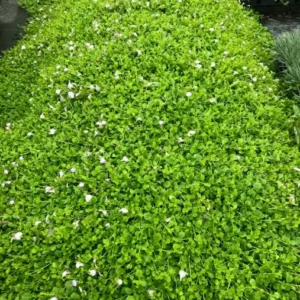
Flower Plants
Creeping Blue Mazus Reptans Live Plant – Blue Flowers, 4 inch Pot, Outdoor Groundcover
Sold 57 products
From $51.80
Sold 63 products
Original price was: $59.98.$29.99Current price is: $29.99.
Sold 68 products
From $197.96
Sold 69 products
Original price was: $58.14.$29.07Current price is: $29.07.
Sold 52 products
$48.38
Sold 78 products
Original price was: $39.98.$19.99Current price is: $19.99.
Sold 77 products
Original price was: $180.00.$90.00Current price is: $90.00.

Sold 72 products
Original price was: $59.96.$29.98Current price is: $29.98.
Sold 96 products
Original price was: $65.98.$32.99Current price is: $32.99.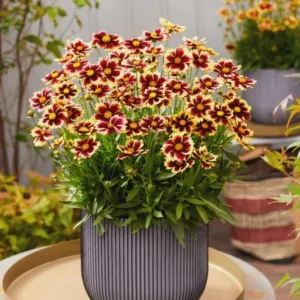
Flower Plants
Coreopsis Solar Eclipse Live Plant – Bicolor Red/Yellow, 3.5 inch Pot, Outdoor Perennial
Sold 51 products
From $43.80

Reviews
There are no reviews yet.