
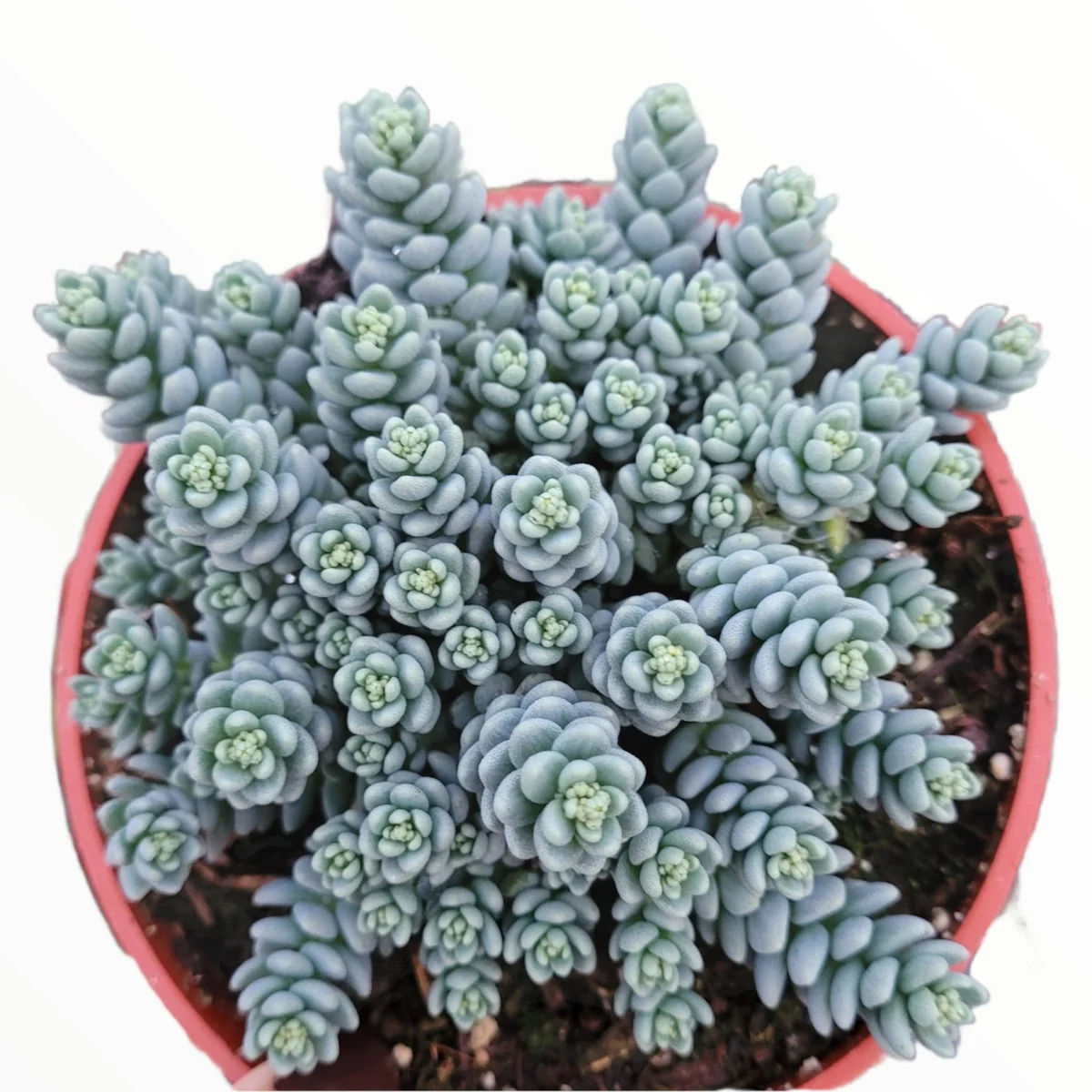
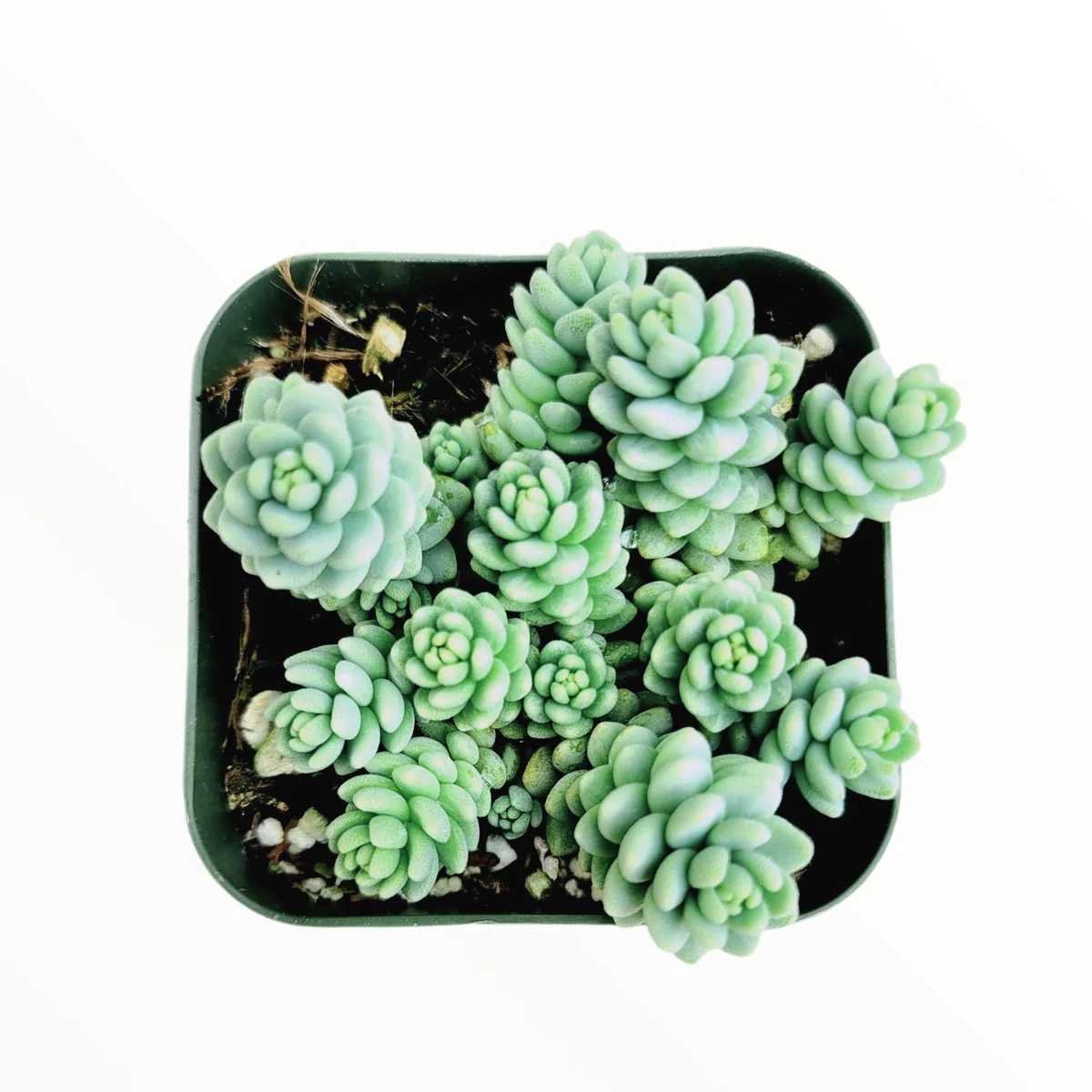
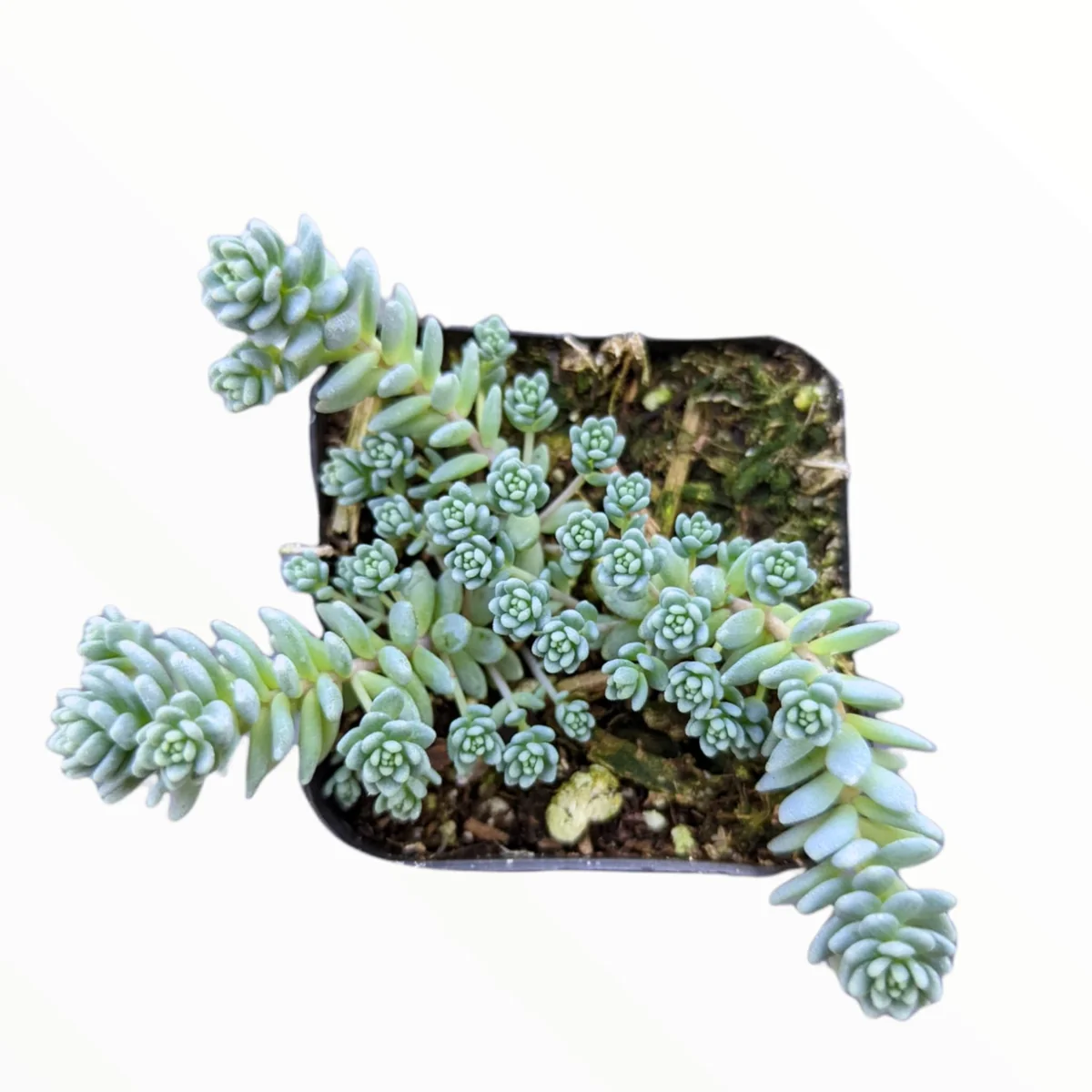
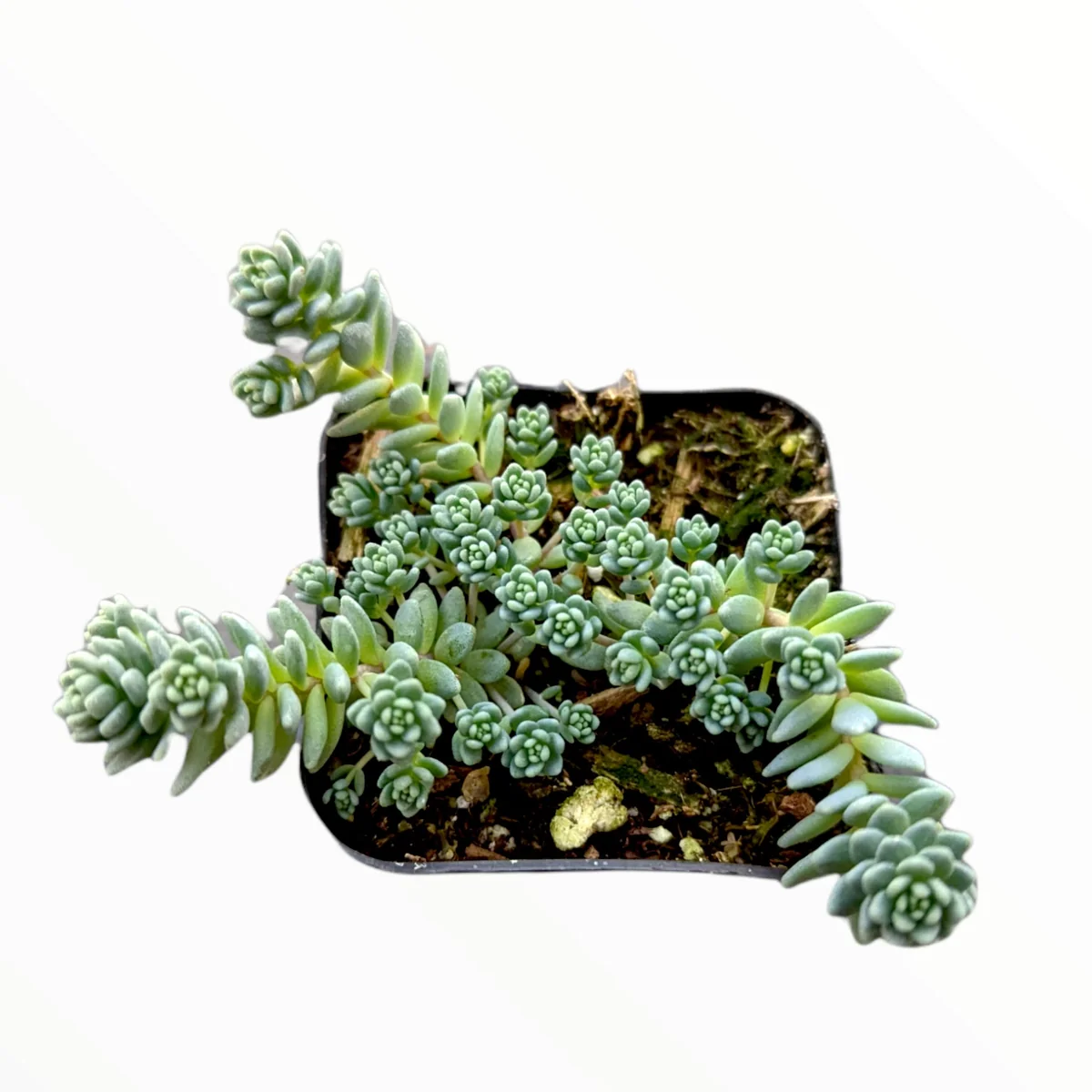
Sedum dasyphyllum ‘Himalayan Skies’ Live Succulent Plant – Blue-Green Foliage
Original price was: $36.64.$18.32Current price is: $18.32.
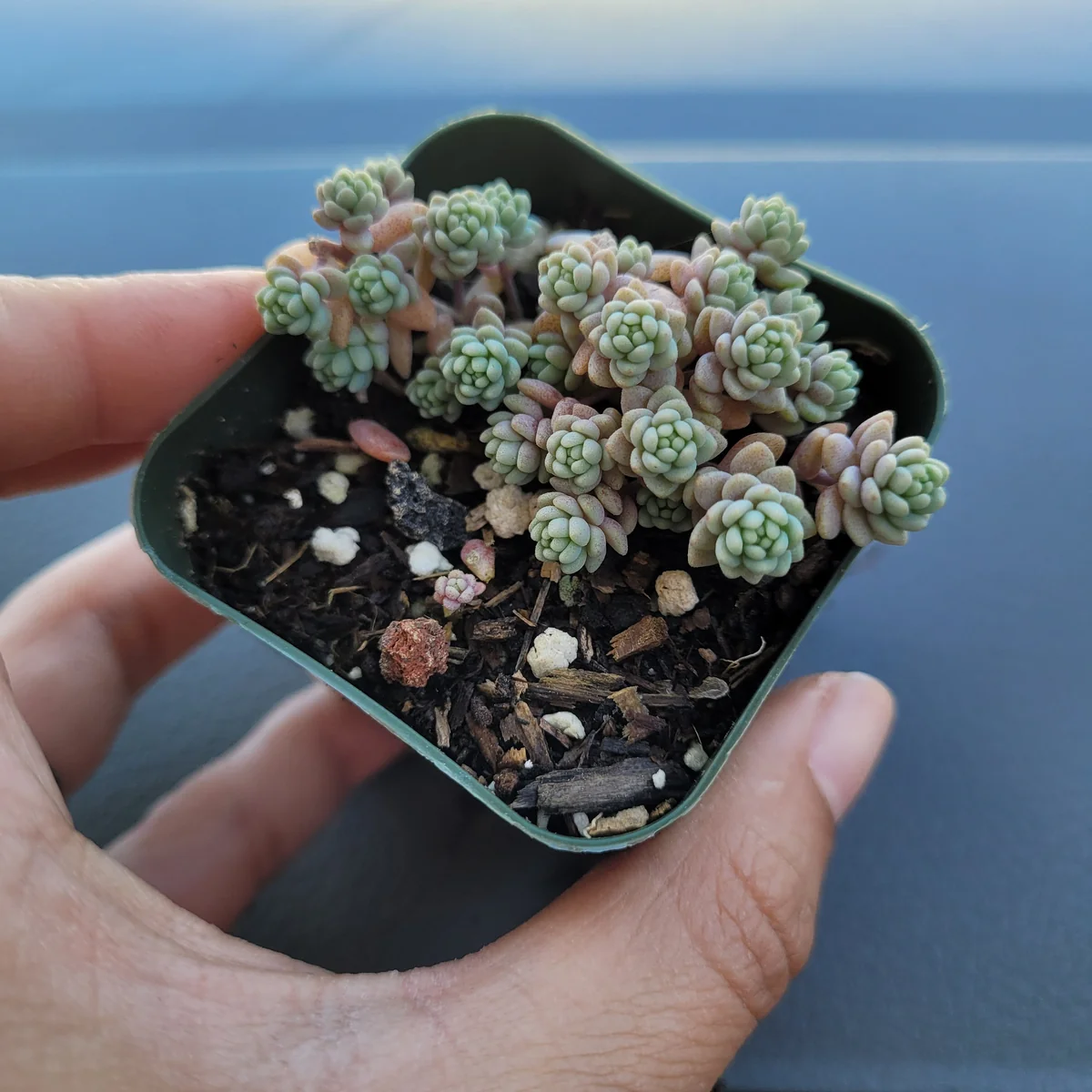
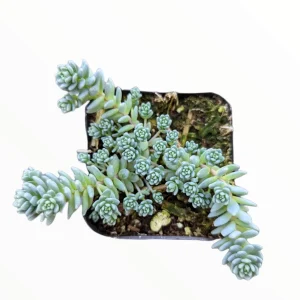
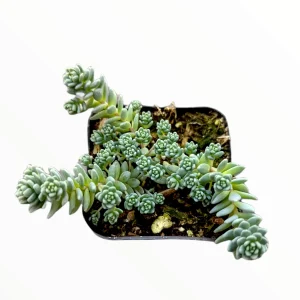
Bring unique beauty to your garden or indoor space with the sedum dasyphyllum himalayan skies. This charming succulent plant boasts distinctive blue-green leaves and a lovely low-growing, spreading form. Perfect for adding texture to rockeries, dish gardens, or windowsills, it’s a resilient and attractive choice for both novice and experienced plant enthusiasts. Enjoy its easy care and delightful appearance.
-
USDA Hardiness Zone
USDA zones 9-11 (or indoors) -
Soil Type
Well-draining succulent or cactus mix -
Sunlight Exposure
Full sun to slight shade -
Expected Planting Period
Year-round indoors; spring to early summer outdoors

You can track your order HERE
Mar 01
Mar 06 - Mar 08
Mar 11 - Mar 15
Shipping and return policies: Our Alive & Thrive Guarantee covers issues with your plants within the first 30 days. Reach out to us. Our team will answer your questions and help you find the plants that are truly suitable for your environment, climate, and personal preferences.

Overview
The sedum dasyphyllum himalayan skies is a captivating and resilient succulent plant known for its unique aesthetic and easy-care nature. Belonging to the Crassulaceae family, this low-growing perennial forms dense mats of charming blue-green foliage. Its stems gracefully spread, reaching lengths of up to 15cm, making it an excellent choice for groundcover, rock gardens, or spilling elegantly from containers and hanging baskets. In the summer months, delicate white flowers may emerge, adding another layer of beauty to its already picturesque appearance. This particular variety, ‘Himalayan Skies’, stands out with its distinct coloration and compact growth habit, making it a favored option for those seeking a unique yet unfussy addition to their plant collection. Whether you’re a seasoned succulent collector or just starting your green journey, this plant offers remarkable beauty with minimal fuss.
Originating from regions where it thrives in rocky, well-drained soils, the sedum dasyphyllum himalayan skies has evolved to be incredibly drought-tolerant and adaptable. Its small, tightly packed leaves store water efficiently, allowing it to endure periods of dryness. This makes it an ideal choice for xeriscaping or for anyone looking to reduce their watering frequency. Its ability to thrive in various conditions, coupled with its striking visual appeal, ensures it remains a popular choice for diverse garden styles and indoor settings. It’s a truly versatile plant that brings a touch of natural artistry wherever it is placed.
Key Benefits
Adding the sedum dasyphyllum himalayan skies to your home or garden offers a multitude of advantages, blending aesthetic appeal with practical benefits. This resilient succulent plant is more than just a pretty face; it’s a smart choice for sustainable gardening and effortless beauty.
- Stunning Visual Appeal: The distinctive blue-green leaves provide a unique color palette, creating a serene and sophisticated look. Its low-growing, spreading habit adds texture and depth to any planting arrangement, making it a focal point in rock gardens or a charming accent in containers.
- Low Maintenance & Drought Tolerant: This succulent is incredibly forgiving, requiring minimal watering once established. Its ability to store water in its leaves means it can withstand dry periods, making it perfect for busy individuals or those in arid climates.
- Versatile Placement: Whether you’re looking for a charming indoor accent, a robust groundcover for your outdoor garden, or an elegant spiller for hanging baskets, this plant adapts beautifully to various environments and decorative schemes.
- Easy to Propagate: The low-growing sedum readily propagates from stem cuttings, allowing you to easily expand your collection or share with friends. This makes it a rewarding plant for hobbyists who enjoy growing new plants.
- Compact Growth Habit: With stems reaching up to 15cm, its compact size ensures it won’t overpower other plants, making it an excellent companion plant in mixed arrangements or a neat specimen on its own.
- Attractive White Blooms: During the summer, delicate white flowers can appear, providing a lovely contrast against the blue-green foliage and adding an extra layer of seasonal interest to your plant.
- Resilient and Hardy: This sedum care is straightforward, as it tolerates a range of conditions and is generally pest-resistant, ensuring a healthy and vibrant plant for years to come with proper care.
Plant Care & Growing Tips
Proper care is essential to ensure your sedum dasyphyllum himalayan skies thrives, showcasing its beautiful blue-green foliage. This succulent is relatively low-maintenance, making it an excellent choice for both beginners and experienced gardeners. For optimal growth, understanding its specific needs for light, water, and soil is crucial. Providing the right environment will allow your succulent plant to flourish and develop its full potential, including those delicate summer blooms.
When it comes to light, the ‘Himalayan Skies’ prefers full sun to slight shade. Ideally, it should receive at least 6 hours of direct sunlight per day to maintain its vibrant color and compact form. If grown indoors, a south-facing window is usually best. Outdoors, ensure it’s in a location where it gets ample sun but might benefit from a little afternoon shade in extremely hot climates to prevent scorching. Watering should be done sparingly; these plants are drought-tolerant and susceptible to overwatering. Allow the soil to dry out completely between waterings. In most climates, about one inch of water per week during the growing season is sufficient, often provided by rainwater. Reduce watering significantly in winter. Using a well-draining soil mix is paramount. A specialized cactus or succulent mix amended with pumice, perlite, or grit will provide the necessary drainage, preventing root rot – a common issue with succulents.
Repotting every 1-2 years is beneficial, especially as the plant grows and needs more space. Always move it to a pot that is only slightly larger than its current one. The ideal temperature range during summer is 65-75°F (18-25°C). It’s important to protect this beautiful blue-green succulent from freezing temperatures; if outdoor temperatures drop below 50-55°F (10-12.7°C), consider bringing it indoors. While humidity isn’t a requirement, the plant can tolerate humid climates. Fertilization is generally not heavily needed for this sedum care, but a diluted succulent-specific fertilizer can be applied once or twice during the growing season if desired. Always follow package instructions. Keep an eye out for common pests like mealybugs, and address them promptly with appropriate organic treatments if they appear.
Size & Details
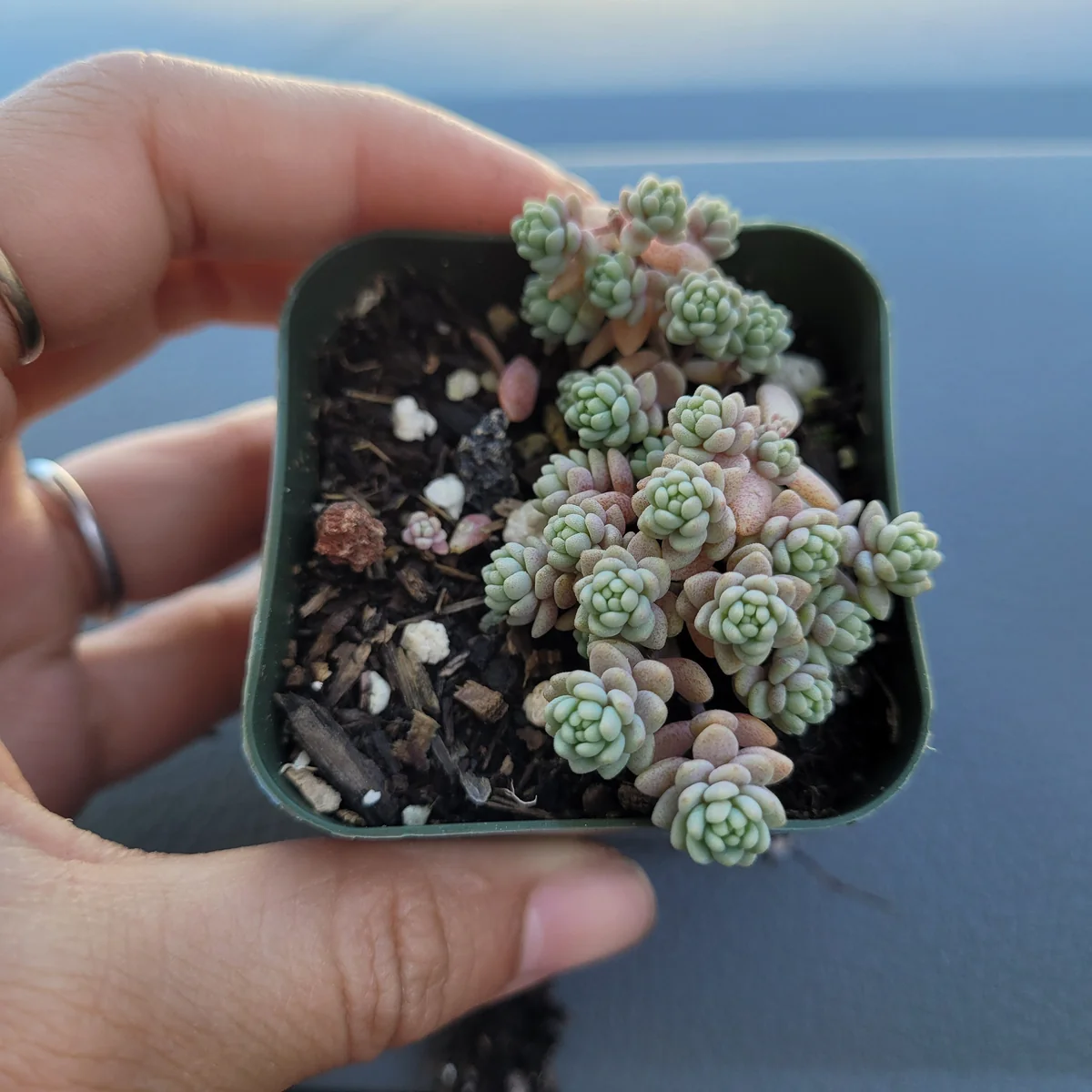
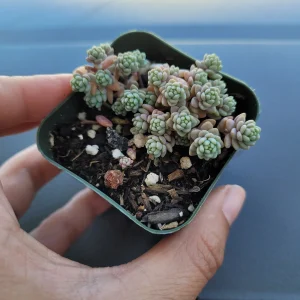
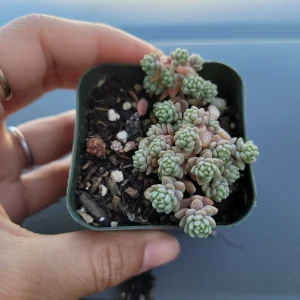
The sedum dasyphyllum himalayan skies is a charming, low-growing succulent plant. Its stems typically spread and can reach a length of up to 15 cm (approximately 6 inches), forming a dense, mat-like groundcover. The plant features small, tightly packed blue-green leaves, which are its primary ornamental feature. When purchased, smaller plants, such as 2-inch specimens, generally arrive potted with soil, ready for immediate placement or transplanting. Larger plants, typically 4 inches and above, are often shipped bare-rooted without a pot or soil to ensure safe transit and reduce shipping stress. This allows for easier inspection upon arrival and preparation for planting in your preferred medium.
This particular variety has a moderate growth rate, gradually expanding its footprint over time. It is well-suited for container gardening, rock gardens, terrariums, or as a vibrant accent in mixed succulent arrangements. While the exact size of the plant received may vary slightly due to its natural growth, it will be very similar to the one shown in product photographs. Expect the plant to establish itself quickly when provided with proper care, developing its characteristic spreading habit and potentially producing delicate white flowers in the summer months, adding to its allure.
Frequently Asked Questions
- Q: How big does this sedum dasyphyllum himalayan skies get? A: This low-growing sedum typically spreads with stems reaching up to 15 cm (about 6 inches) in length. It forms a dense, mat-like cover, making it ideal for groundcover or containers.
- Q: Is this an indoor or outdoor succulent plant? A: The sedum dasyphyllum himalayan skies is versatile and can be grown both indoors and outdoors. Outdoors, it thrives in full sun to slight shade. Indoors, it needs a bright, sunny spot, typically a south-facing window.
- Q: How much sunlight does this blue-green succulent need? A: It prefers full sun, meaning at least 6 hours of direct sunlight daily. It can tolerate slight shade, especially in very hot climates, but too little sun can lead to leggy growth and duller coloration.
- Q: Is this plant easy to care for? A: Yes, this succulent plant is considered very easy to care for, making it excellent for beginners. Its main requirements are plenty of sunlight and infrequent watering with well-draining soil.
- Q: What condition will it arrive in? A: Smaller 2-inch plants typically ship in their pots with soil. Larger 4-inch plants and up are generally shipped bare-rooted, allowing for safer transport and healthier plant arrival.
- Q: When is the best time to plant sedum dasyphyllum himalayan skies? A: The best time to plant is in spring or early summer, allowing the plant to establish itself before extreme heat or cold. However, indoor planting can be done year-round.
- Q: Will it survive winter in my zone? A: The sedum dasyphyllum himalayan skies prefers temperatures above 50-55°F (10-12.7°C). If you live in an area with freezing winters, it’s best to bring outdoor plants indoors or provide winter protection.
- Q: How often should I water my sedum? A: Water sparingly. Allow the soil to dry out completely between waterings. Overwatering is the most common cause of problems for this succulent plant, so err on the side of underwatering.
- Q: What kind of soil is best for sedum care? A: A well-draining soil mix is crucial. Use a cactus or succulent potting mix, or amend regular potting soil with perlite, pumice, or grit to improve drainage.
- Q: Can I propagate this sedum? A: Yes, this low-growing sedum is very easy to propagate from stem cuttings. Simply snip a healthy stem, let it callus for a few days, and then plant it in well-draining soil.
| Size | 2 Inch, 4 Inch |
|---|
Be the first to review “Sedum dasyphyllum ‘Himalayan Skies’ Live Succulent Plant – Blue-Green Foliage”
People Also Viewed
Sold 55 products
From $47.80

Sold 72 products
Original price was: $155.80.$77.90Current price is: $77.90.
Sold 98 products
From $75.80
Sold 53 products
Original price was: $199.80.$99.90Current price is: $99.90.

Sold 69 products
Original price was: $51.80.$25.90Current price is: $25.90.
Sold 81 products
Original price was: $28.76.$14.38Current price is: $14.38.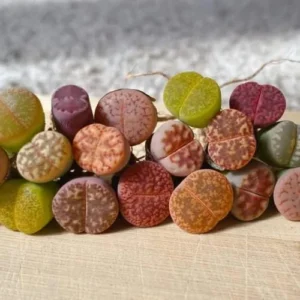
Sold 72 products
Original price was: $39.98.$19.99Current price is: $19.99.
Sold 53 products
Original price was: $27.90.$16.74Current price is: $16.74.
Sold 55 products
Original price was: $149.98.$74.99Current price is: $74.99.
HousePlants
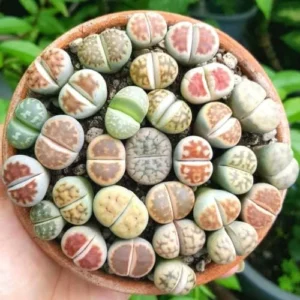
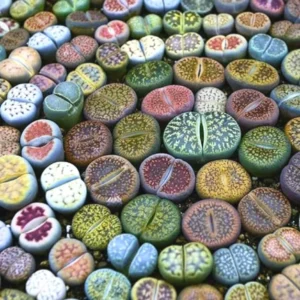
Lithops Live Plants Mix – 10 Large Colorful Living Stones Succulents for Indoor/Outdoor Growing
Sold 53 products
Original price was: $27.98.$13.99Current price is: $13.99.
Sold 88 products
$35.18
Sold 91 products
$87.98
Sold 57 products
Original price was: $144.00.$72.00Current price is: $72.00.
Sold 87 products
From $79.80
Sold 100 products
$43.98
Sold 62 products
Original price was: $29.92.$14.96Current price is: $14.96.
Sold 75 products
From $146.99
Sold 83 products
Original price was: $33.98.$16.99Current price is: $16.99.



Reviews
There are no reviews yet.