
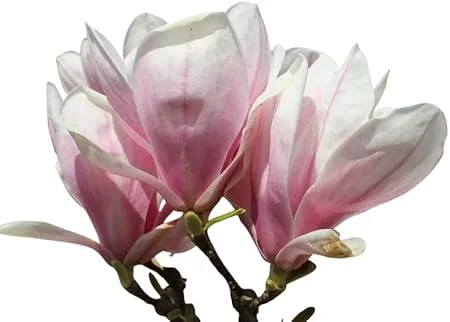
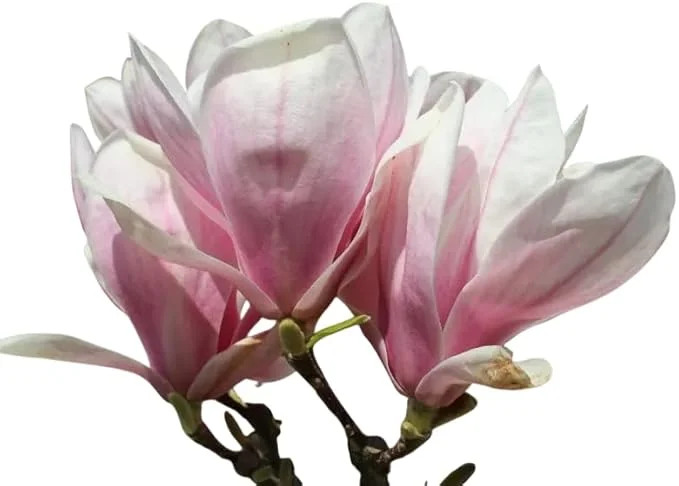
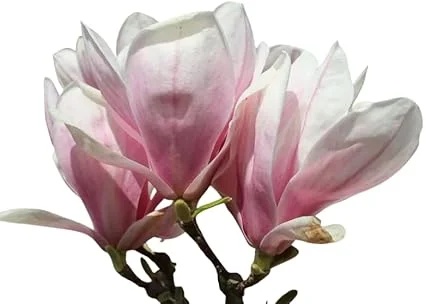
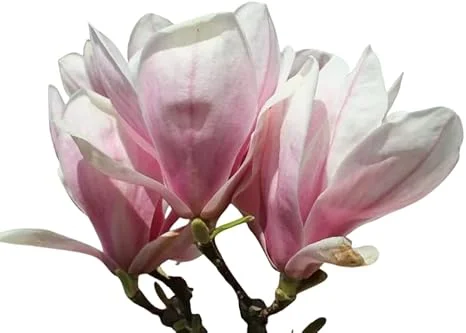
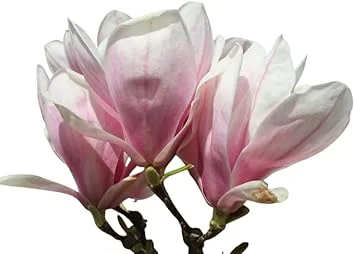
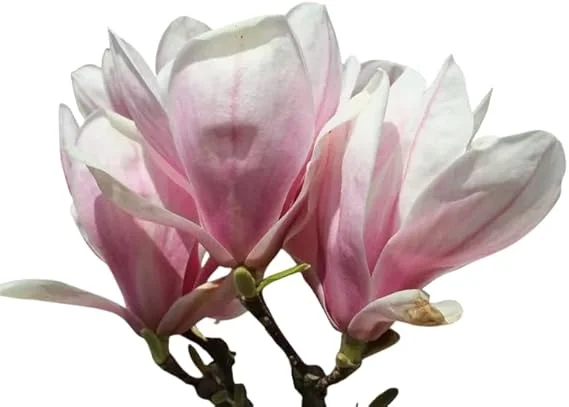
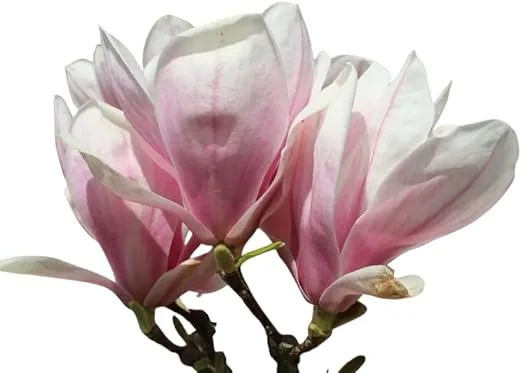
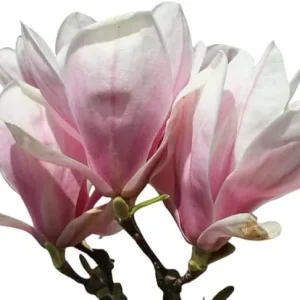
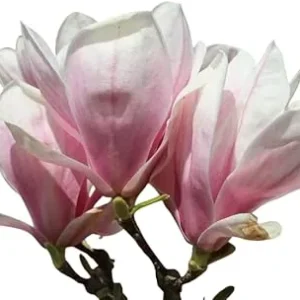
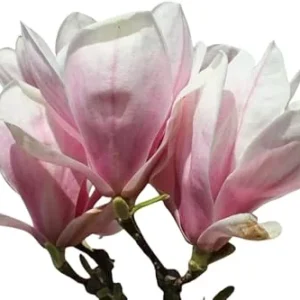
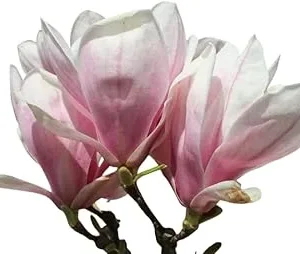
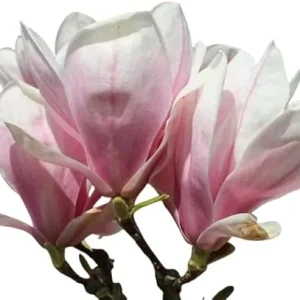
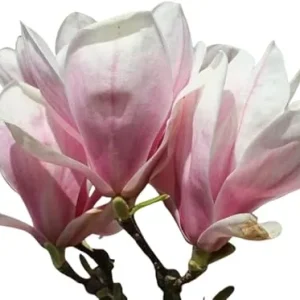
Saucer Magnolia Tree Live Plant 3 Ft Tall – Pink Oriental Magnolia Tulip Lily Tree
Original price was: $177.60.$88.80Current price is: $88.80.
Bring elegance to your garden with this beautiful saucer magnolia live plant. Standing 3 ft tall, this deciduous tree features stunning purplish-pink, saucer-shaped blooms in early spring. Perfect for adding a touch of classic beauty to your outdoor space, thriving in USDA Zones 5-9.
-
USDA Hardiness Zone
5-9 -
Soil Type
Loam soil, well-draining, slightly acidic -
Sunlight Exposure
Full Sun -
Expected Planting Period
Early Spring

You can track your order HERE
Mar 23
Mar 28 - Mar 30
Apr 02 - Apr 06
Shipping and return policies: Our Alive & Thrive Guarantee covers issues with your plants within the first 30 days. Reach out to us. Our team will answer your questions and help you find the plants that are truly suitable for your environment, climate, and personal preferences.

Overview
Introduce timeless elegance to your garden with a magnificent saucer magnolia live plant. Also known as the Oriental Magnolia or Tulip Lily Tree, this deciduous specimen is celebrated for its breathtaking early spring display. Each 3 ft tall plant promises to develop into a stately tree, gracing your landscape with large, creamy-white blooms that boast a striking purplish-pink exterior. This particular variety, often referred to as the oriental magnolia tree, is a true harbingers of spring, signaling the end of winter with its vibrant floral show before its leaves even emerge. Perfect for creating a dramatic focal point, a privacy screen, or simply adding a touch of classic beauty, this live plant offers a delightful experience for any gardener looking to cultivate a plant with significant visual impact and historical charm.
The saucer magnolia live plant is a robust and rewarding tree to grow, known for its resilience and relatively low maintenance once established. Its impressive size at maturity, coupled with its vibrant floral display, makes it a cherished addition to gardens across many regions. Whether you’re an experienced horticulturist or a budding enthusiast, growing a magnolia offers a unique opportunity to connect with nature and enjoy the beauty of one of spring’s most iconic flowering trees.
Key Benefits
Cultivating a saucer magnolia live plant offers a multitude of benefits, transforming your garden into a vibrant sanctuary:
- Stunning Spring Blooms: Enjoy an early and spectacular display of large, purplish-pink and white saucer-shaped flowers, often appearing before other trees leaf out. These blooms are a true highlight of the spring landscape, making your garden stand out.
- Architectural Beauty: Even when not in bloom, the tree’s graceful form and attractive branching structure provide year-round visual interest, adding a sophisticated touch to your garden design.
- Attracts Pollinators: While the primary appeal is visual, the early blooms can provide a nectar source for early emerging bees, contributing to your garden’s biodiversity.
- Long-Lived Specimen: With proper care, a magnolia tulip lily can become a long-term fixture in your landscape, maturing into a grand and impressive tree that can be enjoyed for decades.
- Versatile Landscaping Use: Suitable as a standalone specimen, part of a mixed border, or even as an informal hedge, its adaptability allows for various design applications in diverse garden settings.
- Low Maintenance Once Established: After its initial establishment period, the saucer magnolia live plant is relatively low-maintenance, requiring minimal intervention to thrive and bloom beautifully each year.
- Enhances Property Value: Mature, well-cared-for trees like the Magnolia can significantly enhance the aesthetic appeal and overall value of your property.
Plant Care & Growing Tips
To ensure your saucer magnolia live plant thrives and provides years of beautiful blooms, follow these essential care and growing tips. Magnolias generally prefer a sheltered location to protect their early blooms from late frosts and strong winds. The ideal position offers full sun to partial shade; full sun (at least 6 hours of direct sunlight daily) encourages the most abundant flowering, while some afternoon shade can be beneficial in hotter climates to prevent leaf scorch. When considering the best environment, remember that proper magnolia tree care starts with site selection.
Soil Type and Moisture Needs: This tree prefers rich, well-draining, slightly acidic soil (pH 5.5-6.5). If your soil is heavy clay or very sandy, amend it with organic matter like compost before planting to improve drainage and fertility. Consistent moisture is crucial, especially during the first few growing seasons after planting and during dry spells. Water deeply and regularly, ensuring the soil remains moist but not waterlogged. Mulching around the base of the tree with 2-4 inches of organic material will help retain soil moisture, regulate soil temperature, and suppress weeds.
USDA Hardiness Zone and Fertilization: The saucer magnolia live plant is hardy in USDA Zones 5-9. In colder zones, ensure adequate winter protection. Fertilize in early spring with a balanced, slow-release fertilizer formulated for acid-loving plants, following the product’s instructions carefully. Avoid over-fertilizing, which can burn the roots. Pruning is generally minimal; remove dead, damaged, or crossing branches after flowering. For formative pruning, it’s best done while the tree is dormant but after the danger of severe frost has passed. Watch out for common pests like scale insects or magnolia borers, and address them promptly with appropriate organic or chemical treatments if necessary. Proper magnolia tree care is key to a healthy, vibrant specimen.
Size & Details
This offering is for a single saucer magnolia live plant, which arrives at an impressive height of approximately 3 ft (36 inches) tall. This size provides a significant head start, allowing you to enjoy a more established plant in your landscape sooner. The tree is a deciduous variety, meaning it will lose its leaves in the fall and re-emerge with stunning blooms in early spring. At maturity, this magnificent pink magnolia tree can reach an expected height of 20 to 30 feet tall with a spread of 15 to 20 feet, forming a broad, rounded canopy. Its growth rate is moderate, adding about 1 to 2 feet per year under optimal conditions, leading to a substantial specimen over time. It typically ships in a nursery pot, ready for immediate planting in your garden or a larger container. The plant is well-rooted and prepared for transplanting, ensuring a smooth transition to its new home.
Frequently Asked Questions
- Q: How big does this saucer magnolia live plant get at maturity? A: This tree typically grows to an impressive height of 20 to 30 feet tall with a spread of 15 to 20 feet, creating a magnificent focal point in your garden. Its mature size makes it suitable for larger landscapes.
- Q: Is this an indoor or outdoor plant? A: The saucer magnolia live plant is an outdoor tree, best suited for planting in the ground where it has ample space to grow and thrive. It requires exposure to seasonal changes to bloom properly.
- Q: How much sunlight does a oriental magnolia tree need? A: This magnolia prefers full sun (at least 6 hours of direct sunlight per day) to partial shade. Full sun encourages the most prolific flowering, while some afternoon shade is beneficial in very hot climates.
- Q: Is this plant easy to care for? A: Once established, the saucer magnolia live plant is considered relatively low-maintenance. It requires consistent watering during establishment and prefers well-draining, acidic soil. Regular care contributes to its longevity and vibrant blooms.
- Q: What condition will the pink magnolia tree arrive in? A: Your 3 ft tall magnolia will arrive as a healthy, live plant, typically in a nursery pot with its root ball intact, ready for planting. We take great care in packaging to ensure its safe arrival.
- Q: When does the magnolia tulip lily bloom? A: This variety is known for its early spring blooms, often flowering before its leaves emerge. You can expect a spectacular display of purplish-pink and white flowers during this period.
- Q: What USDA Hardiness Zones is this magnolia tree care suitable for? A: The saucer magnolia is hardy in USDA Zones 5-9. It can withstand the winter temperatures in these zones, making it a versatile choice for many regions.
- Q: What kind of soil is best for this magnolia? A: It thrives in rich, well-draining, slightly acidic soil. Amending your soil with organic matter can improve its quality and support healthy growth for your saucer magnolia live plant.
- Q: How tall is the plant when shipped? A: This specific offering is for a plant that is approximately 3 ft (36 inches) tall upon shipment, providing a good starting size for your landscape.
- Q: Does this tree attract wildlife? A: While primarily grown for its ornamental value, the early spring blooms can provide a valuable nectar source for early emerging pollinators like bees, contributing to local biodiversity.
Be the first to review “Saucer Magnolia Tree Live Plant 3 Ft Tall – Pink Oriental Magnolia Tulip Lily Tree”
People Also Viewed
Sold 96 products
From $23.98
Sold 80 products
Original price was: $70.36.$35.18Current price is: $35.18.

Trees
Sold 81 products
Original price was: $67.96.$33.98Current price is: $33.98.

Sold 63 products
Original price was: $23.96.$11.98Current price is: $11.98.
Sold 99 products
Original price was: $8.60.$4.30Current price is: $4.30.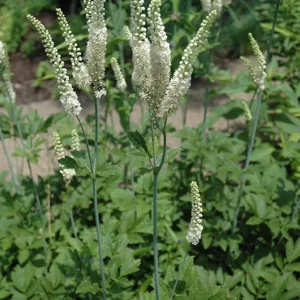
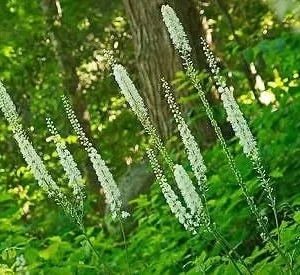
Sold 93 products
Original price was: $24.00.$19.20Current price is: $19.20.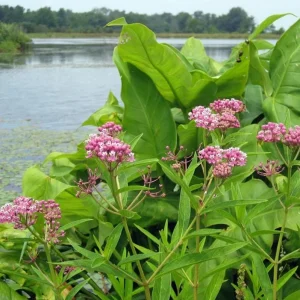
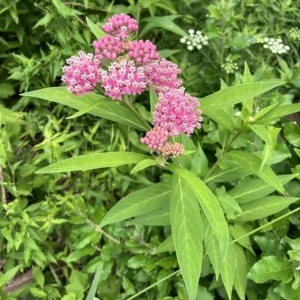
Flower Plants
Pink Milkweed Live Plant – Set of 2, 4-6″ Tall – Asclepias spp. for Monarch Butterflies
Sold 89 products
Original price was: $47.58.$23.79Current price is: $23.79.
Sold 85 products
Original price was: $355.96.$177.98Current price is: $177.98.
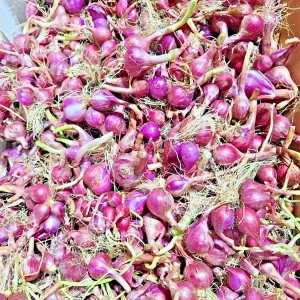
Flower Bulbs
4oz Premium Red Shallot Bulbs – Strong Aroma & Bold Flavor – Allium – Easy Grow Outdoor
Sold 72 products
Original price was: $54.76.$27.38Current price is: $27.38.
Sold 57 products
Original price was: $32.18.$16.09Current price is: $16.09.

Trees
Sold 51 products
Original price was: $27.96.$13.98Current price is: $13.98.
Sold 61 products
Original price was: $30.78.$15.39Current price is: $15.39.

Trees
Sold 74 products
Original price was: $39.96.$19.98Current price is: $19.98.
Trees
Sold 83 products
Original price was: $91.96.$45.98Current price is: $45.98.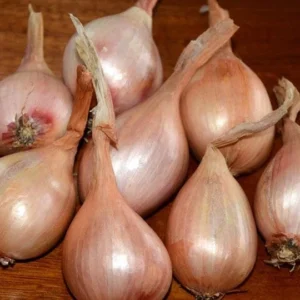
Sold 97 products
From $54.00
Sold 78 products
Original price was: $79.80.$39.90Current price is: $39.90.
Sold 93 products
Original price was: $35.99.$25.19Current price is: $25.19.
Sold 63 products
Original price was: $26.76.$13.38Current price is: $13.38.



Reviews
There are no reviews yet.