
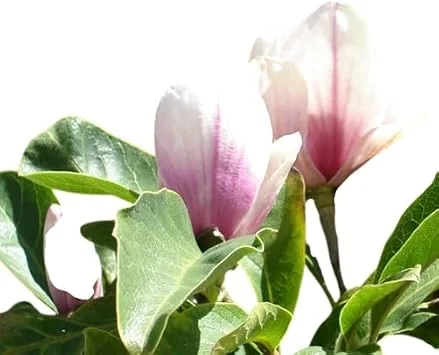
Saucer Magnolia Live Tree – 2 Ft Tall, Pink Blooms, Deciduous, Zones 5-9
Original price was: $133.60.$66.80Current price is: $66.80.
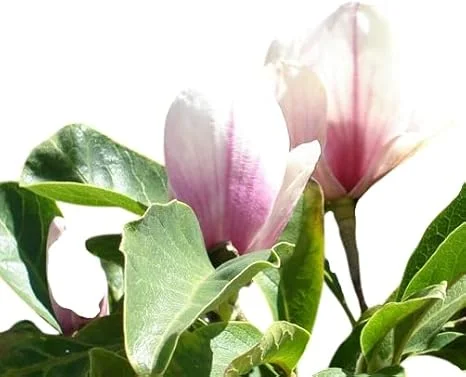
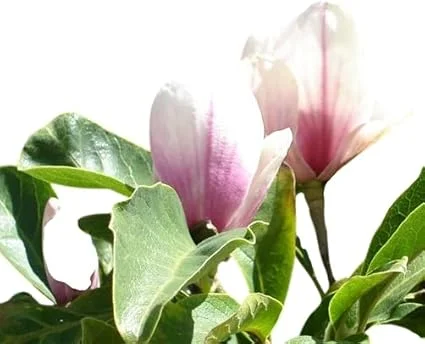
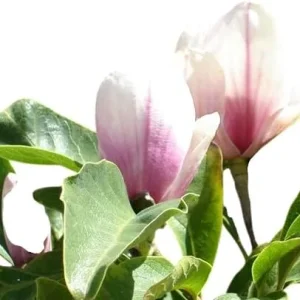
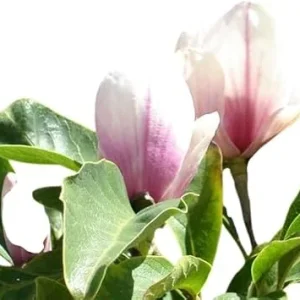
Bring classic elegance to your landscape with a saucer magnolia live tree, standing 2 ft tall. This deciduous tree boasts magnificent pink, saucer-shaped blooms in early spring, transforming your garden into a vibrant display. Known for its graceful form and stunning flowers, it’s a perfect choice for adding a touch of sophistication.
-
USDA Hardiness Zone
3-9 (specifically 5-9 for optimal growth) -
Soil Type
Loam Soil (well-draining, slightly acidic to neutral) -
Sunlight Exposure
Full Sun -
Expected Planting Period
Early Spring to Fall

You can track your order HERE
Mar 24
Mar 29 - Mar 31
Apr 03 - Apr 07
Shipping and return policies: Our Alive & Thrive Guarantee covers issues with your plants within the first 30 days. Reach out to us. Our team will answer your questions and help you find the plants that are truly suitable for your environment, climate, and personal preferences.

Overview
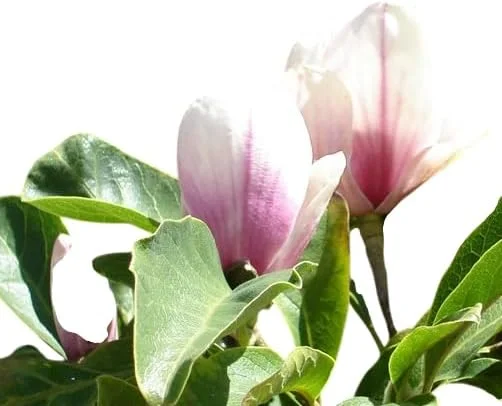
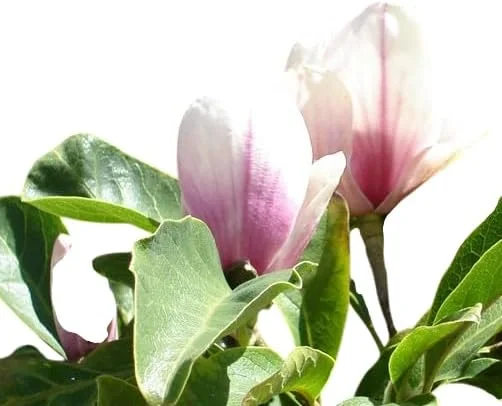
Introduce breathtaking beauty to your garden with this exquisite saucer magnolia live tree. Also known as the Oriental Magnolia or Tulip Lily Tree, this deciduous specimen is celebrated for its spectacular early spring blossoms. Arriving at a healthy 2 ft tall, this live plant is ready to establish itself and grow into a magnificent feature in your landscape. The Saucer Magnolia captivates with large, cup-shaped flowers that are creamy-white on the inside and a striking purplish-pink on the outside, creating a truly enchanting visual display before its leaves even emerge. This tree is a fantastic addition for anyone looking to add significant ornamental value and a burst of color to their outdoor space. Its robust nature and stunning floral show make it a cherished choice among gardeners.
Key Benefits
The saucer magnolia live tree offers a multitude of benefits, making it an excellent investment for your garden. From its aesthetic appeal to its hardiness, this tree is designed to impress and endure.
- Spectacular Spring Blooms: Enjoy an explosion of large, fragrant, purplish-pink and creamy-white flowers that announce the arrival of spring, often before other trees have leafed out. These iconic saucer-shaped blooms are a true garden highlight.
- Elegant Deciduous Foliage: Beyond its flowers, the tree provides lush green foliage throughout the summer, offering shade and a beautiful backdrop for other plants, before shedding leaves in fall.
- Architectural Interest: Even in winter, the Saucer Magnolia’s elegant branching structure adds architectural interest to the landscape, ensuring year-round appeal.
- Attracts Pollinators: The early spring flowers provide a valuable nectar source for early emerging pollinators, contributing to local biodiversity.
- Relatively Low Maintenance: Once established, this tree requires minimal care, making it suitable for both experienced gardeners and those new to tree planting. Understanding oriental magnolia care is straightforward, focusing on proper initial planting and watering.
- Versatile Landscaping: Ideal as a specimen tree, part of a mixed border, or even in a large container, its adaptable nature allows for various landscaping uses.
- Long-Lived Beauty: With proper care, a saucer magnolia live tree can thrive for many decades, becoming a lasting legacy in your garden.
Plant Care & Growing Tips
Ensuring your saucer magnolia live tree thrives requires attention to a few key environmental factors and care routines. This tree, also known as a tulip lily tree planting, prefers specific conditions to produce its best blooms and maintain health. Understanding these needs will result in a robust and beautiful specimen that graces your landscape for years.
Sunlight Requirements: Saucer Magnolias flourish in full sun, meaning they need at least 6 hours of direct sunlight per day. While they can tolerate partial shade, too little sun may result in fewer blooms. Ensure your planting location receives ample morning sun, which helps to dry dew from the leaves and prevent fungal issues. For optimal growth and flowering, prioritize a sunny spot in your garden.
Watering Schedule & Soil Moisture: These trees prefer consistently moist, but not waterlogged, soil, especially during their establishment period. Water deeply once or twice a week, depending on rainfall and soil type. Reduce watering frequency once established, allowing the top few inches of soil to dry out slightly between waterings. Avoid overwatering, as this can lead to root rot. During dry spells, supplemental watering will be beneficial.
Soil Type & Drainage: The Saucer Magnolia thrives in rich, well-draining loam soil with a slightly acidic to neutral pH (6.0-7.0). Good drainage is crucial, as they do not tolerate heavy, waterlogged conditions. If your soil is heavy clay, amend it with organic matter like compost or peat moss to improve drainage and aeration. For oriental magnolia care, ensuring the right soil conditions from the start is paramount.
Temperature Range & USDA Hardiness Zone: This tree is hardy in USDA Zones 5-9. It is a deciduous tree, meaning it will lose its leaves in winter. It prefers temperate climates and can tolerate a range of temperatures within its hardiness zones. Protection from harsh winter winds, especially in the colder parts of its range, can be beneficial for young trees.
Fertilization: Fertilize your Saucer Magnolia in early spring before new growth appears. Use a balanced, slow-release fertilizer formulated for trees and shrubs, or one slightly higher in phosphorus to encourage blooming. Follow package instructions carefully to avoid over-fertilization, which can burn roots. Avoid fertilizing late in the season, as this can promote tender new growth that is susceptible to winter damage.
Common Problems & Solutions: While generally robust, Saucer Magnolias can occasionally encounter issues. Pests like scale insects or magnolia borers can be a problem; inspect your tree regularly and treat with appropriate horticultural oils or insecticides if necessary. Fungal diseases like powdery mildew can occur in humid conditions; ensure good air circulation and consider fungicide applications if severe. Proper site selection and good cultural practices are the best defense against most problems, ensuring your deciduous magnolia for sale remains healthy.
Size & Details
This offering is for a live saucer magnolia live tree, standing approximately 2 ft tall upon arrival, providing a substantial start for your landscape. When mature, this impressive tree can reach an average height of 20 to 30 feet, with a similar spread, creating a beautiful, rounded canopy. Its growth rate is moderate, allowing you to enjoy its development over time. The tree is shipped as a healthy, actively growing plant, typically in a nursery pot with its root ball intact, ready for planting. Expect vigorous growth and the first signs of its iconic purplish-pink blooms within a few years of planting, with more abundant flowering as it matures. Its ultimate size makes it suitable for larger gardens where it can truly spread its branches and showcase its magnificent floral display. This pink magnolia tree is a long-term investment in your garden’s beauty.
Frequently Asked Questions
- Q: How big does this plant get? A: This saucer magnolia live tree typically grows to a mature height of 20 to 30 feet with a similar spread, creating a beautiful, rounded form. It is shipped at approximately 2 ft tall, ready for planting and establishment.
- Q: Is this an indoor or outdoor plant? A: The Saucer Magnolia is an outdoor deciduous tree, best suited for planting in gardens and landscapes where it can receive full sun exposure. It is not suitable for long-term indoor cultivation.
- Q: How much sunlight does it need? A: This tree requires full sun exposure, meaning at least 6 hours of direct sunlight per day, for optimal growth and abundant flowering. Partial shade can be tolerated but may reduce bloom production.
- Q: Is this plant easy to care for? A: Once established, the Saucer Magnolia is relatively low maintenance. It requires consistent watering during establishment, well-draining soil, and annual fertilization. General oriental magnolia care is straightforward.
- Q: What condition will it arrive in? A: Your tulip lily tree planting will arrive as a healthy, live plant, typically in a nursery pot with its root ball protected, ensuring it is ready for successful transplanting into your garden.
- Q: How long until it blooms? A: While young trees may produce a few blooms, significant flowering usually begins within 2-3 years of planting, with the display becoming more spectacular as the tree matures. It blooms in early spring.
- Q: When is the best time to plant a Saucer Magnolia? A: The best time for deciduous magnolia for sale planting is in early spring or fall when temperatures are moderate. This allows the tree to establish its root system before extreme weather conditions.
- Q: Will it survive winter in my zone? A: Yes, the Saucer Magnolia is hardy in USDA Zones 5-9 and is well-adapted to surviving winters within these regions. Ensure proper winter protection for young trees in colder zones or exposed locations.
- Q: What color are the blooms of this pink magnolia tree? A: The blooms of this Saucer Magnolia are a beautiful purplish-pink on the outside and creamy-white on the inside, creating a striking bicolor effect.
- Q: What type of soil does it prefer? A: This tree thrives in rich, well-draining loam soil with a slightly acidic to neutral pH. Good drainage is essential to prevent root issues.
Be the first to review “Saucer Magnolia Live Tree – 2 Ft Tall, Pink Blooms, Deciduous, Zones 5-9”
People Also Viewed
Sold 75 products
Original price was: $219.80.$109.90Current price is: $109.90.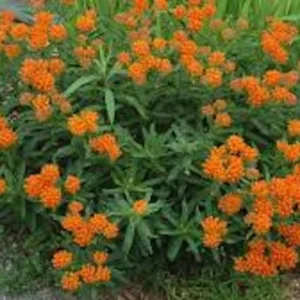
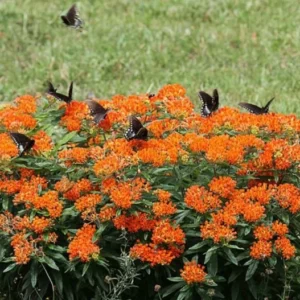
Sold 91 products
Original price was: $35.98.$28.78Current price is: $28.78.
Sold 62 products
Original price was: $67.96.$33.98Current price is: $33.98.
Sold 59 products
From $67.80
Sold 59 products
Original price was: $91.98.$45.99Current price is: $45.99.
Sold 60 products
Original price was: $147.16.$73.58Current price is: $73.58.
Flower Plants
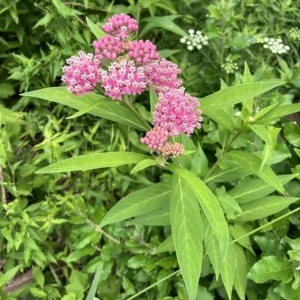
Pink Milkweed Live Plant – Set of 2, 4-6″ Tall – Asclepias spp. for Monarch Butterflies
Sold 61 products
Original price was: $47.58.$23.79Current price is: $23.79.
Sold 77 products
Original price was: $289.96.$144.98Current price is: $144.98.
Sold 71 products
Original price was: $147.16.$73.58Current price is: $73.58.
Sold 67 products
Original price was: $32.18.$16.09Current price is: $16.09.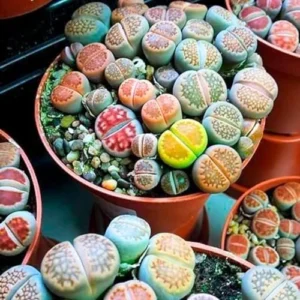
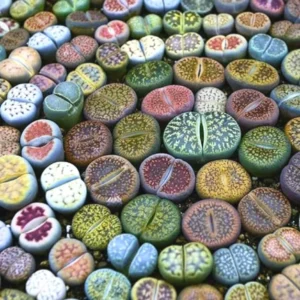
HousePlants
Lithops Live Plants Mix – 30 Colorful Succulents – Living Stones for Indoor/Outdoor Planting
Sold 93 products
Original price was: $65.98.$32.99Current price is: $32.99.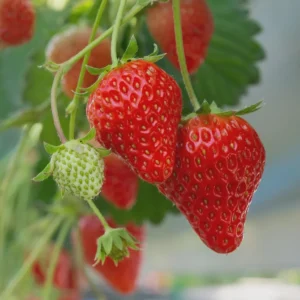
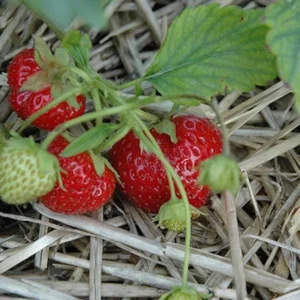
Sold 95 products
Original price was: $44.00.$35.20Current price is: $35.20.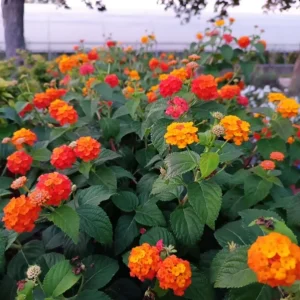
Sold 54 products
Original price was: $27.98.$13.99Current price is: $13.99.
Sold 63 products
Original price was: $59.70.$29.85Current price is: $29.85.
Sold 98 products
Original price was: $36.38.$18.19Current price is: $18.19.
Sold 89 products
Original price was: $58.00.$46.40Current price is: $46.40.
Sold 74 products
Original price was: $80.00.$64.00Current price is: $64.00.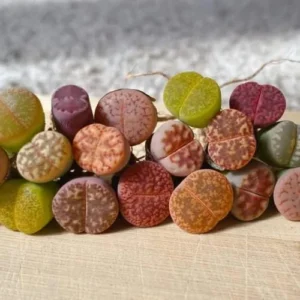
Sold 54 products
Original price was: $39.98.$19.99Current price is: $19.99.



Reviews
There are no reviews yet.