
Sassafras Live Plant – Quart Pot – Aromatic Deciduous Tree – Outdoor
Original price was: $59.98.$41.98Current price is: $41.98.
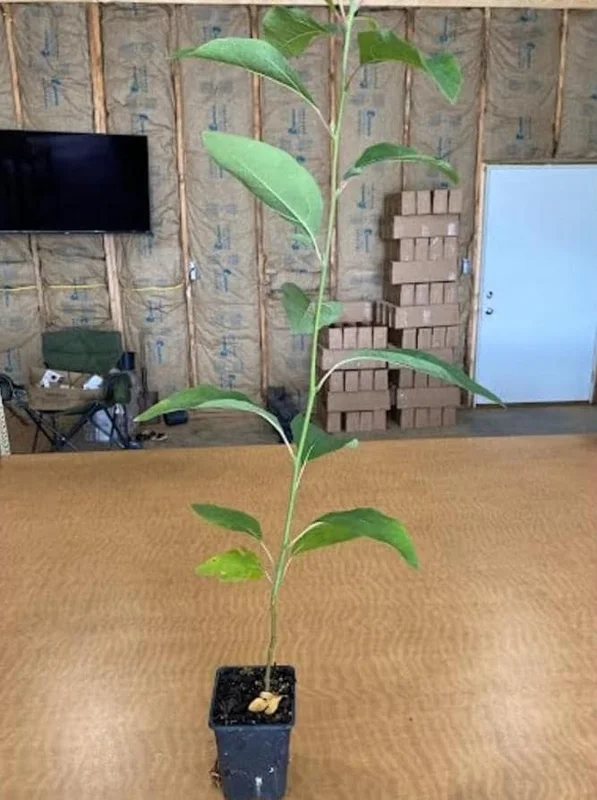
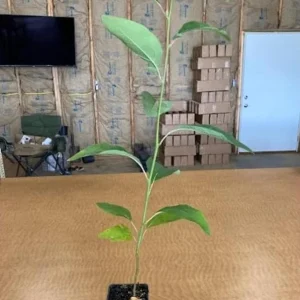
Introduce a sassafras live plant to your landscape, nurtured in a quart pot. This native deciduous tree, Sassafras albidum, is celebrated for its distinctive aromatic foliage, beautiful yellow spring flowers, and blue-black fruits that attract birds. Adaptable and low-maintenance, it’s perfect for naturalistic gardens.
-
USDA Hardiness Zone
USDA Zones 4-9 -
Soil Type
Well-draining, slightly acidic to neutral soil -
Sunlight Exposure
Full sun to partial shade -
Expected Planting Period
Spring or Fall

You can track your order HERE
Mar 18
Mar 23 - Mar 25
Mar 28 - Apr 01
Shipping and return policies: Our Alive & Thrive Guarantee covers issues with your plants within the first 30 days. Reach out to us. Our team will answer your questions and help you find the plants that are truly suitable for your environment, climate, and personal preferences.

Overview
Introduce a touch of native charm and ecological richness to your garden with the sassafras live plant. This unique deciduous tree, scientifically known as Sassafras albidum, is celebrated for its distinctive aromatic qualities and striking visual appeal. Native to eastern North America, the native sassafras tree is a resilient and adaptable addition to various landscapes, perfect for creating a naturalistic setting or attracting local wildlife. Our sassafras live plant comes ready to thrive in your outdoor space, offering an engaging botanical experience from the moment it arrives. It’s an excellent choice for gardeners looking for a low-maintenance yet highly rewarding specimen.
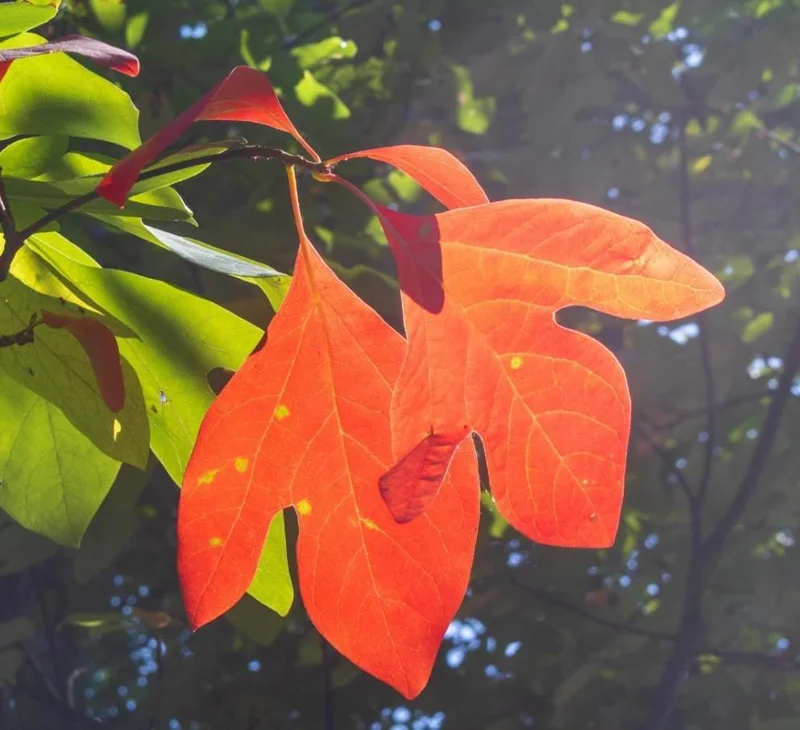
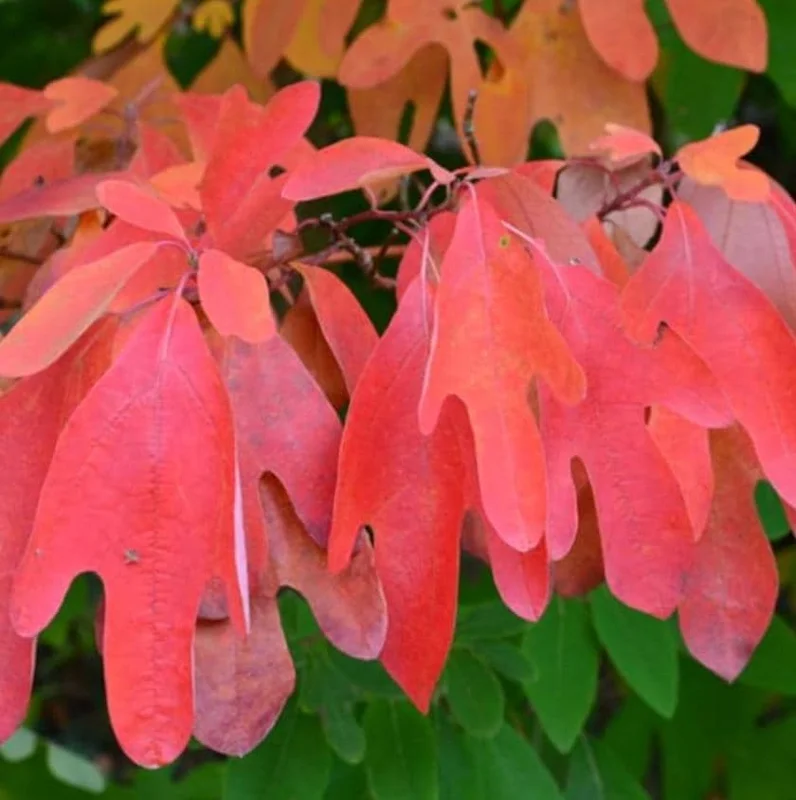
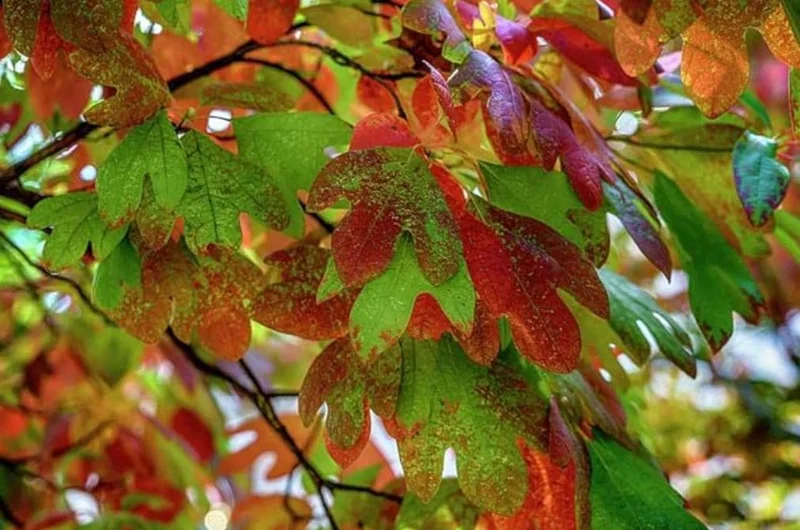
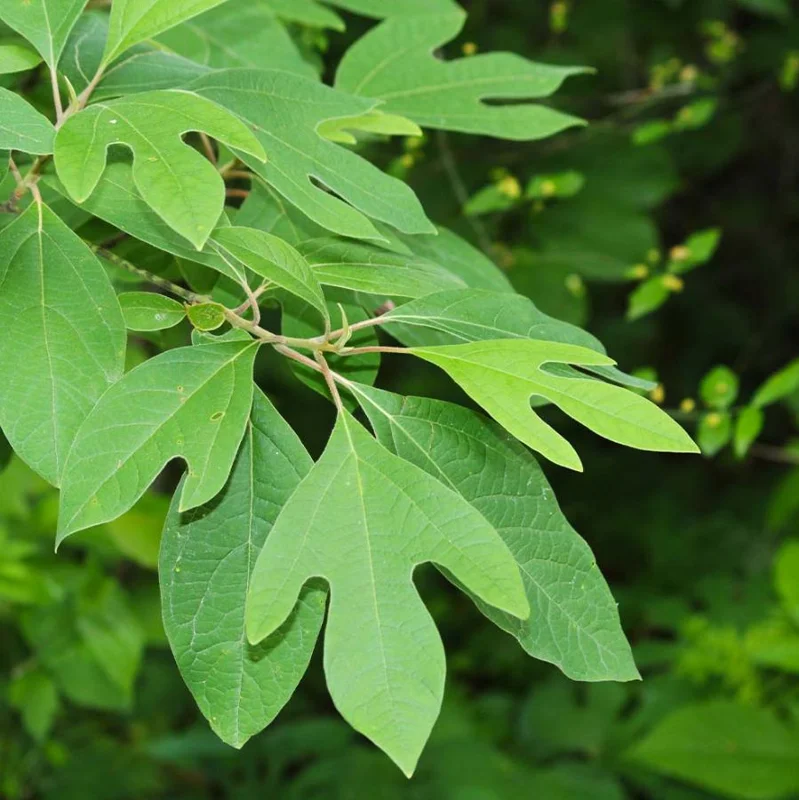
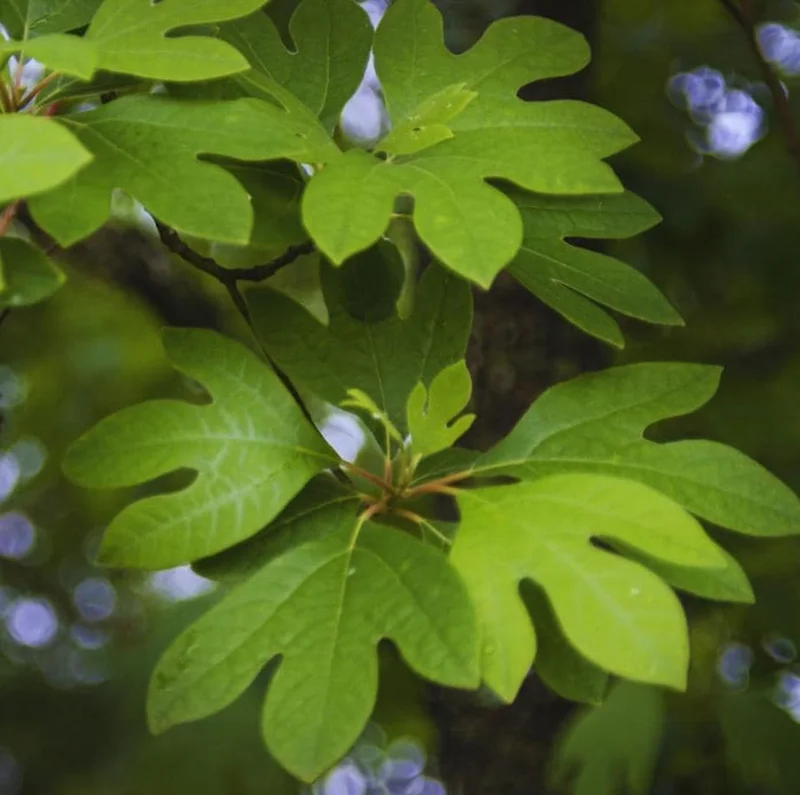
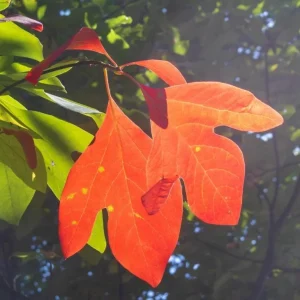
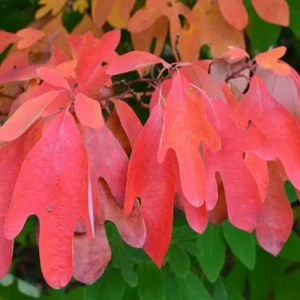
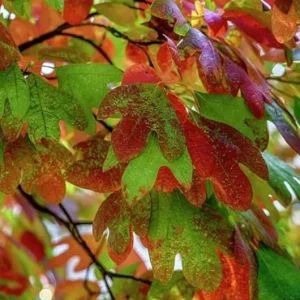
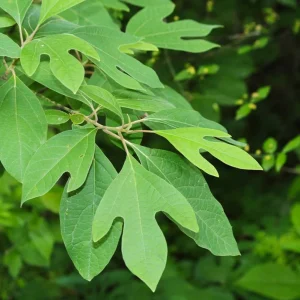
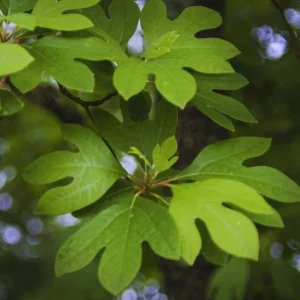
The sassafras tree is easily recognizable by its fascinating foliage, featuring an array of leaf shapes—unlobed oval, mitten-shaped bilobed, and three-pronged trilobed—all often found on the same branch. Beyond its visual intrigue, the leaves and twigs emit a fresh, citrus-like scent when crushed, adding an aromatic dimension to your garden. In spring, delicate yellow six-petaled flowers emerge, followed by clusters of attractive blue-black drupes that are a favorite food source for birds, further enhancing its appeal as a wildlife-friendly plant. Choose a native sassafras tree for a truly unique and beneficial landscape element.
Key Benefits
The sassafras live plant offers a multitude of benefits, making it an excellent choice for diverse garden settings. From its aesthetic qualities to its ecological contributions, this tree is a standout performer. Adding a sassafras live plant to your garden means embracing both beauty and biodiversity.
- Unique Aromatic Foliage: The sassafras tree is renowned for its distinctive, fragrant leaves and twigs that release a fresh, citrusy scent when bruised. This aromatic quality adds a sensory delight to your garden and can be a pleasant surprise for visitors. It’s truly an aromatic sassafras tree.
- Visually Diverse Leaf Shapes: Enjoy the fascinating display of varying leaf forms—oval, mitten-shaped, and three-lobed—often appearing simultaneously on a single plant. This natural variation ensures a dynamic visual interest throughout the growing season.
- Seasonal Yellow Flowers: In early spring, the tree produces delicate yellow flowers that provide an early splash of color, signaling the arrival of warmer weather. These blooms contribute to the tree’s overall ornamental value.
- Attracts Wildlife with Blue-Black Fruits: Following the spring flowers, the sassafras develops attractive blue-black drupes. These fruits are a vital food source for many bird species, making the tree an excellent choice for supporting local wildlife and enhancing biodiversity in your garden.
- Adaptable and Hardy: Thriving in USDA Zones 4-9, the aromatic sassafras tree is remarkably hardy and adaptable to a range of soil types and environmental conditions. This resilience makes it a reliable choice for various climates across the United States.
- Naturalistic Garden Appeal: Its native status and natural growth habit make it perfect for naturalistic gardens, woodland edges, or as a specimen tree. It blends seamlessly into native plant landscapes, contributing to an authentic regional aesthetic.
- Low Maintenance Growth: Once established, the sassafras tree requires minimal care, making it suitable for both experienced gardeners and those new to tree cultivation. Its robust nature ensures sustained beauty with little intervention.
Plant Care & Growing Tips
Caring for your sassafras live plant is relatively straightforward, as this native tree is quite resilient. To ensure optimal growth and health, understanding its basic needs for sunlight, water, and soil is crucial. Sassafras trees prefer a location with full sun to partial shade, meaning they should receive at least 4-6 hours of direct sunlight daily for the best growth and flowering. While they can tolerate some shade, too much shade may result in less vigorous growth and fewer flowers and fruits. When planting, ensure the site has adequate air circulation to prevent fungal issues.
When it comes to watering, young sassafras albidum care requires consistent moisture to establish a strong root system. Water deeply once or twice a week, especially during dry spells, to keep the soil evenly moist but not waterlogged. Once established, sassafras trees are quite drought-tolerant, though supplemental watering during extended dry periods will benefit their overall health. They thrive in well-draining, slightly acidic to neutral soil, ranging from loamy to sandy. Amending heavy clay soils with organic matter can improve drainage and provide essential nutrients for your sassafras tree. Avoid planting in areas where water tends to collect.
Sassafras trees are hardy in USDA Zones 4-9, making them suitable for a wide range of climates. They are tolerant of various temperatures, but young trees may benefit from some winter protection in the colder parts of their range. Fertilization is generally not necessary once the tree is established in good soil. If growth appears stunted or leaves are discolored, a balanced, slow-release tree fertilizer can be applied in early spring. Pruning should be done in late winter or early spring to remove any dead, damaged, or crossing branches, maintaining the tree’s structure and promoting healthy growth. This helps ensure your sassafras live plant develops into a strong, beautiful specimen. Proper sassafras tree planting is key to its success.
Size & Details
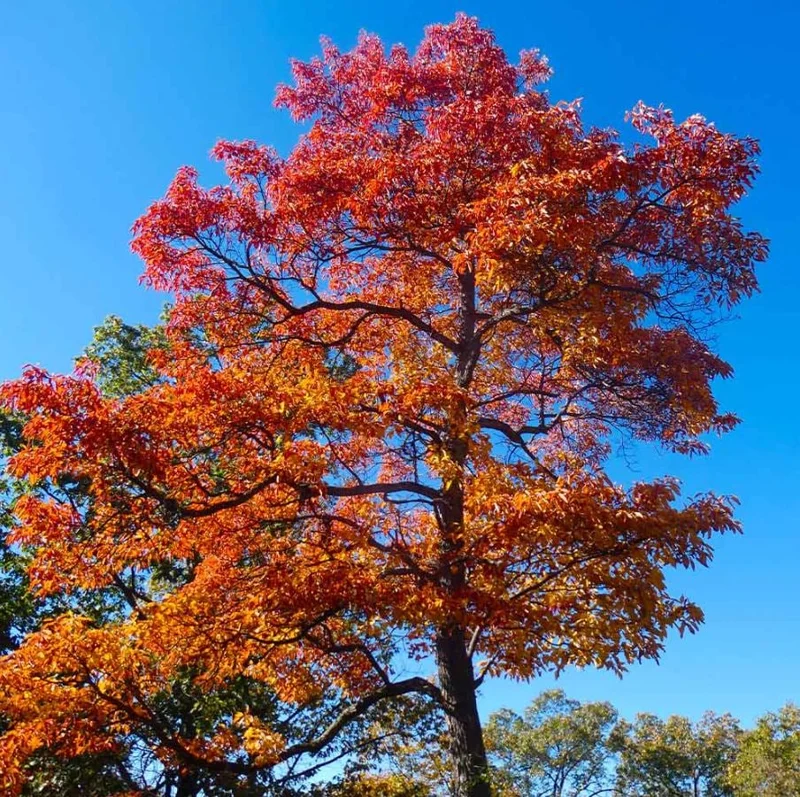
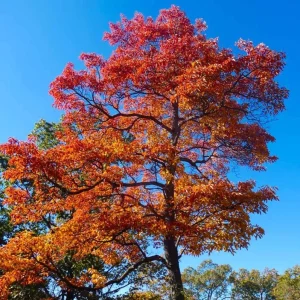
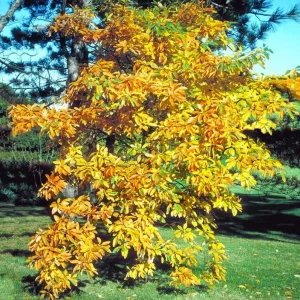
This sassafras live plant is shipped in a quart nursery pot, providing a healthy start for your garden. At this stage, the plant is typically young and ready for transplanting into its permanent location, where it can begin to establish its robust root system. Sassafras trees are known for their moderate to fast growth rate, eventually reaching impressive heights of 30 to 115 feet tall with a spread of 25 to 40 feet at maturity, depending on growing conditions and specific cultivar. The smooth orange-brown bark and slender branching contribute to its elegant form.
While the exact height upon arrival can vary due to natural growth and shipping considerations, you can expect a well-rooted specimen ready to thrive. The plant may arrive with minimal foliage during dormancy in colder months, which is a normal and healthy state, with growth resuming as temperatures warm. These trees typically start producing flowers and fruits within a few years of establishment. The quart pot size makes it easy to handle and plant, setting the stage for a magnificent aromatic sassafras tree that will grace your landscape for many years to come.
Frequently Asked Questions
- Q: How big does this sassafras live plant get? A: This sassafras live plant is shipped in a quart pot. When mature, sassafras trees can grow quite large, typically reaching heights of 30 to 115 feet tall with a spread of 25 to 40 feet, depending on growing conditions and environment. Its potential size makes it a significant landscape addition.
- Q: Is this an indoor or outdoor plant? A: The sassafras live plant is an outdoor deciduous tree, best suited for planting in your garden or landscape. It requires ample space to grow and thrive, and is not suitable for indoor cultivation.
- Q: How much sunlight does a sassafras tree need? A: Sassafras trees prefer full sun to partial shade, ideally receiving at least 4-6 hours of direct sunlight per day. Adequate sunlight promotes the best growth, flowering, and fruit production for optimal sassafras albidum care.
- Q: Is this plant easy to care for? A: Yes, once established, the native sassafras tree is considered relatively low-maintenance. It’s a hardy native tree that adapts well to various conditions, making it suitable for gardeners of different experience levels.
- Q: What condition will the sassafras live plant arrive in? A: Your sassafras live plant will arrive carefully packaged in a quart nursery pot. During colder months, it may arrive dormant with minimal foliage, which is normal and not a sign of poor health. Growth will resume with warmer temperatures.
- Q: When is the best time to plant a sassafras tree? A: The best time for sassafras tree planting is typically in the spring or fall when temperatures are moderate. This allows the tree to establish its root system before extreme heat or cold.
- Q: What USDA Zones is the sassafras tree hardy in? A: The aromatic sassafras tree is hardy in USDA Zones 4-9, making it suitable for a wide range of climates across the United States. Ensure your zone falls within this range for optimal survival.
- Q: How long until the sassafras tree produces flowers and fruits? A: Sassafras trees typically start producing flowers and fruits within a few years of establishment, once they have matured sufficiently. Patience is rewarded with seasonal beauty and wildlife attraction.
- Q: What type of soil does a sassafras tree prefer? A: Sassafras trees thrive in well-draining, slightly acidic to neutral soil. They can tolerate a range from loamy to sandy conditions, but good drainage is crucial.
- Q: Does the sassafras tree attract wildlife? A: Yes, the blue-black drupes that follow the spring flowers are a vital food source for many bird species, making the sassafras tree an excellent choice for supporting local wildlife and enhancing garden biodiversity.
Be the first to review “Sassafras Live Plant – Quart Pot – Aromatic Deciduous Tree – Outdoor”
People Also Viewed
Sold 85 products
Original price was: $64.00.$51.20Current price is: $51.20.
Sold 80 products
Original price was: $28.00.$22.40Current price is: $22.40.
Sold 60 products
From $103.80
Sold 94 products
Original price was: $90.00.$72.00Current price is: $72.00.
Sold 95 products
Original price was: $39.98.$19.99Current price is: $19.99.
Sold 99 products
Original price was: $150.00.$120.00Current price is: $120.00.
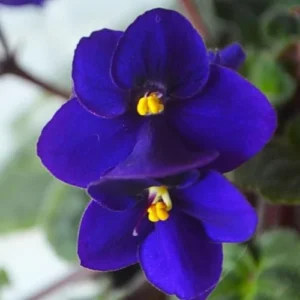
Flower Plants
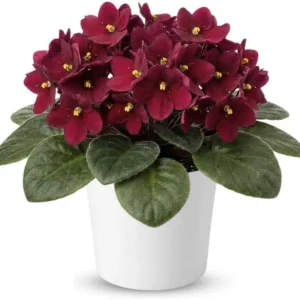
African Violet Live Plant Houseplant – Dark Blue Flower, 4 Inch Pot – Indoor Ready to Grow
Sold 93 products
Original price was: $75.98.$37.99Current price is: $37.99.
Sold 51 products
From $54.00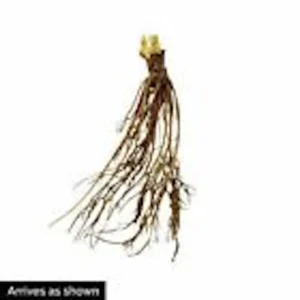
Sold 62 products
Original price was: $34.00.$27.20Current price is: $27.20.
Sold 50 products
Original price was: $68.00.$54.40Current price is: $54.40.
Sold 93 products
Original price was: $31.96.$15.98Current price is: $15.98.
Sold 52 products
Original price was: $90.00.$72.00Current price is: $72.00.
Sold 60 products
Original price was: $36.00.$28.80Current price is: $28.80.
Sold 87 products
Original price was: $80.00.$64.00Current price is: $64.00.
Fruits
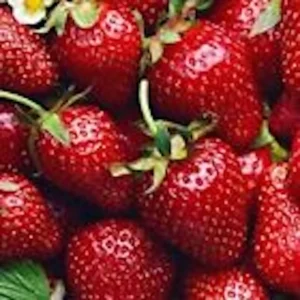
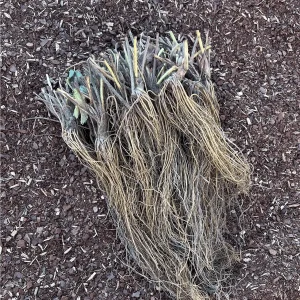
Cabot Strawberry Plants – Bare Root June-Bearing Variety – Extra Large Sweet Berries, Cold Hardy
Sold 55 products
From $51.80
Sold 57 products
From $75.80
Sold 86 products
Original price was: $391.96.$195.98Current price is: $195.98.
Sold 100 products
Original price was: $44.00.$35.20Current price is: $35.20.


Reviews
There are no reviews yet.