
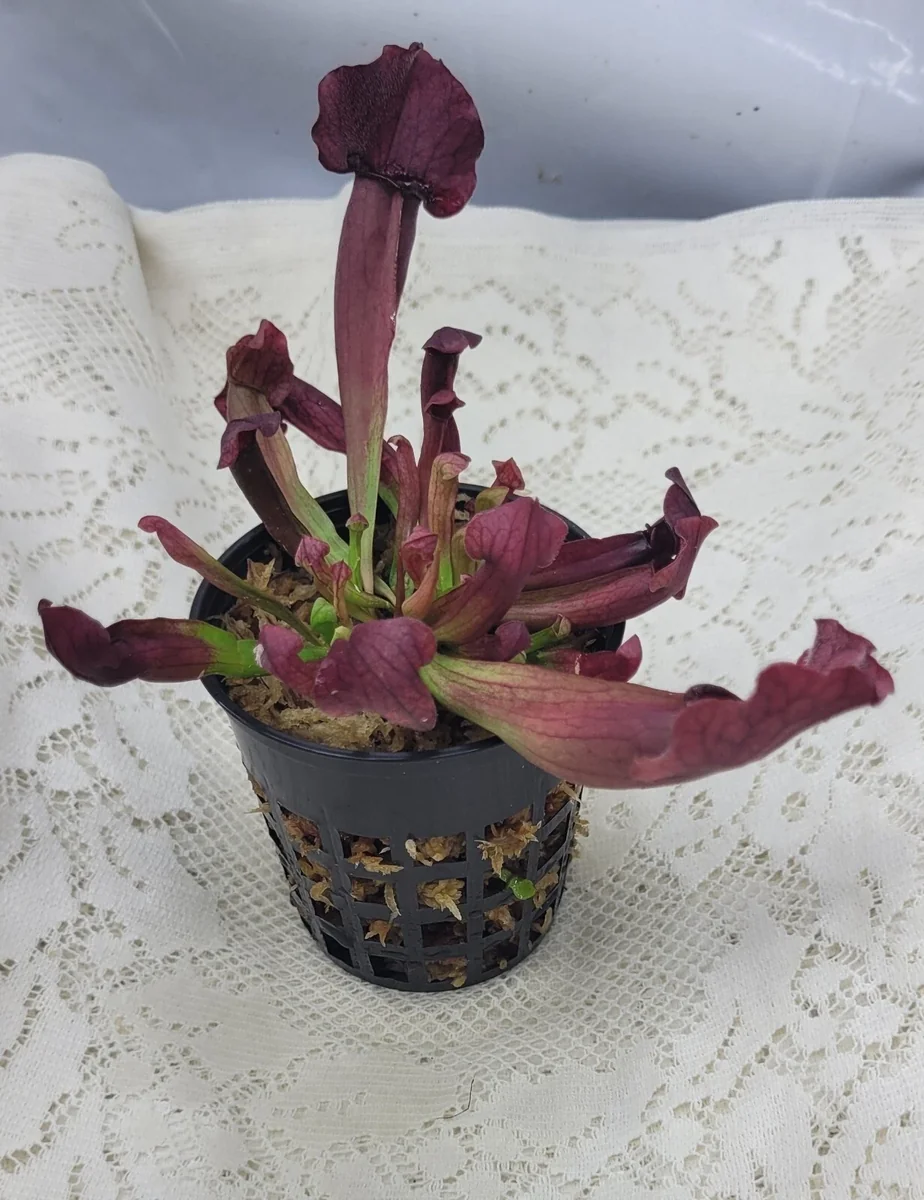
Sarracenia Catesbaei Pitcher Plant – Live Carnivorous Plant, 3.75 inch pot, Indoor
Original price was: $91.96.$45.98Current price is: $45.98.
Bring home the unique beauty of the Sarracenia Catesbaei Pitcher Plant. This striking live pitcher plant is a fascinating carnivorous plant, perfect for adding an exotic touch to your indoor garden. Arrives in a 3.75 inch net pot, ready to thrive.
-
USDA Hardiness Zone
USDA zones 7-9 (outdoors), suitable for year-round indoors with dormancy -
Soil Type
Peat moss and perlite/sand mix -
Sunlight Exposure
Full sun (6-8+ hours direct light) -
Expected Planting Period
Year-round indoors; spring for outdoor planting

You can track your order HERE
Mar 03
Mar 08 - Mar 10
Mar 13 - Mar 17
Shipping and return policies: Our Alive & Thrive Guarantee covers issues with your plants within the first 30 days. Reach out to us. Our team will answer your questions and help you find the plants that are truly suitable for your environment, climate, and personal preferences.

Overview
Introduce an intriguing specimen to your plant collection with the Sarracenia Catesbaei Pitcher Plant. This captivating live pitcher plant is a natural wonder, known for its elegant, upright pitchers that serve as ingenious traps for insects. A hybrid of Sarracenia flava and Sarracenia purpurea, Sarracenia Catesbaei showcases a beautiful blend of features from its parent species, often displaying vibrant coloration and distinctive venation. As a popular carnivorous plant, it not only adds an exotic aesthetic to any space but also provides a fascinating glimpse into the natural world’s predatory mechanisms. Perfect for both novice and experienced plant enthusiasts, this American pitcher plant promises to be a conversation starter and a rewarding addition to your indoor environment.
Originating from the bogs and wetlands of the southeastern United States, Sarracenia Catesbaei is well-adapted to specific growing conditions, making it an excellent choice for a dedicated indoor setup. Its unique form and function make it a standout among houseplants, offering both ornamental value and a touch of the wild. This particular specimen comes as a healthy live pitcher plant, carefully nurtured and ready to continue its growth in your care.
Key Benefits
The Sarracenia Catesbaei Pitcher Plant offers a range of unique benefits, making it an exceptional choice for plant lovers seeking something out of the ordinary:
- Natural Pest Control: As a carnivorous plant, Sarracenia Catesbaei effectively traps and digests insects, helping to naturally manage small insect populations in your home or greenhouse without the need for chemical sprays.
- Exotic Visual Appeal: Its tall, colorful pitchers with intricate patterns and hoods create a stunning focal point, adding a dramatic and exotic element to any indoor plant display or terrarium.
- Educational & Fascinating: Observing the plant’s unique method of attracting and capturing prey is an endlessly fascinating process, offering an educational experience for all ages and deepening appreciation for botanical diversity.
- Low Maintenance (with specific conditions): While it requires specific care conditions, once these are met, the Sarracenia Catesbaei Pitcher Plant is relatively self-sufficient, requiring less frequent attention than many other houseplants.
- Unique Conversation Starter: The unusual nature of a predatory plant is sure to spark curiosity and discussion among guests, making it a memorable addition to your home or office.
- Thrives Indoors: This American pitcher plant is well-suited for indoor cultivation, particularly in controlled environments like windowsills, terrariums, or dedicated plant shelves where its specific light and humidity needs can be met.
- Enhances Biodiversity: By cultivating carnivorous plants like Sarracenia Catesbaei, you contribute to the understanding and appreciation of unique plant adaptations and the broader world of botany.
Plant Care & Growing Tips
Caring for your Sarracenia Catesbaei Pitcher Plant involves understanding its natural bog habitat. This carnivorous plant thrives in consistently moist, nutrient-poor, acidic conditions. For sunlight, it prefers bright, direct light for at least 6-8 hours daily. A south-facing window is ideal indoors, or you can supplement with a strong grow light. Insufficient light will result in weak, pale pitchers and reduced vigor. During its dormant period in winter, it can tolerate slightly less light, but consistent bright light during the growing season is crucial for robust growth and vibrant coloration.
Watering is critical for the health of your Sarracenia Catesbaei indoor plant. Always use distilled water, rainwater, or reverse osmosis water, as tap water often contains minerals that can harm carnivorous plants. Keep the soil consistently moist, never allowing it to dry out completely. Many growers use the tray method, placing the pot in a tray filled with about an inch of water, allowing the plant to wick up moisture as needed. However, ensure some air circulation around the pot to prevent root rot. The ideal soil mix is a combination of peat moss and perlite or horticultural sand, providing both moisture retention and excellent drainage while being low in nutrients.
Sarracenia Catesbaei requires a cool winter dormancy to remain healthy and strong, typically from late fall through early spring. During this period, growth will slow significantly, and some pitchers may die back. Reduce watering slightly, but never let the plant dry out. Temperatures during dormancy should ideally be between 35-50°F (2-10°C). Indoors, an unheated garage, shed, or even the bottom shelf of a refrigerator (in a sealed bag) can simulate these conditions. Fertilization is not necessary, as this American pitcher plant obtains its nutrients from the insects it catches. Avoid feeding it commercial fertilizers, which can burn its delicate roots. Repotting is generally needed every 1-2 years in fresh peat/perlite mix to maintain soil acidity and prevent compaction.
Size & Details
This Sarracenia Catesbaei Pitcher Plant is provided as a healthy, actively growing specimen in a 3.75 inch net pot. The net pot design encourages good air circulation around the roots and is ideal for plants that prefer bog-like conditions. While individual plant height varies based on growth stage and genetics, typical pitcher heights for a mature Sarracenia Catesbaei can range from 12 to 24 inches, with some reaching up to 30 inches under optimal conditions. The plant will continue to grow and develop more pitchers over time, particularly during its active growing season from spring through fall. It is shipped as a live plant, carefully packaged to ensure its safe arrival, ready for you to transplant or place directly into a decorative container or terrarium for your Sarracenia Catesbaei indoor display. Expect to see significant growth and new pitcher formation as it acclimates to its new environment and receives proper care.
Frequently Asked Questions
- Q: How big does this Sarracenia Catesbaei Pitcher Plant get? A: Mature pitchers of Sarracenia Catesbaei can typically reach heights between 12 to 24 inches, and sometimes up to 30 inches. The plant’s overall size will depend on growing conditions and age.
- Q: What size pot does the Sarracenia Catesbaei come in? A: The Sarracenia Catesbaei Pitcher Plant is shipped in a 3.75 inch net pot, which is suitable for initial growth and can be placed into a larger decorative container or directly into a bog garden setup.
- Q: Is this an indoor or outdoor plant? A: While it can be grown outdoors in appropriate climates (USDA zones 7-9), the Sarracenia Catesbaei Pitcher Plant is often cultivated indoors as a fascinating carnivorous plant, especially during colder months, to ensure consistent care and dormancy conditions.
- Q: How much sunlight does my American pitcher plant need? A: This American pitcher plant requires at least 6-8 hours of direct sunlight per day to thrive. A bright south-facing window or supplemental grow lights are recommended for indoor cultivation.
- Q: Is this plant easy to care for? A: While Sarracenia Catesbaei has specific needs regarding water type, soil, and dormancy, it is considered moderately easy to care for once these conditions are understood and met. It is a rewarding plant for beginners willing to learn.
- Q: What condition will my live pitcher plant arrive in? A: Your live pitcher plant will arrive healthy and carefully packaged to minimize stress during transit. Some minor cosmetic imperfections are normal, but the plant will be viable and ready to grow.
- Q: What’s the best soil for Sarracenia Catesbaei? A: The best soil mix for Sarracenia Catesbaei indoor cultivation is a low-nutrient, acidic blend, typically consisting of peat moss mixed with perlite or horticultural sand. Avoid standard potting soil.
- Q: How often should I water my Sarracenia Catesbaei? A: This carnivorous plant prefers consistently moist soil. The tray method is often recommended, where the pot sits in about an inch of distilled water, rainwater, or reverse osmosis water.
- Q: Is the Sarracenia Catesbaei Pitcher Plant pet-safe? A: While generally not considered highly toxic, it’s always best to keep all plants, especially those with unique characteristics like carnivorous plants, out of reach of pets and small children.
- Q: When is the best time to repot my Sarracenia Catesbaei? A: Repotting is best done in late winter to early spring, just before the plant breaks dormancy and begins its active growth period.
Be the first to review “Sarracenia Catesbaei Pitcher Plant – Live Carnivorous Plant, 3.75 inch pot, Indoor”
People Also Viewed
Sold 90 products
$87.98
Sold 77 products
$103.38
Sold 54 products
Original price was: $188.00.$150.40Current price is: $150.40.
Sold 68 products
Original price was: $339.80.$169.90Current price is: $169.90.
Sold 70 products
Original price was: $47.96.$23.98Current price is: $23.98.
Sold 77 products
From $63.80
Sold 91 products
Original price was: $91.98.$45.99Current price is: $45.99.
Sold 92 products
Original price was: $14.36.$7.18Current price is: $7.18.
Sold 99 products
Original price was: $199.80.$99.90Current price is: $99.90.
Sold 63 products
Original price was: $39.98.$19.99Current price is: $19.99.
Sold 82 products
Original price was: $63.80.$31.90Current price is: $31.90.
Sold 94 products
$48.38
Sold 73 products
Original price was: $47.96.$23.98Current price is: $23.98.
Sold 93 products
Original price was: $43.20.$21.60Current price is: $21.60.
Sold 93 products
$85.78

Sold 53 products
Original price was: $115.80.$57.90Current price is: $57.90.
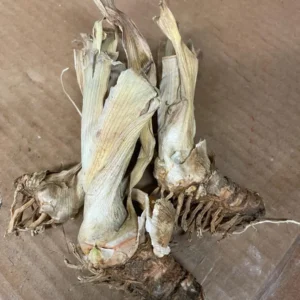
Flower Plants
2 Reblooming Bearded Iris live plant – Iris germanica Bareroot – Purple, 32-36 in Tall
Sold 60 products
From $59.80
Sold 94 products
Original price was: $98.00.$49.00Current price is: $49.00.



Reviews
There are no reviews yet.