
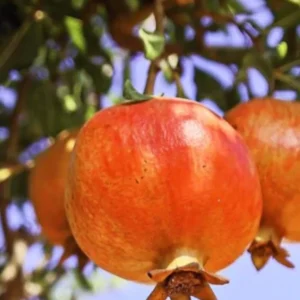
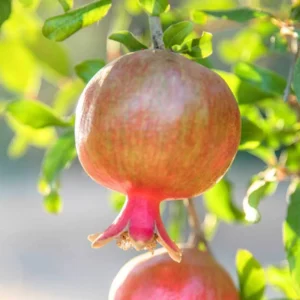
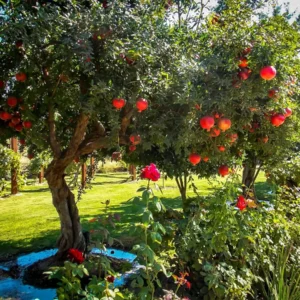
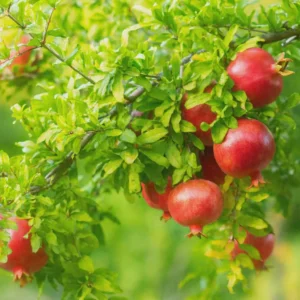
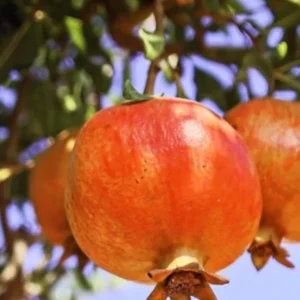
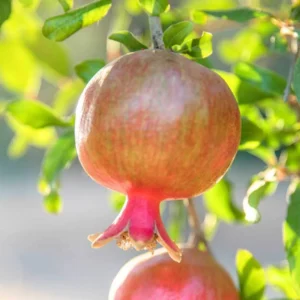
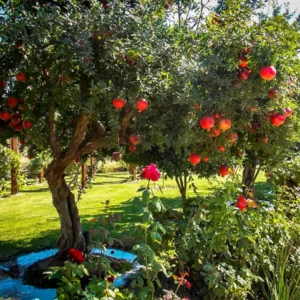
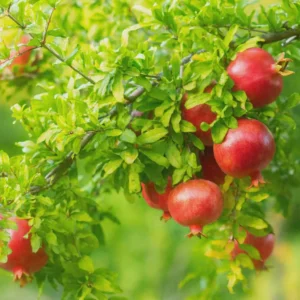
Salavatski Russian Pomegranate Tree Starter Plant – Cold Hardy Punica granatum
Original price was: $36.00.$28.80Current price is: $28.80.
Cultivate your own delicious fruit with this Salavatski Russian Pomegranate Tree starter plant. Known for its exceptional cold hardiness, this cold hardy pomegranate variety thrives in cooler regions (USDA zones 6-9) and produces flavorful, large fruit. Perfect for gardeners seeking a robust and productive fruit tree.
-
USDA Hardiness Zone
USDA zones 6-9 -
Soil Type
Well-draining soil -
Sunlight Exposure
Full sun -
Expected Planting Period
Spring to early summer

You can track your order HERE
Feb 26
Mar 03 - Mar 05
Mar 08 - Mar 12
Shipping and return policies: Our Alive & Thrive Guarantee covers issues with your plants within the first 30 days. Reach out to us. Our team will answer your questions and help you find the plants that are truly suitable for your environment, climate, and personal preferences.

Overview
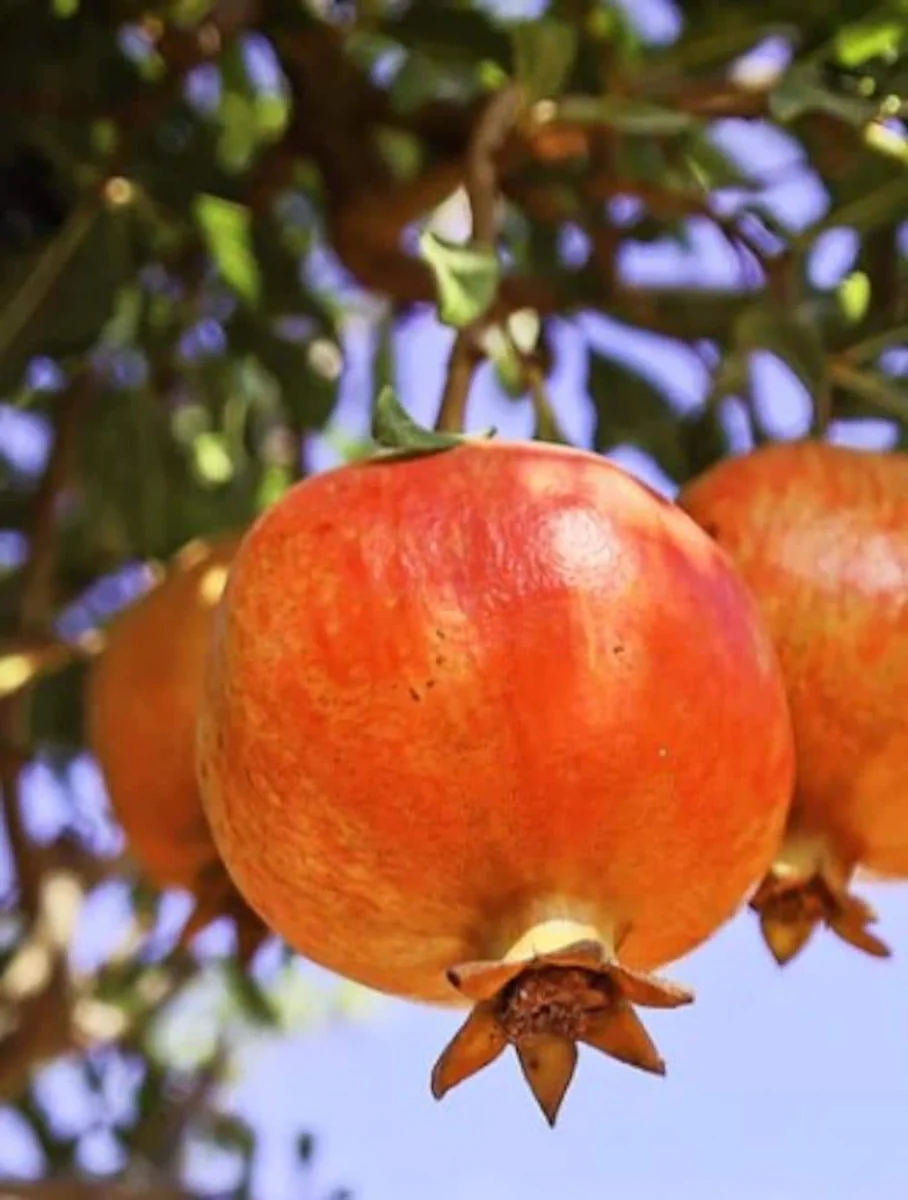
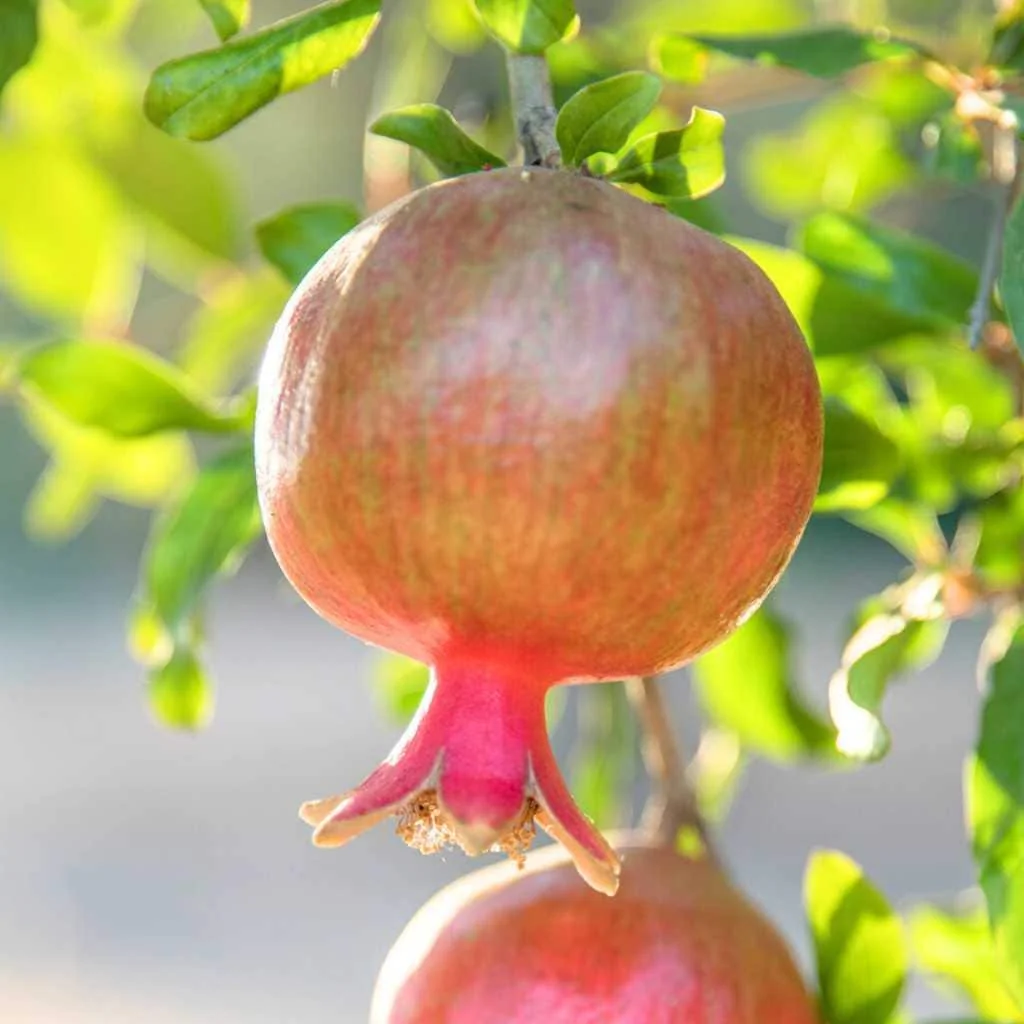
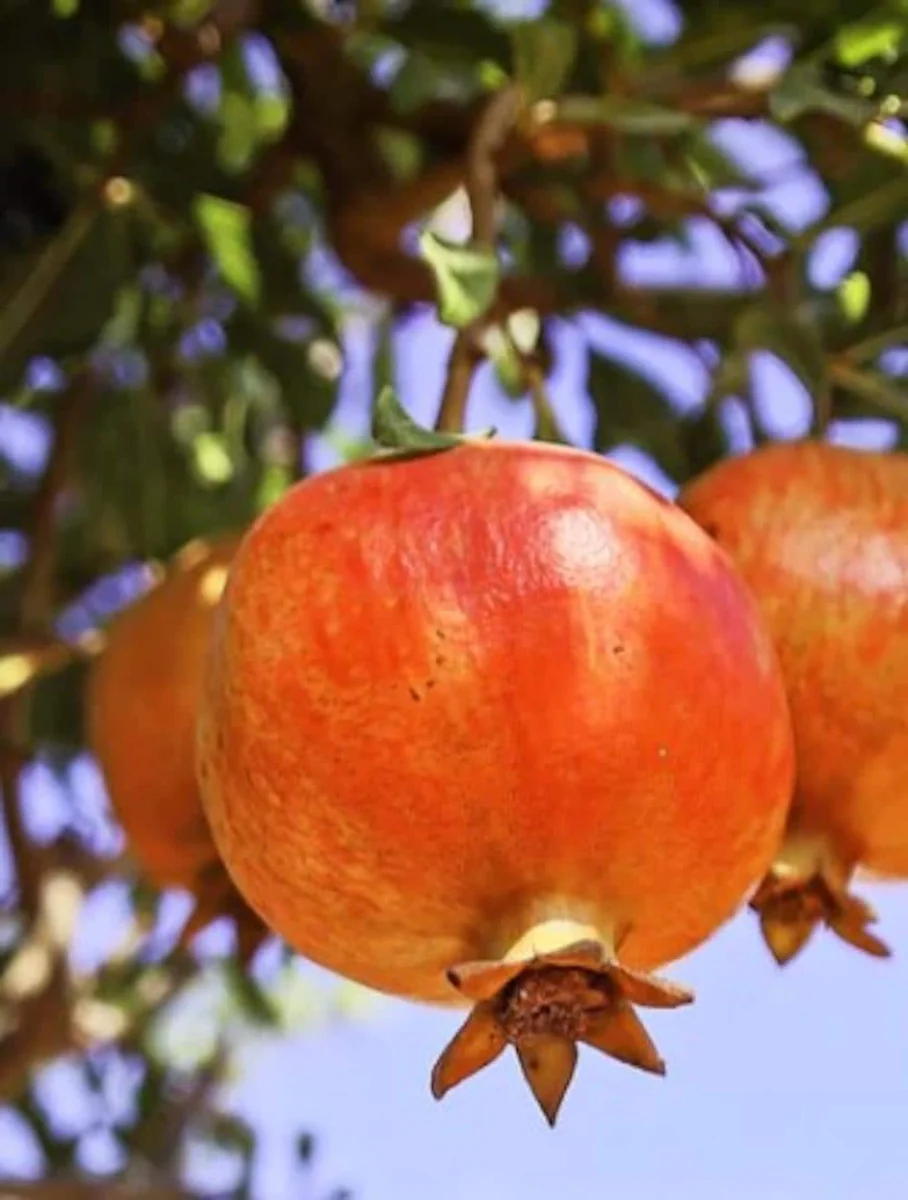
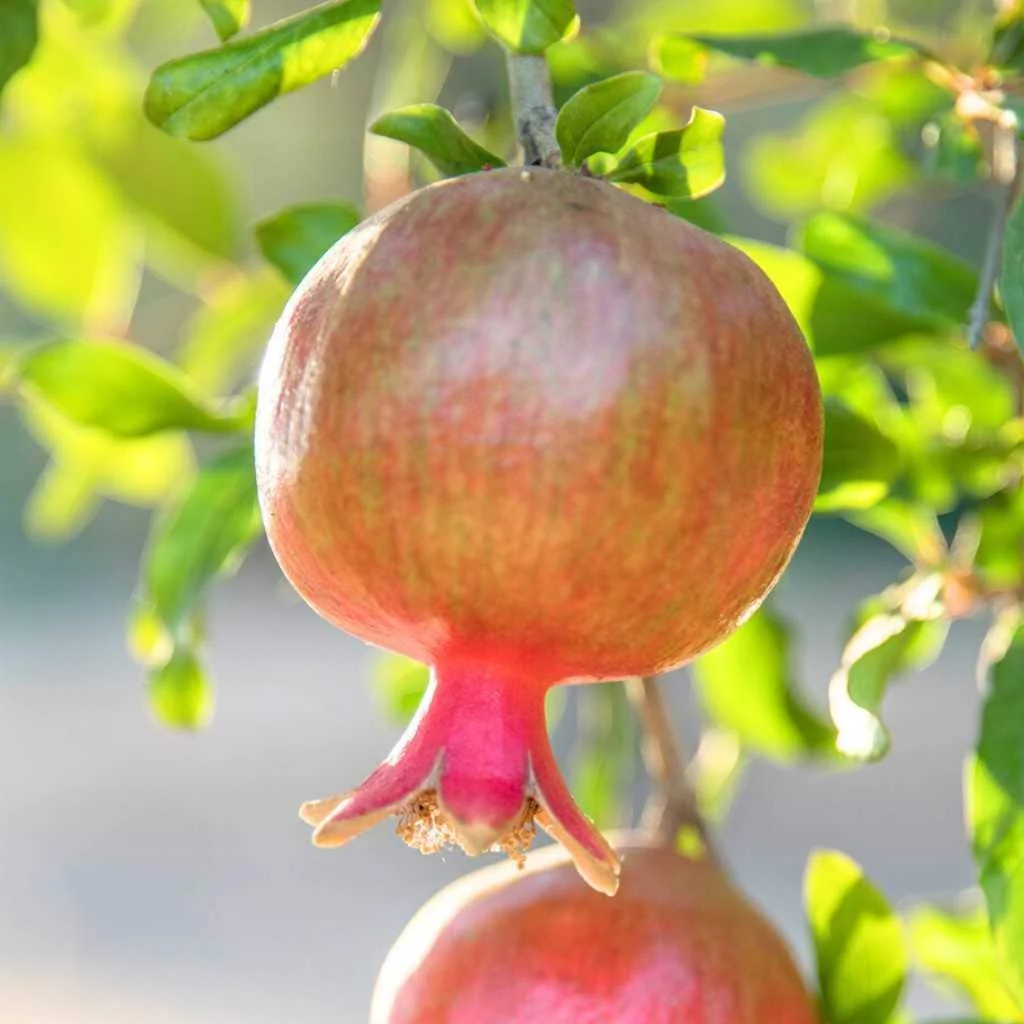
Embark on a rewarding gardening journey with the Salavatski Russian Pomegranate Tree. This vigorous and highly cold-tolerant variety, botanically known as Punica granatum ‘Salavatski’, is perfect for those looking to grow delicious pomegranates in regions where other varieties might struggle. Originally from Afghanistan and meticulously bred for its exceptional hardiness, the ‘Salavatski’ is a standout choice for gardeners in cooler climates. It produces an abundance of large, flavorful fruit, making it a popular addition to home orchards and edible landscapes. This live plant will establish well, offering years of bountiful harvests. Its adaptability to fluctuating temperatures makes it a reliable performer, even in challenging conditions, ensuring you can enjoy fresh, homegrown pomegranates.
The Salavatski Russian Pomegranate Tree is a true gem for fruit enthusiasts. Its robust nature and ability to withstand significant cold make it a unique offering in the world of pomegranates. Unlike many other pomegranate varieties that require warmer climates, the ‘Salavatski’ opens up the possibility of growing this exotic fruit to a much wider audience. Imagine harvesting your own juicy pomegranates, rich in antioxidants and flavor, right from your backyard. This starter plant provides an excellent foundation for a thriving fruit tree that will not only be productive but also add an attractive, exotic touch to your garden.
Key Benefits
Choosing the Salavatski Russian Pomegranate Tree for your garden offers a multitude of advantages, combining resilience with delicious yields. This variety is designed to perform, even in less-than-ideal conditions, making it a smart investment for any gardener.
- Exceptional Cold Hardiness: The ‘Salavatski’ variety is renowned for its ability to withstand temperatures as low as 5°F and potentially even below 0°F with some protection, making it a truly cold hardy pomegranate suitable for USDA zones 6-9. This resilience significantly expands the growing range for pomegranates.
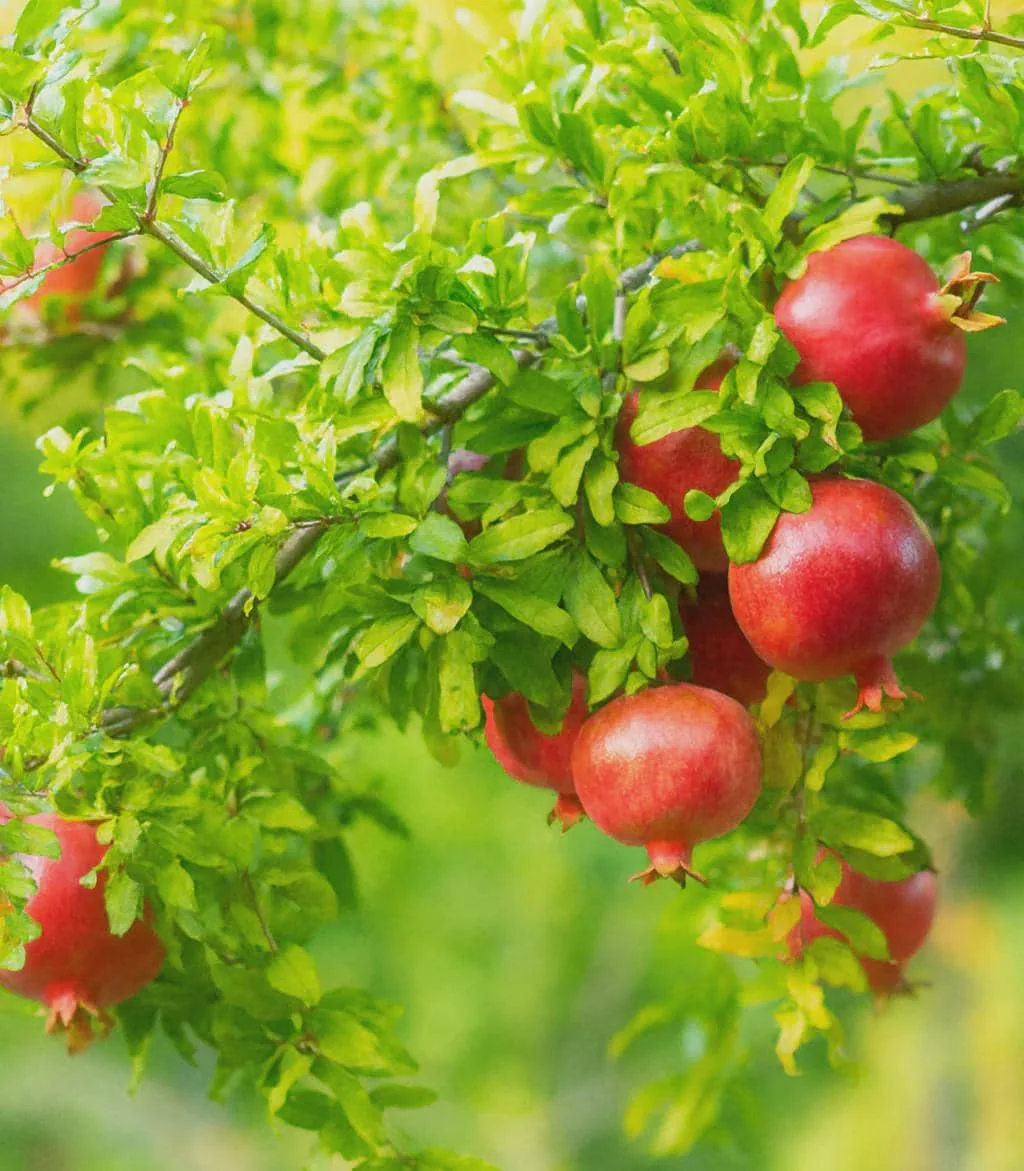
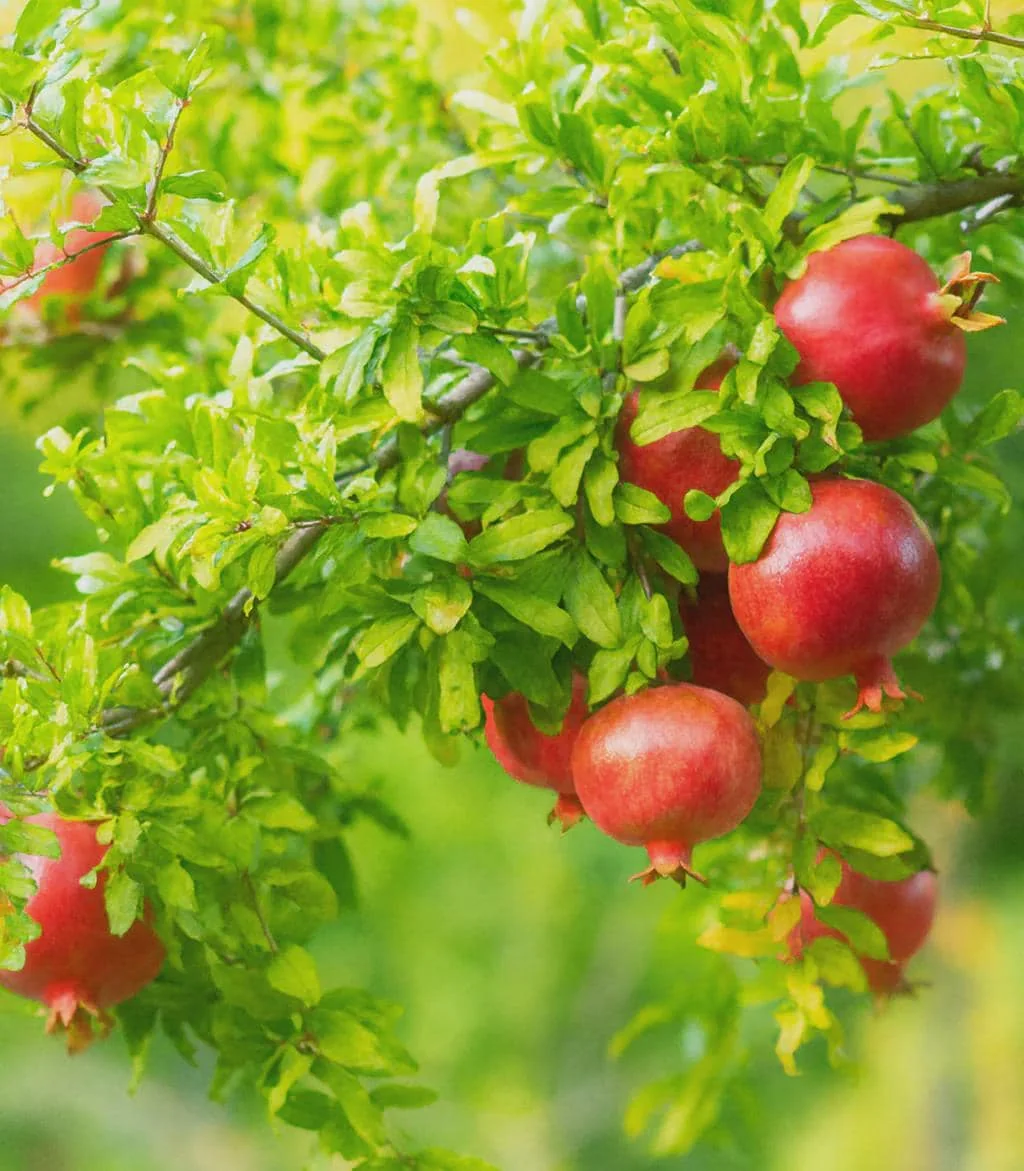
- Abundant, Flavorful Fruit: Enjoy a generous harvest of large fruit pomegranate with a delightful balance of sweetness and tartness, perfect for fresh eating, juices, or culinary creations.
- Vigorous Growth: This variety is known for its strong, healthy growth habits, ensuring a robust plant that establishes quickly and thrives over many seasons.
- Disease Resistance: The ‘Salavatski’ generally exhibits good resistance to common pomegranate diseases, contributing to easier maintenance and healthier yields.
- Attractive Landscape Plant: Beyond its fruit production, the pomegranate tree offers ornamental value with its vibrant red-orange flowers in spring and attractive foliage, adding beauty to your garden.
- Low Maintenance: Once established, the Punica granatum Salavatski requires relatively low maintenance, making it suitable for both experienced and novice gardeners.
- Drought Tolerance: While regular watering is beneficial, established pomegranate trees are quite drought-tolerant, making them a water-wise choice in many regions.
Plant Care & Growing Tips
Caring for your Salavatski Russian Pomegranate Tree is straightforward, especially given its hardy nature. To ensure optimal growth and fruit production, understanding its specific needs is crucial. This variety thrives in full sun, requiring at least 6-8 hours of direct sunlight daily for the best fruit development. Plant your starter in well-draining soil; pomegranates are not fond of wet feet. A slightly acidic to neutral soil pH (6.0-7.0) is ideal. When planting, amend heavy clay soils with organic matter to improve drainage and aeration. For best results, consider a regular watering schedule, especially during dry spells and when the fruit is developing, but allow the top few inches of soil to dry out between waterings to prevent root rot.
Fertilize your young Salavatski Russian Pomegranate Tree in early spring with a balanced slow-release fertilizer. As the tree matures, a fertilizer higher in potassium can encourage better fruiting. Pruning is best done in late winter or early spring while the tree is dormant. Focus on removing dead, damaged, or crossing branches, and thin out overcrowded areas to improve air circulation and sunlight penetration. This also helps shape the tree and promote stronger fruit-bearing wood. While this is a cold hardy pomegranate, in the coldest parts of its range (USDA zone 6), providing winter protection like mulching heavily around the base or wrapping young trees can further enhance survival in extreme cold. Regularly inspect for pests and diseases, though the ‘Salavatski’ is generally quite resilient. With proper care, your Russian pomegranate care routine will lead to a healthy, productive tree.
Size & Details
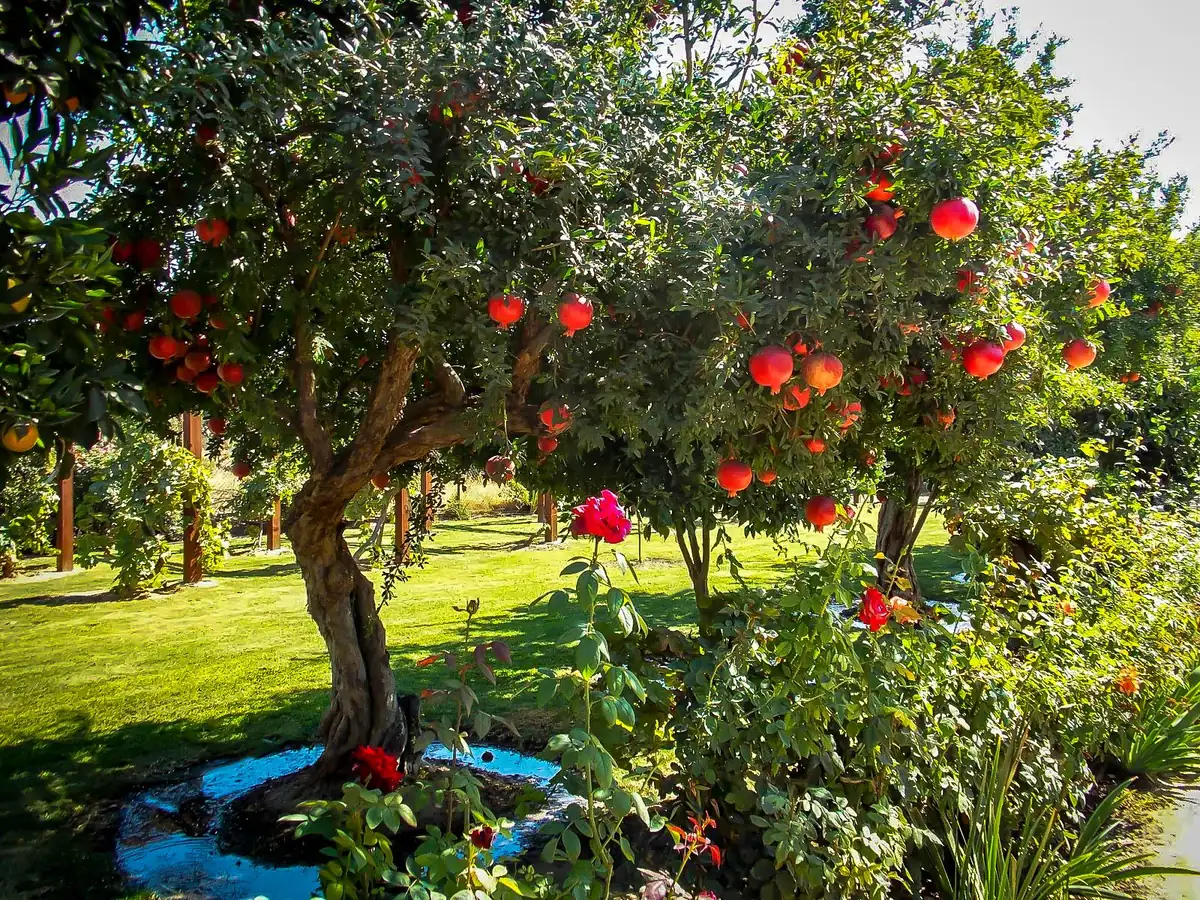
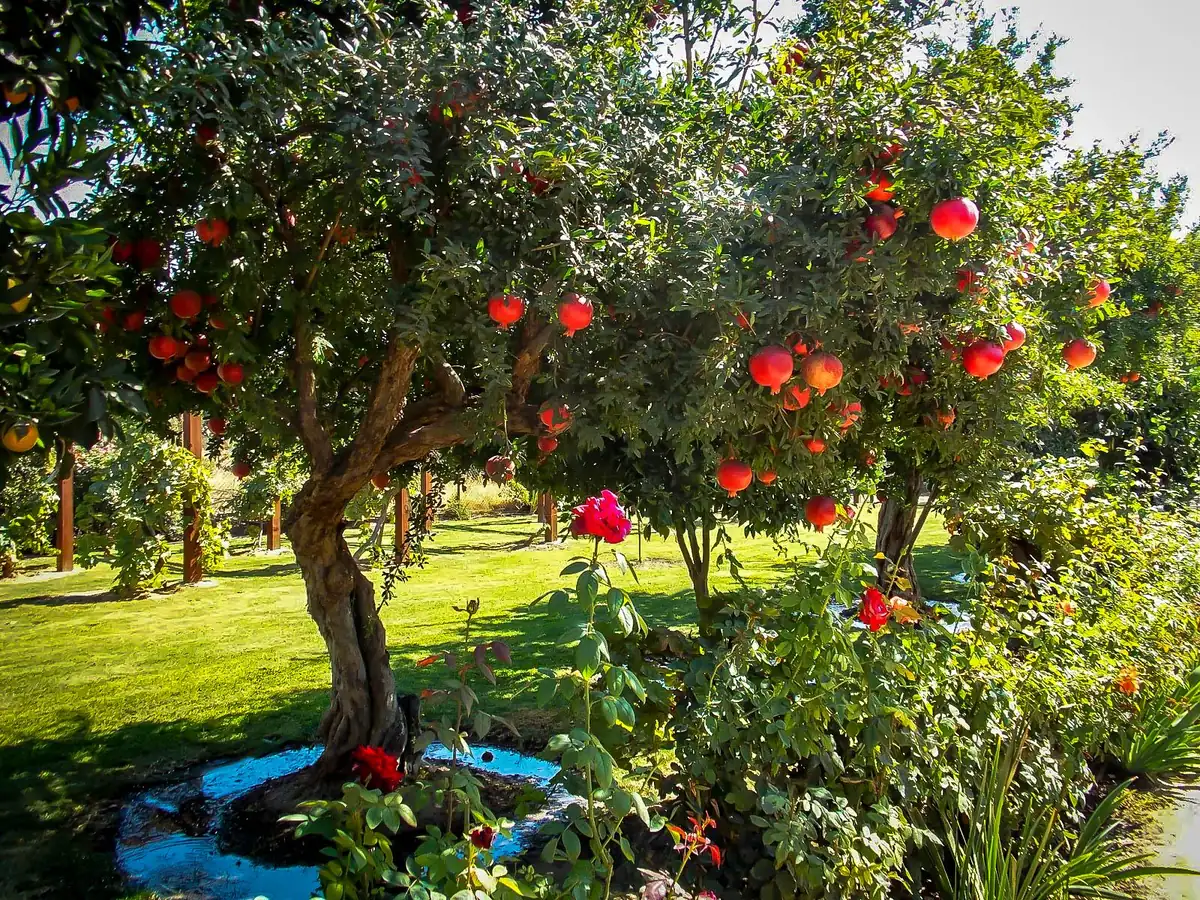
This offering is for one Salavatski Russian Pomegranate Tree starter plant. While specific dimensions may vary slightly depending on the exact stage of growth, these plants are typically robust young specimens, ready to be transplanted and establish quickly in your garden. Pomegranate trees can grow to a mature height of 10-20 feet with a similar spread, though they can be kept smaller with regular pruning. They are often grown as multi-stemmed shrubs but can be trained into a small tree form. The plant will be shipped as a bare root specimen, which is a common and effective method for establishing deciduous fruit trees. This allows the plant to focus its energy on root development upon planting. Expect the tree to begin producing fruit within 2-3 years, with yields increasing as it matures. Its medium growth rate means you won’t have to wait too long to enjoy the fruits of your labor.
Frequently Asked Questions
- Q: How big does this plant get? A: The Salavatski Russian Pomegranate Tree can reach a mature height of 10-20 feet and a similar spread, depending on growing conditions and pruning. It can be maintained as a smaller shrub or trained into a small tree.
- Q: Is this an indoor or outdoor plant? A: This is primarily an outdoor plant, especially suited for USDA zones 6-9 due to its exceptional cold hardiness. It requires direct sunlight and space to grow to its full potential.
- Q: How much sunlight does it need? A: The Salavatski Russian Pomegranate Tree thrives in full sun, requiring at least 6-8 hours of direct sunlight per day to produce the best fruit.
- Q: Is this plant easy to care for? A: Yes, once established, the cold hardy pomegranate is relatively low-maintenance. It’s robust and forgiving, making it a good choice for various levels of gardening experience.
- Q: What condition will it arrive in? A: This plant is typically shipped as a bare root starter, meaning it will arrive without soil or a pot, ready for immediate planting upon arrival.
- Q: How long until it blooms? A: Pomegranate trees generally begin flowering and fruiting within 2-3 years of planting, with production increasing as the tree matures.
- Q: Will it survive winter in my zone? A: The ‘Salavatski’ is known for its exceptional cold hardiness, surviving temperatures as low as 5°F and potentially below 0°F with protection. It is recommended for USDA zones 6-9.
- Q: What’s the minimum temperature it can tolerate? A: This variety can tolerate temperatures down to 5°F and possibly lower with adequate winter protection. This makes it a truly cold hardy pomegranate.
- Q: What kind of soil does it prefer? A: It prefers well-draining soil with a slightly acidic to neutral pH (6.0-7.0). Good drainage is crucial to prevent root issues.
- Q: How does the Punica granatum Salavatski fruit taste? A: The fruit is known for its large size and delicious, balanced flavor, offering a perfect blend of sweetness and tartness, ideal for a variety of culinary uses.
Be the first to review “Salavatski Russian Pomegranate Tree Starter Plant – Cold Hardy Punica granatum”
People Also Viewed
Sold 95 products
$65.98
Sold 50 products
Original price was: $51.98.$25.99Current price is: $25.99.
Sold 52 products
$81.38
Sold 77 products
Original price was: $679.96.$339.98Current price is: $339.98.
Sold 93 products
Original price was: $39.98.$19.99Current price is: $19.99.
Sold 63 products
Original price was: $27.92.$13.96Current price is: $13.96.
Sold 56 products
From $9.85
Sold 84 products
Original price was: $216.00.$108.00Current price is: $108.00.
Sold 78 products
Original price was: $391.96.$195.98Current price is: $195.98.
Sold 63 products
Original price was: $29.98.$20.98Current price is: $20.98.
Sold 82 products
Original price was: $147.16.$73.58Current price is: $73.58.
Sold 62 products
Original price was: $355.96.$177.98Current price is: $177.98.
Sold 98 products
Original price was: $49.98.$24.99Current price is: $24.99.
Sold 77 products
$39.58
Sold 96 products
Original price was: $211.96.$105.98Current price is: $105.98.
Sold 99 products
Original price was: $463.96.$231.98Current price is: $231.98.
Sold 77 products
Original price was: $63.96.$31.98Current price is: $31.98.
Sold 89 products
Original price was: $54.36.$27.18Current price is: $27.18.


Reviews
There are no reviews yet.