
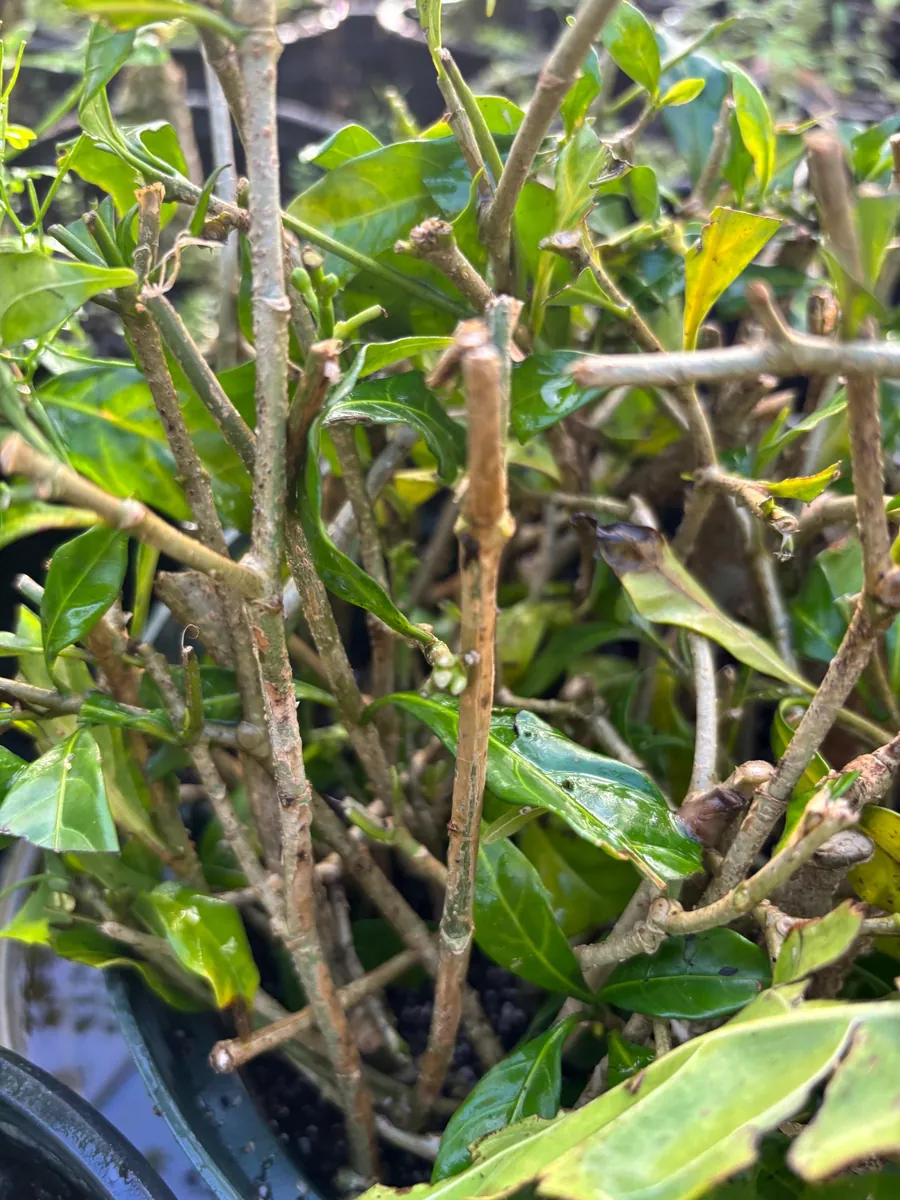
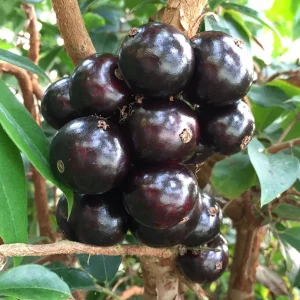
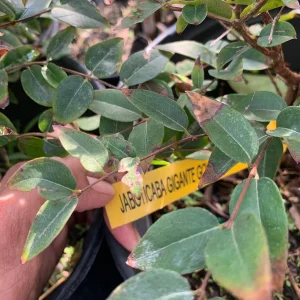
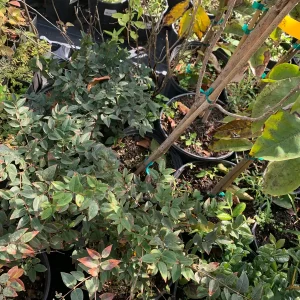
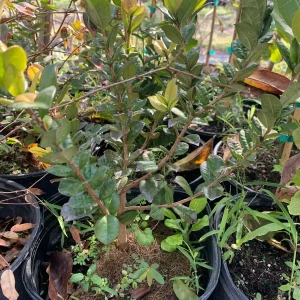
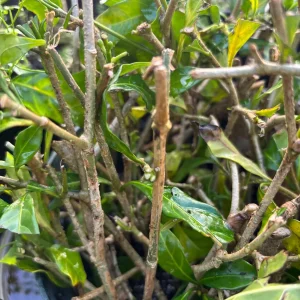
Sabara Jaboticaba Live Grafted Tree – 3 Gallon Pot – Exotic Fruit Plant
From $50.00
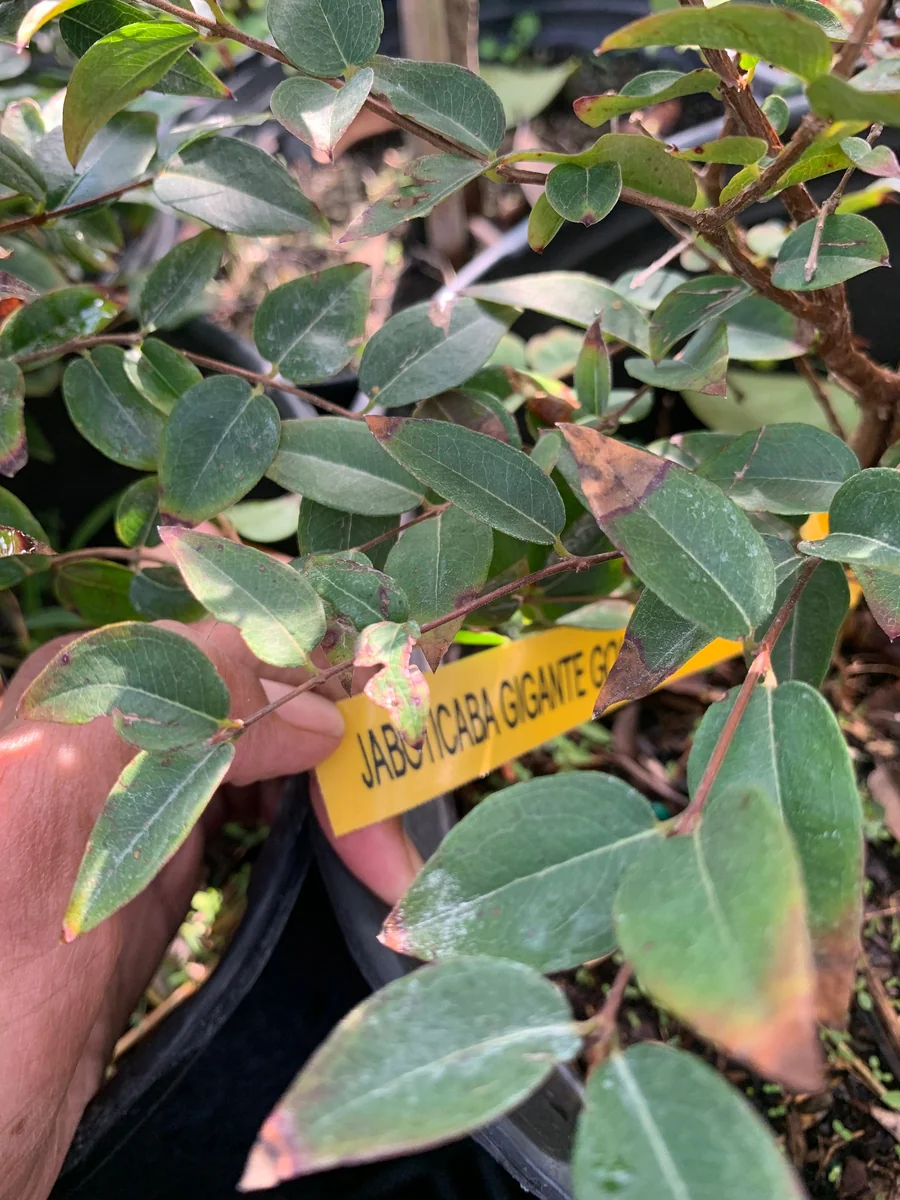
Cultivate your own exotic fruit with this sabara jaboticaba tree. This live jaboticaba plant is grafted for superior fruit production and comes ready for planting in a 3 Gallon Pot. Enjoy unique, delicious black fruits.
-
USDA Hardiness Zone
USDA Zones 9-11 -
Soil Type
Well-draining, slightly acidic soil -
Sunlight Exposure
Full sun to partial shade -
Expected Planting Period
Year-round in warm climates; Spring to Summer in others

You can track your order HERE
Mar 05
Mar 10 - Mar 12
Mar 15 - Mar 19
Shipping and return policies: Our Alive & Thrive Guarantee covers issues with your plants within the first 30 days. Reach out to us. Our team will answer your questions and help you find the plants that are truly suitable for your environment, climate, and personal preferences.

Overview
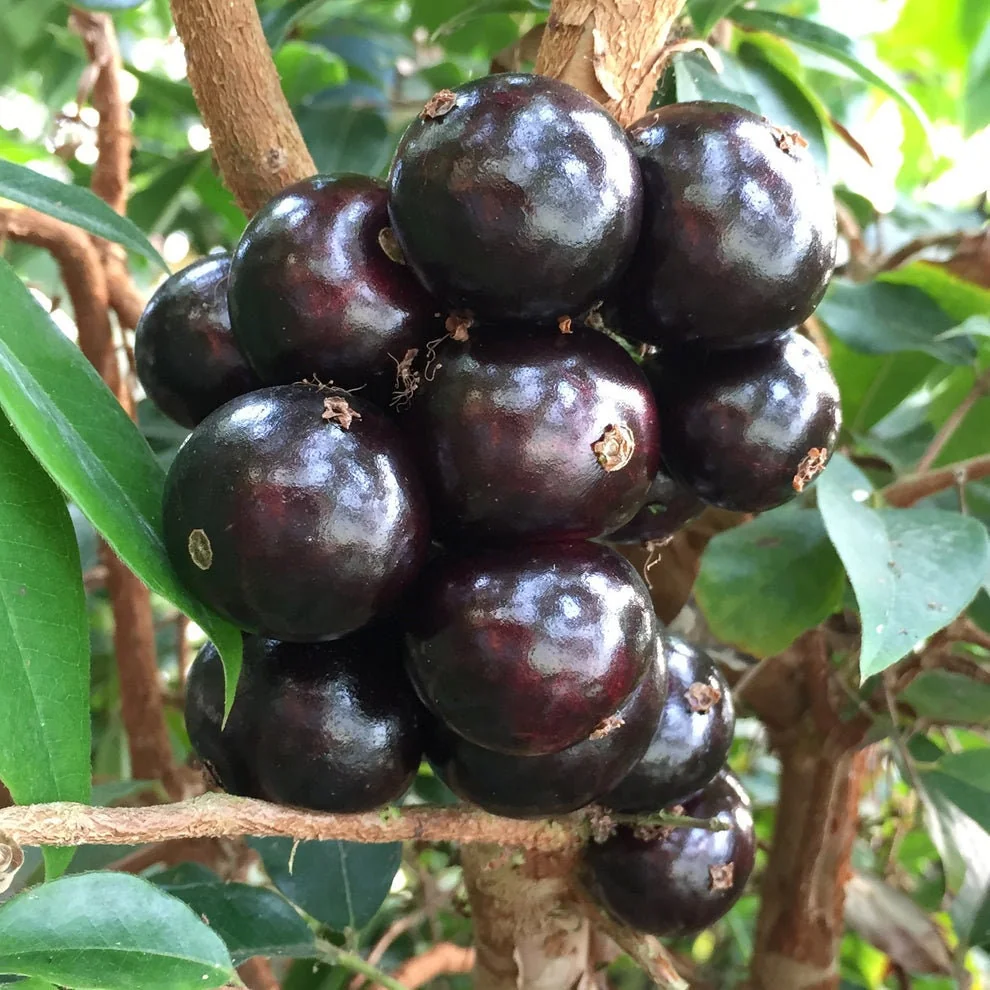
Discover the joy of growing your own exotic fruits with the sabara jaboticaba tree. This remarkable jaboticaba fruit tree, scientifically known as Myrciaria cauliflora, is a highly sought-after plant for its unique growth habit and delicious fruits. Unlike most fruit trees, the jaboticaba produces its fruit directly on the trunk and main branches, creating a striking visual display. Our offering is a live, grafted specimen, ensuring that you receive a mature plant with established fruiting characteristics, ready to thrive in your garden or a large container. The Sabara variety is particularly prized for its sweet, juicy, black-skinned fruits that can be eaten fresh, made into jellies, jams, wines, or used in various culinary creations, adding an exotic twist to your recipes. This live jaboticaba plant is a true conversation starter and a rewarding addition to any edible landscape.
The jaboticaba is native to Brazil and thrives in subtropical climates, making it an excellent choice for warmer regions or as a container plant in cooler zones where it can be brought indoors during winter. Its evergreen foliage provides year-round beauty, and the frequent flushes of fruit can occur several times a year under ideal conditions. Growing a sabara jaboticaba tree allows you to experience the fresh, unique flavor that is rarely found in commercial markets due to its delicate nature and short shelf life. This makes home cultivation the best way to savor its delectable taste.
Key Benefits
Bringing a sabara jaboticaba tree into your home or garden offers a multitude of advantages, from its ornamental appeal to its delicious, healthy fruit. This unique plant provides both aesthetic beauty and culinary delight, making it a valuable addition to any plant collection. Enjoy the benefits of fresh, homegrown exotic fruit.
- Exotic Fruit Production: Enjoy an abundant harvest of unique, sweet, and juicy black fruits directly from the trunk of your live jaboticaba plant. These fruits are perfect for eating fresh, making jams, jellies, and beverages, offering a taste experience unlike any other.
- Ornamental Value: The jaboticaba’s unique fruiting habit, where berries grow directly on the bark, creates an incredibly striking and beautiful display, making it a fascinating focal point in any garden or patio setting. Its dense, evergreen foliage adds year-round greenery.
- Container Growing Potential: Despite being a tree, the sabara jaboticaba tree adapts exceptionally well to container living, especially when young. This makes it suitable for patios, balconies, or for growers in cooler climates who need to move the plant indoors during colder months.
- Long Lifespan: Jaboticaba trees are known for their longevity, often living for many decades, providing a long-term source of delicious fruit and beauty for generations to come.
- Health Benefits: Jaboticaba fruits are rich in antioxidants, vitamins, and minerals, contributing to a healthy diet. Growing your own ensures you have access to fresh, chemical-free produce.
- Unique Culinary Ingredient: The sweet flavor of the jaboticaba fruit is versatile, perfect for creating unique desserts, sauces, and even fermented beverages, inspiring culinary creativity.
- Relatively Low Maintenance: Once established, this jaboticaba fruit tree is surprisingly resilient and requires consistent, but not overly demanding, care to thrive and produce fruit regularly.
Plant Care & Growing Tips
Caring for your sabara jaboticaba tree is a rewarding experience that will lead to plentiful harvests of exotic fruit. This live jaboticaba plant thrives with consistent attention to its environmental needs. For optimal growth and fruiting, provide plenty of sunlight. Jaboticaba trees prefer full sun to partial shade; at least 6-8 hours of direct sunlight per day is ideal for robust fruit production. In very hot climates, some afternoon shade can prevent leaf scorch. When grown indoors, place it near a bright, south-facing window or supplement with grow lights to ensure it receives adequate light.
Watering is crucial for jaboticabas, as they prefer consistently moist soil but not waterlogged conditions. Allow the top inch or two of soil to dry out slightly between waterings, especially for container-grown plants. Good drainage is paramount to prevent root rot. Use a well-draining, slightly acidic soil mix. A blend of potting soil, compost, and perlite or sand works well. Fertilize your grimal jaboticaba care with a balanced, slow-release fertilizer formulated for fruit trees or acid-loving plants, especially during the growing season (spring and summer). Reduce fertilization in fall and winter. These trees are generally hardy in USDA Zones 9-11, tolerating temperatures down to about 20-25°F (-4°C) for short periods. Protect young trees from frost. Pruning is generally minimal, focusing on removing dead or crossing branches and shaping the tree for aesthetic purposes or to encourage bushier growth.
Size & Details
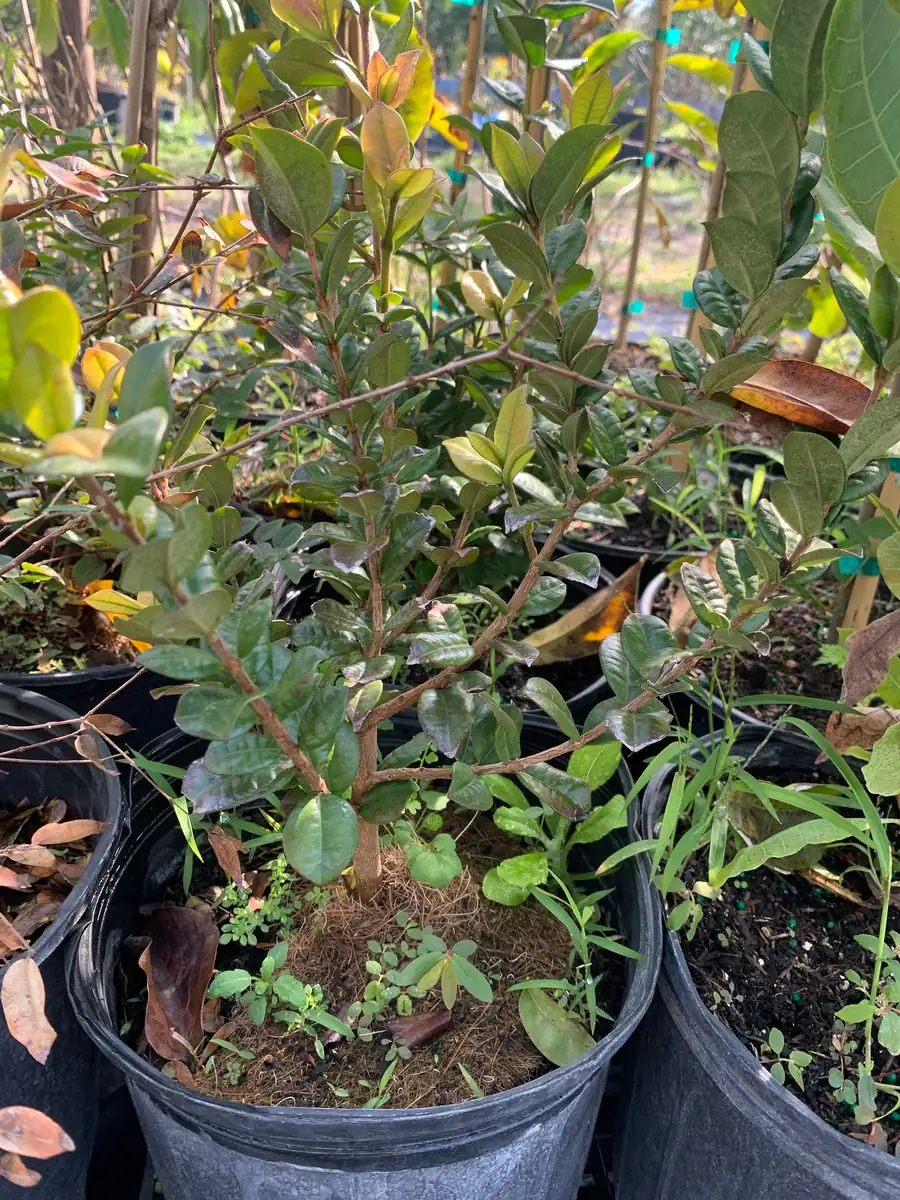
This offering is for a sabara jaboticaba tree, a live grafted plant, ready to be established in your garden or a larger container. It arrives in a 3 Gallon Pot, providing a healthy root system and a good head start for growth. Grafted trees typically begin fruiting sooner than those grown from seed, often within a few years. The mature size of a jaboticaba tree can vary, but in ideal conditions, it can reach heights of 10-20 feet with a similar spread if planted in the ground. When grown in containers, its size can be managed through pruning, typically remaining more compact, around 5-8 feet tall. The growth rate is moderate, and with proper care, you can expect your jaboticaba fruit tree to produce multiple flushes of fruit throughout the year. It ships as a healthy, actively growing specimen, ready for its new home.
Frequently Asked Questions
- Q: How big does this sabara jaboticaba tree get? A: When planted in the ground, a sabara jaboticaba tree can reach heights of 10-20 feet, with a similar spread. If grown in a container, its size can be managed through pruning, typically staying more compact, around 5-8 feet tall, making it suitable for patios.
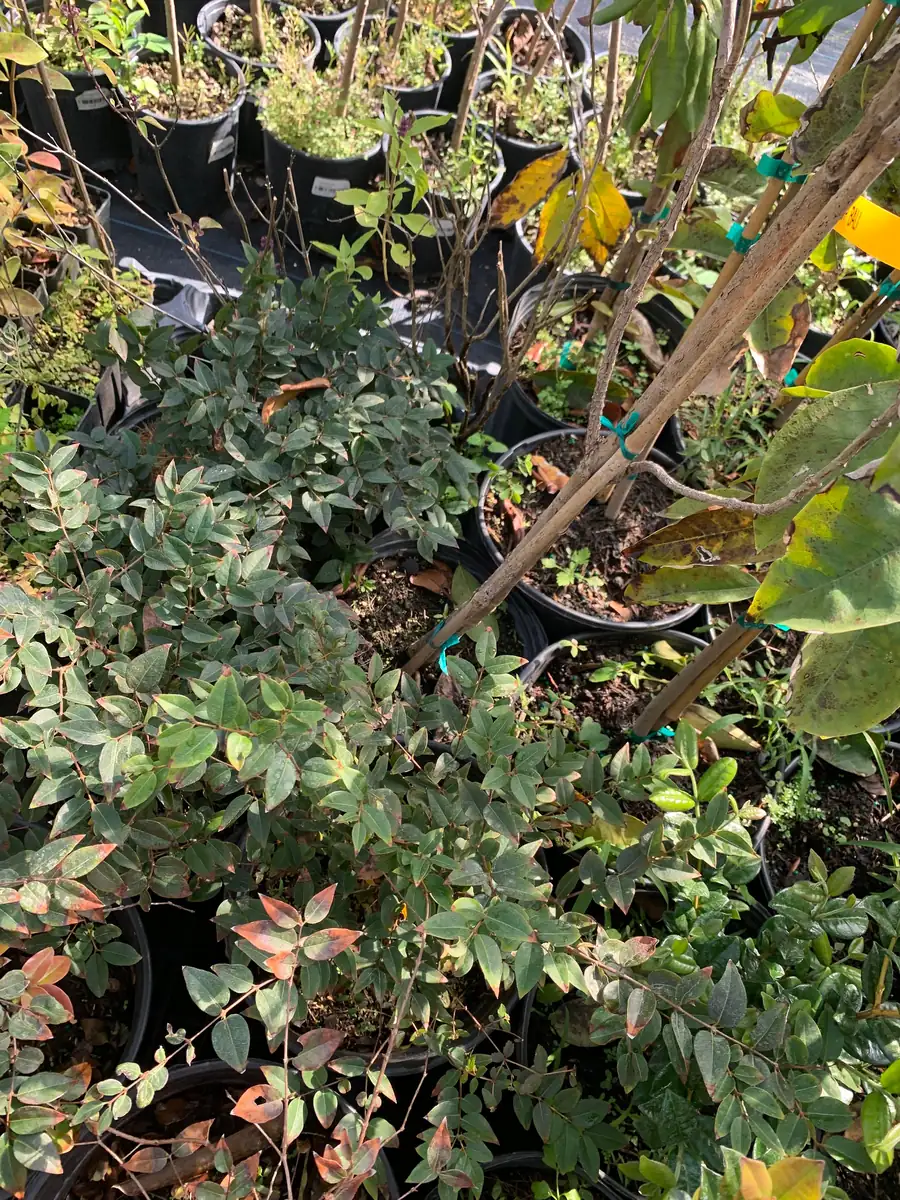
- Q: What size pot does it come in? A: This live jaboticaba plant is shipped in a sturdy 3 Gallon Pot, providing a robust root system and a strong foundation for continued growth once it arrives at your home.
- Q: Is this an indoor or outdoor plant? A: The sabara jaboticaba tree thrives outdoors in USDA Zones 9-11. In cooler climates, it can be grown as a container plant and brought indoors during colder months. It can also be grown indoors year-round with sufficient light.
- Q: How much sunlight does it need? A: For optimal health and fruit production, your jaboticaba fruit tree requires at least 6-8 hours of direct sunlight daily. In very hot regions, providing some afternoon shade can be beneficial to prevent leaf scorch.
- Q: Is this plant easy to care for? A: Once established, the sabara jaboticaba tree is considered relatively low-maintenance. Consistent watering, good drainage, and appropriate fertilization are key to its success. It’s a rewarding plant for gardeners of all experience levels.
- Q: What condition will it arrive in? A: Your live jaboticaba plant will arrive as a healthy, actively growing specimen. Please note that shipping live plants can cause some stress, and minor leaf drop is normal, but the plant typically recovers quickly.
- Q: How long until it blooms and fruits? A: As this is a grafted sabara jaboticaba tree, it is more mature and will typically begin to bloom and fruit within 1-3 years of planting, significantly faster than seed-grown plants.
- Q: What’s the best soil for a jaboticaba? A: The jaboticaba fruit tree prefers a well-draining, slightly acidic soil mix. A blend of good quality potting soil, compost, and perlite or sand will provide the ideal growing medium.
- Q: Can I use the fruits in cooking? A: Absolutely! The fruits of the sabara jaboticaba tree are delicious fresh and can be used to make a variety of culinary delights, including jams, jellies, wines, juices, and desserts.
- Q: Will it survive winter in my zone? A: This jaboticaba fruit tree is hardy in USDA Zones 9-11. If you live in a colder zone, it’s best to grow it in a container and move it indoors to a sheltered, bright location when temperatures drop below freezing.
| sell by sizes | 6 Cutting W/O Roots, Grafted Plant |
|---|
Be the first to review “Sabara Jaboticaba Live Grafted Tree – 3 Gallon Pot – Exotic Fruit Plant”
People Also Viewed
Sold 50 products
Original price was: $105.98.$52.99Current price is: $52.99.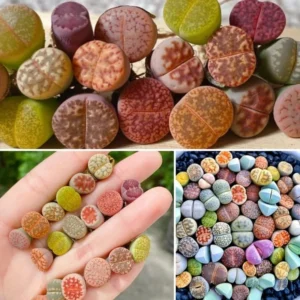
HousePlants
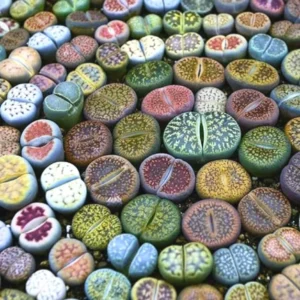
Lithops Live Plants Mix – 10 Large Colorful Living Stones Succulents for Indoor/Outdoor Growing
Sold 97 products
Original price was: $27.98.$13.99Current price is: $13.99.
Sold 58 products
Original price was: $149.98.$74.99Current price is: $74.99.
Sold 83 products
Original price was: $36.00.$18.00Current price is: $18.00.
Sold 59 products
Original price was: $39.96.$19.98Current price is: $19.98.
Sold 90 products
Original price was: $40.00.$20.00Current price is: $20.00.
Sold 83 products
Original price was: $91.98.$45.99Current price is: $45.99.
Sold 59 products
Original price was: $39.98.$19.99Current price is: $19.99.
Sold 85 products
Original price was: $319.96.$159.98Current price is: $159.98.
Seeds
Saffron Milk Cap Mycelium Spawn (Lactarius deliciosus) on Dry Seeds – Outdoor Mushroom Cultivation
Sold 93 products
Original price was: $36.00.$18.00Current price is: $18.00.
Sold 60 products
Original price was: $108.00.$54.00Current price is: $54.00.
Sold 82 products
Original price was: $192.00.$96.00Current price is: $96.00.

Sold 61 products
Original price was: $355.96.$177.98Current price is: $177.98.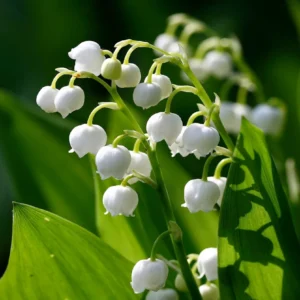
Flower Bulbs
Lily of the Valley Bulbs – Convallaria majalis – Fragrant, Easy Care Perennial – Zone 3-7
Sold 56 products
$31.90
Sold 58 products
Original price was: $44.00.$22.00Current price is: $22.00.
Sold 63 products
Original price was: $77.08.$38.54Current price is: $38.54.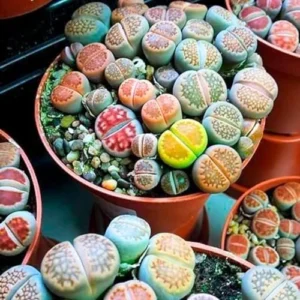
HousePlants
Lithops Live Plants Mix – 30 Colorful Succulents – Living Stones for Indoor/Outdoor Planting
Sold 95 products
Original price was: $65.98.$32.99Current price is: $32.99.
Sold 80 products
From $63.80


Reviews
There are no reviews yet.