
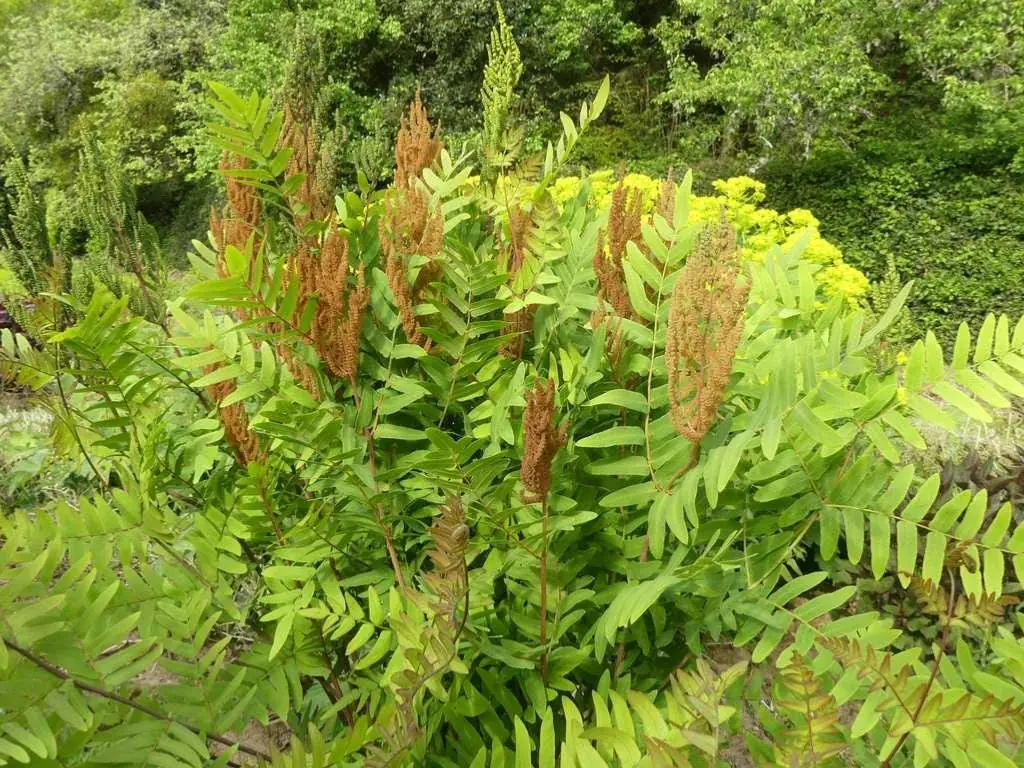
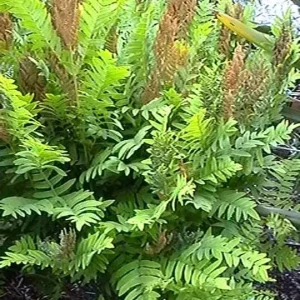
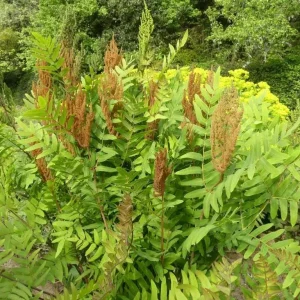
Royal Fern (Osmunda Regalis) Bare-root Plant – Deciduous Wetland Fern
From $47.80
Bring regal beauty to your garden with a royal fern bare root plant. This tall, elegant deciduous fern (Osmunda regalis) thrives in moist, shaded wetland environments, adding a touch of natural splendor.
-
USDA Hardiness Zone
3-9 -
Soil Type
Moist, rich, organic, acidic to neutral soil -
Sunlight Exposure
Partial to full shade -
Expected Planting Period
Spring to early summer

You can track your order HERE
Mar 16
Mar 21 - Mar 23
Mar 26 - Mar 30
Shipping and return policies: Our Alive & Thrive Guarantee covers issues with your plants within the first 30 days. Reach out to us. Our team will answer your questions and help you find the plants that are truly suitable for your environment, climate, and personal preferences.

Overview
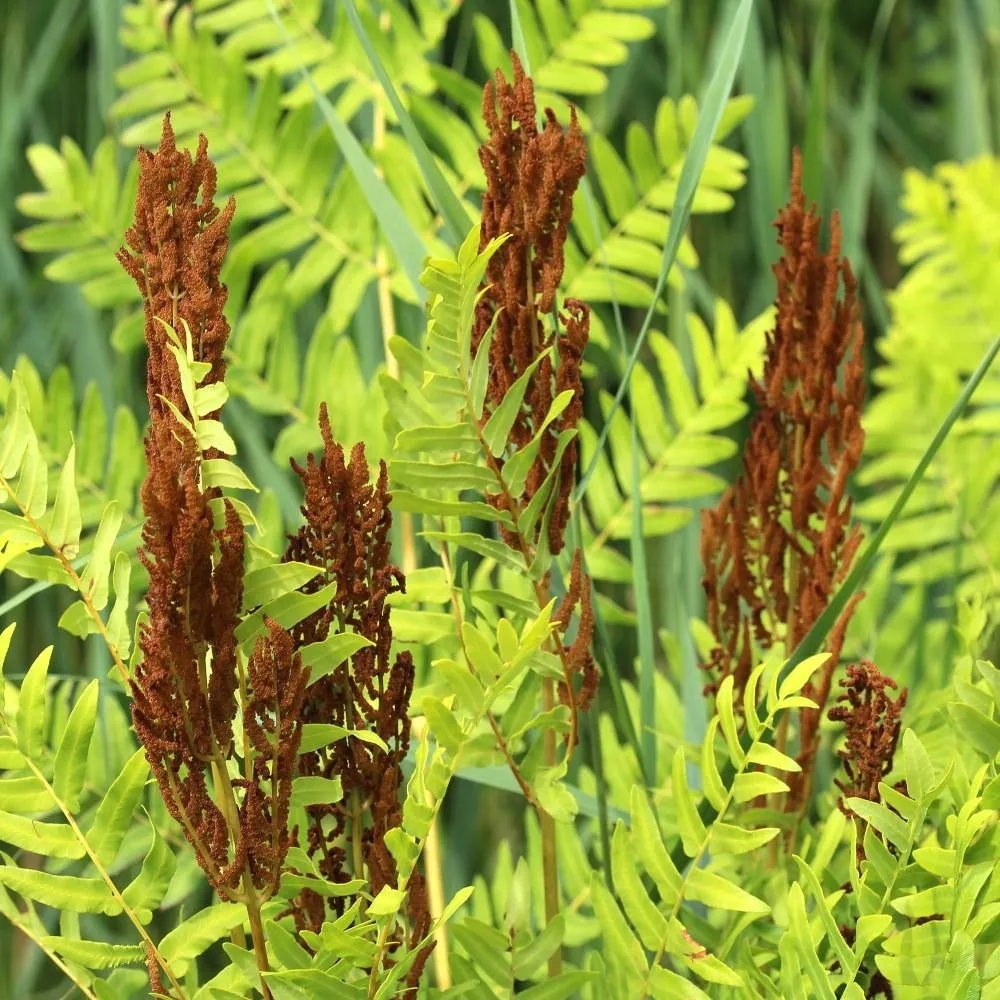
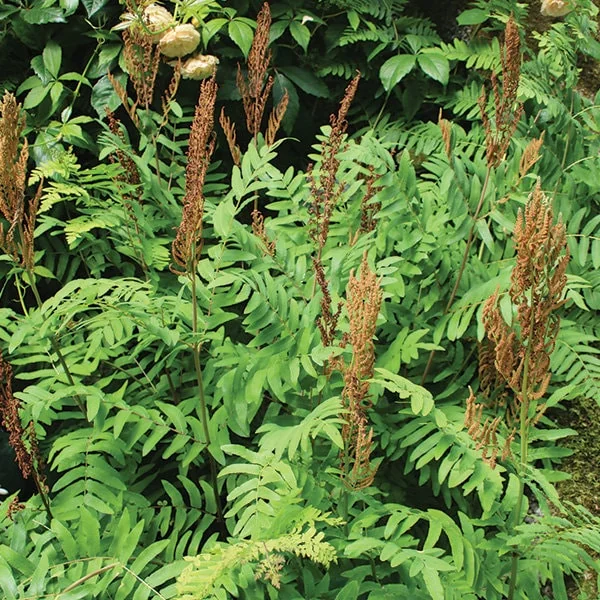
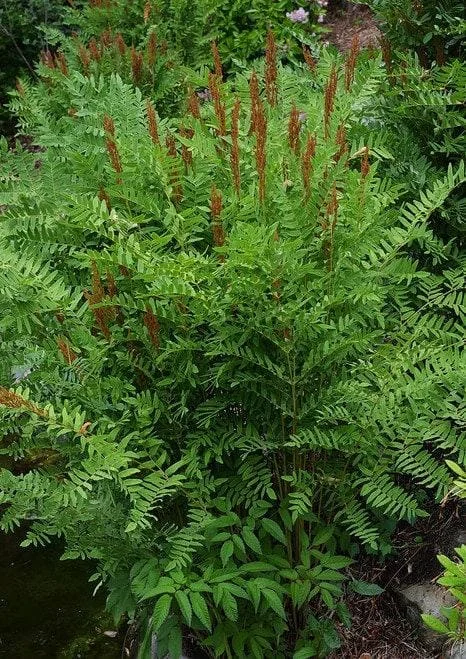
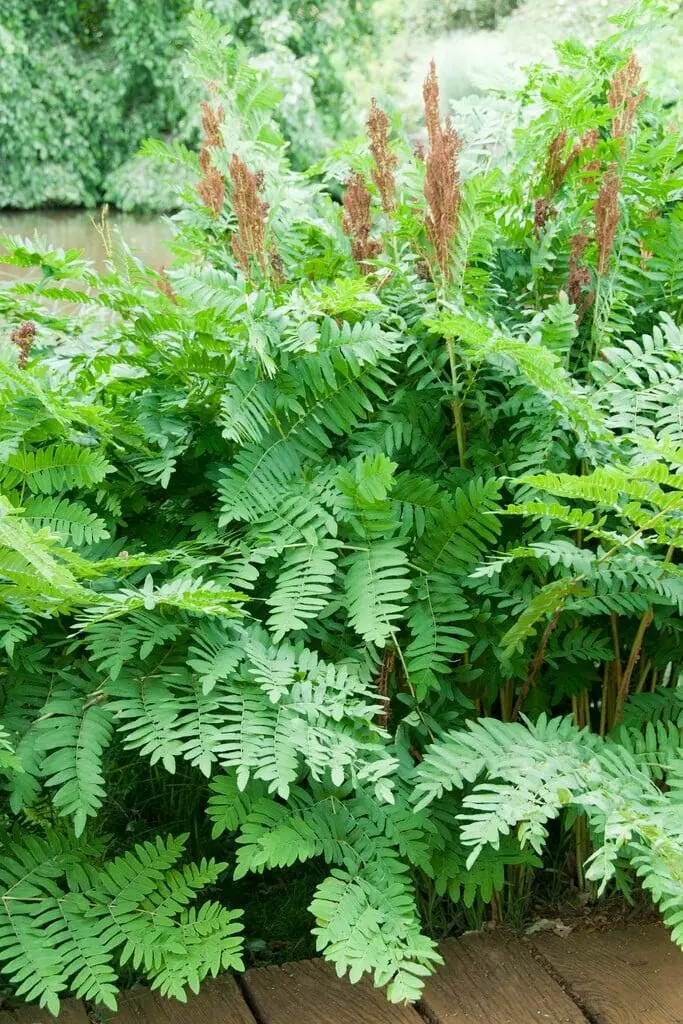
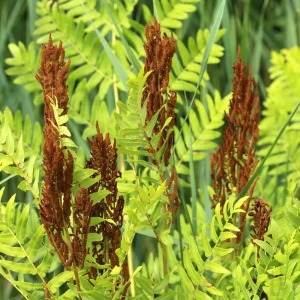
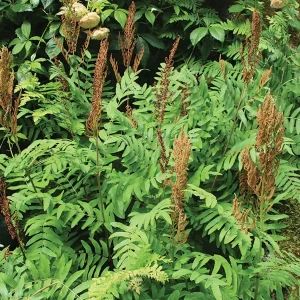
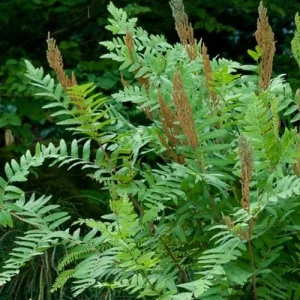
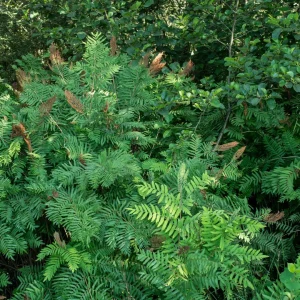
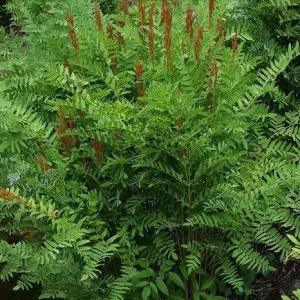
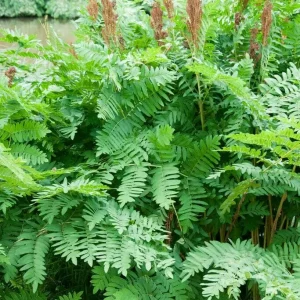
Transform your garden into a lush, verdant sanctuary with the magnificent royal fern bare root. Also known by its scientific name, Osmunda regalis, or its variety spectabilis, this stunning deciduous fern is a true gem for wetland gardens. The Royal Fern is celebrated for its distinctive appearance, featuring tall, erect fronds crowned by clusters of rusty-colored spores, giving it a truly regal look. Its common name is said to refer to the ‘crown’ of fertile leaflets that appear at the top of its fronds. This plant arrives as a bare-root specimen, ready to be planted and establish itself in your chosen location, offering a cost-effective and robust way to introduce this beautiful fern into your landscape.
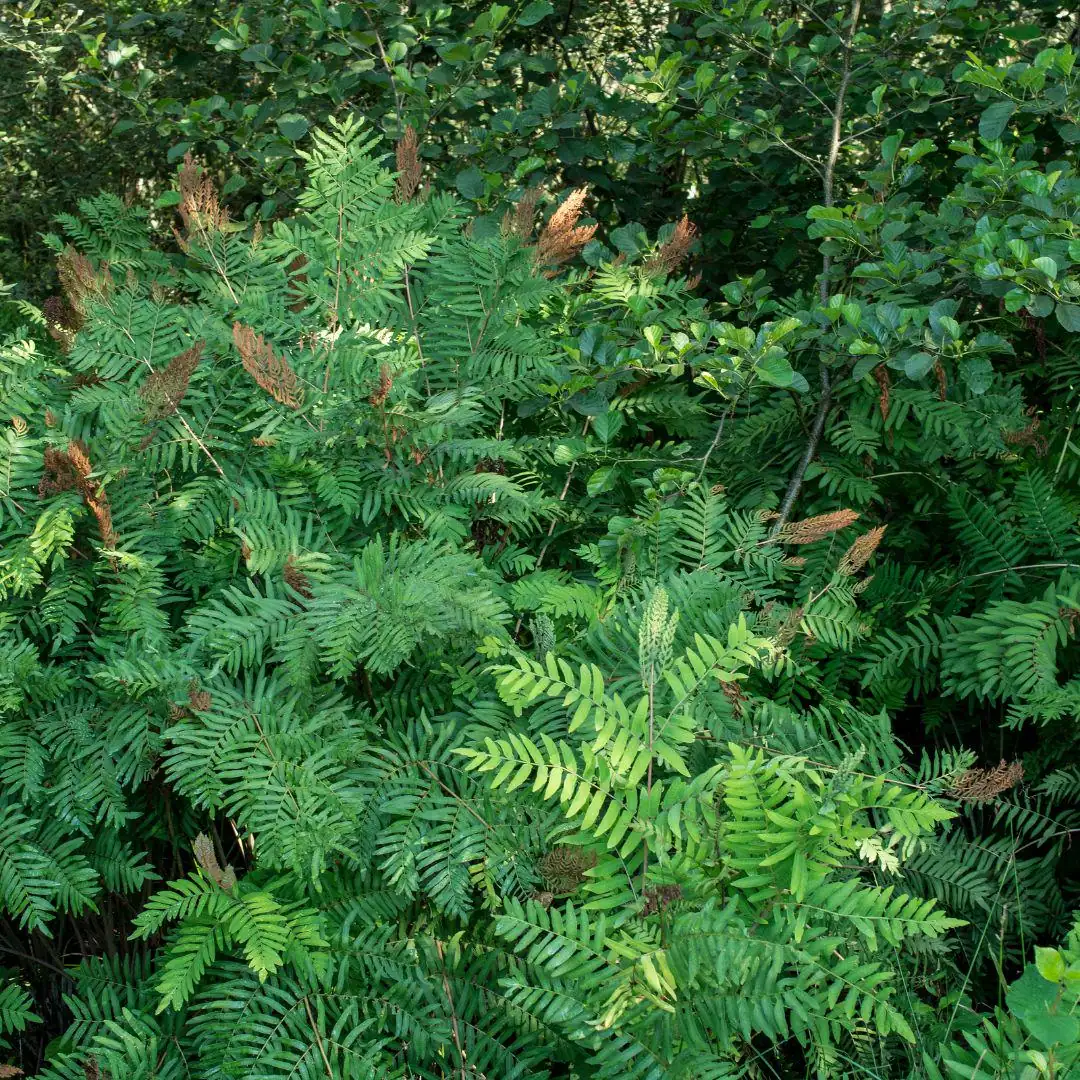
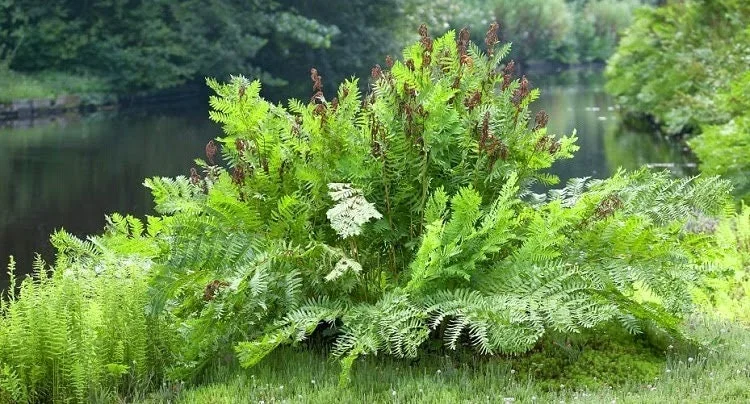
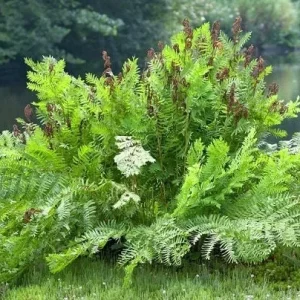
The osmunda regalis plant is a member of the Osmundaceae family and is known for its impressive stature and graceful form. Often found naturally in swamps, marshes, fens, and along stream banks, it is perfectly suited for areas with consistent moisture. Whether you’re creating a bog garden, enhancing a pond edge, or simply looking for a striking plant for a consistently damp, shaded spot, the Royal Fern provides an unparalleled aesthetic. It’s a natural choice for gardeners seeking to recreate a woodland or wetland feel, providing texture and height that few other ferns can match.
Key Benefits
The royal fern bare root offers numerous advantages, making it an excellent choice for a variety of garden settings, particularly those with moist conditions. Its unique characteristics contribute both beauty and ecological value to your outdoor space.
- Stunning Ornamental Appeal: With its tall, arching fronds and distinctive rusty-colored spore clusters, the Royal Fern adds dramatic texture and a classic, elegant look to any garden. It’s a focal point that draws the eye and enhances natural landscapes.
- Thrives in Wet Conditions: Unlike many plants, this wetland fern excels in consistently moist to wet soils, making it ideal for bog gardens, pond edges, and damp, shaded areas where other plants might struggle.
- Deciduous Beauty: As a deciduous fern, it offers seasonal interest. Its vibrant green fronds in spring and summer provide lush foliage, while its dormant winter state signals the natural cycles of the garden.
- Low Maintenance: Once established in its preferred environment, the Royal Fern requires minimal care. It’s largely self-sufficient, making it perfect for gardeners who appreciate beauty without constant fuss.
- Wildlife Habitat: This plant can provide shelter and a natural environment for various small wildlife, contributing to the biodiversity of your garden ecosystem.
- Historical Significance: Named for its regal appearance and possibly linked to ancient legends, the Royal Fern brings a touch of history and mystique to your garden.
- Versatile Landscape Use: Excellent for naturalizing, mass plantings, or as a specimen plant in a shade garden fern setting, it adapts well to various design schemes.
Plant Care & Growing Tips
Caring for your royal fern bare root is straightforward, especially when you understand its natural preferences. The key to a thriving Royal Fern lies in providing ample moisture and appropriate light conditions. This fern is a moisture-loving plant and will not tolerate dry conditions. Ensure the soil remains consistently moist, but not waterlogged, particularly during its active growing season. Regular watering is crucial if natural moisture from rain or a nearby water source is insufficient. For newly planted bare roots, consistent moisture is even more important to encourage root establishment.
The osmunda regalis plant prefers partial to full shade. While it can tolerate some morning sun, especially if soil moisture is abundant, it will perform best and maintain its vibrant green color in shadier spots. Direct afternoon sun can scorch its fronds. When planting, dig a hole wide enough to accommodate the roots spread out, and deep enough so the crown is at soil level. Backfill with a rich, organic soil mix. It thrives in acidic to neutral soil (pH 5.0-7.0) that is rich in organic matter and retains moisture well. Fertilization is generally not heavily required; a light application of a balanced, slow-release fertilizer in early spring can promote vigorous growth, but avoid over-fertilizing.
The Royal Fern is hardy in USDA zones 3-9. It’s a resilient plant, but providing a layer of mulch around the base can help retain soil moisture and protect the roots in colder climates during winter. Monitor for common fern pests, though the Royal Fern is generally quite resistant. Any yellowing or browning fronds may indicate insufficient moisture or too much sun. With proper care, your royal fern bare root will develop into a magnificent, long-lived addition to your garden, enhancing its natural beauty year after year. Consider this wetland fern for areas that receive consistent moisture, such as stream banks or boggy garden sections, to ensure its optimal health and growth.
Size & Details
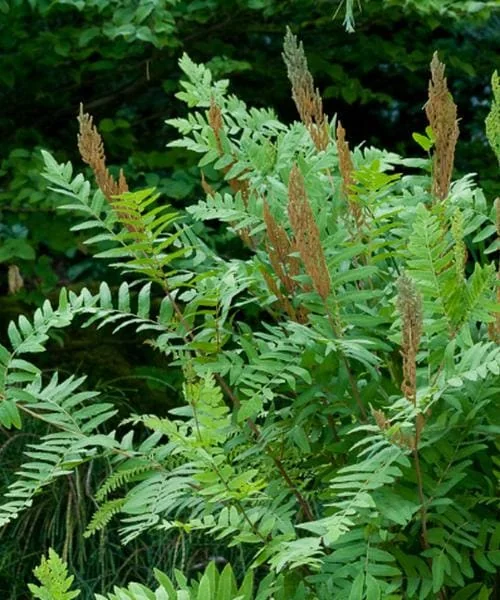
The royal fern bare root typically grows into an impressive specimen, reaching heights of 2 to 6 feet (60-180 cm) with a spread of 2 to 4 feet (60-120 cm) at maturity. Its growth rate is moderate, establishing itself well within the first couple of seasons and then steadily increasing in size. This bare-root plant is shipped dormant, ensuring a robust start once planted. When you receive your bare root, soak it in water for a few hours before planting to rehydrate the roots. Planting should ideally occur in spring or early summer to allow ample time for establishment before winter.
The fronds of the osmunda regalis plant are bipinnate, with distinct fertile fronds that develop the characteristic rusty-colored spore clusters. These sterile and fertile fronds emerge separately, adding to the plant’s unique appeal. The Royal Fern is a long-lived perennial, providing years of enjoyment in the right conditions. It’s an excellent choice for naturalizing in appropriate environments, forming beautiful clumps over time. For best results, allow adequate space for its mature size when selecting a planting location, especially if you’re aiming for a lush, full appearance in your shade garden fern display.
Frequently Asked Questions
- Q: How big does this royal fern bare root get? A: A mature royal fern bare root can typically reach an impressive height of 2 to 6 feet and spread 2 to 4 feet wide, creating a substantial presence in your garden.
- Q: Is this an indoor or outdoor plant? A: The Royal Fern (Osmunda regalis) is an outdoor plant, specifically suited for wetland gardens, shaded borders, and other consistently moist outdoor environments. It is not generally grown as an indoor plant.
- Q: How much sunlight does the osmunda regalis plant need? A: This wetland fern thrives in partial to full shade. While it can tolerate some morning sun, especially with consistent moisture, it prefers shadier locations to prevent frond scorching.
- Q: Is this plant easy to care for? A: Yes, once established in its preferred moist, shaded environment, the Royal Fern is relatively low maintenance. Its primary requirement is consistent moisture. This makes it a good choice for gardeners looking for an impactful but easy-to-care-for deciduous fern.
- Q: What condition will the royal fern bare root arrive in? A: Your Royal Fern will arrive as a dormant bare-root plant, meaning it will not have foliage. This is the ideal state for planting and ensures a strong start once it is placed in the ground and begins to grow.
- Q: When is the best time to plant a royal fern bare root? A: The best time to plant a royal fern bare root is in the spring or early summer. This allows the plant ample time to establish its root system before the colder months arrive.
- Q: What’s the minimum temperature this shade garden fern can survive? A: The Royal Fern is quite hardy and can survive winter temperatures down to USDA Zone 3. It is a deciduous fern, meaning its fronds will die back in winter and re-emerge in spring.
| Royal fern | 10, 3, 5 |
|---|
Be the first to review “Royal Fern (Osmunda Regalis) Bare-root Plant – Deciduous Wetland Fern”
People Also Viewed
Sold 68 products
Original price was: $35.02.$21.02Current price is: $21.02.
Sold 63 products
Original price was: $55.16.$27.58Current price is: $27.58.
Sold 56 products
Original price was: $49.98.$24.99Current price is: $24.99.
Sold 90 products
Original price was: $49.98.$24.99Current price is: $24.99.
Flower Plants
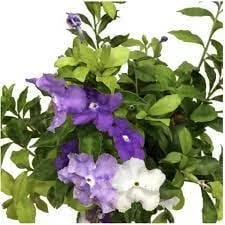
Brunfelsia Floribunda Live Plant – Yesterday, Today, Tomorrow – 1 Plant – 1 Foot Tall – 6 Inch Pot
Sold 100 products
Original price was: $139.96.$69.98Current price is: $69.98.

Sold 88 products
Original price was: $25.56.$12.78Current price is: $12.78.
Sold 69 products
From $19.99
Sold 75 products
Original price was: $149.98.$74.99Current price is: $74.99.
Sold 94 products
Original price was: $69.98.$34.99Current price is: $34.99.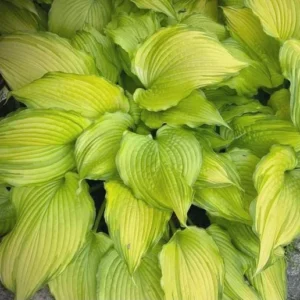
Flower Plants
Dancing Darling Hosta Live Plant – Yellow-Golden Foliage – 1 Gallon Pot – Shade Garden Perennial
Sold 94 products
From $99.80
Sold 91 products
Original price was: $73.98.$36.99Current price is: $36.99.

Sold 53 products
Original price was: $89.98.$44.99Current price is: $44.99.

Sold 100 products
Original price was: $51.98.$25.99Current price is: $25.99.
Sold 60 products
Original price was: $67.98.$33.99Current price is: $33.99.
HousePlants
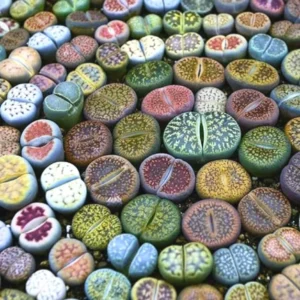
Lithops Live Plants Mix – 30 Colorful Succulents – Living Stones for Indoor/Outdoor Planting
Sold 77 products
Original price was: $65.98.$32.99Current price is: $32.99.
Sold 78 products
Original price was: $49.98.$24.99Current price is: $24.99.
Sold 53 products
From $69.99
Sold 89 products
Original price was: $43.96.$21.98Current price is: $21.98.



Reviews
There are no reviews yet.