
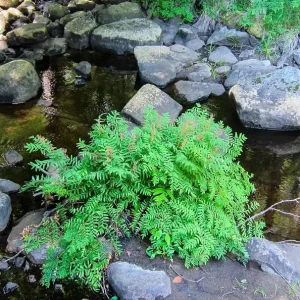
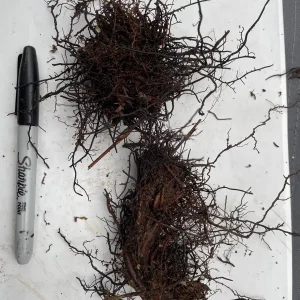
Royal Fern Live Plant – Osmunda regalis – Striking Deciduous Outdoor Fern
Original price was: $16.00.$8.00Current price is: $8.00.
Bring regal beauty to your garden with the royal fern live plant (Osmunda regalis). This stunning deciduous fern features tall, arching fronds, perfect for moist, shady areas. Ideal for rain gardens or pond edges, it adds lush texture and provides habitat for wildlife.
-
USDA Hardiness Zone
3-10 -
Soil Type
Rich, acidic, consistently moist soil -
Sunlight Exposure
Partial to full shade -
Expected Planting Period
Spring to early fall

You can track your order HERE
Mar 18
Mar 23 - Mar 25
Mar 28 - Apr 01
Shipping and return policies: Our Alive & Thrive Guarantee covers issues with your plants within the first 30 days. Reach out to us. Our team will answer your questions and help you find the plants that are truly suitable for your environment, climate, and personal preferences.

Overview
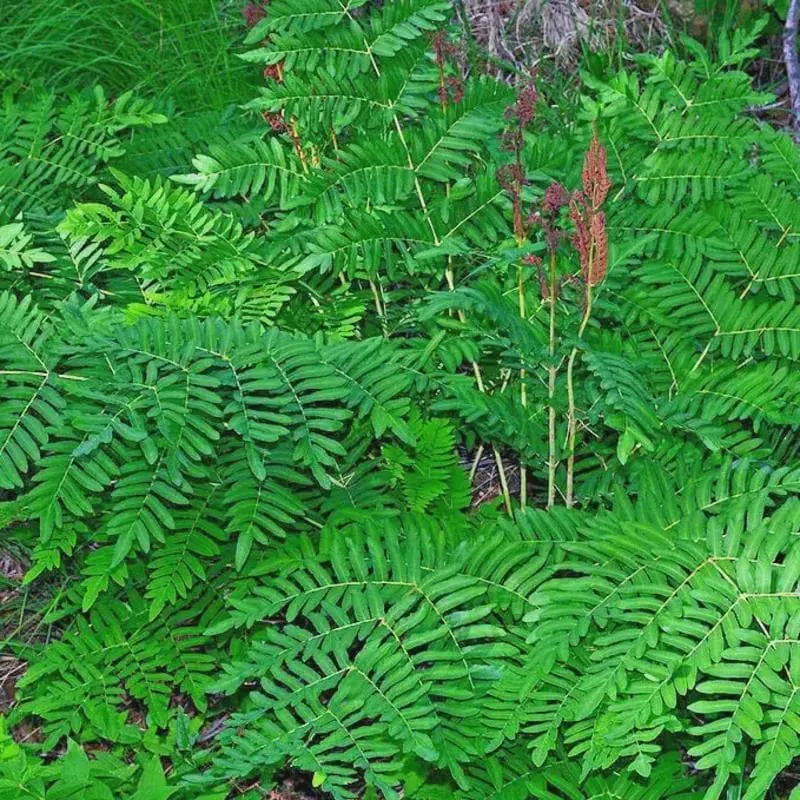
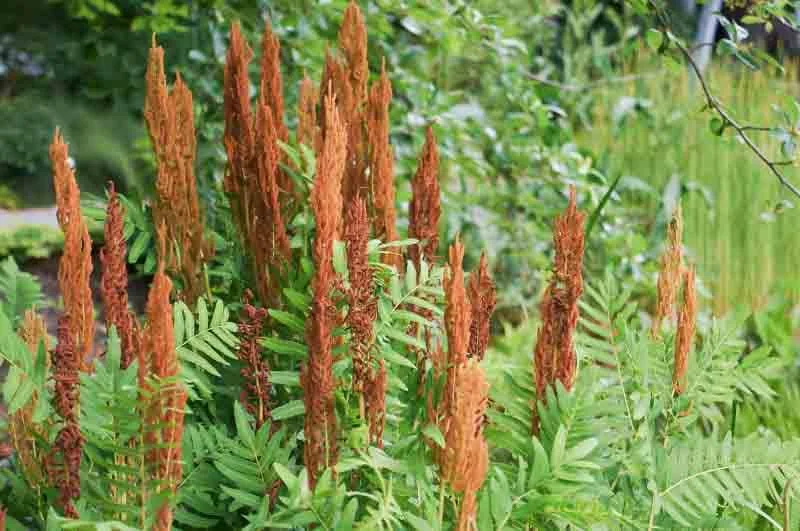
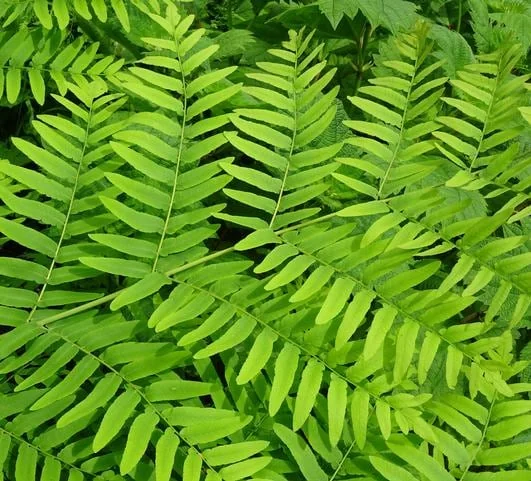
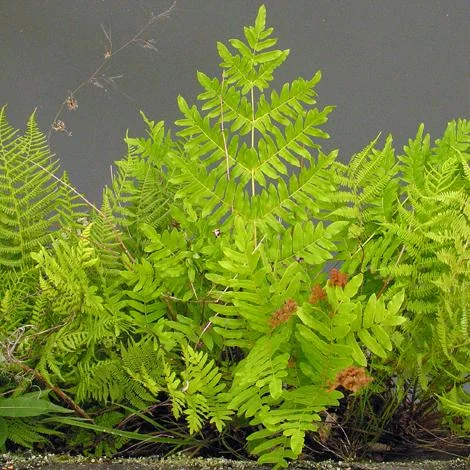
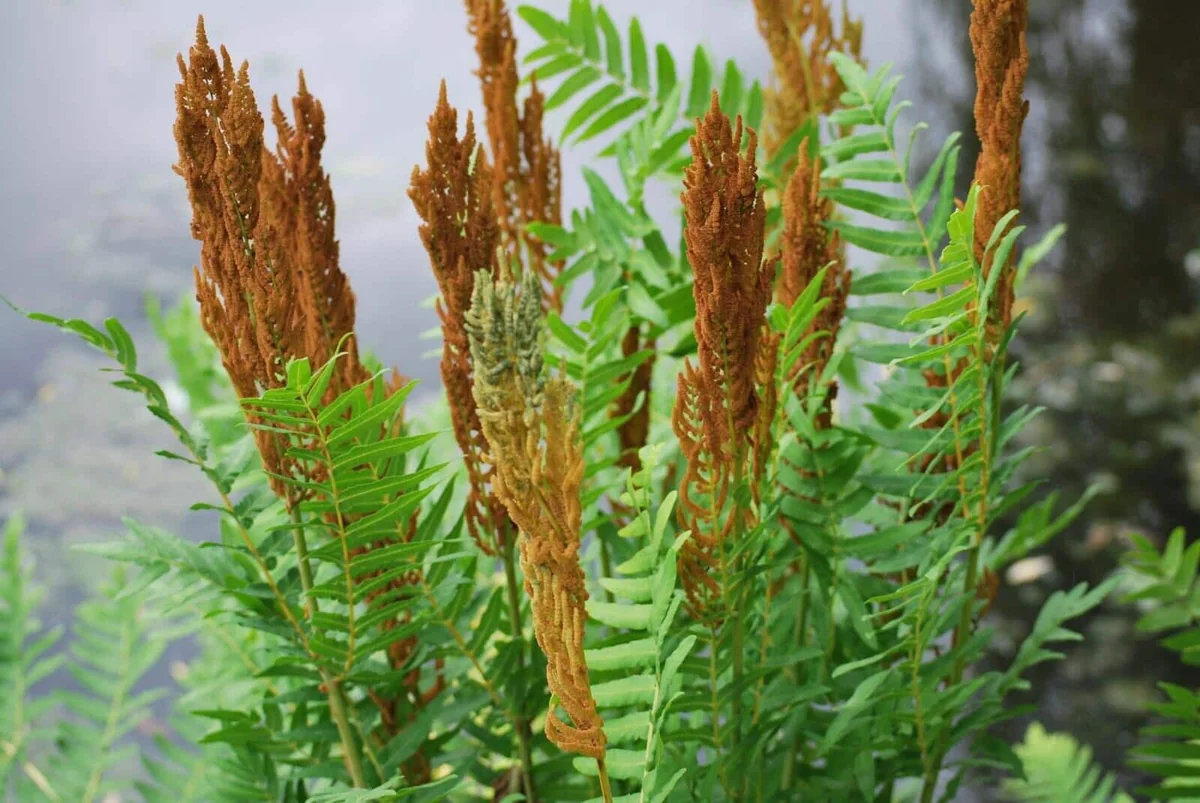
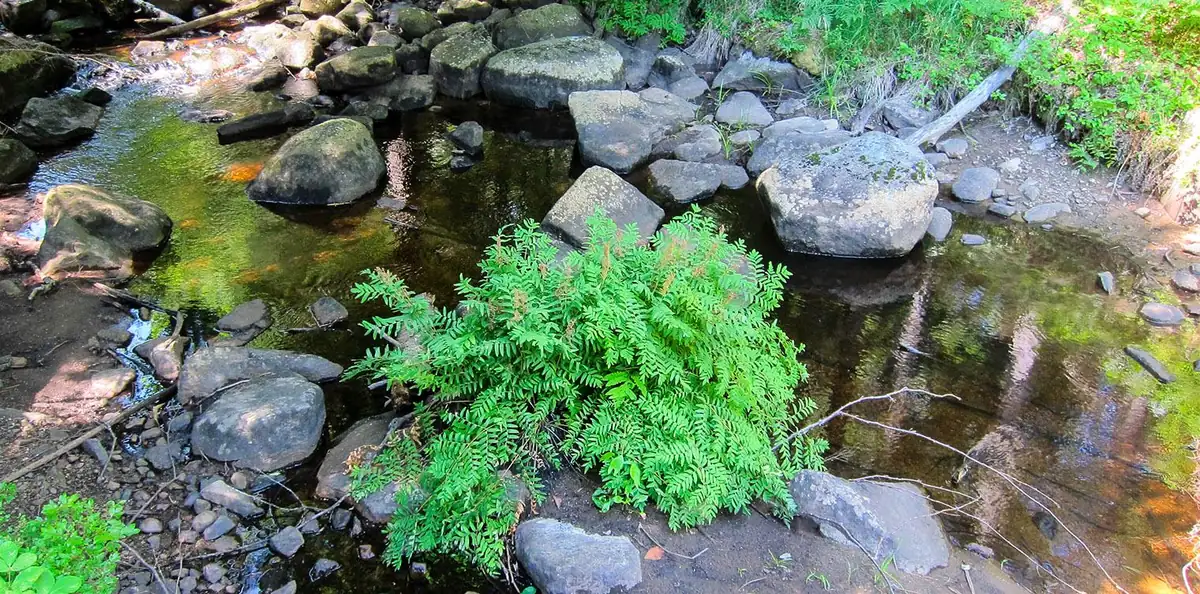
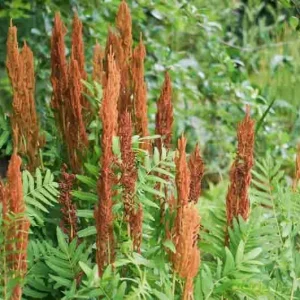
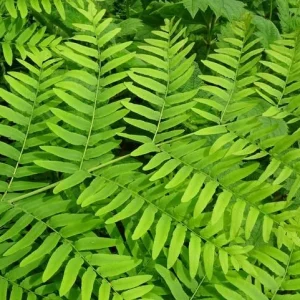
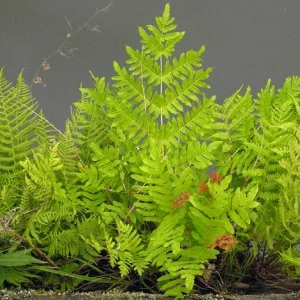
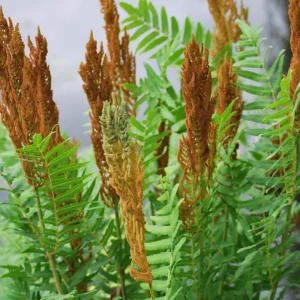
Introduce a touch of timeless elegance to your landscape with the royal fern live plant, botanically known as Osmunda regalis. This majestic deciduous fern is celebrated for its striking appearance, featuring tall, arching fronds that can reach impressive heights, often resembling the grandeur of flowering plants. Native to wetlands and moist woodlands across the Northern Hemisphere, the royal fern is a robust and ornamental addition to any garden seeking a lush, natural aesthetic. Its unique fertile fronds develop cinnamon-colored spores, providing an additional layer of visual interest throughout the growing season. Perfect for creating a serene, verdant retreat, this fern thrives in consistently moist, acidic conditions and is an excellent choice for naturalizing along pond edges, streams, or within dedicated rain gardens.
The beauty of Osmunda regalis lies not only in its size and form but also in its adaptability to various garden designs. Its vigorous growth provides significant ground cover, helping to prevent erosion and offering valuable habitat for local wildlife. Gardeners looking for a low-maintenance yet high-impact plant will find the royal fern live plant to be an exceptional choice. Its regal presence and lush foliage make it a focal point in any shaded or partially shaded garden space, transforming ordinary areas into extraordinary green sanctuaries.
Key Benefits
The royal fern live plant offers a multitude of advantages for both the gardener and the garden ecosystem, enhancing beauty and biodiversity. Cultivating this magnificent fern brings several substantial benefits:
- Striking Ornamental Appeal: With its tall, arching fronds and unique cinnamon-colored fertile fronds, the royal fern provides dramatic visual interest and a sophisticated, lush texture to any garden setting. It stands out with its regal stature.
- Adaptable to Moist Environments: This fern is perfectly suited for areas with consistently moist soil, making it an ideal candidate for challenging spots like rain gardens, boggy areas, or along water features where other plants might struggle.
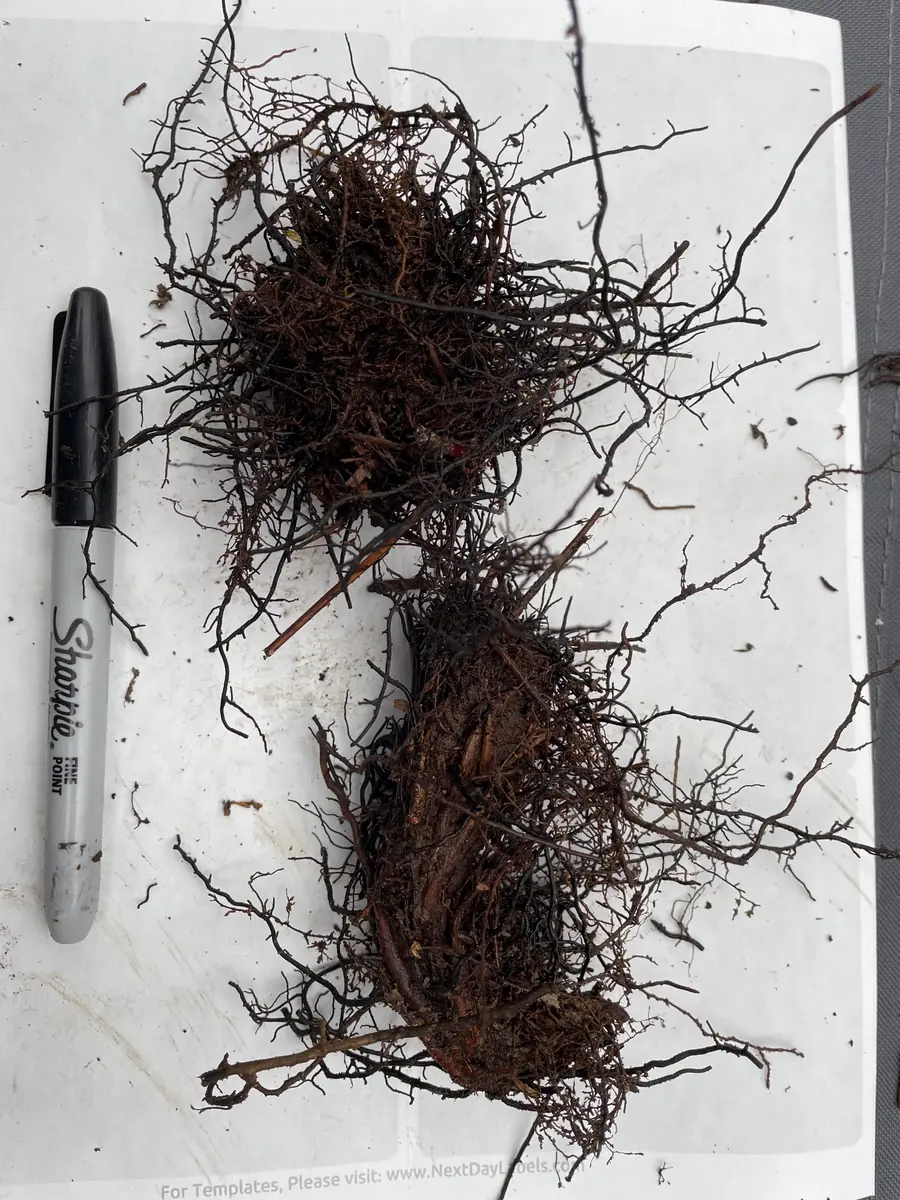
- Erosion Control: Its extensive root system and dense growth habit effectively help to stabilize soil, preventing erosion, especially on slopes or near water bodies, contributing to a healthier landscape.
- Wildlife Habitat: The dense foliage of the royal fern live plant provides excellent cover and shelter for various small wildlife, including amphibians and insects, enhancing your garden’s ecological value.
- Low Maintenance: Once established in its preferred environment, the royal fern requires minimal care, making it a great option for gardeners seeking a beautiful plant without extensive upkeep.
- Hardy & Resilient: Tolerant of a wide range of conditions within its hardiness zones, this deciduous fern is a resilient choice that returns year after year with its impressive display.
- Naturalizing Potential: It spreads gracefully over time, creating naturalized colonies that contribute to a wild, serene, and established garden aesthetic.
Plant Care & Growing Tips
To ensure your royal fern live plant thrives, understanding its specific care requirements is crucial. This fern prefers conditions that mimic its native wetland habitats. For optimal growth, choose a location with partial to full shade. While it can tolerate more sun, especially in cooler climates, the soil must remain consistently moist to prevent scorching of its delicate fronds. Direct, intense afternoon sun should generally be avoided. The ideal soil for Osmunda regalis care is rich, acidic, and consistently damp. It naturally flourishes near streams, ponds, or other boggy areas, indicating its preference for abundant moisture.
Watering is perhaps the most critical aspect of growing royal fern. This plant absolutely despises drying out, so ensure the soil remains consistently moist, particularly during dry spells or periods of low rainfall. Regular watering, especially for newly planted ferns, is essential. When it comes to soil, amending with organic matter like compost or peat moss can help create the rich, acidic environment it craves. A generous layer of mulch around the base of the plant will further aid in retaining soil moisture and maintaining soil acidity, which is vital for its health. The deciduous fern outdoor nature means it will die back in winter and re-emerge in spring.
The royal fern is hardy in USDA Zones 3-10. Fertilization is generally not heavily required if planted in rich soil; however, a light application of a balanced, slow-release fertilizer in early spring can encourage vigorous growth. Allow ample spacing for this fern, as plants can spread 3–6 feet wide, forming impressive clumps. Watch out for slugs and snails, which can sometimes be an issue, though royal ferns are generally quite pest-resistant. With these considerations, you will be well on your way to successfully growing royal fern and enjoying its magnificent presence.
Size & Details
The royal fern live plant, Osmunda regalis, is a substantial and impactful addition to the garden. When mature, its arching fronds can reach an impressive height of up to six feet, creating a dramatic vertical element. These ferns typically spread 3–6 feet wide, forming a robust clump that fills out its designated space beautifully. Our plants are shipped as healthy, established specimens, ready to be planted in your garden. The exact size at shipping will vary depending on the growing season, but each plant is selected for its vigor and readiness to thrive. Expect steady growth once established, with the fern increasing in size and density over subsequent seasons, eventually forming a prominent feature in your landscape. This large garden ferns variety is perfect for adding a lush, verdant backdrop.
Frequently Asked Questions
- Q: How big does this plant get? A: The royal fern live plant can grow quite large, with fronds typically reaching up to six feet tall and spreading 3-6 feet wide at maturity, making it a significant presence in the garden.
- Q: Is this an indoor or outdoor plant? A: The royal fern is an outdoor deciduous fern, best suited for garden planting. It thrives in moist, shaded outdoor environments and is not typically grown as a houseplant.
- Q: How much sunlight does it need? A: This fern prefers partial to full shade. It can tolerate more sun if the soil is consistently moist, but protection from harsh afternoon sun is recommended to prevent leaf scorch.
- Q: Is this plant easy to care for? A: Yes, once established in the right conditions, the royal fern is relatively easy to care for. Its primary requirement is consistently moist, acidic soil, making Osmunda regalis care straightforward for gardeners who can meet this need.
- Q: What condition will it arrive in? A: Your royal fern live plant will arrive as a healthy, well-rooted specimen, carefully packaged to ensure its safe journey and readiness for planting in your garden.
- Q: When is the best time to plant royal fern? A: The best time to plant royal fern is in spring or early fall, allowing the plant sufficient time to establish its root system before extreme weather conditions.
- Q: What USDA Hardiness Zones is this fern suitable for? A: The royal fern is hardy in USDA zones 3 through 10, making it a versatile choice for a wide range of climates across the United States.
- Q: Can I grow this fern near a pond or stream? A: Absolutely! The royal fern naturally thrives in moist, boggy conditions and is an excellent choice for planting along the edges of ponds, streams, or in rain gardens, where it can get the consistent moisture it loves.
- Q: Does this fern provide any ecological benefits? A: Yes, the dense growth of this deciduous fern outdoor variety offers valuable shelter and habitat for local wildlife, and its robust root system helps prevent soil erosion.
- Q: What kind of soil does Osmunda regalis prefer? A: It prefers rich, acidic, and consistently moist soil. Amending with organic matter like compost or peat can help create the ideal growing medium for growing royal fern.
Be the first to review “Royal Fern Live Plant – Osmunda regalis – Striking Deciduous Outdoor Fern”
People Also Viewed

Sold 56 products
Original price was: $59.00.$29.50Current price is: $29.50.
Sold 52 products
Original price was: $111.00.$55.50Current price is: $55.50.
Sold 68 products
Original price was: $60.00.$48.00Current price is: $48.00.
Sold 50 products
Original price was: $47.96.$23.98Current price is: $23.98.
Sold 79 products
Original price was: $127.96.$63.98Current price is: $63.98.
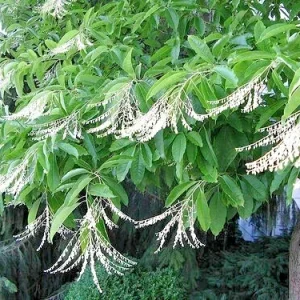
Tree Seeds
100 Sourwood Tree Seeds (Oxydendrum arboreum) – Honey Bee Tree, Cold Hardy, Deciduous, Flowering
Sold 84 products
Original price was: $11.80.$6.90Current price is: $6.90.
Sold 96 products
Original price was: $55.98.$27.99Current price is: $27.99.

Sold 57 products
Original price was: $36.00.$28.80Current price is: $28.80.
Sold 90 products
Original price was: $27.96.$13.98Current price is: $13.98.
Sold 96 products
Original price was: $39.99.$34.99Current price is: $34.99.
Sold 95 products
Original price was: $67.64.$33.82Current price is: $33.82.
Sold 77 products
Original price was: $67.96.$40.78Current price is: $40.78.

Sold 86 products
Original price was: $18.76.$9.38Current price is: $9.38.

Sold 98 products
Original price was: $25.56.$12.78Current price is: $12.78.

Sold 71 products
Original price was: $21.56.$10.78Current price is: $10.78.
Sold 77 products
From $17.98
Sold 90 products
Original price was: $79.80.$39.90Current price is: $39.90.
Sold 96 products
Original price was: $29.99.$19.99Current price is: $19.99.



Reviews
There are no reviews yet.