
Red Twig Dogwood Shrub Live Plant 12-24in Tall – Cornus sericea Outdoor
Original price was: $66.00.$52.80Current price is: $52.80.
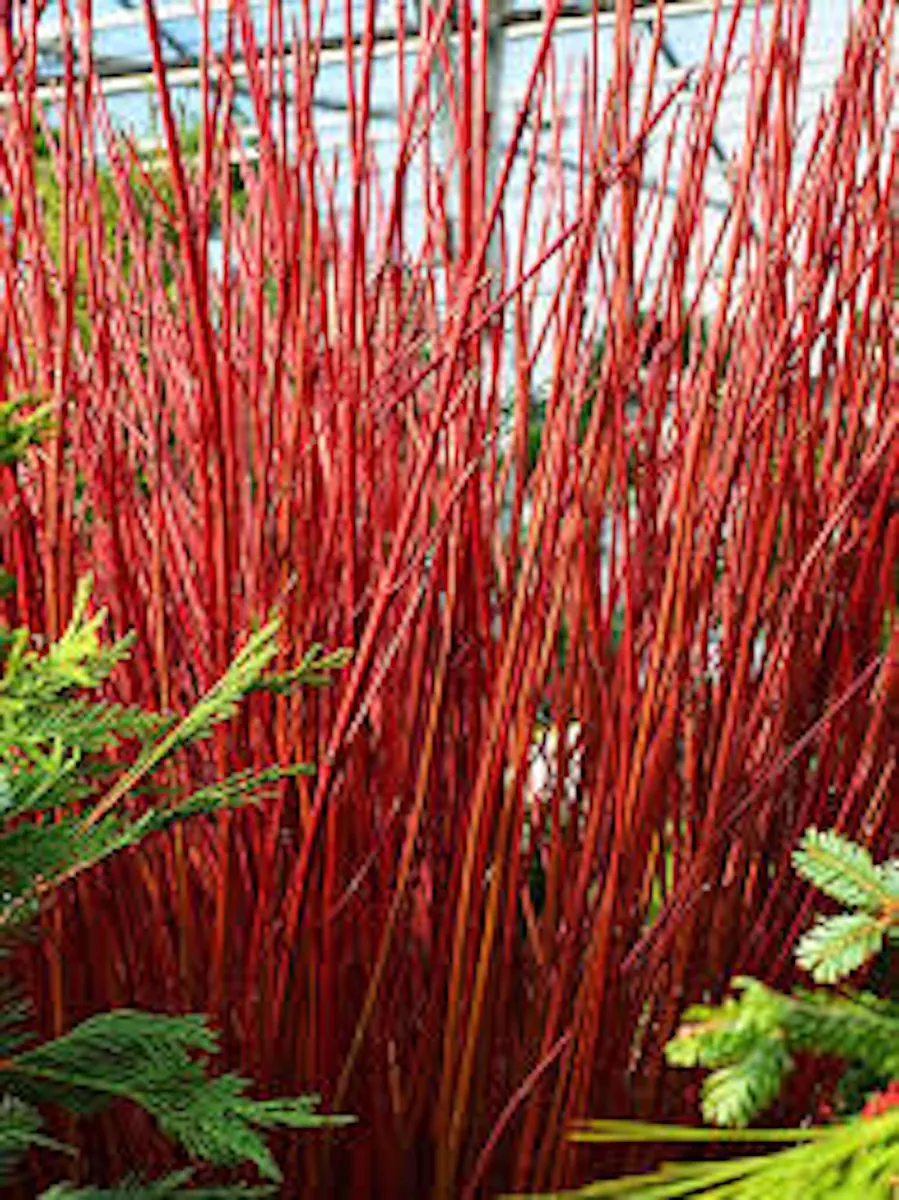
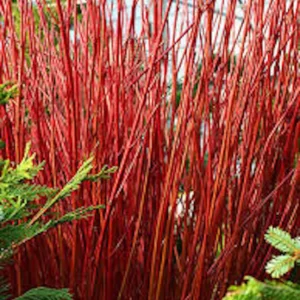
Enhance your landscape with the stunning red twig dogwood shrub. This deciduous plant, known for its bright red winter stems, adds year-round visual interest and is exceptionally hardy. Perfect for garden enthusiasts seeking a low-maintenance, high-impact addition.
-
USDA Hardiness Zone
3-8 -
Soil Type
Moist, well-draining soil -
Sunlight Exposure
Full sun to partial shade -
Expected Planting Period
Spring or Fall

You can track your order HERE
Mar 03
Mar 08 - Mar 10
Mar 13 - Mar 17
Shipping and return policies: Our Alive & Thrive Guarantee covers issues with your plants within the first 30 days. Reach out to us. Our team will answer your questions and help you find the plants that are truly suitable for your environment, climate, and personal preferences.

Overview
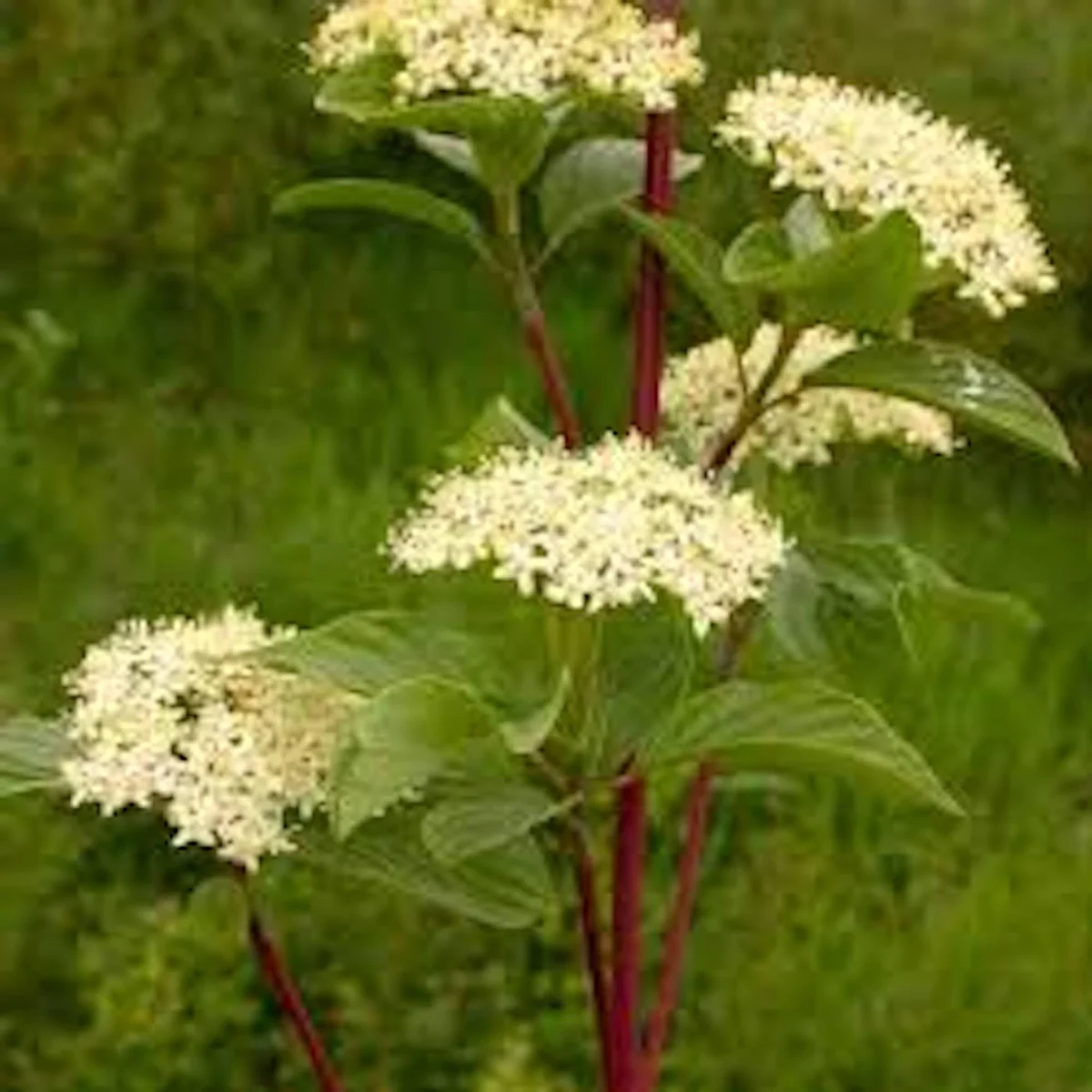
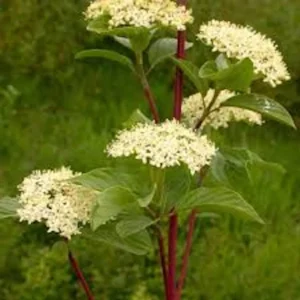
Transform your garden with the captivating beauty of the red twig dogwood shrub (Cornus sericea). This remarkable deciduous plant is celebrated for its brilliant, fiery red stems, which provide an unparalleled splash of color throughout the colder months when most other plants are dormant. Also commonly known as Redtwig Dogwood, it offers a striking visual contrast against snow, making it a favorite for adding dynamic interest to winter landscapes. Beyond its seasonal brilliance, this live shrub boasts a hardy nature and requires minimal care, making it an ideal choice for both seasoned gardeners and those new to landscaping. Its adaptability and year-round appeal ensure it remains a focal point in any garden design.
The red twig dogwood shrub is a versatile and robust plant that thrives in various conditions, bringing natural elegance and a touch of drama to borders, mass plantings, or as a specimen plant. Its ability to maintain vibrant color through the drab winter season makes it an invaluable asset for creating an engaging outdoor space. This plant quickly establishes itself, growing into a substantial shrub that offers both aesthetic beauty and environmental benefits.
Key Benefits
The red twig dogwood shrub is more than just a pretty face; it offers a multitude of benefits that make it a superior choice for diverse landscaping needs. Its distinct characteristics contribute significantly to garden aesthetics and ecological health:
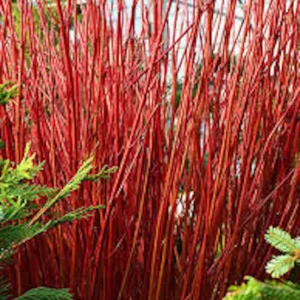
- Exceptional Winter Interest: The most notable feature of this shrub is its intensely red stems, which stand out dramatically in winter. These vibrant stems provide essential color and structure to the garden when other plants have lost their foliage, ensuring your landscape remains lively and attractive year-round.
- Hardy and Adaptable: Known for its resilience, the red twig dogwood shrub is incredibly hardy, tolerating a wide range of soil conditions and climates. It thrives in USDA zones 3 through 8, making it suitable for many regions across the United States and ensuring long-term success in your garden.
- Low Maintenance: This shrub is exceptionally easy to care for, requiring minimal attention once established. It’s an excellent option for gardeners who desire significant visual impact without demanding constant pruning or specialized feeding. Its robust nature makes it a reliable choice.
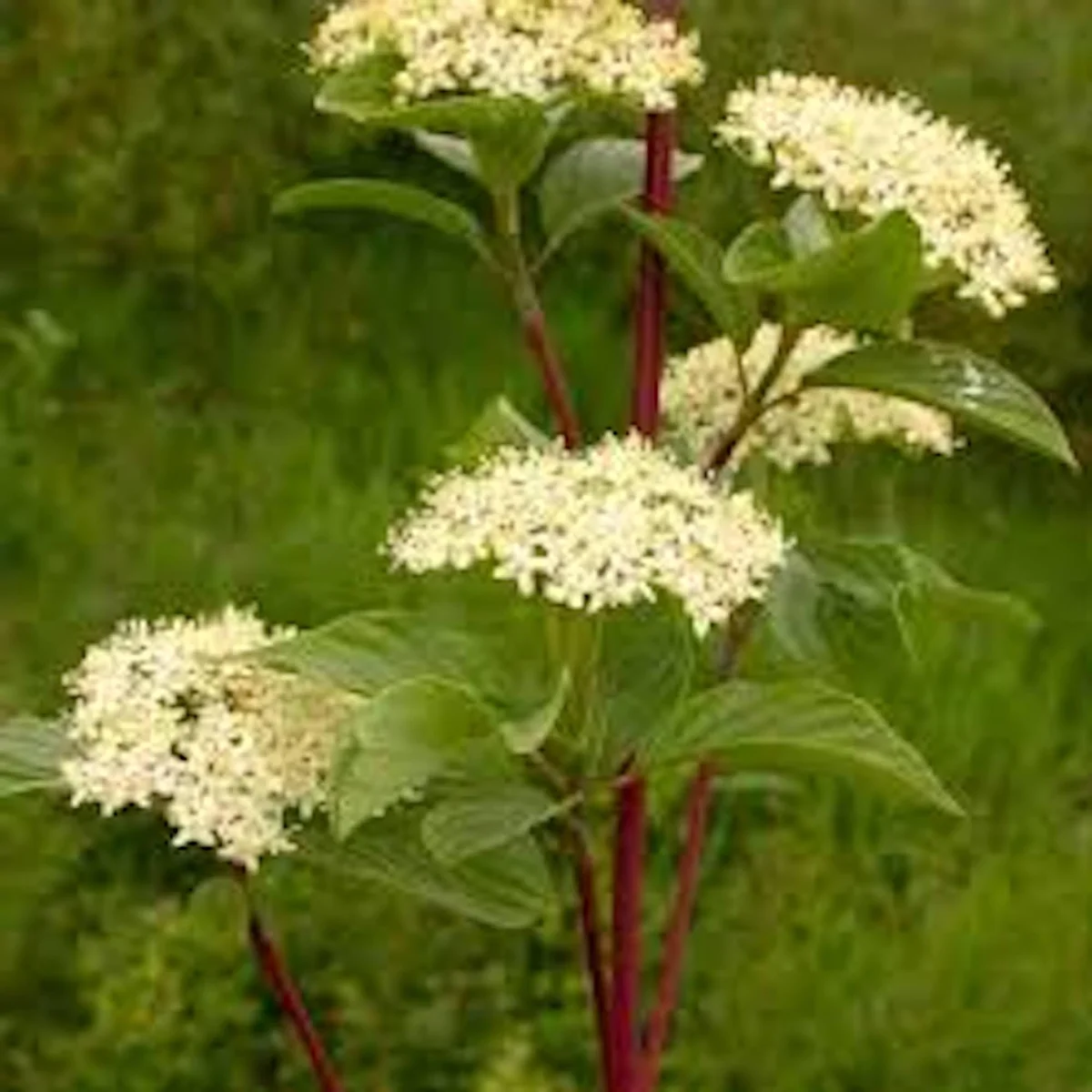
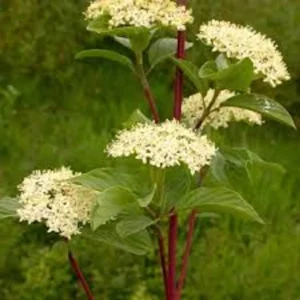
- Wildlife Attraction: The white berries that emerge in late summer and fall are a valuable food source for various bird species, contributing to local biodiversity. The dense foliage also provides shelter for small wildlife, enhancing your garden’s ecosystem.
- Erosion Control: With its strong root system, the Red Twig Dogwood is effective in stabilizing soil, particularly in areas prone to erosion, such as slopes or along stream banks. This makes it a practical choice for functional landscape design.
- Versatile Landscape Use: Whether planted as a solitary specimen, in mass groupings for a dramatic effect, or as part of a mixed border, this shrub fits seamlessly into various landscape designs. It can also be used for naturalizing areas or creating informal hedges.
- Year-Round Appeal: Beyond its striking winter stems, the cornus sericea plant offers attractive green foliage in spring and summer, sometimes turning to shades of red or purple in autumn. This multi-season appeal ensures continuous interest in your garden.
Plant Care & Growing Tips
Caring for your red twig dogwood shrub is straightforward, ensuring vibrant growth and brilliant winter color with minimal effort. This resilient plant tolerates a range of conditions, but providing optimal care will maximize its health and aesthetic appeal. For the most intense red stem color, it’s recommended to prune about one-third of the oldest stems to the ground each spring. This encourages new growth, which displays the brightest hue.
When it comes to sunlight, the red twig dogwood shrub performs best in full sun to partial shade. Full sun exposure (at least 6 hours of direct sunlight per day) will result in the most vibrant stem coloration. While it can tolerate some shade, too much shade may lead to less intense stem color and sparser growth. It is quite adaptable to various soil types, but it prefers consistently moist, well-draining soil. It can even tolerate wet conditions, making it an excellent choice for rain gardens or areas with poor drainage. Regular watering is crucial, especially during dry spells and in its first year of establishment, to ensure healthy root development. Once mature, it is more drought-tolerant but will benefit from supplemental watering during prolonged dry periods. Fertilization is generally not heavily required; a balanced, slow-release fertilizer applied in early spring can support vigorous growth, particularly in nutrient-poor soils. The plant is hardy in USDA zones 3 through 8, indicating its excellent cold tolerance.
To promote the best stem color, consider a pruning strategy known as coppicing or stooling. This involves cutting back all stems to within a few inches of the ground in late winter or early spring every 2-3 years. While this sacrifices flowers and berries for that year, it results in a flush of new, intensely red stems. Watch out for common pests like dogwood borers or scale insects, though the cornus sericea plant is generally quite resistant. Ensuring good air circulation and appropriate watering can prevent fungal issues. This redtwig dogwood care approach will keep your shrub healthy and visually stunning.
Size & Details
This offering includes three red twig dogwood shrub live plants, each measuring approximately 12-24 inches tall upon arrival. These young, vigorous plants are ready to establish themselves in your landscape, providing immediate visual impact and promising future growth. The Red Twig Dogwood, or Cornus sericea, is a relatively fast-growing deciduous shrub that typically reaches a mature height of 6 to 9 feet with a similar spread. Its upright, spreading habit creates a dense and attractive form, ideal for various garden applications.
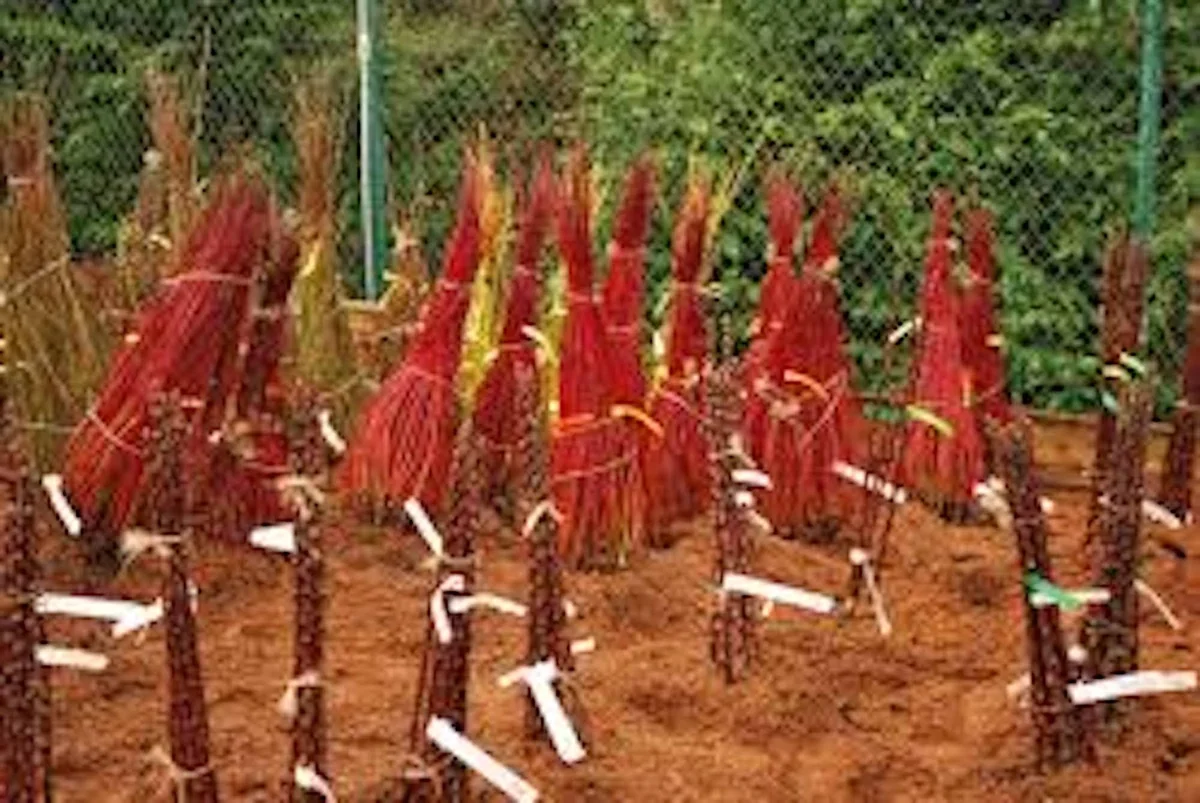
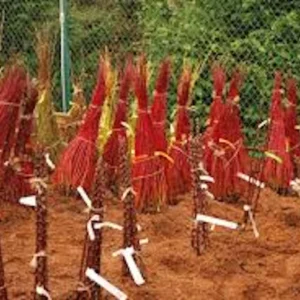
These shrubs are shipped either bare root during fall and winter or in pots during the growing season, ensuring they arrive in the best possible condition for successful planting. They will naturally grow into robust specimens, showcasing their signature red stems, especially prominent in winter. Expect to see significant growth and an increase in stem vibrancy within the first few years as the plant matures. The 12-24 inch height provides a substantial starting point for developing a beautiful and impactful landscape feature. This deciduous shrub is an investment in year-round garden beauty.
Frequently Asked Questions
- Q: How big will the red twig dogwood shrub get? A: The Red Twig Dogwood typically grows to a mature height of 6 to 9 feet with a similar spread. Its size can be managed through regular pruning, which also encourages the vibrant red stem color.
- Q: Is this an indoor or outdoor plant? A: The red twig dogwood shrub is an outdoor plant, perfectly suited for landscape use. It thrives in various outdoor conditions and is known for its hardiness in cold climates.
- Q: How much sunlight does the cornus sericea plant need? A: This shrub prefers full sun to partial shade. For the most intense red stem color, aim for at least 6 hours of direct sunlight per day. It will tolerate more shade, but stem color may be less vibrant.
- Q: Is this plant easy to care for? A: Yes, the red twig dogwood shrub is considered a low-maintenance plant. Once established, it requires minimal ongoing care, primarily consisting of occasional pruning to encourage new, colorful stem growth.
- Q: What condition will it arrive in? A: During fall and winter, these shrubs ship bare root. In the growing season, they will ship in pots. Both methods ensure the plants are well-prepared for transplanting into your garden.
- Q: When is the best time to plant a red twig dogwood shrub? A: The best time to plant is in spring or fall when temperatures are moderate. This allows the plant to establish its root system before extreme heat or cold.
- Q: Will this landscape plant winter interest survive winter in my zone? A: The Red Twig Dogwood is very hardy and thrives in USDA zones 3 through 8, making it suitable for most regions with cold winters. Its vibrant red stems are a highlight during the winter months.
- Q: What kind of soil does it prefer? A: It prefers consistently moist, well-draining soil but is adaptable to various soil types, including clay. It can also tolerate wet conditions, making it ideal for areas with poor drainage or near water features.
- Q: How does pruning affect the red color? A: Pruning old stems back to the ground in early spring encourages new growth, which produces the brightest red stems. This practice, known as coppicing, is key to maximizing its winter visual appeal.
- Q: Does the redtwig dogwood care involve special fertilizers? A: Generally, no special fertilizers are needed. A general-purpose, slow-release fertilizer in early spring can be beneficial, especially if your soil is poor. Otherwise, healthy growth can be maintained with good soil and watering practices.
Be the first to review “Red Twig Dogwood Shrub Live Plant 12-24in Tall – Cornus sericea Outdoor”
People Also Viewed
Sold 65 products
Original price was: $26.76.$13.38Current price is: $13.38.
Sold 81 products
Original price was: $58.14.$29.07Current price is: $29.07.
Sold 100 products
Original price was: $45.80.$22.90Current price is: $22.90.
Sold 75 products
Original price was: $54.36.$27.18Current price is: $27.18.
Sold 77 products
$43.98
Flower Plants
Cape Jasmine Plants – 2 Live Gardenia Plants – 4-6 Inch – Blooming Indoor Outdoor Jasmine
Sold 67 products
Original price was: $59.96.$29.98Current price is: $29.98.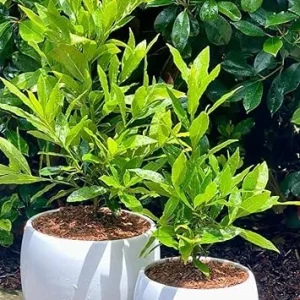
Sold 89 products
Original price was: $39.98.$19.99Current price is: $19.99.
Sold 65 products
Original price was: $103.98.$83.18Current price is: $83.18.
Sold 79 products
Original price was: $28.76.$14.38Current price is: $14.38.
Succulents
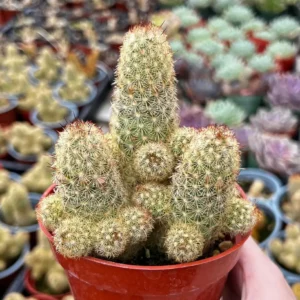
Ladyfinger Cactus Mammillaria Elongata Live Plant – 4-6 inch Pot – Indoor/Outdoor Succulent
Sold 76 products
From $16.78
Sold 80 products
Original price was: $33.98.$16.99Current price is: $16.99.
Sold 53 products
Original price was: $28.76.$14.38Current price is: $14.38.
Sold 82 products
Original price was: $8.52.$4.26Current price is: $4.26.
Sold 89 products
Original price was: $65.98.$32.99Current price is: $32.99.
Sold 64 products
From $43.98
Sold 85 products
Original price was: $24.35.$7.74Current price is: $7.74.
Sold 90 products
Original price was: $73.98.$36.99Current price is: $36.99.
Sold 84 products
Original price was: $48.38.$24.19Current price is: $24.19.



Reviews
There are no reviews yet.