


Red Twig Dogwood Live Plant – Quart Pot, Vibrant Winter Color, USDA Zones 3-8
Original price was: $67.96.$33.98Current price is: $33.98.
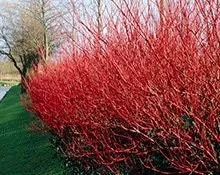
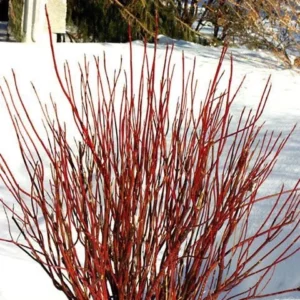
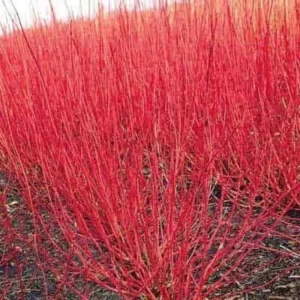
Introduce striking winter interest to your garden with this red twig dogwood live plant. Delivered in a quart pot, this hardy deciduous shrub features brilliant red stems, attractive foliage, and berries that attract wildlife. Ideal for landscaping, erosion control, or privacy screens, it provides year-round appeal and is easy to maintain. Enjoy vibrant color even in the coldest months.
-
USDA Hardiness Zone
USDA Zones 3-8 -
Soil Type
Organically rich, well-draining loamy soils -
Sunlight Exposure
Full sun to partial shade -
Expected Planting Period
Spring or early fall

You can track your order HERE
Feb 26
Mar 03 - Mar 05
Mar 08 - Mar 12
Shipping and return policies: Our Alive & Thrive Guarantee covers issues with your plants within the first 30 days. Reach out to us. Our team will answer your questions and help you find the plants that are truly suitable for your environment, climate, and personal preferences.

Overview
Introduce a burst of vibrant color to your landscape with the red twig dogwood live plant. This remarkable deciduous shrub, scientifically known as Cornus sericea, is celebrated for its stunning bright red stems that offer unparalleled visual interest throughout the dormant winter months. While its green foliage and white flowers are attractive during spring and summer, it’s the brilliant red branches that truly make this plant a garden standout. Often found thriving in damp, wetland environments in the wild, the red twig dogwood live plant is a robust and adaptable addition to many garden styles, from naturalized areas to more formal shrub borders. Its ability to spread and form dense thickets makes it an excellent choice for erosion control or creating privacy screens. This live plant will arrive ready to be planted and begin enhancing your outdoor space.
As a medium to tall shrub, the red twig dogwood live plant grows between 5-13 feet tall and 10-16 feet wide, creating a substantial presence in the garden. Its vivid coloration provides a dramatic contrast against snow or evergreen backdrops, making it a favorite for winter landscapes. Beyond its aesthetic appeal, this plant also offers ecological benefits, providing shelter and berries for local wildlife. Gardeners looking for a low-maintenance yet high-impact plant will find the red twig dogwood live plant an ideal choice.
Key Benefits
The red twig dogwood live plant offers a multitude of benefits that make it a highly desirable addition to any garden. Its unique characteristics contribute to both aesthetic appeal and ecological value, providing year-round interest and supporting local ecosystems. This red twig dogwood live plant is a fantastic investment for any landscape.
- Exceptional Winter Color: The most striking feature of the red twig dogwood live plant is its brilliant red stems, which become particularly vibrant in winter after the leaves have dropped. This provides invaluable color and texture to an otherwise dormant landscape, creating a focal point in snowy or drab gardens.
- Adaptable and Hardy: This robust shrub is known for its resilience and ability to thrive in a variety of conditions, especially in damp soils. It is well-suited for many climates and can tolerate different light exposures, making red twig dogwood care relatively straightforward for gardeners of all experience levels.
- Wildlife Attraction: The small white flowers produced in spring mature into globose white berries, which serve as an important food source for birds and other wildlife. Planting a red twig dogwood live plant can help support local biodiversity.
- Effective for Landscaping: With its ability to spread by underground stolons and form dense thickets, this shrub is excellent for mass plantings, erosion control on slopes, or creating natural privacy screens and hedges. Its spreading habit helps to stabilize soil.
- Attractive Foliage and Flowers: Beyond its iconic red stems, the plant features attractive dark green leaves that turn bright red to purple in the fall, adding another season of interest. Small, dull white flowers appear in clusters, contributing to its charm.
- Low Maintenance Requirement: Once established, the red twig dogwood live plant requires minimal attention. Regular pruning helps maintain its vibrant stem color, but otherwise, it is a relatively hands-off plant, making red twig dogwood care easy.
- Versatile Garden Use: Whether used in a mixed border, a rain garden, alongside a pond, or as a specimen plant, the versatility of this red osier dogwood shrub allows it to complement various garden designs and themes.
Plant Care & Growing Tips
Proper red twig dogwood care ensures a healthy, vibrant plant that will provide years of enjoyment. This hardy shrub is generally low-maintenance, but understanding its specific needs will help it flourish. The red twig dogwood live plant thrives in conditions that mimic its natural wetland habitat, preferring consistently moist to wet soils. While it can tolerate drier conditions once established, regular watering is crucial, especially during dry spells and for newly planted specimens. Ensure the soil is well-draining but retains moisture effectively. For optimal stem color, full sun exposure is ideal, meaning at least 6 hours of direct sunlight per day. However, it can also perform well in partial shade, though the red stem coloration might be less intense in shadier spots. The young, new growth exhibits the most vivid red color, so annual pruning is essential to encourage fresh stem production.
When it comes to soil, the cornus sericea is not overly particular but prefers organically rich, well-drained loamy soils. It can tolerate a range of soil pH levels. Fertilization is typically not a strict requirement, especially if planted in fertile soil. If growth appears sluggish, a balanced, slow-release fertilizer in early spring can provide a boost. The plant is quite cold-hardy, generally thriving in USDA Zones 3-8, making it suitable for a wide range of climates. Pests and diseases are not usually a major concern, but watch for common issues like leaf spot or powdery mildew in humid conditions. Good air circulation and proper spacing can help prevent these problems. To maintain the most intense dogwood with red stems, prune about one-third of the oldest, thickest stems down to the ground each late winter or early spring before new growth emerges. This practice encourages the production of new, brightly colored shoots, which is key to vibrant winter interest.
Size & Details
This offering is for one red twig dogwood live plant, delivered in a quart container. Upon arrival, the plant will be a young specimen, ready for transplanting into your garden or a larger pot. The plant’s mature size typically ranges from 5 to 13 feet tall and 10 to 16 feet wide, forming a medium to tall deciduous shrub with a spreading habit. Its growth rate is moderate to fast, allowing it to establish quickly in its new environment. The vibrant red stems are most prominent on younger growth, which is why periodic pruning is recommended to encourage continuous new stem development. Expect attractive green foliage during spring and summer, followed by a beautiful display of red to purple fall color before the leaves drop to reveal the striking red stems. Small, dull white flowers will appear in clusters, followed by globose white berries that mature in late summer to early fall.
This red osier dogwood shrub is a robust choice for adding year-round interest to your landscape. It is shipped as a live plant, ensuring you receive a healthy specimen ready to thrive. While specific instructions are not included with the plant, the detailed care guide above provides all the necessary information to help your cornus sericea flourish. This plant is an excellent investment for gardeners seeking both beauty and resilience in their outdoor spaces, particularly those looking for impactful winter color.
Frequently Asked Questions
- Q: How big does this red twig dogwood live plant get? A: This deciduous shrub typically grows to a mature height of 5 to 13 feet (1.5–4 meters) and can spread 10 to 16 feet (3–5 meters) wide, forming a dense thicket. Its size makes it suitable for various landscaping purposes.
- Q: What size pot does it come in? A: You will receive one red twig dogwood live plant in a quart-sized container, providing a healthy root system ready for planting.
- Q: Is this an indoor or outdoor plant? A: The red twig dogwood live plant is an outdoor shrub. It is not suitable for indoor cultivation as it requires specific light, temperature, and space conditions to thrive.
- Q: How much sunlight does it need? A: For the most vibrant red stem color, this plant prefers full sun (at least 6 hours of direct sunlight daily). It can tolerate partial shade, but the stem coloration may be less intense. For optimal color, consider the best red twig dogwood care practices.
- Q: Is this plant easy to care for? A: Yes, red twig dogwood care is relatively easy. It’s a hardy and adaptable shrub, especially once established. Regular pruning is the main task to maintain the best stem color.
- Q: What condition will it arrive in? A: Your red twig dogwood live plant will arrive as a healthy, live plant in a quart container, carefully packaged to ensure its safe journey.
- Q: When is the best time to plant a red osier dogwood shrub? A: The best times to plant are typically in spring or early fall, allowing the plant enough time to establish its root system before extreme weather conditions.
- Q: What’s the minimum temperature this plant can tolerate? A: This plant is very cold-hardy and generally thrives in USDA Zones 3-8, meaning it can tolerate very low winter temperatures, often well below freezing.
- Q: How do I get the best red color on my dogwood with red stems? A: To encourage the most vibrant red stems, ensure the plant receives plenty of sunlight and prune about one-third of the oldest stems down to the ground each late winter or early spring. This promotes new, brightly colored growth.
- Q: Will this plant attract wildlife? A: Yes, the white berries produced by the cornus sericea are a food source for various bird species, making it a valuable addition for attracting local wildlife to your garden.
Be the first to review “Red Twig Dogwood Live Plant – Quart Pot, Vibrant Winter Color, USDA Zones 3-8”
People Also Viewed
Sold 77 products
Original price was: $220.00.$110.00Current price is: $110.00.
Sold 56 products
From $99.80
Sold 71 products
From $14.98
Sold 97 products
Original price was: $33.98.$18.49Current price is: $18.49.

Sold 53 products
Original price was: $112.00.$56.00Current price is: $56.00.
Sold 63 products
$41.78
HousePlants
Lithops Live Plants Mix – 30 Colorful Succulents – Living Stones for Indoor/Outdoor Planting
Sold 100 products
Original price was: $65.98.$32.99Current price is: $32.99.
Sold 88 products
Original price was: $31.96.$15.98Current price is: $15.98.
Sold 73 products
$87.98
Sold 89 products
$48.38
Sold 97 products
$63.78
Sold 72 products
$39.58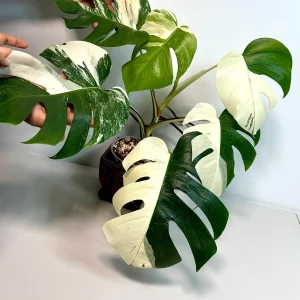
HousePlants
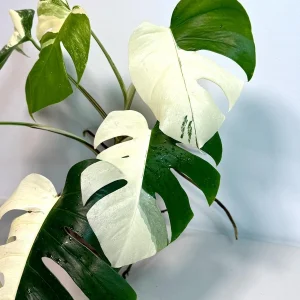
Variegated Monstera Albo Live Plant – Rare White Borsigiana Potted Houseplant – Large Form Indoor
Sold 94 products
Original price was: $1,192.00.$596.00Current price is: $596.00.
Sold 96 products
Original price was: $99.98.$49.99Current price is: $49.99.
Sold 87 products
$65.98
Sold 100 products
Original price was: $76.00.$60.80Current price is: $60.80.
Sold 70 products
Original price was: $660.00.$330.00Current price is: $330.00.
Flower Plants
Snowflake Creeping Phlox Live Plant – 3.5in Pot, Deer Resistant Groundcover, Attracts Pollinators
Sold 99 products
From $67.80



Reviews
There are no reviews yet.