




Red Surprise Lily Bareroot Plant – Lycoris Radiata Bulbs – Outdoor Perennial
From $67.80
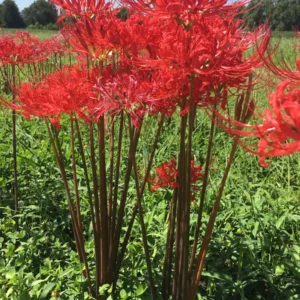
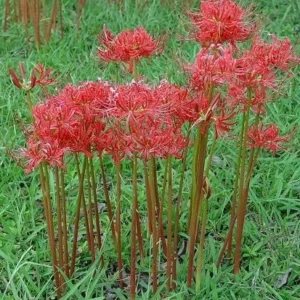
Introduce dramatic late-season color with the red surprise lily bareroot plant. This unique perennial, also known as Lycoris Radiata bulbs or Naked Lady Lily, produces vibrant red flowers on bare stalks in late summer to early fall. Ideal for borders and naturalized areas, it’s a low-maintenance, deer-resistant outdoor plant for USDA Zones 6-10.
-
USDA Hardiness Zone
USDA Zones 6-10 -
Soil Type
Well-draining sandy loam -
Sunlight Exposure
Full sun to partial shade -
Expected Planting Period
Early spring, summer, or early fall

You can track your order HERE
Feb 27
Mar 04 - Mar 06
Mar 09 - Mar 13
Shipping and return policies: Our Alive & Thrive Guarantee covers issues with your plants within the first 30 days. Reach out to us. Our team will answer your questions and help you find the plants that are truly suitable for your environment, climate, and personal preferences.

Overview
Introduce a touch of unexpected beauty to your landscape with the red surprise lily bareroot plant. Also known by many charming names such as Resurrection Lily, Naked Lady Lily, August Lily, and Red Spider Lily, this unique perennial (Lycoris Radiata) is celebrated for its dramatic late-season blooms. Unlike most flowers, the red surprise lily bareroot plant sends up its vibrant, showy red flowers on bare stalks in late summer to early fall, long after its spring foliage has died back. This captivating growth habit makes it a truly enchanting addition to any garden, providing a splash of brilliant color when many other plants are fading. It’s perfect for gardeners seeking an unusual and low-maintenance focal point.
The Lycoris Radiata offers an intriguing cycle: lush green foliage appears in spring, thrives through summer, and then mysteriously vanishes. Weeks later, seemingly overnight, sturdy flower spikes emerge from the ground, culminating in exquisite, starburst-like red blossoms. This distinctive characteristic is what gives it the endearing ‘Resurrection Lily’ moniker. Planting a red surprise lily bareroot plant ensures a fascinating display and a reliable source of late-season visual interest.
Key Benefits
The red surprise lily bareroot plant provides numerous benefits, making it a highly desirable addition to various garden styles and for gardeners of all experience levels. Its unique blooming cycle and striking appearance are just the beginning of its appeal.
- Dramatic Late-Season Blooms: Enjoy a spectacular display of vibrant red flowers in late summer to early fall, extending your garden’s color palette when other plants are winding down. The sudden emergence of these blooms is a true garden marvel, making the red surprise lily bareroot plant a standout.
- Low Maintenance: Once established, these resilient plants require minimal care. They are drought-tolerant and generally resistant to pests and diseases, perfect for busy gardeners. This makes the lycoris radiata bulbs an excellent choice for a hassle-free garden.
- Unique Growth Habit: The intriguing phenomenon of flowers appearing from bare ground after the foliage has died back creates an exciting and unexpected visual element, sparking curiosity and conversation among garden visitors. This ‘Naked Lady’ characteristic is truly captivating, enhancing your garden’s visual interest.
- Versatile Landscaping: Ideal for borders, mass plantings, or naturalized areas, the august lily plant adds a distinctive charm wherever it’s placed. Its bold color creates a stunning contrast against green foliage or other autumnal hues.
- Deer and Rodent Resistant: The bulbs and foliage of the red surprise lily bareroot plant are generally unappealing to deer and rodents, helping to protect your garden investment from common garden pests.
- Hardy Perennial: These lilies are incredibly hardy and return year after year, providing reliable beauty with minimal effort. They thrive in USDA Zones 6-10, proving their adaptability and longevity in various climates.
- Conversation Starter: With its unusual blooming schedule and common names, the red spider lily care is often a topic of discussion among gardening enthusiasts, adding an element of intrigue to your outdoor space.
Plant Care & Growing Tips
Caring for your red surprise lily bareroot plant is straightforward, making it an excellent choice for both novice and experienced gardeners. These resilient plants thrive with minimal intervention once established. They prefer a location with at least six hours of sunlight per day, ideally full sun to partial shade. In hotter climates, some afternoon shade can protect the delicate blooms from scorching, ensuring the longevity of their vibrant color.
When it comes to watering, the lycoris radiata bulbs are quite drought-tolerant. Water regularly during its spring foliage growth and when the flower spikes are emerging, but allow the soil to dry out between waterings. During its dormant period in late summer, reduce watering significantly. Well-draining soil is crucial to prevent bulb rot; a sandy loam enriched with organic matter is ideal. Avoid heavy, waterlogged soils at all costs. These lilies are hardy in USDA Zones 6-10, meaning they can withstand a range of temperatures. In colder zones, consider providing a layer of mulch for winter protection to ensure they return year after year.
Fertilization is typically not necessary for established plants, especially if planted in fertile soil. However, if your soil is poor, you can apply a balanced, slow-release fertilizer in early spring when the foliage first appears. Common problems are rare, but ensure good air circulation to prevent fungal issues. Always remember that the foliage will die back before the flowers appear, which is a normal and expected part of the naked lady lily care unique cycle. Proper red spider lily care ensures beautiful blooms year after year.
Size & Details
The red surprise lily bareroot plant is shipped as a freshly dug, dormant bulb. These bulbs are ready for planting upon arrival, ideally in early spring, summer, or early fall. Each bulb typically produces one to two sturdy flower stalks, reaching an average height of 18 to 24 inches. The spread of the foliage can be similar, creating an attractive clump. The vibrant red flowers, often 2-3 inches across, form a striking cluster at the top of the bare stem. These perennial bulbs will naturalize over time, forming larger clumps and producing more flowers each year. While the foliage is present during spring and early summer, it typically grows to about 12-18 inches tall before dying back. Expect the dramatic flower spikes to emerge in late September or early October, providing a stunning autumn spectacle. Plant these bulbs approximately 4-6 inches deep and 6-8 inches apart for optimal growth and display. For best results, ensure the planting site is suitable for august lily plant growth.
Frequently Asked Questions
-
Q: How big does the Red Surprise Lily bareroot plant get?
A: The flower stalks typically reach 18 to 24 inches tall, while the foliage, which appears earlier in the season, grows to about 12-18 inches tall. The plant will spread over time, forming attractive clumps, especially with proper red spider lily care. -
Q: Is this an indoor or outdoor plant?
A: The red surprise lily bareroot plant is primarily an outdoor plant, best suited for garden beds, borders, and naturalized areas. It thrives in USDA Zones 6-10 and requires outdoor conditions to flourish. -
Q: How much sunlight does the Lycoris Radiata plant need?
A: It prefers full sun to partial shade, ideally receiving at least 6 hours of direct sunlight per day. In very hot climates, some afternoon shade can be beneficial for the blooms, protecting them from scorching. -
Q: Is this plant easy to care for?
A: Yes, the naked lady lily care is considered very easy. Once established, it is drought-tolerant and requires minimal attention, making it perfect for beginners and busy gardeners looking for a hassle-free addition. -
Q: What condition will the Red Surprise Lily bareroot plant arrive in?
A: It will arrive as a freshly dug, dormant bareroot bulb, ready for planting. Ensure it is planted promptly upon arrival for best results and successful establishment. -
Q: When is the best time to plant the August Lily plant?
A: The best times for planting are early spring, summer, or early fall. Avoid planting during winter or when temperatures are freezing to ensure the bulbs can establish properly. -
Q: How long until it blooms?
A: If planted at the right time, you can expect blooms in late September or early October of the same year or the following year. Established lycoris radiata bulbs reliably bloom each autumn, providing a spectacular show. -
Q: Will it survive winter in my zone?
A: The red surprise lily bareroot plant is hardy in USDA Zones 6-10. If you are in zone 5 or colder, you may need to provide significant winter protection with mulch or consider growing it in containers that can be moved indoors. -
Q: What about Red Spider Lily care during its dormant phase?
A: During its summer dormancy (after foliage dies back and before flowering), reduce watering significantly. The bulbs are resting and preparing for their spectacular autumn show, so minimal intervention is best. -
Q: Is the Red Surprise Lily deer resistant?
A: Yes, Lycoris Radiata is generally considered deer and rodent resistant, making it a good choice for gardens prone to these pests. This adds to the ease of august lily plant cultivation.
| Amount | 10, 2, 3, 4, 5 |
|---|
Be the first to review “Red Surprise Lily Bareroot Plant – Lycoris Radiata Bulbs – Outdoor Perennial”
People Also Viewed
Sold 74 products
Original price was: $59.98.$29.99Current price is: $29.99.
Sold 95 products
Original price was: $247.96.$123.98Current price is: $123.98.

Sold 88 products
Original price was: $108.00.$54.00Current price is: $54.00.

Sold 58 products
Original price was: $355.96.$177.98Current price is: $177.98.
Sold 82 products
Original price was: $43.20.$21.60Current price is: $21.60.
Sold 99 products
Original price was: $180.00.$90.00Current price is: $90.00.
Sold 82 products
Original price was: $147.16.$73.58Current price is: $73.58.
Sold 73 products
Original price was: $23.98.$16.78Current price is: $16.78.
Sold 69 products
From $130.00
Sold 77 products
Original price was: $108.00.$54.00Current price is: $54.00.
Sold 83 products
Original price was: $144.00.$72.00Current price is: $72.00.
Sold 60 products
Original price was: $45.99.$25.99Current price is: $25.99.
Sold 83 products
Original price was: $64.80.$32.40Current price is: $32.40.
Sold 74 products
Original price was: $108.00.$54.00Current price is: $54.00.
Sold 92 products
From $147.96
Sold 61 products
Original price was: $57.98.$28.99Current price is: $28.99.

Sold 75 products
Original price was: $144.00.$72.00Current price is: $72.00.

Sold 96 products
Original price was: $13.96.$6.98Current price is: $6.98.



Reviews
There are no reviews yet.