
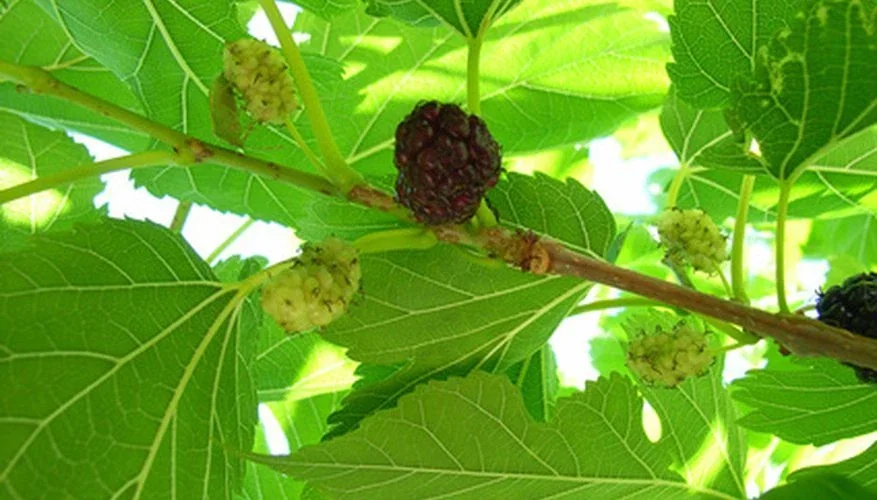

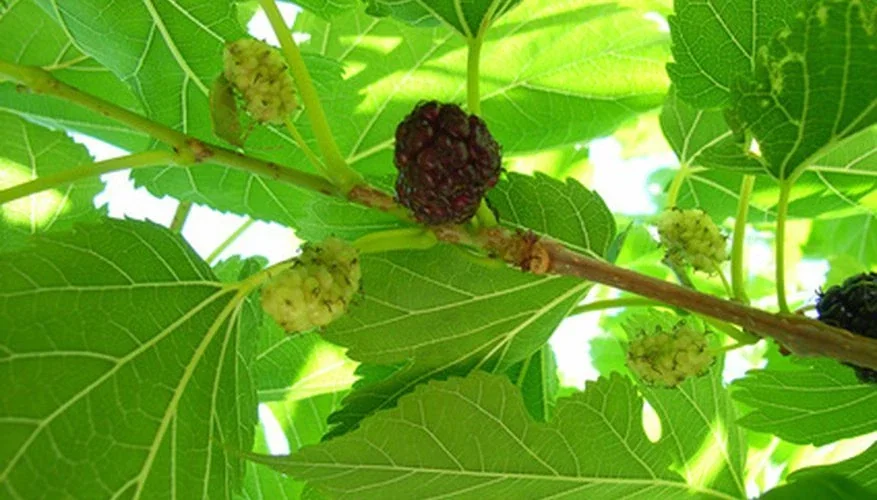
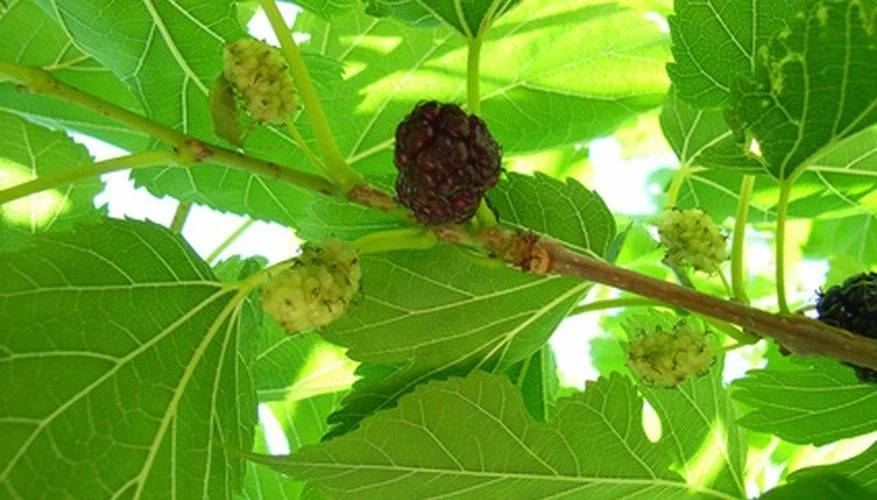

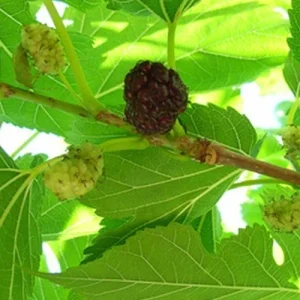
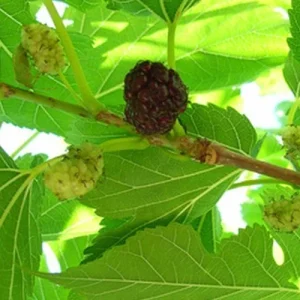
Red Mulberry Live Plant – 16-24 Inches Tall, 1-2 Year Olds, Bare Root, Set of 2
Original price was: $40.76.$20.38Current price is: $20.38.
Cultivate your own sweet fruit with this set of two red mulberry live plant specimens. These 16-24 inch tall, 1-2 year old bare root trees are ideal for home orchards and offer delicious, edible berries. Known for their fast growth and hardiness, they are perfect for outdoor planting.
-
USDA Hardiness Zone
USDA Zones 4-9 -
Soil Type
Well-draining loam soil -
Sunlight Exposure
Full Sun -
Expected Planting Period
Early Spring

You can track your order HERE
Mar 03
Mar 08 - Mar 10
Mar 13 - Mar 17
Shipping and return policies: Our Alive & Thrive Guarantee covers issues with your plants within the first 30 days. Reach out to us. Our team will answer your questions and help you find the plants that are truly suitable for your environment, climate, and personal preferences.

Overview
Bring the joy of fresh, homegrown fruit to your garden with this exceptional set of two red mulberry live plant specimens. These young trees, measuring between 16 to 24 inches tall and 1 to 2 years old, are provided in bare root form, ready for planting. The Red Mulberry, scientifically known as Morus rubra, is a native North American tree celebrated for its sweet, juicy, red to purplish-black berries. This resilient and fast-growing fruit tree is an excellent addition to any landscape, providing both ornamental beauty and a bountiful harvest. Whether you’re an experienced gardener or just starting your fruit tree journey, a red mulberry live plant offers a rewarding experience and delicious results.
Our red mulberry live plant selection is chosen for vigor and health, ensuring you receive robust specimens ready to establish in your garden. These trees are known for their ease of care and adaptability to various climates, making them a popular choice for gardeners across the continental United States. Enjoy the natural beauty of their foliage and the delightful taste of their fruit, which can be eaten fresh, made into jams, pies, or dried for a healthy snack. A red mulberry live plant is more than just a tree; it’s an investment in sustainable living and delicious, natural produce.
Key Benefits
Investing in a red mulberry live plant offers numerous advantages for your garden and your enjoyment:
-
Abundant Edible Fruit: These trees produce a generous crop of sweet, flavorful mulberries, perfect for fresh eating, preserves, or baking. The fruit from a red mulberry live plant is a seasonal delight that many look forward to each summer.
-
Fast Growth Rate: Red Mulberry trees are known for their relatively fast growth, meaning you won’t have to wait long to enjoy their shade and fruit production. They establish quickly, becoming a prominent feature in your landscape.
-
Low Maintenance: Once established, these trees are quite hardy and require minimal care, making them suitable for busy gardeners. They are generally resistant to many common pests and diseases, simplifying upkeep.
-
Wildlife Attraction: The delicious berries attract a variety of birds and other wildlife, adding natural vibrancy and biodiversity to your garden ecosystem. This makes the red mulberry live plant a great choice for nature lovers.
-
Versatile Use: Beyond their fruit, Red Mulberry trees offer attractive foliage and can serve as shade trees or a natural privacy screen. Their adaptability makes them a valuable asset in diverse garden designs.
-
Drought Tolerance: Once mature, the morus rubra plant exhibits good drought tolerance, reducing the need for frequent watering in established gardens.
-
Soil Adaptability: These trees are not overly particular about soil type, thriving in a range of conditions as long as drainage is adequate.
Plant Care & Growing Tips
Caring for your red mulberry live plant is straightforward, ensuring a healthy tree and a plentiful harvest. These trees prefer a location with full sun, meaning at least 6-8 hours of direct sunlight per day. While they can tolerate some partial shade, optimal fruit production occurs in sunnier spots. Ensure the planting site has good air circulation to prevent fungal issues. When planting your bare root trees, dig a hole wide enough to accommodate the roots without bending, and backfill with native soil, ensuring the graft union (if present) is above ground level.
Watering is crucial during the establishment phase. Keep the soil consistently moist, but not waterlogged, for the first year after planting. Once established, an edible fruit tree like the Red Mulberry is quite drought tolerant, but supplemental watering during prolonged dry spells will benefit fruit quality and yield. The ideal soil for a red mulberry live plant is well-draining loam, but they are adaptable to various soil types, including sandy or clay soils, as long as drainage is adequate. Avoid heavy, waterlogged soils which can lead to root rot. For best results, amend heavy clay soils with organic matter to improve drainage.
Red Mulberry trees are hardy in USDA zones 4-9, making them suitable for a wide range of climates. Fertilize in early spring with a balanced slow-release fertilizer designed for fruit trees, following package directions. Pruning should be done in late winter or early spring while the tree is dormant. Focus on removing dead, damaged, or crossing branches to maintain an open canopy and encourage better fruit production. Watch for common pests like aphids and scale, and treat with horticultural oil or insecticidal soap if necessary. Proper care will lead to a thriving fast growing mulberry tree.
Size & Details
This offering includes a set of two red mulberry live plant specimens. Each plant stands approximately 16 to 24 inches tall and is typically 1 to 2 years old at the time of shipment. These are bare root plants, meaning they are shipped without soil around their roots. This method is common for deciduous trees during their dormant season, promoting easier transplanting and establishment. The mature size of a red mulberry tree can reach 30-50 feet tall with a similar spread, though they can be managed with pruning. Expect these young trees to begin producing fruit within 2-3 years after planting, with increasing yields as they mature. The growth rate is considered fast, allowing you to enjoy the benefits of this wonderful edible fruit tree sooner.
Each red mulberry live plant is carefully prepared for shipping to ensure it arrives in optimal condition, ready for immediate planting upon arrival. The bare root form allows for efficient transportation and reduces transplant shock when properly rehydrated and planted. These plants are grown specifically to become productive and beautiful additions to your home garden, providing a sustainable source of delicious red mulberries for years to come. The morus rubra plant is a robust choice for both novice and experienced fruit growers.
Frequently Asked Questions
-
Q: How big will the red mulberry live plant get at maturity? A: A mature Red Mulberry tree typically reaches a height of 30-50 feet and can have a similar spread. Regular pruning can help manage its size and shape if you have limited space.
-
Q: Is this an indoor or outdoor plant? A: The red mulberry live plant is an outdoor tree. It requires ample space to grow and thrives in full sun conditions in a garden or landscape setting.
-
Q: How much sunlight does a red mulberry tree need? A: For optimal growth and fruit production, a red mulberry tree needs at least 6-8 hours of direct sunlight per day. It can tolerate partial shade, but fruit yields may be reduced.
-
Q: What condition will the plants arrive in? A: Your red mulberry live plant specimens will arrive as bare root plants, dormant and carefully packaged to ensure they are healthy and ready for planting. They will not have leaves upon arrival, which is normal for bare root trees.
-
Q: Is the fruit from the morus rubra plant edible? A: Yes, the fruit of the morus rubra plant (Red Mulberry) is fully edible and highly prized for its sweet, juicy flavor. It can be eaten fresh or used in various culinary applications.
-
Q: When is the best time to plant a red mulberry live plant? A: The best time to plant bare root Red Mulberry trees is in early spring, after the last frost, while the trees are still dormant. This allows them to establish their root system before the heat of summer.
-
Q: What USDA hardiness zones are suitable for this edible fruit tree? A: The edible fruit tree, Red Mulberry, is typically hardy in USDA Zones 4 through 9. This wide range makes it adaptable to many different climates across the United States.
-
Q: How long until my fast growing mulberry tree produces fruit? A: A fast growing mulberry tree like the Red Mulberry can start producing fruit within 2-3 years after planting, with production increasing significantly as the tree matures.
-
Q: What kind of soil is best for a red mulberry live plant? A: While adaptable, a red mulberry live plant prefers well-draining loamy soil. It can tolerate a variety of soil types, but good drainage is essential to prevent root issues.
-
Q: Are these plants considered child-safe and pet-safe? A: Yes, the Red Mulberry fruit is generally considered safe for consumption by humans and pets. However, as with any plant, it’s always advisable to monitor children and pets to prevent excessive consumption or consumption of unripe parts.
Be the first to review “Red Mulberry Live Plant – 16-24 Inches Tall, 1-2 Year Olds, Bare Root, Set of 2”
People Also Viewed
Sold 74 products
Original price was: $96.00.$76.80Current price is: $76.80.
Sold 95 products
Original price was: $33.98.$27.18Current price is: $27.18.
Sold 88 products
Original price was: $279.60.$139.80Current price is: $139.80.
Sold 63 products
Original price was: $43.99.$23.99Current price is: $23.99.
Sold 97 products
Original price was: $535.96.$267.98Current price is: $267.98.
Sold 69 products
Original price was: $80.00.$40.00Current price is: $40.00.
Sold 87 products
Original price was: $427.96.$213.98Current price is: $213.98.
Sold 57 products
Original price was: $28.76.$14.38Current price is: $14.38.
Sold 62 products
Original price was: $39.98.$19.99Current price is: $19.99.
Sold 94 products
Original price was: $67.96.$33.98Current price is: $33.98.
Sold 96 products
From $67.80
Sold 55 products
Original price was: $73.56.$36.78Current price is: $36.78.
Sold 92 products
From $107.80
HousePlants
Sold 63 products
Original price was: $43.98.$21.99Current price is: $21.99.
Sold 72 products
Original price was: $67.98.$33.99Current price is: $33.99.
Sold 99 products
Original price was: $89.56.$44.78Current price is: $44.78.

Sold 98 products
From $11.49
Sold 82 products
Original price was: $111.96.$55.98Current price is: $55.98.



Reviews
There are no reviews yet.