




Red Cardinal Flower – Lobelia cardinalis – Live Bare Root Perennial Plant – Set of 20 Roots
Original price was: $81.23.$30.49Current price is: $30.49.
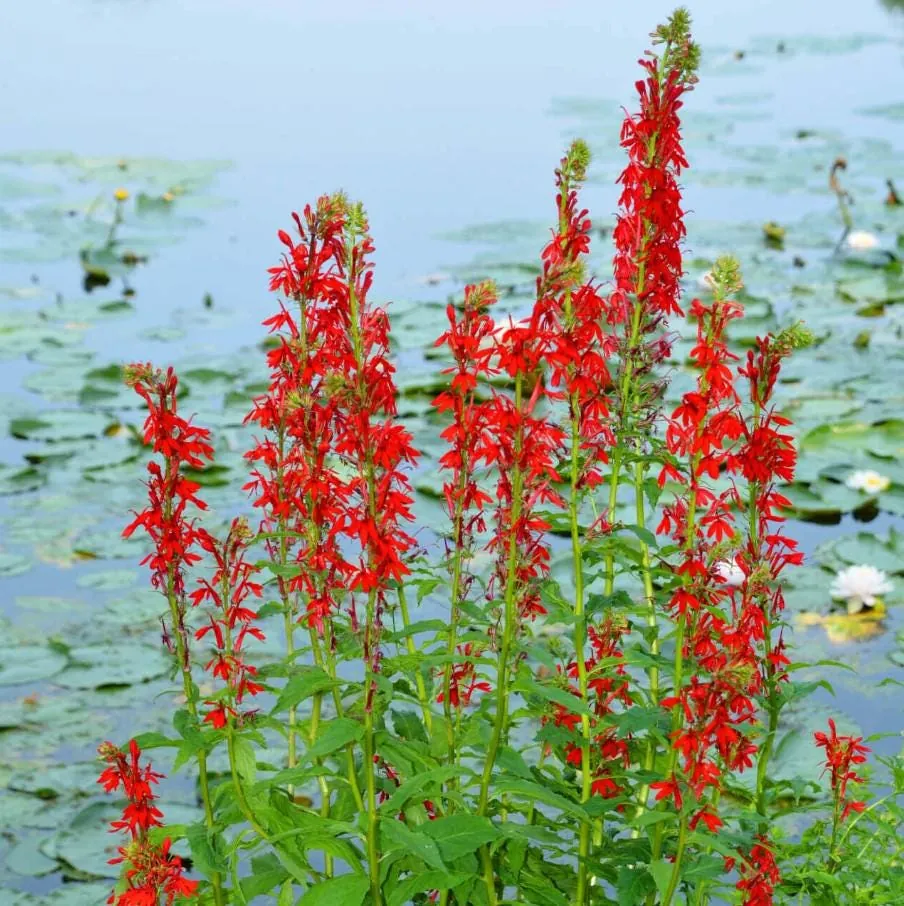
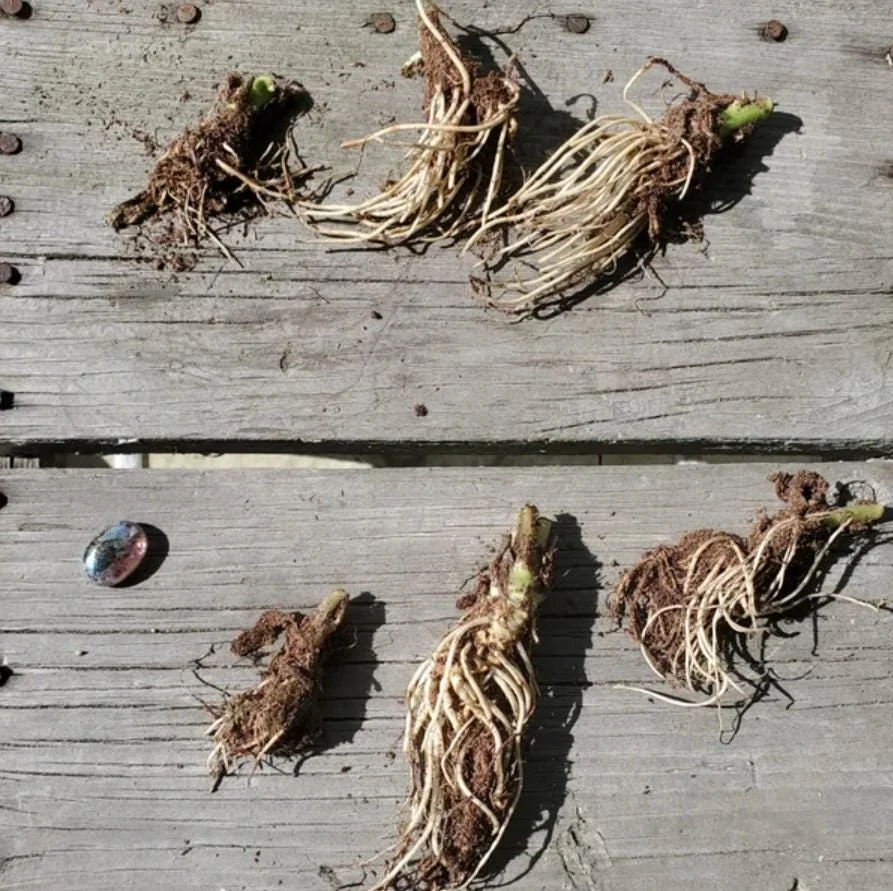
Add a splash of brilliant scarlet to your landscape with the red cardinal flower (Lobelia cardinalis). This beautiful native perennial plant attracts hummingbirds and butterflies, thriving in moist to wet conditions. You will receive a set of 20 roots, ready for planting to establish quickly.
-
USDA Hardiness Zone
3–9 -
Soil Type
Moist to wet, rich soil -
Sunlight Exposure
Full sun to partial shade -
Expected Planting Period
Spring or fall

You can track your order HERE
Feb 27
Mar 04 - Mar 06
Mar 09 - Mar 13
Shipping and return policies: Our Alive & Thrive Guarantee covers issues with your plants within the first 30 days. Reach out to us. Our team will answer your questions and help you find the plants that are truly suitable for your environment, climate, and personal preferences.

Overview
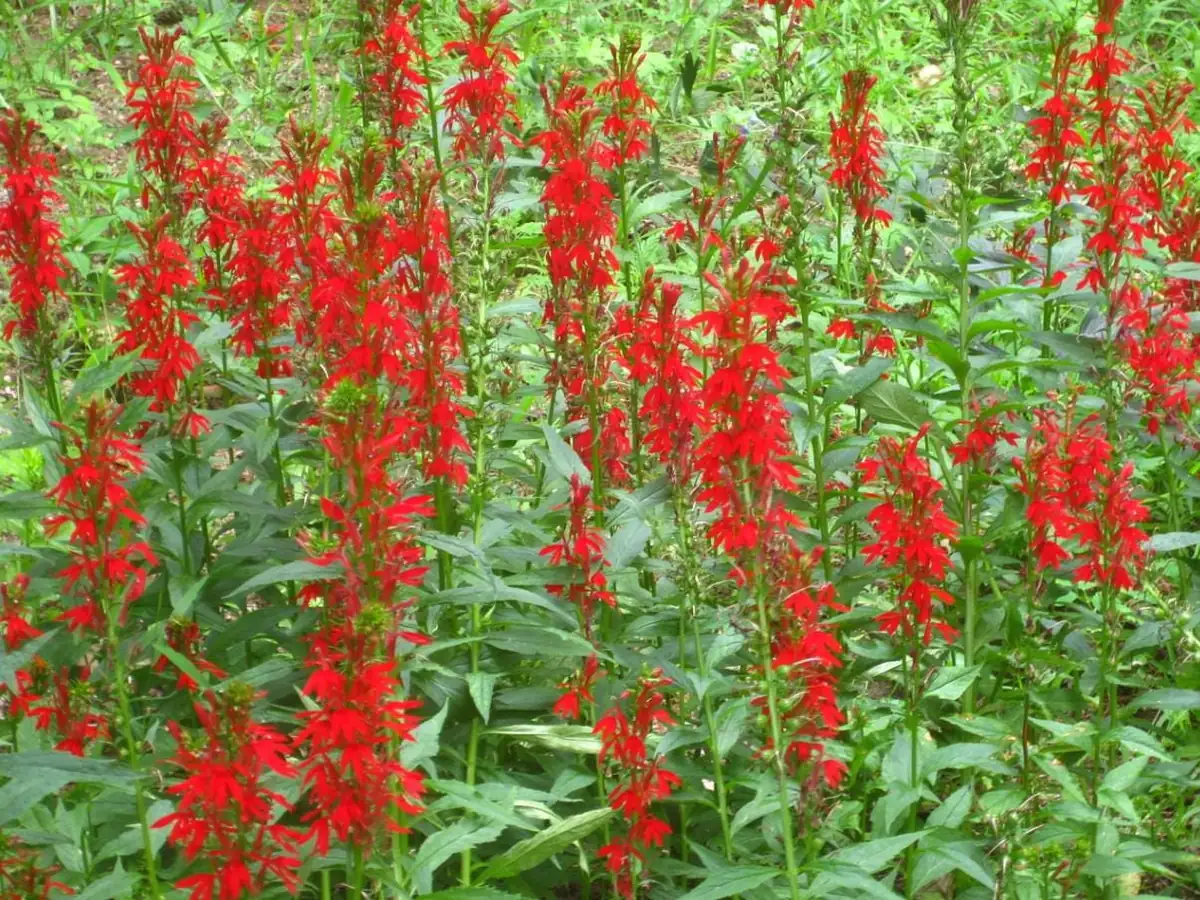
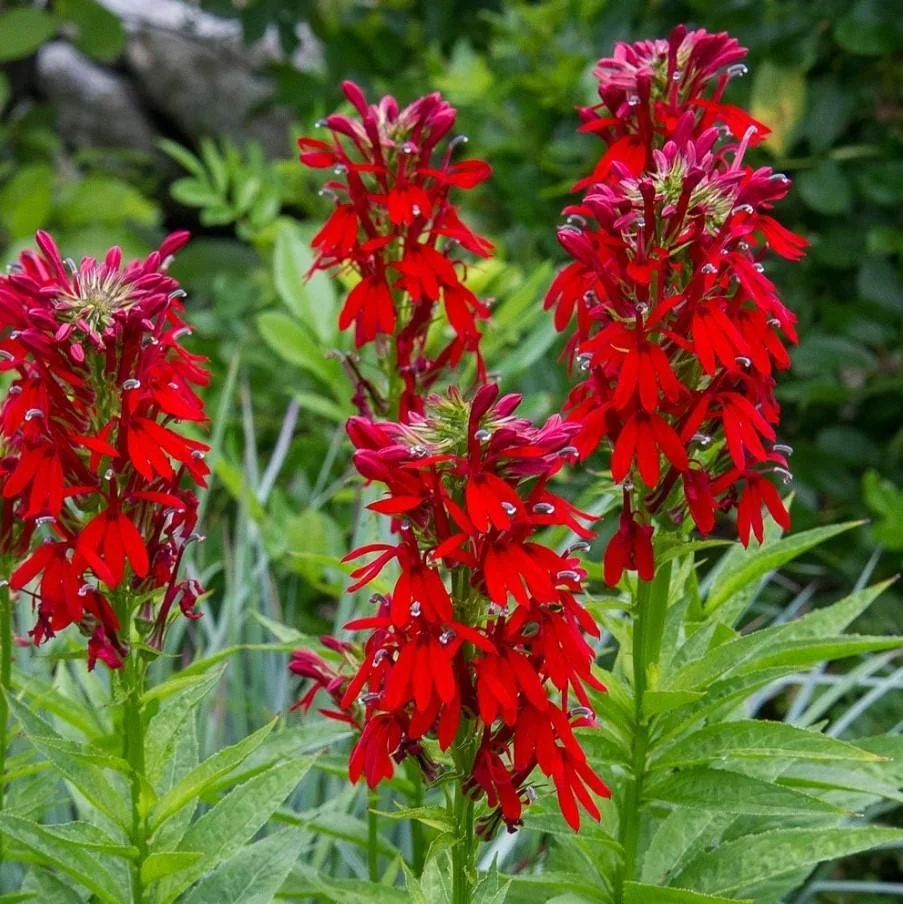
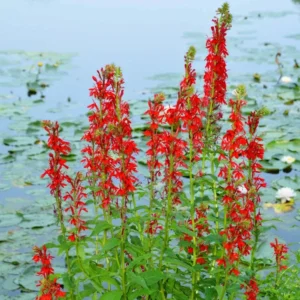
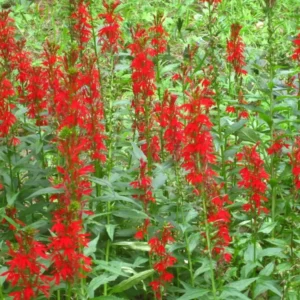
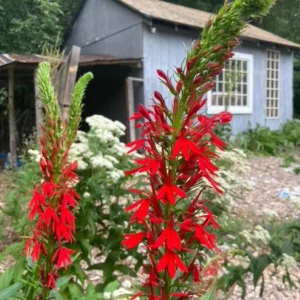
Introduce breathtaking color and life to your garden with the stunning red cardinal flower (Lobelia cardinalis). This exquisite native perennial plant is celebrated for its tall, dramatic spikes of brilliant red blooms that emerge from midsummer to early fall, creating a spectacular display. A true magnet for pollinators, particularly hummingbirds and butterflies, the red cardinal flower adds dynamic beauty and ecological value to any landscape. It’s an ideal choice for gardeners looking to create vibrant, wildlife-friendly spaces, especially in areas with consistently moist soil.
The Lobelia cardinalis, commonly known as the Cardinal Flower, is indigenous to North America and thrives in boggy areas, along stream banks, and in moist woodlands. Its striking scarlet flowers are a beacon for nectar-feeding birds, making it an essential component of a pollinator garden. This bare root set provides 20 roots, offering an excellent opportunity to establish a significant patch of these magnificent plants, ensuring a robust and floriferous display for years to come.
Key Benefits
The red cardinal flower offers numerous advantages, transforming your garden into a vibrant haven for both nature and aesthetic appreciation. Its unique attributes make it a standout choice for various garden designs:
- Attracts Pollinators: The tubular, bright red flowers are perfectly designed to attract hummingbirds, making it a star attraction in any garden focused on wildlife. It also appeals to butterflies, enhancing biodiversity.
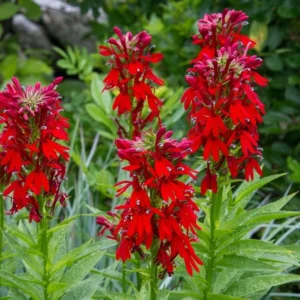
- Dramatic Visual Impact: With its tall, upright growth habit and intensely colored scarlet blooms, the lobelia cardinalis provides a bold statement and focal point in garden beds, creating a stunning visual contrast.
- Ideal for Moist Areas: Unlike many perennials, this plant thrives in consistently moist to wet soil conditions, making it an excellent choice for rain gardens, pond edges, and other damp spots where other plants might struggle.
- Native Plant Benefits: As a native perennial plant, it is well-adapted to local ecosystems, requiring less maintenance once established and providing crucial support for native fauna.
- Long Bloom Period: Enjoy its vibrant flowers from midsummer through early fall, extending the season of color in your garden when many other plants are fading.
- Low Maintenance: Once established in suitable conditions, the red cardinal flower is relatively easy to care for, requiring minimal intervention beyond consistent moisture.
- Versatile Landscape Use: Perfect for naturalized landscapes, woodland gardens, and borders, adding a wild yet refined elegance. It’s a fantastic rain garden plant.
Plant Care & Growing Tips
Cultivating the red cardinal flower is rewarding when its specific needs are met. This native perennial plant prefers consistent moisture and can even tolerate standing water for short periods. For optimal growth and prolific blooming, plant your lobelia cardinalis bare roots in spring or fall.
Sunlight: The red cardinal flower performs best in full sun to partial shade. In hotter climates, partial afternoon shade is beneficial to prevent scorching and maintain soil moisture. Ensure it receives at least 4-6 hours of direct sunlight daily for the most vibrant blooms. Watering: This plant requires consistently moist to wet soil. Do not allow the soil to dry out, as it does not tolerate drought. Regular watering is crucial, especially during dry spells. For container planting, ensure the pot has good drainage but maintain constant moisture. Soil: Plant in rich, moist to wet soil. It thrives in loamy or clay soils that retain moisture well. Amend heavy clay soils with compost to improve structure and fertility, or incorporate organic matter into sandy soils to enhance water retention. Temperature & Climate: Hardy in USDA zones 3–9, the red cardinal flower is tolerant of heat and humidity, provided it receives adequate water. It can withstand cold winters in its hardiness range, returning each spring. Fertilization: Enrich the soil with compost annually in spring to provide essential nutrients. Avoid high-nitrogen fertilizers, which can promote foliage growth at the expense of flowers. Growth Habit: Expect upright stems reaching 2–4 feet tall, culminating in spectacular scarlet flower spikes. Deadheading spent flowers is not strictly necessary but can encourage a tidier appearance.
Size & Details
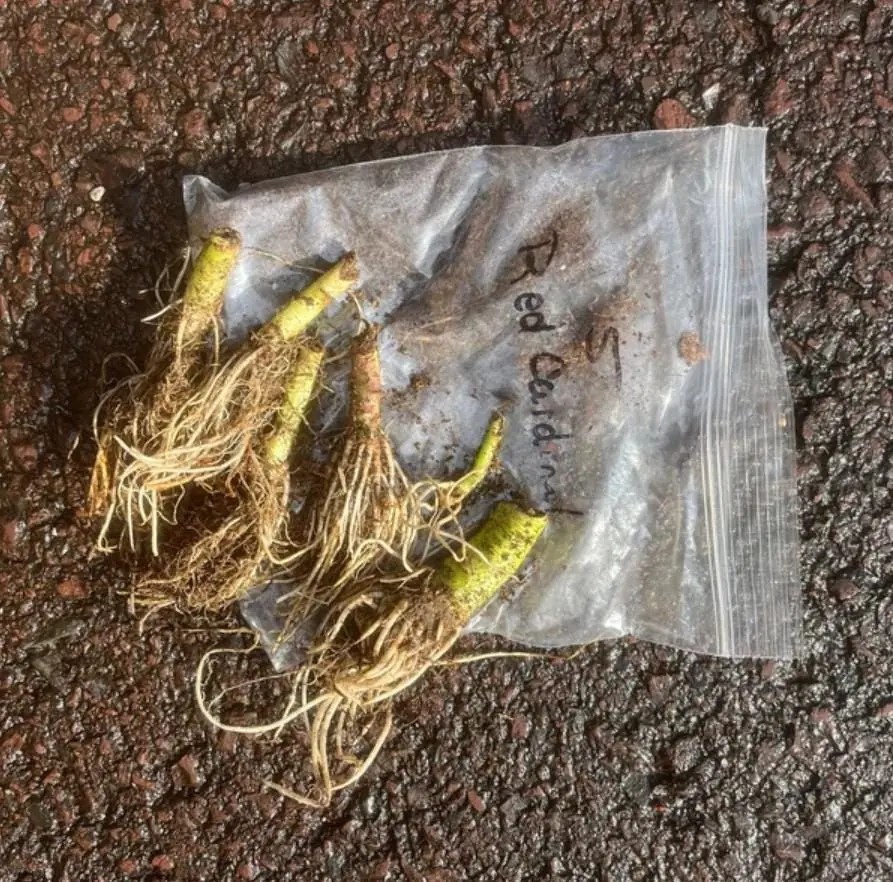
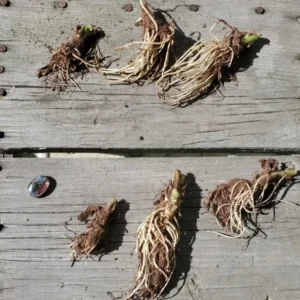
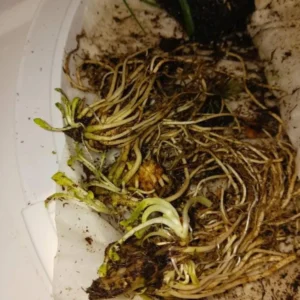
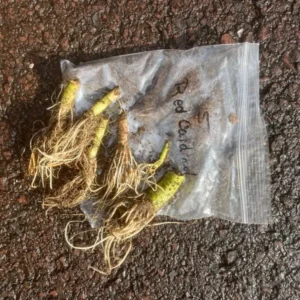
This offering includes a set of 20 roots of the red cardinal flower, Lobelia cardinalis, ready for planting. Each bare root is carefully harvested and prepared to ensure successful establishment in your garden. When mature, these native perennial plants will develop into robust clumps, producing multiple upright stems that typically reach a height of 2 to 4 feet. The vibrant scarlet flower spikes emerge from midsummer to early fall, adding significant vertical interest and color to your landscape. The plant’s spread can range from 1 to 2 feet per clump, forming a dense and impressive display over time. This particular variety is known for its strong growth and ability to naturalize in suitable moist environments, making it an excellent long-term addition to a hummingbird plant collection or a dedicated rain garden plant section.
Frequently Asked Questions
- Q: How big does the red cardinal flower get? A: The red cardinal flower typically grows to an upright height of 2 to 4 feet, with a spread of 1 to 2 feet per plant. Its tall spikes make a dramatic statement in the garden.
- Q: Is this an indoor or outdoor plant? A: The red cardinal flower is primarily an outdoor native perennial plant, thriving in garden beds, rain gardens, and moist naturalized areas. It is not typically grown as an indoor houseplant.
- Q: How much sunlight does the Lobelia cardinalis need? A: This plant prefers full sun to partial shade. For the best blooming performance, aim for at least 4-6 hours of direct sunlight daily. In hot climates, some afternoon shade is beneficial.
- Q: Is the red cardinal flower easy to care for? A: Yes, once established in consistently moist to wet soil, the red cardinal flower is relatively easy to care for. Its primary requirement is consistent moisture, as it does not tolerate drought.
- Q: What condition will the bare roots arrive in? A: You will receive a set of 20 roots that are dormant and ready for planting. They should be planted promptly upon arrival to ensure optimal growth.
- Q: When is the best time to plant these bare roots? A: The best times to plant red cardinal flower bare roots are in the spring or fall when temperatures are moderate. This allows the roots to establish before extreme heat or cold.
- Q: Will the red cardinal flower attract hummingbirds? A: Absolutely! The vibrant, tubular red flowers of the lobelia cardinalis are a major attractant for hummingbirds, making it an excellent addition to a hummingbird plant garden.
- Q: What USDA zones is this plant hardy in? A: The red cardinal flower is hardy in USDA zones 3 through 9, meaning it can tolerate a wide range of winter temperatures and will reliably return each year.
- Q: Can I grow this plant near a pond or water feature? A: Yes, the red cardinal flower thrives in moist to wet conditions, making it an ideal choice for planting along pond edges, streams, or in boggy areas. It’s a perfect rain garden plant.
- Q: How often should I water my red cardinal flower? A: Keep the soil consistently moist; it should never be allowed to dry out. Depending on your climate and soil type, this may mean daily watering, especially during dry periods or if planted in containers.
Be the first to review “Red Cardinal Flower – Lobelia cardinalis – Live Bare Root Perennial Plant – Set of 20 Roots”
People Also Viewed
Sold 63 products
Original price was: $59.98.$29.99Current price is: $29.99.
HousePlants
Lithops Live Plants Mix – 30 Colorful Succulents – Living Stones for Indoor/Outdoor Planting
Sold 98 products
Original price was: $65.98.$32.99Current price is: $32.99.

Sold 58 products
Original price was: $89.98.$44.99Current price is: $44.99.
Sold 69 products
Original price was: $89.56.$44.78Current price is: $44.78.
Sold 69 products
Original price was: $119.80.$59.90Current price is: $59.90.
Sold 62 products
$48.38

Sold 78 products
Original price was: $355.96.$177.98Current price is: $177.98.

Sold 71 products
From $197.96
Sold 53 products
Original price was: $91.98.$45.99Current price is: $45.99.
Sold 78 products
From $61.58
Sold 51 products
Original price was: $283.96.$141.98Current price is: $141.98.

Sold 62 products
Original price was: $64.00.$51.20Current price is: $51.20.
Sold 67 products
Original price was: $54.36.$27.18Current price is: $27.18.
Sold 89 products
Original price was: $80.00.$64.00Current price is: $64.00.
Sold 62 products
Original price was: $157.96.$78.98Current price is: $78.98.
Sold 83 products
Original price was: $79.98.$39.99Current price is: $39.99.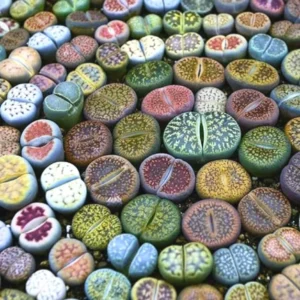
Sold 77 products
Original price was: $39.98.$19.99Current price is: $19.99.
HousePlants
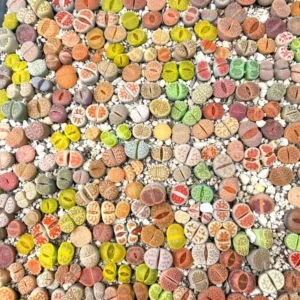
Lithops Live Plants Mix – 10 Large Colorful Living Stones Succulents for Indoor/Outdoor Growing
Sold 89 products
Original price was: $27.98.$13.99Current price is: $13.99.



Reviews
There are no reviews yet.