
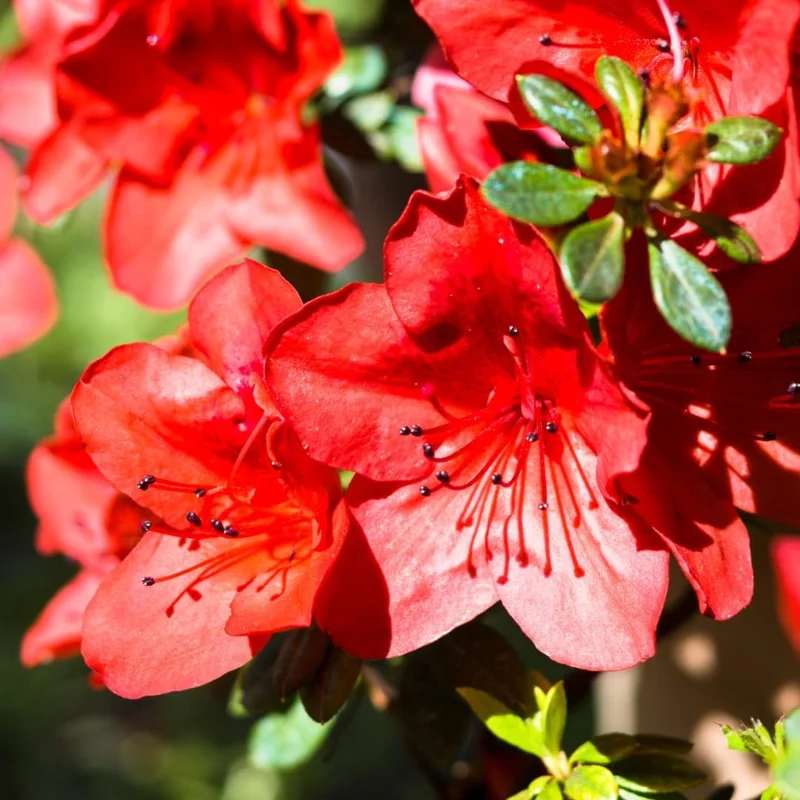
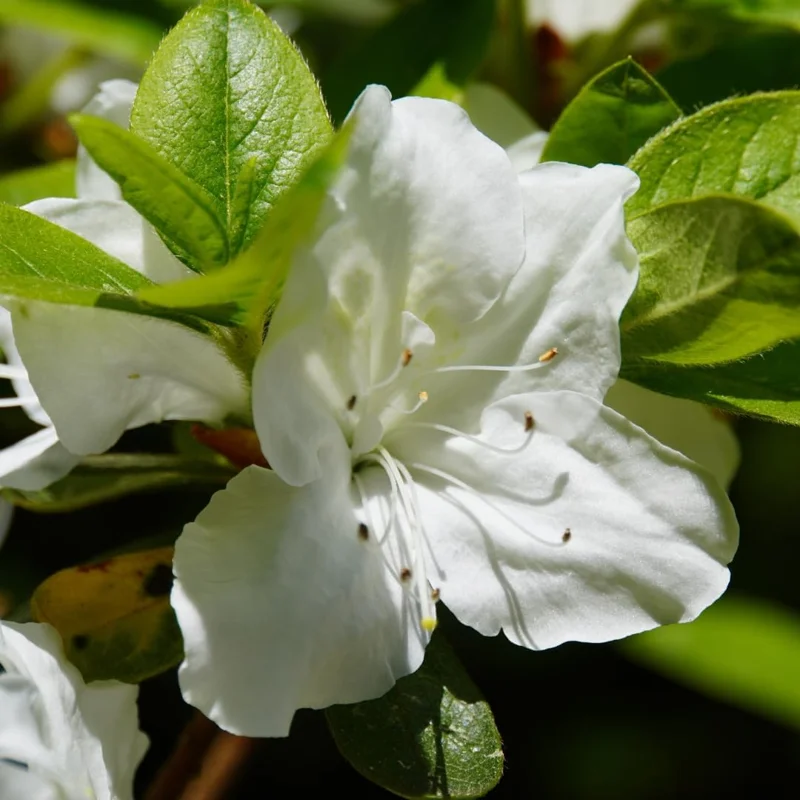
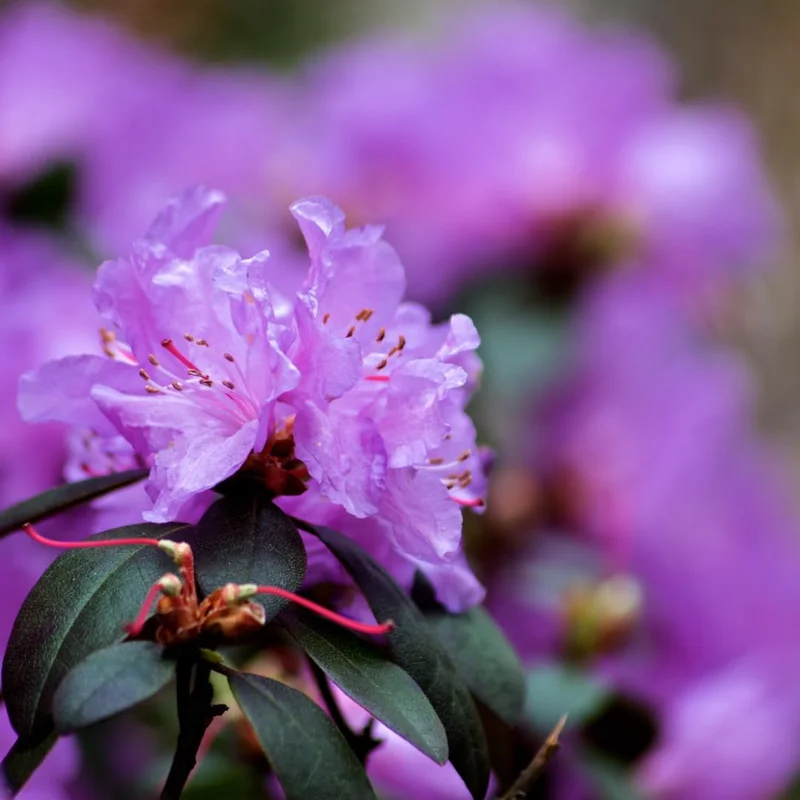
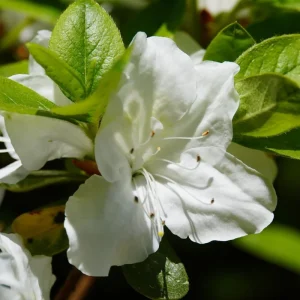
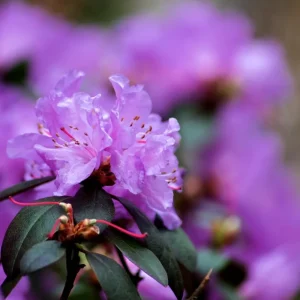
Red Azalea Live Plant – Hardy Flowering Shrub, 10 Inches Tall, Outdoor
$57.18
Add a splash of vibrant color to your landscape with this beautiful Red Azalea live plant. A hardy flowering shrub, it’s perfect for garden beds, borders, and walkways, offering stunning red blooms and easy outdoor care for gardeners in USDA Zones 6-9.
-
USDA Hardiness Zone
6-9 -
Soil Type
Acidic, well-draining soil -
Sunlight Exposure
Full Sun -
Expected Planting Period
Spring to early fall

You can track your order HERE
Feb 14
Feb 19 - Feb 21
Feb 24 - Feb 28
Shipping and return policies: Our Alive & Thrive Guarantee covers issues with your plants within the first 30 days. Reach out to us. Our team will answer your questions and help you find the plants that are truly suitable for your environment, climate, and personal preferences.

Overview
Transform your outdoor space with a stunning Red Azalea live plant. This vibrant, deciduous or evergreen shrub is renowned for its spectacular floral displays, bringing a burst of color to any garden. Azaleas are a subgroup of the genus Rhododendron, celebrated for their showy, funnel-shaped flowers that appear in spring, transforming landscapes into a tapestry of hues. This particular variety, a hardy flowering shrub, is ideal for gardeners seeking a robust and beautiful addition to their outdoor environment. Perfect for creating eye-catching focal points or mass plantings, this azalea specimen arrives ready for planting, poised to establish and flourish in its new home. Its natural beauty and ease of care make it a favored choice among both novice and experienced gardeners looking to enhance their curb appeal with a dependable and attractive plant.
Known for its resilience and adaptability, this Red Azalea live plant is an excellent choice for a variety of garden designs. It’s a plant that consistently delivers stunning visual impact year after year with minimal fuss. Whether you’re designing a new garden bed or revitalizing an existing one, the rich red blooms of this azalea will undoubtedly become a highlight. Its ability to thrive in a range of conditions, particularly within its recommended USDA hardiness zones, underscores its reputation as a reliable and rewarding garden shrub. Prepare to enjoy a season of breathtaking color and lush foliage with this exceptional plant.
Key Benefits
Investing in a Red Azalea live plant brings numerous advantages to your garden and outdoor living space. This plant is not just about its stunning appearance; it offers a multitude of practical and aesthetic benefits that enhance the overall quality and enjoyment of your landscape.
- Spectacular Spring Blooms: Enjoy a profusion of vibrant red flowers each spring, creating a dramatic and beautiful display that is sure to capture attention. The intense color provided by this hardy flowering shrub can brighten up any dull corner of the garden.
- Low Maintenance: Once established, azaleas are relatively easy to care for, requiring minimal intervention to thrive. This makes them ideal for busy gardeners or those new to gardening who still want a high-impact plant.
- Versatile Landscaping: This azalea is suitable for a wide range of garden applications, including borders, foundation plantings, woodland gardens, and even container gardening. Its adaptable nature allows for creative placement in various garden designs.
- Attracts Pollinators: The bright flowers of the azalea are a magnet for beneficial pollinators like bees and butterflies, contributing to the biodiversity and health of your garden ecosystem. This support for local wildlife is a significant benefit of planting an azalea for garden use.
- Year-Round Interest: While most prominent for its spring flowers, many azalea varieties also offer attractive foliage throughout the growing season, and some evergreen types provide greenery even in winter, ensuring continuous visual appeal.
- Hardy and Resilient: Bred for resilience, this plant is suitable for USDA Hardiness Zones 6-9, meaning it can withstand a range of temperatures and conditions, making it a reliable choice for many regions. This characteristic is why it’s considered a hardy flowering shrub.
- Enhances Curb Appeal: The vibrant colors and lush growth of a well-placed azalea can significantly increase the aesthetic value of your home, making it more inviting and appealing to visitors and passersby.
Plant Care & Growing Tips
Proper care is essential for ensuring your Red Azalea live plant flourishes and provides abundant blooms year after year. Azaleas generally prefer specific conditions that mimic their natural woodland habitats. For sunlight, this variety thrives in ‘Full Sun’, meaning it needs at least 6 hours of direct sunlight per day. However, in hotter climates, some afternoon shade can be beneficial to prevent leaf scorch. Morning sun with afternoon shade is often ideal, providing enough light for flowering without excessive heat stress. When planting, choose a location that offers good air circulation to reduce the risk of fungal diseases.
For watering, azaleas have ‘Moderate Watering’ needs. The soil should be kept consistently moist but never waterlogged. Overwatering can lead to root rot, a common issue for these plants. Check the soil moisture regularly, especially during dry spells and the plant’s establishment phase. A good rule of thumb is to water when the top inch of soil feels dry to the touch. Using a layer of organic mulch around the base of the plant can help retain soil moisture, regulate soil temperature, and suppress weeds. When it comes to soil type, azaleas prefer acidic, well-draining soil rich in organic matter. A pH between 4.5 and 6.0 is ideal. If your soil is alkaline, you may need to amend it with peat moss or elemental sulfur to lower the pH. Ensuring good drainage is crucial; if your soil is heavy clay, consider planting in a raised bed or amending with plenty of compost and grit.
This hardy flowering shrub is suitable for USDA Hardiness Zones 6-9, indicating its tolerance to winter temperatures within these ranges. In colder zones, adequate winter protection, such as a thick layer of mulch or burlap wrapping, might be necessary. Fertilize your azalea in early spring after the blooms have faded, using a slow-release, acid-loving plant fertilizer. Avoid fertilizing in late summer or fall, as this can encourage new growth that may be damaged by winter frosts. Pruning is best done immediately after flowering to shape the plant and remove any dead or diseased branches. Avoid heavy pruning in late summer or fall, as this can remove next year’s flower buds. Common problems include lace bugs and spider mites, which can be managed with insecticidal soap or horticultural oil. Yellowing leaves can indicate a nutrient deficiency or incorrect soil pH, often remedied by adjusting soil conditions or applying an iron supplement. Understanding the specific needs of your rhododendron plant will ensure its long-term health and spectacular blooms.
Size & Details
This Red Azalea live plant arrives as a vibrant specimen, standing approximately 10 inches tall. It is shipped ready for planting, typically in a nursery pot to protect its root system during transit. The plant is expected to grow into a robust hardy flowering shrub, reaching a mature size of 2-6 feet tall and wide, depending on the specific variety and how it is pruned. Its growth rate is moderate, allowing you to enjoy its development over several seasons. The mature size makes it suitable for various landscape applications, from individual specimen planting to group plantings in borders or along walkways. This azalea is carefully cultivated to ensure a healthy start in your garden, providing a solid foundation for years of beautiful blooms and lush foliage. Expect to see its first full flush of red flowers in the spring following establishment, adding significant aesthetic value to your outdoor space.
Frequently Asked Questions
- Q: How big does this Red Azalea live plant get? A: This azalea is currently 10 inches tall and can reach a mature size of 2-6 feet tall and wide, depending on the variety and how it is pruned. Its eventual size makes it a versatile choice for various garden designs.
- Q: Is this an indoor or outdoor plant? A: This is an outdoor hardy flowering shrub, perfectly suited for garden landscapes, beds, borders, and walkways. It is designed to thrive in outdoor environments within USDA Hardiness Zones 6-9.
- Q: How much sunlight does this azalea need? A: This azalea requires ‘Full Sun’, meaning at least 6 hours of direct sunlight per day. In very hot climates, some afternoon shade can be beneficial to protect the foliage from scorching.
- Q: Is this plant easy to care for? A: Yes, once established, this azalea for garden use is considered relatively low maintenance. It requires consistent watering, especially during dry periods, and prefers acidic, well-draining soil.
- Q: What condition will the plant arrive in? A: Your Red Azalea live plant will arrive well-packaged, typically in a nursery pot with its root ball intact, ensuring it is healthy and ready for planting upon arrival. We take great care to ensure safe transit.
- Q: When is the best time to plant this azalea? A: The best time to plant azaleas is in spring or early fall. This allows the plant sufficient time to establish its root system before the extreme temperatures of summer or winter.
- Q: Will it survive winter in my zone? A: This azalea is suitable for USDA Hardiness Zones 6-9. If you are within these zones, it should survive winter with proper care. In the colder end of its range, providing a layer of mulch for root protection is recommended.
- Q: What kind of soil does a rhododendron plant prefer? A: Azaleas, being a type of rhododendron, prefer well-draining, acidic soil that is rich in organic matter. A soil pH between 4.5 and 6.0 is ideal for optimal growth and flowering.
- Q: How often should I water my azalea? A: This azalea has ‘Moderate Watering’ needs. The soil should be kept consistently moist but not waterlogged. Check the top inch of soil; if it feels dry, it’s time to water.
- Q: Can I grow this azalea in a container? A: Yes, this hardy flowering shrub can be grown in a large container, provided the container has excellent drainage and you use an acidic potting mix. Container-grown azaleas may require more frequent watering than those in the ground.
| Color | Purple, Red, White |
|---|
Be the first to review “Red Azalea Live Plant – Hardy Flowering Shrub, 10 Inches Tall, Outdoor”
People Also Viewed
Sold 50 products
$41.78
Sold 97 products
Original price was: $28.76.$14.38Current price is: $14.38.
Sold 65 products
Original price was: $62.76.$31.38Current price is: $31.38.
Sold 86 products
$43.98
Sold 62 products
Original price was: $63.00.$31.50Current price is: $31.50.
Sold 98 products
Original price was: $229.98.$114.99Current price is: $114.99.
Sold 89 products
Original price was: $391.96.$195.98Current price is: $195.98.
Sold 51 products
Original price was: $48.38.$24.19Current price is: $24.19.
Sold 54 products
Original price was: $47.98.$23.99Current price is: $23.99.
Sold 98 products
Original price was: $56.00.$44.80Current price is: $44.80.
Sold 57 products
Original price was: $104.90.$62.94Current price is: $62.94.
Flower Bulbs
Sold 85 products
Original price was: $111.80.$55.90Current price is: $55.90.
Sold 75 products
Original price was: $63.96.$31.98Current price is: $31.98.

Sold 75 products
From $4.26
Sold 93 products
Original price was: $289.96.$144.98Current price is: $144.98.
Sold 53 products
Original price was: $51.96.$25.98Current price is: $25.98.
Sold 66 products
Original price was: $272.00.$136.00Current price is: $136.00.
Sold 99 products
Original price was: $19.98.$15.98Current price is: $15.98.


Reviews
There are no reviews yet.