
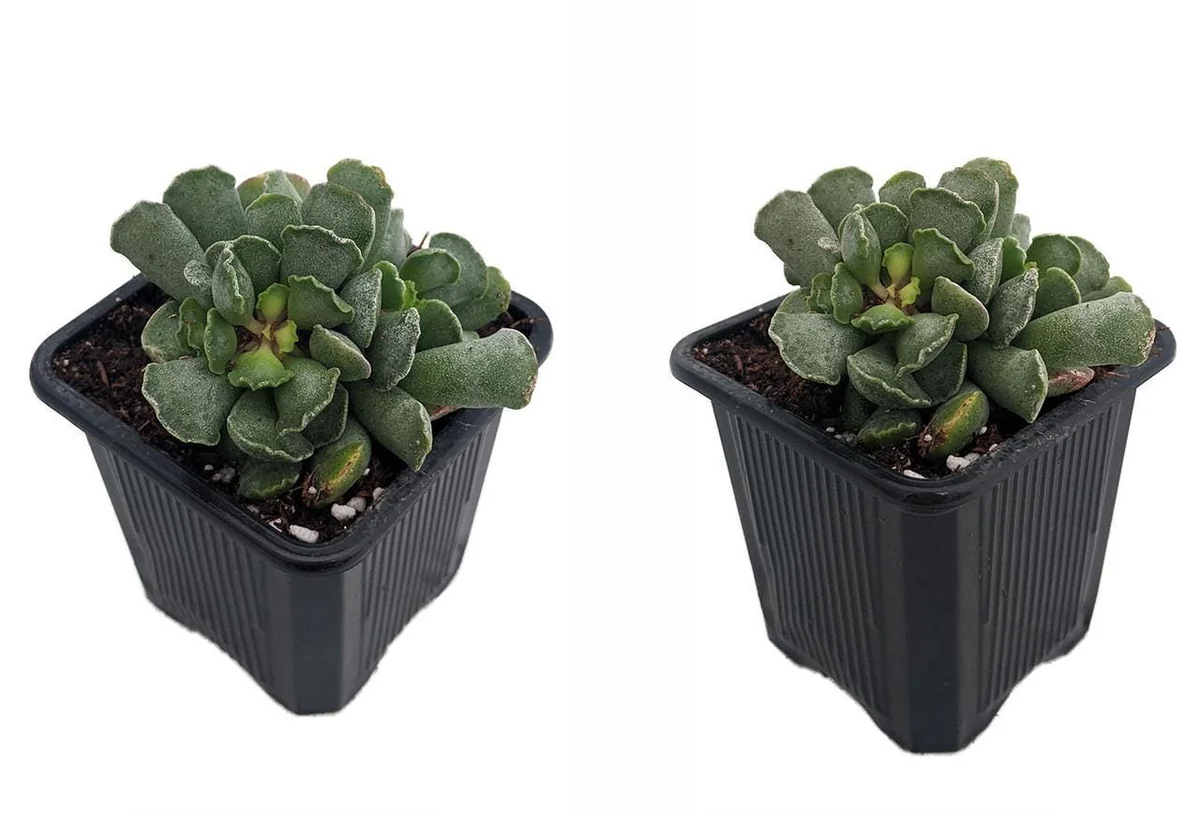
Ravioli Plant (Adromischus cristatus) Live Succulent – 2 Pack 2″ Pots – Easy Care
Original price was: $25.56.$12.78Current price is: $12.78.
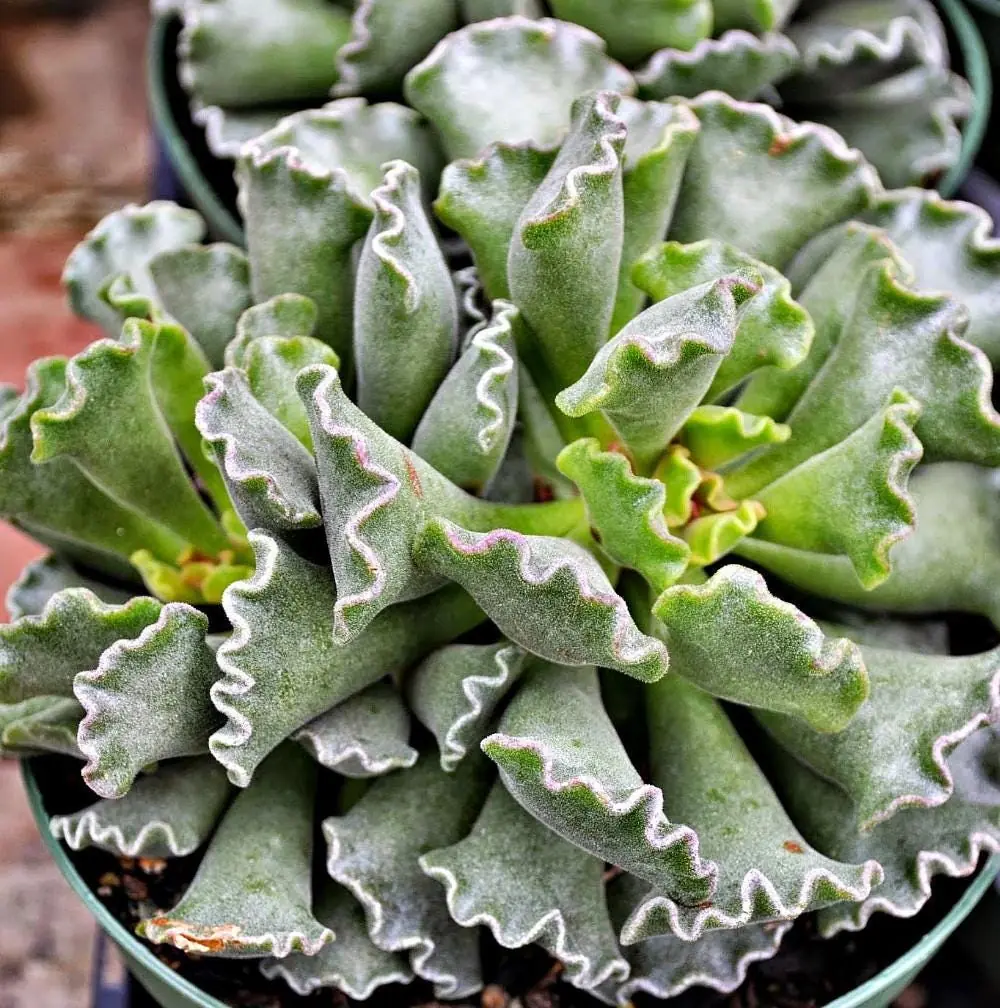
Bring a touch of unique charm to your home with the Ravioli Plant succulent (Adromischus cristatus). This distinctive succulent features wavy, fleshy leaves, resembling its namesake. It’s an easy care succulent perfect for beginners and collectors alike.
- Comes in a convenient 2 Pack 2″ Pots
- Unique ‘Pierogi-like’ foliage
- Ideal for sunny indoor spots
-
USDA Hardiness Zone
USDA zones 9-11 (outdoors) or year-round indoors -
Soil Type
Well-draining potting mix (succulent/cactus blend) -
Sunlight Exposure
Full sun -
Expected Planting Period
Year-round indoors

You can track your order HERE
Feb 28
Mar 05 - Mar 07
Mar 10 - Mar 14
Shipping and return policies: Our Alive & Thrive Guarantee covers issues with your plants within the first 30 days. Reach out to us. Our team will answer your questions and help you find the plants that are truly suitable for your environment, climate, and personal preferences.

Overview
The Ravioli Plant succulent (Adromischus cristatus) is a truly captivating and easy-to-grow succulent native to the arid landscapes of South Africa. Its common name, ‘Ravioli Plant,’ comes from its thick, fleshy leaves that are uniquely shaped, often described as ‘Pierogi-like,’ with squared-off tips and distinctively wavy margins. These charming leaves can grow up to 2 inches long and 1 inch wide, making each plant a miniature work of art. This offering includes a convenient 2 Pack 2″ Pots, perfect for starting your collection or adding to an existing display. The stems of the Ravioli Plant succulent are often covered in reddish-brown aerial roots, adding to its curious and exotic appeal. It’s a fantastic choice for anyone looking for a unique succulent plant that requires minimal fuss.
This Adromischus cristatus care guide will help you cultivate a thriving specimen. Known for its resilience and striking appearance, the Ravioli Plant is an excellent addition to any indoor garden, windowsill, or succulent arrangement. Its compact size makes it suitable for smaller spaces, and its intriguing form guarantees it will be a conversation starter. If you’re searching for an easy care succulent that stands out from the crowd, look no further than this delightful Adromischus cristatus.
Key Benefits
The Ravioli Plant succulent offers a host of benefits beyond its striking appearance, making it a favorite among plant enthusiasts. Its robust nature and unique aesthetics contribute to a rewarding ownership experience.
- Unique Ornamental Appeal: The distinctive ‘ravioli-shaped’ leaves with wavy margins and reddish aerial roots provide an unusual and eye-catching display, unlike most other succulents. This unique succulent plant adds architectural interest to any collection.
- Low Maintenance: This is truly an easy care succulent, requiring minimal attention once its basic needs for sun and water are met. It’s perfect for busy individuals or those new to plant care.
- Drought Tolerant: As a succulent, the Ravioli Plant is exceptionally drought-tolerant, storing water in its fleshy leaves. This means less frequent watering and greater forgiveness if you occasionally forget.
- Compact Size: Growing to a relatively small size, these plants are ideal for windowsills, desks, terrariums, or small succulent arrangements, making them versatile for various indoor spaces.
- Easy Propagation: The Ravioli Plant is readily propagated from leaf or stem cuttings, allowing you to easily expand your collection or share with friends. This makes it a sustainable and fun plant to grow.
- Resilience: This species is known for its hardiness and ability to thrive in warm, sunny conditions, making it a robust choice for arid indoor environments.
- Air Purification: Like many houseplants, the Ravioli Plant contributes to improved indoor air quality by absorbing toxins and releasing oxygen, albeit on a smaller scale due to its size.
Plant Care & Growing Tips
Proper Adromischus cristatus care is straightforward, ensuring your Ravioli Plant succulent thrives with minimal effort. This plant loves bright conditions. It requires full sun to maintain its compact form and vibrant leaf coloration. Place it in a south-facing window where it can receive at least 6 hours of direct sunlight per day. If grown outdoors, ensure it’s in a spot with plenty of sun, but protect it from extreme, scorching afternoon sun in very hot climates, which can cause leaf burn. Good air circulation is also beneficial for preventing fungal issues.
Watering is critical for any succulent. During the active growing season, typically from May to October, water your Ravioli Plant once a week. Allow the soil to dry out completely between waterings to prevent root rot, which is the most common killer of succulents. During the dormant winter months, from November to April, reduce watering significantly to once every two weeks or even less, depending on humidity and temperature. Always check the soil moisture before watering; if it’s still damp, wait a few more days. This low maintenance plants require very specific watering habits.
The Ravioli Plant thrives in a well-drained potting mix. A commercial succulent or cactus mix is ideal, or you can create your own by mixing regular potting soil with perlite or coarse sand in a 1:1 ratio. This ensures excellent drainage and prevents waterlogging. Warm temperatures are preferred, ideally between 65-80°F (18-27°C). While it can tolerate slightly cooler temperatures, avoid frost, as it is not cold-hardy. Fertilize sparingly; a diluted balanced liquid fertilizer once or twice during the growing season is sufficient. Repot only when the plant has outgrown its current container, usually every 2-3 years. Watch out for common pests like mealybugs, which can be treated with rubbing alcohol or insecticidal soap. This easy care succulent will reward you with its unique beauty for years to come.
Size & Details
This offering provides a 2 Pack 2″ Pots of the fascinating Ravioli Plant succulent (Adromischus cristatus). Each plant is established in its own 2-inch nursery pot, ready to be displayed or transplanted. The individual fleshy leaves typically grow up to 2 inches long and 1 inch wide, contributing to the plant’s compact and intriguing form. When mature, these succulents generally reach a height of 4-6 inches and a similar spread, making them an ideal size for windowsills, terrariums, or mixed succulent arrangements. They are slow to moderate growers, gradually expanding their unique foliage over time.
The plants are shipped as live, rooted specimens in their nursery pots, ensuring they arrive healthy and ready to continue growing in your home. With proper Adromischus cristatus care, you can expect these plants to thrive and develop their characteristic wavy leaf margins and reddish aerial roots. The exact dimensions may vary slightly as these are live plants, but they will be consistent with the 2-inch pot size. This convenient pack allows you to enjoy multiple specimens of this delightful unique succulent plant.
Frequently Asked Questions
- Q: How big will my Ravioli Plant succulent get? A: Your Ravioli Plant succulent typically grows to a compact size, reaching about 4-6 inches in both height and spread when mature. It’s ideal for small spaces and desktop displays.
- Q: Is this an indoor or outdoor plant? A: While it can thrive outdoors in warm, frost-free climates (USDA Zones 9-11), the Ravioli Plant is predominantly grown as an indoor houseplant in the US due to its need for warm temperatures and full sun.
- Q: How much sunlight does the Ravioli Plant need? A: This succulent requires full sun, meaning at least 6 hours of direct sunlight per day. A south-facing window is usually ideal for optimal growth and leaf coloration.
- Q: Is this plant easy to care for? A: Yes, the Ravioli Plant succulent is considered an easy care succulent. Its primary needs are ample sunlight and infrequent, deep watering, making it suitable for beginners.
- Q: What condition will the plants arrive in? A: Your plants will arrive as live, rooted specimens, securely packaged in their 2-inch nursery pots, ready for you to unbox and enjoy.
- Q: How often should I water my Adromischus cristatus? A: During the growing season (May-October), water once a week, allowing the soil to dry completely. In winter, reduce watering to once every two weeks or less. Proper Adromischus cristatus care emphasizes avoiding overwatering.
- Q: What kind of soil is best for this unique succulent plant? A: The Ravioli Plant thrives in a well-draining potting mix, such as a commercial succulent or cactus blend, or a mix of potting soil with perlite or coarse sand.
- Q: Can I propagate my Ravioli Plant? A: Absolutely! The Ravioli Plant is easily propagated from both leaf and stem cuttings, making it simple to create new plants from your existing one.
- Q: Is the Ravioli Plant safe for pets? A: Like many succulents, it’s generally considered non-toxic to pets, but it’s always best to prevent pets from ingesting any plant material.
- Q: What’s the best time to plant or repot this succulent? A: The best time for planting or repotting is during its active growing season, typically spring or early summer, to allow it to establish quickly.
Be the first to review “Ravioli Plant (Adromischus cristatus) Live Succulent – 2 Pack 2″ Pots – Easy Care”
People Also Viewed
Sold 79 products
Original price was: $64.36.$32.18Current price is: $32.18.

Sold 67 products
Original price was: $14.76.$7.38Current price is: $7.38.

Sold 100 products
Original price was: $40.76.$20.38Current price is: $20.38.
Sold 53 products
Original price was: $230.22.$138.14Current price is: $138.14.
Sold 67 products
Original price was: $49.08.$29.44Current price is: $29.44.
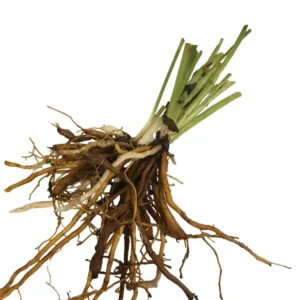
Flower Plants
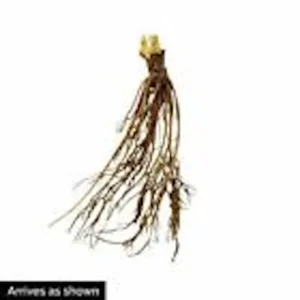
Pardon Me Daylily Bare Root Plant – Fragrant Red Reblooming Hemerocallis, 1-2 Fans, Outdoor
Sold 64 products
From $119.80
Sold 99 products
Original price was: $119.98.$54.99Current price is: $54.99.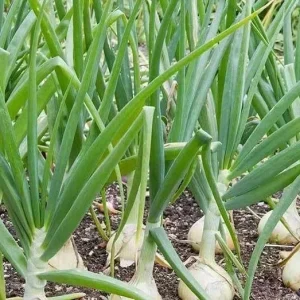

Vegetable Seeds
500 Vidalia Sweet Onion Seeds – Non-GMO Heirloom Vegetable Seeds
Sold 77 products
Original price was: $15.92.$7.96Current price is: $7.96.
Sold 92 products
Original price was: $20.00.$16.00Current price is: $16.00.
Sold 77 products
Original price was: $43.96.$21.98Current price is: $21.98.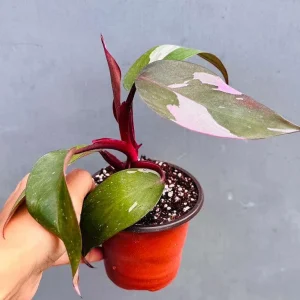
HousePlants
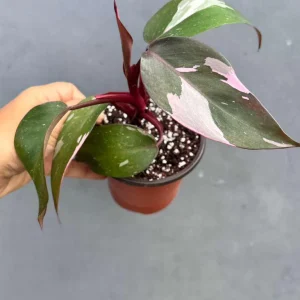
Philodendron Pink Princess Live Plant – 3″ Grow Pot – Variegated Pink Foliage – Indoor Houseplant
Sold 71 products
Original price was: $77.60.$38.80Current price is: $38.80.
HousePlants
Manjula Pothos Live Plant – Rare White Variegated Epipremnum Aureum Manjula Indoor Houseplant
Sold 59 products
From $29.98
Sold 51 products
Original price was: $50.99.$35.69Current price is: $35.69.
Sold 96 products
Original price was: $45.58.$22.79Current price is: $22.79.
Sold 73 products
Original price was: $58.58.$29.29Current price is: $29.29.

Sold 82 products
Original price was: $47.96.$23.98Current price is: $23.98.
Sold 99 products
$50.58

Sold 63 products
Original price was: $12.00.$6.00Current price is: $6.00.



Reviews
There are no reviews yet.